

For Everyone Touched By Cancer
Cancer may affect the body, but it can never break your spirit. Your presence, hope, and strength remain yours, untouched and unshakeable.
When cancer enters your life or the life of someone you care about, it brings a wave of changes. Some are visible, marked by new daily routines or physical shifts. Others are quiet, deeply felt, and harder to name.
What often gets overlooked is the emotional experience: the need for acknowledgement, the quiet grief, and the ever-present uncertainty, especially amid medical appointments and treatments.
This article does not attempt to define your journey. Instead, it seeks to hold space for the truth of living through cancer, while offering gentle ways to support emotional healing.
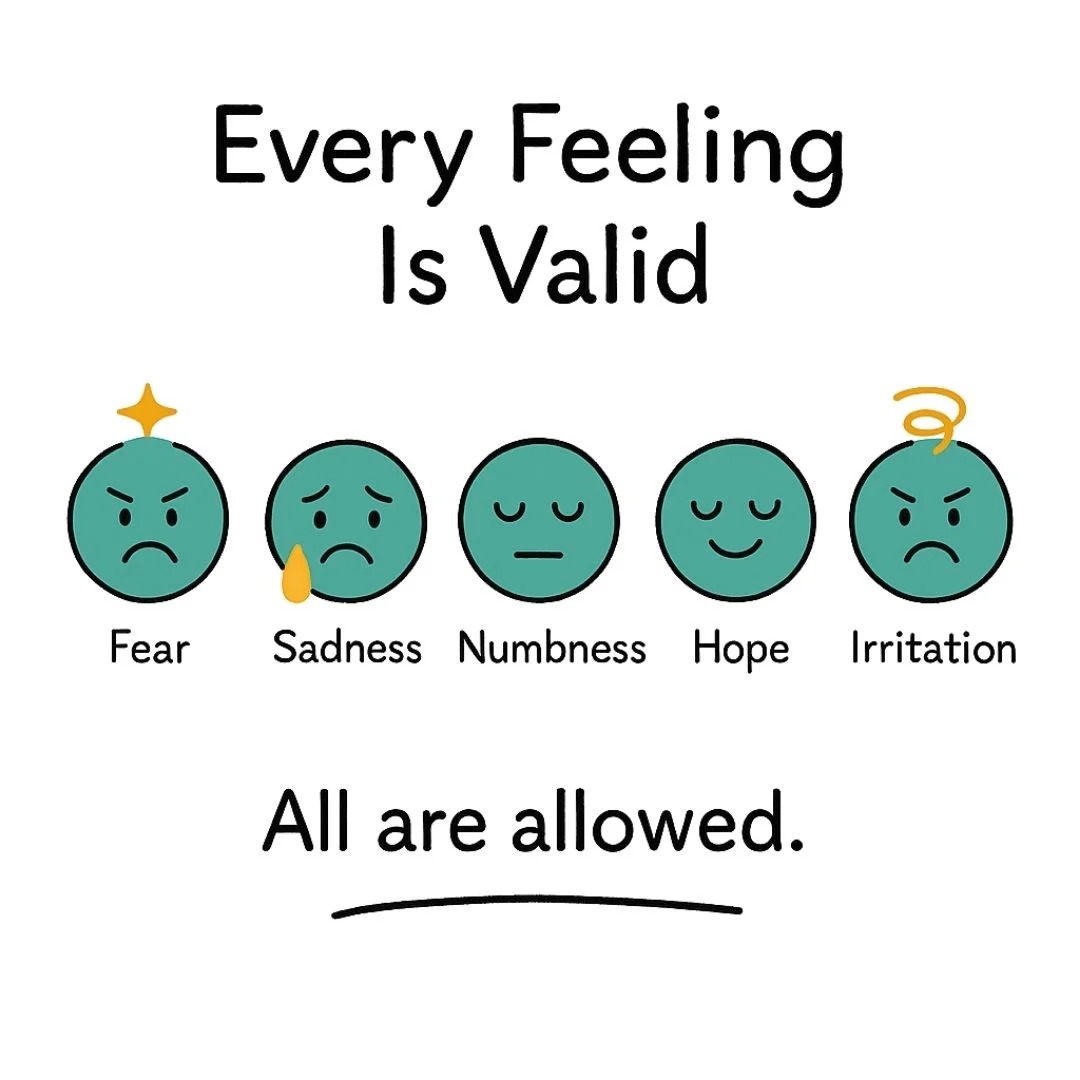
One of the kindest gifts you can offer, whether to yourself or someone navigating cancer, is permission to feel everything: fear, sadness, numbness, irritation, laughter, hope, even moments of feeling unseen or emotionally distant. These emotions aren’t contradictions. They can and often do coexist. There is no wrong or right, only real.
A 2023 study found that acknowledgement and open emotional expression are linked to reduced psychological distress during treatment.
Tip: Art therapy, writing, journaling, or speaking with a therapist familiar with oncology-related care can create a safe, private outlet that nurtures emotional processing.
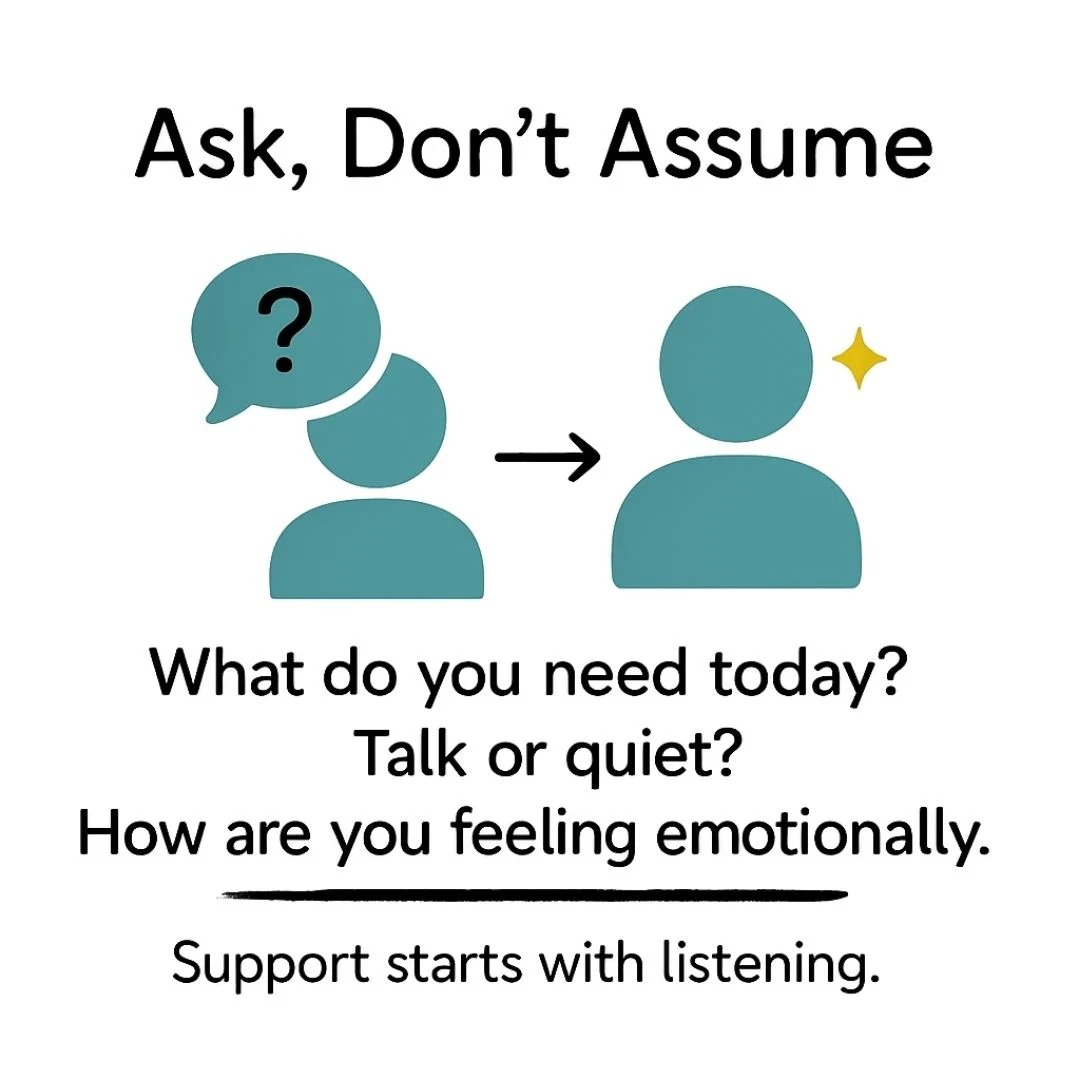
If you’re accompanying someone on their cancer journey, your intentions may be loving and full of care. But even with the best motives, it helps to move gently, with patience and sensitivity. Instead of assuming what they need, consider asking:
• “Would you like company today?”
• “Is there anything you feel up to doing together?”
• “Would it help to talk, or simply sit in silence?”
This approach affirms autonomy and reduces pressure, something that often feels missing when life is overshadowed by medical routines and expectations.
The world often assigns labels like “strong” to those living with cancer, but sometimes the most empowering act is to let go of those expectations. Strength can look like asking for help, crying openly or admitting that today feels heavy. And that’s okay.
There is courage in vulnerability. There is grace in allowing yourself to be seen, not because you’re trying to be resilient, but because you’re human.
A 2022 meta-review found that pressuring individuals to maintain a positive outlook during treatment may inadvertently contribute to emotional strain. Instead, emotional healing thrives in environments that make space for vulnerability, not performance.
Tip: Create a nurturing environment by simply acknowledging difficult moments. You don’t have to fix them. Saying “I see you” can be more powerful than offering solutions.
Healing isn’t only medical, it’s emotional, sensory and sometimes spiritual, even in a secular sense. Creating small pockets of peace can be helpful.
A quiet room with soft lighting, calming music, or gentle movement, like restorative yoga or simple stretching, can ease both physical tension and mental overwhelm. For those in treatment, having a corner to retreat to can help restore a sense of personal control.
Many cancer centres now offer non-medical wellness programs to support emotional healing.
For example, the Memorial Sloan Kettering Cancer Center integrates relaxation therapies into its patient support offerings. These aren’t cures, they’re comfort, and sometimes comfort is the most healing gift of all.
Cancer often reshapes the language we use with one another. Some conversations become more tender. Others grow quiet. Some may feel too heavy, too complex, or simply difficult to begin.
But connection thrives in truth. Letting a loved one know that you’re open to talking, whether about discomfort, fears, or hopes, gives permission to be real. It signals that their feelings are welcome, without judgement or pressure.
Tip: Use open-ended questions. Asking “How have you been feeling emotionally?” Invites allow depth that a simple “Are you okay?” It opens the door to reflection, rather than closure.
As treatment comes to an end, emotions may begin to surge. Relief can arrive, but so can grief, anxiety, and unexpected shifts. The “after” isn’t always a simple return to normal. Once the structure of treatment fades, many people report feeling adrift.
The American Cancer Society conducted a survey in 2021, which found that 43% of post-treatment survivors felt unprepared for the emotional impact of resuming everyday life. Recognising this stage as part of the journey,
not as an afterthought, can help reduce the sense of isolation.
Tip: Continued therapy, peer mentoring, or joining support groups may help create new emotional rhythms and routines.
Cancer may shape part of someone’s life, but it never defines the whole story. Alongside care, coping, and treatment, people still connect, create, dream, and laugh. Encouraging activities that reflect the person, not just the diagnosis, helps restore emotional wholeness.
Pottery, knitting, art-making, nature walks, attending events, or even planning a small gathering around meaningful, joy-filled experiences, these aren’t distractions. They’re affirmations of life and healing.
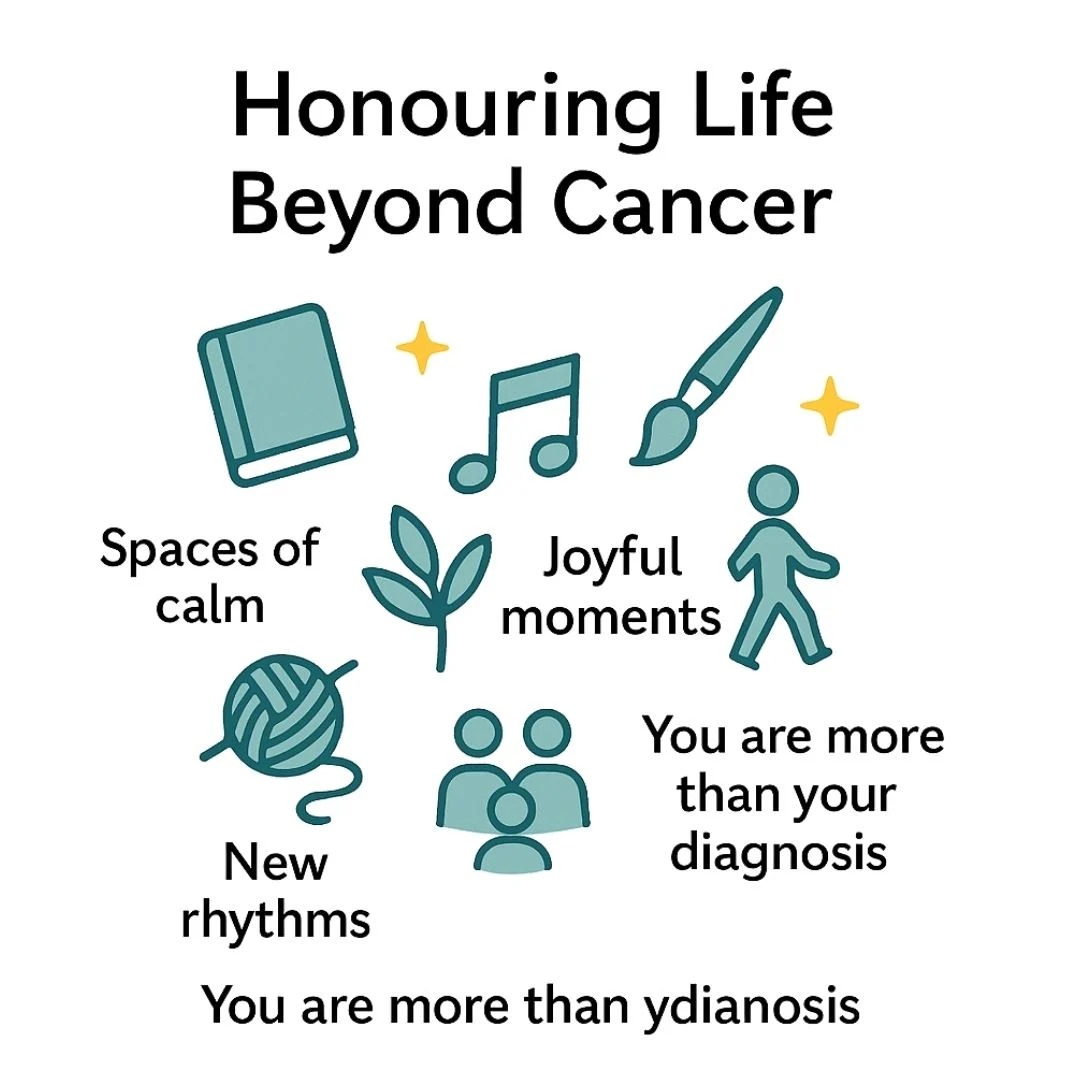
No matter the direction or pace of the journey, emotional healing deserves a seat at the table. You are not defined by how composed you appear or how many tears you shed. You are allowed to move through this time with whatever grace feels real and right for you.
Cancer may affect the body, but it does not own your spirit.
(1) Wiley Online Library.
(2) Cancer Care Parcel’s support guide
(4) Cancer.Net
(6) MSKCC’s Integrative Medicine page
(7) Navigating Difficult Conversations During Cancer
(8) Reclaiming Your Strength and Fitness After a Cancer Diagnosis
Edited by: Katheeja Imani

Delatria Sam is a Clinical Research Professional with extensive experience managing clinical trials across a range of therapeutic areas, including Oncology. Her background in clinical research provides a deep understanding of the complexities involved in bringing new treatments to market.
In addition to her research work, Delatria is an accomplished writer who leverages her clinical expertise to produce informative and engaging content on topics related to clinical trials, medical research, and healthcare. Her writing is dedicated to bridging the gap between medical professionals, researchers, and patients, making complex information accessible and meaningful.
Help us continue supporting people affected by cancer.
We create clear, trusted information to make the cancer experience a little easier to navigate. We also reinvest our time and resources to send free comfort parcels to people who cannot afford one. If you would like to support this work, you can make a contribution or explore ways to get involved.
So you have found out that a friend, colleague or loved one has cancer. What do you do now? The easiest thing is to not deal with it, just ignore it until you hear they are better or worse. And there are many people who do just that, simply because they do not feel that they know how to react or possibly because they don't want to face it. But this is the worst thing you can do for someone who might need you right now. Helping a friend with cancer does not have to be difficult.
This Article Advises What To Pack In Your Chemo Bag To Help You Relax During Your Chemotherapy Treatment. It Also Gives Ideas On How To Pass The Time.
Chemotherapy is a powerful tool in the fight against cancer, but it can also be physically and emotionally demanding. Preparing your body before starting chemotherapy can help you manage the side effects, maintain your strength, and improve your overall well-being throughout the treatment process. This guide will provide you with essential tips to get your […]