

For Everyone Touched By Cancer
Changes in taste and smell are common during cancer treatment. Learn why they happen and how to maintain good nutrition, strength, and overall well-being.
Everyone’s cancer journey is unique, and each person will experience different challenges along the way. However, when it comes to nutrition and cancer, many people will face similar challenges. Proper nutrition is vital to maintain health and strength so that the body’s immune system can function properly, as well as help the body to heal and recover from treatment. 1Patients with cancer typically need more calories and key nutrients, such as protein, to prevent malnutrition and maintain the best quality of life.2
Eating can become a real struggle when something as simple as food no longer tastes or smells the way it used to. This can turn meals into an unpleasant experience, causing patients to eat less, which could lead to unintended weight loss.1
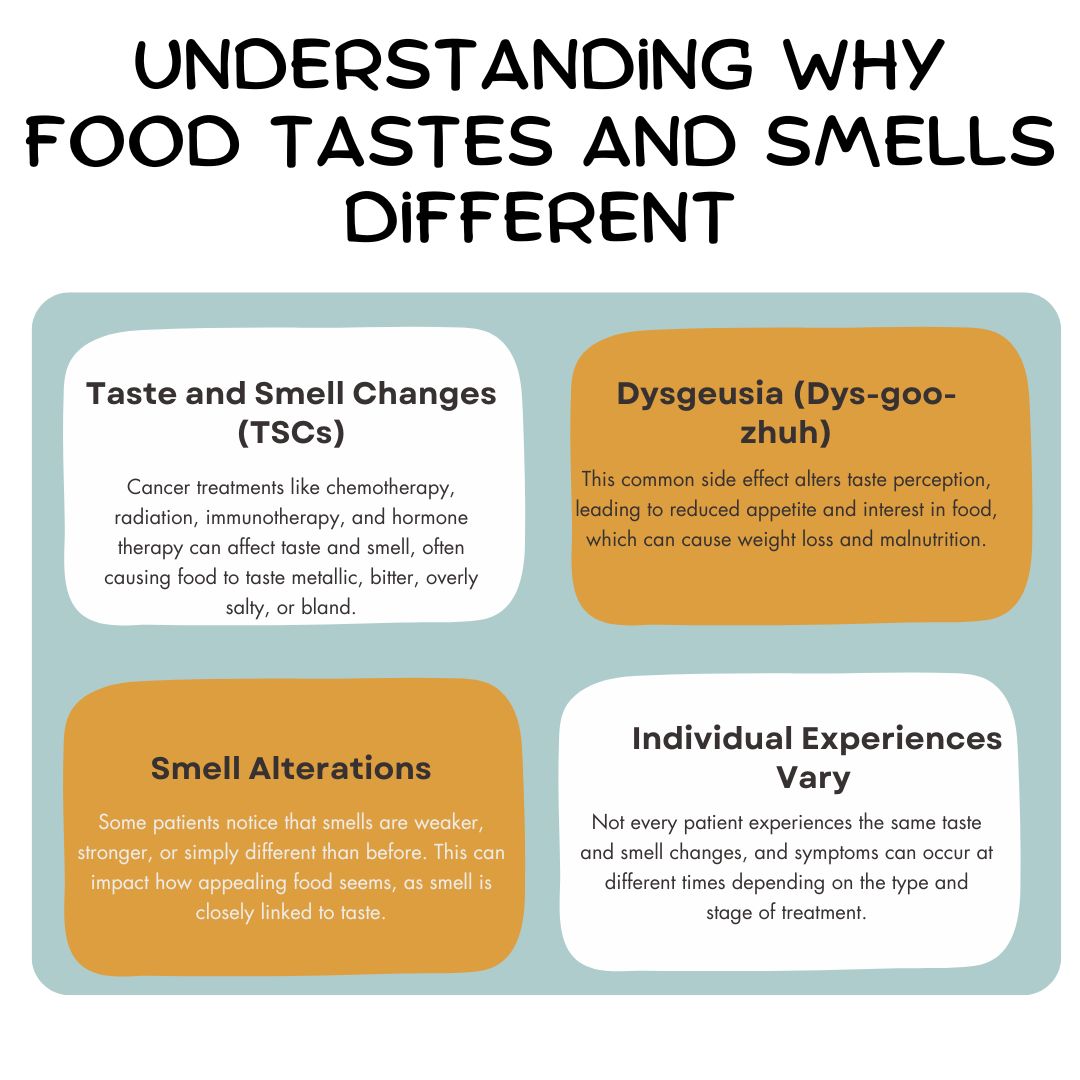
One common side effect of cancer treatment is dysgeusia, which refers to the impairment of taste and/or smell.3 Dysgeusia can be described as having a metallic, bitter, overly salty, or unpleasant taste. These changes can reduce appetite and interest in eating, leading to poor nutrition and weight loss. When it comes to changes in smell, some patients have reported that things don’t smell the way they used to, or the smell isn’t as strong.
While there is a vast amount of research regarding the topic of cancer treatment and its side effects causing tastes to change, not every patient will experience it at the same time or have all of the common symptoms. It is important to consider the various types of treatment that patients are receiving, as this side effect can occur with any type of treatment, but when and how often is still unclear.
A review explored how changes in taste and smell during treatment can be subjective and objective, evaluating the TSCs (taste and smell changes) and how prevalent this is in cancer.4 The study authors investigated taste and smell changes in chemotherapy, radiation therapy, immunotherapy, and hormone therapy in patients who were survivors. The outcome in this review showed that TSC varied depending on what stage the cancer was at, as well as what type of treatment regimens were being utilised. TSC ranged anywhere from 16% to 70% during chemotherapy and radiation.
Patients who took hormone therapy or immunotherapy post-cancer treatment, who were also survivors, were not studied frequently enough. It was also noted in the review that TSCs are often linked to impaired nutritional status, but the relationship between treatment side effects and nutrition is still not fully understood.4 The authors of the review make it clear that TSCs should be included in all nutritional assessments for patients with cancer to help guide care and further research.
Fortunately, there are several strategies patients can try in order to cope with these changes. While not every approach works for everyone, experimenting with different techniques could help make eating more tolerable and even enjoyable again.
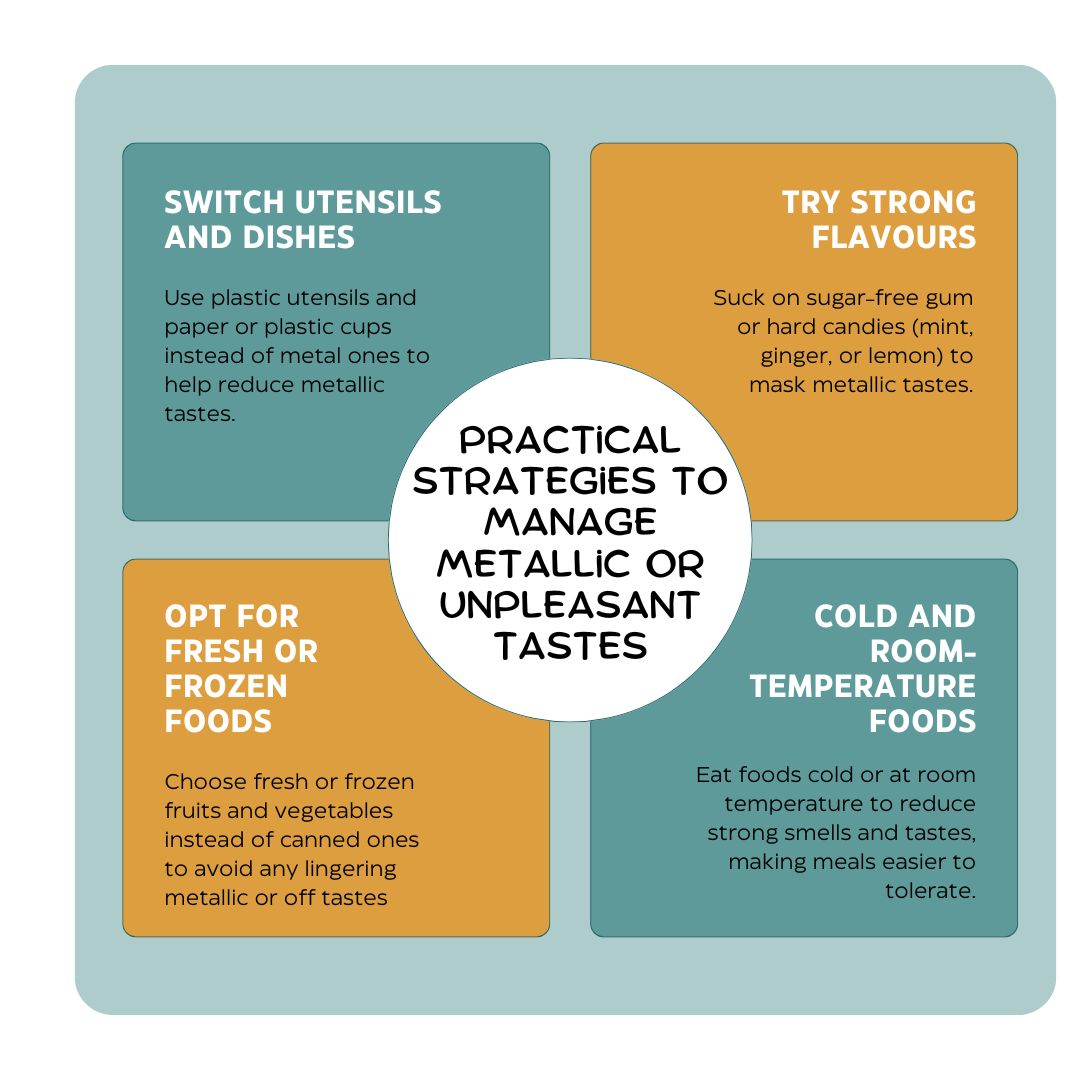
Certain foods can help improve calorie and nutrient intake, especially if the appetite is low:
If food alone is not enough, nutrition shakes or supplements can help provide extra calories and protein.7,8 Consult your doctor or dietitian before adding supplements to your routine.
Eating enough is critical, even when it feels difficult. Malnutrition is a serious risk during cancer treatment, and when not managed, can lead to cancer cachexia, a wasting syndrome that causes weakness, weight loss, muscle loss, and fatigue.2 This can occur even if a patient is eating well, making it important to stay proactive.
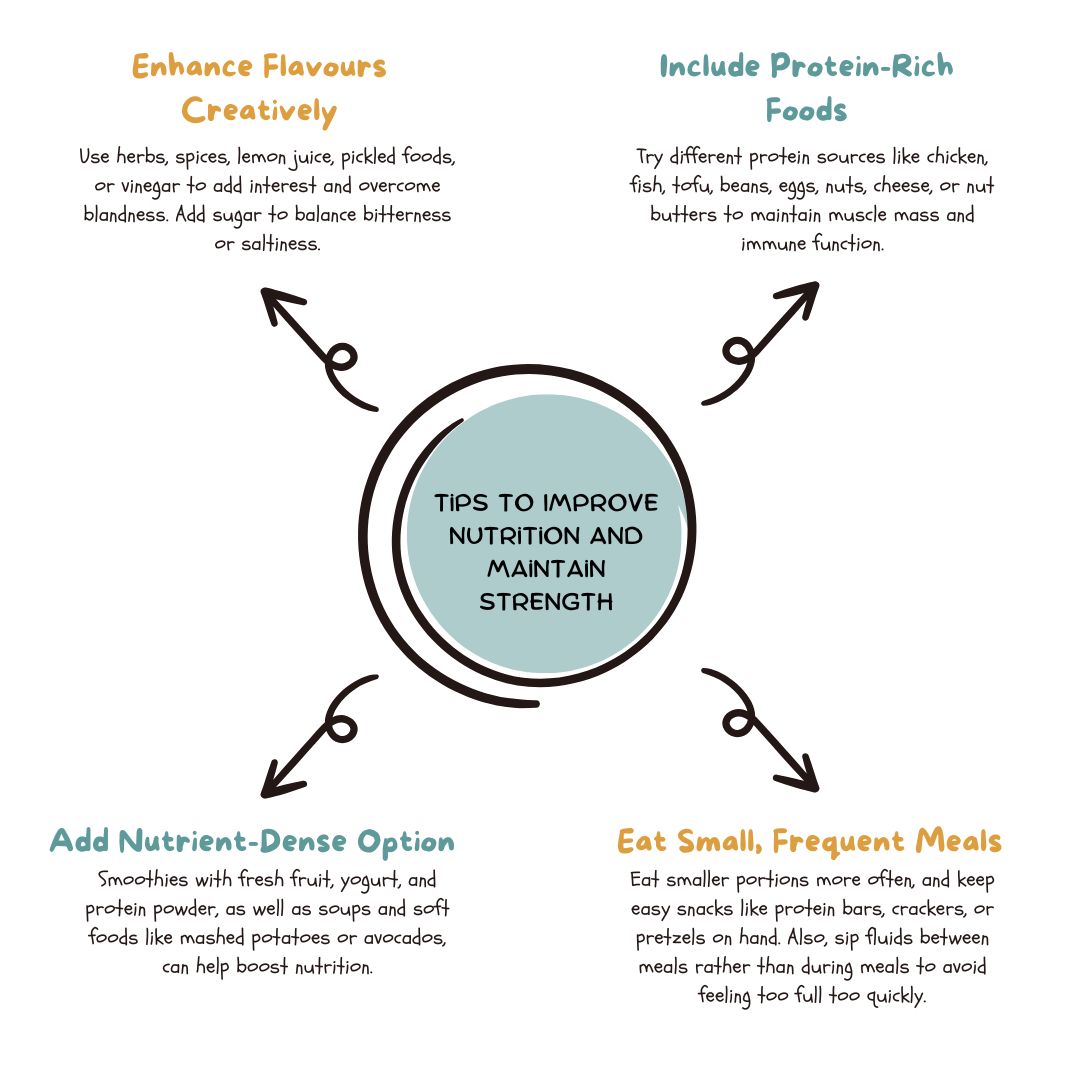
Some strategies that can help combat any unwanted weight loss, appetite loss, and provide satiety can include:
If you are navigating changes in taste and smell during cancer treatment, please know that you are not alone, and there are strategies that can help. Eating might feel hard right now, but small changes can make a big difference in how you feel. With the right support, it can get easier to eat well and stay strong, both mentally and physically.
Senior Editor: Katheeja Imani
Help us continue supporting people affected by cancer.
We create clear, trusted information to make the cancer experience a little easier to navigate. We also reinvest our time and resources to send free comfort parcels to people who cannot afford one. If you would like to support this work, you can make a contribution or explore ways to get involved.
A Breast Lump Discovered While Showering Sends Life Into A Spin. Doctor Confirms, Referral To Breast Clinic. Appointment Set For 20th March, Anxiety Builds. Follow Anita's Story Here.
Discussing What A Healthy Cancer Diet Is And How Cancer And Its Treatment Can Affect This Diet. Included Are Suggestions For Dietary Changes Which May Help.
A new method of patient classification allows doctors to reduce the number of unecessary chemotherapy treatment rounds for children with Leukaemia.