This article discusses the recovery journey of a 35-year-old woman in Pakistan who developed psychosis and major depression following successful brain cancer surgery. While medical and psychiatric interventions played essential roles, it was the structured, empathetic, and sustained counselling provided by her extended family that catalysed her psychological healing. This story highlights the vital and often underappreciated role of community-based counselling and emotional support, especially in resource-limited settings where professional mental health support is scarce. The family’s consistent emotional presence, structured engagement, and cultural approach offer a powerful model of holistic healing.
Mental health recovery, particularly after a life-altering diagnosis, is rarely a sole journey. While physicians may prescribe medication and psychologists may provide therapy, the often invisible, unpaid, and untrained workforce of caregivers, especially family members, frequently becomes the true engine of recovery. In many parts of the world, such as Pakistan, the family is not merely a support system; it is the core treatment environment, particularly in communities where access to mental health services is limited, underfunded, or stigmatised.
This narrative explores the story of a woman whose psychosis, triggered by the trauma of surviving cancer, was resolved not only through clinical care but through daily, intentional family-led counselling, underpinned by love, structure, and cultural understanding.
The patient was a 35-year-old mother of two living in a densely populated, low-income neighbourhood in Pakistan. Her diagnosis, the brain cancer, was devastating. The emotional weight was compounded by the financial strain and the complexity of navigating a healthcare system where out-of-pocket payment is the norm. Nonetheless, her extensive family, including her sisters, aunts, nieces, nephews, and cousins, stood by her side.
She underwent two successful surgeries in the span of one month. The tumour was fully removed, and the outcome was deemed medically positive. However, shortly after the second procedure, she began to exhibit disturbing psychiatric symptoms: disorganised speech, sudden shouting, paranoia, aggressive behaviour, and episodes of biting her children. Her mental state deteriorated rapidly, and a psychiatric evaluation confirmed post-cancer psychosis with major depression, likely triggered by the trauma of surgery, fear of recurrence, and existential dread.
Her family, having been her strongest pillar throughout the physical illness, was now confronted with a new challenge, one they did not understand, but refused to abandon.
What unfolded over the next eight months was an extraordinary demonstration of structured, community-based mental health intervention without formal training.
The family devised a daily rotation schedule to ensure she was never left alone. Aunts, cousins, sisters, and their children took turns visiting her home. Mornings were assigned to her sisters, who would bring food, help with hygiene, and initiate light conversation. Afternoons often belonged to her nieces and nephews, who brought games, music, and an element of lightness. Evenings were reserved for one or two of her cousins, who engaged her in reflection and offered companionship through storytelling and shared memories.
This structure created a predictable rhythm in her day, critical for someone experiencing psychosis. It offered reassurance and emotional containment. The message was clear: “You are not alone, no matter what.” In this fast-paced world, there are still people in one's life who show selfless love no matter what, and this family is a depiction of such selfless love.
The family did not seek to challenge her delusions or dismiss her behaviour. Instead, they responded with gentle redirection and validation. If she became agitated or paranoid, family members listened without resistance. If she became violent or withdrawn, they did not respond with shame or control but with patience and quiet reassurance.
They said things like:
This kind of empathetic, trauma-informed dialogue helped her slowly rebuild trust in her environment. They reminded her of her identity, her role as a mother, and her intrinsic worth.
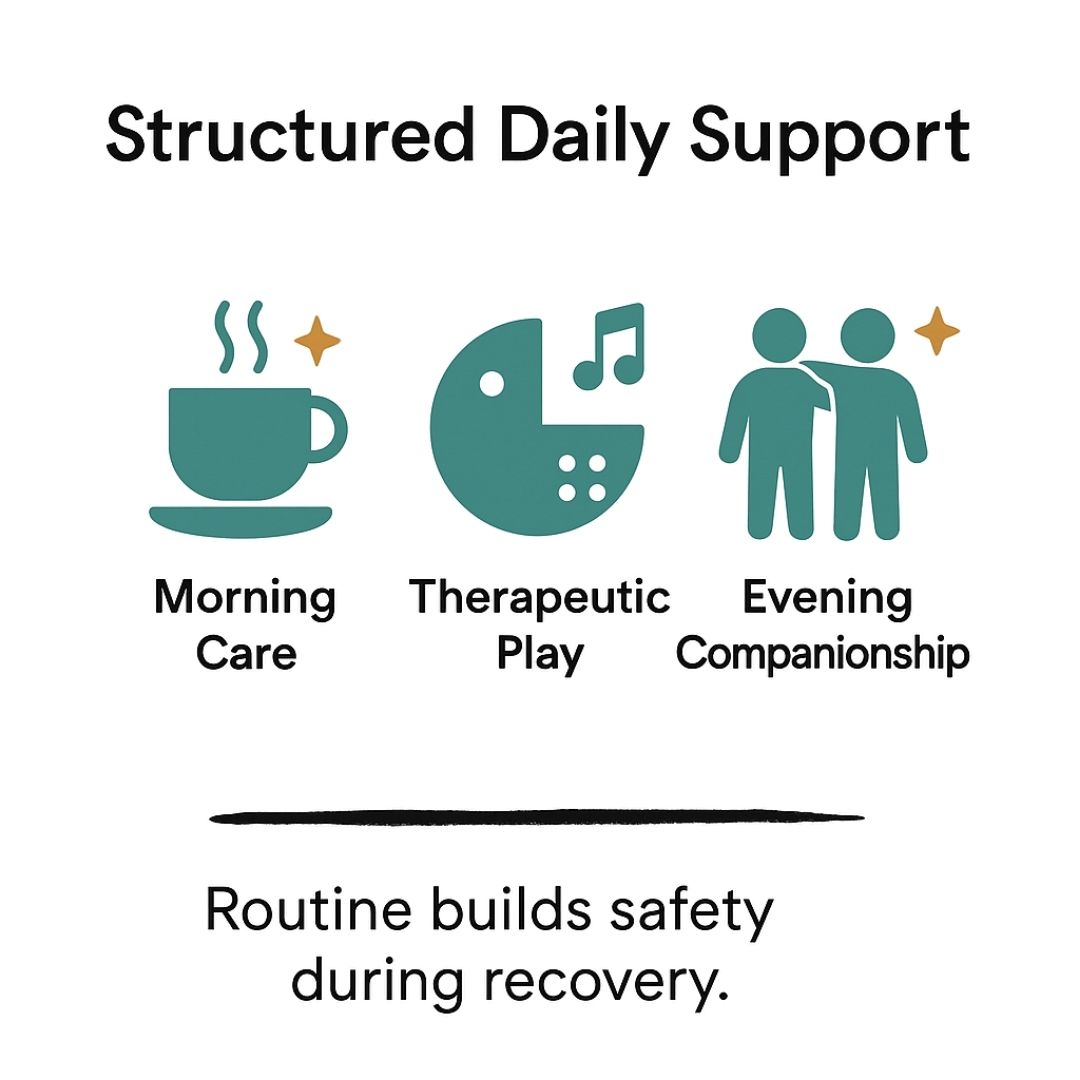
Games became therapy. She was reintroduced to activities she once enjoyed: Ludo, Monopoly, and cards. These were not trivial distractions; they were tools of reconnection. They re-established her cognitive focus, her ability to share space with others, and her engagement with rules and structure.
Over time, these activities helped to ground her. She began looking forward to the evening games with her nephews. Her laughter returned, fortnightly at first, then with increasing regularity. The return of joy became a therapeutic milestone.
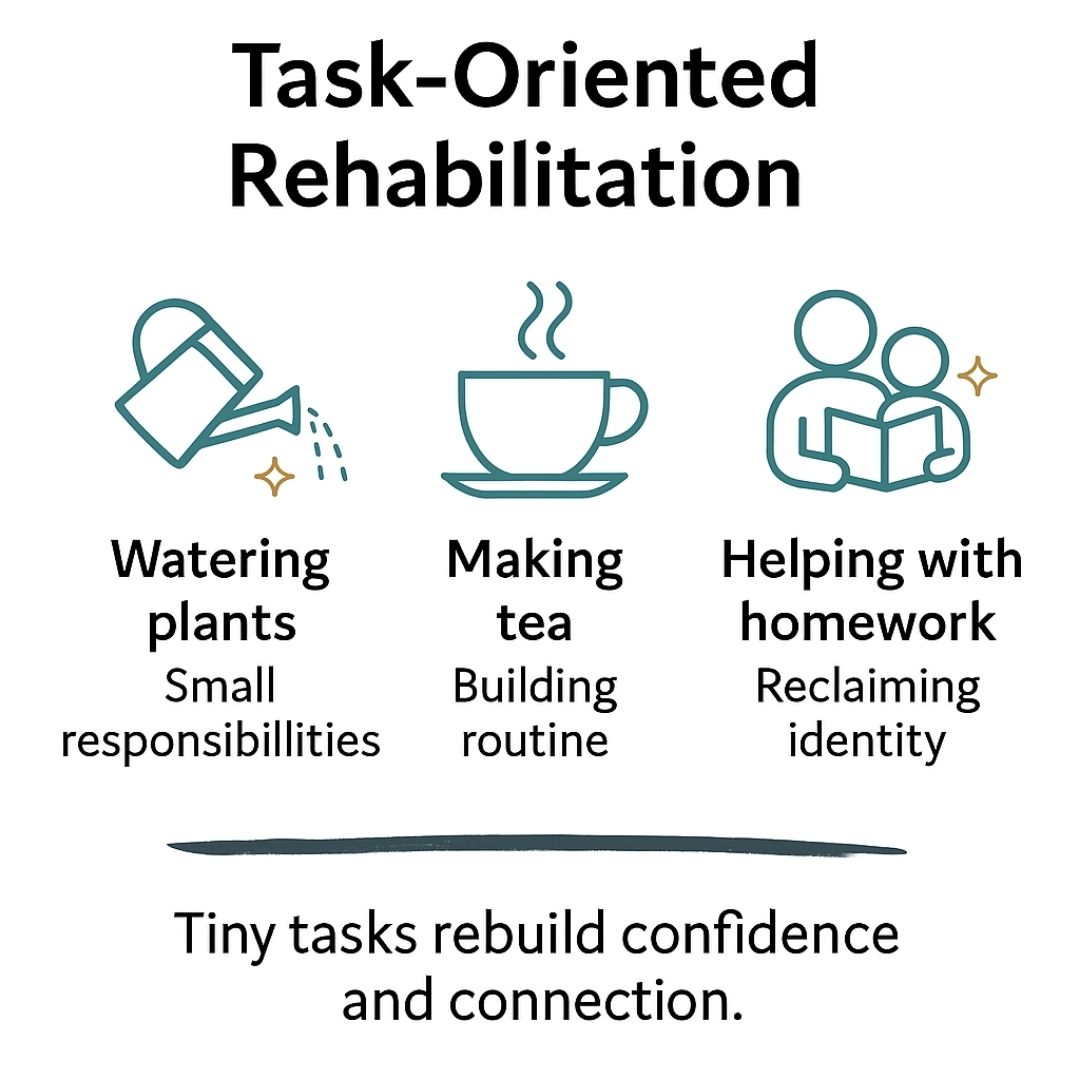
Recognising the need to restore her sense of purpose, the family gave her small responsibilities. She was asked to water the plants. Later, she helped prepare tea. Eventually, she resumed helping her children with homework. These responsibilities weren’t chores; they were symbolic bridges to normalcy.
By reintroducing functional tasks incrementally, the family helped reconstruct her identity from patient to person, from burden to contributor.
The family kept informal notes and reflections, often sharing updates in a family WhatsApp group or nightly discussions. If she reacted poorly to a certain type of interaction, they adjusted. If she responded well to music, they incorporated it more. This fluid, responsive system mirrored clinical team debriefings, though it was entirely driven by empathy and lived experience.
Over eight months, this intensive, community-driven model gradually reversed the psychosis. Her medication was tapered. Her mood stabilised. Her delusions disappeared. Most importantly, she reconnected with her children, a moment the entire family had prayed for.
This story cannot be separated from its cultural context. In Pakistan and many other collectivist societies, the family is the default care unit. There is less individualism and more communal interdependence. While this dynamic can sometimes lead to issues like overprotection or delayed medical-seeking behaviour, in this case, it proved to be a life-saving advantage.
The family’s response was not simply emotional; it was systematic. They understood the emotional train intuitively. Without any professional training, they created a healing environment more effective than what some patients receive in institutional settings.
Their counselling wasn’t scripted, but it was intentional. Their goal wasn’t therapy in the Western sense, but comfort, grounding, and reintegration, the very outcomes mental health professionals strive for.
This case raises important questions for mental health:
In countries with limited psychiatric infrastructure or in developed countries as well, this story shows the importance of what love, care and affection can bring in one's life without any monetary gains.
This is not merely a story of a woman surviving brain cancer. It is a story of a family becoming a multifunctional therapeutic unit, offering presence, patience, and persistence in the face of a psychological collapse. Their daily counselling was not a luxury; rather, it was a necessity. Their words, though untrained, were powerful. Their actions, though informal, were transformational.
“Even if you don’t have money to play a part in someone’s life, you still have your words, and they can bring magic.”
In a time when technology dominates healthcare conversations, this case reminds us of something ancient and deeply human: healing can begin with a voice, a touch, a game, or a shared memory. And sometimes, that’s enough to bring someone back from the edge of the world.
Cancer may affect the body, but it can never break your spirit. Your presence, hope, and strength remain yours, untouched and unshakeable.
When cancer enters your life or the life of someone you care about, it brings a wave of changes. Some are visible, marked by new daily routines or physical shifts. Others are quiet, deeply felt, and harder to name.
What often gets overlooked is the emotional experience: the need for acknowledgement, the quiet grief, and the ever-present uncertainty, especially amid medical appointments and treatments.
This article does not attempt to define your journey. Instead, it seeks to hold space for the truth of living through cancer, while offering gentle ways to support emotional healing.
One of the kindest gifts you can offer, whether to yourself or someone navigating cancer, is permission to feel everything: fear, sadness, numbness, irritation, laughter, hope, even moments of feeling unseen or emotionally distant. These emotions aren’t contradictions. They can and often do coexist. There is no wrong or right, only real.
A 2023 study found that acknowledgement and open emotional expression are linked to reduced psychological distress during treatment.
Tip: Art therapy, writing, journaling, or speaking with a therapist familiar with oncology-related care can create a safe, private outlet that nurtures emotional processing.
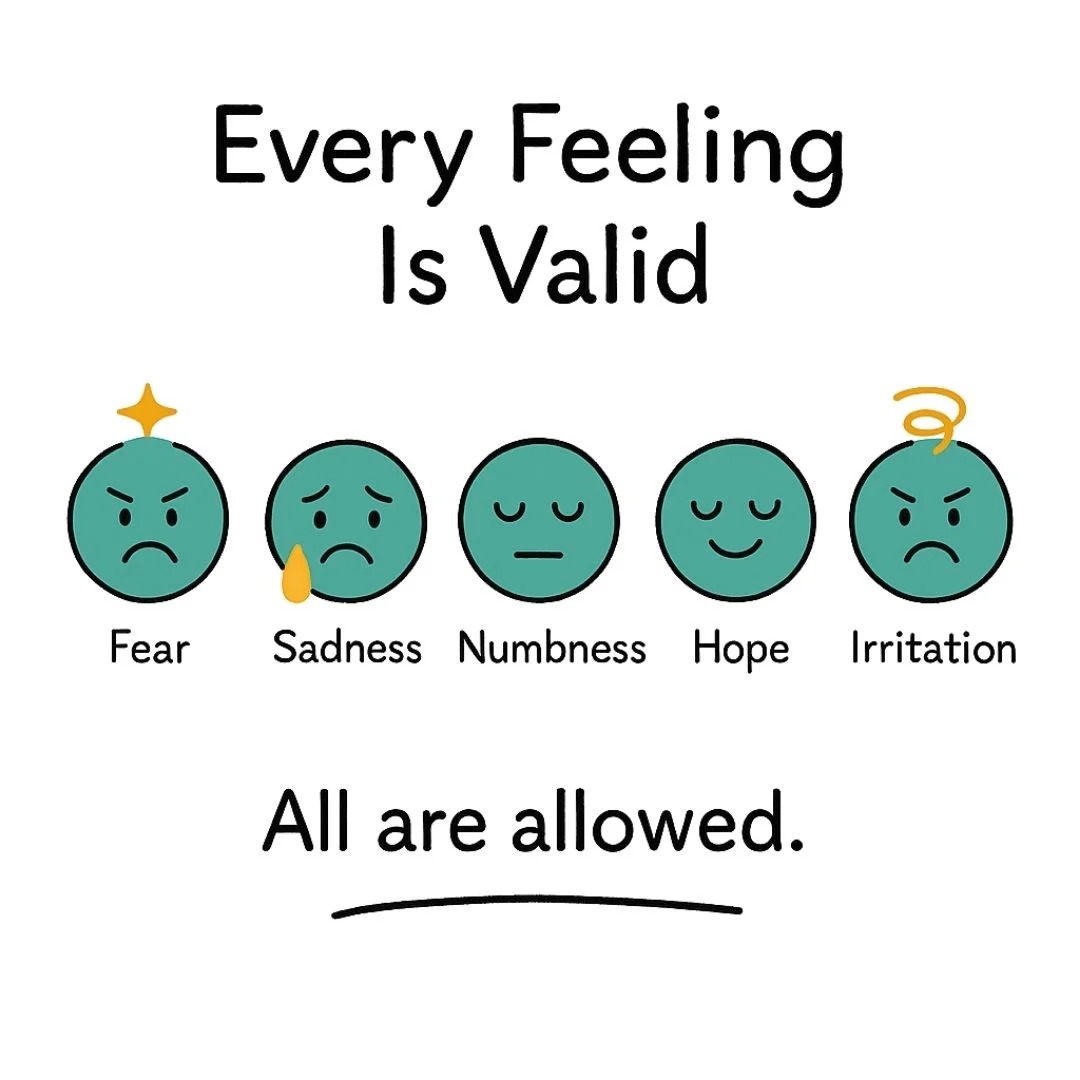
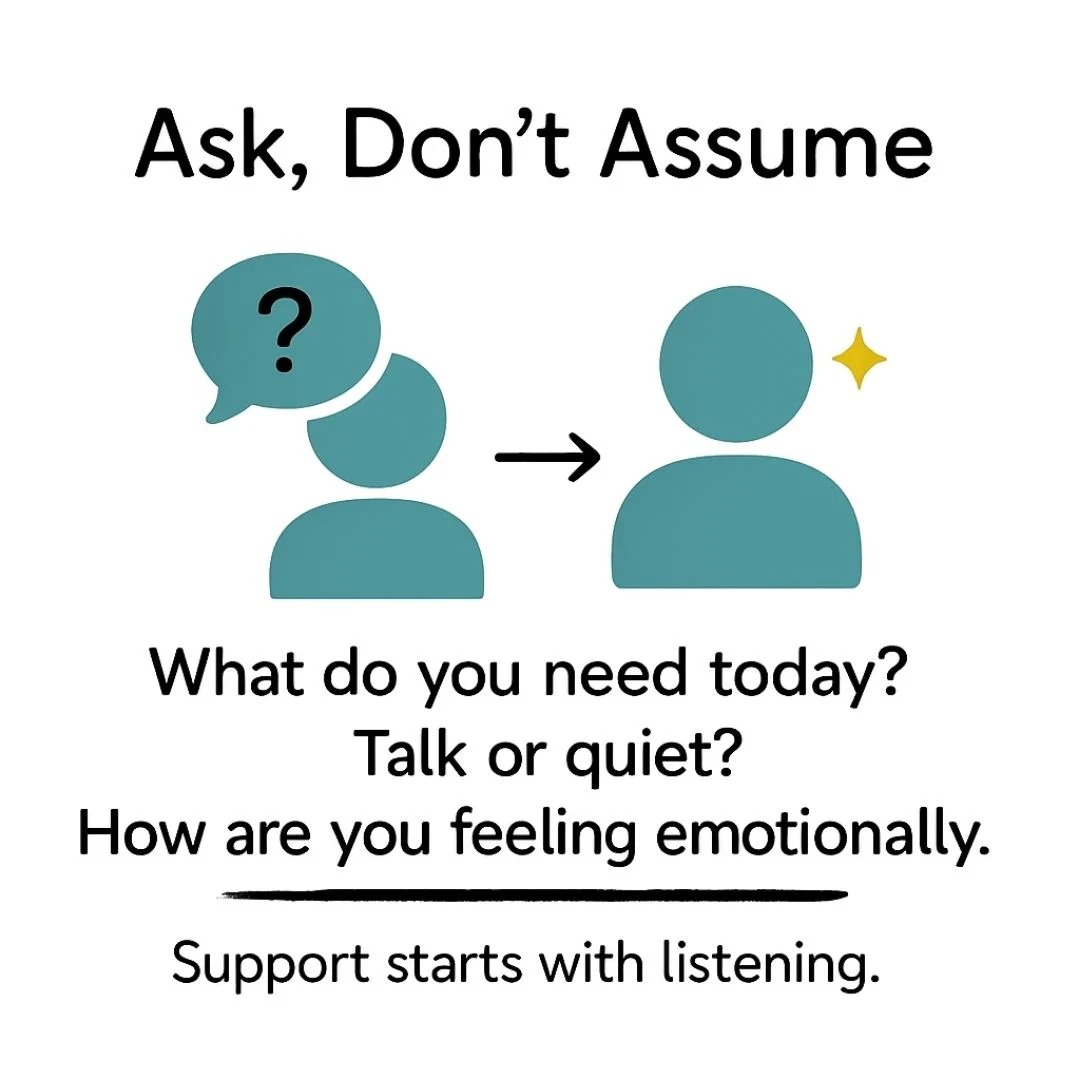
If you’re accompanying someone on their cancer journey, your intentions may be loving and full of care. But even with the best motives, it helps to move gently, with patience and sensitivity. Instead of assuming what they need, consider asking:
• “Would you like company today?”
• “Is there anything you feel up to doing together?”
• “Would it help to talk, or simply sit in silence?”
This approach affirms autonomy and reduces pressure, something that often feels missing when life is overshadowed by medical routines and expectations.
The world often assigns labels like “strong” to those living with cancer, but sometimes the most empowering act is to let go of those expectations. Strength can look like asking for help, crying openly or admitting that today feels heavy. And that’s okay.
There is courage in vulnerability. There is grace in allowing yourself to be seen, not because you’re trying to be resilient, but because you’re human.
A 2022 meta-review found that pressuring individuals to maintain a positive outlook during treatment may inadvertently contribute to emotional strain. Instead, emotional healing thrives in environments that make space for vulnerability, not performance.
Tip: Create a nurturing environment by simply acknowledging difficult moments. You don’t have to fix them. Saying “I see you” can be more powerful than offering solutions.
Healing isn’t only medical, it’s emotional, sensory and sometimes spiritual, even in a secular sense. Creating small pockets of peace can be helpful.
A quiet room with soft lighting, calming music, or gentle movement, like restorative yoga or simple stretching, can ease both physical tension and mental overwhelm. For those in treatment, having a corner to retreat to can help restore a sense of personal control.
Many cancer centres now offer non-medical wellness programs to support emotional healing.
For example, the Memorial Sloan Kettering Cancer Center integrates relaxation therapies into its patient support offerings. These aren’t cures, they’re comfort, and sometimes comfort is the most healing gift of all.
Cancer often reshapes the language we use with one another. Some conversations become more tender. Others grow quiet. Some may feel too heavy, too complex, or simply difficult to begin.
But connection thrives in truth. Letting a loved one know that you’re open to talking, whether about discomfort, fears, or hopes, gives permission to be real. It signals that their feelings are welcome, without judgement or pressure.
Tip: Use open-ended questions. Asking “How have you been feeling emotionally?” Invites allow depth that a simple “Are you okay?” It opens the door to reflection, rather than closure.
As treatment comes to an end, emotions may begin to surge. Relief can arrive, but so can grief, anxiety, and unexpected shifts. The “after” isn’t always a simple return to normal. Once the structure of treatment fades, many people report feeling adrift.
The American Cancer Society conducted a survey in 2021, which found that 43% of post-treatment survivors felt unprepared for the emotional impact of resuming everyday life. Recognising this stage as part of the journey,
not as an afterthought, can help reduce the sense of isolation.
Tip: Continued therapy, peer mentoring, or joining support groups may help create new emotional rhythms and routines.
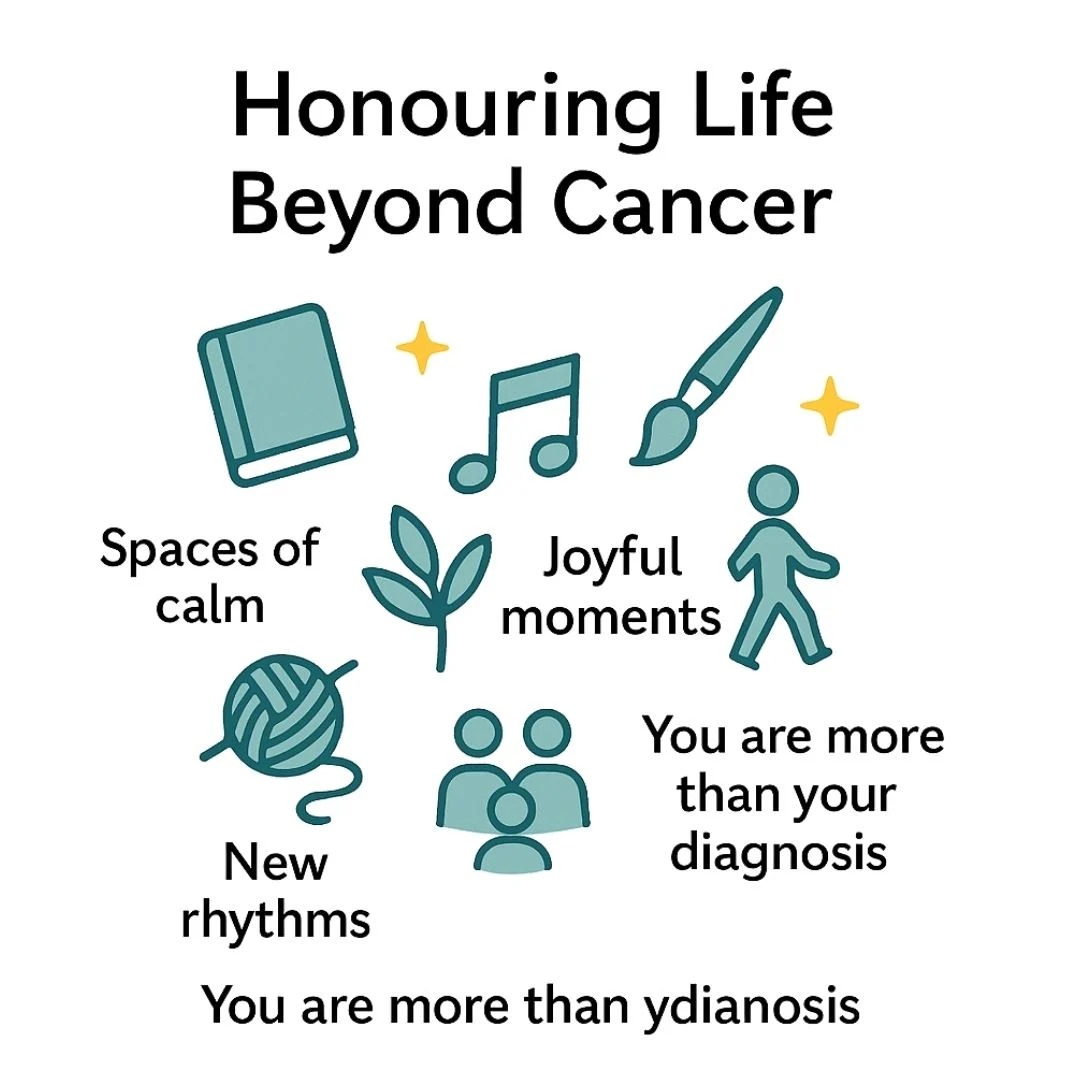
Cancer may shape part of someone’s life, but it never defines the whole story. Alongside care, coping, and treatment, people still connect, create, dream, and laugh. Encouraging activities that reflect the person, not just the diagnosis, helps restore emotional wholeness.
Pottery, knitting, art-making, nature walks, attending events, or even planning a small gathering around meaningful, joy-filled experiences, these aren’t distractions. They’re affirmations of life and healing.
No matter the direction or pace of the journey, emotional healing deserves a seat at the table. You are not defined by how composed you appear or how many tears you shed. You are allowed to move through this time with whatever grace feels real and right for you.
Cancer may affect the body, but it does not own your spirit.
(1) Wiley Online Library.
(2) Cancer Care Parcel’s support guide
(4) Cancer.Net
(6) MSKCC’s Integrative Medicine page
(7) Navigating Difficult Conversations During Cancer
(8) Reclaiming Your Strength and Fitness After a Cancer Diagnosis
Edited by: Katheeja Imani
A cancer diagnosis should not equate to pausing your dreams or putting your life on hold. For many students, continuing their education through treatment can provide a much-needed sense of purpose, stability, and connection. Academic institutions have a unique and vital role to play not only in making space for those diagnosed with cancer but in empowering them to choose whether they wish to pause, continue, or adjust their studies. It should never be a foregone conclusion that illness must end a student’s academic journey. The power of choice must remain in the hands of the student, and it is the responsibility of educational systems to ensure that support, access, and dignity are built into that choice.
This article explores how universities, colleges, and other academic institutions can create environments that actively support students with cancer not through sympathy alone, but through structural compassion, policy clarity, and proactive care.
Cancer treatments like chemotherapy, radiation, or surgery often result in fatigue, immune suppression, and unpredictable schedules. Students may miss lectures or need to rest for extended periods. For this reason, flexibility is not a luxury but a necessity.
Academic institutions can support students by:
These accommodations allow students to prioritise their health while staying connected to academic life. Importantly, this flexibility should be integrated into institutional policy and offered early, not just when asked for.

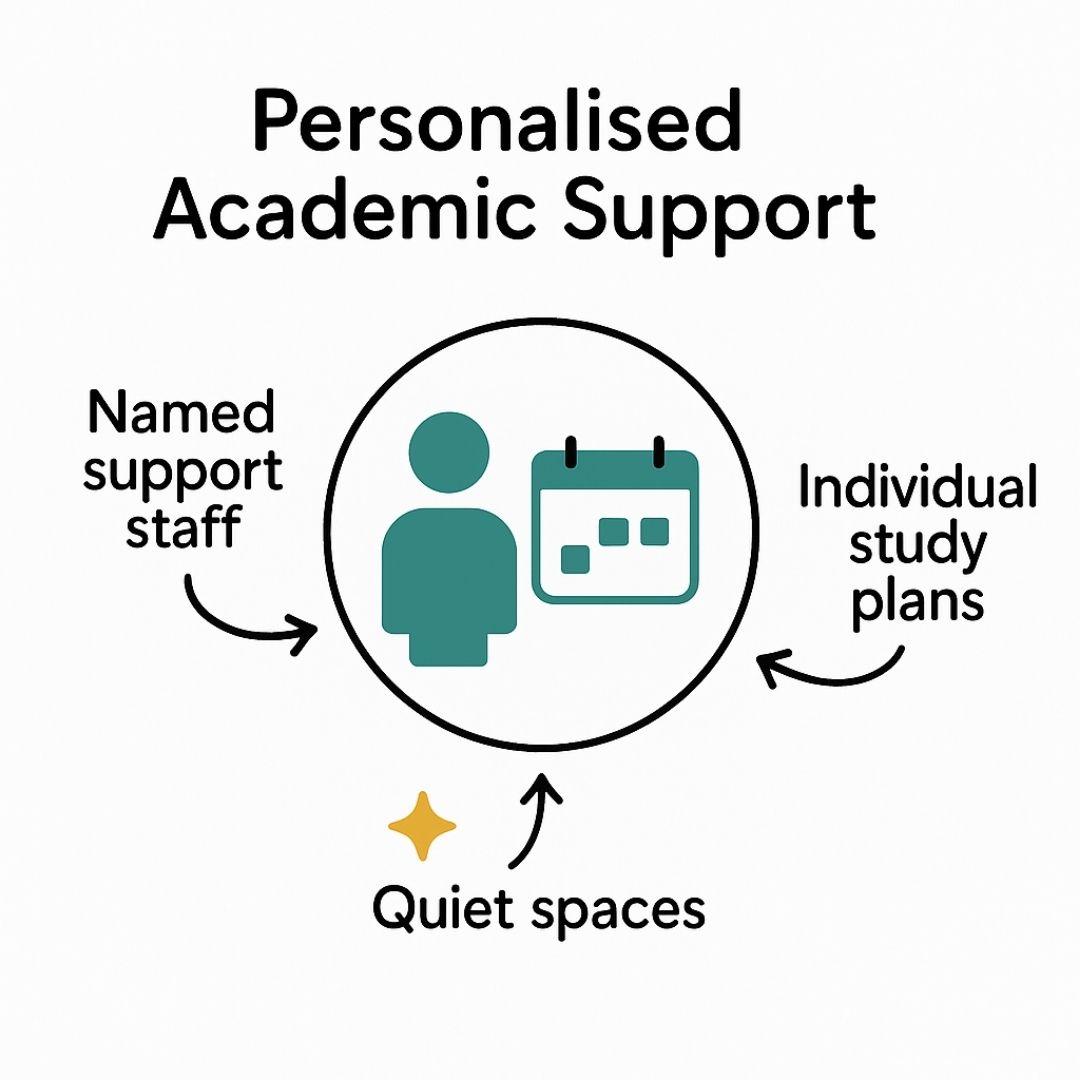
Cancer care is unique to each individual, so academic support should be, too. A student undergoing intensive treatment has very different needs from someone in long-term remission or recovering from surgery.
Institutions can provide tailored academic support by:
This level of planning reduces the emotional and administrative burden on the student, freeing up energy for both healing and learning.
A cancer diagnosis, especially during student life, can be mentally and emotionally overwhelming. Worries about health, academic progress, social life, and the future often coexist. Institutions must ensure emotional care is available and accessible.
Effective strategies include:
These services help reduce isolation, promote coping strategies, and ensure students feel seen beyond their diagnosis.
Not every student is aware that cancer can qualify as a disability under national or institutional policy. Without accessible information, students may not know their rights or what help is available.
Institutions can make a difference by:
Inclusive policies create security and consistency, turning what could be a confusing process into one where students feel protected and empowered.
A cancer diagnosis not only affects the student, but it can also impact their peers, group dynamics, and social identity. Institutions should cultivate a compassionate culture where students with cancer feel included, not excluded.
They can do this by:
By engaging the whole campus community, institutions shift the narrative from isolation to solidarity and ensure students don’t face their journey alone.
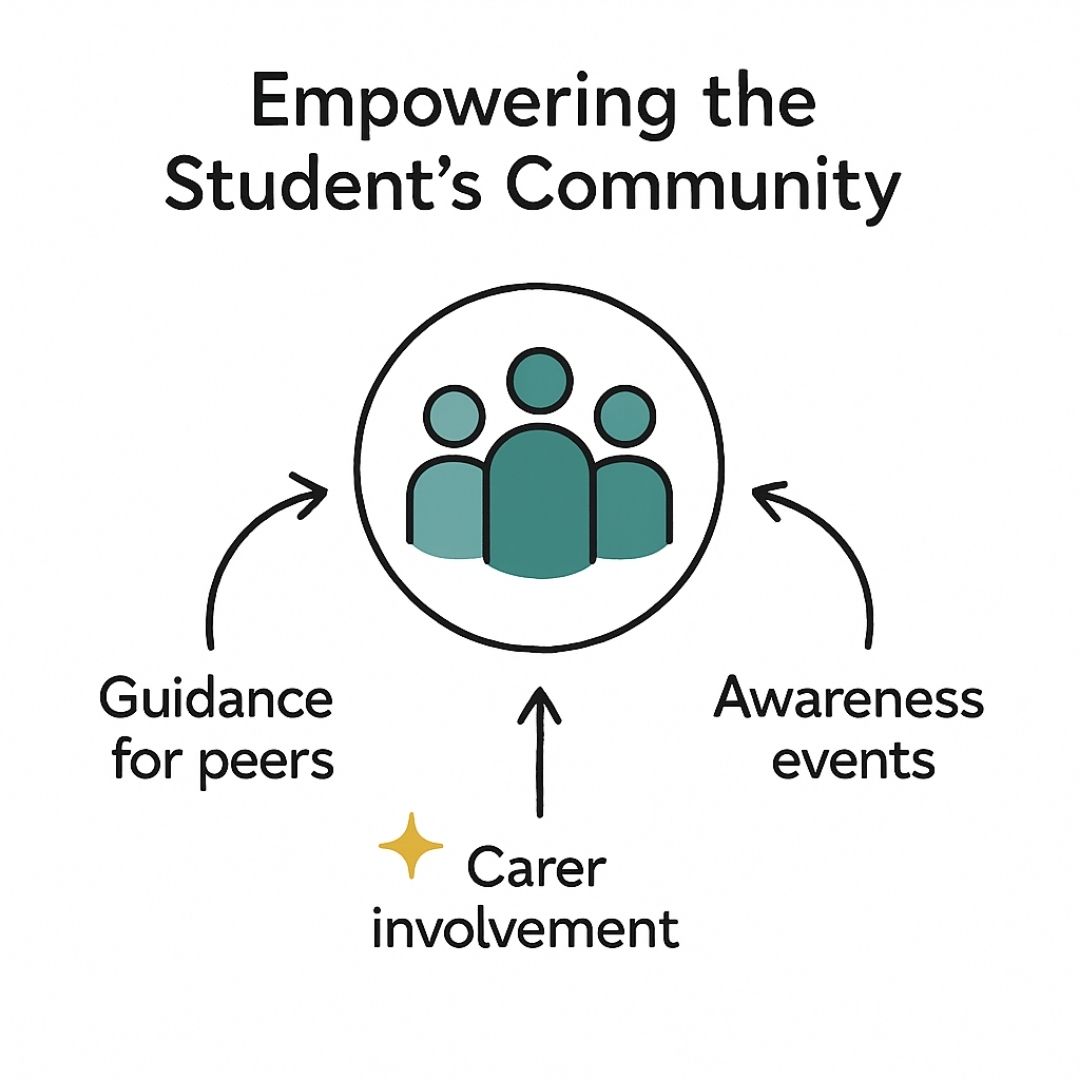
The journey of a student with cancer is often complex, but it should never be one of exclusion or silence. Academic institutions hold great power to either open or close the door to opportunity, depending on how they structure support.
By integrating flexibility, personalised care, mental health services, inclusive policies, and community empowerment into their approach, institutions can offer not just access but dignity, choice, and belonging.
Cancer should never dictate whether a student gets to pursue their education. But for them to have that power of choice, the academic system must stand beside them, not behind.
Edited by: Katheeja Imani
As a medical professional, I have encountered countless cases that have tested not only our clinical knowledge but also our emotional resilience. Medicine, I have come to learn, is not only a science governed by protocols and evidence but also an art shaped by empathy, intuition, and the invisible yet powerful force of human emotional connections. Some stories remain pencilled in our memories forever, ones that remind us that in the path of healing, the human spirit often plays a role as basic as any medication or machine.
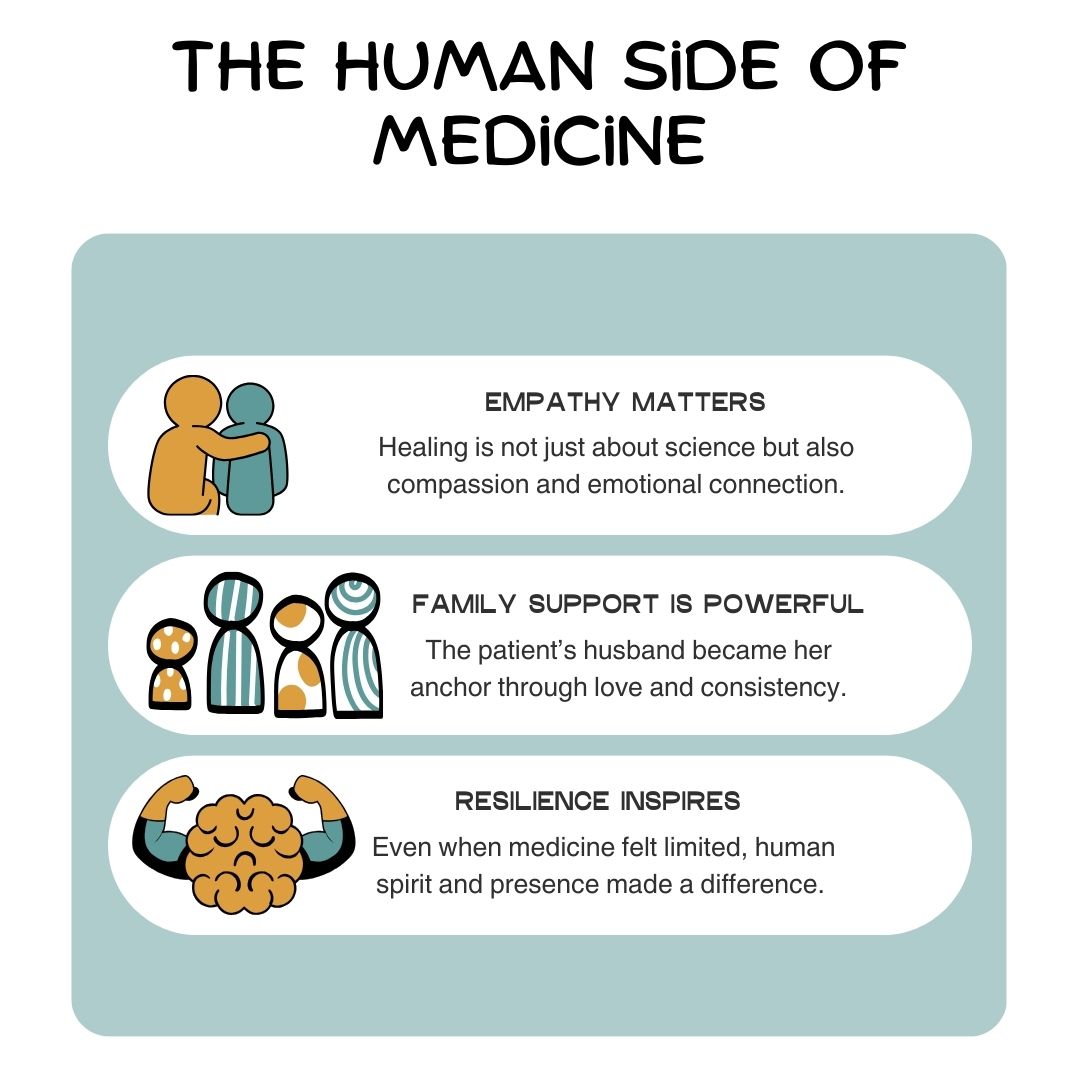
On the morning of the surgery, I remember seeing her sitting beside her husband, who was gently holding her hand. His eyes filled with emotion, grief, worry, love, and a desperate need to stay strong. He comforted her with quiet, reassuring words, trying to mask his tears and fear. He helped her believe that everything would be okay, even though the weight of uncertainty hung heavily in the air around them. That moment, their shared silence, the way he brushed her hair back, the way he whispered hope into her ears, remains one of the most human moments I have witnessed in medicine. In the absence of her parents, her husband was her whole world, her only anchor in a terrifying storm that she had to face.
The surgery began, and as the anaesthesiology team, we remained vigilant and prepared. But soon, the situation became dire. Intraoperatively, she suffered a massive haemorrhage, losing approximately 5 to 6 litres of blood. We worked relentlessly to control the bleeding, replacing blood loss with transfusions and using every resource available. The surgery was technically completed, but her body had been pushed to its limits. She did not regain consciousness after the operation and was transferred directly to the Intensive Care Unit (ICU), placed on mechanical ventilation.
Her condition in the ICU was critical from the very beginning. Her heart rate was dangerously high, persistently above 140 beats per minute. In medical terminology, she was experiencing atrial fibrillation with a rapid heart rate response, a serious and unstable heart rhythm that, if not controlled, can lead to further complications or even cardiac arrest. Despite our immediate efforts with medications and supportive therapies, her heart showed little improvement.
Each day, I visited her, carefully monitored her vitals, adjusted medications, and hoped for signs of progress. She remained unresponsive. Her blood pressure was fragile. Her oxygen saturation was maintained only with ventilatory support. Despite all we were doing, there was little to suggest that recovery was near.
In the midst of this storm, one thing remained constant: her husband. He came every single day. He would sit beside her, gently brushing her hair, massaging her arms and legs to maintain circulation and prevent muscle atrophy as advised by the physiotherapist. He talked to her, read her favourite stories aloud, and held her hand for hours. Watching him, I was moved by the sheer depth of love and devotion he displayed. It was a kind of faith I rarely saw in the clinical setting, a belief not just in her survival, but in her full recovery. Even when we, the medical team, began to feel helpless, he remained steady, a quiet pillar of hope.
By the twelfth day, her prognosis seemed increasingly grim. Her cardiac rhythm had not stabilised, and her organ function was beginning to show signs of failure. Some among us quietly began to prepare for the worst. I remember reviewing her chart that evening, overwhelmed by the reality that despite every protocol followed and every drug administered, we were losing her. I was feeling really low that day, thinking of her kids' future. That feeling of hopelessness within myself is yet hard to describe.
But sometimes, medicine requires not only knowledge and precision, it demands boldness, intuition, and yes, a little faith.
After an extensive discussion, my senior consultant and I decided to try something unconventional. We administered defibrillation, a procedure usually reserved for certain arrhythmias, but in this case, it was a final attempt, a spark of hope in a darkening situation.
What happened next felt almost surreal.
Her heart rhythm returned to normal. We watched, almost disbelieving, as her vital signs began to stabilise. Over the next several days, her lab values improved steadily. Her oxygen requirements had reduced. She began to move her fingers, then opened her eyes.
On the fifteenth day, she was successfully weaned off the ventilator. Her lungs were working on their own. Her heart, once erratic and unstable, was now beating at a regular rhythm. Her body, which had come so close to shutting down, had started to recover.
And then, on the twenty-first day, the miracle truly unfolded. I was walking past the ICU when I saw her, out of bed, hand-in-hand with her husband, slowly walking down the corridor. She was smiling. Her children were by her side, hugging her tightly. The same woman who had once lain motionless, surrounded by machines and doubt, was now alive, alert, and radiant with life.
In that moment, I realised something profound and unbelievable: Medicine may be the science of healing, but recovery often transcends science. Her survival was not just a result of medications or interventions; it was a tapestry woven from love, resilience, and a refusal to give up.
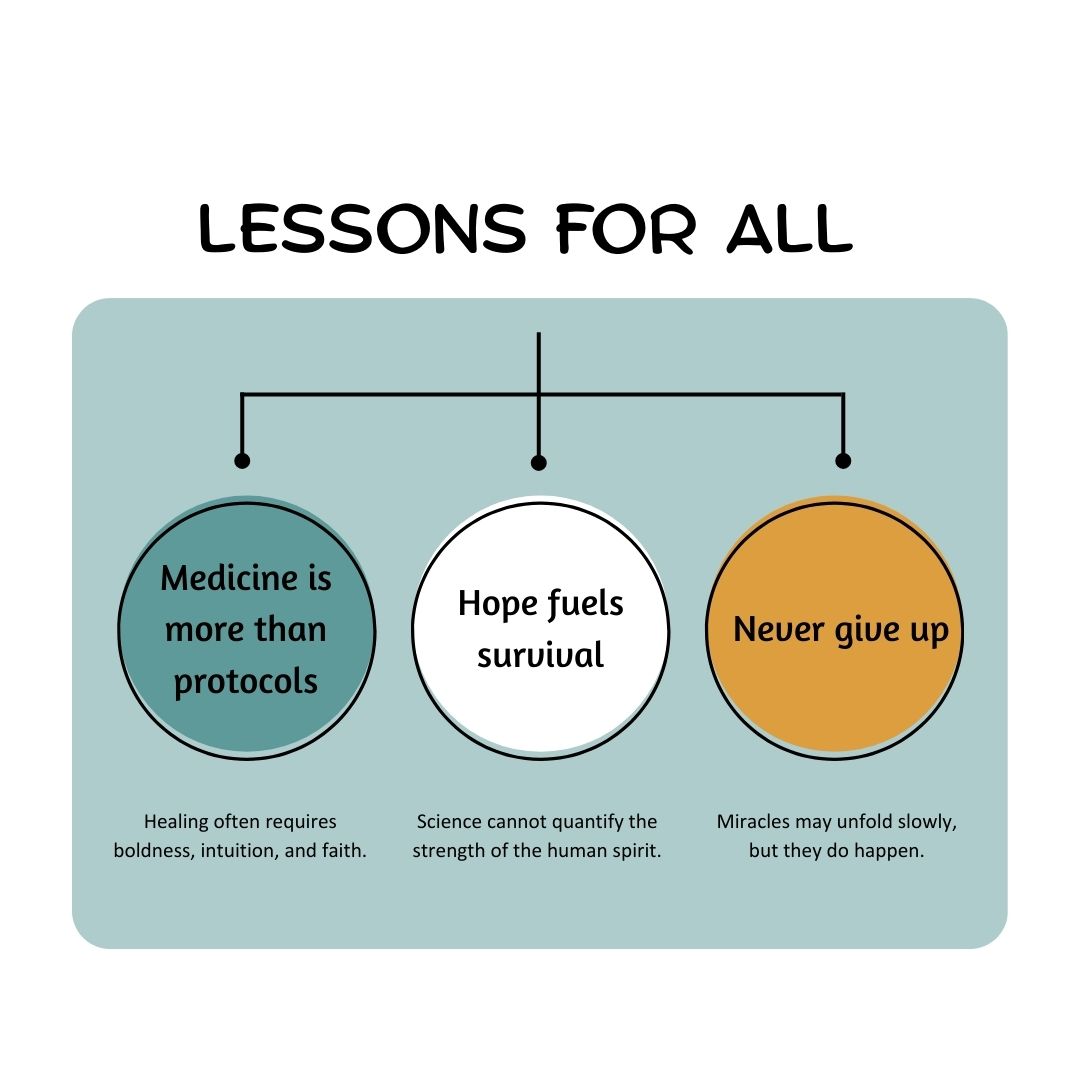
That experience changed me. It reaffirmed my belief that we are not just treating conditions, we are treating people, families, relationships, and hope. The most powerful forces in recovery are sometimes invisible: the unwavering presence of a loved one, the gentle touch of reassurance, the belief that miracles do happen.
To those who may be going through difficult times, whether as patients or as loved ones: never lose hope. Science can predict outcomes, but it cannot measure the strength of the human spirit. It cannot quantify the power of belief or the effect of unwavering love and hope that can bring back a human life.
Miracles may not always look like they do in movies. Sometimes, they unfold slowly, day by day, in sterile hospital rooms, among machines and beeping monitors, witnessed only by those who choose to believe even when logic says otherwise.
This story stays with me, not because of the clinical details, but because of what it taught me about the essence of healing. It reminded me that in the darkest of times, hope can be the brightest light, and it will stay with me forever.
Edited by: Katheeja Imani
Mina always imagined her future with quiet certainty: morning light spilling over soft nursery walls, the rhythmic breath of a sleeping baby, tiny fingers curled tightly around her own. Her life’s dream wasn’t extravagant; she wanted warmth, continuity, and a childhood for someone else that felt gentler than the one she’d known.
At 32, things were falling into place. Her career in sustainable architecture had just opened doors abroad. Her husband, Alexei, was the calm Mina had long hoped to find. They had started making real plans, researching fertility options, exploring adoption, and daydreaming about bedtime stories and snack preferences.
Then came the lump. Small and hard, just above her collarbone. She mentioned it during a routine check-up, more as an afterthought than a concern.
Within weeks, it was no longer a curiosity but a diagnosis, a diagnosis for Hodgkin lymphoma.
Her oncologist used reassuring words: “treatable” and “high success rate”. But then came the caveat that flattened the room: “There’s a significant risk to fertility. I recommend you consider egg preservation before we begin treatment.”
That night, Mina sat with Alexei in the quiet of their apartment, her thoughts tangled. Fertility had always felt like a door she would open when ready. Now it felt like it might be sealing shut.
They moved fast. Consultations, hormone injections, and sleepless nights. Mina’s mornings blurred into blood draws and ultrasounds. Her body, once a trusted vessel, was now a ticking clock under fluorescent lights.
“A good number,” the specialist said. But Mina felt no relief, only the strangeness of seeing her future frozen in nitrogen and filed under “maybe”.
Chemo began. Her hair thinned. Her energy frayed. But it was the invisible grief that weighed most: the slow, silent withdrawal from hope. Baby stores, pregnancy announcements—they all began to sting.
In the infusion centre, Mina met Asha, a woman with salt-and-pepper curls and a steady, dry wit. Over appointments, they built a quiet friendship.
“Do you ever want kids?” Asha asked one day.
“Yeah,” Mina said. “Still do, I think.”
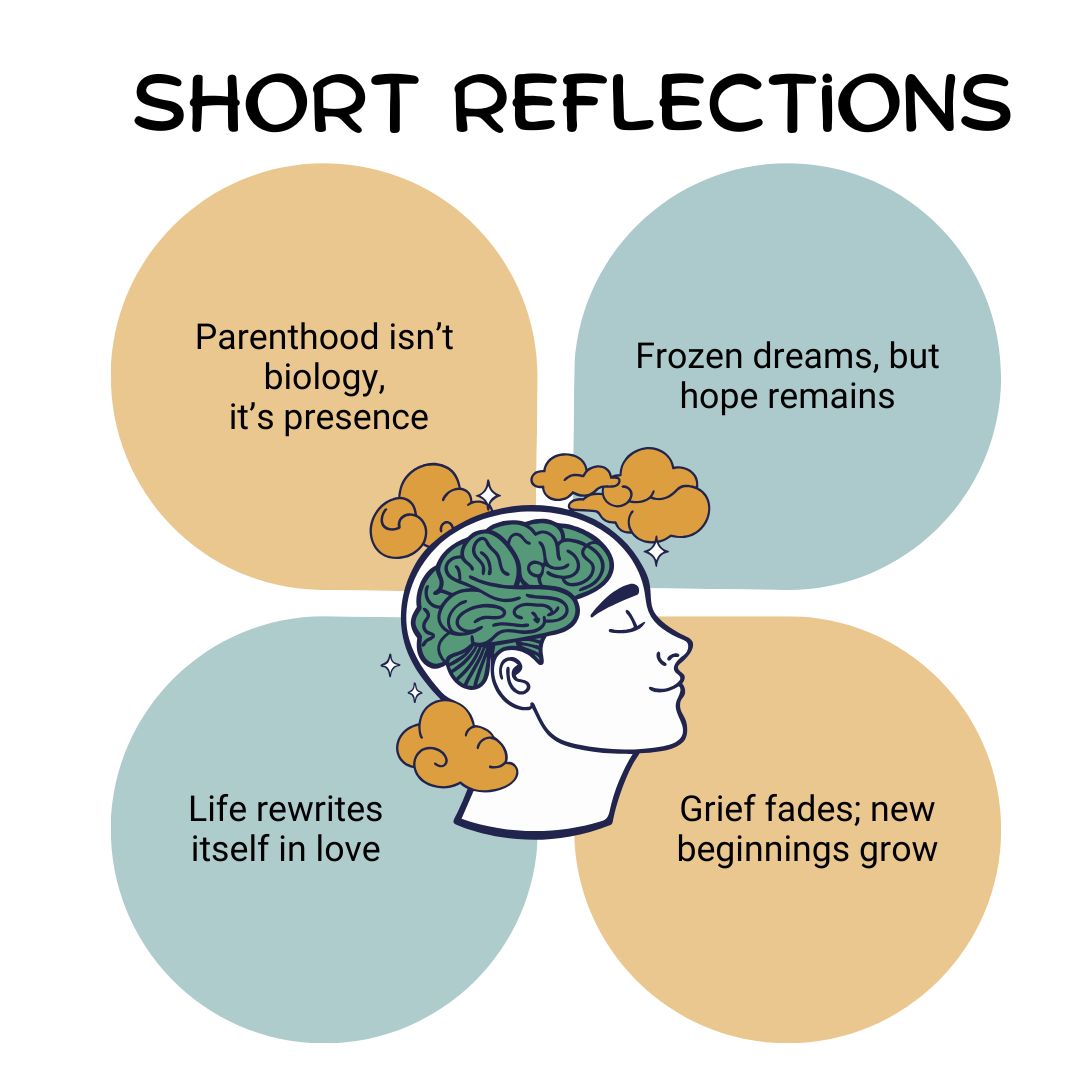
Asha nodded. “Life has ways of rewriting itself. Sometimes, all you can do is keep reading.”
That stayed with her—not comfort, just truth.
By winter, Mina’s scans showed improvement. The future, once fragile, was beginning to unfold again.
One evening, as snow brushed the windows, Alexei said, “If it’s just us, I want you to know that’s more than enough. But if there’s a way to grow our family, I’m with you every step.”
They turned to adoption, applications, interviews, training sessions, etc. It was humbling and strangely hopeful.
Mina found herself drawn to older children, kids who had lived through uncertainty and still deserved a beginning.
Then came the call.
A social worker introduced them to Naya, a six-year-old with a love for space documentaries and mismatched socks.
“She’s sharp,” the worker said. “And she asks a lot of questions.”
At their first meeting, Naya eyed them both and asked:
“Are you married? Do you have a dog? What’s your favourite cereal?”
They answered honestly and left with cautious hope.
As the visits continued, Naya inched closer each time. Her questions deepened. One evening, while colouring on the floor, she asked,
“You had something wrong with your body, right?”
“I did,” Mina replied gently. “But I’m okay now.”
“My mom had something wrong too,” Naya said. “But she didn’t get better.”
Mina reached out, and Naya took her hand.
The adoption was finalised on a grey Tuesday in fall. In the courtroom, Naya sat between them, legs swinging beneath the chair. Alexei squeezed Mina’s hand.
That night, walking through a leaf-strewn park, Naya said, “I’m telling people I have a mom who draws and a dad who fixes stuff and always burns pancakes.”
Mina laughed through tears. “That sounds just right.”
Sometimes Mina still thinks about those twelve frozen eggs, about the life she imagined and the one she now lives.
More and more, she understands that parenthood isn’t just biology. Its presence. It’s choosing someone over and over.
Her story didn’t go as planned. But in quiet moments, bedtime stories, lunchbox notes, and Saturday pancakes, it feels complete.
Not the life she expected, but the one she’s deeply grateful to live.
Senior Editor: Katheeja Imani
Living with cancer can feel like carrying an invisible weight, one that doesn’t just sit in the body but presses on the heart, mind, and spirit. It’s a weight made of questions, fears, memories, and moments that don’t always make sense. And while the world often rushes to offer solutions, sometimes, what’s needed most is permission:
Permission to pause. To feel. To not be okay.
This article doesn’t promise answers or quick fixes. Instead, it offers gentle ways to cope, to feel seen, and to find moments of ease. You deserve that space, especially when life feels heavy.
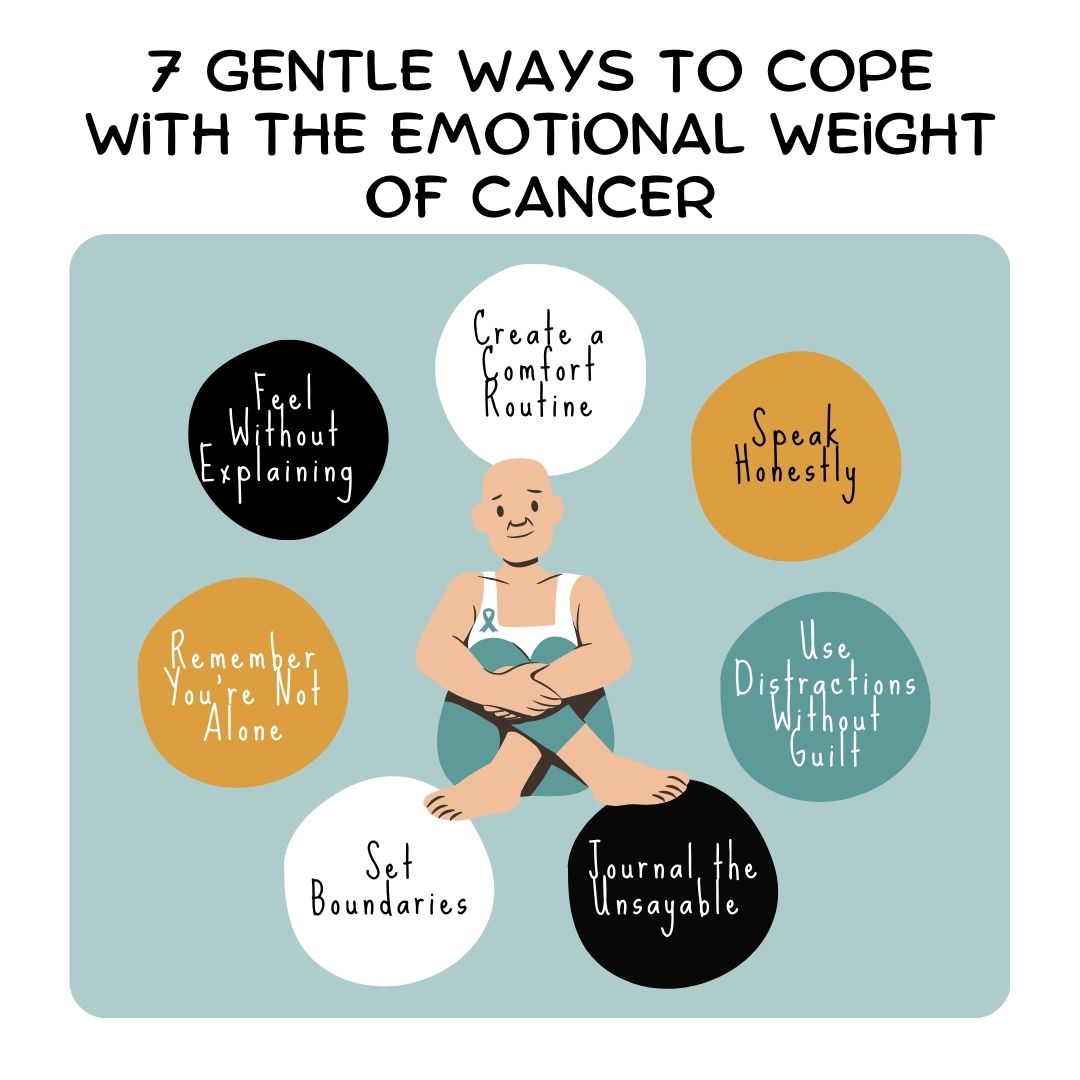
Some days, the emotions rise like a tide. Other days, they barely whisper. And both are okay.
Martha, a 47-year-old living with breast cancer, once shared how guilty she felt for feeling numb. “Everyone kept saying I was strong,” she said, “but I couldn’t feel anything at all—not fear, not sadness, just…nothing. I thought something was wrong with me.”
But emotional numbness is, in itself, a response. Sometimes our minds protect us by muting everything. Letting yourself feel—whatever that feeling is—without needing to explain or justify it, is part of emotional care. You’re not doing it wrong. You’re just doing the best you can in a complicated reality.
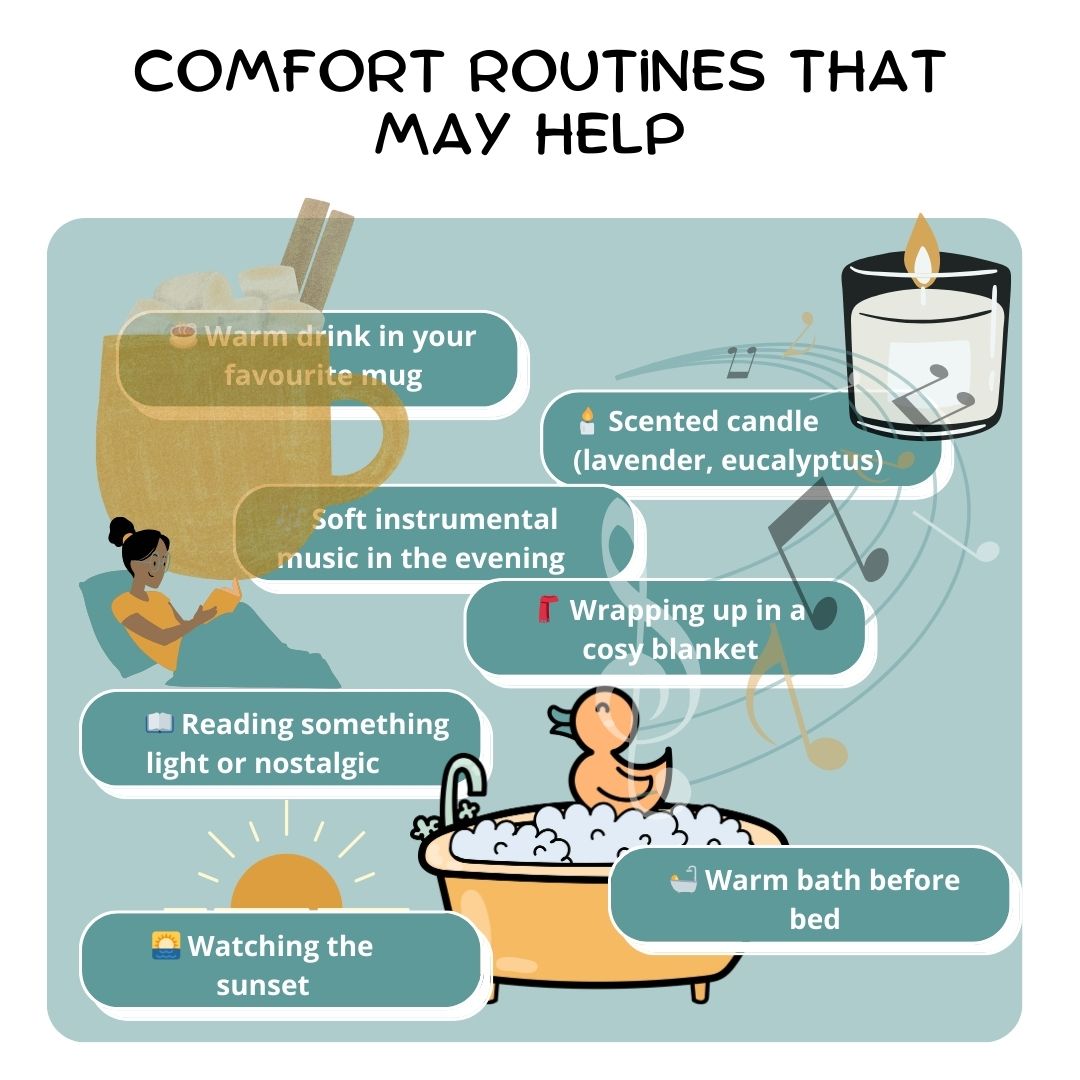
There’s something powerful in creating small rituals of comfort, especially when much of life feels unpredictable.
David, a cancer patient in his early 30s, started lighting the same candle every evening and playing soft piano music as the sun went down. “It wasn’t magical,” he said, “but it helped mark the end of each day. Like I’d survived another one. That mattered.”
Comfort routines might include a warm drink, a familiar blanket, music, or quiet reading. They don’t have to be elaborate. Just yours. A thread of stability when everything else feels like it’s unravelling.
It can be exhausting pretending you’re fine when you’re not. And you don’t have to.
Asha, newly diagnosed with leukaemia, found it hard to talk to her family without editing herself. “They were so scared; they needed me to be okay,” she shared. Eventually, she texted a close friend:
“I don’t want to talk. I just need someone to know that today is heavy.”
Speaking honestly doesn’t mean oversharing or explaining everything. Sometimes, it’s a simple text or sentence. A small truth that says: “This is my reality right now.”
You deserve people who can hold that truth without rushing to fix it.
When emotions are intense, sometimes the kindest thing you can do is step away from them, for a little while.
Elijah found comfort in watching documentaries about space. “It took me out of my body,” he said. “Out of the hospital. Into stars and galaxies. I needed that.”
Distractions aren’t about avoiding your feelings—they’re about giving yourself a break from carrying them all the time. Art, television, puzzles, podcasts, or cooking can offer emotional breathers.
Let joy exist. Let peace exist. Let boredom exist. You don’t need permission to take up space that feels good.
Some thoughts don’t feel ready for other people. That’s where journaling can help.
Priya began writing letters to her future self after her third chemotherapy round. She wrote about her fears, her wins, her anger, and the silence. “I didn’t show them to anyone,” she said. “But it helped me remember who I was beyond the hospital bed.”
Journaling doesn’t need rules. You can write a single sentence. Or make a list. Or just scribble. Try prompts like:
You don’t need to make sense. You just need space.
You don’t owe everyone access to your energy or your updates.
Nate, who had been open about his cancer diagnosis online, found himself overwhelmed by constant messages. “I love that people care,” he said, “but I needed to not talk about it every day.”
It’s okay to step back. To not answer. To say, “I can’t hold this conversation right now.” Boundaries aren’t rejection; they’re self-protection. You also get to set boundaries with yourself. To stop reading heavy articles at night. To avoid certain topics. To say no when your body says no.
One evening, I got a call I’ll never forget. It was from a close friend of mine, diagnosed with stomach cancer. He was at stage two, and I could hear in his voice that something was wrong.
That night, he told me he didn’t want to live anymore. The weight was unbearable. He had been drinking and taking pills and was spiralling. On top of dealing with treatment, he felt betrayed by his partner, unheard by his family, and completely alone in Nakuru.
I was in Nairobi, and I had no one to call who could reach him fast. But I stayed on that call. I talked to his partner. I reminded him that he mattered, even in that pain.
Today, he’s still here. And he’s doing better.
This isn’t a story about fixing someone. It’s a reminder that being present, listening, and staying connected can change a life.
If you’re feeling isolated, know this: you are not alone. There are support groups, online spaces, and people, even strangers, who care.
Your emotions are real. Your story matters. And there is space for you here.
You don’t have to carry it all alone. Living with cancer means carrying so much that others don’t always see. And while you may feel pressure to stay positive, this article is here to tell you: you don’t have to be anything other than yourself.
Take things moment by moment. Be gentle with your mind, your body, and your spirit.
And if today all you can do is read this article and take one deep breath, that’s more than enough.
Edited by: Katheeja Imani
Sarah had always dreamed of becoming a mother. From a young age, she imagined a future filled with children and a family of her own. But life, as it often does, took an unexpected turn. Diagnosed with Polycystic Ovary Syndrome (PCOS) at 22, she quickly learnt that her dream would not come easily. PCOS, a hormonal disorder that affects many women, disrupted her menstrual cycle, made ovulation irregular, and, as a result, led to fertility challenges. She was told that conceiving would be difficult and might require medical intervention. Still, Sarah wasn’t prepared for the next curveball life would throw her way.
At 29, after several years of unsuccessful attempts to conceive, Sarah decided to take more drastic measures. She began fertility treatments, medications, ovulation induction, and even in vitro fertilisation (IVF). Nothing seemed to work. The emotional toll of each failed cycle was excruciating. With each passing month, Sarah’s hope for motherhood seemed to dim, but she wasn’t ready to give up yet.
But just when Sarah thought her world couldn’t be more uncertain, another devastating diagnosis rocked her life: cancer.
Sarah’s journey with PCOS had been a rollercoaster from the start. Diagnosed at 22, the signs had been unmistakable. Irregular periods, weight gain, acne, and excess hair growth, all of which are classic symptoms of PCOS. But it wasn’t until Sarah and her partner, David, began trying to conceive that she realised how deeply PCOS would impact her fertility.
The first few months of trying for a baby were hopeful. But as time went on, Sarah’s cycles remained erratic, and she struggled with ovulation issues. At first, she thought it was just bad luck, but after a year of trying, she saw a fertility specialist. Tests confirmed what she had already suspected: her ovulation was inconsistent, and her hormone levels were out of balance.
Her doctor explained that PCOS could make it difficult for her to get pregnant without medical help. The news was devastating but not entirely unexpected. Sarah had heard of women with PCOS facing similar struggles, but the reality of it hit her hard. IVF was recommended, and though she knew it was her best chance, it didn’t make the process any easier.
Over the next few years, Sarah and David spent countless hours at fertility clinics. Medications, injections, blood tests, and ultrasounds became part of their routine. Despite all the effort, there were no positive results. Every failed cycle was a blow to Sarah’s confidence, and each disappointment took a toll on her mental and emotional well-being.
But Sarah’s resolve remained. She wasn’t ready to give up. She clung to the hope that one day, she would hold a baby in her arms.
After several unsuccessful rounds of IVF, Sarah began to notice something that alarmed her—unusual pain in her abdomen and unexplained weight loss. She tried to brush it off, attributing it to stress or perhaps side effects of her fertility treatments. But when the pain grew more persistent, Sarah decided to see her doctor.
An ultrasound revealed something she hadn’t expected: a mass in her ovaries. The doctor didn’t mince words. After a series of tests and a biopsy, Sarah was diagnosed with ovarian cancer, a rare and aggressive form. She was stunned. The news felt like the ground had been ripped out from under her. Cancer was the last thing she had ever imagined, especially after spending years struggling to conceive. The idea of fertility seemed so far out of reach now, overshadowed by the terrifying prospect of cancer treatment.
Her doctor recommended immediate surgery and chemotherapy. But the oncologist also spoke candidly about the impact cancer treatments would have on her fertility. Given the aggressiveness of the cancer, Sarah’s chances of becoming pregnant in the future were slim. She felt like her dream of having a family had just evaporated in an instant.
Yet, in the midst of all the bad news, a small but important question arose: was there any possibility of preserving her fertility before starting cancer treatment?
The answer was complicated. In her case, the chances of success were unclear due to her PCOS and the advanced stage of the cancer. But her oncologist, in collaboration with her fertility specialist, presented Sarah with a difficult choice: freeze her eggs before starting cancer treatment, or move forward with the aggressive treatment and hope for the best. Though it seemed impossible, Sarah decided to try one more time for her dream of motherhood. She agreed to undergo egg retrieval before starting chemotherapy.
The process was physically and emotionally draining. After the procedure, Sarah began her first round of chemotherapy. As she sat in the infusion chair, her thoughts were scattered. She wondered if she had made the right decision. Would it even matter? Could she ever really be a mother now?
As the months passed, Sarah’s experience with cancer treatment was gruelling. Chemotherapy left her weak and fatigued, and the emotional toll was overwhelming. Her hair fell out in clumps, and her once-vibrant body seemed to wither under the strain of treatment. But through it all, she clung to one small hope: the eggs she had frozen before treatment.
However, in the midst of this physical and emotional struggle, Sarah noticed something strange: she had missed her period. She thought nothing of it at first, attributing it to the stress of cancer treatment. But when she began feeling nauseous in the mornings and her breasts became tender, she began to wonder if there was more to it.
A quick pregnancy test confirmed her suspicions; she was pregnant.
Sarah couldn’t believe it. The doctor was equally surprised. Given her cancer treatments, her PCOS, and the years of infertility, a natural pregnancy seemed nearly impossible. But there it was, a tiny miracle growing inside her.
The pregnancy was confirmed through blood tests and ultrasounds. Her doctors were cautious but optimistic. They had never seen anything quite like it. Despite the cancer diagnosis and the chemotherapy, Sarah had conceived naturally, a miracle that defied all the odds.
Managing Sarah’s cancer treatment while ensuring the safety of her pregnancy was an extraordinary challenge.
Her oncologists and obstetricians worked closely together to create a treatment plan that would minimise risks to the baby while still treating cancer effectively.
Because of the nature of her pregnancy and the potential harm chemotherapy could do to the developing fetus, Sarah’s doctors adjusted her treatment plan. They delayed certain treatments and made adjustments to others, carefully balancing the needs of her body and her baby. The pregnancy wasn’t without its risks, but the doctors were hopeful that Sarah could carry her child to term.
Sarah found herself on an emotional rollercoaster. She feared that the cancer would return stronger after chemotherapy or that the pregnancy would end in miscarriage. She worried constantly about the health of her baby and whether she was doing enough to protect it. But she had no choice but to keep going, relying on her medical team and the love and support of David.
After months of anxiety, Sarah finally reached the end of her pregnancy. With the help of a skilled team of doctors, she successfully delivered a healthy baby girl. The joy Sarah felt holding her daughter for the first time was indescribable, a culmination of years of pain, fear, and uncertainty.
In the weeks following her daughter’s birth, Sarah reflected on her incredible journey. From struggling with infertility and PCOS to facing a cancer diagnosis that threatened to take away her dream of motherhood, to unexpectedly finding herself pregnant amidst it all, Sarah’s story was one of resilience and hope. The miracle of her pregnancy was a reminder that sometimes, life has a way of surprising us with blessings when we least expect them.
Sarah’s journey taught her many things. She learnt to never give up, even when faced with insurmountable odds. She learnt the value of hope, even in the darkest moments. And most of all, she learnt that miracles can happen, even when the path seems impossible.
For women facing infertility, cancer, or both, Sarah’s story is a testament to the power of persistence, medical innovation, and the strength of the human spirit. Through her struggles, she found not only the family she had always dreamed of but also a deep appreciation for the unpredictable beauty of life.
And among the many stories of hope and struggle that we, as embryologists, hear day in and day out, Sarah’s is the one we often share in our coffee room. It’s the one that never fails to brighten our day, the one that reminds us of why we do what we do.
In those quiet moments between patient consultations and lab work, Sarah’s story is the one that brings a smile to our faces, the most joyous ending, the one that keeps us all going. It’s the kind of miracle we all hope to be a part of.
Edited by: Katheeja Imani
It was late one evening when my dear friend Giovanni, an embryologist from Italy, called me. His voice was more serious than usual, and there was a weight to his words that I could tell was both emotional and reflective. Giovanni and I had known each other for years through our shared passion for reproductive medicine, but this call was different. He had something to tell me—something that would stay with me for a long time.
"I have to share something with you," Giovanni began, his voice heavier than normal. "I think you should know about this patient of ours. It's not a typical case—it’s one that stays with you."
Intrigued, I leaned forward. "What happened, Giovanni?"
He paused for a moment before continuing, and I could hear the long breath he took before speaking again. "This woman, Laura, came to us a few months ago. She’s in her early 30s, a teacher by profession. Her story wasn’t unusual at first. She had been through multiple pregnancies, but tragically, she had experienced several miscarriages in the past few years."
I nodded, understanding the gravity of such a situation. As embryologists, we encounter such cases often. But what Giovanni was saying didn’t sound typical at all.
"Laura came to us after she had another miscarriage. This one was especially difficult for her—emotionally and physically. We began her evaluation, running all the usual tests for recurrent pregnancy loss: genetic screening, uterine evaluation, and immune testing. But nothing showed up that could explain why her pregnancies kept failing," Giovanni explained, his words deliberate, almost as if he were still processing the events that unfolded.
"Did you find anything?" I asked, eager to understand more.
Giovanni hesitated for a moment before answering. "No, everything came back normal—at least on paper. But Laura was insistent. She kept saying there was something else wrong. Something she couldn’t explain. And that’s when we began to dig deeper. What we found... well, it was a revelation that none of us saw coming."
I could feel the tension in his voice as he continued. "We did a routine ultrasound and some additional blood tests, just to be thorough. And that’s when things began to unravel. Laura’s test results weren’t just abnormal—they were alarming. Her hormone levels were all over the place, but the real shock came when we found a mass in her pelvic region, a large tumor that was quite rare. I sent her for a biopsy, and we discovered that she had cancer."
The word "cancer" lingered in the air between us, a grim reality that, once known, would change everything. I could feel my breath catch in my chest as I processed Giovanni's words.
"Wait—so, you’re saying the miscarriages weren’t just random? They were linked to this disease?" I asked, disbelief creeping into my voice.
Giovanni sighed deeply. "Exactly. You see, Laura had been miscarrying all these years because of the cancer—something that no one had suspected. The tumor was affecting her hormonal balance in such a way that it was preventing her from carrying the pregnancies to term. It’s a rare condition, but not unheard of. And by the time we caught it, it had already started to spread, though not aggressively."

He paused, clearly trying to collect his thoughts. "Laura had never suspected she had cancer. All she knew was that every time she got pregnant, something went wrong. And it wasn’t until the last miscarriage, when she felt something was different, that she pushed for more answers. You know how many women, especially in their 30s, assume they’re just unlucky? They don’t always realize that there can be an underlying medical reason that’s never been identified."
I could hear Giovanni's voice tremble, a rare show of vulnerability for him. "The worst part, was that Laura had gone through so many rounds of treatment, with doctors telling her to try again, that it was just bad luck, that it was nothing serious. She had been in and out of fertility clinics, each time more discouraged than the last. She had been through the heartbreak of multiple losses, and the emotional toll was becoming too much to bear. She never knew that the real issue was this silent illness growing inside her."
The emotion in Giovanni’s voice was evident. "We started Laura on treatment right away. Thankfully, we caught it early enough that we could begin a targeted therapy. But it was still a long and difficult road ahead for her. And the thing that keeps haunting me is that we could have caught it sooner. If only we had been more thorough from the start. If only we had connected the dots."
I could sense Giovanni’s regret, the weight of knowing that a few more tests earlier on might have spared Laura a great deal of pain and uncertainty. "But you didn’t know, Giovanni. None of us would have suspected it. It’s a rare case, and sometimes these things can hide for so long."
"True," he agreed, his voice softening. "But that doesn’t make it easier to accept. Laura had been through so much. The constant emotional upheaval of trying to conceive, followed by loss after loss, never understanding why. She had started to believe she was somehow broken, that her body was failing her. But it wasn’t her fault. It wasn’t her body that was at fault—it was the cancer. And I think that’s what frustrates me the most."
I paused before responding, wanting to offer some comfort. "I’m glad you found it, Giovanni," I said quietly. "It might be too late to undo all the pain she’s been through, but now she has a chance. And that’s the most important thing."
"Yes," Giovanni replied, his voice now steadier. "But it's not just about finding the illness—it’s about understanding the stories behind these patients. Laura's story is a reminder that sometimes, what we think we know about our patients isn’t the whole picture. We need to listen to them, to really hear them when they say something isn’t right. It’s the key to finding the hidden causes, the ones that don’t show up on our standard tests or procedures."
The silence that followed was thick with reflection. I could only imagine the emotional toll this case had taken on Giovanni and his team. The struggle of knowing that something could have been caught earlier, and how it might have changed the course of Laura’s life.
"I just wish we had found it sooner," Giovanni admitted. "I wish Laura had gotten the help she needed before it became so overwhelming. I think about all the other women out there who might be experiencing something similar, who might be suffering in silence. It's a reminder, that we can never be too careful. We can never stop looking for answers."
Giovanni had shared something deeply personal, a case that reminded him of the importance of thorough care, compassion, and the need to always look deeper when the answers aren’t obvious. Laura's story, though filled with pain, was a reminder to all of us that sometimes, the answers are hidden in the places we least expect.
As I sat back and reflected on Giovanni's words, I couldn’t help but feel a renewed sense of purpose in my own work. There were always stories behind the cases we see, and sometimes, it’s the most unexpected ones that have the most lasting impact.