

For Everyone Touched By Cancer
Have you ever felt unexplained pelvic pain or discomfort after intimacy and wondered what could be behind it? Many people are surprised to learn that the cervix, a key part of reproductive health, can be the source. A bruised cervix is more common than you might think, yet it's often misunderstood or overlooked.
In this guide, you'll discover what a bruised cervix is, why it happens, and the main signs to watch for. We'll also explore who is most at risk and share practical steps for prevention and relief. If you've been searching for answers or simply want to protect your wellbeing, you're in the right place.
The cervix is a small but vital part of the female reproductive system. Understanding its role and why it can be prone to injury is the first step in making sense of the bruised cervix and its symptoms.
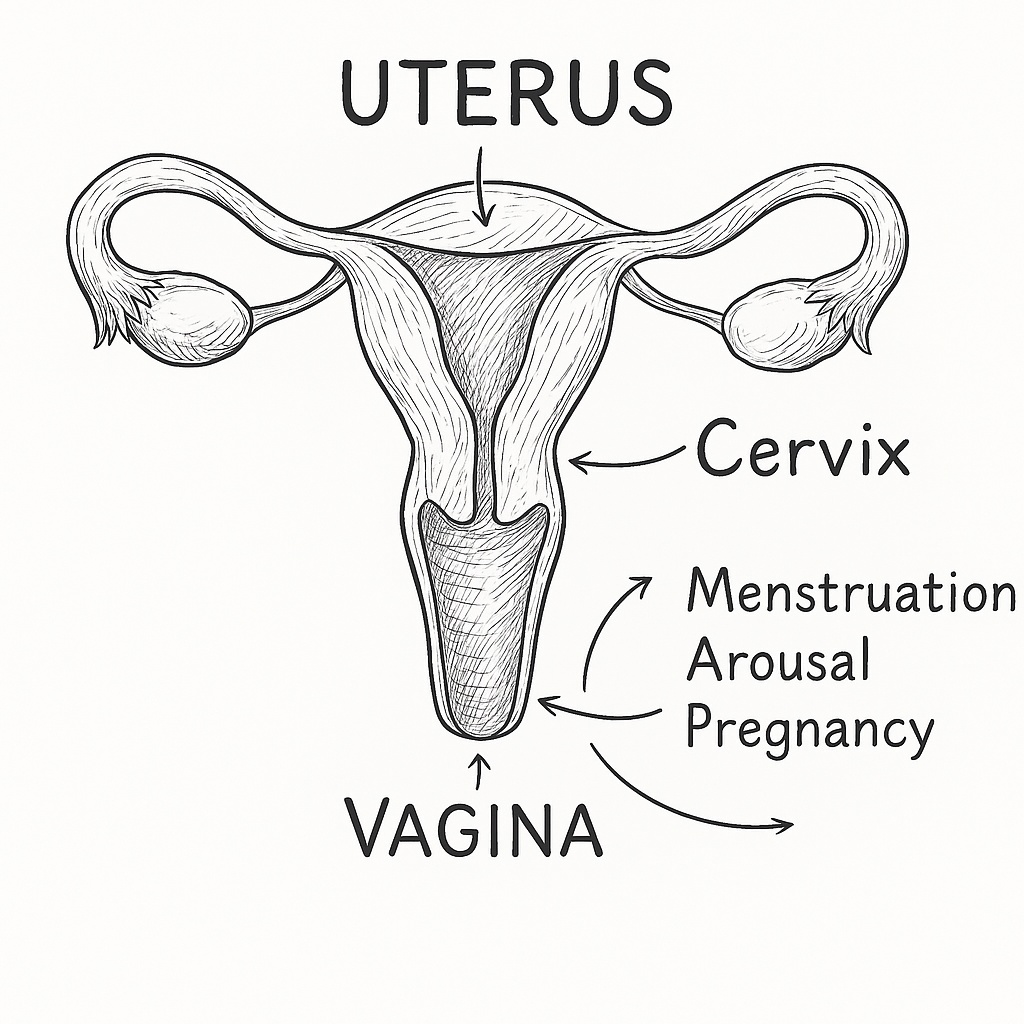
The cervix is the lower, narrow portion of the uterus, acting as a gateway between the uterus and the vagina. It sits deep within the pelvis and measures only a couple of centimetres. During the menstrual cycle, the cervix changes position and texture, becoming softer or firmer depending on hormone levels. In pregnancy, it softens and dilates to allow for childbirth, while during arousal, it may move slightly higher in the vaginal canal.
This tissue is highly sensitive due to its delicate lining and rich nerve supply. Because of this, the cervix can be easily irritated or bruised, especially during deep penetrative sex or certain medical procedures. Some people believe that cervical pain is always a sign of a serious problem, but often, it is a response to temporary irritation.
The cervix plays several important roles:
Understanding these functions helps explain why a bruised cervix can disrupt comfort and health.
A bruised cervix refers to the irritation or mild trauma of cervical tissue, most commonly from physical impact. In medical terms, this may be called cervical contusion or cervical tenderness. Unlike cuts or tears, a bruise involves small blood vessels under the surface, leading to soreness and sometimes light bleeding.
Diagnosis is based on symptoms and a pelvic exam, where a doctor checks for tenderness or visible signs of injury. This condition is different from other gynaecological injuries, such as cervical tears or infections, as it is usually less severe and heals with rest.
Cervical bruising is relatively common among sexually active individuals, especially those who have experienced deep penetration. Most cases resolve on their own within a week as the tissue repairs itself. For more details on symptoms, causes, and care, you can read about Bruised Cervix Symptoms and Treatment.
A bruised cervix can happen for many reasons, not just during sex. Understanding the main causes helps you protect your reproductive health and know when to take extra care.
Sexual activity is the most common reason for a bruised cervix. Deep or vigorous penetration can press the penis, sex toys, or fingers against the cervix, especially if there is not enough arousal or lubrication.
If you notice pain or discomfort after sex, especially with deep penetration, it may be due to a bruised cervix. Paying attention to your body’s signals can help prevent injury.
A bruised cervix does not only result from sexual activity. Medical procedures, such as cervical exams, IUD insertions, and Pap smears, can sometimes cause bruising, especially if the cervix is already sensitive.
To understand more about the general process of bruising and how tissues like the cervix heal, you may find Bruises: Symptoms, Causes, Treatment & Prevention helpful.
Some people are more likely to experience a bruised cervix due to certain risk factors. Age and hormonal changes, such as perimenopause or the postpartum period, can alter cervical resilience.
If you have a history of pelvic pain or find yourself experiencing repeated symptoms, it is important to be mindful of these risk factors. Recognising your own body’s patterns is key to preventing a bruised cervix and staying healthy.
Experiencing pain or unusual sensations after sex? It can be confusing to know if it’s something minor or a sign of a bruised cervix. Recognising the symptoms early helps you take the right steps toward comfort and recovery.
A bruised cervix can cause a range of uncomfortable sensations. Some people notice a deep, aching pain in the lower abdomen or pelvis, especially after intercourse. This pain might feel like cramping and can spread to the lower back.
Spotting or light vaginal bleeding outside your period is another common sign. You may also feel discomfort during sex, which can make future intimacy stressful. In more severe cases, symptoms like nausea, sweating, or even vomiting may appear after the injury.
If you notice these symptoms, especially after deep or vigorous sexual activity, your body could be signalling a bruised cervix. Paying attention to these changes is important for protecting your reproductive health.
Many pelvic conditions share similar symptoms, making it tricky to pinpoint a bruised cervix. For example, menstrual cramps and endometriosis both cause abdominal pain, but pain from a bruised cervix usually appears after intercourse or a medical procedure.
Unlike urinary tract infections, which often include burning during urination, a bruised cervix typically does not cause urinary symptoms. Timing is key: symptoms of a bruised cervix often start soon after the triggering event and may last a few days.
If you want to learn more about how pelvic pain can overlap with other conditions, you might find Understanding and managing pelvic pain helpful. Knowing these differences can guide you to the right care and prevent unnecessary worry.
Most cases of a bruised cervix improve within a week. However, there are times when you should reach out to a healthcare provider. If symptoms last longer than seven days, get worse over time, or interfere with your daily life, it’s important to seek help.
Watch for warning signs such as fever, heavy or persistent bleeding, or unusual vaginal discharge. Severe pain that does not improve or makes it hard to move should never be ignored.
Your wellbeing matters. If you’re unsure about your symptoms or have concerns, consulting a professional ensures you get the right support and peace of mind.
Taking care of yourself after a bruised cervix can feel daunting, but knowing the right steps can make a real difference. Recovery is usually straightforward, and most people heal quickly with a little patience and gentle care.
If you suspect a bruised cervix, the first priority is to give your body time to heal. Pause all penetrative sexual activity straight away. This prevents further irritation and allows the bruised area to recover.
You can manage discomfort using over-the-counter pain relief such as ibuprofen or paracetamol. These medicines help with cramping and pelvic pain. Applying a heating pad or a hot water bottle to your lower abdomen can also soothe aches.
Remember to rest as much as possible. Avoid any strenuous exercise or heavy lifting. Giving your body a break is one of the most effective ways to support your bruised cervix as it heals.
Creating a comfortable environment is important during recovery. Try sitting on soft surfaces or using cushions to reduce pressure on your pelvic area. Staying well hydrated and moving gently, like taking short walks, can also help your circulation and overall recovery.
Emotional support matters too. Talk openly with your partner about how you are feeling and what you need. If you want extra comfort or advice, consider reaching out to support for female cancer patients, which offers care ideas and resources for women dealing with pelvic health concerns. Remember, you are not alone in your experience with a bruised cervix.
Most people with a bruised cervix notice improvement within a few days to a week. The healing process is usually quick, especially if you avoid any further irritation. If you experience repeated trauma or have an underlying health condition, recovery might take a bit longer.
Look for signs of improvement, such as reduced pain and no new bleeding. If your symptoms worsen or last longer than a week, it may be a sign of complications. Never hesitate to seek medical guidance if you are unsure about your bruised cervix recovery.
You can usually return to normal activities, including sex, once your symptoms have fully resolved. Listen to your body and take things slowly at first. If pain or discomfort returns, stop and give yourself more time to heal.
Monitor for any recurring symptoms, such as pain or spotting, especially after resuming sexual activity. If you remain unsure or concerned, book a follow-up with your healthcare provider. Prioritising your well-being is the best way to ensure your bruised cervix heals properly.
Taking steps to prevent a bruised cervix can help you feel more confident and comfortable during intimacy and daily life. Protecting your cervical health is about being proactive, informed, and gentle with your body. Let’s explore some simple, practical ways you can stay safe and healthy.
Prioritising comfort and communication is key to reducing the risk of a bruised cervix. Start with plenty of foreplay to encourage natural lubrication. If needed, use a water-based lubricant to minimise friction and avoid trauma.
Talk openly with your partner about what feels good and what does not. Choosing positions where you can control the depth of penetration, such as cowgirl or spooning, can help prevent contact with the cervix. Remember, listening to your body is the best way to stay safe.
Being aware of when your cervix is more sensitive can make a real difference. During certain phases of your menstrual cycle, the cervix sits lower and is more vulnerable to a bruised cervix. Try to avoid deep penetration during menstruation or soon after childbirth.
Pay attention to how your body feels at different times of the month. This awareness helps you make informed choices about when to be extra gentle, keeping your cervical health in mind.
Regular check-ups are essential for spotting any changes in cervical health before they become a problem. Carefully insert and remove menstrual products and sex toys to prevent accidental injury or a bruised cervix.
If you have a long-term health condition that affects tissue healing, work with your doctor to manage it. For more on why regular tests and exams matter, see the importance of medical check-ups. Staying hydrated, eating well, and getting enough rest also support healing and resilience.
If you experience pain during sex or suspect a bruised cervix, do not ignore it. Seeking help for ongoing pain or discomfort is an act of self-care, not something to be embarrassed about.
Learning about your anatomy and speaking up in healthcare settings allows you to advocate for your own wellbeing. Remember, knowledge and communication are powerful tools for protecting your cervical health.
Many people feel anxious when experiencing pain or spotting after sex, especially if it is related to a bruised cervix. There is a lot of misinformation out there, so let's clear up some common myths and answer pressing questions.
It is not uncommon to hear that a bruised cervix is rare, but in reality, it can happen to many sexually active people. Some believe it is only caused by rough sex, yet medical exams or accidental injury can also be to blame. Another myth is that pain is always normal and should be ignored. Persistent discomfort is never something to brush off.
For more on challenging misconceptions, check out Cancer myths and controversies, which addresses common misunderstandings about cervical health.
Can a bruised cervix affect fertility? Usually, temporary bruising does not impact long-term fertility, but ongoing pain should be checked by a doctor. Is it safe to use tampons or menstrual cups if you have this issue? It is best to wait until symptoms have eased before inserting anything vaginally.
How do you know if your symptoms are serious? If pain persists, becomes severe, or is accompanied by unusual bleeding, it is time to consult a healthcare provider.
Some symptoms need quick attention. Look out for heavy or ongoing bleeding that does not stop. Signs of infection, like fever or foul-smelling discharge, are also concerning. Severe, constant abdominal pain should never be ignored. If you have any of these symptoms with a bruised cervix, seek medical help as soon as possible.
If you are dealing with a bruised cervix, it is important to know you are not alone and help is available. Recognising when to seek support can make a big difference in your recovery and confidence about your reproductive health.
Finding reliable advice starts with your local GP, NHS sexual health clinics, and registered gynaecologists. These professionals can answer questions about a bruised cervix, help diagnose symptoms, and provide tailored care plans. For up-to-date information on cervical health and screening, you may also want to explore Cervical Cancer Screening Trends. This resource highlights the importance of regular check-ups, which play a key role in preventing and identifying issues early.
Educational tools, such as NHS online guides and trusted medical websites, offer clear explanations of cervical health topics. Many charities and advocacy groups provide helplines, downloadable resources, and even webinars to help you understand what a bruised cervix means and how to manage symptoms.
Support groups, both online and in-person, can be a lifeline for those experiencing pelvic pain or discomfort. Sharing your experience with others who understand can reduce feelings of isolation and offer practical coping tips. Remember, seeking help is a sign of strength, not weakness.
Finally, ongoing research and awareness campaigns continue to improve knowledge about cervical health. Staying informed empowers you to make the best decisions for your body and wellbeing. If you ever feel uncertain about your bruised cervix or related symptoms, do not hesitate to reach out to a professional or a supportive community.
Help us continue supporting people affected by cancer.
We create clear, trusted information to make the cancer experience a little easier to navigate. We also reinvest our time and resources to send free comfort parcels to people who cannot afford one. If you would like to support this work, you can make a contribution or explore ways to get involved.
Preparation For Chemotherapy Treatment Is Important To Ensure A Smoother And Less Stressful Experience. By Preparing, You Can Gain A Better Understanding Of Chemo And What To Expect During Treatment, Including Chemo Side Effects And How To Manage Them.
A clear guide to FOLFOX chemo. Understand how the treatment works, what to expect during each cycle, and how to manage common side effects effectively.
Empower Yourself With 20 Important Questions To Ask When You Have A Melanoma Diagnosis. Get The Information You Need To Make Informed Decisions.