Did you know that up to 1 in 300 people could carry a genetic risk for lynch syndrome cancers, often without realising it? This essential guide is here to demystify lynch syndrome cancers, giving you and your loved ones the latest knowledge, prevention strategies, and support options.
We aim to provide clear, up-to-date information covering all aspects of lynch syndrome cancers. You will find insights into risks, diagnosis, management, and the support available. Together, we will explore what lynch syndrome means, who is at risk, the role of genetic testing, strategies for prevention and treatment, and how to live well with a diagnosis.
Stay with us as we empower you to take charge of your health and make informed choices for yourself and your family.
Lynch syndrome cancers are among the most common hereditary cancer syndromes worldwide, yet many people remain unaware they carry this genetic risk. If you or a loved one has faced early onset cancer or a strong family history, understanding the basics of lynch syndrome cancers could be life changing.
Lynch syndrome, also known as hereditary non polyposis colorectal cancer (HNPCC), is a genetic condition that significantly increases the risk of several types of cancer. It is inherited in an autosomal dominant pattern, meaning just one copy of the altered gene can pass the risk from parent to child. This inheritance pattern means multiple generations in a family may be affected, with both men and women at risk.
The genetic background of lynch syndrome cancers centres on specific genes that help repair DNA damage in our cells. Five key genes are involved: MLH1, MSH2, MSH6, PMS2, and EPCAM. When one of these genes does not work properly, cells can accumulate errors, making it easier for cancers to develop. For anyone wanting a detailed overview of the underlying genetics, the Lynch Syndrome Overview offers a comprehensive starting point.
How common are lynch syndrome cancers? Research shows up to 1 in 300 people globally may carry a mutation in one of these genes. Approximately 3 5% of all colorectal cancers are linked to lynch syndrome cancers, making it a significant concern for families with a history of early onset tumours. However, many people are only diagnosed after several relatives develop cancer, highlighting the need for greater awareness.
Recognising lynch syndrome cancers early can be challenging, but there are some important red flags. These include a personal or family history of colorectal, endometrial, or ovarian cancer before age 50, multiple relatives with related cancers, or a history of rare tumours such as small intestine or urinary tract cancers. Sometimes, skin growths called sebaceous tumours can also be a clue.
The spectrum of lynch syndrome cancers is broad. The most common are colorectal and endometrial cancers, but others include ovarian, stomach, small intestine, urinary tract, pancreatic, brain (glioblastoma), and certain skin cancers. Each gene mutation can slightly alter the risk profile, but all share the underlying problem of faulty DNA repair.
Early recognition is crucial. For example, consider a family where several members, spanning two generations, are diagnosed with colon and endometrial cancers before age 45. Further genetic investigation reveals lynch syndrome, allowing at risk relatives to access surveillance and support. Stories like this show how knowledge of lynch syndrome cancers empowers families to take preventive steps, seek timely screening, and connect with support networks.
If you suspect lynch syndrome cancers in your family, speaking with a genetic counsellor or healthcare provider can be the first step towards clarity. By understanding the basics, we can all help break the cycle of missed diagnoses and build a safer future for generations to come.
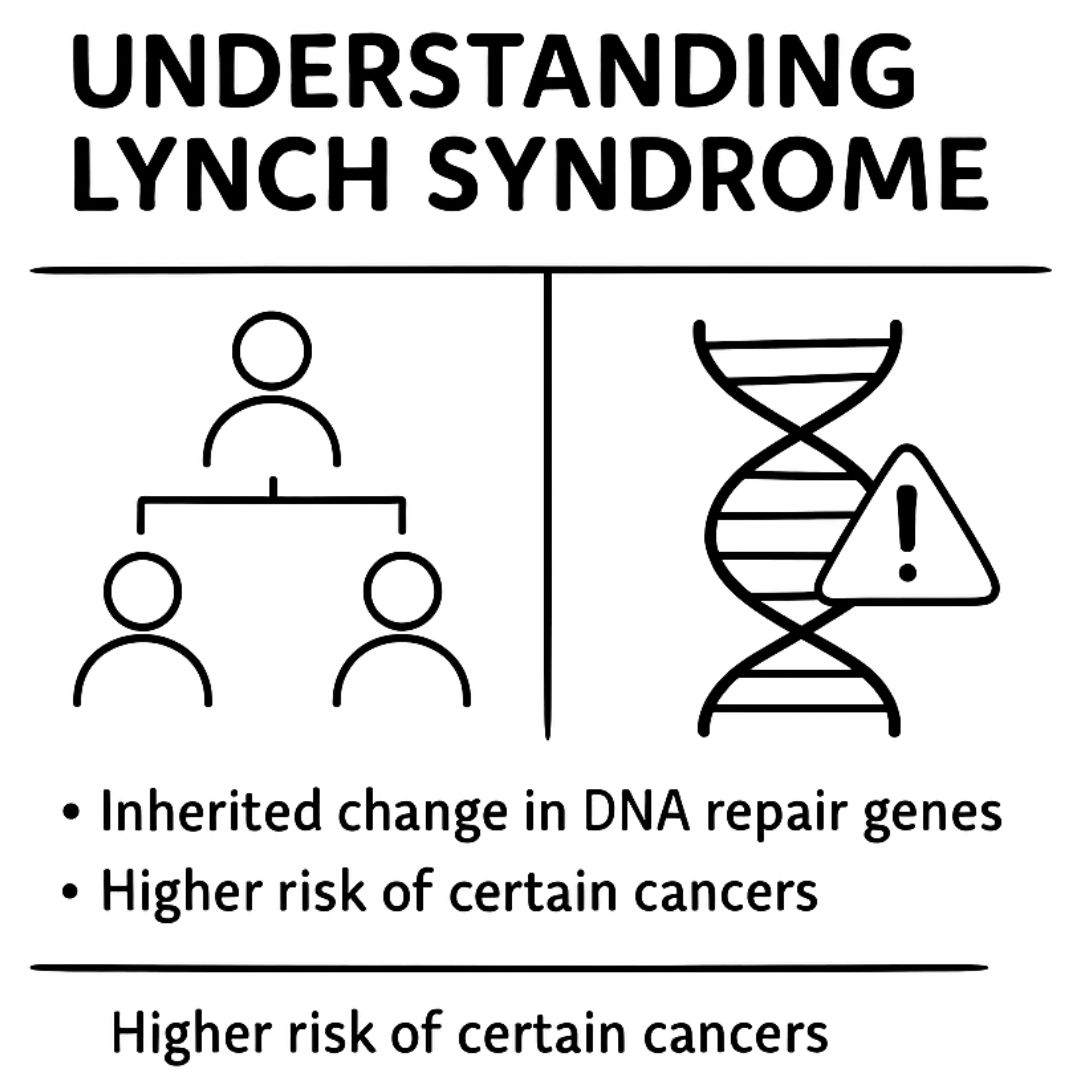
Lynch syndrome cancers cover a wide range of tumour types, affecting many parts of the body. Understanding this spectrum is vital for early detection, tailored monitoring, and improved outcomes for individuals and families. Let us explore the most common and lesser-known cancers linked to Lynch syndrome, the influence of specific gene mutations, and the support available for those affected.
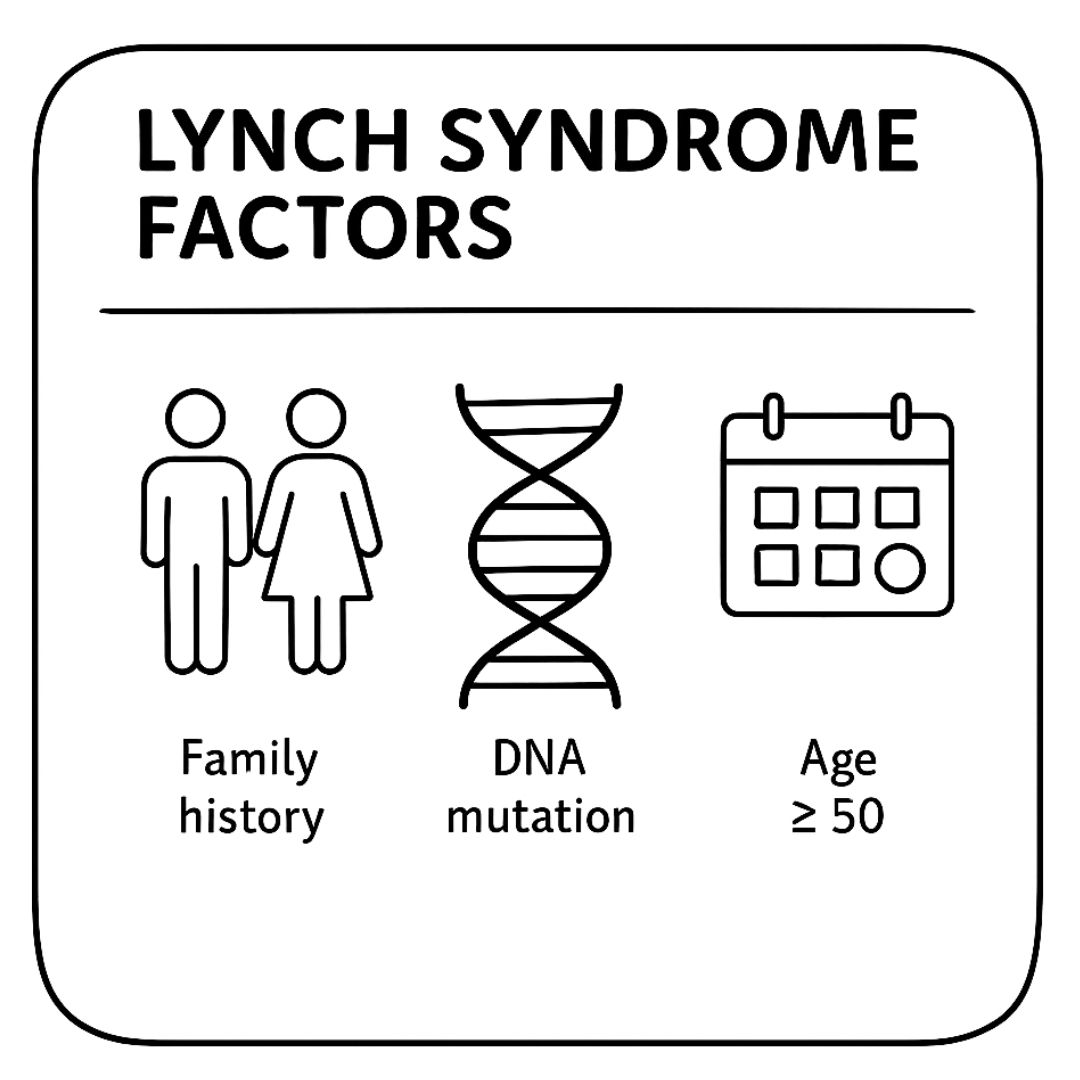
Colorectal cancer is the most frequent of all lynch syndrome cancers, making up 2 to 4 percent of all colorectal cancers globally.
Most people with Lynch syndrome develop colorectal cancer at a younger age, often before the age of 50. These tumours tend to appear on the right side of the colon and usually show microsatellite instability, a hallmark feature that helps with diagnosis.
Early detection is critical. With regular screening, survival rates improve significantly, and patients can often avoid more invasive treatments. For example, imagine a patient in their 30s who, thanks to family history awareness and early colonoscopy, is diagnosed at an early stage and receives prompt treatment, leading to a much better outcome.
Staying alert to symptoms and patterns can make a life-changing difference for those at risk of lynch syndrome cancers.
Gynaecological cancers are a significant part of the lynch syndrome cancers group, with endometrial cancer being the second most common type.
Women with Lynch syndrome face up to a 60 percent lifetime risk for endometrial cancer and a 10 to 12 percent risk for ovarian cancer. Typical symptoms to watch for include abnormal uterine bleeding and pelvic pain.
Proactive screening, including regular pelvic exams and ultrasounds, is recommended for women with Lynch syndrome. In some cases, early detection through these measures leads to timely intervention. For instance, a woman with a family history of lynch syndrome cancers might undergo screening and catch endometrial cancer at a stage where treatment is highly effective.
Awareness of these risks empowers women to make informed choices about their health and future.
The spectrum of lynch syndrome cancers extends beyond the colon and reproductive organs. Individuals with Lynch syndrome are also at higher risk for stomach, small intestine, urinary tract, pancreatic, brain (especially glioblastoma), and skin (sebaceous) cancers.
Compared to the general population, the risks are noticeably higher. For instance, there is up to a 13 percent risk for stomach cancer and a 4 percent risk for cancers of the urinary tract. These cancers can present in unusual ways, making diagnosis more challenging.
Some families may notice patterns of diverse tumour types appearing across generations, which serves as a red flag for lynch syndrome cancers. Recognising this variety is key to ensuring comprehensive care and surveillance.
Not all lynch syndrome cancers carry the same level of risk, and the specific gene mutation involved can make a big difference.
The main genes linked to Lynch syndrome are MLH1, MSH2, MSH6, PMS2, and EPCAM. Research shows that MLH1 and MSH2 mutations are associated with higher risks for colorectal cancer, while MSH6 and PMS2 mutations often lead to increased endometrial cancer risk.
Here is a quick comparison:
| Gene | Colorectal Cancer Risk | Endometrial Cancer Risk | Other Notable Risks |
|---|---|---|---|
| MLH1 | High | Moderate | Stomach, small intestine |
| MSH2 | High | Moderate | Urinary tract, brain |
| MSH6 | Moderate | High | Ovarian, endometrial |
| PMS2 | Lower | Moderate | Ovarian |
Latest findings for 2025 continue to refine these risks, helping tailor surveillance and prevention plans for those living with lynch syndrome cancers.
Navigating lynch syndrome cancers can feel overwhelming, but there is a strong network of support available.
Patients and families often need emotional, practical, and informational resources to manage the challenges of a hereditary cancer diagnosis. National registries and advocacy groups offer guidance, while online communities provide a sense of belonging.
For those seeking in-depth articles on cancer risks, diagnosis, and support, the Cancer articles and information page is an excellent starting point. This resource helps individuals and families stay informed and connected on their journey with lynch syndrome cancers.
Genetic testing is a vital step for anyone concerned about lynch syndrome cancers. Understanding your genetic risk empowers you to make informed choices for yourself and your loved ones. Let's explore who should consider testing, how the process works, and what the results could mean for your future.
Not sure if genetic testing is right for you? If your family has a history of lynch syndrome cancers, especially colorectal or endometrial cancer before age 50, it's wise to consider testing. Doctors often use the Amsterdam and Bethesda guidelines to identify who may be at higher risk.
Key reasons to consider testing:
Genetic counsellors can guide you through the decision-making process, helping assess your risk and plan next steps. For a detailed overview of who should be tested and how the process works, the Genetic Testing for Lynch Syndrome guide is a valuable resource.
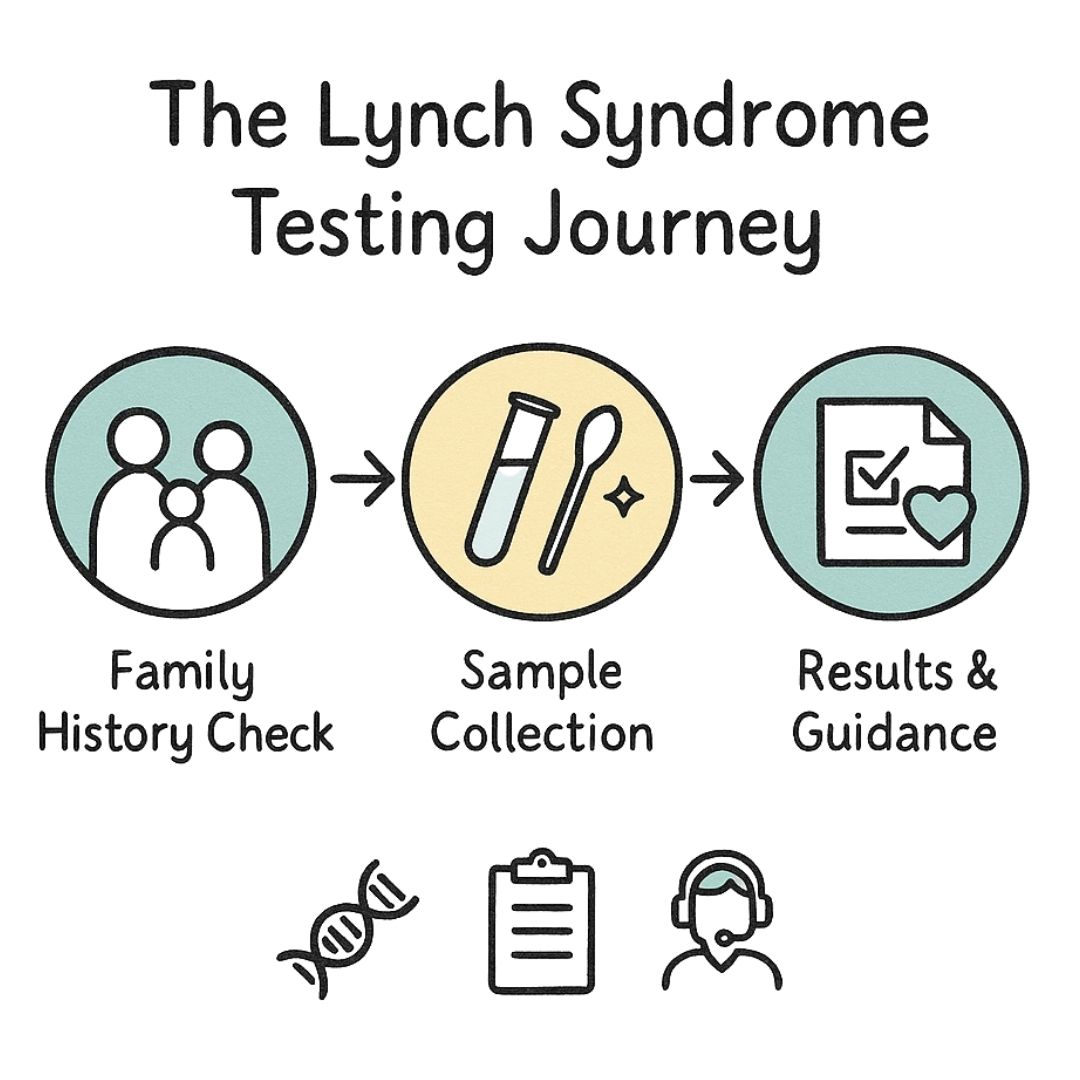
The journey to clarity with lynch syndrome cancers starts with a referral, often from your GP or specialist. Next, you'll meet with a genetic counsellor to discuss your family history and the potential benefits and drawbacks of testing.
The process usually involves:
Testing is highly accurate, but waiting for results can feel daunting. Remember, support is available at every stage, and your healthcare team will help interpret what the findings mean for you.
When it comes to lynch syndrome cancers, test results fall into a few categories. Understanding these can help you and your family make sense of your next steps.
Types of results:
A positive result opens doors for tailored screening and prevention. A VUS can be confusing, but ongoing research may clarify its meaning over time. Always discuss results with your genetic counsellor for personalised advice.
Learning about a risk for lynch syndrome cancers can stir up many emotions, from relief to anxiety. It's normal to feel uncertain or worried about the future.
Support is crucial—consider talking to a counsellor or joining a support group. Sharing your results with family members can be challenging, but it's a vital step for cascade testing. By informing relatives, you empower them to manage their own lynch syndrome cancers risks proactively.
Open communication helps families unite around prevention, turning knowledge into strength.
In the UK, genetic testing for lynch syndrome cancers is available through the NHS for those who meet certain criteria. Private options exist, but costs can vary widely.
Key points to consider:
Financial support and guidance are available, so don't let cost stand in your way. Speak to your healthcare team about the best route for your situation and remember, early knowledge can be invaluable for managing lynch syndrome cancers.
Navigating prevention, surveillance, and treatment for lynch syndrome cancers can feel overwhelming, but you are not alone. With the right information and support, we can take meaningful steps to reduce risk, detect cancers early, and improve outcomes for ourselves and our loved ones.
Early and regular surveillance is the cornerstone of managing lynch syndrome cancers. People with this condition should start colonoscopy screening as early as age 25, or 2-5 years before the youngest diagnosis in the family. Colonoscopies are usually recommended every 1-2 years, as they significantly reduce the risk of developing advanced colorectal cancer.
Women with lynch syndrome cancers should consider annual endometrial sampling and transvaginal ultrasound from age 30-35. Upper GI endoscopy is also advised every 3-5 years, particularly for those with a family history of gastric cancer.
Here’s a quick summary of recommended surveillance:
| Cancer Type | Screening Test | Starting Age | Frequency |
|---|---|---|---|
| Colorectal | Colonoscopy | 25 | 1-2 years |
| Endometrial | Biopsy, Ultrasound | 30-35 | 1 year |
| Ovarian | Ultrasound, CA-125 | 30-35 | 1 year |
| Stomach/Upper GI | Endoscopy | 30-35 | 3-5 years |
Following these protocols can reduce cancer mortality by up to 60 percent. For more on managing risk, see the Managing Cancer Risk in Lynch Syndrome guide, which offers detailed screening recommendations and preventive strategies.
For some people with lynch syndrome cancers, risk-reducing or prophylactic surgeries may be recommended. These can include removal of the colon (colectomy), uterus (hysterectomy), or ovaries, especially for those with a strong family history or after childbearing is complete.
Chemoprevention is another option. There is growing evidence that taking daily aspirin can lower the risk of certain lynch syndrome cancers. Always discuss the benefits and risks of aspirin or other medications with your healthcare team before starting.
Lifestyle changes also play a role. Maintaining a healthy diet, staying active, not smoking, and reducing alcohol can all contribute to lowering risk. Simple steps like these can make a big difference in the journey with lynch syndrome cancers.
Treatment for lynch syndrome cancers has advanced rapidly in recent years, bringing new hope to families. Immunotherapy, particularly checkpoint inhibitors like pembrolizumab, has shown impressive results in tumours with high microsatellite instability, which are common in these cancers.
Surgical intervention remains a mainstay for many, often tailored to the specific gene mutation and cancer type. Targeted therapies are increasingly available, and survival rates continue to improve, especially when cancers are caught early.
To keep up with the latest breakthroughs, review the advances in cancer research page, which highlights new treatments and ongoing studies relevant to lynch syndrome cancers. These advances are shaping a brighter future for our community.
For families affected by lynch syndrome cancers, planning for the future sometimes involves difficult choices. Preimplantation genetic diagnosis (PGD) with IVF allows couples to select embryos without the lynch syndrome gene mutation, reducing the risk for the next generation.
Prenatal testing is also possible, though it comes with ethical and emotional considerations. Genetic counsellors can guide you through these options and help you make informed decisions that honour your values and family needs.
Clinical trials are essential for improving prevention and treatment of lynch syndrome cancers. Current studies focus on new screening methods, innovative therapies, and ways to reduce risk in high-risk families.
If you are interested in participating, ask your healthcare provider or genetic counsellor about local and international trials. Many research centres offer registries that help connect you with the latest opportunities to contribute to and benefit from cutting-edge science.
Living with lynch syndrome cancers is about more than just medical care. Cancer Care Parcel provides tailored support packages, trusted resources, and a welcoming community designed to help individuals and families manage hereditary cancer risks with confidence and comfort.
Living with lynch syndrome cancers brings unique challenges, but it is possible to lead a fulfilling life with the right support and information. Understanding how to cope, communicate, and plan for the future can make all the difference for individuals and families. Let’s explore practical ways to manage daily life and look ahead with hope.
Receiving a diagnosis of lynch syndrome cancers can feel overwhelming. It is common to experience a mix of emotions, such as anxiety, uncertainty, and fear. You are not alone in this journey. Many people find that talking to others who understand, whether through support groups or counselling, can be incredibly reassuring.
Small steps make a big difference. Practicing self-care, staying informed, and connecting with loved ones all help build resilience. For practical advice and mental health resources tailored to cancer, explore the Cancer health and wellbeing guide. Remember, your feelings are valid, and support is always available.
Open and honest conversations about lynch syndrome cancers are crucial for family wellbeing. Sharing genetic information helps relatives understand their own risks and access timely testing. This process, called cascade testing, allows families to work together for prevention and early detection.
Start by gathering a clear family history and discussing it with your healthcare provider. Use simple, compassionate language when talking to relatives, especially those who may feel anxious. Sharing resources and encouraging questions can help everyone feel supported and informed.
Managing lynch syndrome cancers involves working with a team of specialists. Your GP often coordinates care, referring you to genetic counsellors, oncologists, and gynaecologists as needed. Each expert brings unique knowledge to support your health and wellbeing.
Regular check-ins and clear communication with your team help ensure you receive the best care. Keep a record of appointments, results, and questions to make your visits more productive. If you need practical tips for living with cancer, the Tips for people with cancer resource offers helpful ideas for daily life.
Living with lynch syndrome cancers may raise questions about insurance, work, and privacy. In the UK, laws protect against genetic discrimination in employment and health insurance. Life insurance policies may have different rules, so it is wise to check with providers before applying.
When discussing your health at work, you have the right to privacy. Employers should make reasonable adjustments if needed. Knowing your legal rights helps you feel more confident as you plan your future.
Hearing from others who live with lynch syndrome cancers can be inspiring and comforting. Many people share their journeys, challenges, and triumphs through patient advocacy groups or online communities. These stories remind us that we are not alone and there is strength in shared experience.
Getting involved in advocacy, whether by raising awareness, supporting research, or joining a support group, empowers individuals and helps shape the future of care. Together, we can make a difference for everyone affected by lynch syndrome cancers.
The outlook for lynch syndrome cancers is brighter than ever thanks to ongoing research and improved care. New treatments, better screening, and expanded support networks are making life with lynch syndrome more manageable. Staying informed about the latest advances gives hope for longer, healthier lives.
Education, advocacy, and community are key. By working together, we can support each other and look forward to a future filled with promise for those living with lynch syndrome cancers.
After learning more about Lynch syndrome and its impact, it’s natural to want extra support or simply someone who understands what you’re going through. We know that facing hereditary cancer risks can feel overwhelming, but you’re definitely not alone on this journey. If you or someone you love is dealing with a diagnosis, practical advice and emotional comfort can make a real difference. That’s why we invite you to explore our specially curated resources, tips, and support designed just for you—take a look at I Have Cancer to find help, reassurance, and a caring community by your side.
We strongly advise you to talk with a health care professional about specific medical conditions and treatments.
The information on our site is meant to be helpful and educational but is not a substitute for medical advice.
Completing Cancer Treatment Is a Powerful Milestone, but Staying Healthy Afterward Requires Continued Care and Intention. In This Guide, Discover How to Keep Your Immune System Strong and Reduce the Risk of Recurrence Through Smart Lifestyle Choices.
There are no rights or wrongs when it comes to the language you use to describe how you feel..
I’m a very positive person and full of life 🙂. I’m trying to inspire others with my way of life to fight and be positive don’t give up and enjoy life to the fullest!