Completing cancer treatment is a huge achievement—one that reflects your resilience and determination, but many people wonder what comes next. How can you keep your immune system strong? What lifestyle changes can help lower the chance of cancer returning? And how can you strike a balance between staying vigilant and living a fulfilling life?
This guide is all about navigating life after treatment. It explores how nutrition, exercise, sleep, stress management, and complementary therapies can help you stay healthy and empowered on your cancer journey.
Even after treatment, your immune system works around the clock, scanning for threats like infections and abnormal cells. While no single strategy can guarantee that cancer won’t come back, supporting your immune system is one of the most powerful defences you have.
Your immunity is shaped by what you eat, how you sleep, how active you are, and how you handle stress. Understanding how these factors influence your health can help you build habits that strengthen your body’s natural defences.
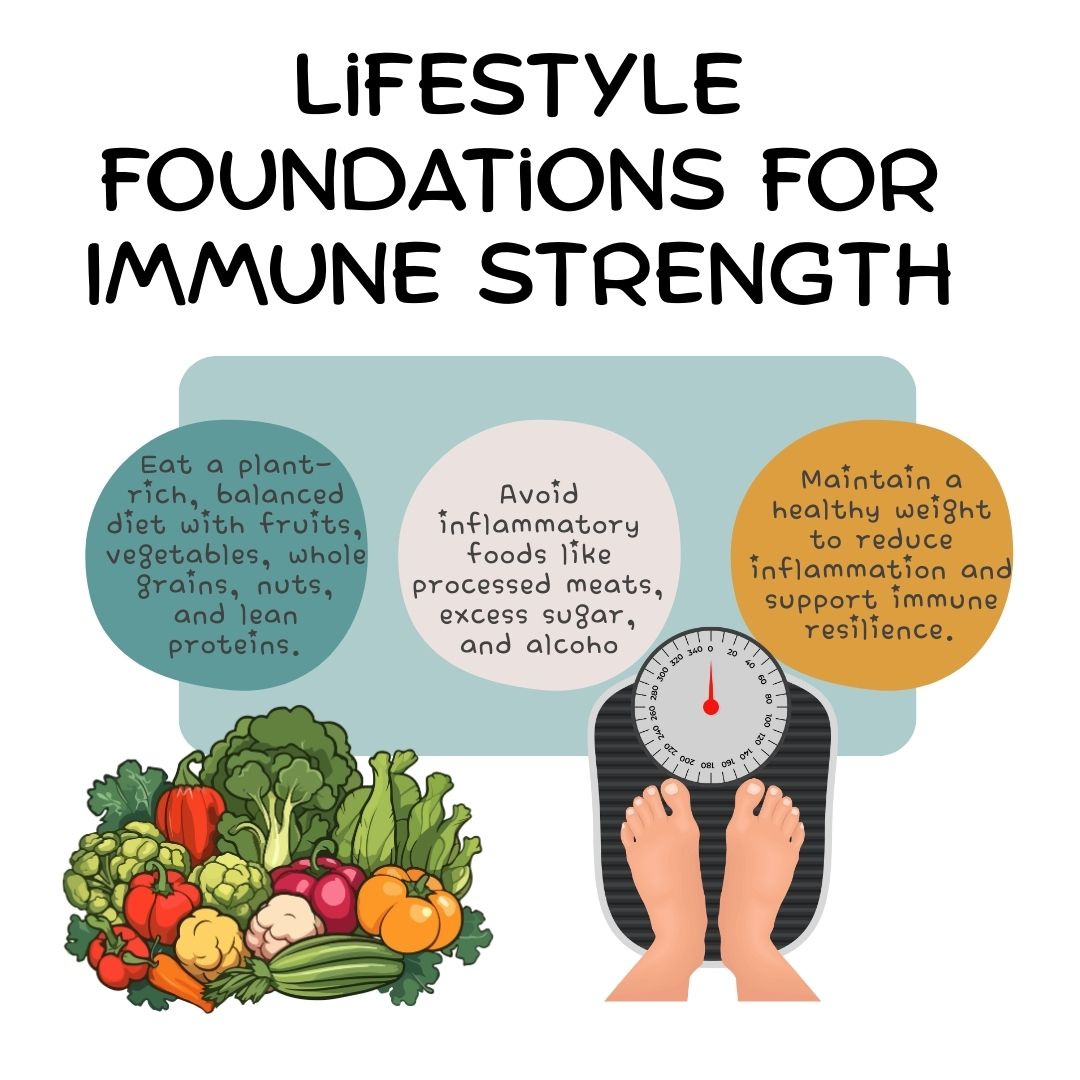
A balanced diet is the cornerstone of immune health, providing the essential nutrients that immune cells need to function effectively.
A plant-rich diet can lower inflammation and help your body repair itself. Fruits, vegetables, whole grains, nuts, and seeds are packed with vitamins, minerals, and antioxidants that support immune health.
Processed meats, sugary foods, and excessive alcohol can promote chronic inflammation. Opt for minimally processed, whole foods whenever possible.
Maintaining a healthy weight is another key factor. Excess weight can lead to chronic inflammation, which can weaken your immune system. Work with your healthcare team to develop a sustainable plan. Even small changes can make a big difference.
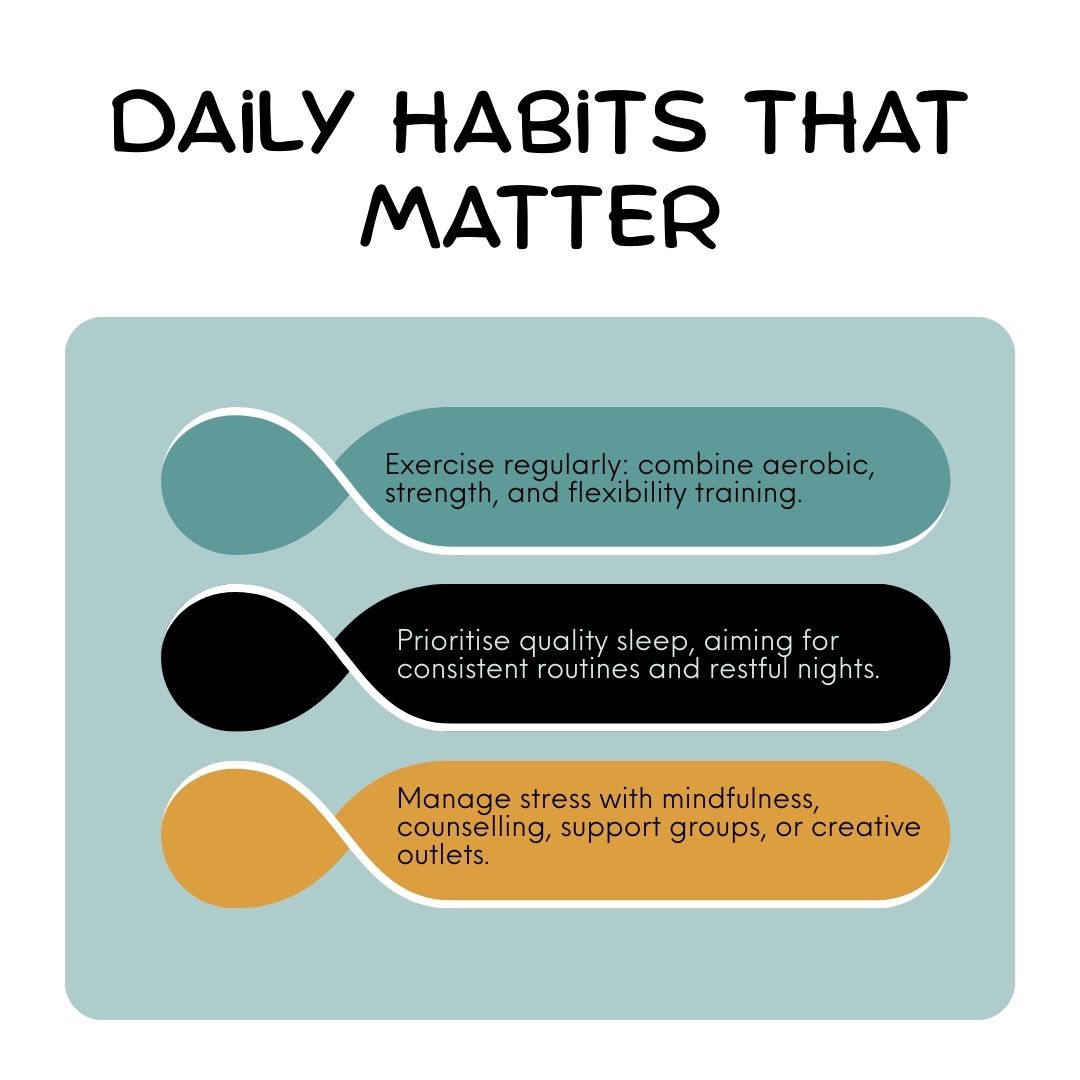
Regular physical activity boosts circulation, reduces inflammation, and helps immune cells move effectively through your body.
Some days you might feel too tired for a full workout, and that’s okay. Gentle stretching or a short walk still counts — the key is to stay consistent and listen to your body.
Quality sleep is essential for recovery and immune health. During sleep, your body releases proteins called cytokines that help fight infections and abnormal cells.
If sleep problems persist, talk to your healthcare team. Getting enough rest helps with mood, energy, and overall health.
Worrying about cancer coming back is normal, but chronic stress can impact your immune system. Finding ways to manage stress is vital.
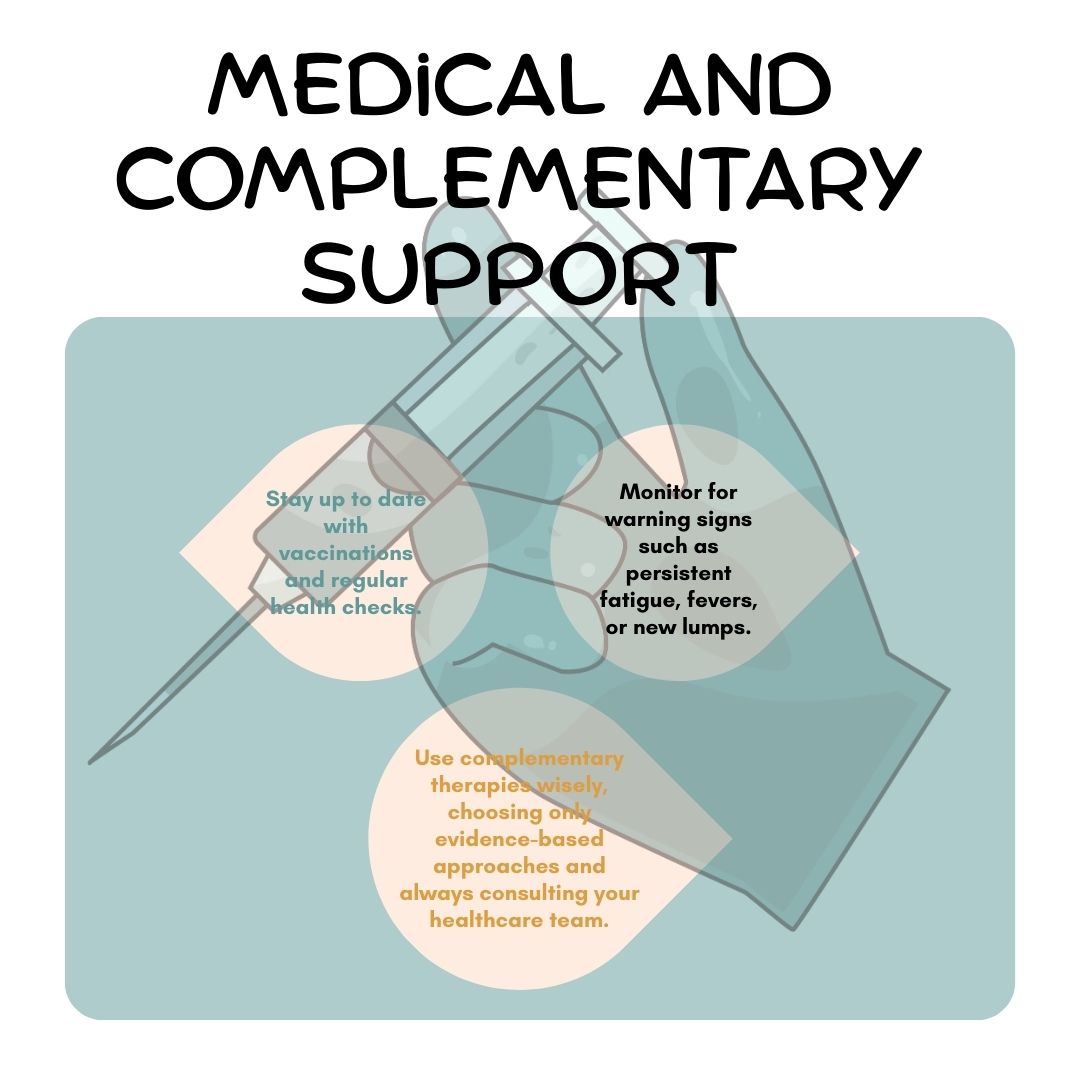
Your immune system helps fight infections, but it’s important to stay alert. Let your doctor know about:
Regular follow-up appointments and screenings help catch issues early.
Vaccinations can protect you from infections that might be harder to fight after cancer treatment. Talk to your doctor about which vaccines are recommended, including the flu shot and pneumococcal vaccine.
Many people look into complementary therapies after treatment, such as acupuncture, massage, or herbal supplements. While some can ease symptoms, others might interfere with medications.
There’s no one-size-fits-all approach to staying healthy after cancer treatment. Build a plan that works for you.
Life after cancer treatment is about finding your balance. By focusing on nutrition, exercise, sleep, stress management, and medical follow-up, you can give your immune system the best chance to keep you healthy. This isn’t about living in fear—it’s about living with purpose and intention, giving yourself the best possible foundation for a strong, healthy future.
Edited by: Macey Tocher
We strongly advise you to talk with a health care professional about specific medical conditions and treatments.
The information on our site is meant to be helpful and educational but is not a substitute for medical advice.
Ultimately You Have To Drive The Pace Of The Process, Ignore The Stigma Of Cancer And Stay Hugely Positive Keeping Strong For Those Around You And For Your Own Emotions And Sanity.
Telling Your Children You Have Cancer Can Be Hard To Navigate. It Is Important To Be Honest With Them, And Not Be Afraid To Use The Word, “Cancer.” Prepare Yourself To Answer Their Questions, And Reassure Them While They Process Your Diagnosis.
Care During Cancer Treatment: Read Matthews Story On How A Cancer Care Parcel Donated To Him Helped During His Cancer Treatment.