Receiving a diagnosis of triple negative breast cancer (TNBC) can be overwhelming. Whether you or someone you love has just heard these words, you may be feeling a mix of emotions—fear, confusion, and uncertainty about what this means for the future. It’s okay to feel this way. This article is here to help you understand what TNBC is, how it differs from other breast cancers, and what the next steps might be. You are not alone, and there are treatments, support networks, and options available to help you navigate this journey.
Breast cancer is not a single disease—there are multiple subtypes, each behaving differently and requiring different treatment approaches. Triple negative breast cancer is a specific aggressive form of breast cancer that accounts for about 10-15% of all breast cancer cases.
What makes TNBC different is that it does not have receptors for:
Since TNBC lacks these three receptors, it does not respond to hormonal therapies like tamoxifen or targeted HER2 drugs like trastuzumab (Herceptin), which are effective for other types of breast cancer. Instead, treatment typically relies on a combination of surgery, chemotherapy, and immunotherapy.

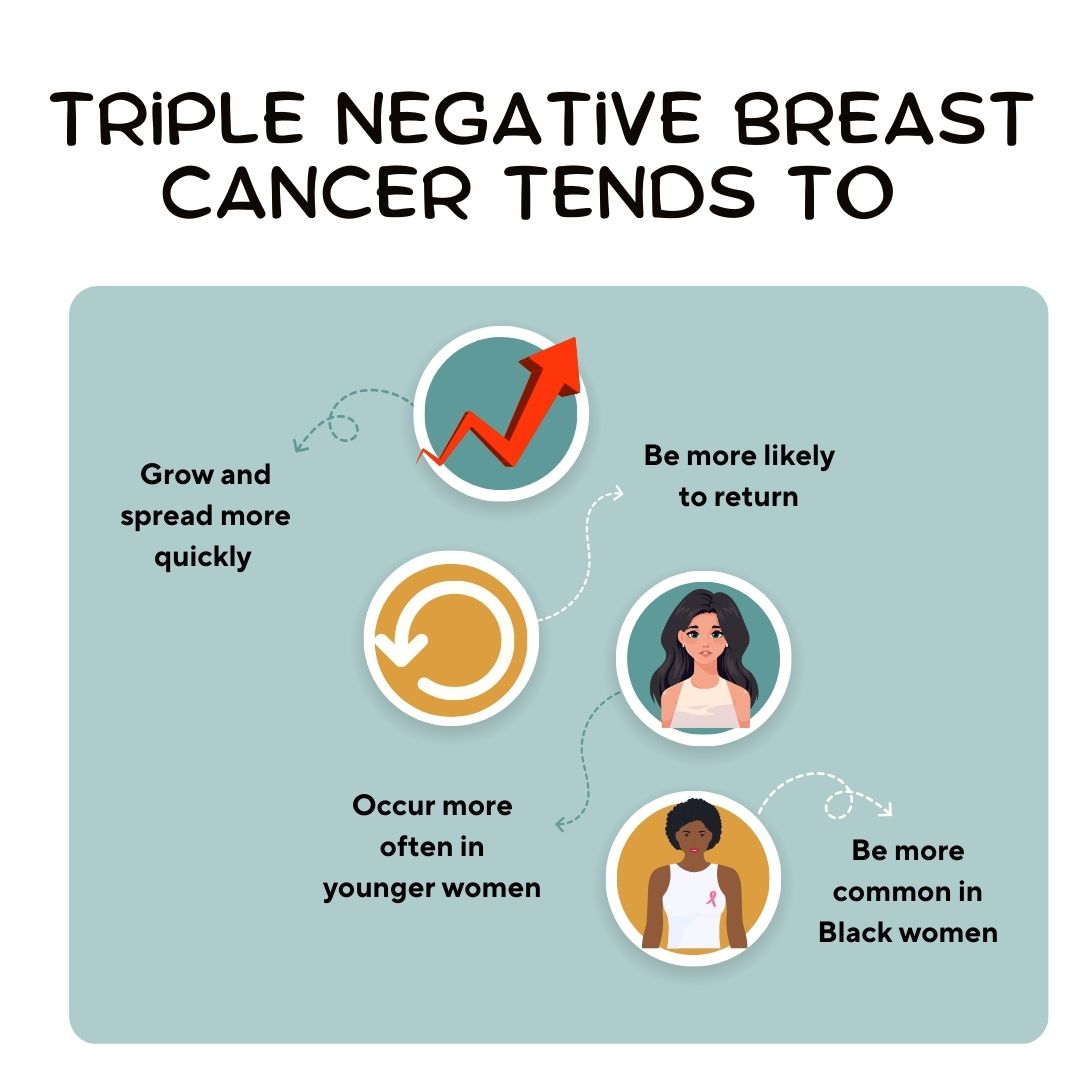
TNBC tends to:
Although TNBC is aggressive, there is hope. New treatments, better research, and ongoing clinical trials are helping patients live longer and improve outcomes.
TNBC does not always present symptoms that feel different from other types of breast cancer. However, common signs include:
If you notice any of these symptoms, it’s important to speak with your doctor as soon as possible. Early detection can make a difference in treatment options and outcomes.
If you or a loved one is undergoing tests for breast cancer, the process may include:
Once diagnosed, your doctor will also determine the stage of the cancer (ranging from Stage 1 to Stage 4) to decide on the most effective treatment plan.
Since TNBC does not respond to hormonal or HER2-targeted therapies, treatment focuses on chemotherapy, surgery, immunotherapy, and radiation therapy.
Chemotherapy is often the first line of treatment for TNBC, either before (neoadjuvant) or after (adjuvant) surgery.
Depending on the size and location of the tumor, surgical options include:
Recent advances have shown that some patients with TNBC may benefit from immunotherapy, which helps the body’s immune system fight cancer more effectively.
Radiation is sometimes used after surgery to target any remaining cancer cells and reduce the risk of recurrence.

While TNBC is considered aggressive, survival rates have improved in recent years. According to research, the five-year relative survival rate for localized TNBC (cancer that has not spread) is around 91%. However, this drops if cancer has spread beyond the breast.
Early detection and new treatments continue to improve these numbers, offering more hope than ever before.
A TNBC diagnosis can feel isolating, but you are not alone. Many support resources are available to help navigate this journey:
Hearing the words triple negative breast cancer can be frightening, but there is hope. With advancements in research, better treatments, and a strong support system, many people with TNBC go on to live fulfilling lives.
It’s okay to feel overwhelmed, but remember: you are not alone, and there is a team of people ready to support you. Speak with your doctor, reach out to loved ones, and explore available resources to help guide you through this journey.
No matter where you are in your TNBC journey, there is always hope, and there are always options.
We strongly advise you to talk with a health care professional about specific medical conditions and treatments.
The information on our site is meant to be helpful and educational but is not a substitute for medical advice.
Completing Cancer Treatment Is a Powerful Milestone, but Staying Healthy Afterward Requires Continued Care and Intention. In This Guide, Discover How to Keep Your Immune System Strong and Reduce the Risk of Recurrence Through Smart Lifestyle Choices.
Nutrition Tips To Support Brain Health And Reduce Chemo Brain Symptoms During Cancer Treatment
In 2007 Chris Lewis Was Given Six Months To Live. Eleven Years On He Tells Us How Cancer Changed His Life And How He Now Helps Others.