It's easy to brush off signs like feeling run-down, losing a bit of weight, or getting more infections than usual. These are common blood cancer symptoms, but because they can mimic dozens of less serious illnesses, spotting them early is a real challenge. Yet, that early recognition is absolutely critical for getting a swift diagnosis.
Trying to recognise the early signs of blood cancer can feel like solving a puzzle when you don't have all the pieces. The symptoms are often vague and easily confused with everyday problems like the flu or just being overworked. Think of them as the subtle warning lights on your car’s dashboard – easy to ignore at first, but they could be flagging a serious problem that needs a mechanic.
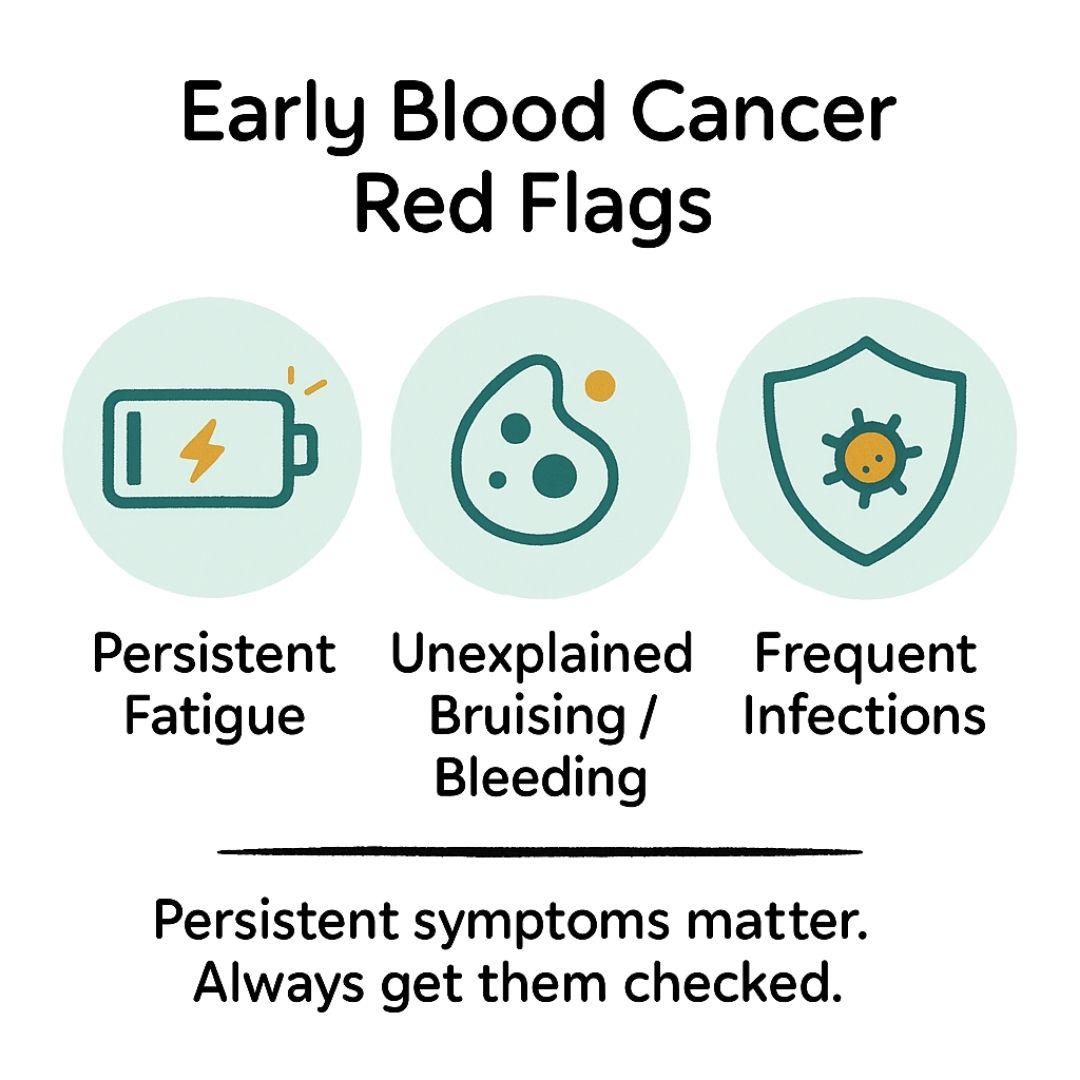
This is why that first flicker of awareness is so important. Catching things early can make a world of difference in treatment and outcomes. Understanding why these seemingly minor issues might point to something more serious is the first step in taking charge of your health.
The biggest hurdle with blood cancer symptoms is just how non-specific they are. Unlike finding a distinct lump, things like fatigue or catching more colds than usual don't immediately set off alarm bells. This ambiguity is a major reason why people delay seeing a doctor, which in turn can lead to a delayed diagnosis.
A study from a leading blood cancer charity highlighted a worrying gap in public awareness, revealing that only about half of adults could name even one symptom of blood cancer. Research also found that 31% of people with blood cancer had to visit their doctor three or more times before finally getting diagnosed. It shows just how tricky these early signs can be, not just for patients but for clinicians too.
The goal isn't to make you panic over every ache or sniffle. It’s about empowering you with the knowledge to spot a pattern of persistent, unexplained symptoms that justify a conversation with your doctor.
We'll dive deeper into these symptoms later, but it helps to have a quick overview of the most common red flags. These signs usually happen because cancerous cells are starting to crowd out the healthy, functional blood cells in your bone marrow, which throws your body's systems out of balance. The real-life experiences of patients, like Alyssa’s journey through the discovery and treatment of childhood leukaemia, really bring home how important it is to listen to these signals.
Here are some of the main things to keep an eye on:
Getting to know these initial signs is the crucial first step. It gives you the power to observe what’s happening with your body, identify patterns that feel off, and approach a healthcare professional with confidence.
When we talk about the most common symptoms of blood cancer, it's easy to get lost in a list of vague feelings. But there’s a reason these specific signs appear. They aren't random; they're direct clues that something is wrong with the fundamental workings of your blood and bone marrow.
Think of your bone marrow as a sophisticated factory that manufactures every single blood cell your body needs. When blood cancer takes hold, it’s like rogue, untrained workers storming the factory floor. They don’t do their jobs, but they multiply relentlessly, crowding out the skilled workers and throwing the entire production line into chaos. This disruption is what causes the cascade of symptoms you feel throughout your body.
Let’s break down what those symptoms are and why they happen.
One of the first things people notice is a bone-deep exhaustion that sleep just doesn't fix. This isn't your average "long week at work" tiredness. It’s a profound, persistent fatigue that can make even simple tasks feel monumental.
The culprit is usually anaemia, which means you don't have enough healthy red blood cells. These cells are your body’s oxygen delivery service. When the bone marrow factory is overwhelmed by cancerous cells, it can't produce enough red blood cells. Without enough oxygen getting to your muscles and organs, you're left feeling constantly drained, weak, and often breathless after minimal effort.
Do you feel like you’re constantly fighting off one illness after another? That’s another major red flag. Your immune system is your personal security team, and your white blood cells are the frontline guards.
Blood cancer hobbles this team in a couple of ways. It can lead to a shortage of healthy, effective white blood cells. Or, it can flood your system with cancerous white blood cells that are essentially useless—they look the part but can't actually fight off germs. Either way, your body’s defences are down, leaving you wide open to repeated infections of the skin, lungs, or urinary tract.
It's the pattern that matters here. One bad cold is normal. A string of infections you just can't seem to kick is a clear signal that your immune system is struggling. Seeing how these signs are pieced together in real-world diagnostics can be illuminating; these groundbreaking medical case study examples show how clinicians interpret such patterns.
Suddenly losing weight when you haven’t changed your diet or exercise routine is a significant symptom. Cancer cells are greedy—they have a high metabolism and burn through a lot of your body's energy. They can also release chemicals called cytokines that mess with your metabolism and suppress your appetite, leading to weight loss.
Drenching night sweats are another classic sign, especially in lymphoma. We're talking about sweats so intense they soak through your pyjamas and sheets. While the exact mechanism isn't perfectly clear, it’s thought to be tied to the body's inflammatory response to the cancer cells, which can throw your internal thermostat out of whack.
Looking at symptoms individually can be confusing, as many can be caused by less serious conditions. The table below helps connect these common signs to the underlying issues seen in blood cancers, giving you a clearer idea of what to look out for.
| Symptom | Potential Cause in Blood Cancer | What to Look For |
|---|---|---|
| Profound Fatigue | Anaemia (shortage of oxygen-carrying red blood cells) due to cancerous cells crowding out healthy cell production in bone marrow. | Exhaustion that doesn't improve with rest and interferes with your daily life. Accompanied by weakness or breathlessness. |
| Frequent Infections | Neutropenia (shortage of healthy infection-fighting white blood cells) or dysfunctional cancerous white blood cells. | A pattern of recurring infections (e.g., chest, skin, urinary) or illnesses that are unusually hard to shake off. |
| Easy Bruising or Bleeding | Thrombocytopenia (shortage of platelets, which help blood clot) as their production is disrupted. | Unexplained bruises, tiny red/purple spots on the skin (petechiae), frequent nosebleeds, or bleeding gums. |
| Bone or Joint Pain | The build-up of abnormal cells inside the bone marrow creates pressure and can cause a deep, persistent ache. | A dull ache or sharp pain in the large bones (ribs, back, hips) that doesn't go away. |
| Swollen Lymph Nodes | Cancerous lymphocytes (a type of white blood cell) accumulate in the lymph nodes, causing them to swell. | Painless lumps in the neck, armpits, or groin that persist for several weeks. |
| Night Sweats | The body's inflammatory reaction to cancer cells, which can affect temperature regulation. | Drenching sweats that soak bedding and pyjamas, occurring regularly at night. |
| Unexplained Weight Loss | Cancer cells consume energy, and the body's response can alter metabolism and reduce appetite. | Noticeable weight loss over a few months without trying. |
This isn't an exhaustive list, but it covers the most telling signs. Remember, it’s often the combination of several of these persistent symptoms that provides the strongest indication that it’s time to see a doctor.
While any of these symptoms can be explained away on their own, it's the combination and the fact they don't go away that tells a bigger story. The data backs this up. In one survey, 65% of people diagnosed with blood cancer said they experienced fatigue so severe it got in the way of their daily lives, and 58% reported recurring infections.
Other frequently mentioned symptoms included unexplained weight loss (42%), shortness of breath (38%), and bone or joint pain (35%).
These numbers aren't just statistics; they represent the real-world impact of the biological disruption happening inside the body. The process starts deep inside the bones, and understanding the importance of the bone marrow microenvironment for the progression of leukaemia/ offers incredible insight into these mechanisms. Recognising these patterns is the first step toward getting answers and turning a vague feeling of being unwell into a focused, productive conversation with your doctor.
While the general symptoms we've covered are crucial warning signs, the three main types of blood cancer—leukaemia, lymphoma, and myeloma—often leave their own unique footprints. Understanding these specific clues can give you a much clearer picture of what might be happening inside your body.
Think of it like this: a warning light on your car's dashboard tells you there's a problem, but the specific noise the engine is making often points a mechanic straight to the cause. It's the same with blood cancer; the general feelings of being unwell are the warning light, but the more distinct symptoms can help pinpoint the specific issue.

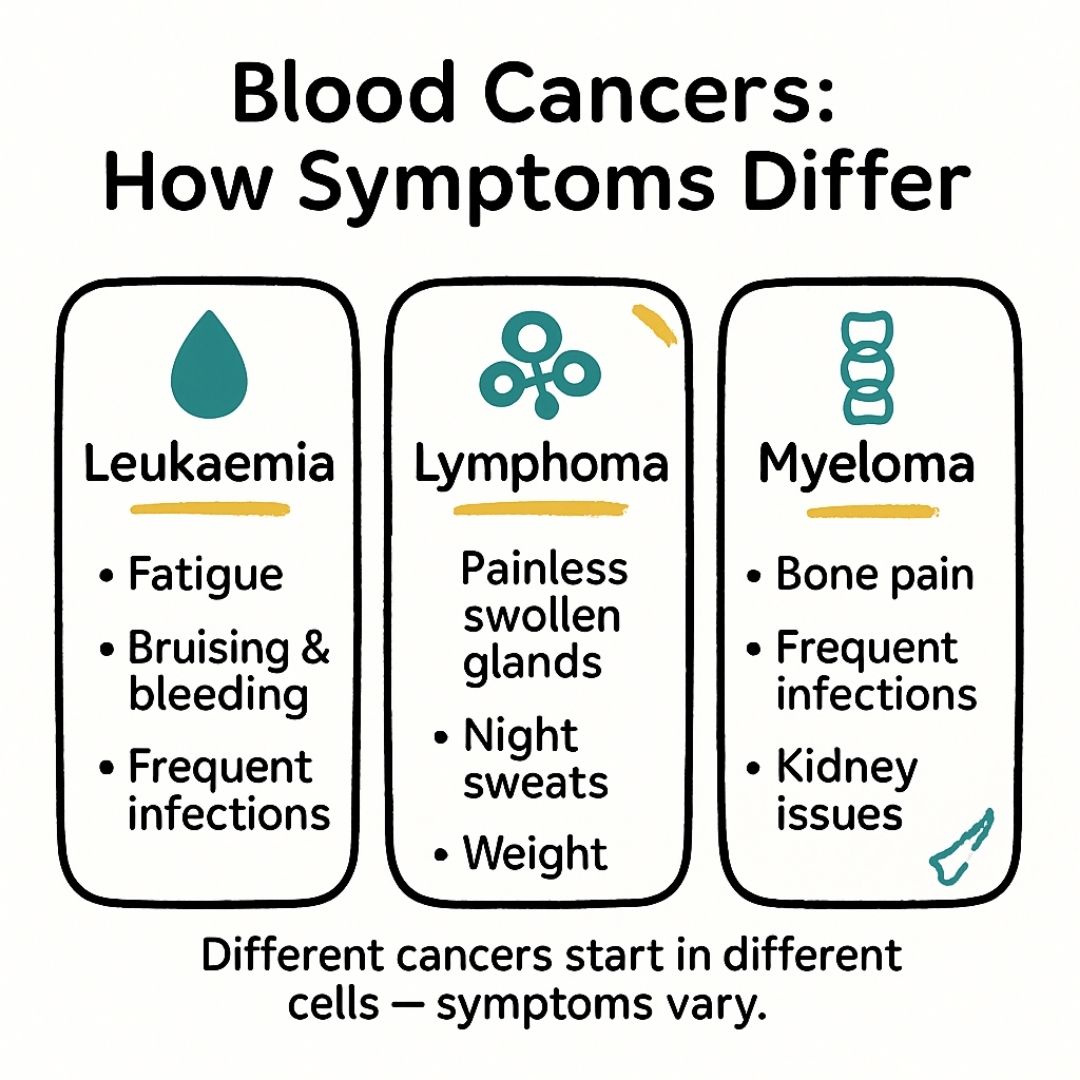
This image helps to show just how common some of the core symptoms, like fatigue and infections, are across the board. Now, let’s get into what makes each type of blood cancer different.
To get a clearer view of how these conditions present differently, it helps to see their primary symptoms side-by-side. While there's always overlap, each cancer tends to affect the body in its own characteristic way.
| Symptom Area | Leukemia | Lymphoma | Myeloma |
|---|---|---|---|
| Primary Site | Bone marrow and blood | Lymphatic system (lymph nodes) | Bone marrow (plasma cells) |
| Key Sign | Signs of bone marrow failure (bleeding, bruising, anaemia) | Painless, persistent swollen lymph nodes (neck, armpit, groin) | Severe and persistent bone pain (back, ribs, hips) |
| Bleeding/Bruising | Very common (nosebleeds, petechiae, easy bruising) | Less common, but can occur | Less common than in leukaemia |
| Pain | Can cause bone or joint pain, but not the primary sign | Usually painless lumps; pain is not a typical early symptom | The most common and defining symptom; can be severe |
| Systemic Symptoms | Fatigue, fever, frequent infections | "B-symptoms": drenching night sweats, fever, weight loss | Fatigue, kidney problems, frequent infections |
This table is just a guide, of course. Everyone's experience is unique, but it highlights the classic patterns doctors look for when making a diagnosis. Let's delve a bit deeper into what these symptoms feel like in real life.
Leukaemia starts right in the body's blood factory: the bone marrow. When cancerous white blood cells begin to multiply uncontrollably, they crowd out the production of all the healthy blood cells your body needs to function. This "bone marrow failure" is what causes leukaemia's most obvious symptoms.
Because the production of platelets—the tiny cells that help your blood clot—is disrupted, you might notice things like:
At the same time, a lack of healthy red blood cells leads to anaemia, often causing extreme paleness and a persistent feeling of breathlessness. Blood tests are key here, and for a deeper understanding of what the results can mean, it's worth reading up on what high neutrophils and low lymphocytes might indicate.
Lymphoma is a cancer that gets its start in the immune system's infection-fighting cells, known as lymphocytes. These cells are concentrated in places like your lymph nodes, spleen, and bone marrow. Unlike leukaemia, which is often widespread from the beginning, lymphoma usually starts in one specific location.
By far, the most common and distinctive sign of lymphoma is a painless swelling in a lymph node. These lumps are most often felt in the:
Of course, lymph nodes swell up all the time for harmless reasons, like when you're fighting off a cold. The key difference with lymphoma is that the swelling is stubborn. It doesn't go away after a few weeks, it's usually not tender to the touch, and it can feel quite firm or rubbery. This is the symptom that sends most people to their doctor.
It’s important to remember that swollen glands are very common and usually nothing to worry about. But a lump that sticks around for more than a few weeks, or shows up with other symptoms like drenching night sweats or unexplained weight loss, should always be checked out by a doctor.
Myeloma is a cancer of the plasma cells. These are a type of white blood cell that makes antibodies to help you fight infections. When these cells become cancerous in myeloma, they multiply and collect in the bone marrow, pushing out the healthy blood cells.
This cancer has a particularly destructive effect on the bones, which leads to its most characteristic symptoms. The cancerous plasma cells release chemicals that disrupt the natural process of bone maintenance, making your bones thin, brittle, and weak.
The most common sign of myeloma is persistent, and often severe, bone pain. This is typically felt in:
This isn't just a minor ache; it can be a deep, constant pain or a sharp pain that gets much worse when you move. In some situations, bones can become so fragile that they break from a very minor strain or injury.
Another clue for myeloma is its effect on the kidneys. The abnormal proteins produced by myeloma cells can build up and damage the kidneys, leading to problems like swelling in the legs or nausea. Learning about treatments, like chemotherapy for multiple myeloma, can be really helpful for patients and families facing this specific challenge. It’s this combination of bone pain and potential kidney issues that really sets myeloma apart.
While many blood cancer symptoms creep up on you slowly, some can appear out of the blue and signal a true medical emergency. These aren't the nagging, persistent signs we've talked about; they are sharp, severe problems that need to be checked out straight away. It's vital to know the difference between something that needs an urgent medical appointment and something that means a trip to the emergency room.
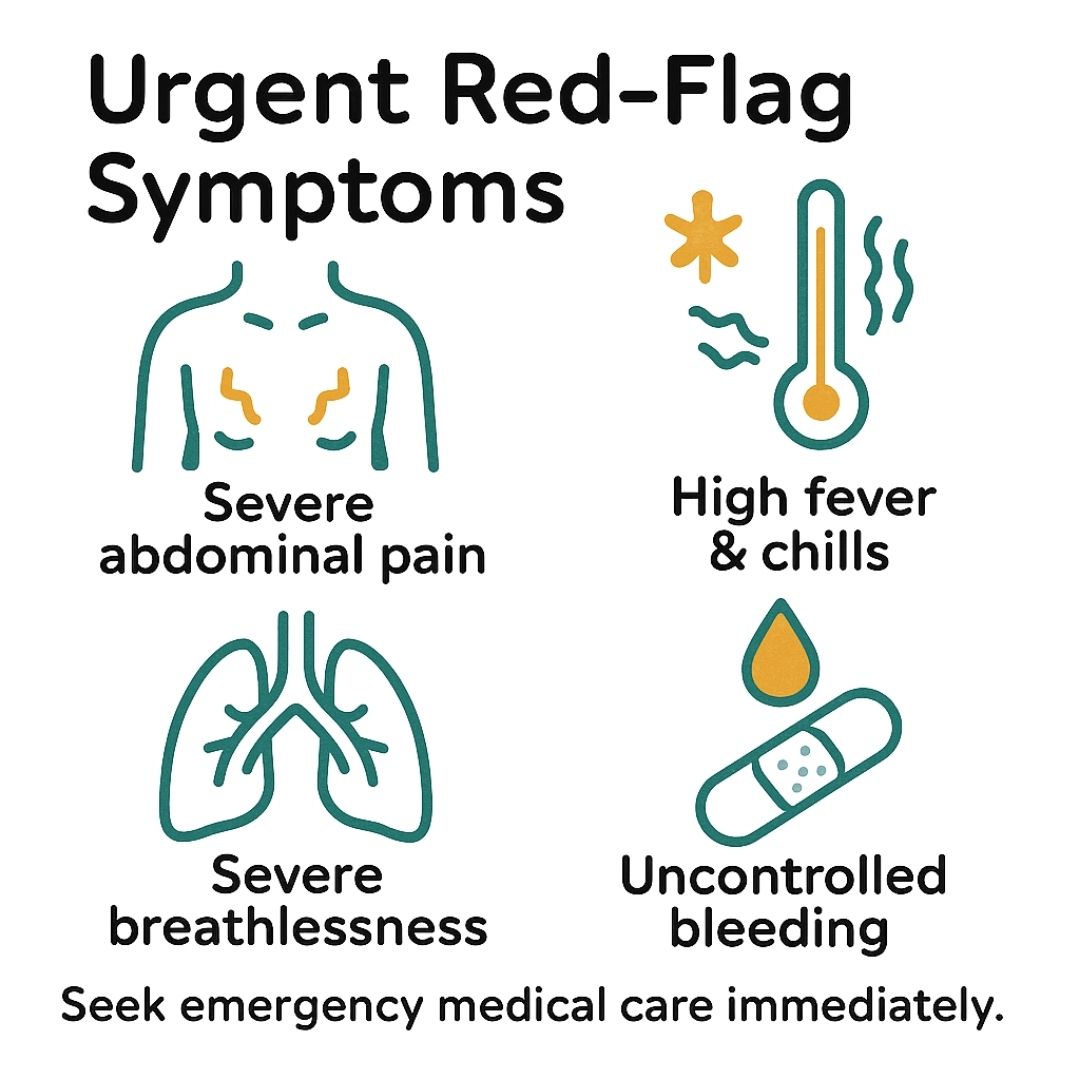
Think of this section as your guide to those critical 'red flag' symptoms. The idea isn't to scare you, but to give you clear, practical advice on spotting a genuine emergency. This way, you can act quickly and confidently when it really matters.
Some symptoms just can't wait. They fall squarely into the "go to the emergency room now" category and often point to a serious complication from the cancer itself or from an immune system that’s been severely weakened.
Here are the key red flags that demand an emergency response:
These are your body's loudest alarm bells. They’re telling you that something is critically wrong.
It helps to know why these symptoms are so urgent. For instance, a high fever is more than just a fever when your immune system is compromised. Without enough healthy white blood cells to fight infection, something minor can quickly spiral out of control and lead to sepsis.
A sudden and severe symptom is not something to monitor at home. It represents a potential crisis where every moment counts. Trust your instincts; if something feels drastically wrong, it is always better to get checked out immediately.
Likewise, that sudden, agonising back pain isn't likely to be a pulled muscle if myeloma is suspected. It could be caused by a collapsed vertebra pressing on the spinal cord, which needs urgent treatment to prevent permanent nerve damage. Hearing from people who’ve been through it, like this 2x AML leukaemia survivor and stem cell transplant recipient, really brings home just how important it is to act fast.
Not every serious symptom means you have to dash to the emergency room, but some definitely warrant a same-day or next-day call to your doctor. These are pressing issues that need a medical opinion without delay.
Get in touch with your doctor urgently if you experience:
Your doctor can assess the situation over the phone or in person, arrange for immediate blood tests, and decide if you need to be admitted to a hospital. Taking action on these urgent—but not immediately life-threatening—signs is a crucial step towards getting the right care at the right time.
Hearing the words "blood cancer" can be incredibly daunting. It’s natural to feel overwhelmed, but getting your head around how doctors actually reach a diagnosis can make the whole process feel a bit more manageable and a lot less scary.
Think of it less as a single, dramatic moment and more like a careful investigation. Your medical team are like detectives, gathering clues piece by piece until the full picture becomes clear. And it all starts with you.
The first step is almost always a chat with your doctor. This initial appointment is the bedrock of the entire diagnostic journey. Your doctor will want to hear your story – what symptoms you’ve noticed, how long they’ve been going on, and how they’re affecting you day-to-day. They’ll follow this with a physical examination, checking for tell-tale signs like swollen lymph nodes, an enlarged spleen, or any unusual paleness or bruising on your skin.
This conversation is more than just a formality; it gives your doctor the first crucial clues they need to decide what to look into next.
If your doctor has any reason to suspect a problem with your blood, the first port of call is a simple blood test known as a Full Blood Count, or FBC. This test is the absolute cornerstone of investigating blood cancer symptoms, measuring the different types of cells whizzing around in your bloodstream: red cells, white cells, and platelets.
You can think of the FBC as a quick snapshot from the "factory floor" in your bone marrow. It tells doctors whether everything is running as it should be, or if there are signs of trouble brewing.
An abnormal FBC result is a major red flag. It almost always prompts an urgent referral to a haematologist, a doctor who specialises in blood disorders, for a much closer look. To learn more about how these tests work, you can explore our guide to the essentials of laboratory medicine.
Once you're under the care of a haematologist, the investigation really gets going. This is where more specialised tests come in to confirm exactly what's happening, identify the precise type of blood cancer, and figure out how far it has spread. This stage is all about finding definitive proof.
The diagnostic journey is a process of narrowing down the possibilities. Each test provides another piece of the puzzle, moving from a general suspicion to a precise and actionable diagnosis. Your medical team’s goal is to build a complete and accurate picture.
The most common specialist tests include:
Bone Marrow Biopsy: This is often the gold standard for diagnosing leukaemia and myeloma. A small sample of bone marrow is taken, usually from the back of the hip bone under a local anaesthetic, and sent to the lab. Looking at it under a microscope lets pathologists see the cancerous cells first-hand and run genetic tests to find specific mutations that will help guide your treatment.
Lymph Node Biopsy: If your doctor suspects lymphoma, the best way to be sure is to take out all or part of a swollen lymph node for analysis. This procedure will confirm if lymphoma cells are present and, just as importantly, help pin down the specific subtype you have.
Imaging Scans: Scans like CT, PET, or MRI create detailed pictures of the inside of your body. They're essential for seeing where the cancer is located, which is particularly important for staging lymphoma (seeing which lymph nodes are affected) or for spotting any bone damage in myeloma.
Each test has a specific job to do, helping your team build a crystal-clear picture of your health. This meticulous approach is vital. It ensures that the treatment plan they create for you is perfectly tailored to your individual diagnosis, giving you the best possible start on your road to recovery.
It’s completely normal to have a million questions swirling in your head when you’re worried about symptoms. That uncertainty can be exhausting. This section is here to give you straightforward, human answers to some of the most common concerns, hopefully giving you a bit more clarity and confidence for what comes next.
Think of this as a conversation to help clear up confusion, offer some practical advice, and get you ready to talk things through with your doctor.
Yes, they absolutely can, and this is one of the most confusing things about them. You might feel bone-tired for a week, only to have a couple of days where you feel almost back to your old self. It’s this up-and-down pattern that often leads people to dismiss their symptoms as a nasty bug they can’t shake or just a classic case of burnout.
The crucial difference, however, is that cancer-related symptoms never really disappear for good. They might ease off for a bit, but they’ll still be there, lingering in the background over weeks or even months. Often, the overall trend is a slow but steady decline. It's this persistent, nagging pattern—even with its good and bad days—that should be your signal to book a medical appointment.
Not at all. In fact, it’s far more likely that swollen glands (or lymph nodes) are just a sign your immune system is doing its job, fighting off a common cold or a sore throat. In these cases, the glands usually feel a bit tender and go back to normal within a week or two once you're on the mend.
The time to pay closer attention is when a swollen gland is acting differently. A doctor will typically be more concerned if a lymph node:
If you find a lump that isn't going away, especially if you’re also experiencing other potential symptoms like drenching night sweats or losing weight without trying, it’s really important to get it checked out.
Going into your appointment prepared can make a world of difference. It’s much harder for a doctor to assess vague feelings than it is to work with specific details, which can provide vital clues to what's going on.
A great tip is to keep a simple symptom diary for a week or so before you go. It doesn’t have to be anything fancy—just some quick notes on your phone or in a notepad.
How to Keep a Symptom Diary: Instead of just saying, "I feel tired," try to be more specific. For example: "By 3 pm, I'm so drained I have to lie down. I'm often too exhausted to make dinner in the evening." Note down what the symptom is, when it happens, how it stops you from doing things, and if anything seems to trigger it or make it better.
Don't be afraid to mention everything, even things that seem small or unconnected. It’s also perfectly fine to be direct. Saying, "I'm worried about blood cancer because I've been experiencing X, Y, and Z," helps your doctor understand your concerns and ensures they are addressed properly.
Many of the core symptoms are the same, but they can show up differently in children. Because little ones can’t always put their feelings into words, changes in their behaviour and appearance are often the first signs that something is wrong.
In childhood leukaemia, for instance, persistent bone or joint pain is very common. You might notice your child has started limping, complains a lot about sore legs (especially at night), or in some cases, might even refuse to walk.
Other key signs to watch for in children include:
These signs are easily mistaken for the normal tumbles and illnesses of childhood, which is why it's so important for parents and carers to trust their gut. If your child seems unwell for a prolonged time and just isn't getting better as you'd expect, don't hesitate to insist on a thorough check-up, including a blood test.
We strongly advise you to talk with a health care professional about specific medical conditions and treatments.
The information on our site is meant to be helpful and educational but is not a substitute for medical advice.
A Compassionate Guide To Understanding Pre-Grief When Someone You Love Has Cancer. Learn How To Support Them While Also Caring For Your Own Emotional Health.
Taking Part In A Clinical Trial Is Not A Simple Decision. Here Are 10 Pieces Of Advice To Help You Make A Thoughtful Choice.
This powerful on-demand session: Radiation & Resilience: Protecting Your Body During & After Treatment is delivered by one of the world’s foremost authorities in cancer rehabilitation.