Embarking on chemotherapy treatment can feel overwhelming, with countless medical details to manage. One practical step you can take to regain a sense of control and ensure your comfort is preparing a dedicated chemotherapy bag. This isn't just about bringing a few items; it's about curating a personalised toolkit designed to manage side effects, pass the time, and provide emotional and physical comfort during long treatment sessions.
This detailed guide breaks down exactly what to pack in a chemo bag, organising recommendations into key categories for clarity. We will explore practical suggestions, from specialised skincare for sensitive skin to nausea-reducing aids, ensuring you feel as prepared and comfortable as possible. The goal is to equip you with actionable advice, whether your appointment lasts a few hours or involves an overnight hospital stay.
Our focus is on functional, thoughtful choices that help you navigate this part of your journey with greater ease and confidence. By planning ahead, you can create a go-to kit that addresses your unique needs, transforming a clinical necessity into a more manageable experience. Let's delve into the specific items that can make a significant difference.
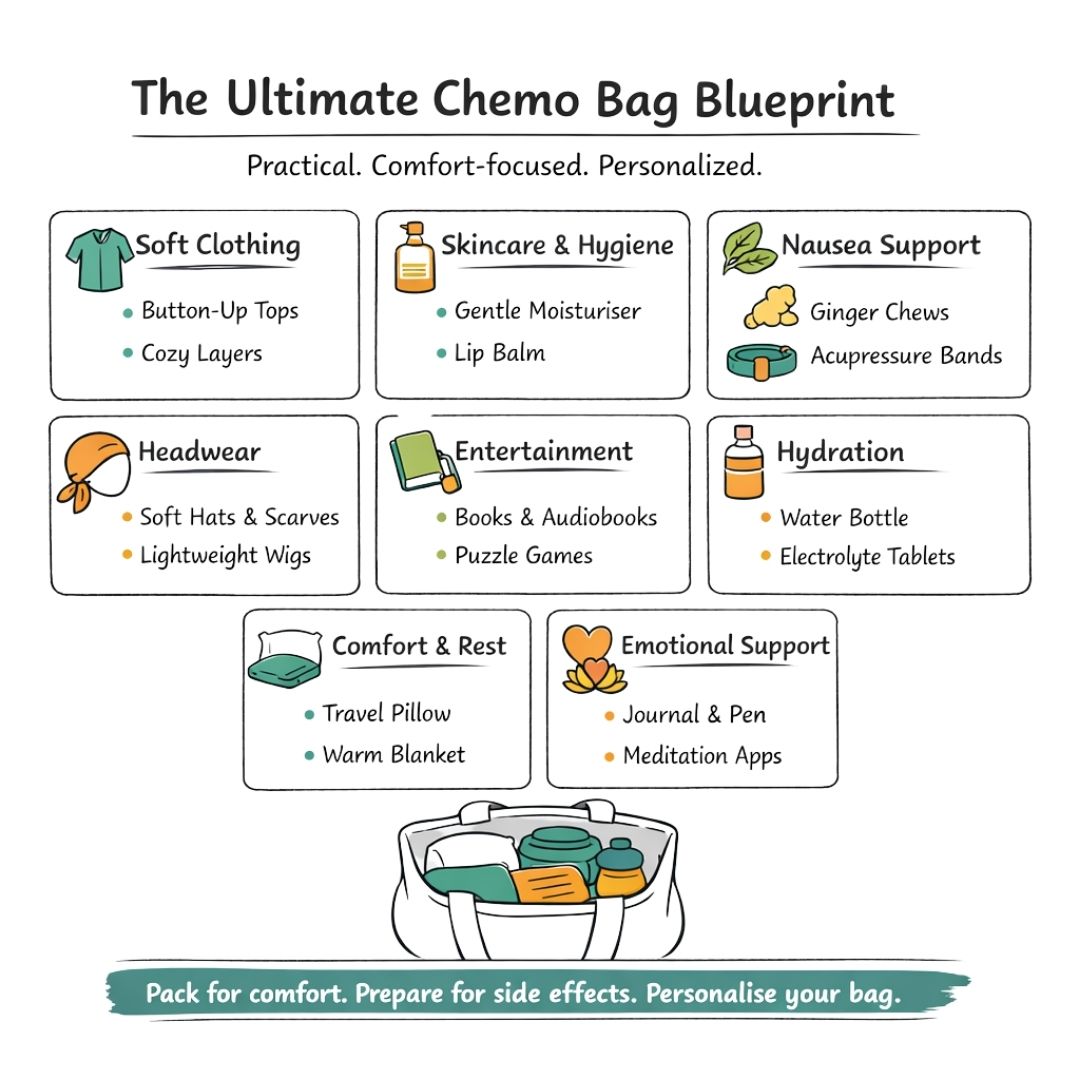
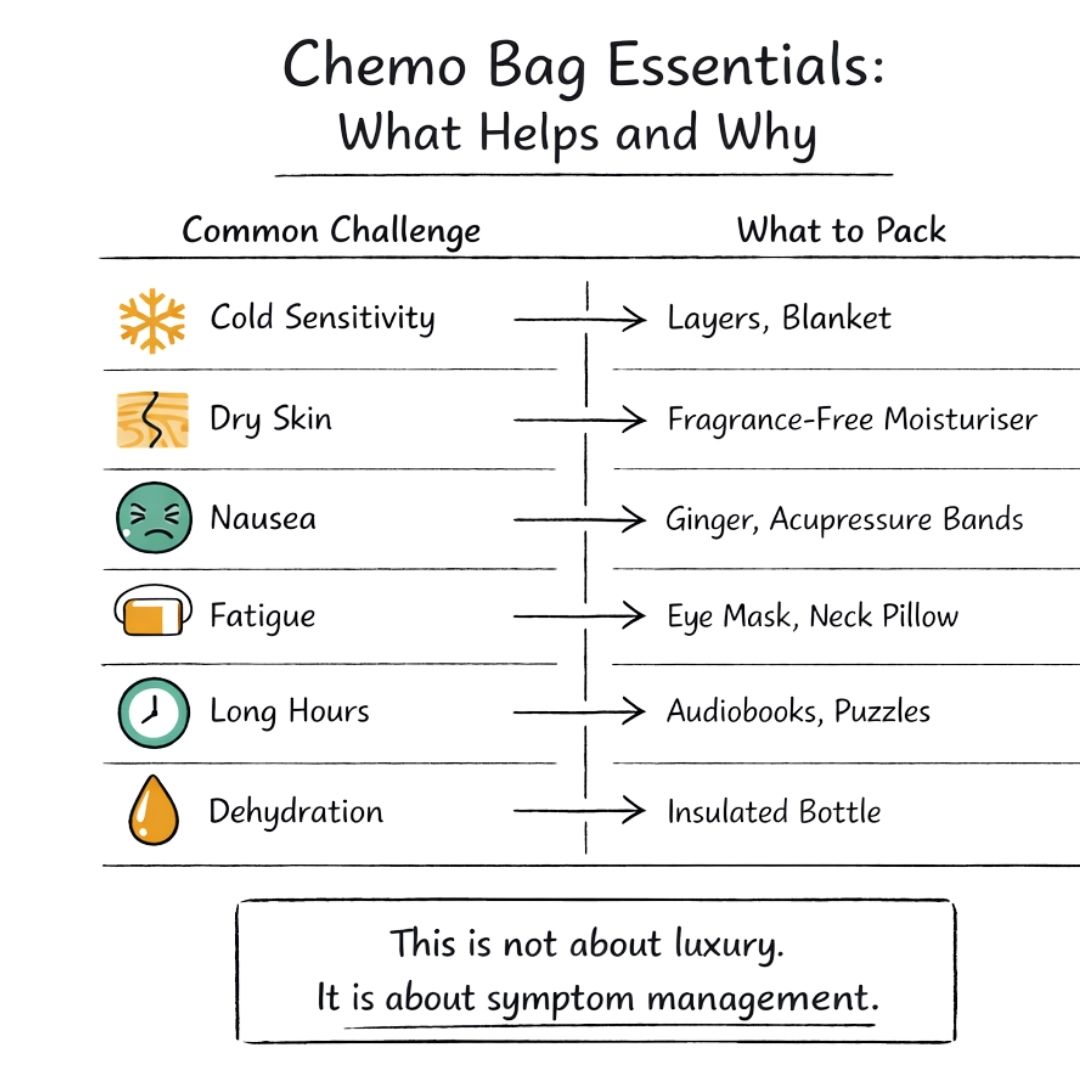
Comfort during chemotherapy sessions isn't a luxury; it's a practical necessity that can significantly influence your physical and emotional well-being. Treatment centres often have fluctuating temperatures, and the therapies themselves can cause skin sensitivity, temperature regulation issues, and fatigue. Choosing the right clothing is a foundational step in preparing what to pack in a chemo bag, ensuring you remain comfortable and that clinical staff have easy access for medical procedures.
The primary goal is to minimise physical irritation and maximise ease. Fabrics should be soft, breathable, and non-restrictive. Button-up shirts, zip-front tops, and wide-neck designs are particularly practical as they allow nurses to access a port or PICC line without you needing to fully undress. Similarly, loose-fitting trousers or joggers with a soft, non-binding waistband can prevent discomfort, especially if you experience bloating, a common side effect of treatment.
Chemotherapy can have a significant impact on your body's largest organ: your skin. Treatments often cause extreme dryness, sensitivity, and irritation, while also suppressing your immune system, which heightens the risk of infection. Packing gentle, high-quality skincare and practical hygiene items in your chemo bag is a crucial step in managing these side effects, helping to maintain your skin's integrity, provide comfort, and reduce the chances of complications.
The primary objective is to soothe, hydrate, and protect without causing further irritation. Products should be hypoallergenic and free from potential triggers like perfumes, alcohol, and harsh chemicals, which can exacerbate sensitivity or induce nausea. Gentle cleansers, rich moisturisers, and nourishing lip balms are non-negotiable essentials, while items like dry shampoo and unscented deodorant help you feel fresh while conserving precious energy during long treatment days. To delve deeper into this topic, you can learn more about managing the effects of chemotherapy on your skin.
Chemotherapy-induced nausea and vomiting (CINV) is a common and distressing side effect that can significantly impact your quality of life during treatment. While your oncology team will prescribe anti-sickness medication (anti-emetics), incorporating complementary, evidence-based support items into what you pack in a chemo bag can provide an extra layer of comfort and control. These non-pharmaceutical aids work alongside your prescribed treatments to help manage queasiness.
The goal of these items is to proactively manage nausea before it becomes severe. Ginger has long been recognised for its anti-nausea properties, and research from institutions like Memorial Sloan Kettering Cancer Center supports its use. Peppermint offers a soothing aroma and taste that can calm an unsettled stomach. Acupressure bands, such as Sea-Bands, apply gentle pressure to the P6 (or Nei-Kuan) point on the inner wrist, a technique rooted in Traditional Chinese Medicine believed to relieve feelings of nausea.
Hair loss from chemotherapy does not always happen, but when it does it can be a distressing side effect, often affecting self-image and emotional well-being. Beyond the cosmetic aspect, a bare scalp can become sensitive, prone to irritation, and feel cold, especially in air-conditioned treatment centres. Packing a curated collection of soft, comfortable headwear is a practical way to protect your scalp, regulate body temperature, and maintain a sense of personal style and confidence throughout your treatment journey.
The key is to prioritise materials that are gentle on the skin. Lightweight, breathable fabrics like cotton, bamboo, or modal prevent overheating and irritation. Having a few different options in your chemo bag, from a simple beanie to a more stylish scarf or turban, allows you to adapt to how you are feeling on any given day. Many people find it helpful to explore these options before hair loss begins, giving them time to get accustomed to the look and feel.
Long chemotherapy sessions can be mentally and emotionally taxing, with hours spent in a clinical environment. Having a selection of engaging entertainment and distraction items is not a trivial detail; it's a critical tool for managing anxiety, passing the time, and shifting focus away from discomfort or symptoms. Packing the right kind of diversion in your chemo bag provides a much-needed mental escape and helps maintain a sense of normality during treatment.
The key is to bring a variety of options that cater to different energy and concentration levels. Some days, you might feel up for getting lost in a novel, while on others, passively listening to a podcast or an audiobook may be all you can manage. This mental toolkit supports emotional wellbeing by offering a sense of control and a pleasant focal point, which mental health professionals often recommend as an effective coping strategy.
Maintaining proper hydration is critical during chemotherapy, as treatments can increase the risk of dehydration through side effects like vomiting, diarrhoea, and a reduced appetite. Staying well-hydrated supports kidney function, helps flush out toxins from the medication, and can lessen the severity of side effects such as fatigue and nausea. Including hydration essentials is a key part of packing a chemo bag, turning a simple task into a proactive health measure.
The primary goal is to make fluid intake as consistent and appealing as possible. An insulated, reusable water bottle keeps drinks at your preferred temperature for hours, which is helpful if treatment makes you sensitive to cold liquids. Electrolyte supplements, such as powders or tablets, replenish essential minerals like sodium and potassium that can be lost, helping your body maintain its fluid balance more effectively. The National Cancer Institute and Macmillan Cancer Support both highlight hydration as a cornerstone of managing treatment side effects.
Profound fatigue is one of the most common and debilitating side effects of chemotherapy, making rest and sleep crucial components of your recovery and well-being. Treatment centres can be clinical, brightly lit, and noisy, which are not ideal conditions for quality rest. Bringing your own comfort items is a proactive step in creating a more soothing and restorative environment, which is why they are an essential part of what to pack in a chemo bag.
The primary objective is to create a personal cocoon that supports both physical comfort and mental calm. A familiar, soft blanket can offer psychological comfort, while a supportive pillow can alleviate the aches that come from sitting for extended periods. An eye mask can block out harsh overhead lighting, signalling to your body that it's time to rest, even in the middle of the day. These items work together to help manage fatigue and promote deeper, more effective rest during and after your session.
The emotional and psychological toll of chemotherapy is as significant as its physical effects. Managing anxiety, fear, and uncertainty is a critical part of the treatment journey, making mental wellness tools an essential component of what to pack in a chemo bag. Dedicating time to process your feelings through journaling, guided meditation, or connecting with peer support can provide a powerful anchor during long and often stressful appointments.
These resources are not about forcing positivity; they are practical tools for acknowledging and navigating the complex emotions that arise. A journal offers a private space to write without judgement, while meditation apps can guide you through breathing exercises to calm your nervous system. Support groups, whether online or in-person, remind you that you are not alone, fostering a sense of community and shared understanding that can be profoundly comforting.
| Item | Implementation complexity | Resource requirements | Expected outcomes | Ideal use cases | Key advantages |
|---|---|---|---|---|---|
| Soft, Gentle Clothing (Button-Up Tops and Loose Layers) | Low — easy to wear and maintain | Low–Moderate — multiple pieces; higher for premium fabrics | Greater comfort, easier port access, less skin irritation | Infusions, port access, temperature-sensitive patients | Facilitates procedures, preserves dignity, reduces irritation |
| High-Quality Skincare & Practical Hygiene Products | Moderate — requires selection and testing | Moderate–High — ongoing purchases of specialty items | Reduced skin damage, fewer infections, improved comfort | Dry/sensitive skin, mucositis, immunosuppressed patients | Protects skin barrier, minimizes irritation, supports hygiene |
| Anti-Nausea Support Items (Ginger, Peppermint, Acupressure Bands) | Low — simple to use alongside meds | Low — inexpensive supplements and bands | Reduced nausea severity for many patients (variable) | Patients prone to chemotherapy nausea, pre/post infusion | Non-pharmaceutical, portable, minimal side effects |
| Soft Headwear Collection (Scarves, Hats, Wigs) | Low–Moderate — selection and fitting may be needed | Moderate–High — scarves inexpensive; wigs can be costly | Improved self-image, scalp protection, temperature control | Hair loss, public outings, sleeping at home | Restores confidence, protects sensitive scalp, versatile styles |
| Entertainment & Distraction Items (Books, Audiobooks, Puzzles, Streaming) | Low — choose preferred formats and downloads | Low–Moderate — one-time purchases or subscriptions | Reduced anxiety, improved mood, distraction from symptoms | Long appointments, recovery periods, low-energy days | Flexible formats, mental engagement, reduces perceived pain |
| Hydration Essentials (Reusable Bottle & Electrolytes) | Low — easy to implement routine | Low–Moderate — bottle purchase; electrolyte cost ongoing | Maintains hydration, supports kidney function, reduces side effects | Vomiting/diarrhea risk, high-temperature environments, recovery | Prevents dehydration, visual intake tracking, portable |
| Comfort Items for Rest & Sleep (Pillows, Blankets, Eye Masks) | Low–Moderate — matching items to needs may require trial | Moderate — quality sleep products can be an investment | Improved sleep quality, reduced pain/anxiety, better recovery | Sleep disruption, fatigue, hospital stays | Enhances rest, reduces discomfort, supports sleep hygiene |
| Emotional Support & Mindfulness Resources (Journals, Apps, Support Groups) | Moderate — requires engagement and consistency | Low–Moderate — apps, therapy or group costs possible | Reduced anxiety/depression, improved coping and resilience | Ongoing treatment, emotional distress, isolation | Evidence-based coping, peer connection, accessible resources |
Preparing for chemotherapy can feel overwhelming, with a seemingly endless list of medical instructions and emotional hurdles. The process of intentionally packing your chemo bag serves as a powerful act of self-care and control. It's an opportunity to reclaim a degree of agency by mindfully selecting items that will provide physical comfort and emotional reassurance during a challenging time. This list has offered a detailed roadmap, but its true value lies in its adaptability.
The ultimate goal is to create a personalised toolkit that speaks directly to your needs. While we’ve covered essentials from gentle skincare and anti-nausea aids to soft clothing and engaging distractions, your perfect chemo bag is one that reflects you. It's a collection of practical solutions and personal comforts that transforms a clinical environment into a more manageable, familiar space.
As you assemble your bag, remember these core principles:
Before your next appointment, consider taking these final steps. First, create a master list based on our suggestions and your personal preferences. You can use our downloadable template as a starting point. Second, do a trial pack to ensure everything fits and is easily accessible. You don't want to be rummaging for lip balm at the bottom of an overstuffed bag.
Finally, and most importantly, communicate with your oncology team. Always discuss any skincare products, supplements, or specific food items you plan to bring to ensure they are safe and appropriate for your specific treatment plan.
Packing a chemo bag is more than just a logistical task; it’s a tangible way to prepare your body and mind. By thoughtfully curating what to pack in a chemo bag, you are not just bringing things, you are bringing strength, comfort, and a profound sense of readiness for the journey ahead. You are taking a proactive step to care for yourself, and that is an incredibly powerful foundation to build upon.
We strongly advise you to talk with a health care professional about specific medical conditions and treatments.
The information on our site is meant to be helpful and educational but is not a substitute for medical advice.
What To Expect During Your First Chemotherapy Session, A Step-By-Step Guide to help you prepare and stay in control of the situation.
Learn what foods are easy to digest with our evidence-informed guide to gentle options that soothe symptoms and support comfort.
In This Article We Discuss Some Of The Major Impacts Chemotherapy Has On The Skin And Ways You Can Help Reduce The Effects.