Cold caps are a bit of a game-changer for many people going through chemotherapy. They’re a way to help you hold onto more of your hair during treatment, something that can make a huge difference to how you feel. The whole idea is to cool your scalp right down, which cleverly protects your hair follicles from the powerful chemotherapy drugs making their way around your body.
When you’re facing chemotherapy, the thought of losing your hair is often one of the biggest worries. It’s such a personal part of who we are, and the prospect of it falling out can feel incredibly daunting. This is where cold caps, or scalp cooling, can offer a welcome sense of control during a time when so much feels out of your hands.
So, what's the logic behind it? Chemotherapy is designed to be tough on cancer cells, which are notorious for dividing and growing very quickly. The problem is, the cells in our hair follicles are also some of the fastest-growing in the body. This makes them collateral damage, which is why hair loss is such a common side effect of many chemo regimens. You can read more about why this happens in our guide on managing chemo hair loss. Post-treatment, many individuals may experience lingering nutritional deficiencies due to the effects of chemotherapy. Implementing effective nutrition strategies postchemotherapy can significantly aid in recovery and promote overall well-being. This includes focusing on a balanced diet rich in vitamins and minerals to help restore energy levels and support the body's healing process.
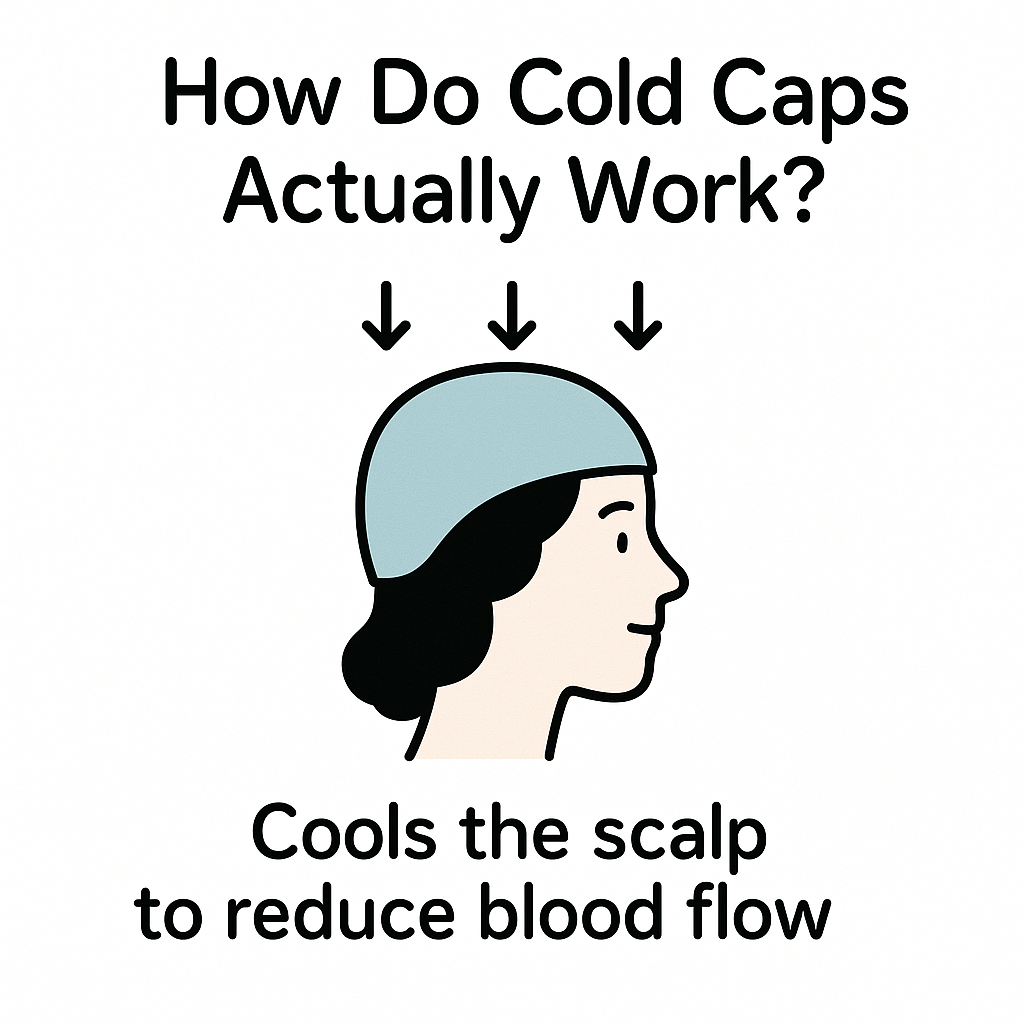
Imagine your scalp's blood vessels are like busy motorways. When you cool the scalp down, it's like putting up a roadblock. Two key things happen:
In essence, you're putting your hair follicles into a temporary deep sleep, shielding them from the brunt of the treatment. This approach has become a really important option for patients worldwide, particularly for those with breast cancer, where studies have shown it can be very successful in helping people keep their hair.
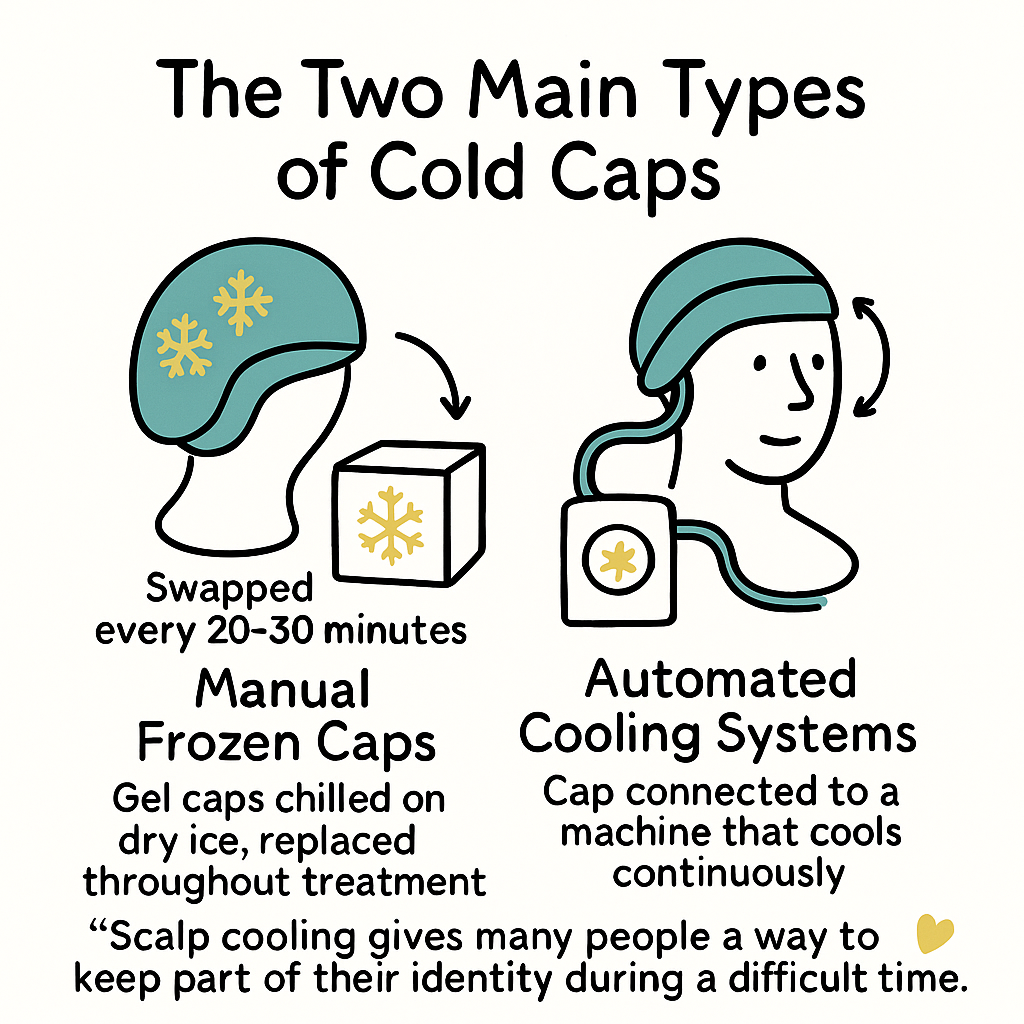
There are two main ways to get the scalp cold enough for this to work. Each has its own way of getting the job done.
"Scalp cooling is all about giving you a choice, a way to hold onto a piece of your identity during a really challenging time."
The first option is using manual frozen caps. These are gel-filled caps stored in a special freezer with dry ice until they are arctic-cold. During your chemo session, you wear one, and it's swapped for a fresh frozen one every 20-30 minutes to keep the temperature consistently low.
The second method is an automated cooling system. This involves wearing a single cap connected to a small refrigeration unit right by your chair. The machine circulates a special coolant through the cap continuously, keeping your scalp at a precise, cold temperature for the entire duration of your treatment without any need for changes. We’ll dive into the pros and cons of each of these systems a bit later on.
So, you’re looking into cold caps. It’s a big decision, and a common question that comes up right away is what kind to use. You'll generally find two main options out there: manual 'frozen' caps that you manage yourself, and automated cooling machines operated by the hospital.
Both are designed to do the same thing – protect your hair follicles by keeping your scalp very cold during chemo. But how they get there, and what it means for you on treatment day, is quite different. The choice often boils down to what your treatment centre has available, your budget, and what feels most manageable for you and your support network. Understanding the chemotherapy benefits for cancer patients is essential for making informed decisions about treatment options. Many patients report reduced hair loss and improved overall confidence during their battle with cancer, which can significantly enhance their mental well-being. As a result, exploring these benefits can lead to a more supportive environment throughout the treatment journey.
Let's walk through what each experience is really like.
Think of manual caps as the original, low-tech but powerful method. Brands like Penguin Cold Caps are well-known in this space. These are essentially gel-filled hats that you freeze to a precise, incredibly cold temperature using dry ice.
It's a very hands-on process, and you absolutely need a dedicated helper—a friend, partner, or family member—to be your 'capper' for the day.
Here's what a treatment day involves:
The big upside here is control and accessibility. You can use manual caps at almost any hospital, even if they don't have their own cooling machines. The trade-off is that it puts a lot of responsibility on your helper during what is already a very tough day.
Automated systems, like the ones from Paxman and DigniCap, are the high-tech alternative. Instead of a series of frozen caps, you wear a single, soft silicone cap connected by a tube to a small refrigeration machine that sits beside your chair.
A nurse will help you get the cap fitted perfectly at the start. Once it’s on and the machine is running, it does all the work. It circulates a special coolant through the cap, maintaining a constant, precise temperature for the entire duration of your treatment.
The real beauty of an automated system is how straightforward it is. There are no frantic cap changes, no managing dry ice, and no need for your support person to do anything but support you.
This approach takes the pressure off everyone. You can just sit back and focus on getting through your infusion. The only real catch is availability—your hospital has to have invested in one of these machines for you to be able to use it.
To help you see the differences more clearly, let's break them down side-by-side. This table gives you a quick overview of what to expect from each method.
| Feature | Manual Frozen Caps (e.g., Penguin) | Automated Cooling Systems (e.g., Paxman) |
|---|---|---|
| How It Works | A series of gel caps are frozen on dry ice and manually swapped every 20-30 minutes. | A single cap is connected to a machine that continuously circulates chilled liquid. |
| Patient Experience | Requires a dedicated, trained helper. Can feel hectic with constant changes. | "Set and forget" style. Managed entirely by the nursing staff once fitted. |
| Temperature Control | Temperature fluctuates slightly as each cap warms up before being replaced. | A constant, precise temperature is maintained by the computer-controlled system. |
| Availability | Can be used at most treatment centres as you rent and bring your own kit. | Only available at hospitals and clinics that have purchased the machines. |
| Cost Structure | Usually involves renting the entire system for the full duration of your chemotherapy. | Typically a pay-per-treatment fee charged by the hospital or the system provider. |
Ultimately, choosing between them comes down to logistics, what your hospital offers, and personal preference. Some people like the sense of control that comes with manual caps, while others are drawn to the convenience of an automated system.
It's also important to remember that some hair thinning is common with either method. Many people find it reassuring to have other options ready. Our guide to wigs for cancer patients is a great place to start if you'd like to explore beautiful and practical alternatives.
When you’re looking into cold caps, the first question on your mind is probably, "But does it actually work?" The short answer is yes, it absolutely can. But it's not a simple switch that's either on or off; success looks different for everyone, so it’s important to go in with realistic expectations.
In the world of clinical trials and oncology, "success" with scalp cooling usually means keeping 50% or more of your hair. This doesn't mean you won't lose any hair at all. You'll likely still notice some shedding and thinning, but the goal is to avoid the total hair loss that certain chemotherapy drugs are known for. It's all about significant preservation.
The effectiveness of cold caps is a very personal thing, and your results will depend on a unique mix of factors. Think of it less like a guarantee and more like a recipe where the final dish changes based on the ingredients you use.
The biggest factor by far is the specific chemotherapy regimen you're on. Not all chemo drugs affect hair follicles in the same way. In addition to hair loss, chemotherapy side effects on skin can vary widely, leading to issues such as dryness, rashes, and increased sensitivity. It's crucial for patients to communicate any skin changes to their healthcare provider, who can offer tips for managing these effects. Understanding how different chemotherapy agents interact with your skin can help in minimizing discomfort during treatment.
This is exactly why having a frank conversation with your oncology team is so important. They can give you a much clearer picture of what to expect based on your precise treatment plan. Understanding chemotherapy types and their effects can also empower you to make informed decisions about your health. Each type may have different side effects and impacts on your daily life, which is essential to discuss with your team. By considering these factors, you can better navigate your treatment journey and adjust your expectations accordingly. Nutrition strategies for chemotherapy patients can play a crucial role in managing side effects and improving overall well-being. These strategies may include meal planning tailored to individual needs, optimizing nutrient intake, and maintaining hydration. Consulting with a dietitian who specializes in oncology can provide personalized recommendations to support your recovery and help you feel your best during treatment.
Beyond the drugs themselves, your own body and the way the cap is applied play a huge part in the final outcome.
Your hair's natural thickness and texture can influence how well the cold reaches your scalp. While scalp cooling works for all hair types, some might need a little extra attention to get the best results. We know from clinical data that cold caps make a real difference, but success isn't uniform. Numerous studies have shown that roughly 50-70% of patients using cold caps kept at least half of their hair across different chemo regimens. The outcome hinged on things like hair type and the specific drugs used, and how well patients stuck to the process was also a major predictor of success.
A snug, consistent fit is absolutely non-negotiable. If there are any gaps between the cap and your scalp, those spots will stay warmer and won't be protected, which can lead to patchy hair loss.
This is why that first fitting is so critical. Whether it’s a manual cap or an automated system, making sure the cap is tight and has full contact with your entire scalp is the most important thing you'll do on treatment day. You can often find detailed information on these procedures by looking into the resources provided for a clinical trial.
Ultimately, understanding the real success rates means looking at the whole picture. It’s not about one magic number, but a combination of your specific treatment, your hair, and the quality of the cap fit. Knowing this helps you have a much more informed and realistic conversation with your healthcare team about what your personal journey with scalp cooling might look like.
Knowing what to expect and what to bring can make your scalp cooling day feel so much more manageable. A little bit of planning really does go a long way, helping you feel more in control and as comfortable as possible during what can be a long and pretty chilly process.
It’s important to realise that using a cold cap is a real time commitment. It starts well before your chemotherapy infusion begins and continues long after it finishes, all to give your hair follicles the very best chance of survival.
The whole process is split into three main phases. Getting your head around each stage can help you prepare mentally for how long you'll be at the hospital and what's involved.
The success of the treatment really depends on getting each step right. It’s not just about wearing the cap during the infusion itself; the before and after stages are just as critical.
This extra time means your hospital days will be significantly longer than your infusion time alone, so it’s wise to plan for a long day.
Your number one priority should be staying warm and comfortable. The intense cold from the cap can easily make you feel chilled to the bone, so packing a bag with cosy essentials isn’t just a nice idea, it’s a must.
"I didn’t realise how much having hair helped you feel like a normal person,” one patient, Molly Barragan, shared with Providence Cancer Institute. “I thought it was superficial, but it really helped how I felt.”
For a complete checklist, you can read our guide on what you should bring on your first day of chemo. But for scalp cooling days specifically, make sure you have these items: In addition to those essentials, consider including a chemotherapy care package essentials list that features comfort items like cozy blankets and soothing music. Having these thoughtful touches can help create a more comforting environment during treatment. Don’t forget to also pack some snacks and hydration options to keep your energy up throughout the day. It's also important to incorporate nutritional tips during chemotherapy, as good nutrition can play a crucial role in managing side effects and maintaining strength. Focus on easy-to-digest foods and staying hydrated, which can make a significant difference in how you're feeling. Additionally, consult with a nutritionist familiar with cancer care to tailor a plan that meets your specific needs during this challenging time.
How you care for your hair right before and after your session plays a huge part in your success. The golden rule is to be gentle, always.
Before You Go:
After You Leave:
Treat your hair like delicate silk. Avoid any heat styling (straighteners, curling tongs), harsh chemicals, and tight ponytails or buns. Use a wide-tooth comb instead of a brush, and try to wash your hair less often, using lukewarm water and a very gentle, sulphate-free shampoo. This gentle routine minimises any extra stress on those fragile hair follicles.
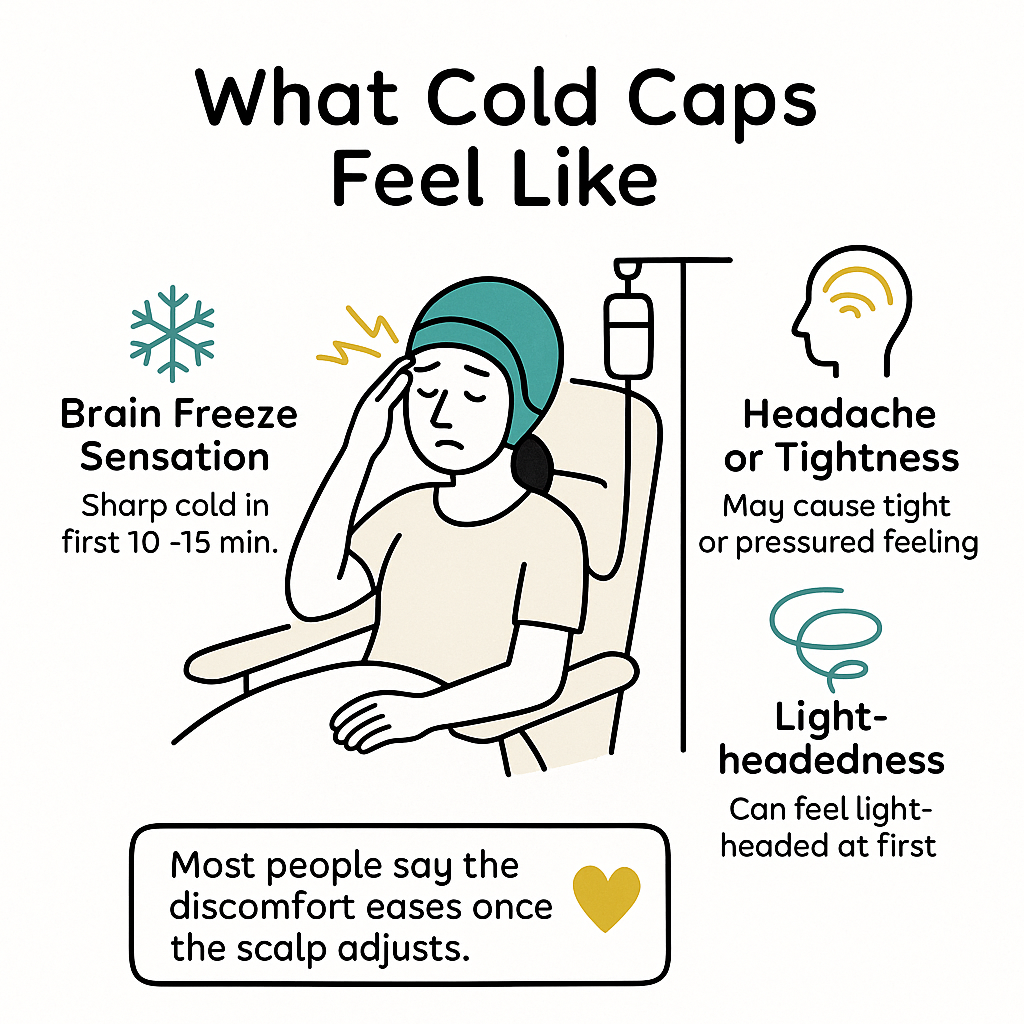
While scalp cooling can be a fantastic tool, it’s worth being honest about the physical experience. The process involves intense cold, and knowing what to expect can make your treatment day far more manageable.
The most common side effect is, as you can probably guess, feeling incredibly cold. Most people find the first 10-15 minutes are the toughest, often describing a sharp ‘brain freeze’ sensation, much like eating ice cream too quickly. This initial shock can sometimes bring on a headache, a bit of light-headedness, or a tight feeling on your scalp.
The good news? This intense feeling usually fades as your body gets used to the temperature. For many, this temporary discomfort feels like a worthwhile trade-off for keeping their hair and a sense of self during treatment.
Getting through the cooling process is all about preparation and comfort. A few simple tricks can make a huge difference to your experience on the day.
Your scalp and hair follicles will be under a lot of stress, so gentle care is crucial throughout your entire chemotherapy treatment. It's important to know that even with cold caps for chemotherapy, some hair shedding is completely normal. Managing side effects during chemotherapy can also involve dietary adjustments and hydration to support overall health. Engaging with healthcare professionals can provide personalized strategies for coping with these challenges. Additionally, incorporating mindful practices, like meditation or gentle yoga, can enhance your well-being throughout the treatment process. As you move through the symptoms of chemotherapy recovery, it is essential to monitor changes in your body and communicate any concerns with your medical team. Some patients may experience fatigue, changes in appetite, or emotional fluctuations, all of which are common during this healing stage. Establishing a support network can also be beneficial, as connecting with others who have faced similar challenges can provide both comfort and valuable insights.
Seeing some hair fall out can be worrying, but try to remember the goal is hair preservation, not preventing every single strand from shedding. Your hair follicles are delicate during this time, so treat them gently to avoid any extra strain.
A sensitive scalp is another very common experience. You might notice it feels tender, itchy, or just a bit ‘off’. This is a normal reaction to both the chemo drugs and the intense cold from the cap.
To look after your scalp, stick to a very gentle hair care routine. Always use lukewarm water and a mild, sulphate-free shampoo. Steer clear of hairdryers and straighteners, harsh chemicals like hair dye, and any tight hairstyles that might pull at the roots.
Even with successful scalp cooling, some thinning is likely. Many people want to do everything they can to support new growth. If you want to explore home remedies for hair regrowth, it can be a positive step to feel more in control of your hair’s health, both during and after treatment.
Let's talk about the financial side of using cold caps. It’s a really important piece of the puzzle, and something you’ll want to get a clear picture of early on. How much it costs and how you access the treatment can vary quite a bit, mostly depending on your hospital and where you are located.
In some healthcare systems, like the NHS in the UK, hospitals may be able to offer scalp cooling with automated systems as part of standard cancer care at no direct cost to you. That’s the ideal scenario, of course, but it isn’t the case everywhere. You might find that your treatment centre charges a fee for each session, or you may need to look into privately renting a manual cap system yourself for the duration of your chemotherapy.
So, what are the actual costs you might be looking at? It really boils down to which type of system you end up using.
The best first step is to have a frank conversation with your oncology team or someone in the hospital’s finance department. They can give you the specific costs for their facility, so you know exactly what to expect and can avoid any surprises down the line.
Seeing the potential costs can feel a bit daunting, I know. But please don’t let it discourage you right away. There is often support available. Many charities and support groups understand just how much keeping your hair can mean for your mental well-being during treatment, and they offer financial aid to make it more achievable.
Facing a cancer diagnosis comes with enough worries; the cost of supportive care shouldn't have to be one of them. Exploring financial aid options can lift a significant weight, allowing you to focus on your health and well-being.
A great place to start is by chatting with your hospital's oncology social worker or a patient navigator. They are often clued into local charities or hospital funds set up specifically to help patients with these kinds of costs. There are also several national and international organisations that provide grants. For a wider look at what's out there, this guide on Accessing Cancer Financial Assistance is a useful resource.
Remember, support isn't just about money. Practical help can be just as valuable. For instance, we offer free care packages designed to bring a little comfort and support during your treatment journey. The most important thing is not to be afraid to ask for help—these resources are there for you.
It's completely normal to have a lot of questions running through your mind when you're thinking about scalp cooling. Let's walk through some of the most common ones to give you a clearer picture.
Most people I've spoken to would describe it as uncomfortable rather than outright painful. That first 10-15 minutes can be a real shock to the system – think of the most intense 'brain freeze' you've ever had.
The good news is that this initial blast of cold usually settles down as your scalp gets used to the temperature. You might still feel a bit of a headache, a tight sensation, or just generally chilly, but these feelings are temporary. Having some paracetamol (after checking with your doctor), cosy blankets, and a good book or podcast can make a world of difference.
This is a really important one, and the simple answer is no. How well scalp cooling works is very closely tied to the exact chemotherapy drugs you're having. It has the best track record with certain drugs, like the taxanes often used in breast cancer treatment.
On the other hand, it's known to be less effective against other, more potent drugs like some of the anthracycline regimens. This is why having a frank conversation with your oncology team is absolutely crucial. They know your specific treatment plan and can give you a realistic idea of what to expect. chemotherapy preparation tips for patients can help you navigate the journey ahead with confidence. Understanding what to expect during treatment can alleviate anxiety and make the process more manageable. Additionally, preparing a list of questions for your healthcare provider will ensure that you receive answers tailored to your unique situation. Being well-informed about the treatment process is vital for your peace of mind. Staying organized with your appointments and medications can also significantly improve your experience. Remember, these chemotherapy preparation tips for patients are designed to empower you, making it easier to face each step of your journey.
Your specific chemotherapy protocol is the single most important factor in determining the likely success of scalp cooling. An open discussion with your clinical team will help you set realistic expectations for your personal outcome.
Even if you keep most of your hair, you might notice some changes in its texture or colour afterwards. It’s quite common for hair to come back a bit curlier, wavier, or maybe even a slightly different shade than before.
This is usually just a temporary phase as the hair follicles recover from the stress of chemo. For most, hair gradually returns to its old self over time. The key is to be extra gentle with it during this regrowth period.
It's natural to worry about long-term safety. For a long time, there was a theoretical concern that by cooling the scalp, cancer cells might 'hide' there, potentially leading to scalp metastases down the line.
Thankfully, decades of extensive research have put this fear to rest. Major studies have consistently found no meaningful difference in the rate of scalp metastases between patients who used scalp cooling and those who didn't. It's now widely considered a safe procedure by leading cancer organisations across the globe.
We strongly advise you to talk with a health care professional about specific medical conditions and treatments.
The information on our site is meant to be helpful and educational but is not a substitute for medical advice.
A massive thank you to Emma from Free From Farmhouse for her honest review of our cancer care package for men. Emma's Thoughts: I really liked the simplicity of the packaging and […]
Saying “stay positive” to someone with cancer can unintentionally add pressure. This article explains why and offers more supportive ways to help.
We Are Very Pleased To Tell You That Our Cancer Comfort Gift Hamper Is A Joint Winner Of The Best Mind & Brain Product Awarded By Live Better With