After an ovarian cancer diagnosis, it’s only natural for your thoughts to turn to the future outcomes. One of the first terms you’ll hear is prognosis, which is your medical team’s forecast for the likely course of the disease. But it's crucial to understand that a prognosis is not a prediction set in stone; it's a guide, and not a guarantee.
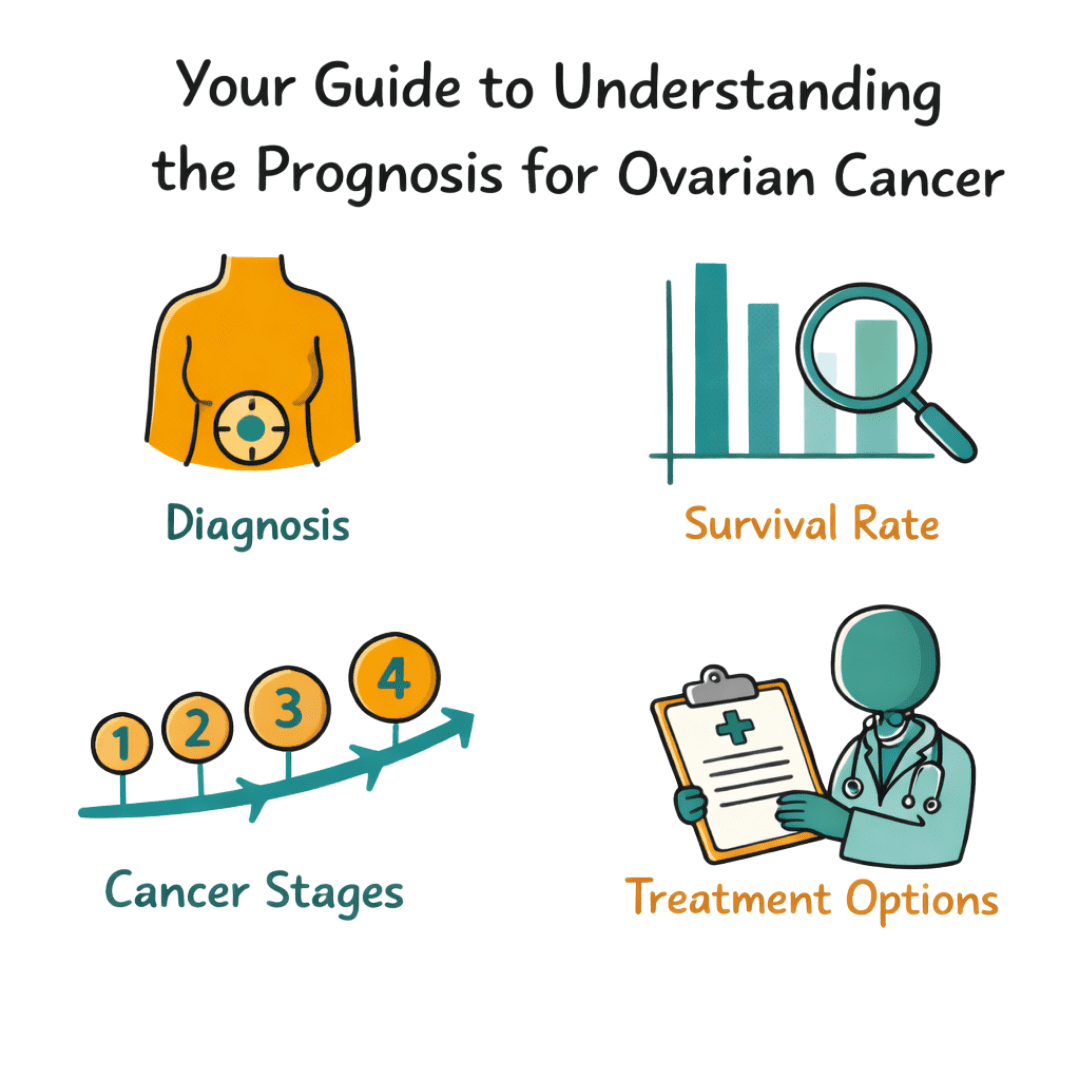
When you first hear the word "prognosis," it’s easy to get caught up in statistics and survival rates. While these numbers offer a general overview, they’re just one part of a much bigger, more personal picture.
Think of it like a long-range weather forecast. It gives you a general idea of the season ahead based on historical patterns, but it can’t tell you if it will rain on your specific street on a particular afternoon. Your journey with ovarian cancer is just as unique. The outlook is shaped by many individual factors, which we'll walk through together in this guide.
A prognosis is simply an educated outlook from your oncology team. It’s based on their expertise and the collective experience of thousands of other patients, but it’s always viewed through the lens of your specific circumstances.
A prognosis is the starting point for a conversation. It helps you and your care team set realistic expectations, decide on the best treatment path, and create a plan for managing your health. Think of it as a roadmap, not the final destination.
This roadmap is built using several key pieces of information, with each one adding another layer of detail to create a clearer picture of what may lie ahead.
To really get to grips with what your prognosis means, it helps to know what your doctors are looking at. They combine several critical factors to build their assessment:
This guide is here to demystify the prognosis for ovarian cancer. We want to give you clear, compassionate information so you feel prepared for the journey ahead. Always remember: you are not a statistic. Your story is your own.
Of all the factors that shape an ovarian cancer prognosis, nothing is more important than its stage at diagnosis. The stage is simply a way for your oncology team to describe how far the cancer has spread from where it first started. It’s a crucial piece of the puzzle that helps determine the best path forward for treatment.
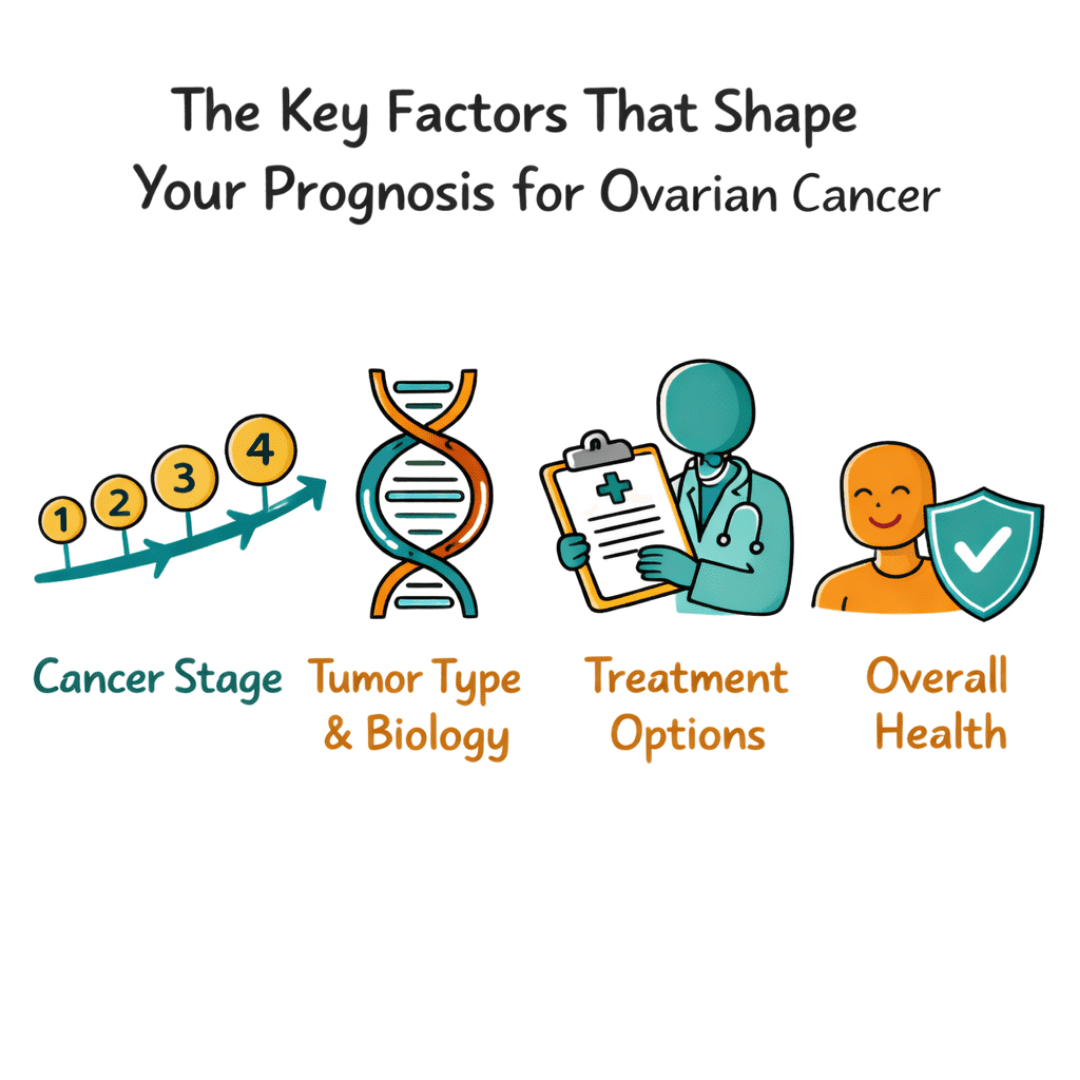
Think of it like discovering weeds in a garden. A small patch in one corner is far easier to deal with than if those same weeds have taken over the entire lawn and spread to your neighbour's garden. In much the same way, the extent of the cancer’s spread has a direct impact on the treatment options and the overall outlook.
In Stage 1, the cancer is found only within one or both ovaries. It hasn’t ventured out into the abdomen or pelvis, making it the earliest and most treatable stage.
Going back to our garden, the weeds are confined to their original flowerbed. This localisation makes getting rid of them a much more straightforward task.
Treatment at this point almost always involves surgery to remove the affected ovary (or ovaries), often along with the fallopian tubes and uterus. For some people, surgery is all that’s needed. For others, a course of chemotherapy might follow, just to be sure any stray, microscopic cancer cells are eliminated. When found this early, the prognosis is very good.
The primary goal of treatment in Stage 1 is a cure. Because the cancer is localised, surgery gives us the best possible chance to remove it completely before it has a chance to go anywhere else.
Global data on survival rates shows just how critical early detection is. According to information from leading cancer research organisations, Stage 1 ovarian cancer has a 95% 5-year survival rate.
When ovarian cancer is classed as Stage 2, it means the cancer cells have started to spread beyond the ovaries but are still contained within the pelvic area. They might be found on the uterus, bladder, or rectum.
The weeds have escaped the flowerbed and are now creeping into the surrounding soil. It's a bigger challenge, but they are still in one defined area of the garden.
For Stage 2 cancer, treatment usually involves more extensive surgery (often called debulking) to remove as much of the visible tumour as possible. This is almost always followed by chemotherapy. The outlook is still positive, but it relies heavily on how successful that initial surgery is. You can learn more in our detailed guide on the stages of ovarian cancer.
Unfortunately, Stage 3 is one of the most common stages at the time of diagnosis. At this point, the cancer has spread from the pelvis into the upper abdomen or to the lymph nodes. It's often found on the peritoneum, which is the lining of the abdominal cavity.
This is like finding that the weeds have popped up all over your garden; in the vegetable patch, between the paving stones, and even by the shed. Managing the problem now requires a much broader strategy. Treatment for Stage 3 is similar to Stage 2 but can be more aggressive, with extensive debulking surgery and chemotherapy being the standard approach. The prognosis for ovarian cancer at this stage is more serious, but modern treatments can still be incredibly effective at controlling the disease for years.
In Stage 4, the cancer has metastasised. This means it has travelled through the bloodstream or lymphatic system to distant organs, far from the original tumour. The most common places for it to spread are the liver, the lungs, or the fluid around the lungs.
The weed seeds have been carried by the wind and have started a new patch in a field down the road. At this advanced stage, the focus of treatment often shifts. While a cure is less likely, the goal becomes managing the cancer as a long-term, chronic illness. The aim is to shrink tumours, relieve symptoms, and maintain a good quality of life for as long as possible using treatments like chemotherapy, targeted therapies, and other supportive care.
While the stage of ovarian cancer gives us a starting point, it's only one part of a much larger, more personal story. No two people are the same, and these individual differences are incredibly important when talking about what lies ahead.
Your oncology team will look at much more than just the stage to build a clearer picture of your specific situation. Everything from the cancer's cell type to your own genetic makeup helps to create a more accurate and individualised prognosis. Knowing what these factors are can help you have more meaningful conversations with your doctors.
Not all ovarian cancers behave in the same way. The first thing your doctors will look at is the histology, which simply means the type of cell where the cancer first started. The most common type is epithelial ovarian cancer, but even that has subtypes. High-grade serous carcinoma (HGSOC) is the most frequent, making up over 70% of cases, and it's known for being aggressive.
Other, rarer types like clear cell, mucinous, or low-grade serous carcinomas all have their own unique behaviours and can respond quite differently to treatment. Understanding which type you have is a crucial piece of the puzzle.
Alongside this, your team will determine the cancer’s grade. This is a measure of how abnormal the cells look under a microscope and tells us how quickly they might grow.
You could think of it this way: a low-grade cancer is like a slow, meandering stream, whereas a high-grade cancer is more like a powerful, fast-flowing river. Knowing the character of the cancer helps predict its path.
Your age and overall wellness at the time of diagnosis also matter a great deal. Generally, younger women may have fewer other health concerns and can often tolerate more intensive treatment plans, which can lead to a better outcome.
Your general health; what doctors often call your performance status, is a key factor. If you're fit and well, without other serious conditions like heart or kidney disease, your body is simply better prepared for the rigours of surgery and chemotherapy. That resilience can make a real difference in how you respond to treatment.
In recent years, our understanding of the genetics behind ovarian cancer has completely changed the landscape of treatment and prognosis. Certain inherited genetic mutations can have a massive impact on how the cancer behaves and, most importantly, reveal its weaknesses.
The most well-known of these are mutations in the BRCA1 and BRCA2 genes. While it’s true that having one of these mutations increases the risk of developing ovarian cancer in the first place, it can paradoxically lead to a better prognosis. This is because cancers with a BRCA mutation have a built-in flaw in their DNA repair system, which makes them especially vulnerable to certain treatments.
For someone with a BRCA mutation, their prognosis can look quite different. This genetic detail not only helps predict the cancer's course but also opens the door to a powerful class of targeted drugs called PARP inhibitors, which can significantly improve outcomes.
Data has shown a steady improvement in ovarian cancer survival, partly thanks to these breakthroughs. A better prognosis is often seen after BRCA testing; around 15-20% of ovarian cancer cases are linked to a genetic mutation. This allows access to PARP inhibitors, which have been shown in some trials to boost survival by as much as 50%. You can dive deeper into the numbers by reviewing current ovarian cancer data.
Other genetic factors can also be involved. You can learn more about Lynch syndrome and its connection to cancer risk in our detailed article.
Finally, one of the clearest indicators of your long-term prognosis is how the cancer responds to your first round of treatment, which is usually a platinum-based chemotherapy. If the cancer shrinks a lot or even disappears, it's considered platinum-sensitive. This is a very good sign and points towards a more positive long-term outlook.
On the other hand, if the cancer doesn’t respond well or returns quickly after treatment, it’s known as platinum-resistant. This signals a more stubborn form of the disease and means your team will need to explore different treatment approaches. Your body's response provides real-world evidence of your cancer's behaviour, allowing your team to fine-tune your prognosis and plan the next steps.
When you first hear the word "prognosis," it's easy to get fixated on survival statistics. But those figures are a snapshot from the past. They don't fully capture the momentum of modern medicine, which is constantly redrawing the map for ovarian cancer treatment.
Today’s outlook is far from static. The conversation has shifted from one based on historical data to one of evolving hope and tangible progress. It’s about knowing that the tools we have are getting smarter and more effective, giving you and your family more reason than ever to explore every option with your oncology team.
For years, the bedrock of treating advanced ovarian cancer has been a powerful one-two punch. This combination is still considered the "gold standard" and is absolutely crucial for the best possible outcome.
It starts with surgery. This isn't just any operation; it's a highly specialised procedure called cytoreductive surgery, or "debulking." The surgeon's goal is to meticulously remove all visible signs of cancer. Achieving "no visible residual disease" is a critical milestone that is strongly linked to a better, longer-term prognosis.
After recovery, chemotherapy follows. This is designed to track down and destroy any microscopic cancer cells that may have been left behind. This double act of surgery and chemo has dramatically improved survival and quality of life for countless women.
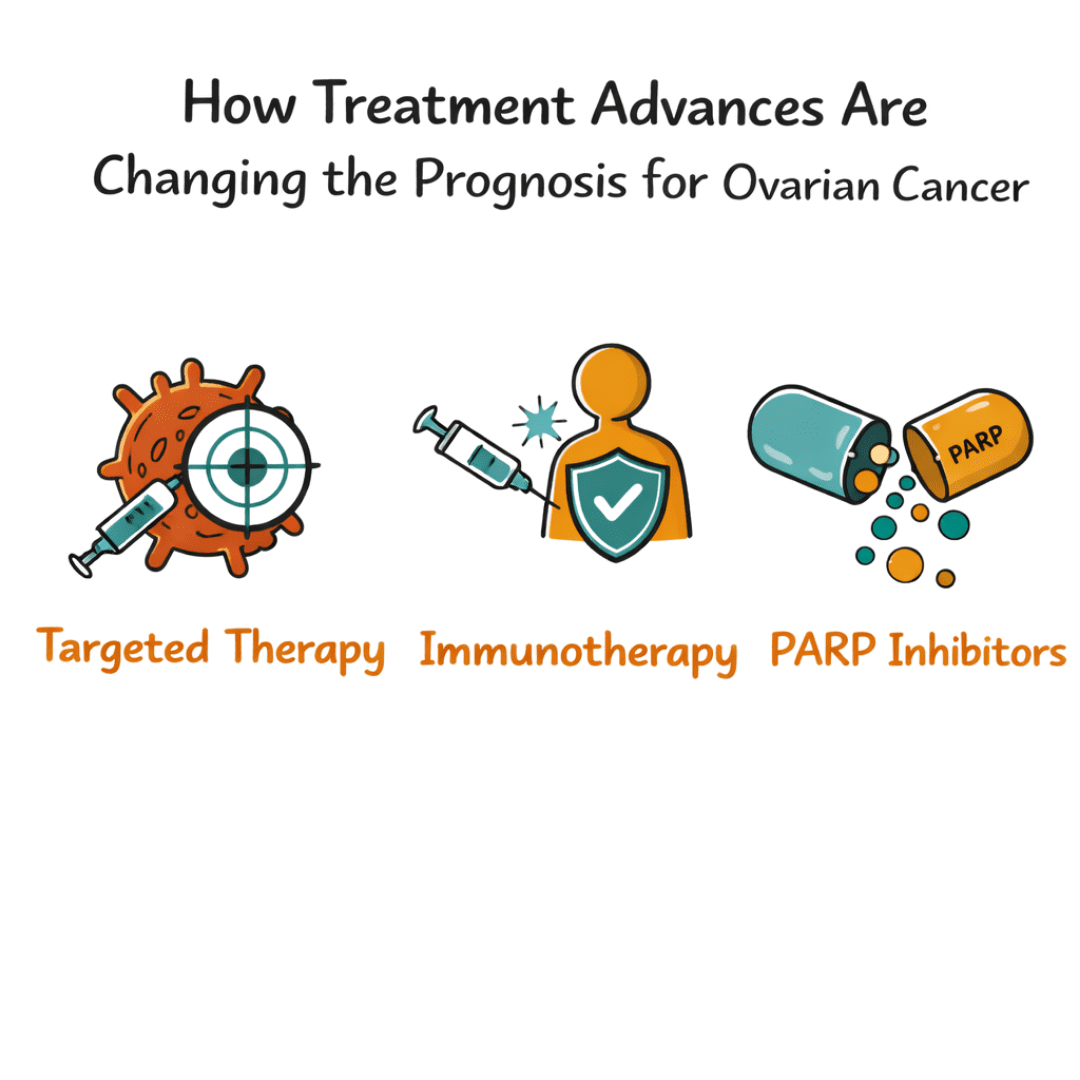
But the story doesn't end there. Beyond the standard approach, a new generation of treatments is changing what's possible. These are known as targeted therapies, and they represent a much more precise way of fighting cancer.
Instead of a broad attack, these drugs are designed to identify and exploit the specific weaknesses of cancer cells, often leaving healthy cells alone. Think of it like having a unique key that only fits the lock on the cancer cell's door. This precision often means more effective treatment with fewer side effects.
The rise of targeted therapy means your cancer's unique genetic fingerprint is more important than ever. It's not just about what type of cancer you have, but what makes it tick. This information unlocks personalised treatments that can dramatically alter your prognosis.
Two major types of targeted therapies have made a huge impact on the outlook for ovarian cancer:
And the progress continues. Researchers are constantly finding new ways to outsmart ovarian cancer. Immunotherapy, which empowers your body's own immune system to recognise and attack cancer cells, is showing real promise in some cases.
All of this progress is powered by clinical trials. These trials offer access to the next generation of treatments long before they become widely available. Participating in a trial not only gives you a chance to benefit from cutting-edge science but also helps improve the prognosis for all women who will face this diagnosis in the future.
These advances mean that an ovarian cancer diagnosis today comes with more options and more hope than ever before. If you're interested in the latest developments, you can learn more about the role of cancer research and technology right here. Every breakthrough shifts the odds, proving that a prognosis isn't an endpoint. It is a starting point on a journey with more possibilities than ever.
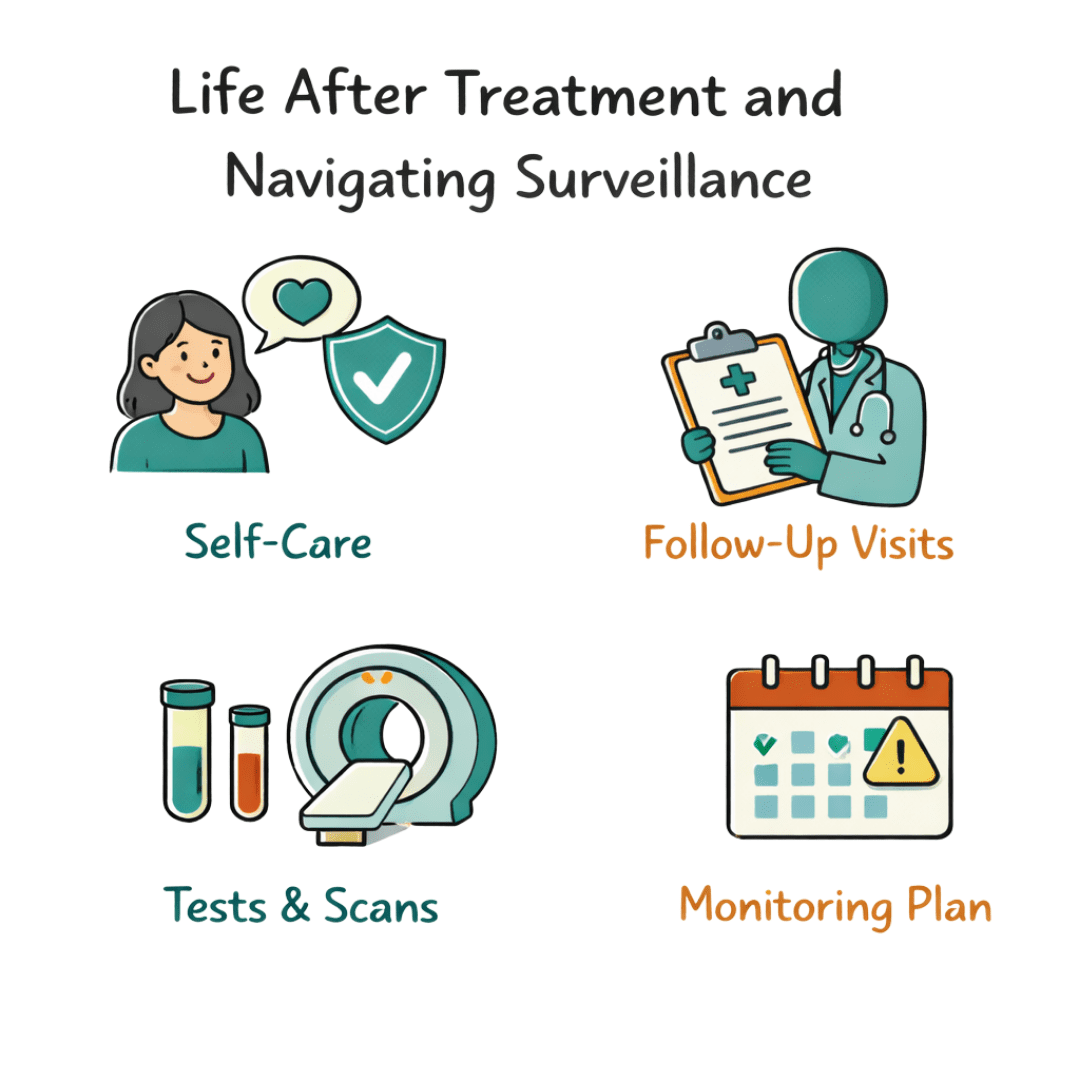
Finishing your active treatment is an enormous milestone. It’s a moment to pause, take a much-needed breath, and acknowledge just how far you’ve come. This new chapter, often called survivorship, is a transition from the intensity of treatment to a period of careful monitoring. The focus shifts towards surveillance; a structured plan to keep a close eye on your health as you adjust to life after cancer.
This next phase is every bit as important as the treatment itself. It's all about looking after your physical and emotional wellbeing while you find your footing in a new normal. Knowing what to expect can make navigating this path feel much less daunting.
Think of your surveillance plan as a personalised roadmap for your follow-up care. Your oncology team will create it specifically for you, with the goals of checking for any signs of recurrence and helping you manage any lingering side effects from treatment. While every plan is unique, most follow a similar rhythm that becomes less frequent over time.
A typical schedule often includes:
It’s important to remember that today, more than 50% of women with ovarian cancer live for at least five years after their diagnosis. Nearly 80% survive beyond the first year, and about 40% reach the ten-year mark. These figures highlight just how crucial ongoing support is, both during and after treatment.
While the medical side of surveillance provides a safety net, it can bring its own emotional weight. Many people find themselves dealing with "scanxiety"—a very real and powerful feeling of stress in the days leading up to an appointment or scan. The fear that the cancer could return is a common and completely valid part of survivorship.
Managing the emotional side of survivorship is just as critical as the physical. It’s important to acknowledge these feelings and develop coping strategies that work for you, whether that's talking to a therapist, joining a support group, or practising mindfulness.
It's also vital to stay in tune with your body and let your medical team know about any new or persistent symptoms. This could be anything from ongoing bloating and abdominal pain to changes in your bowel habits. If you'd like to understand more about how blood tests fit into this picture, you might find it helpful to read our guide on whether cancer can be checked by blood test.
Finally, focusing on your physical recovery is key. Your body has been through an ordeal, and giving it the right support to heal is crucial. Good nutrition can make a real difference, and there are excellent guides on foods that promote healing after surgery that can help. A really empowering step is to create a survivorship care plan with your team. This document summarizes your diagnosis, treatments, and follow-up schedule, acting as a complete health record for both you and your GP, and helping to manage your long-term wellness to improve your prognosis for ovarian cancer.
Walking into an appointment to discuss your prognosis for ovarian cancer can feel incredibly daunting. It helps to remember that you are a key partner in your own care. Preparing some questions beforehand can transform this conversation from something you endure into a discussion where you feel heard and understood.
It's completely normal for your mind to go blank or feel overwhelmed in these moments. Many people find it helpful to bring a notepad or have a trusted friend or family member come along to take notes and offer support. This is all about building a strong, open relationship with your oncology team. This kind of teamwork is often called shared decision making in healthcare, and it's a powerful way to ensure the choices you make are the right ones for you.
Your personal prognosis is tied directly to the unique details of the cancer itself. To get a clear picture, you need to understand the specifics of your diagnosis first.
These questions give you the foundation you need to understand what the road ahead might look like.
The treatment plan your team recommends is designed to directly improve your prognosis. It's not just about fighting the cancer that's there today, but about securing the best possible future.
A crucial question to ask is, "What is our main goal with this treatment?" Is the aim a cure, long-term remission, or managing symptoms to maintain quality of life? Aligning on this goal helps everyone work together effectively.
Here are some important questions to help you understand the path forward:
Once active treatment ends, your care moves into a new phase: long-term monitoring. Knowing what to expect during this time can bring a great deal of comfort and a sense of control. For a comprehensive list, you might want to look at these key questions to ask your oncologist for every stage of your journey.
When you’re trying to understand an ovarian cancer prognosis, it’s completely normal to have a lot of questions. Let's walk through some of the most common ones with clear, straightforward answers to help you make sense of it all.
Yes, absolutely. Think of an initial prognosis as a starting point—it’s a forecast based on the information your doctors have right at the beginning. It is not set in stone.
Many things can shift your outlook for the better. A fantastic response to chemotherapy, a particularly successful debulking surgery, or the discovery of a new, effective treatment can all change your long-term prognosis. As medicine continues to advance, so does the hope for a better outcome.
You'll hear these two terms a lot, and it's easy to get them confused, but they describe very different things. Getting a handle on the difference is crucial for understanding the statistics you're shown.
A survival rate is a statistic that looks at a large group of people. It tells you the percentage of people with the same type and stage of cancer who are still alive after a certain amount of time, usually five years. It's a general benchmark, not a personal prediction for you.
On the other hand, life expectancy is an estimate of how long a specific person might live. Most doctors are very hesitant to give a precise timeline because it's impossible to know for sure, and everyone's journey is unique. That's why conversations about the prognosis for ovarian cancer nearly always focus on survival rates as a general guidepost.
When cancer returns after you've finished initial treatment, it's called a recurrence, and it does change the prognosis. Sometimes, the cancer can become more resistant to the treatments that worked so well the first time. But a recurrence is not the end of the road.
For many women, recurrent ovarian cancer is treated more like a chronic illness. The focus shifts to controlling the cancer's growth, managing symptoms, and making sure you can maintain a good quality of life, often for many years. The new prognosis will depend on a few key things:
We strongly advise you to talk with a health care professional about specific medical conditions and treatments.
The information on our site is meant to be helpful and educational but is not a substitute for medical advice.
Discover the causes and management of ovarian cancer night sweats Learn symptoms, treatment effects, and expert tips to improve comfort and quality of life
Ovarian cancer what are the symptoms: Learn early signs, risk factors, and how to talk to your doctor.
Despite PCOS And Cancer, Sarah Miraculously Conceived And Delivered A Healthy Baby, Showing Hope Thrives Against All Odds.