When it comes to health and wellness, it’s no surprise fitness takes a leading role alongside nutrition and mental well-being. Among its many well-known benefits, physical activity improves cardiovascular and metabolic health, enhances mental clarity, focus and mood. And emerging research reveals something even more powerful: exercise can play a direct role in both preventing and treating cancer.
While traditionally known as a way to support a healthy lifestyle, movement is now being studied as a form of medicine, one that has measurable effects on tumour biology and immune function.
Let’s explore how exercise can influence cancer risk, support treatment and promote resilience.
Like chemotherapy, exercise places stress on the body. This temporary stress can reduce inflammation, a common precursor and promoter of cancer, and improve the body’s ability to detect and destroy abnormal cells, including those that may be cancerous. Some studies show that exercise boosts the activity of white blood cells that play a key role in the immune system’s defence against tumours. Moreover, regular physical activity has been linked to a lower risk of developing certain types of cancer, highlighting the significance of the immune system and cancer connection. By promoting a healthier, more responsive immune system, exercise may enhance the body’s natural defenses, allowing it to better combat the formation and spread of malignant cells. Incorporating exercise into a cancer prevention strategy can be a powerful way to bolster overall health and resilience.
Regular physical activity lowers levels of hormones like oestrogen, insulin, and insulin-like growth factor-1 (IGF-1), all of which, in excess, can encourage tumour growth.
Additionally, by helping to maintain mobility and a healthy weight, exercise reduces the risk of obesity, one of the biggest risk factors for cancer. Obesity is strongly linked to cancers such as breast, colon, uterine, and pancreatic cancers, among others.
On the mental health side, exercise enhances neuroplasticity, our brain’s ability to change through learning and experience, growth and reorganisation. This can support emotional resilience and improve cognitive performance, which are essential during the physical and psychological demands of cancer treatment and recovery. It also improves sleep quality, reduces anxiety, and helps manage depression, benefits that are invaluable to those facing a life-altering diagnosis.
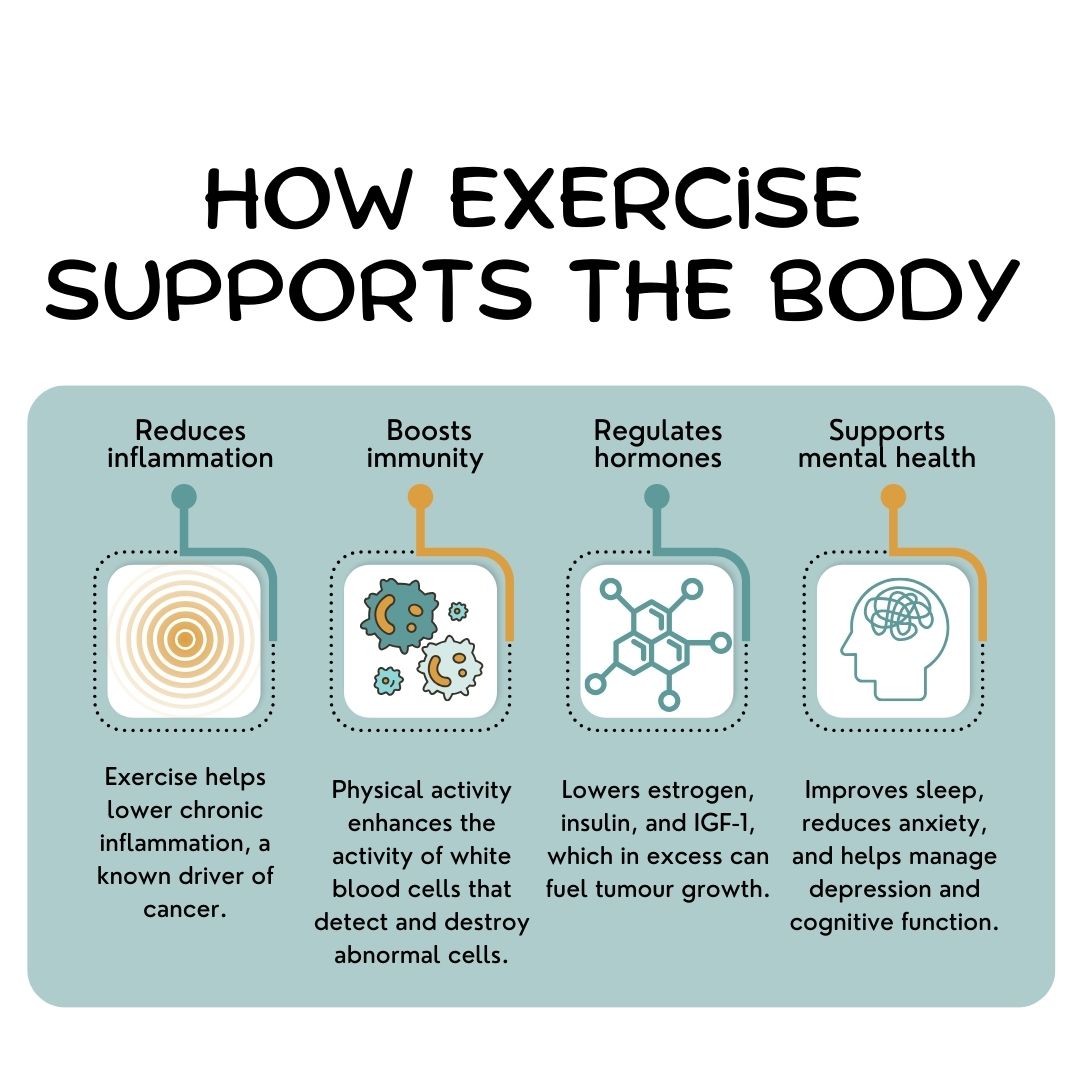
While exercise can benefit a wide range of cancers, certain types have been found to be more receptive to its positive effects. Research has shown that patients with breast and colorectal cancers, in particular, may experience enhanced recovery and improved quality of life when incorporating regular physical activity into their treatment plans. Furthermore, as more studies highlight the relationship between exercise and cancer management, many cancer myths debunked in the past are being overturned, allowing patients to make more informed decisions about their health. This increased awareness encourages a proactive approach, empowering individuals to take charge of their well-being during their cancer journey.
The evidence continues to grow, with many oncologists now considering exercise a form of adjunct therapy, one that doesn’t replace treatment but complements it.
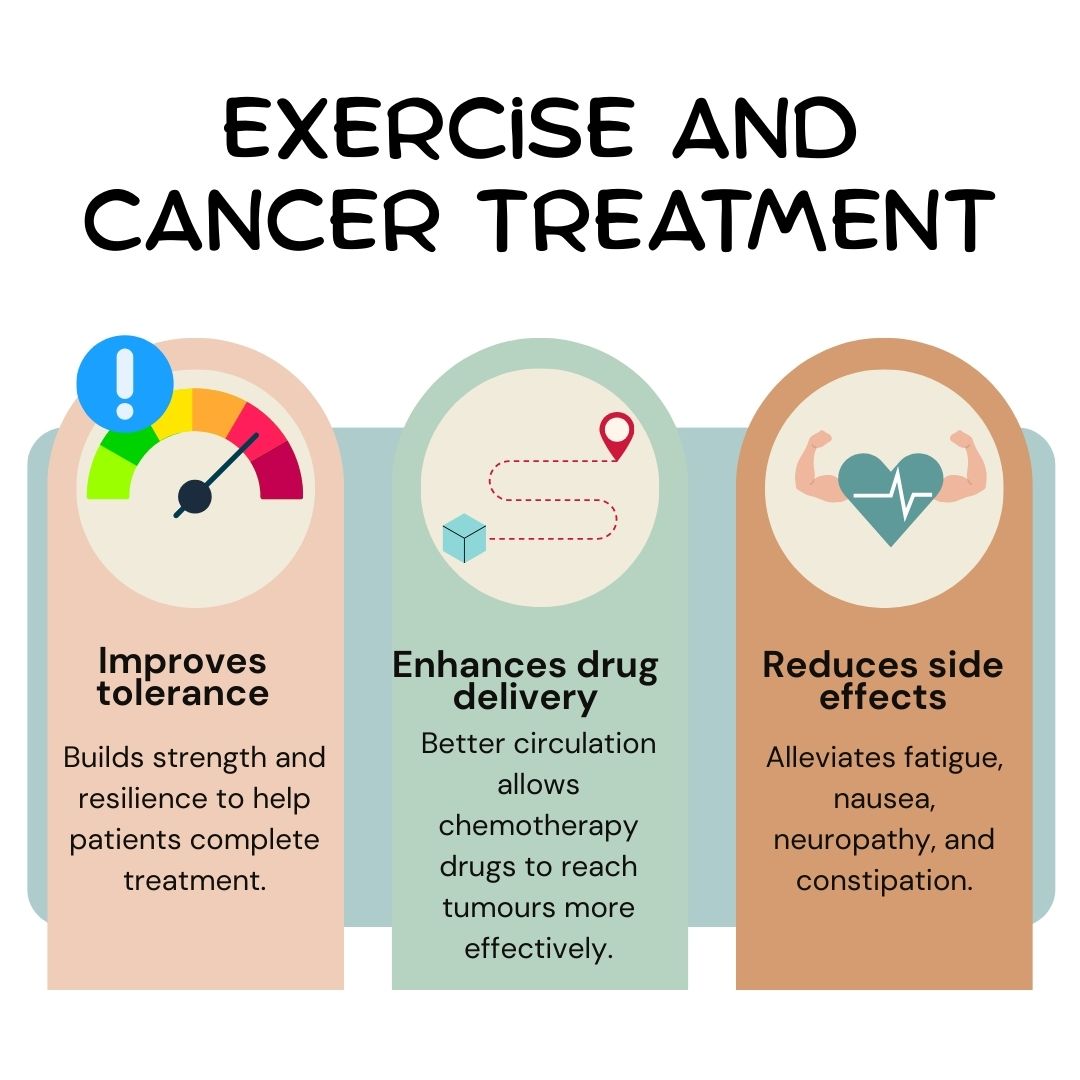
Cancer treatments such as chemotherapy, radiotherapy, immunotherapy, and surgery can all take a heavy toll on the body. Exercise can make these treatments more effective and tolerable.
1. Increased Treatment Tolerance
Exercise strengthens the body, helping to preserve muscle mass and maintain energy levels. Increased physical resilience enables patients to complete their full course of treatment, which is crucial for optimal outcomes.
2. Improved Blood Flow and Drug Delivery
During chemotherapy, increased circulation from exercise helps deliver cancer-fighting drugs more efficiently to tumour sites. This can enhance treatment efficacy while reducing the severity of side effects.
3. Reduced Side Effects
Patients who engage in regular physical activity report fewer treatment-related issues, such as:
4. Mitigating ‘Chemo Brain’
“Chemo brain” refers to the cognitive impairment some people experience during or after chemotherapy. This includes symptoms such as memory lapses, trouble concentrating, and mental fog. Exercise stimulates brain-derived neurotrophic factor (BDNF), which supports cognitive function and neural recovery.
5. Enhanced Recovery
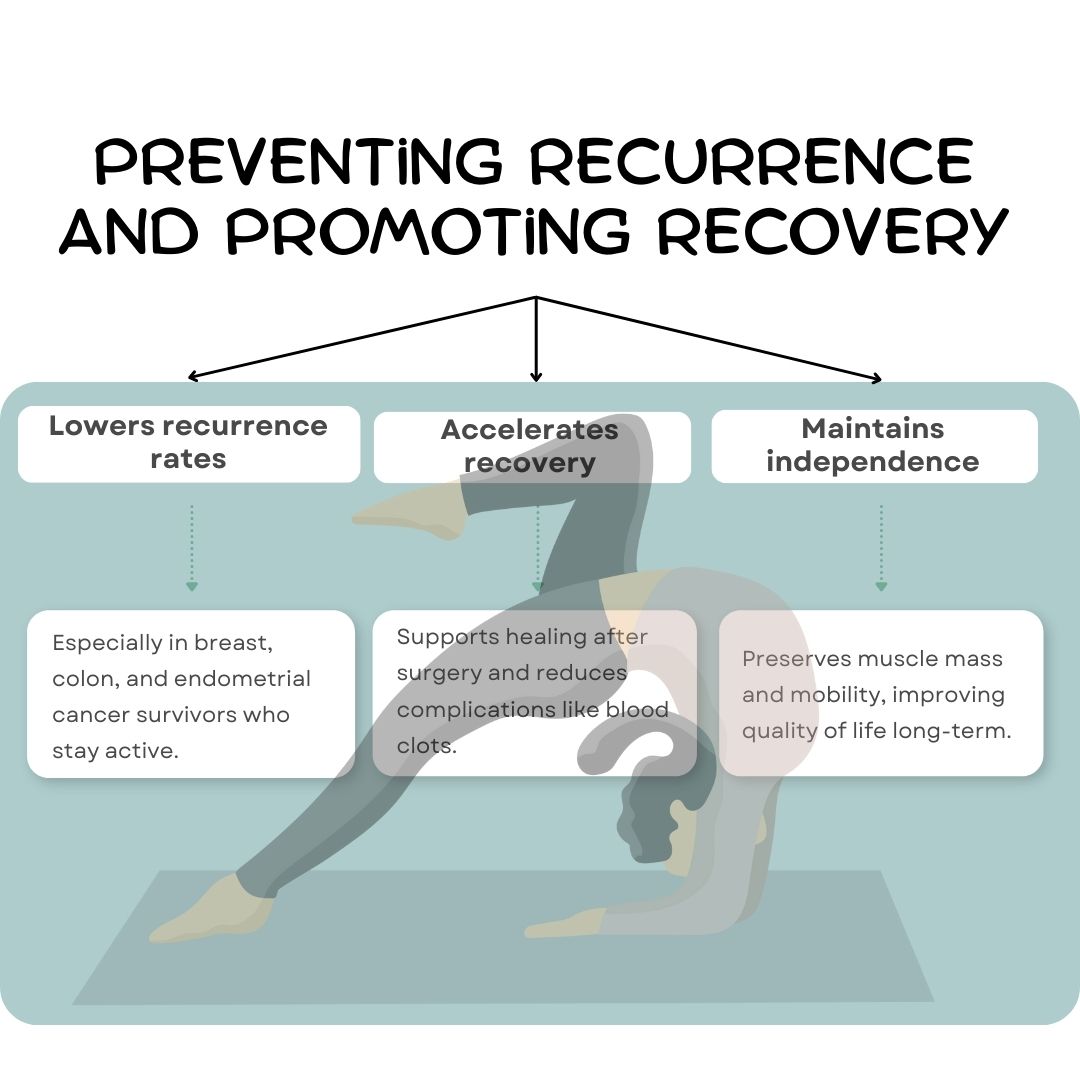
After surgery or treatment, staying active accelerates the recovery of physical function. It can also reduce the risk of complications such as blood clots or infections by supporting circulation and immune health.
Perhaps one of the most compelling aspects of exercise is its role in recurrence prevention. For survivors of breast, colon, and endometrial cancer in particular, staying active after treatment can significantly lower recurrence rates. According to the American Cancer Society, survivors who meet or exceed recommended exercise levels (150 minutes per week of moderate-intensity activity) have better long-term outcomes.
Exercise continues to regulate hormone levels, immune function, and inflammatory responses, which contribute to cancer suppression even after visible tumours are gone.
There is no one-size-fits-all approach, but the most effective programmes combine aerobic, strength, and flexibility training:
Aerobic Exercise (Cardio)
These activities strengthen the heart and lungs, support circulation, and improve stamina.
Strength Training
This helps preserve or rebuild muscle mass, which can decline significantly during cancer treatment. Maintaining muscle improves metabolic function and physical independence.
Flexibility and Balance
These activities can relieve stiffness, improve mobility, and reduce stress, especially beneficial for those experiencing treatment-induced joint pain or fatigue.
The American Cancer Society and most oncology guidelines recommend:
However, this is a general guideline; what’s most important is consistency. For some patients, walking for 10 minutes a few times a day may be the starting point.
Always consult a healthcare provider or oncologist before beginning any new exercise program, especially if treatment is ongoing or if you have existing conditions like bone metastases or cardiovascular concerns.
Understandably, not everyone can or wants to exercise during treatment. Fatigue, pain, nausea, and emotional distress are real and valid barriers. That said, research suggests that even low-intensity movement can yield benefits. Something as simple as a short walk in the neighbourhood can offer psychological and physical rewards.
A supportive environment is key. Whether that’s joining a cancer fitness class, working with a rehab specialist, or exercising using online videos at home, patients are more likely to stick with a routine that feels safe, achievable, and even enjoyable.
Exercise is not a cure for cancer, but it is powerful medicine. It enhances our natural defences, makes treatments more effective, and improves mental and physical resilience. For those living with cancer, survivors, and even those hoping to reduce their risk, staying active can empower our approach to the cancer experience.
Edited by: Katheeja Imani
We strongly advise you to talk with a health care professional about specific medical conditions and treatments.
The information on our site is meant to be helpful and educational but is not a substitute for medical advice.
Advice From Body Confidence Coach Cliona Byrne On How To Boost Your Body Confidence During Your Cancer Journey.
How Does Lung Cancer Spread and Where Does It Go? Discover the Warning Signs, Common Sites of Spread, and Life-Saving Treatments.
Understand radiotherapy for breast cancer with our clear guide. Learn about the process, how to manage side effects, and what to expect during treatment.