Choosing the right chemotherapy doctor can make all the difference in your cancer treatment journey. With so many decisions to make, patients and families often feel overwhelmed by the emotional and practical challenges that come with a diagnosis.
This article is here to help. We will walk you through the seven essential qualities you should look for in a chemotherapy doctor, so you can make informed choices with confidence.
Stay with us for expert-backed advice and practical tips that will guide you towards the best possible care and peace of mind.
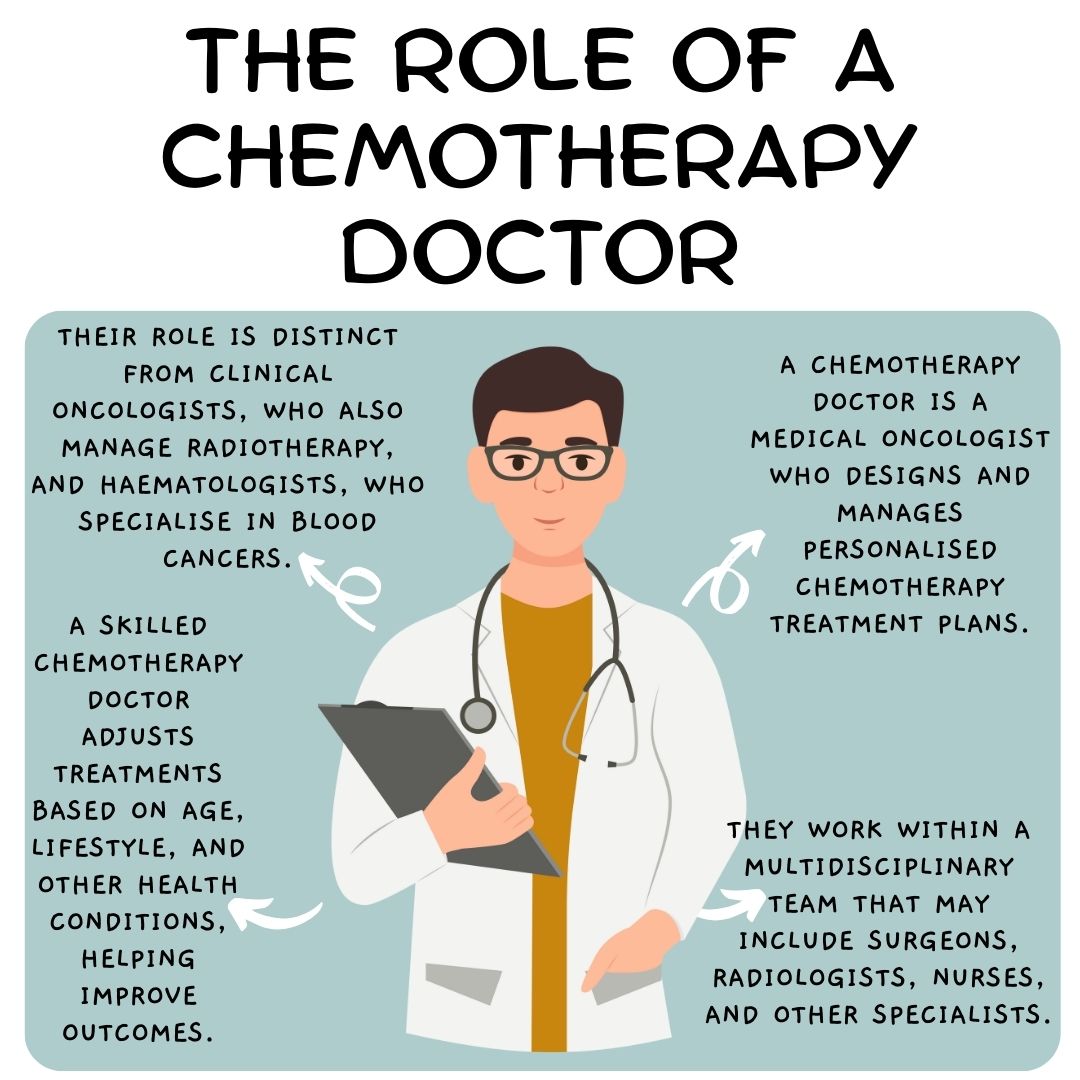
A chemotherapy doctor, also known as a medical oncologist, plays a vital role in guiding patients through cancer treatment. Their main responsibility is to design and manage personalised chemotherapy plans, making decisions about drug types, dosages, and schedules. Chemotherapy treatment for cancer patients often involves collaboration with a multidisciplinary team to ensure comprehensive care. Furthermore, it is essential for doctors to monitor side effects closely and adjust treatments as necessary to maximize effectiveness and maintain the patient's quality of life. Continuous support and communication with patients can significantly enhance their overall experience during this challenging time.
These specialists work closely with a multidisciplinary team, including surgeons, radiologists, and nurses, to ensure holistic cancer care. By collaborating with other experts, a chemotherapy doctor can address every aspect of a patient's health, from diagnosis to recovery.
It's important to distinguish a chemotherapy doctor from clinical oncologists, who may also oversee radiotherapy, and haematologists, who focus on blood cancers. Each brings unique expertise, but the chemotherapy doctor leads on drug-based therapies for many solid tumours and some blood cancers.
A skilled chemotherapy doctor makes a difference by tailoring treatments to each patient’s needs, considering factors like age, lifestyle, and other health conditions. Their knowledge directly influences treatment outcomes and patient wellbeing.
As cancer therapies become more complex, keeping up with the latest research and options is essential. For a deeper understanding of modern treatments and what to expect, readers can explore Chemotherapy guides and information.
Patient reviews and real-life experiences can also reveal how effective a chemotherapy doctor is in practice. Insights from others often help highlight the qualities that matter most when choosing your specialist.
Choosing the right chemotherapy doctor is crucial for anyone facing cancer treatment. Knowing what to look for can make a real difference in your journey. Below, we break down the seven must-have qualities to help you make the most informed choice.
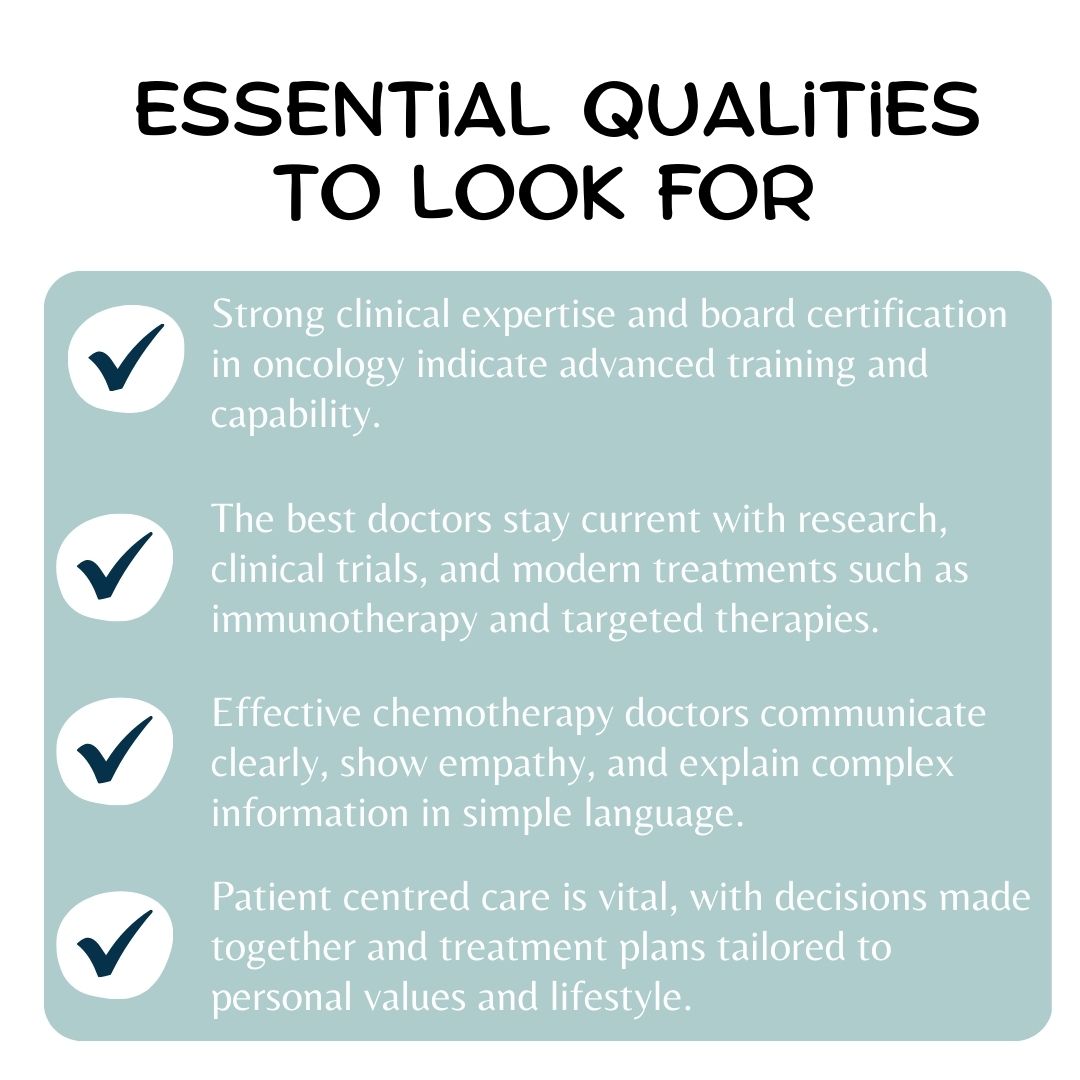
A chemotherapy doctor’s expertise is the foundation of effective cancer care. Look for board certification in oncology and evidence of ongoing professional development. Specialisation in your specific cancer type, such as breast or haematological cancers, is a strong indicator of focused knowledge.
Qualifications like FRCP or MRCP show advanced training. Doctors with experience in the latest chemotherapy protocols and targeted therapies are more likely to personalise care. Ultimately, a highly qualified chemotherapy doctor can improve both outcomes and confidence.
Cancer therapies are evolving rapidly. The best chemotherapy doctor keeps pace by participating in clinical trials and staying informed about new treatments. This includes immunotherapy, targeted therapies, and personalised medicine. In addition to advancing treatment options, care for cancer patients encompasses emotional and psychological support. Thoughtful gifts for cancer patients can make a significant difference, providing comfort and encouragement during a challenging journey. These gifts can range from cozy blankets and inspiring books to care packages filled with nurturing items. Additionally, sharing practical living with cancer tips can empower patients to manage their daily lives more effectively. Support groups and informational resources can provide crucial strategies for navigating challenges and maintaining a positive outlook. Ultimately, a holistic approach to cancer care can enhance overall well-being and foster resilience.
Doctors connected to leading cancer centres often offer access to novel treatments. Staying current benefits patients through better options and improved success rates. For more on cutting-edge advances, visit Advances in cancer research.
Clear, honest communication is essential from your chemotherapy doctor. You should feel comfortable discussing your diagnosis, treatment options, and potential side effects. Empathy helps address fears and emotional needs, making the experience less overwhelming. Understanding chemotherapy side effects is crucial for managing expectations throughout your treatment journey. Being aware of what to anticipate can empower you to make informed decisions and engage more actively in your care.
Seeking support from healthcare professionals and patient communities can provide valuable insights and reassurance. One important consideration during treatment is the chemotherapy dehydration risk factors that can arise due to side effects. Staying hydrated and recognizing signs of dehydration, such as dizziness or fatigue, can significantly impact your overall well-being. It's vital to discuss these risks with your healthcare team to develop a plan that ensures you maintain proper hydration throughout your chemotherapy journey.
A doctor who explains complex medical terms simply builds trust. Strong communication also improves treatment adherence and overall satisfaction. A supportive relationship with your chemotherapy doctor can make a challenging time more manageable.
The best chemotherapy doctor involves you and your family in all decisions. They tailor treatment plans to fit your preferences, lifestyle, and any other health conditions. Respect for your cultural and personal values is vital. As you explore end-of-life care alternatives to chemotherapy, it's essential to discuss these options openly with your healthcare team. This dialogue can help you understand the potential benefits and limitations of each approach, allowing you to make informed decisions. Additionally, involving family members in these discussions can provide emotional support and ensure that everyone's perspectives are considered.
Shared decision-making models are common in modern oncology. These approaches ensure you feel heard and valued. Holistic care, considering your mental and emotional wellbeing, is just as important as the medical side.
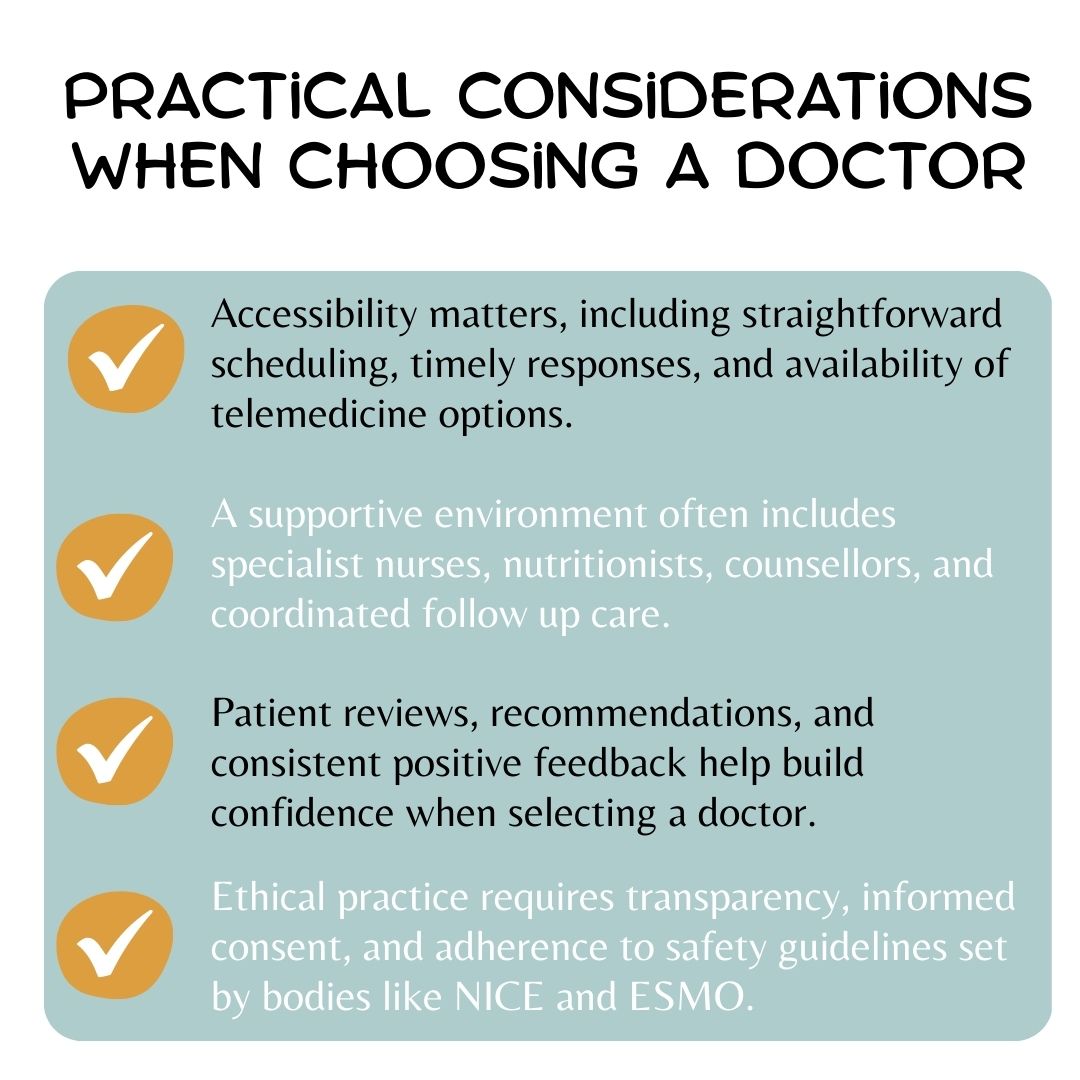
Easy access to your chemotherapy doctor and support services is crucial. Scheduling should be straightforward, with timely responses to questions. A good doctor works within a team including nurses, nutritionists, and counsellors.
Many offer telemedicine or remote consultations for added convenience. Hospitals with comprehensive cancer care teams provide seamless support. Reliable follow-up care and emergency support add peace of mind during treatment.
A chemotherapy doctor’s reputation speaks volumes. Check verified patient reviews and ask for recommendations from your GP or cancer support groups. Awards and high ratings on trusted platforms also reflect quality.
Consistent positive feedback suggests reliability and trustworthiness. However, use caution when reading online reviews, as individual experiences can vary. Look for patterns in feedback rather than isolated comments.
Your chemotherapy doctor should adhere to guidelines from bodies like NICE and ESMO. They must discuss risks, benefits, and alternative treatments openly. Informed consent and respect for your choices are essential. Managing side effects of chemotherapy is a crucial aspect of patient care. Effective strategies can help alleviate discomfort and improve the overall experience during treatment. It’s important for patients to communicate openly with their healthcare team about any side effects they encounter. Understanding chemotherapy care essentials for cancer patients can significantly impact treatment outcomes. Patients should prioritize staying informed about their care plans and actively participate in discussions regarding their treatment. Additionally, seeking support from cancer care resources can provide valuable information and emotional assistance throughout the journey.
Top doctors handle ethical dilemmas with transparency and care. Ongoing audits, quality control, and patient safety protocols are signs of a strong commitment to your wellbeing. Trust in your chemotherapy doctor is built on these ethical foundations.
Choosing the right chemotherapy doctor can make a world of difference in your cancer care journey. The questions you ask at your first consultation reveal not just a doctor's expertise, but also their approach to communication, support, and personalised care.
Here are some practical questions to help guide your decision:
| Key Question | What to Listen For |
|---|---|
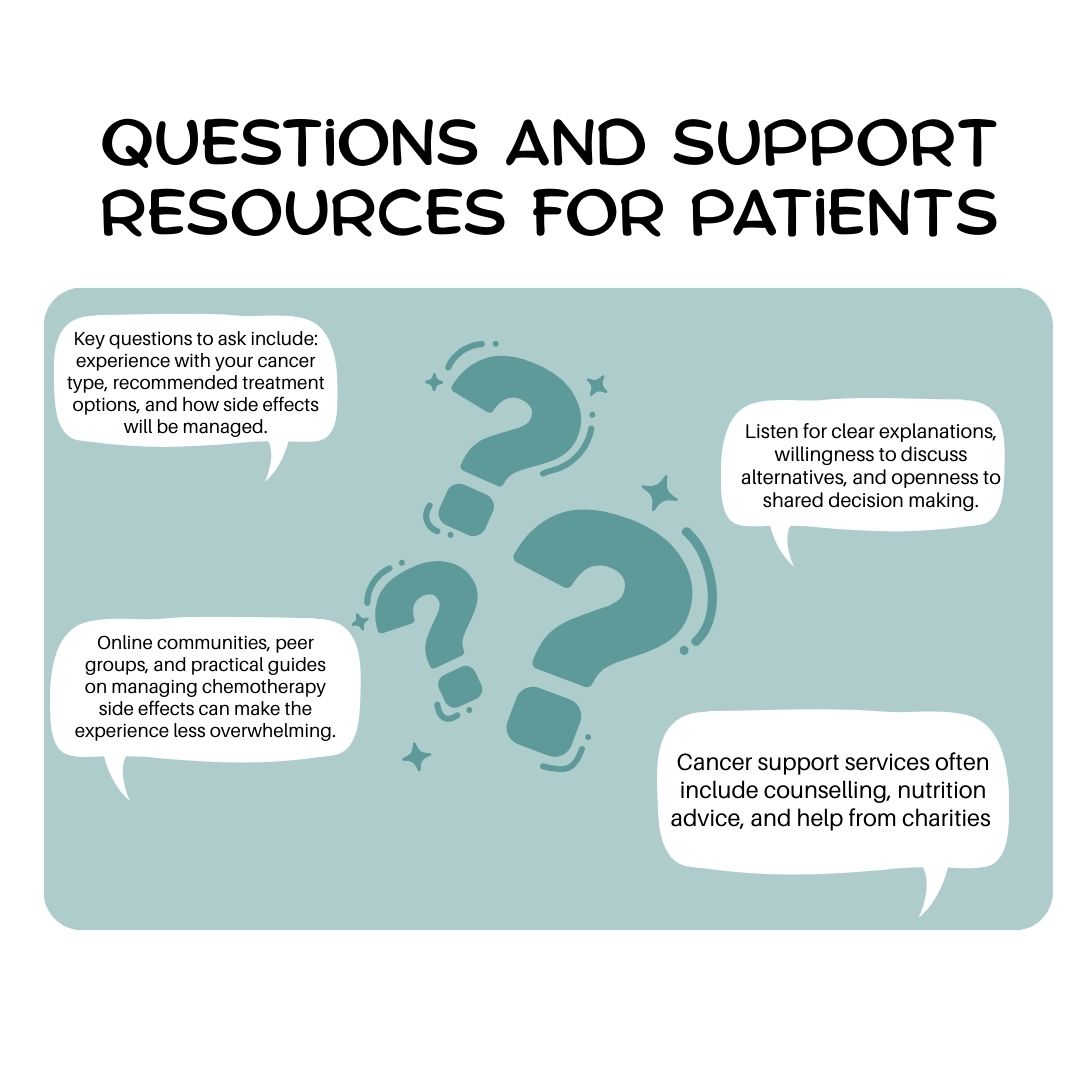
| How much experience do you have treating my type of cancer? | Specific details, years of experience, recent cases |
| What treatment options do you recommend, and why? | Clear explanations, willingness to discuss alternatives |
| How will you help manage side effects? | Plans for support, access to specialist nurses or clinics |
| What support services are available here? | Multidisciplinary teams, counselling, nutrition, telemedicine |
| How can I reach you with urgent concerns? | Direct contact protocols, emergency support details |
| What is your approach to shared decision-making? | Involving patient and family, respect for preferences |
Pay close attention to how the chemotherapy doctor responds. Do they listen carefully and answer honestly? Are they open to your questions and willing to explain complex terms in simple language? Compatibility with your values and needs is essential. your first chemotherapy session preparation can greatly impact your overall experience. Ensure that you have all necessary materials and support systems in place. It might also help to practice relaxation techniques that can ease anxiety prior to your appointment. Managing chemotherapy fatigue effectively is crucial for maintaining your quality of life during treatment. Incorporating activities like gentle yoga and mindfulness can be beneficial. Additionally, ensuring you stay hydrated and nourished will support your energy levels throughout the process.
Do not hesitate to seek a second opinion if you feel unsure. Watch for red flags, such as rushed consultations, reluctance to discuss alternatives, or vague answers about credentials. Always verify their experience and affiliations with reputable cancer centres.
For more detailed guidance, the Choosing a Cancer Doctor resource and this practical How to Choose a Cancer Doctor Worksheet can help you prepare and compare your options with confidence.
Facing cancer is never a journey anyone should take alone. Alongside your chemotherapy doctor, a strong support network can make all the difference, offering both emotional strength and practical help during treatment. Supporting friends during chemotherapy also involves understanding their needs and being there for them, whether it's providing a listening ear or helping with daily tasks. Small gestures, like preparing meals or accompanying them to appointments, can significantly ease their burden. Your presence and encouragement can remind them that they are not alone in this fight.
Many hospitals provide dedicated cancer support services, including specialist nurses, nutritionists, and counsellors. These professionals work closely with your chemotherapy doctor to address your unique needs. Charities such as Macmillan Cancer Support and Cancer Research UK also offer guidance, helplines, and access to financial advice.
Online communities and peer support groups are excellent places to share experiences and find encouragement from others who understand what you’re going through. Family and friends play a vital role as well, offering companionship and practical help with daily tasks.
For those seeking advice on managing side effects or recovery, resources like Recovery from chemotherapy treatment provide practical tips and reassurance. It’s important to explore available psychological support, as mental wellbeing is just as crucial as physical health during cancer treatment.
To make the most of these resources, ask your chemotherapy doctor or care team about what’s available locally. Staying informed and connected empowers you to face each step of the journey with confidence and hope. chemotherapy preparation tips for patients can play a crucial role in enhancing your treatment experience. Consider creating a checklist of items to bring to your appointments, and explore support resources in your community. It's also helpful to talk to other patients about their experiences to gain insights and encouragement. In addition to creating a checklist, you may want to consider some nutrition tips before chemotherapy sessions to help support your body’s needs. Eating well can enhance your overall well-being and may help mitigate some side effects. Try to focus on balanced meals that include plenty of fruits, vegetables, and proteins to maintain your strength throughout the treatment process.
Choosing the right chemotherapy doctor can feel overwhelming, but now that you know what to look for—from clinical expertise and up to date knowledge to genuine empathy and strong support services, you’re better equipped to make decisions that truly support your journey or that of a loved one. Remember, you don’t have to navigate this alone. In addition to finding the right support from medical professionals, it’s important to provide comfort and encouragement through thoughtful gifts for cancer patients. These gifts can range from cozy blankets and nourishing snacks to inspiring books and personalized notes, all of which can uplift spirits during challenging times. Thoughtful gifts like these demonstrate care and understanding, making a significant difference in the lives of those battling cancer.
We strongly advise you to talk with a health care professional about specific medical conditions and treatments.
The information on our site is meant to be helpful and educational but is not a substitute for medical advice.
“I’m One Of The Many Lucky Ones Who Have Survived Cancer And Although I Still Have Days Where I Just Enjoy Existing, I Really Try And Live Life To The Full.” Sarah Vaughan
There is the need for a concerted effort to try and help our women from this disease which is claiming a lot of women every year.
Over the Christmas period, we donated several Cancer Care Parcel seasonal sacks for children with cancer. The CanSurvive team, pictured here donated three of these sacks to sick children. Thank you CAN SURVIVE for all the support that you give to people with cancer Can Survive Wigtownshire, is a pro-active social/activity group open to males and […]