The journey of recovery from chemotherapy is just as vital as the treatment itself, yet it often receives less attention. After treatment ends, many find themselves facing new physical and emotional challenges without a clear roadmap.
This essential guide offers reliable, evidence-based strategies to make recovery from chemotherapy smoother and healthier. You will discover practical steps to manage side effects, rebuild strength, and support your emotional wellbeing. We also highlight the importance of nutrition and knowing when to seek further help.
Let this guide be your companion as you regain strength and confidence, one step at a time.
Chemotherapy plays a vital role in cancer treatment, but the journey does not end when the last infusion is complete. The period of recovery from chemotherapy is unique for every individual and often presents new challenges. Understanding what happens to your body, the phases of recovery, and how to set achievable goals can make this journey less overwhelming and more empowering. One important aspect to consider is nutrition tips for chemotherapy preparation, which can significantly impact how your body copes with treatment. Incorporating wholesome foods and staying hydrated can help strengthen your immune system and improve your overall well-being. Additionally, consulting with a nutritionist who specializes in oncology can provide personalized guidance tailored to your needs.
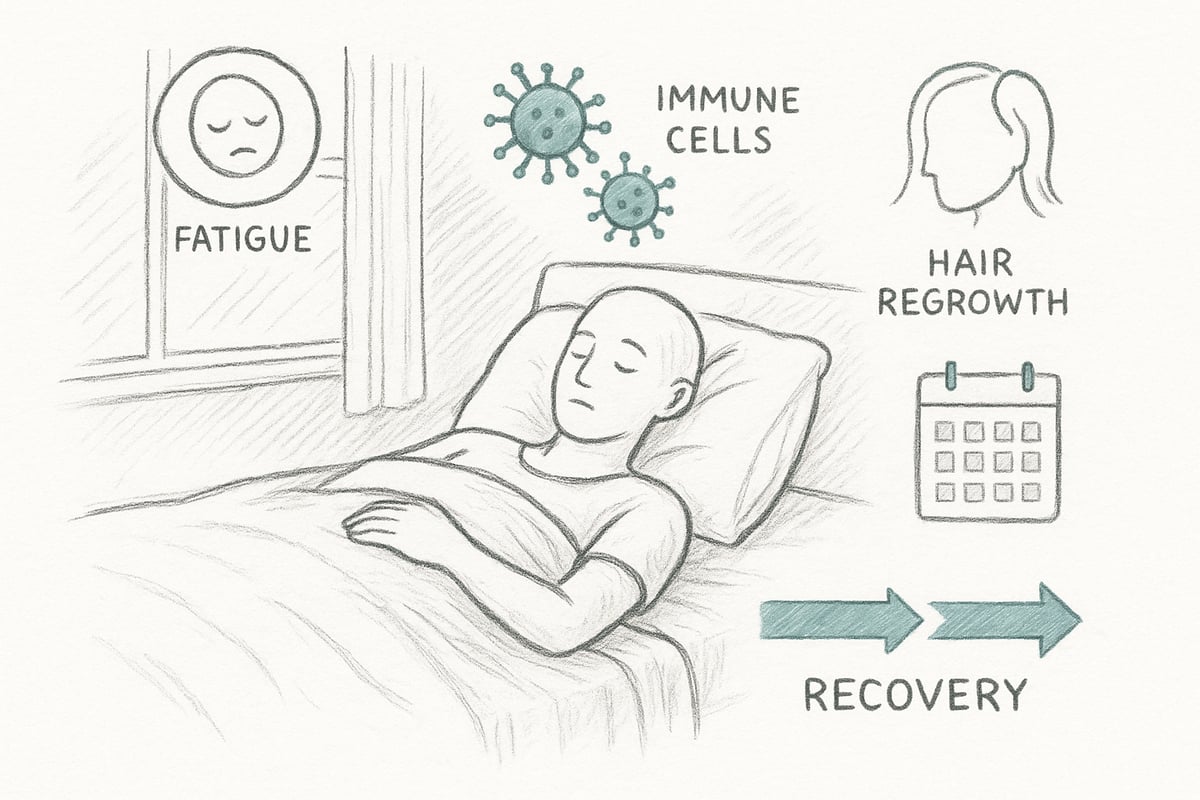
Chemotherapy targets rapidly dividing cancer cells, but it also affects healthy cells in the body. This can lower immune function and lead to side effects that linger after treatment ends. It is common for people to experience fatigue, nausea, changes in hair and skin, and even "chemo brain," which involves temporary memory or concentration problems. Additionally, understanding the chemotherapy definition and purpose can help patients and their families cope with the emotional and physical challenges of treatment. By recognizing that chemotherapy aims to eliminate cancer cells and improve overall health, individuals may find hope amidst the side effects. Support systems, including counseling and nutritional guidance, can also play a crucial role in managing the impact of these treatments.
The timeline for physical recovery from chemotherapy varies widely. Some people begin to feel better within weeks, while others need several months. Studies show that over 60% of patients report persistent fatigue months after finishing treatment. It is important to be patient with yourself and recognise that recovery is not always linear.
The process of recovery from chemotherapy can be divided into three main phases:
NHS guidance suggests tracking milestones, such as when fatigue lessens or appetite returns, can help you notice progress. Remember, everyone’s timeline is different, and comparing your recovery from chemotherapy to others is not helpful.
A personalised approach to recovery from chemotherapy is essential. Working with your healthcare team to create a plan that suits your needs can boost confidence and motivation. Track your progress with a journal or app, and celebrate each small win, whether it is walking a little further or having more energy. In addition to a tailored recovery plan, thoughtful gifts for chemotherapy survivors can provide emotional support and encouragement. Consider items that promote relaxation, such as comfy blankets or calming teas, which can enhance the healing process. Surrounding yourself with uplifting gestures can make a significant difference as you navigate this journey. Essential items for your first chemo can include items that offer comfort and practicality. Make sure to pack a gentle lip balm to combat dryness, a nourishing lotion for sensitive skin, and a cozy hat to keep warm during treatment. Having these essentials on hand can help you feel more prepared and at ease as you embark on your chemo journey.
Support networks, including family, friends, and peer groups, play a crucial role in keeping you motivated. Research shows that setting goals and reviewing them regularly increases your chances of sticking with rehabilitation. For more actionable strategies and expert advice, explore these recovering after chemotherapy tips.
Navigating the physical aftermath is a significant part of recovery from chemotherapy. Many people find that dealing with lingering side effects can be as challenging as the treatment itself. Understanding what to expect and how to manage these complications can make the journey smoother and help you regain your wellbeing step by step.
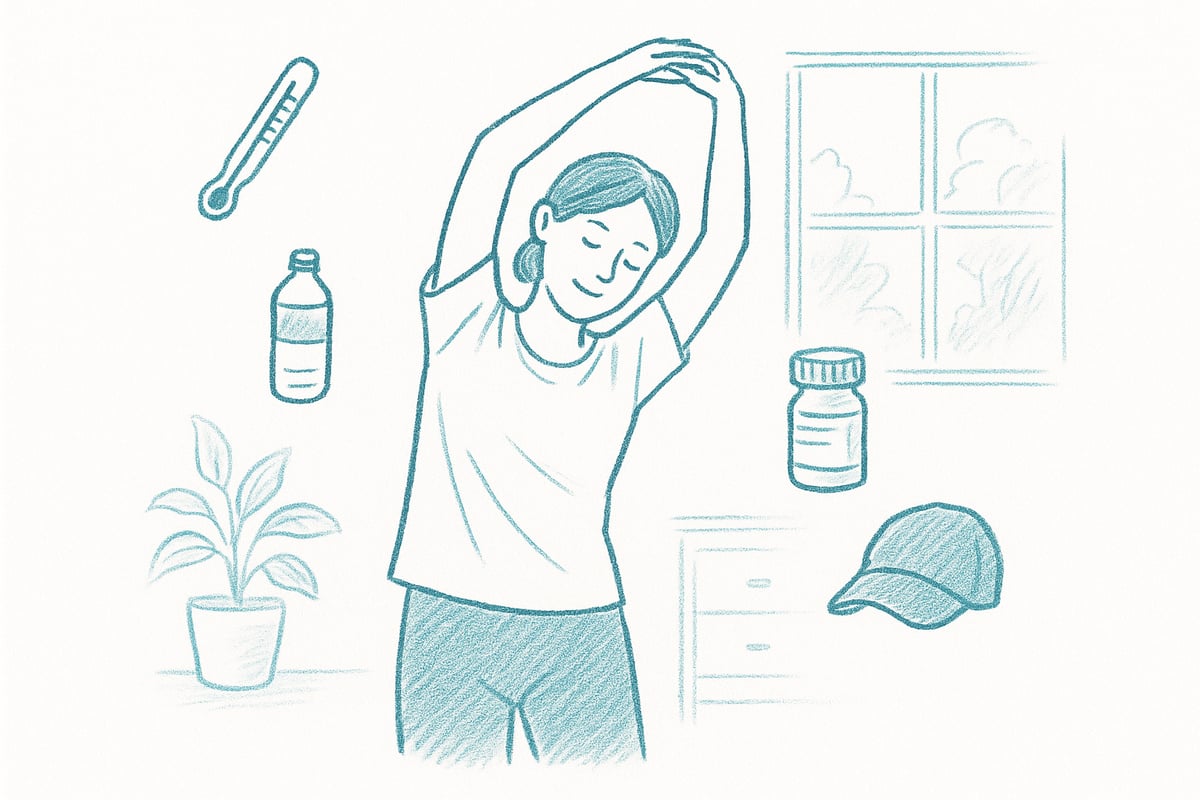
During recovery from chemotherapy, fatigue is the most common side effect, affecting up to 80% of patients. You might also notice tingling in the hands or feet (neuropathy), digestive issues like nausea or diarrhoea, and visible changes to hair and skin. Each person's experience can vary, but these symptoms often linger for weeks or even months. Managing short term chemotherapy effects is crucial for enhancing quality of life during recovery. Support from healthcare providers can help patients navigate these challenges and find effective coping strategies. Additionally, maintaining open communication with loved ones can provide emotional support and alleviate feelings of isolation. Managing chemotherapy side effects effectively requires a proactive approach that includes seeking guidance and resources tailored to individual needs. Patients may benefit from lifestyle changes, such as adopting a balanced diet and engaging in light physical activity, which can help mitigate some of the symptoms. It’s also important to explore complementary therapies, like acupuncture or meditation, which can provide additional relief during this challenging time.
Managing these effects starts with listening to your body. Prioritise rest, stay hydrated, and try small, gentle movements. For example, light stretching or walking can help boost energy and mood. If you're seeking more guidance, you can find exercise advice during cancer recovery with practical tips to ease back into activity. Remember, the pace of recovery from chemotherapy is unique for everyone, so be patient and celebrate small gains.
One of the risks during recovery from chemotherapy is a weakened immune system, which makes you more vulnerable to infections. Practising good hygiene is crucial. Wash your hands often, avoid crowded places when possible, and keep cuts or wounds clean and covered. Watch for signs of infection such as fever, chills, or sudden fatigue. Chemotherapy can also lead to various physical changes, particularly on the skin. Chemotherapy skin side effects explained can include dryness, rashes, and increased sensitivity to sunlight. Managing these reactions may involve using gentle skincare products and staying hydrated to help soothe and protect your skin. In addition to skincare, effective chemotherapy nausea management techniques are essential for improving your overall comfort during treatment. These techniques can include dietary adjustments, acupressure, and the use of anti-nausea medications prescribed by your healthcare provider. By addressing nausea proactively, you can enhance your ability to maintain nutrition and stay stronger throughout your recovery journey.
Vaccinations may also be recommended as part of your recovery from chemotherapy, but always check with your healthcare team before getting any immunisations. If you notice any symptoms of infection, contact your doctor promptly. Early action can prevent complications and support a smoother recovery. In addition to vaccinations, you might consider exploring cold cap therapy effectiveness for chemotherapy, as it has been shown to reduce hair loss during treatment. Many patients have reported an overall improvement in their confidence levels when using this method. Always discuss such options with your healthcare provider to ensure it fits well within your treatment plan. In addition to cold cap therapy, there are various chemo-induced hair loss solutions that can help manage the effects of treatment. From topical treatments to nutritional supplements, patients have a range of options to explore that may aid in hair regrowth and improve their overall well-being. It's essential to work closely with your healthcare team to determine the most appropriate solutions for your individual needs.
Recovery from chemotherapy does not end when the immediate side effects fade. Some people experience late-onset issues, including heart or lung changes, bone thinning, or ongoing nerve pain. Regular follow-up appointments are essential to catch these complications early.
For instance, studies show that around 15% of cancer survivors develop cardiovascular problems within five years. Keep track of any new symptoms and share them with your medical team. Staying proactive with screenings and check-ups is a key part of long-term recovery from chemotherapy.
Certain symptoms require urgent attention. If you experience persistent fever, severe pain, or unexplained bleeding, contact your healthcare provider immediately. Clear communication is vital—write down your symptoms, questions, and any concerns to discuss at your next appointment.
Your healthcare team is there to support you throughout recovery from chemotherapy, so never hesitate to reach out if you are unsure or worried. FOLFOX treatment effects on patients can vary, making it crucial for your healthcare team to monitor your progress closely. They will assess how well the treatment is working and adjust your care plan as needed to optimize your recovery. Staying informed about potential side effects and discussing any concerns with your team can further enhance your treatment experience.
Recovering your strength and vitality after chemotherapy is a gradual process. Each person’s journey is unique, but following evidence-based strategies can help speed up recovery from chemotherapy and reduce setbacks. Focusing on movement, nutrition, sleep, and supportive therapies can make a significant difference to your overall wellbeing.
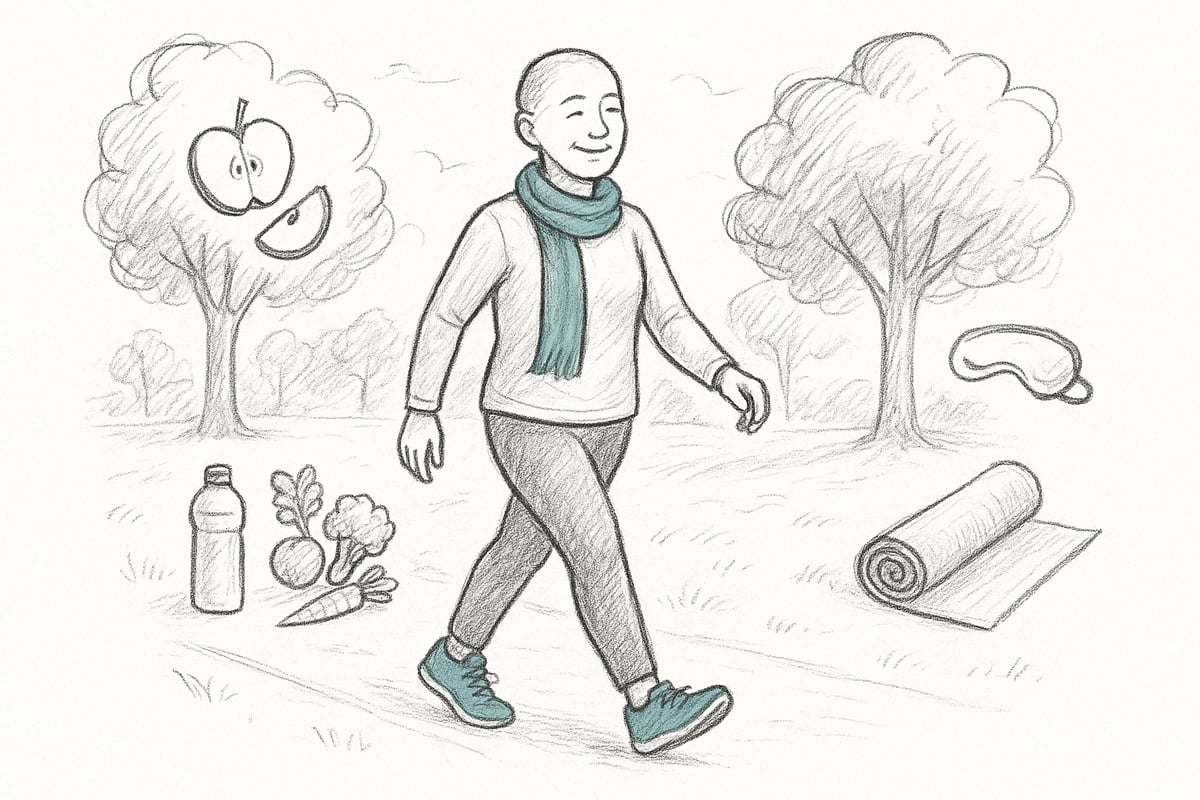
Gentle movement is a cornerstone of recovery from chemotherapy. Walking, stretching, and yoga are safe ways to begin, even if you feel fatigued. The NHS and Macmillan recommend starting with just a few minutes of activity each day and gradually increasing as your energy improves.
Listen to your body and celebrate small achievements. Set realistic targets, like walking to the local shop or practising gentle yoga at home. Remember, consistency matters more than intensity. Always consult your healthcare team before starting new exercises, especially if you have lingering side effects or mobility concerns.
Eating well is essential for a strong recovery from chemotherapy. Your body needs extra protein, vitamins, and hydration to repair tissues and support immune function. Focus on nutrient-rich foods, such as lean meats, beans, whole grains, fruits, and vegetables. Nutritional tips for chemotherapy patients often emphasize the importance of small, frequent meals to help maintain energy levels. Incorporating foods high in antioxidants, like berries and green leafy vegetables, can also support overall health during treatment. Additionally, staying hydrated with plenty of fluids, such as water and herbal teas, is crucial for helping the body cope with the side effects of chemotherapy. Cooking tips for chemotherapy patients can help make mealtime more enjoyable and manageable. Experimenting with different herbs and spices can enhance the flavors of dishes without adding extra salt or sugar. Preparing meals in advance and freezing portions can also be a helpful strategy for ensuring nutritious options are readily available when energy levels are low.
If you have changes in taste or appetite, try smaller, frequent meals and experiment with different flavours. For more tailored advice and meal ideas, see this helpful resource on nutrition for cancer patients. Staying hydrated and avoiding processed foods will also support your healing.
Quality sleep is vital during recovery from chemotherapy. Your body repairs itself and strengthens its immune defences while you rest. Aim for a consistent sleep schedule, keep your bedroom cool and dark, and avoid screens before bed.
If you struggle to fall asleep, try relaxation techniques like deep breathing, gentle stretching, or listening to calming music. Studies have shown that good sleep not only boosts mood but also speeds up immune recovery. Prioritise rest as an essential part of your daily routine.
Supportive therapies can accelerate recovery from chemotherapy and improve your quality of life. Physiotherapy and occupational therapy help restore mobility and independence, while complementary therapies like massage or mindfulness may ease discomfort and anxiety. In this context, chemotherapy comfort care essentials play a crucial role in managing side effects and enhancing overall well-being. By incorporating nutritional guidance and emotional support, patients can navigate their treatment journey more effectively. Engaging with support groups can also provide valuable connections and shared experiences that foster resilience.
Ask your healthcare team about referrals to NHS or community-based rehabilitation services. Many local cancer support groups also offer group classes and practical advice. Combining professional support with self-care can make your recovery journey smoother and more empowering.
The emotional side of recovery from chemotherapy can be just as challenging as the physical aspects. Many people find that their feelings shift during this time, with emotions sometimes feeling unpredictable or overwhelming. Recognising that this stage is a normal part of the journey is an important step towards healing.
After finishing treatment, many people face a mix of relief, anxiety, and sometimes sadness. Fear of cancer returning can linger, while adjusting to life after treatment brings its own set of challenges. It is common for survivors to experience anxiety, depression, or even a sense of loss.
Building emotional resilience is key. Strategies that may help include:
Nearly 30% of people report ongoing psychological distress during recovery from chemotherapy. If you are struggling with anxiety, there are practical coping tips in the Managing anxiety after cancer diagnosis guide. Remember, you are not alone in these feelings.
Surrounding yourself with support can make a significant difference during recovery from chemotherapy. Family and friends are often the first line of support, offering encouragement and a listening ear. Peer support, such as connecting with others who have been through similar experiences, can help you feel understood. Finding ways to show you care during chemo can strengthen these bonds even further. Small gestures, like preparing a meal or sending a heartfelt note, can uplift spirits and remind your loved ones they are not alone in their journey. Additionally, organizing fun activities or simple distractions can provide moments of joy amidst the challenges they face.
Professional counselling is another valuable resource. The NHS, cancer charities, and online platforms offer access to trained counsellors who specialise in cancer recovery. Sharing your journey with others can reduce feelings of isolation and help you develop positive coping strategies.
Reintegrating into work, school, or social activities is a crucial part of recovery from chemotherapy. Many people feel excited to get back to normal routines but may also worry about energy levels or how others will react. It is important to communicate with employers or educators about your needs and rights.
In the UK, you are protected by law and may request reasonable adjustments such as flexible hours or phased returns. Balancing activity and rest is essential. Listen to your body and allow yourself breaks to avoid burnout as you return to your regular life.
Cancer Care Parcel offers thoughtful, practical, and emotional support for anyone on the path of recovery from chemotherapy. Their curated care packages are designed to provide comfort, while trusted resources guide you through every stage of recovery. Feeling supported and informed can make a world of difference as you rebuild both your physical and emotional well-being. As patients approach the later stages of their journey, end-of-life care for cancer patients becomes a crucial focus. It is essential to ensure that individuals receive compassionate assistance and support during this challenging time. By prioritizing quality of life and emotional comfort, caregivers can help create a peaceful environment for both patients and their families.
Making healthy choices after chemotherapy is a crucial part of your overall recovery from chemotherapy. What you eat, how you move, and the habits you adopt all play a role in helping your body heal and reducing the risk of cancer returning. By taking small, consistent steps, you can support your wellbeing and feel more in control of your future health.
After completing treatment, your body needs extra support to repair tissue and restore strength. A diet rich in whole grains, fresh fruit, vegetables, and lean protein can aid your recovery from chemotherapy and give your immune system a boost. Research suggests that a high-fibre, plant-based diet lowers the risk of cancer recurrence and supports gut health.
Try to avoid processed foods and sugary snacks, as these offer little nutritional value. Consulting a dietitian can help you create a personalised eating plan that works for your needs and preferences. For more tips, Healthy lifestyle after cancer treatment from Macmillan offers trustworthy advice on diet and wellbeing.
Lifestyle changes can make a significant difference in your recovery from chemotherapy. Quitting smoking, limiting alcohol, and incorporating regular activity like walking or swimming can help your body regain strength and reduce fatigue. Preventative screenings and regular check-ups are essential for monitoring your health and catching any concerns early. It’s also important to stay informed about chemotherapy dehydration risk factors, as they can impact your treatment and recovery process. Maintaining proper hydration and recognizing the early signs of dehydration are crucial for patients undergoing treatment. Additionally, discussing any concerns with your healthcare provider can help tailor a plan to minimize risks associated with chemotherapy.
Remember, nearly 40% of cancer recurrences are linked to lifestyle factors you can change. Building healthy routines not only supports your physical recovery but also boosts your mood and confidence.
Understanding your personal risk factors, including genetics and lifestyle, is an important aspect of recovery from chemotherapy. Focus on sustainable habits, such as eating well, staying active, and managing stress, to maintain your health long-term. Keep up with follow-up appointments and stay informed about your health by asking questions at check-ups and collaborating closely with your healthcare team can help tailor a regimen that aligns with your health goals and personal preferences. Additionally, being aware of emerging therapies and clinical trials may provide you with further choices in your treatment journey.
Self-advocacy is key—by staying engaged in your care and making positive choices, you are taking important steps to reduce your risk of recurrence and promote lasting wellbeing.
Navigating the healthcare system after treatment is a key part of recovery from chemotherapy. Knowing where to turn, whom to ask, and how to access the right resources can make a real difference. Let’s explore how to communicate effectively with your medical team, find trustworthy support services, and use online tools wisely. When searching for the best possible care during this time, understanding the qualities of a top chemotherapy doctor can be vital. A compassionate and knowledgeable physician can guide you through this challenging journey while providing personalized care. Additionally, being proactive in discussing your treatment options and concerns can foster a stronger partnership with your healthcare provider.
Open communication with your medical team is essential for a smooth recovery from chemotherapy. Before each appointment, jot down any symptoms, side effects, or questions in a journal. This helps you remember key points and ensures nothing is overlooked during your visit. Chemo preparation tips for patients can also include ensuring you have a support system in place, whether it's friends, family, or support groups. Additionally, consider preparing your home environment for comfort and easy access to necessities, which can help alleviate some stress during treatment. Another important aspect of chemotherapy preparation tips for patients is to plan meals in advance. Nutritious foods can play a significant role in recovery, so having easy-to-make meals on hand can be beneficial. Finally, ensure that you have a clear understanding of your treatment schedule and any medication regimens to stay organized and informed.
Bring a friend or family member for support if you feel comfortable. They can help take notes or ask questions you might forget. Understanding your treatment plan and what to expect next is much easier with clear communication. For more details on how chemotherapy cycles and planning work, visit Chemotherapy planning and cycles. Additionally, consider discussing any concerns or preferences you have regarding your treatment with your healthcare team. Having a clear understanding of chemotherapy treatment options explained can empower you to make informed decisions about your care. Remember, you are an active participant in your treatment journey, and your questions are important. Navigating side effects during chemotherapy can often be a daunting experience. It's important to stay informed about potential reactions and to communicate any symptoms you may encounter to your healthcare team. They can provide guidance and support tailored to your specific needs, helping you manage these effects more effectively.
Feel empowered to discuss any concerns or changes in your health. Your healthcare team is there to support your recovery from chemotherapy, so regular conversations will help you make informed decisions about ongoing care.
After treatment, many people benefit from accessing support services dedicated to recovery from chemotherapy. The NHS offers cancer recovery programmes, including physiotherapy, nutrition advice, and emotional support. These services are designed to help you regain strength and adjust to life after treatment.
Charities like Macmillan, Maggie’s Centres, and Cancer Research UK provide extra support. You can access counselling, financial advice, and peer groups through these organisations. Community groups also offer social activities and practical help, such as transport or home visits.
Don’t hesitate to ask your GP or oncology nurse for referrals. Taking advantage of these resources can make the recovery from chemotherapy less overwhelming and provide reassurance every step of the way.
Online resources have become an integral part of recovery from chemotherapy. Forums, support groups, and trusted medical websites offer information, shared experiences, and a sense of community. Engaging with others who understand your journey can be uplifting and informative. As patients navigate their recovery, they may also explore personalised chemotherapy advancements in medicine that are tailored to their specific needs. These innovations can lead to more effective treatment options, minimizing side effects and improving overall outcomes. Staying informed about the latest developments in the field helps empower patients to make more educated decisions about their care.
However, it’s important to use reputable sources. Stick to well-known organisations and authority-backed sites for advice. Set boundaries for your online time to avoid information overload or anxiety from unverified stories.
Did you know over 70 percent of survivors use online resources during recovery from chemotherapy? When used wisely, these platforms can provide valuable guidance, emotional support, and help you feel less alone.
We strongly advise you to talk with a health care professional about specific medical conditions and treatments.
The information on our site is meant to be helpful and educational but is not a substitute for medical advice.
Get To Know Hope Support Services - The National Charity Offering Professional To Support Young People With Seriously Ill Loved Ones Including Cancer.
Discover Why Post-Surgery Bras Are Crucial After A Mastectomy, Offering Support, Reducing Swelling, And Aiding Recovery. Find The Right Fit For Comfort And Healing.
Being diagnosed with cancer in the UK in 2016 does not have to mean a death sentence and cancer survival in the UK has doubled in the last 40 years.