Staying active during cancer treatment is crucial for maintaining your overall health and well-being. While it may seem challenging, incorporating exercise into your daily routine can help manage side effects, boost your mood, and improve your energy levels. This guide provides essential exercise tips to help you stay active and maintain your strength during cancer treatment.
Exercise is a powerful tool for cancer patients. It helps combat fatigue, reduce anxiety, and manage symptoms associated with cancer treatments such as chemotherapy and radiation. Regular physical activity can also enhance your quality of life, improve physical function, and even increase the effectiveness of your treatment.
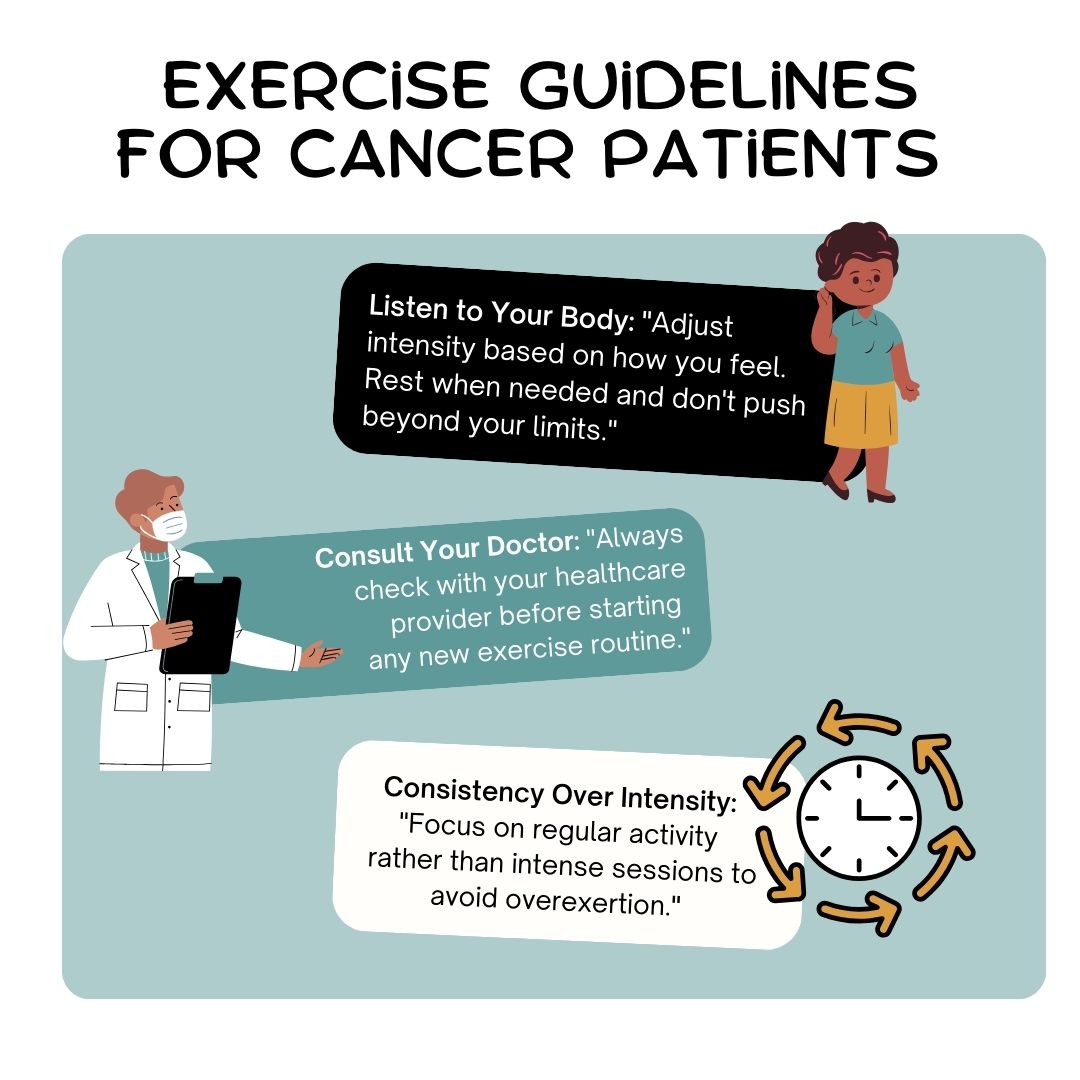
Before starting any exercise program during cancer treatment, it’s important to consult with your healthcare provider. They can help determine what types of exercise are safe and suitable for your specific condition and treatment plan.
Your healthcare provider may recommend working with a physical therapist or an oncology exercise specialist to develop a personalized exercise plan. This plan should take into account your current fitness level, treatment stage, and any physical limitations you may have.
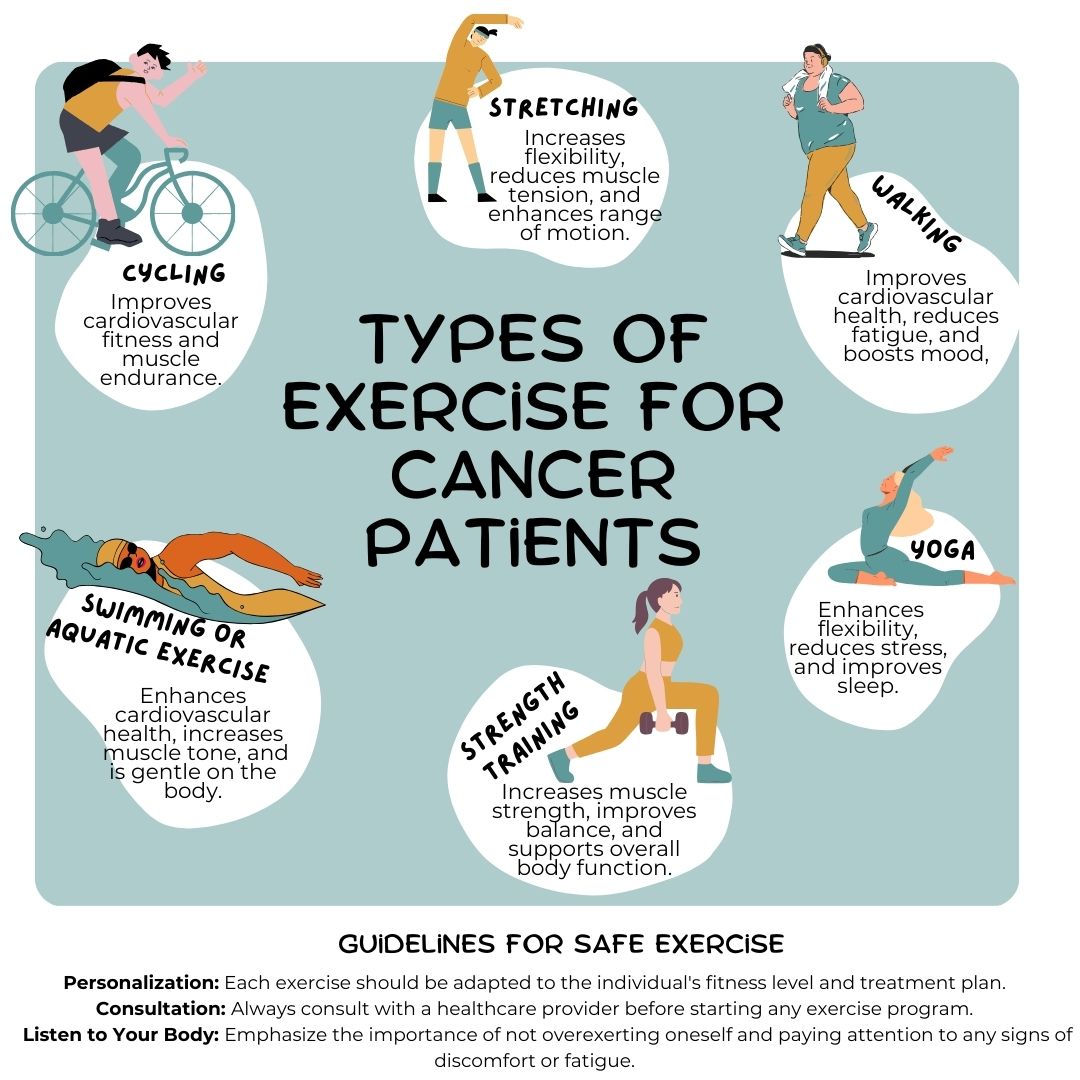
A well-rounded exercise routine for cancer patients should include a mix of aerobic exercises, strength training, flexibility exercises, and balance training.
Aerobic exercises, also known as cardio, are activities that get your heart rate up and improve cardiovascular health. These exercises help increase energy levels and reduce fatigue.
Strength training helps maintain muscle mass, which can be lost during cancer treatment. It also improves bone density and overall strength.
Flexibility exercises help improve your range of motion and prevent stiffness, which can be a common side effect of cancer treatment.
Balance exercises are important for preventing falls, which can be a risk during cancer treatment due to weakness or neuropathy (nerve damage).

Staying motivated to exercise during cancer treatment can be challenging, especially on days when you’re feeling fatigued or unwell. Here are some tips to help keep you on track:
Setting small, achievable goals can help you stay motivated. For example, aim to walk for 10 minutes each day, and gradually increase your goal as your strength improves.
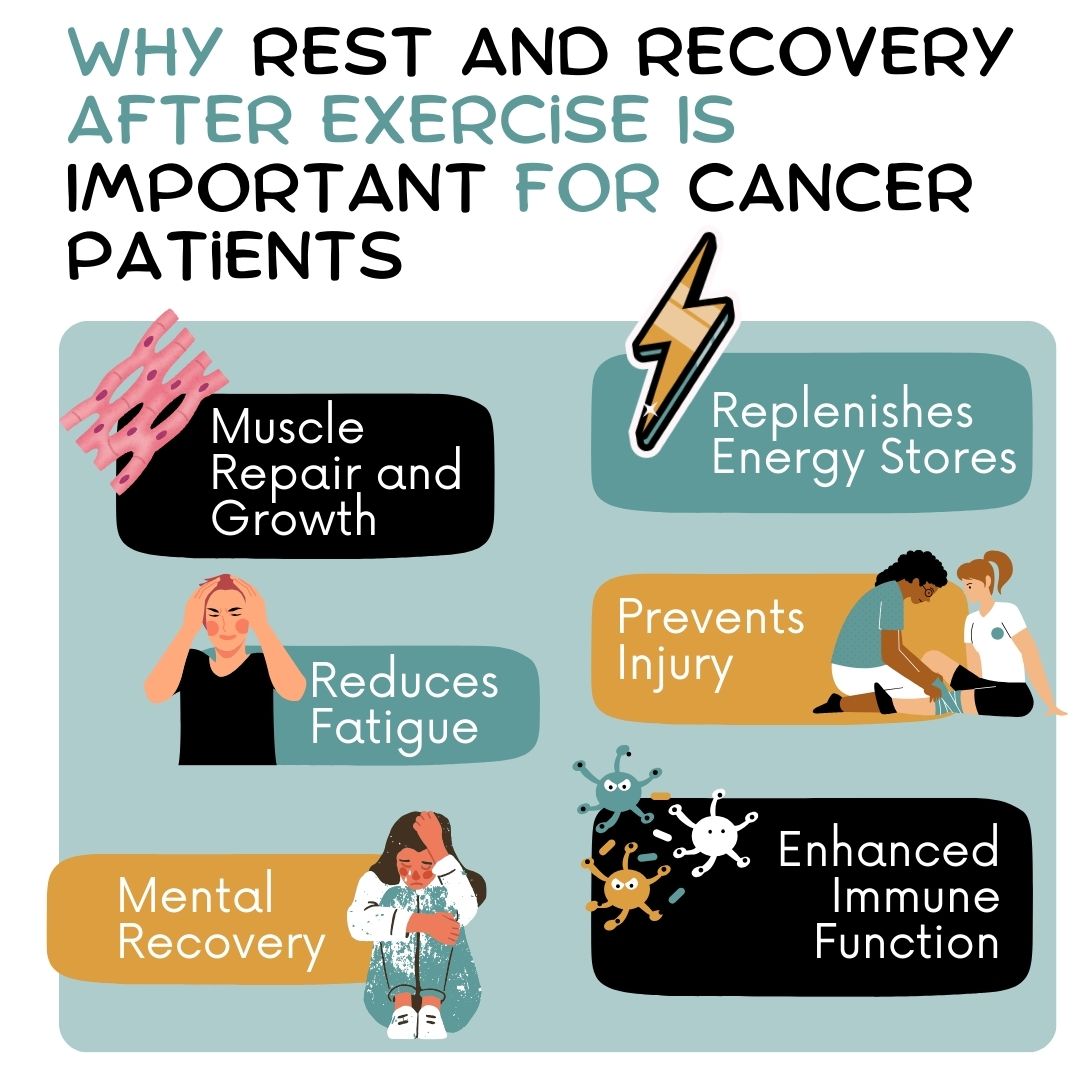
It’s important to listen to your body and not push yourself too hard. On days when you’re feeling more fatigued, opt for gentler activities like stretching or yoga. Rest is just as important as exercise during your treatment.
Exercising with a friend or family member can make physical activity more enjoyable and help you stay accountable. Having someone to exercise with can also provide emotional support and encouragement.
Keeping a journal of your exercise routine can help you track your progress and stay motivated. Celebrate small milestones, such as increasing the duration of your walks or lifting heavier weights.
Cancer treatment can present several barriers to regular exercise, including fatigue, pain, and lack of motivation. Here’s how to overcome some of these common challenges:
Fatigue is one of the most common side effects of cancer treatment, but regular exercise can actually help reduce it. Start with low-intensity activities, such as walking or gentle stretching, and gradually increase your activity level as your energy improves.
If you experience pain or discomfort during exercise, it’s important to stop and consult your healthcare provider. They may recommend modifying your exercise routine or suggest pain management strategies to make physical activity more comfortable.
Cancer treatment and its associated appointments can make it difficult to find time for exercise. Try breaking up your exercise into shorter sessions throughout the day, such as three 10-minute walks instead of one 30-minute walk.
Nutrition plays a key role in fueling your body for exercise, especially during cancer treatment. Eating a balanced diet with adequate protein, carbohydrates, and healthy fats can help you maintain your energy levels and support muscle recovery.
Eating a light snack before exercise can provide the energy you need to get through your workout. Good options include a piece of fruit, a small yoghurt, or a handful of nuts.
After exercising, it’s important to refuel your body with a mix of protein and carbohydrates to aid in muscle recovery. Consider a smoothie with protein powder and fruit, or a small meal with lean protein and whole grains.
While exercise is beneficial for most cancer patients, there are times when it may be best to rest. If you experience any of the following symptoms, avoid exercise and consult your healthcare provider:
Staying active during cancer treatment is possible with the right approach and support. By incorporating a mix of aerobic exercises, strength training, flexibility exercises, and balance training, you can maintain your physical health, boost your mood, and improve your overall quality of life. Remember to consult your healthcare provider before starting any exercise program and to listen to your body as you progress.