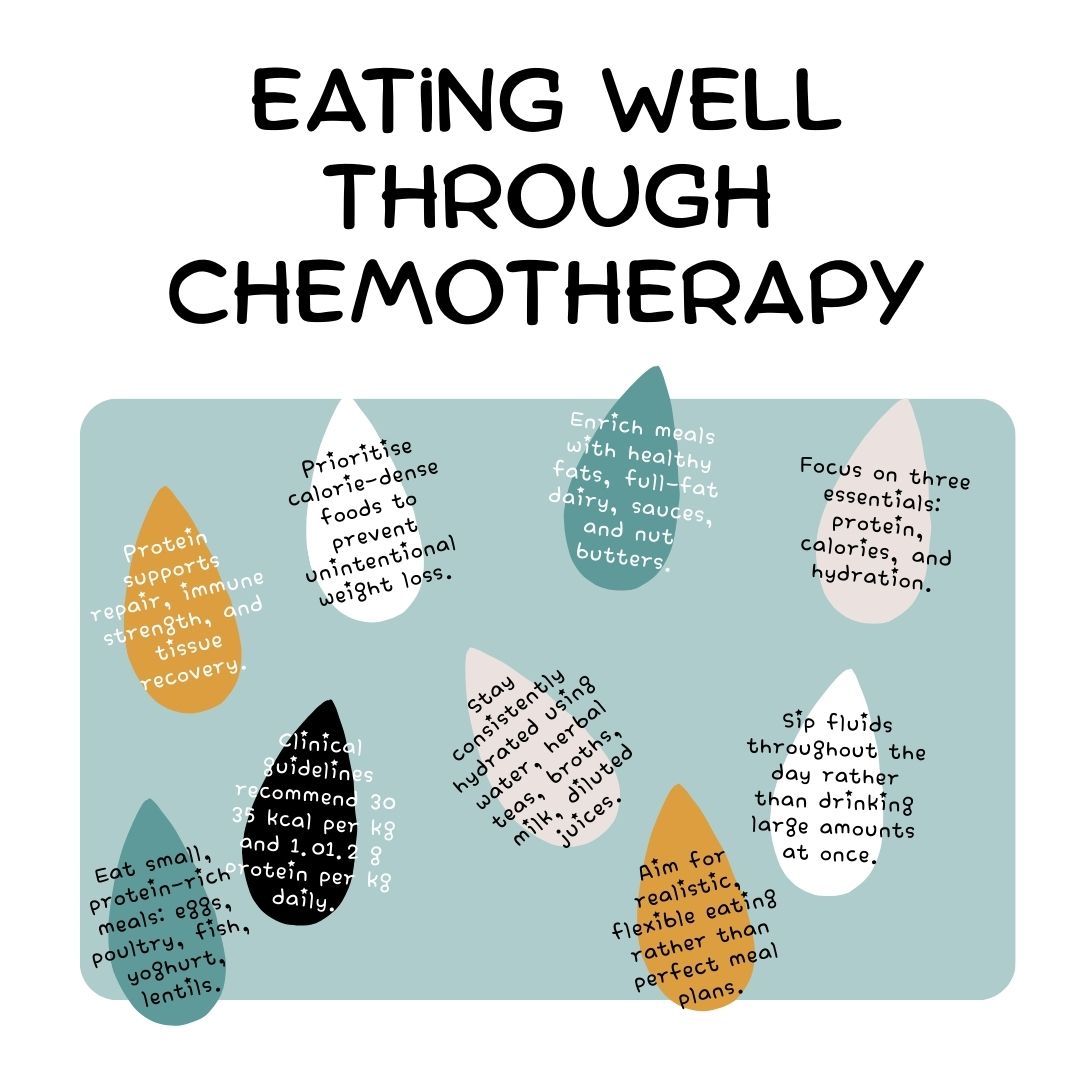
Figuring out what to eat during chemotherapy can feel like another mountain to climb, but it doesn't have to be complicated. Think of food as your fuel, it's what will give your body the strength to fight, heal, and rebuild. This isn't about strict rules or a 'cancer diet'; it's about being kind to yourself with simple, powerful strategies focusing on three essentials: calories, protein, and hydration.
Let's reframe how we think about food during treatment. Instead of a list of 'dos and don'ts', picture it as a toolkit you're building for your body. The goal is simple: supply it with high-quality materials to help you manage side effects, keep your immune system in good shape, and maintain your energy. Food can be one of the most gentle and effective ways to feel a bit more in control.
This guide is all about practical, real-world advice. You won't find rigid meal plans here. Instead, you'll get flexible ideas that you can adapt to how you're feeling day by day, or even hour by hour. The most important thing is to listen to your body and give it what it's asking for.
Your body is working overtime during treatment. Chemotherapy is designed to target fast-growing cancer cells, but it can sometimes affect other healthy cells that also grow quickly—like the ones lining your mouth and digestive system. This is where many of the common side effects come from. As a result, patients often experience symptoms such as mouth sores, nausea, and changes in appetite. Understanding these reactions can help you prepare for what to expect, making it easier to manage these challenges. For a comprehensive understanding, refer to the chemotherapy side effects overview, which outlines potential impacts and their management strategies. Your first chemotherapy session checklist can be a helpful tool in navigating this process. It typically includes important items such as bringing a support person, ensuring you have a list of all medications, and preparing snacks for potential nausea. Additionally, remembering to take a notebook to jot down any questions for your healthcare team can enhance your understanding and comfort during treatment.
Good nutrition steps in to play a crucial supporting role. Eating well helps you:
For a wider view on this topic, our guide on a healthy diet for cancer patients has some great additional insights.
Across the globe, the approach to nutrition for cancer patients has really shifted. The priority is now firmly on getting enough calories and protein to prevent weight and muscle loss, which can happen during treatment.
Clinical guidelines, like those from ESPEN, recommend that patients aim for 30–35 kcal per kg of body weight and 1.0–1.2 g of protein per kg of body weight each day. This evidence-based approach helps keep your body as strong as possible.
"Forget about a 'perfect' diet. Your goal is consistent nourishment. When you don't feel well or your appetite is gone, small, frequent, nutrient-rich meals are almost always easier to manage, and more effective, than trying to force down three big ones."
This is all about a gentle and steady approach. Let's dig into what that actually looks like in practice.
When you’re going through chemotherapy, figuring out what to eat can feel overwhelming. It’s easy to get bogged down in the details. The best way to cut through the noise is to focus on three simple, core pillars: protein, calories, and hydration. In addition to these pillars, incorporating nutrition tips for chemotherapy success can further enhance your recovery journey. Focus on nutrient-dense foods that can help you maintain strength and energy levels during treatment. Remember, small, frequent meals can also make it easier to manage appetite changes. Following nutritional tips after chemotherapy can empower you to make informed choices about your meals. Incorporating foods rich in vitamins and minerals, such as dark leafy greens and whole grains, can support your overall health and boost your immune system during recovery. Additionally, staying hydrated with plenty of fluids is essential, as it helps combat fatigue and promotes healing.
Think of them as the foundation of your nutritional house. If you get these three things right, everything else becomes that much easier to handle. Let's look at why each one is so crucial and how you can get what you need, even on the days when eating feels like a monumental effort. This isn't about aiming for perfection; it's about giving your body consistent, gentle support.
Picture your body as a building site. Chemotherapy is a powerful and necessary tool, but it can cause some collateral damage to healthy cells along the way. Protein is the dedicated repair crew that swoops in to rebuild and reinforce everything, from your muscles and skin to the very cells that make up your immune system. To support this repair work, implementing chemotherapy side effects management strategies becomes crucial. These strategies can include dietary adjustments, hydration, and physical activity, all aimed at enhancing recovery and minimizing discomfort. By taking proactive steps, you can create a more conducive environment for healing and resilience during treatment.
Getting enough protein is absolutely vital for healing tissues, fighting off infections, and simply keeping your strength up. When your appetite is low, the trick is to focus on small, protein-packed servings throughout the day instead of trying to face a single large meal.
Some gentle, easy-to-digest protein sources include:
A great tip is to add a scoop of unflavoured protein powder to soups, smoothies, or mashed potatoes. It’s an invisible boost that makes every single bite count.
Calories often get a bad rap, but right now, they are your best friend. They are the pure fuel your body needs to function, fight cancer, and cope with the deep fatigue that so often comes with treatment. One of the most important goals during chemo is to prevent unintended weight loss. In addition to maintaining a healthy calorie intake, it’s crucial to prepare a chemo bag filled with essential items for chemo bag. Consider including nourishing snacks, hydration options, and comfort items to help ease the experience. Being well-prepared can make a significant difference in how you manage each treatment session.
When you're finding it hard to eat much, finding simple ways to add calories can make all the difference. The strategy here is to make the food you can manage as energy-dense as possible.
Consider these simple calorie boosters:
Don't be afraid to enrich your food. A knob of butter melting on your potatoes, a sprinkle of cheese on your soup, or a dash of cream in your porridge are small changes that deliver a powerful energy kick.
Even though it’s tough, it’s worth remembering that general healthy eating advice still applies. For instance, nutrition authorities recommend aiming for five portions of fruit and vegetables a day. However, a recent report found that only 25% of cancer patients managed this during chemotherapy, often because of side effects. If you're struggling, be kind to yourself and focus on what you can do. You can find more practical advice in this guide to eating well during cancer treatment.
Staying hydrated is the third critical piece of the puzzle. Water helps your body process the chemotherapy drugs and flush out all the waste products. It also plays a huge role in managing side effects like fatigue, constipation, and headaches. Chemotherapy side effects and hydration can greatly influence how you feel during treatment. Ensuring adequate fluid intake not only helps alleviate symptoms, but it can also enhance the effectiveness of the drugs. By prioritizing hydration, you are taking an essential step towards a more manageable experience throughout your chemotherapy journey.
But what if water tastes metallic, or you just don’t feel like drinking? The good news is that plenty of other fluids count towards your daily goal.
Try these gentle hydration options:
The key is to sip small amounts consistently all day long, rather than trying to down a large glass in one go. Keep a water bottle or a cup of tea nearby as a constant, gentle reminder.
On a final note, while you're focusing on your diet, it’s wise to be cautious about supplements. For more on this, have a look at our guide on taking supplements during cancer treatment to understand what you need to discuss with your oncology team first.
Chemotherapy affects everyone differently, but one of the most common battles is managing its side effects. The good news is that what you eat can be a powerful and practical tool to help soothe discomfort and keep you nourished. When exploring chemotherapy treatment options for cancer, it’s important to consult with healthcare professionals who can tailor a plan suited to individual needs. Incorporating specific foods that are rich in vitamins and minerals can enhance overall well-being during treatment. Additionally, discussing any dietary changes with your medical team can help manage side effects more effectively. Understanding the chemotherapy effects on daily life is crucial for both patients and caregivers, as it can impact not just physical health but also emotional and social well-being. By addressing these challenges and establishing a support network, individuals undergoing treatment can better navigate their journey. Recognizing signs of fatigue or changes in appetite can empower patients to communicate their needs, leading to more personalized care and improved quality of life.
Think of this section as your troubleshooting guide. You can jump straight to the issue you're facing and find simple, actionable food strategies to help you feel better. This isn't about finding a magic cure, but rather using gentle, effective techniques to ease your symptoms and support your body through treatment. Small dietary tweaks can often make a huge difference to your day-to-day comfort.
The foundation of your chemotherapy diet will always rest on three key pillars: protein, calories, and hydration.
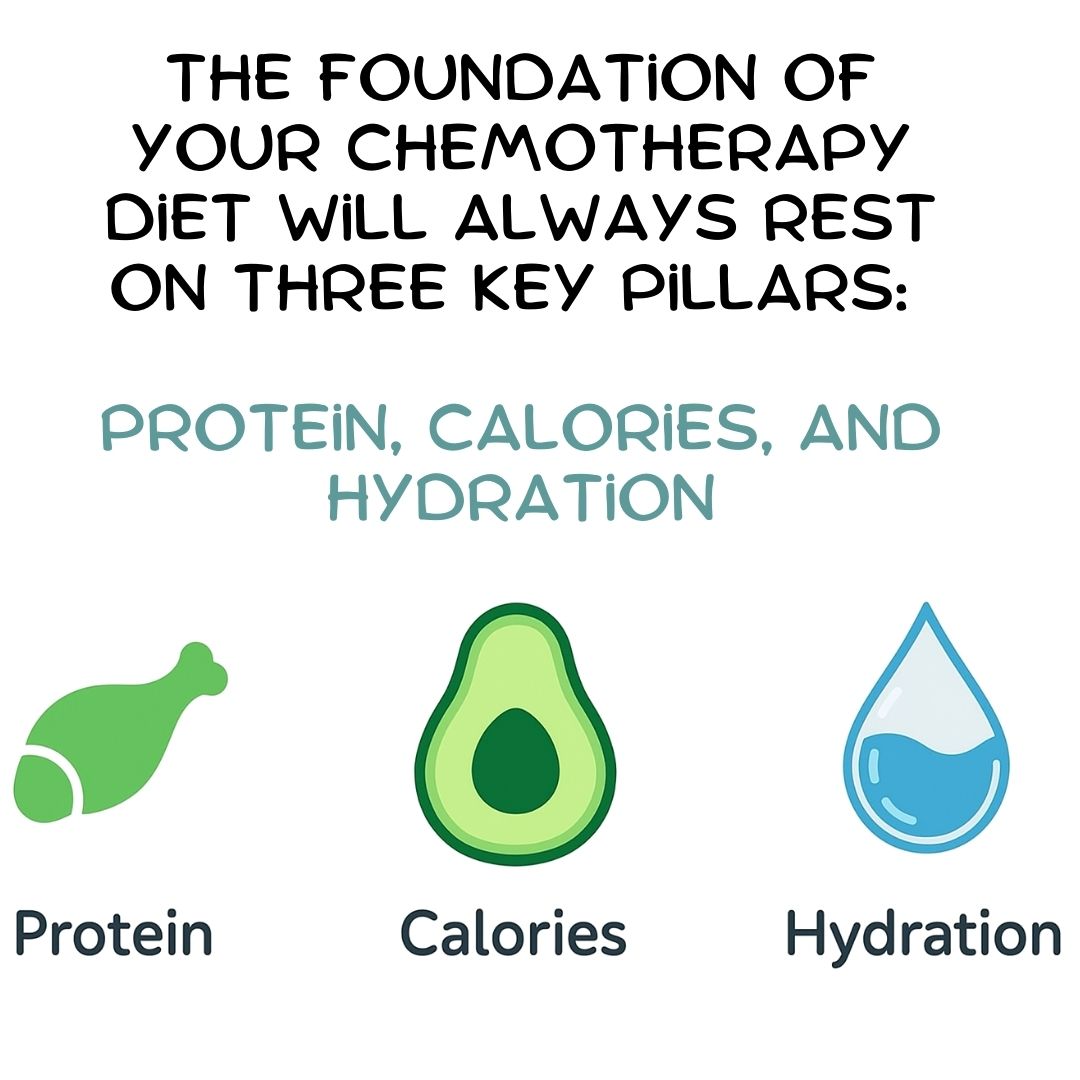
These three elements work together, giving your body the strength, energy, and resources it desperately needs to heal and recover during treatment.
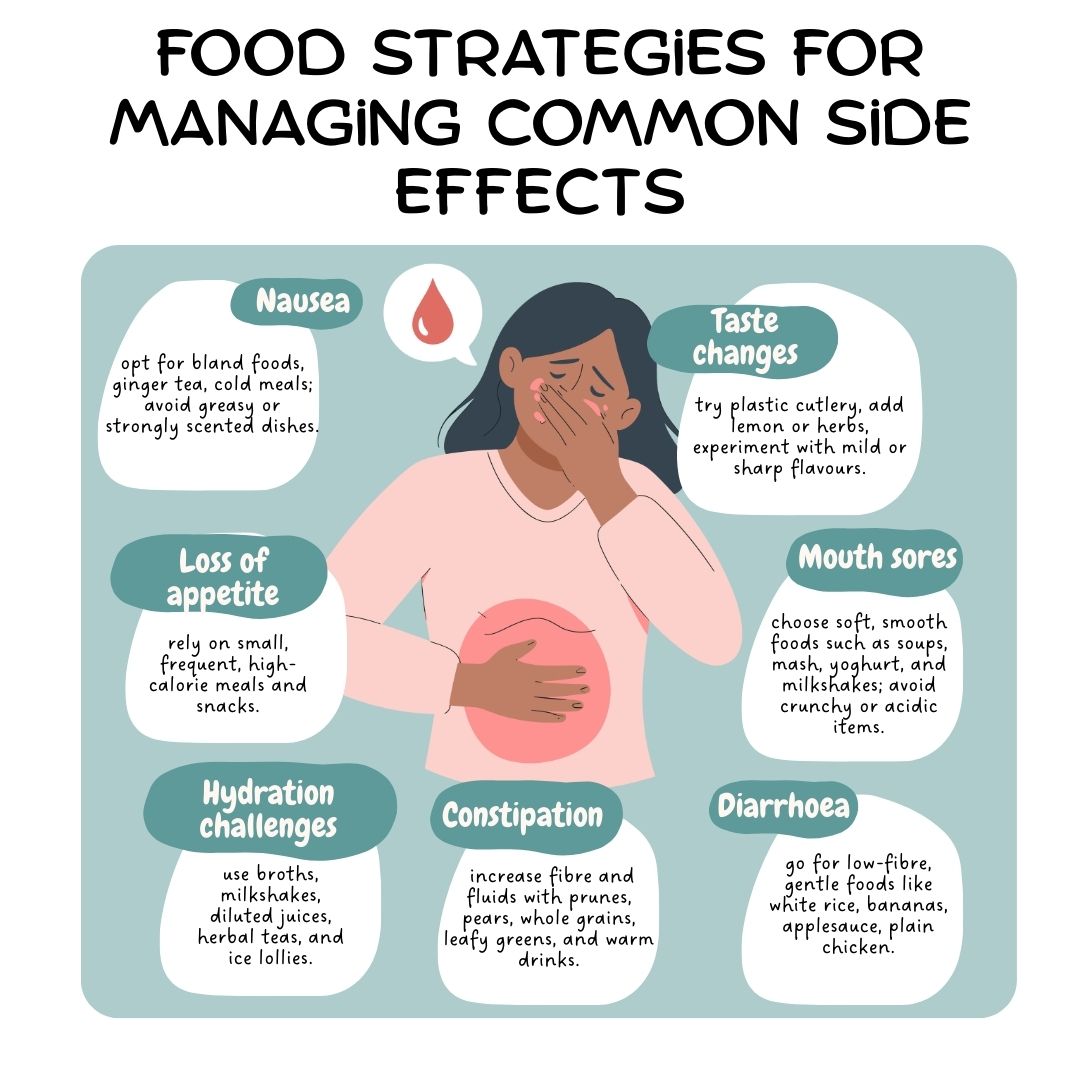
Nausea is one of the most dreaded side effects, but certain foods can help settle a queasy stomach. The trick is to stick with bland, simple items and to eat small amounts often. An empty stomach can actually make nausea worse, so try to keep a little something in there.
Foods that can help include:
It’s also smart to steer clear of foods that are greasy, spicy, or have strong smells, as these can easily trigger that feeling of sickness. Sipping fluids slowly throughout the day, rather than downing a large glass at once, also helps to keep nausea at bay.
One of the most frustrating side effects is when food suddenly tastes bland, metallic, or just wrong. This happens because chemo can affect the cells in your mouth and nose responsible for taste and smell. It's a really common issue, but there are ways to make food more appealing again.
A simple but surprisingly effective trick is to switch to plastic cutlery instead of metal, which can significantly reduce that metallic taste. You can also experiment with new flavours to wake up your taste buds.
If everything tastes bland, try adding tart or sharp flavours like a squeeze of lemon or lime juice to your food and drinks. Conversely, if foods taste too strong, you might want to try more plain options for a while.
Exploring different herbs and spices like rosemary, basil, or mint can also make meals more interesting. For more in-depth strategies, our guide on what to eat when nothing tastes right during cancer has some brilliant tips: https://cancercareparcel.com/eat-when-nothing-tastes-right-during-cancer/
Mouth sores, sometimes called mucositis, can make eating painful and difficult. The goal here is to choose soft, soothing foods that won't irritate your mouth or throat. Think smooth textures and gentle temperatures—nothing too hot, spicy, or acidic.
Gentle food ideas for a sore mouth:
Using a straw can help you bypass sore spots in your mouth when drinking. It's also best to avoid anything crunchy or hard, like crisps, nuts, and crusty bread, as these can cause more irritation.
Your digestive system can become very sensitive during chemotherapy, often leading to either diarrhoea or constipation. The dietary approach you take will depend entirely on which issue you're facing. In addition to these dietary considerations, employing effective chemotherapy nausea management techniques can significantly improve your comfort. Techniques such as ginger tea, small frequent meals, and mindfulness practices may alleviate some of the distress associated with chemotherapy. It’s essential to tailor these strategies to your individual needs for the best results. In addition to these strategies, a comprehensive chemotherapy care package essentials can be beneficial in managing side effects. This package may include items such as oral hygiene products, skin soothing agents, and hydration solutions tailored for patients undergoing treatment. Ensuring you have these essentials on hand can greatly enhance your overall experience and support your recovery process.
For diarrhoea, the focus is on low-fibre, binding foods that are easy to digest. Good choices include:
On the other hand, for constipation, you'll want to increase your intake of fibre and fluids. This helps soften your stool and keep things moving along.
When it comes to common tummy troubles during treatment, looking into the digestive benefits of olive oil could offer some relief, particularly for constipation, as it can act as a natural lubricant for the digestive system. Don't underestimate gentle movement, either, even a short walk can make a big difference.
To make things even easier, here’s a quick-reference table matching common side effects with helpful food strategies.
| Side Effect | Foods to Eat | Foods to Avoid |
|---|---|---|
| Nausea | Bland crackers, toast, ginger tea, cold foods, pretzels, plain chicken | Greasy, fried, spicy foods, anything with a strong smell |
| Taste Changes | Foods with lemon/lime, herbs, spices; use plastic cutlery | Metal cutlery (if metallic taste), overly strong or bland foods (adjust as needed) |
| Mouth Sores | Smoothies, milkshakes, creamy soups, scrambled eggs, mashed potatoes | Crunchy foods (crisps, nuts), acidic foods (citrus, tomatoes), spicy or very hot foods |
| Diarrhoea | Bananas, white rice, applesauce, boiled potatoes, plain chicken or fish | High-fibre foods (whole grains, raw veg), greasy foods, dairy (if sensitive) |
| Constipation | Prunes, pears, oatmeal, leafy greens, plenty of water, warm liquids | Processed foods, large amounts of cheese and red meat, low-fibre refined grains |
Remember, these are just starting points. The most important thing is to listen to your body and find what works for you.
When you’re going through chemotherapy, your immune system takes a real hit, leaving you more open to infections. This means food safety suddenly becomes one of the most important things you can focus on. It’s not just a good idea, it’s a crucial part of your daily routine. Nutrition tips during chemotherapy treatment can help you maintain your strength and energy levels. Focusing on nutrient-dense foods, such as fruits, vegetables, lean proteins, and whole grains, can make a significant difference. Additionally, staying hydrated and avoiding certain foods that might compromise your health is essential for a smoother recovery.
Think of your kitchen as a sanctuary. By following a few straightforward rules, you can create a safe space that helps protect your health and gives you one less thing to worry about. The basic principles are simple: keep everything clean, separate raw from cooked, cook food thoroughly, and chill it fast.
Getting these four habits down can make a massive difference in lowering your risk of picking up an illness from something you've eaten. They are the absolute cornerstones of kitchen safety while you're in treatment.
Your immune system is already working overtime, so the last thing it needs is another battle to fight. Being strict with food hygiene isn't about being paranoid; it's about being smart and proactive. You're giving your body the cleanest, safest fuel possible to help it recover.
While you're on treatment, it's a wise move to press pause on certain foods that have a higher risk of carrying harmful bacteria. Your oncology team or dietitian will give you personalised advice, but there are some common culprits that everyone should be wary of.
Food safety is a real concern for people with cancer. Official advice from health organizations strongly recommends steering clear of things like mould-ripened cheeses (brie, camembert), raw eggs, and unpasteurised dairy. One survey really brought this home, finding that 15% of cancer patients reported getting food poisoning during chemo, often from these higher-risk foods.
Here’s a quick list of foods to handle with extra care or avoid for now:
To keep your kitchen a truly safe zone, it helps in understanding the risks of consuming moldy food, which is even more important when your immunity is low. Keeping up with these safety practices doesn't just protect you from getting sick; it also helps support your digestive system, which is under enough stress as it is. For more on this, have a read of our article on the importance of gut health during cancer treatment.
Trying to figure out what a full day of eating looks like can feel overwhelming, so let's walk through a sample plan. Think of this less as a strict rulebook and more as a flexible guide to show how you can weave these nutritional ideas into your day. It’s built around eating five or six smaller meals and snacks, which many people find easier to manage than three large meals, helping keep energy levels more consistent.
The most important thing is to listen to your body. If a smoothie sounds awful but a simple slice of toast sounds good, go with the toast. Your preferences and tolerance can change day by day, and that's completely normal.
To make this even clearer, here’s a sample schedule that shows how you might structure your meals and snacks to maximise nutrition and manage your appetite.
| Time of Day | Meal or Snack Idea | Nutritional Benefit |
|---|---|---|
| 8 AM | High-Protein Smoothie: Blended with full-fat milk, a scoop of unflavoured protein powder, a banana, and smooth almond butter. | Gentle on the mouth, easy to digest, and packed with protein for repair and calories for energy. Great for hydration. |
| 11 AM | Mid-Morning Snack: A small pot of full-fat Greek yoghurt with a few soft berries. | Provides a good dose of protein and probiotics for gut health. The creamy texture is often soothing. |
| 1 PM | Light Lunch: A simple, warm chicken and vegetable soup with soft noodles or rice. | The broth is hydrating and comforting. Provides lean protein from the chicken and is gentle on the digestive system. |
| 4 PM | Afternoon Pick-Me-Up: Half an avocado mashed onto a slice of soft, crustless white toast. | A great source of healthy fats and calories for a sustained energy boost. The bland toast is easy on the gut. |
| 7 PM | Nourishing Dinner: A small fillet of baked white fish (like cod) with mashed sweet potatoes and steamed carrots. | Flaky white fish is an excellent, easy-to-digest source of lean protein. The soft mash is gentle and energy-rich. |
Remember, this is just one example. You can swap out any of these ideas for something that appeals more to you on a particular day.
Your best tool is flexibility. Feel good enough to add a poached egg to your avocado toast? Brilliant! If not, the toast alone is still a great choice. Go with what works for you in the moment.
For more practical ideas and recipes specifically created for people undergoing treatment, our guide on cooking for chemo is full of inspiration. The goal is simply to get consistent, gentle nourishment into your body, not to follow a perfect plan. These nourishing recipes are designed to be easy on the stomach and provide the essential nutrients your body needs during this challenging time.
While the tips in this guide are a great starting point, it's so important to know when to call in the experts. You don't have to figure all of this out on your own, and a registered dietitian can be one of the most valuable members of your cancer care team.
Think of them as your personal nutrition strategist. They have years of specialised training focused entirely on helping people with cancer get the nourishment they need. Taking control of your diet is fantastic, but getting that professional guidance ensures you’re on the safest and most effective track.
Knowing when to put your hand up and ask for help is a crucial part of looking after yourself. Some symptoms are clear signals that your body needs more specialised support than general advice can offer.
You should definitely reach out to your doctor or oncology team for a referral if you’re experiencing any of these:
A dietitian cuts through all the confusing advice and creates a plan that's just for you. Their job is to make eating less of a battle, helping your body stay as strong as possible.
A registered dietitian offers so much more than a generic meal plan. They’ll take a close look at your specific cancer, your treatment plan, the side effects you're having, and even your personal food preferences to build a strategy that fits your life.
Here's how they can help:
Chatting with a dietitian gives you access to expert care designed for your unique situation, which can make a world of difference in helping you feel more in control.
Let's tackle some of the most common questions that come up when you're trying to figure out what to eat during chemotherapy. Think of this as a quick-reference guide for you and your family. As you prepare for treatment, it’s also important to consider what to pack for chemotherapy sessions. Bringing along your favorite snacks, a cozy blanket, and entertainment can help make the experience more comfortable. Don't forget to include any medications or personal items that you may need during your time at the clinic. As you navigate chemotherapy treatment preparation tips, remember the importance of staying hydrated and maintaining a balanced diet to support your immune system. Consider discussing any dietary restrictions or preferences with your healthcare team to ensure you are meeting your nutritional needs. It's also beneficial to connect with support groups, as they can offer valuable insights and share their own experiences.
It's a question we hear all the time. You want to do everything you can to help your body, and reaching for vitamins seems like a logical step. But this is one area where you absolutely have to be careful.
You must talk to your oncology team before taking any supplements, that includes vitamins, minerals, or even herbal remedies you might see online. Some of these can actually interfere with how well your chemotherapy works or cause unexpected side effects. Your doctor or dietitian is the only one who can give you the green light on what’s safe for you. One supportive option to discuss with your healthcare provider is the benefits of cold caps during chemotherapy, as they may help reduce hair loss. Understanding the potential advantages and limitations of such therapies is crucial in making informed decisions about your treatment plan. Always prioritize conversations with your oncology team to ensure that any additional interventions complement your overall care strategy.
Staying hydrated is non-negotiable, but let's be honest, sometimes plain water is the last thing you want. Especially when your taste buds are all over the place. The good news is, plenty of other things count towards your fluid intake and can even sneak in some extra nutrition.
Some great alternatives to water include:
Sometimes, the thought of cooking is just too much. Getting a takeaway can feel like a welcome treat, but you do need to be a bit more cautious while your immune system is low.
The best advice is to stick with places you know and trust to have excellent food hygiene standards. When you order, choose dishes that are thoroughly cooked. For now, it's best to avoid high-risk items like salad bars, sushi, raw seafood, or anything undercooked. A little extra care means you can still enjoy a break from the kitchen without the worry.
We strongly advise you to talk with a health care professional about specific medical conditions and treatments.
The information on our site is meant to be helpful and educational but is not a substitute for medical advice.
Discover How Exercise Reduces Cancer Risk, Improves Treatment Results, And Supports Long-Term Recovery
Discover 68 Thoughtful And Comforting Gifts For Chemo Patients. From Practical To Pampering, Find The Perfect Way To Show Your Love And Support.
Even amid treatments and tough days, life offers moments worth celebrating, bring connection, meaning, and strength. This guide shows how to honour milestones and cherish everyday moments without pressure.