Receiving a diagnosis of stage 4 bowel cancer is, without a doubt, a frightening and overwhelming moment. To put it simply, this diagnosis means the cancer is no longer confined to the bowel; it has travelled to other parts of the body, usually the liver, lungs, or sometimes bones or distant lymph nodes. This process of spreading is called metastasis, and it changes everything about how treatment is approached.
The word "stage 4" can feel like a sudden wall has come up. But understanding exactly what it means, what treatment options exist, and how to manage day-to-day life can help you regain some sense of control. This guide is written to give you straightforward, accurate information so you can have clearer conversations with your medical team, make decisions that feel right for you, and protect your quality of life as much as possible.
When you hear the words "stage 4," it's natural for your mind to race with questions. It’s important to understand that this stage isn’t determined by the size of the original tumour but by how far it has spread. It means cancer cells have broken away, moved through the bloodstream or lymphatic system, and started growing in distant places
A helpful way to describe this is to think of stage 4 bowel cancer as a dandelion that has gone to seed. The flower represents the primary tumour, while the seeds represent cancer cells. When the wind catches the seeds, they float away and can land anywhere in the garden, where they might start to grow in places like the liver, lungs, or bones. That’s why two people with the same primary tumour size can have very different stages.
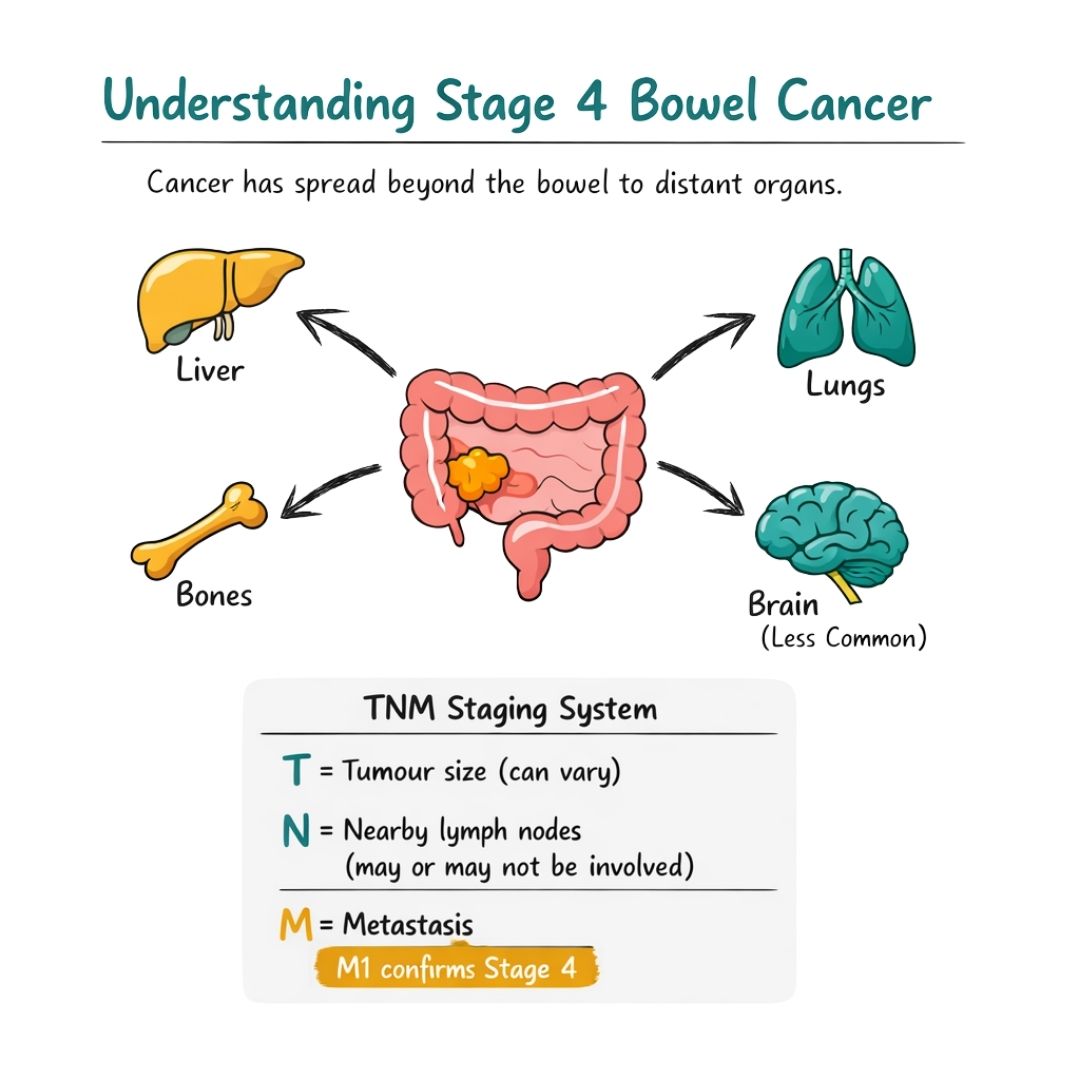
To get a much more detailed picture, your oncology team will use the TNM staging system. This isn't just a medical term; it's a framework that gives them a precise description of the cancer, which is absolutely vital for mapping out the best course of treatment for you.
Each letter in TNM stands for a different piece of the puzzle.
Here is a simplified table to help understand the TNM system and its components.
| Component | What It Measures | Relevance to Stage 4 |
|---|---|---|
| T (Tumour) | Describes the size of the original (primary) tumour and how deeply it has grown into the bowel wall. | The T stage can vary, but it is not decisive for stage 4 |
| N (Node) | It shows if the cancer has spread to nearby lymph nodes (small glands that are part of the immune system). | Cancer may or may not be present in the lymph nodes. |
| M (Metastasis) | This is the most important Letter for a Stage 4 diagnosis. It confirms whether the cancer has spread to distant organs. | It will be marked as M1, confirming metastasis has occurred. |
For any stage 4 bowel cancer diagnosis, the 'M' will always be M1; the T and N can vary. Knowing your specific TNM stage can empower you to have clearer, more detailed conversations and help your medical team plan treatment more precisely. For a deeper dive into this topic, our guide to metastatic cancer offers more context on how and why cancers spread.
While cancer cells can theoretically travel anywhere, they often follow predictable paths. The location of these secondary tumours, or metastases, has a big impact on the symptoms you might experience and the treatments your medical team will recommend.
By far, the most common site for bowel cancer to spread is the
Liver metastases might cause abdominal pain or jaundice; lung metastases might cause shortness of breath or coughing.
An advanced cancer diagnosis is a life-altering event that requires a clear understanding of the medical facts. Stage 4 signifies that the disease has spread, and it is the point where a comprehensive, multi‑faceted treatment plan becomes essential for managing the condition and preserving quality of life.
Bowel cancer is a significant global health challenge and among the most commonly diagnosed cancers worldwide. Outcomes depend greatly on the stage at diagnosis, and research shows that many cases could be prevented through screening and lifestyle changes. Understanding your diagnosis is the first and most important step forward.
Having stage 4 bowel cancer is an incredibly tough moment. But it's important to understand what treatment means at this point. The focus isn't just about fighting the disease; it's about controlling its growth, easing symptoms, and making sure you have the best possible quality of life. Thankfully, the range of available treatments is wider and more effective than ever before.
Your oncology team will map out a treatment plan that’s built around you. They'll consider where the cancer has spread, your general health, and even the specific genetic signature of the cancer cells. This isn’t a one-size-fits-all situation; it’s a collaborative plan designed for your unique circumstances.
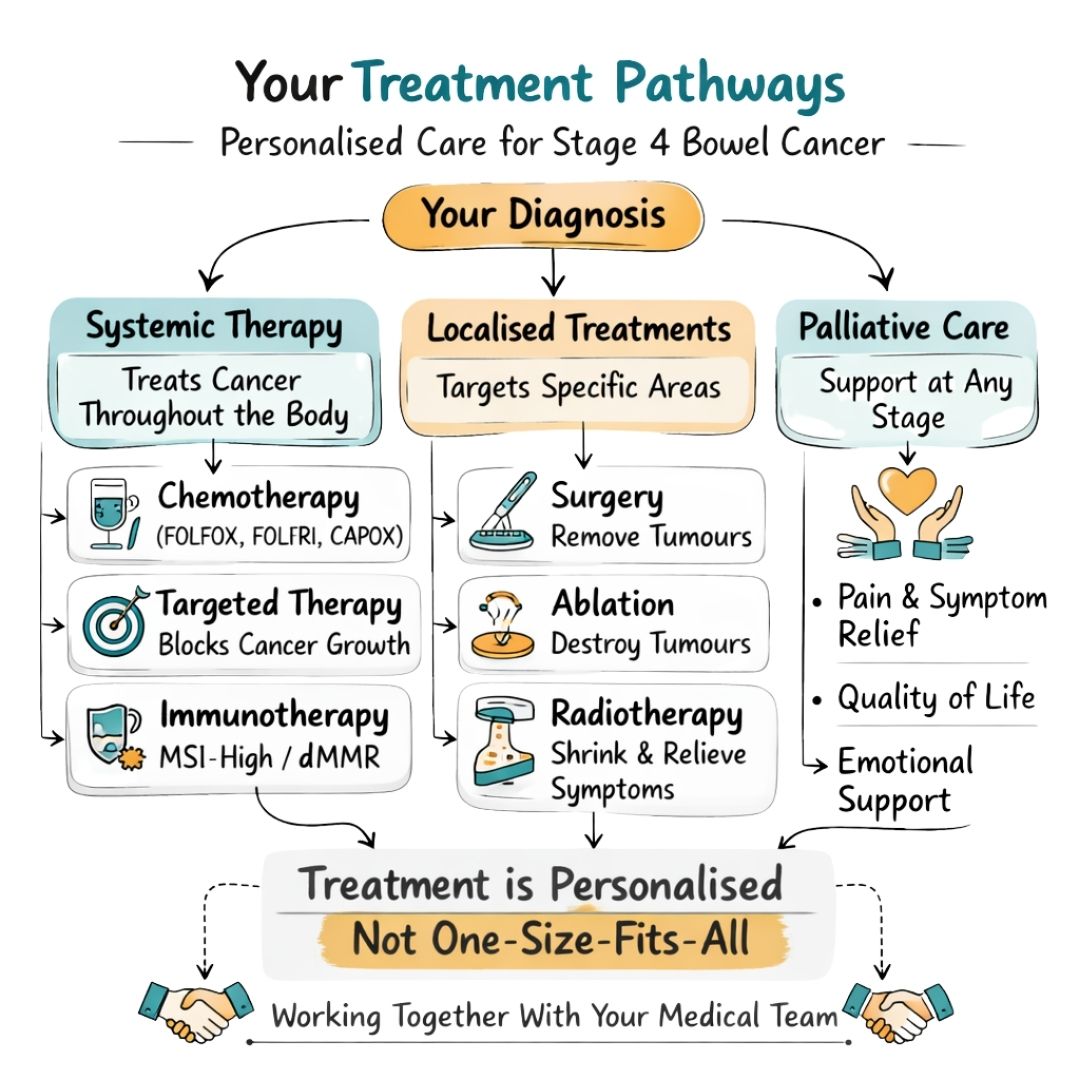
When cancer spreads to other parts of the body, treatments must be able to reach those areas as well. That’s where systemic therapies come in; they work by circulating through the bloodstream to target cancer cells wherever they are.
Chemotherapy has been the cornerstone of systemic treatment. These powerful drugs are designed to attack cells that divide quickly, a classic trait of cancer. Chemotherapy is usually given in cycles, with rest periods in between to allow the body to recover. There are many different drugs and combinations available, including well‑known regimens such as FOLFOX, FOLFIRI, or CAPOX. Your medical team will choose the best approach that suits your type of bowel cancer.
You can learn more about common regimens like FOLFOX in our detailed guide.
Modern cancer care has moved significantly towards precision. Instead of a one-size-fits-all approach, treatments are increasingly selected based on the unique biological characteristics of a patient's tumour, leading to more effective and less toxic therapies.
Beyond chemotherapy, the world of personalised medicine is changing the game for stage 4 bowel cancer. These aren't blanket treatments; they're chosen based on specific molecular "markers" found on or inside your cancer cells.
Two of the most important types are:
These therapies mark a huge step forward, shifting treatment from a broad attack to a highly specific, individualised strategy.
Even when cancer has spread, treatments focused on a particular area can play an important role in overall care. These localised therapies aim to remove or destroy tumors confined to a specific organ, most often the liver or lungs, helping to control the disease and support broader treatment strategies.
Surgery can still be a powerful option. If the cancer has only spread to a few, well-defined spots in the liver or lungs, a surgeon may be able to remove them. It’s a major operation, but for the right person, it can lead to long-term disease control.
Other localised techniques might also be on the table:
Your medical team will carefully consider whether localised treatments could be beneficial. Every decision involves a thoughtful balance, weighing the potential benefits against the physical demands and risks of the procedure itself.
Discussing prognosis is often one of the most difficult and emotionally charged conversations after a stage 4 bowel cancer diagnosis. Faced with numbers and statistics, it can feel as though your future has been reduced to a spreadsheet. Yet it’s vital to remember that these figures are only broad guidelines, not fixed predictions carved in stone.
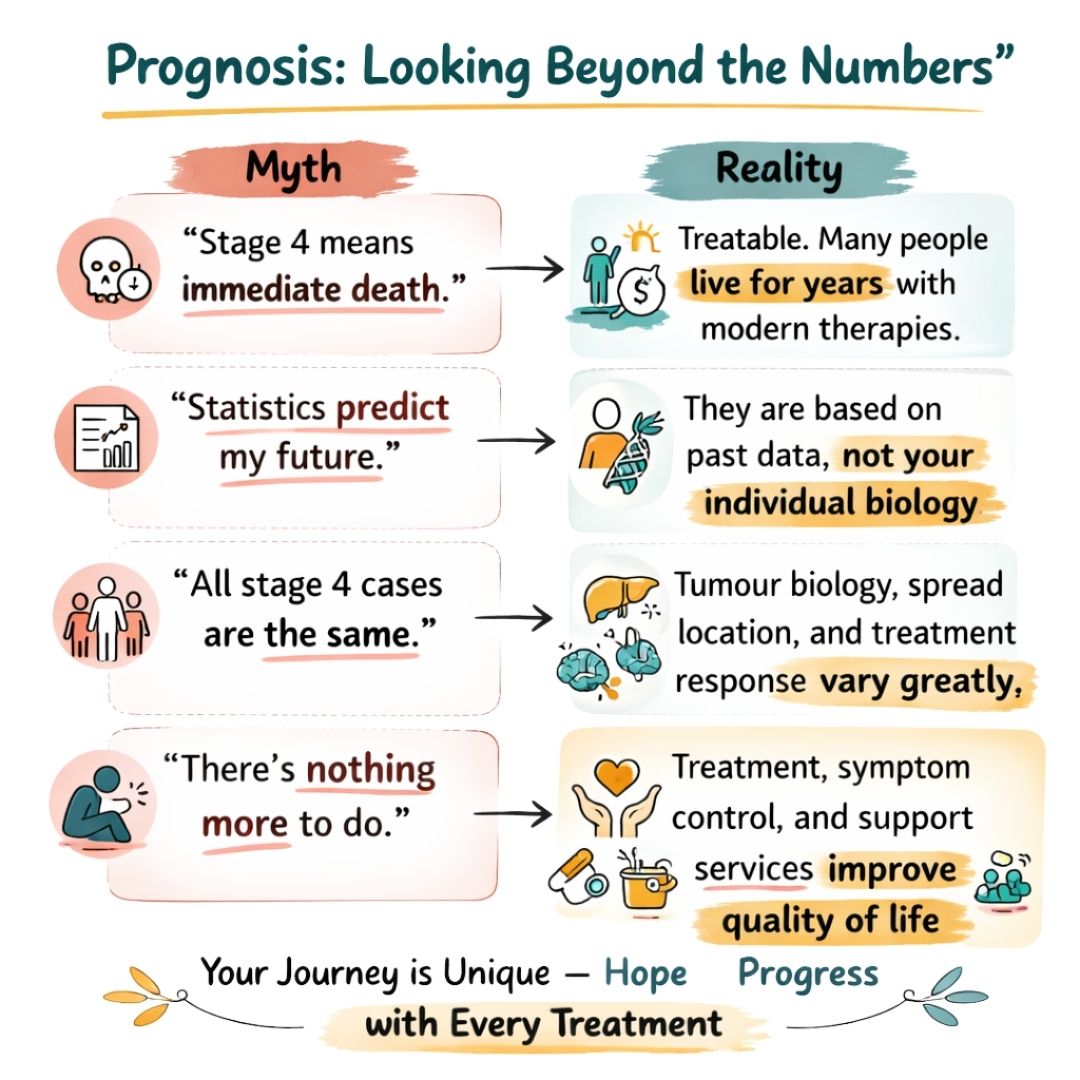
Survival statistics are drawn from the experiences of large groups of people diagnosed in the past. They give a broad picture of what outcomes have looked like for others, but cannot predict what will happen to you as an individual. Your journey depends on a combination of things unique to you, your overall health, how your cancer responds to treatment, the specific biology of your tumour, and more. Factors that no statistic can fully capture.
Survival statistics are a valuable tool for doctors to understand trends and for researchers to measure progress. For patients, however, they should be viewed as background information, not a definitive prediction of their personal outcome.
An individual's prognosis with stage 4 bowel cancer depends on several key factors, creating a much more detailed and personal picture than broad statistics can provide. Each of these elements makes your situation unique and guides the treatment plan designed specifically for you.
Your personal outlook is influenced by:
It’s important to remember that survival statistics are always based on the past. The figures we have today reflect the experiences of patients diagnosed years ago, often treated with therapies that are now outdated. Medical science is constantly advancing, new treatments and refined strategies are improving outcomes all the time, meaning the future may look very different from the numbers you see today.
Bowel cancer continues to be a major health challenge worldwide. It is the third most commonly diagnosed cancer in men and the second in women, claiming millions of lives across the globe. Yet the broader picture tells a story of remarkable progress. In many countries, mortality rates have been steadily declining for decades, thanks to advances in screening and the development of more effective treatments. With ongoing medical research driving innovation, this positive trend is expected to continue, offering hope for even better outcomes in the future.
Thinking about prognosis is never easy, but realising it's far more than just a number can be incredibly empowering. For more perspective on why cancer should not automatically be seen as a death sentence, you may find our article “Is Cancer A Death Sentence?” helpful. The most important thing is to work closely with your healthcare team to build the best possible care plan, tailored to your individual circumstances and supported by the latest treatments available.
When you're living with stage 4 bowel cancer, you quickly realise that life isn't just about hospital visits and treatment schedules. It's about finding ways to manage the day-to-day realities of the illness so you can as fully and comfortably as possible. This means taking an active role in handling symptoms and side effects to protect your quality of life.
The cornerstone of this is building a strong, open relationship with your medical team. Think of them as your expert partners. They are there to help with everything from nagging pain and nausea to the profound fatigue that can set in. Never be afraid to speak up about new or worsening symptoms. What feels like a minor complaint to you might be something they can easily solve, making a huge difference to your daily comfort.
The symptoms of advanced bowel cancer often overlap with the side effects of treatment, creating a complex set of challenges. Fatigue, for example, is almost universal, and it’s more than simple tiredness; it’s a deep, persistent exhaustion that rest alone may not relieve. Pain management, appetite changes, and digestive difficulties are also common hurdles that require careful attention.
Every treatment, whether it's chemotherapy, a targeted drug, or immunotherapy, comes with its own list of potential side effects. Knowing what to expect can make these feel far less daunting if and when they appear.
Here’s a quick look at some of the most common issues and some practical ways to manage them.
| Side Effect | Common Causes | Management Tip |
|---|---|---|
| Nausea & Vomiting | Chemotherapy, Targeted Therapy | Try eating little and often instead of three big meals. Your doctor can also prescribe excellent anti-sickness medications to take beforehand. |
| Fatigue | Cancer, Chemotherapy, Immunotherapy | Listen to your body and rest when you need to, but also try gentle movement. A short walk can surprisingly give you an energy boost. |
| Skin Rashes | Targeted Therapy (especially EGFR inhibitors) | Be kind to your skin. Use gentle, alcohol-free moisturisers and a good sun cream. Your team can recommend specific creams to soothe irritation. |
| Diarrhoea | Chemotherapy, Targeted Therapy, Cancer itself | Hydration is key. Sip water or electrolyte drinks. It’s wise to avoid high-fibre, spicy, or greasy foods until things settle down. |
| Mouth Sores | Chemotherapy | A soft toothbrush and good oral hygiene are essential. Sucking on ice chips during your chemo infusion can sometimes help prevent sores from forming. |
Your oncology nurse is highly skilled in managing side effects. They bring a wealth of practical advice and can work closely with your doctor to adjust medications or introduce supportive treatments that help you feel as well as possible. For anyone whose treatment might involve surgery affecting bowel function, it's important to understand what that means; our guide on what a colostomy is provides a clear and detailed explanation.
There’s a common and harmful misconception about palliative care that needs to be cleared up. It is not just "end-of-life" care, it's far from it. Palliative care is a specialised area of medicine focused entirely on improving quality of life by managing the symptoms, pain, and reducing the stress of serious illness.
Palliative care is built on a partnership between you, your family, and your healthcare team. Its purpose is to provide an additional layer of support from the moment of diagnosis, ensuring that both your physical and emotional needs are met throughout your entire treatment journey.
This support can, and ideally should, begin right after a stage 4 diagnosis. The palliative care team works alongside your oncologist, not in place of them. They are experts in controlling difficult symptoms such as pain or nausea, while also providing crucial emotional and practical support. A key part of this is ensuring you have comprehensive support to enhance your comfort, which can include exploring palliative care services at home. For more on this, see Palliative Care Services at Home Explained and End-of-Life Care at Home.
Ultimately, managing your day-to-day life is a constant, active process. By staying informed, keeping communication open with your care team, and using supportive services, you can regain a sense of control and protect your comfort and dignity.
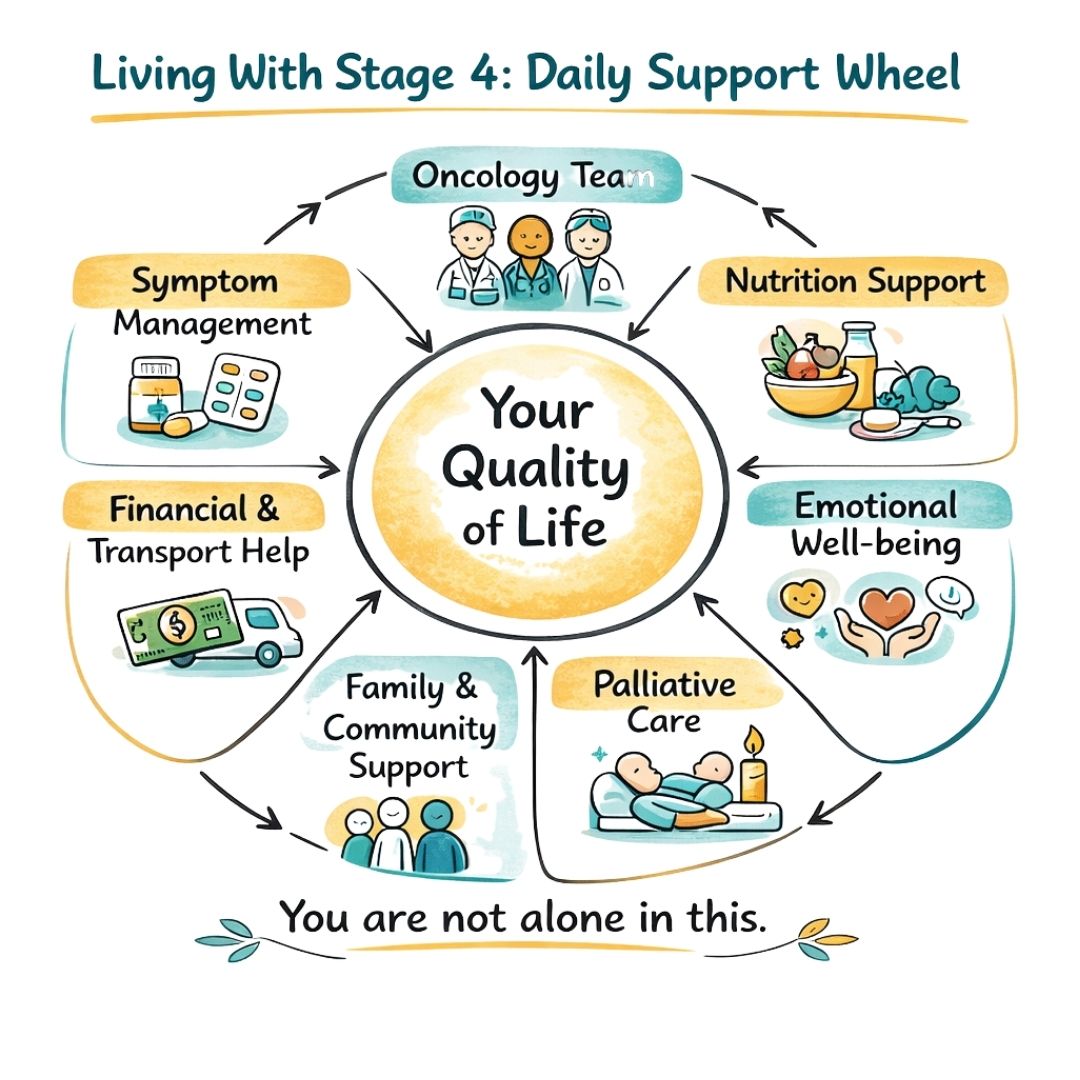
Hearing you have stage 4 bowel cancer is a moment that changes everything. It’s a journey you shouldn't have to face on your own. Cancer’s impact reaches far beyond the physical; it touches every part of your life and deeply affects the people who care about you most.
Building a strong network of care isn’t just helpful, it’s essential for protecting your overall well‑being. This journey demands both emotional resilience and practical support. Reaching out may feel difficult, but it’s a true sign of strength. Learning how to ask for help is one of the most powerful first steps you can take.
Remember, your medical team is only one part of a much larger support system. Family, friends, and community resources all play a vital role in helping you and your loved ones navigate the challenges ahead. Together, they form the foundation that allows you to face treatment with strength and dignity.
The emotional weight of an advanced cancer diagnosis can feel immense. It’s completely normal to feel a mix of fear, anxiety, and deep uncertainty. The key is to acknowledge these feelings, not ignore them, and to find resources that help you navigate them.
Many people find incredible comfort in connecting with others who are on a similar path. It’s a powerful reminder that you aren’t alone. and that shared experiences can bring strength and perspective. support can come from:
Acknowledging and addressing your emotional needs is not a secondary concern; it is a central part of your cancer care. Your mental health directly influences your ability to cope with treatment and maintain your quality of life.
Making your mental health a priority is vital. For more detailed advice, you may find our article on mental health support strategies for cancer patients helpful.
Alongside the emotional challenges, living with stage 4 bowel cancer comes with a long list of practical hurdles. Juggling hospital appointments, household responsibilities, and financial worries can create a huge amount of stress. The good news is that many organisations exist specifically to help ease these burdens.
Practical support can come in many forms, including:
This is exactly why we do what we do at Cancer Care Parcel. Our mission is to provide trusted, practical support when it matters most. We create evidence‑based guides to give you clear answers, run expert‑led workshops to help you feel more in control, and design thoughtful care parcels to bring comfort during difficult times. Our goal is to be a reliable part of your support network, making sure you and your family have the resources you need to face this journey together.
Hearing the words “stage 4 bowel cancer” can bring a flood of questions all at once. It's completely normal to feel overwhelmed and need clear, straightforward answers. This section addresses some of the most pressing concerns for patients and families, offering clarity and reassurance.
This is usually the first and most urgent question on anyone's mind, and the honest answer isn't a simple yes or no. A complete cure, in the traditional sense, is rare for stage 4 bowel cancer. However, it is absolutely treatable. The focus of today’s advanced treatments is to slow or stop the cancer’s spread, shrink existing tumours, and manage symptoms, all with the goal of extending life and preserving quality of life.
That said, there are situations where hope for long‑term remission is stronger. For some patients whose cancer has spread only to a few specific areas, such as limited spots in the liver or lungs, an aggressive treatment plan may be possible. This can involve a combination of chemotherapy, targeted therapies, and surgery to remove every last trace of visible cancer. While oncologists are cautious about using the word “cure,” these are the scenarios where the chances of long‑term, disease‑free survival are highest.
Yes, they can, but it’s important to understand their role. No diet, supplement, or lifestyle change can cure stage 4 bowel cancer on its own. Let's be very clear about that. Their real power lies in supporting your body and mind through the challenges of treatment.
Making thoughtful choices about nutrition and activity can make a big difference in how you feel from day to day.
Light physical activity, if approved by your doctor, can be just as beneficial. It can lift your mood, boost energy, and help preserve muscle strength. Just remember, before starting any new diet, supplement, or exercise plan, it’s essential to consult your oncology team. They can ensure that your choices won’t interfere with your primary treatment and will guide you toward safe, supportive options.
Palliative care is one of the most misunderstood aspects of cancer treatment, but it's also one of the most valuable. Many people mistakenly think it’s only for the very end of life, but that’s not the case. Palliative care is a specialised branch of medicine focused on relieving symptoms, easing pain, and reducing the stress that comes with a serious illness. Its purpose is to improve your quality of life, for both you and your family.
Think of palliative care as an extra layer of support that works alongside your main cancer treatment. Ideally, palliative care should be introduced early, helping to manage symptoms before they become overwhelming and making your journey more comfortable.
You may want to consider palliative care as soon as you’re diagnosed. The palliative team are experts in managing complex issues such as pain, nausea, fatigue, and anxiety. They collaborate closely with your oncologist to ensure your treatment experience is as manageable and dignified as possible.
Sharing this kind of news is incredibly personal, and there’s no single "right" way to do it. It can feel daunting, but the most important thing to remember is that you are in control of these conversations.
Here are some approaches that may help:
Remember, you don’t have to figure this out alone. Many cancer support organisations offer excellent guides and counsellors who can help you prepare for these conversations with the people you love.
We strongly advise you to talk with a health care professional about specific medical conditions and treatments.
The information on our site is meant to be helpful and educational but is not a substitute for medical advice.
This article explores common myths, explains how palliative care works alongside treatment, and highlights the emotional, physical, and family support it can provide throughout the cancer journey.
Stage 4 blood cancer can sound frightening, but it does not always mean the end of the road. This compassionate guide explores diagnosis, treatment, prognosis, and the support available to help you move forward.
Cancer doesn’t discriminate in age, and I want to be a young advocate for others to know that it can happen to anyone.