Radiotherapy for breast cancer uses carefully aimed, high-energy beams to destroy cancer cells and, most importantly, to lower the risk of the cancer coming back. It’s a very common treatment given after surgery to mop up any microscopic cancer cells that might still be hanging around in the breast, chest wall, or nearby lymph nodes.
Imagine radiotherapy as a highly targeted clean-up crew. After the main tumour has been surgically removed, radiotherapy comes in to act as a crucial safety net, making sure any rogue cells are dealt with. This significantly reduces the chance of the cancer returning to the same area, making it a standard and incredibly effective part of treatment for so many people.
So, how does it work? These high-powered energy beams damage the genetic material (the DNA) inside cancer cells. Because cancer cells divide much more quickly than healthy cells, they are particularly susceptible to this kind of damage and aren't very good at repairing themselves. This ultimately causes them to die.
Radiotherapy is almost always recommended after breast-conserving surgery (often called a lumpectomy). When only the lump is removed, giving radiation to the rest of the breast tissue is vital for eradicating any leftover cancer cells. In fact, studies show this approach can slash the recurrence rate by about 50%.
It's also a common part of the plan in other scenarios, including:
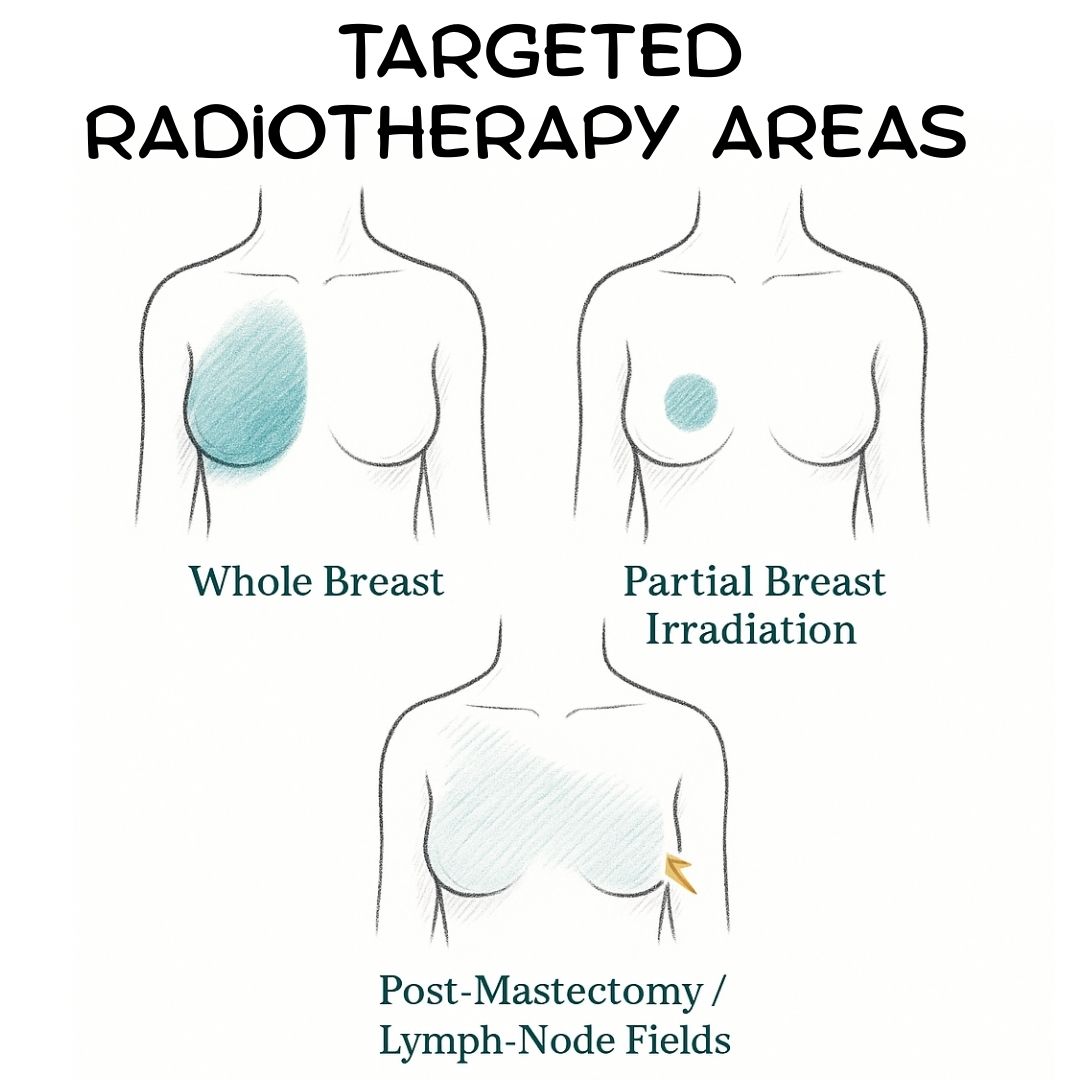
Radiotherapy is a cornerstone of modern breast cancer care, precisely targeting the treatment area to maximise effectiveness while protecting surrounding healthy tissues like the heart and lungs.
The thought of radiation can be intimidating, but it helps to see it for what it is: a precise and powerful tool on your road to recovery. Modern techniques have come a long way, allowing your care team to deliver treatment more safely and effectively than ever before. For a general overview of what to expect, you can find helpful information in our guide to radiotherapy treatment.
Your oncology team will look carefully at your specific diagnosis to decide if radiotherapy is the right next step. This decision will be based on the type of surgery you had, the unique features of the cancer, and your general health. The goal is always the same: to create a treatment plan that gives you the best possible long-term outcome and helps you move forward with confidence.
When you hear the word ‘radiotherapy’, it’s easy to picture just one thing. But just like breast cancer surgery isn't a one-size-fits-all procedure, radiotherapy comes in several different forms. Your cancer care team will carefully consider your individual diagnosis, the type of surgery you had, and your general health to recommend the approach that will work best for you.
Let’s walk through the main types of radiotherapy you’re likely to come across, starting with the most common.
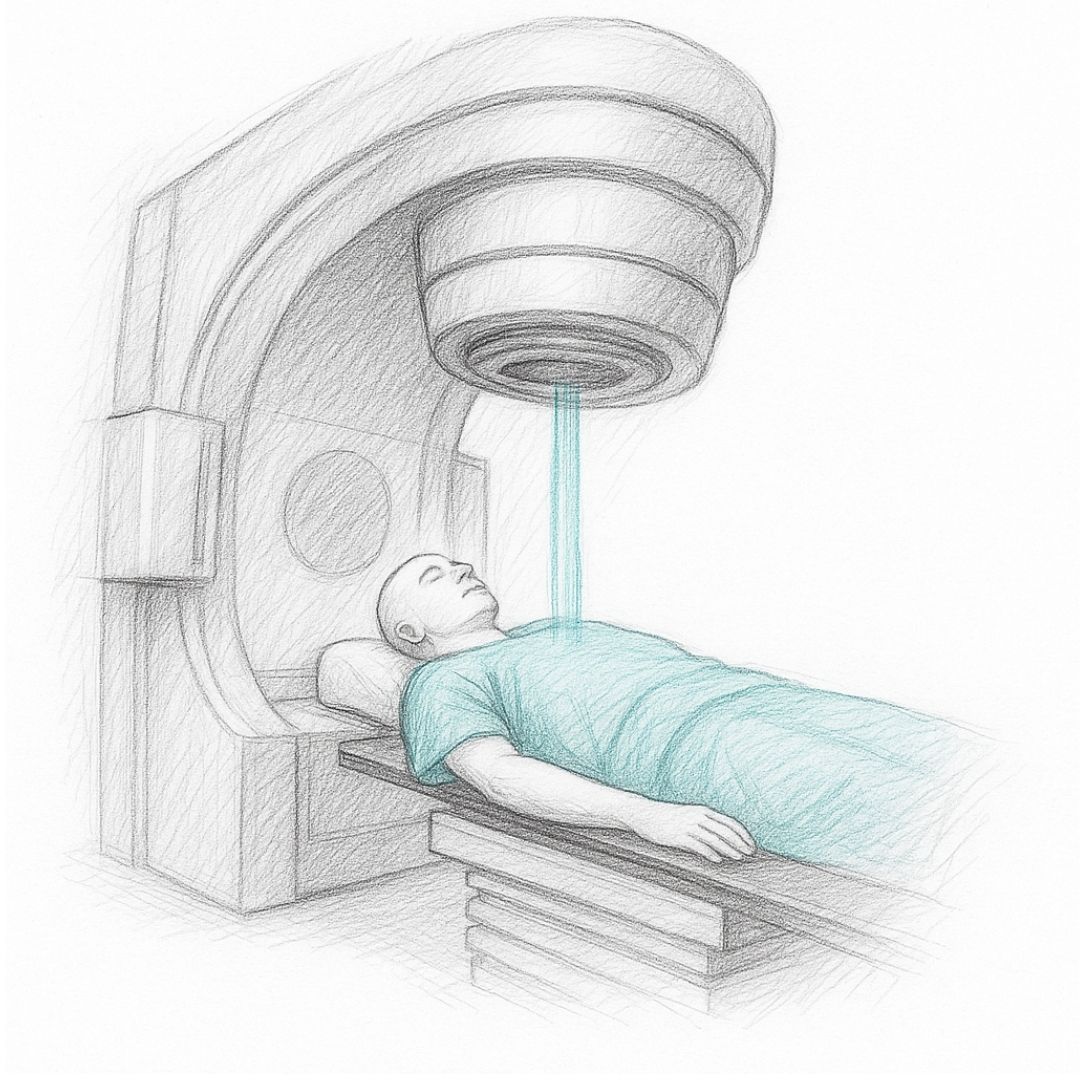
The vast majority of people having radiotherapy for breast cancer will have External Beam Radiotherapy, often shortened to EBRT. The easiest way to think about it is like having a very powerful, highly focused X-ray.
You’ll lie on a special treatment couch while a machine, called a linear accelerator (or 'linac'), moves around you. It directs beams of radiation to the precise area that needs treating, but it never actually touches you. This is the go-to method for treating the whole breast area, the chest wall if you’ve had a mastectomy, and sometimes the nearby lymph nodes in your armpit or collarbone area.
With EBRT, the total dose of radiation is split into smaller daily treatments called ‘fractions’. This is a clever way of giving the healthy cells in the treatment area a chance to repair themselves between sessions, while the cancer cells – which are much worse at self-repair – are steadily worn down and destroyed.
While EBRT is a tried-and-tested workhorse, the world of oncology is always moving forward. Researchers and clinicians have developed cleverer techniques that can target the radiation more precisely or get the job done in a shorter amount of time.
Here are a couple of other common approaches you might hear your team discuss:
Partial Breast Irradiation (PBI): Instead of treating the whole breast, this technique focuses only on the area where the tumour was removed (the 'tumour bed') plus a small safety margin. It's an excellent option for some people with early-stage cancer and means the course of treatment can be much shorter.
A Radiotherapy ‘Boost’: Sometimes, after a course of whole-breast radiotherapy is finished, your team might recommend an extra, more concentrated dose of radiation aimed directly at the tumour bed. This ‘boost’ gives an added layer of protection to reduce the chances of the cancer ever coming back in that spot. It’s particularly common for younger women or if the tumour had certain high-risk features.
There are many different radiotherapy techniques out there, and your team will choose the best one for your specific needs. The table below gives a quick overview of some common approaches.
This table provides a snapshot of the different radiotherapy techniques, their typical duration, and who they are most suitable for.
| Radiotherapy Type | Typical Duration | Best Suited For |
|---|---|---|
| Whole Breast EBRT (Conventional) | 3-4 weeks | The traditional standard for most people after lumpectomy. |
| Hypofractionated Whole Breast EBRT | 1-3 weeks | The new standard for most early-stage breast cancers after lumpectomy. |
| Partial Breast Irradiation (PBI) | 1 week or less | People with small, early-stage, low-risk tumours. |
| Radiotherapy 'Boost' | 1-4 extra days | Often added after whole breast treatment, especially for younger people or those with higher-risk features. |
| Post-Mastectomy Radiotherapy | 3-4 weeks | People who have had a mastectomy but are at higher risk of the cancer returning in the chest wall or lymph nodes. |
Your oncologist will explain exactly why they are recommending a particular schedule for you, but this gives you a general idea of the options.
A key goal in modern radiotherapy is to deliver an effective dose of radiation in the safest and most convenient way possible. This means constantly refining techniques to shorten treatment times without compromising outcomes.
For a deeper dive into these and other methods, our collection of radiotherapy guides offers further detailed explanations.
One of the biggest and most welcome changes in breast cancer radiotherapy over the last decade has been the move towards hypofractionated radiotherapy.
It sounds complicated, but the concept is simple: it means giving the total radiation dose in fewer, larger daily fractions. So, instead of coming to the hospital every weekday for three or four weeks, your treatment could be complete in a much shorter time, often just one week.
This isn't about cutting corners; it’s about being more efficient. Huge international studies have shown, without a doubt, that for most people with early-stage breast cancer, these shorter, more intense schedules are just as safe and effective as the older, longer ones.
A major international study called the FAST-Forward trial was a real game-changer. For years, the standard 'shorter' course was 15 treatments over three weeks. This study proved that an even shorter schedule of just five treatments in one week was just as good at controlling the cancer and had similar long-term side effects. This fantastic breakthrough has made treatment so much more manageable for patients and is now the standard of care in many countries.
When your oncology team puts together your radiotherapy plan, they're not just relying on tradition or what’s been done for years. They're drawing on decades of global research, a massive, collaborative effort by doctors and scientists to find safer, smarter, and kinder ways to treat breast cancer. This drive for constant improvement is what makes today's treatments so effective.
Think of it like perfecting a classic recipe. The original version might have been good, but over time, cooks test new ingredients and techniques. They figure out how to get the same fantastic result with less hassle and a better outcome. In much the same way, clinical trials are always testing new approaches to radiotherapy, aiming for excellent cancer control while making the treatment experience easier on you.
This means your care is built on the evidence gathered from thousands of people who have walked this path before you. Their willingness to participate in research has provided the proof needed to make today's radiotherapy better than ever.
One of the biggest goals in modern cancer research is to give just the right amount of treatment. You need enough to be highly effective, of course, but not so much that it causes side effects that could have been avoided. This "less is more" philosophy is a huge leap forward in patient-centred care. It's all about finding that sweet spot: maximising cancer control while protecting your long-term quality of life.
Major international studies have been crucial in getting this balance right. They bring together experts and patients from all over the world to answer the big questions.
By carefully comparing different radiotherapy techniques, researchers can pinpoint which methods offer the best results with the fewest long-term problems. This evidence then directly shapes the treatment guidelines that hospitals everywhere follow.
A fantastic example is the landmark international study called the IMPORT LOW trial. It completely changed how we approach certain early-stage breast cancers. The trial showed that for many women, partial breast radiotherapy—targeting just the area where the tumour was—gave the exact same long-term cancer control as treating the whole breast. This more focused approach is now widely used, as it lowers the risk of long-term changes to the breast’s look and feel. You can read more about these game-changing findings from the Institute of Cancer Research and see how targeted radiotherapy benefits women with low-risk breast cancer.
Knowing that your treatment is backed by world-class research can be incredibly reassuring. It means your radiotherapy schedule isn't just one doctor's opinion; it's a globally recognised standard of care that has been proven to work, time and time again. The shorter, more targeted treatments that are so common today are a direct result of this progress.
This evidence-based approach brings several real benefits to your treatment journey:
The story of radiotherapy is one of constant progress, driven by a commitment to improving patient care. To learn more about how research is leading to better outcomes, you can explore our overview of the latest advances in cancer research. Ultimately, every clinical trial and research paper is part of a global effort to make your treatment journey safer, more effective, and more manageable.
Knowing what to expect day-to-day can make the whole process of radiotherapy feel much less daunting. While every hospital has its own way of doing things, the main steps are pretty much the same wherever you go. Let’s walk through what your journey will look like, from that first planning appointment right through to your final treatment.
Think of this as a carefully choreographed process. It’s all designed to deliver your treatment with incredible precision while making sure you feel looked after every step of the way. It's a real partnership between you and your dedicated healthcare team.
Before any radiation is delivered, you’ll have a really important appointment called a planning session, or sometimes a simulation. This is where your oncology team maps out a treatment plan that’s unique to you. It's a bit like creating a detailed blueprint to make sure the radiation beams hit the exact spot needed, while carefully avoiding the healthy tissue around it.
During this session, you’ll have a CT scan while lying in the same position you’ll be in for your actual treatments. The 3D images from this scan give the team a clear map of your anatomy, which they use to meticulously design the angles and shapes of the radiation beams.
This is also when you’ll likely get a few tiny, permanent ink marks on your skin. They’re no bigger than a freckle and feel like a tiny pinprick.
These little marks are absolutely vital. They act as fixed reference points, almost like a GPS for your body, allowing the radiographers to line you up perfectly for every single treatment and ensure accuracy down to the millimetre.
Once your plan is finalised, you'll start your daily treatments. These appointments quickly become a regular part of your routine and are usually over and done with very quickly.
Here’s what you can generally expect:
This flow from research to evidence ensures your treatment plan is built on the most current and effective practices available.
You’ll continue with these daily appointments every weekday for the length of your prescribed course, which could be anywhere from one to four weeks. During this period, you’ll have regular review appointments with a nurse or doctor. They'll check in on how you're feeling and help you manage any side effects, like skin soreness or fatigue.
The team of therapeutic radiographers who see you each day are a brilliant source of support and information. It can be helpful to understand the different roles within your cancer care team so you know who to ask for specific advice. They are the experts in managing the day-to-day practicalities of radiotherapy.
On your last day, you'll have one final session just like the others. Afterwards, you’ll be given an appointment for a follow-up review, usually a few weeks later. This gives any side effects a chance to settle and lets your consultant check on your recovery. Finishing radiotherapy is a huge milestone on your journey.
While radiotherapy is incredibly effective at targeting cancer cells, it's also powerful enough to affect some of the healthy tissue in its path. This is what causes side effects. The good news is that most are temporary, mild, and very manageable.
Knowing what to expect can make a huge difference in how you feel and give you a sense of control. We generally group side effects into two camps: short-term (acute) ones that pop up during or just after treatment, and long-term (late) ones that might appear months or even years down the line. It's really important to remember that most people sail through with only minor issues.
Your radiotherapy team are your best resource for this. They've seen it all before, so always keep them in the loop about how you're feeling. They can offer practical advice and treatments to keep you as comfortable as possible.
Acute side effects usually make an appearance a couple of weeks into treatment and can linger for a few weeks after your final session. The two you'll hear about most are skin reactions and fatigue.
Skin Reactions and Soreness
It’s very common for the skin in the treatment area to react a bit like it’s had too much sun. You might notice some redness, itching, or dryness. Sometimes, particularly in skin folds under the breast or in the armpit, the skin can become quite tender, moist, or even break.
Good skin care is absolutely key to your comfort. For a deeper dive, take a look at our dedicated guide on looking after your skin during radiotherapy.
Fatigue
Feeling tired during radiotherapy is almost universal. But this isn't just everyday tiredness; it can be a profound exhaustion that a quick nap won't fix. It happens because your body is putting an enormous amount of energy into repairing the healthy cells that have been affected by the radiation.
Think of it as your body's way of telling you to slow down. Listening to that signal and giving yourself a break is one of the kindest things you can do for yourself.
The best way to manage fatigue is to find a gentle balance between rest and activity. Often, a short walk can give you more of a lift than staying on the sofa. Don’t be afraid to ask for help with daily chores like shopping or cooking—save your energy for you.
Thanks to modern, highly targeted radiotherapy techniques, long-term side effects are much less common than they once were. When they do happen, they are usually quite mild, but it’s still helpful to know what to look out for.
Most long-term changes, if any, will be in the breast that was treated. Over time, you might notice that it feels a bit firmer, looks slightly smaller, or that the skin has some subtle colour changes. These tend to develop very gradually.
A less common, but important, potential effect is lymphoedema. This is a swelling that can develop in the arm, hand, or breast area if the lymph nodes under your arm were included in the treatment field. This can interfere with the normal drainage of lymph fluid. If you ever notice persistent swelling, it’s crucial to let your doctor or breast care nurse know straight away.
Your follow-up appointments are the perfect opportunity to raise any concerns about lasting effects. Most people recover wonderfully with very few long-term reminders of their treatment, but being aware of what to watch for means any issues can be managed quickly and effectively.
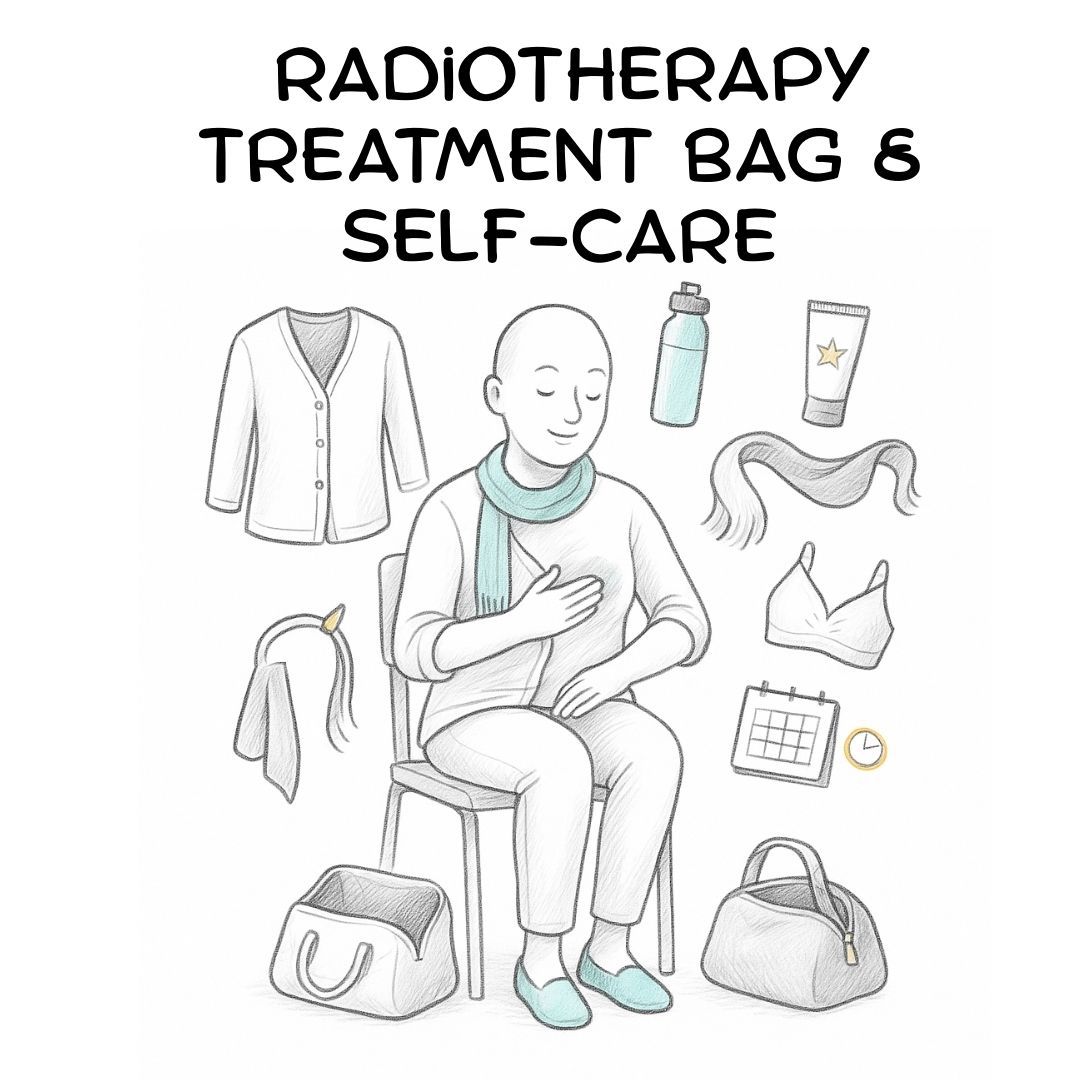
Getting ready for your daily radiotherapy appointments can make a world of difference. When you're heading to the hospital every day, a little bit of prep can help you feel more in control and turn a daunting clinical appointment into a more manageable part of your routine.
Think of it as putting together a small 'go-bag' with a few essentials that offer comfort and convenience. It's these little things that can make your time at the hospital feel less stressful and more like a brief pause in your day, rather than its overwhelming main event.
Having a dedicated bag packed and ready to go eliminates one less thing to think about each day. It’s all about making life easier for yourself.
Here are a few practical ideas for what to include:
Preparing for your sessions is a small act of self-care. It’s about giving yourself the tools to make each day as comfortable as possible, helping you navigate the process with a bit more ease.
It's also worth knowing that delays can sometimes happen in busy hospital departments. This isn't to worry you, but to help you plan ahead. Unfortunately, significant waits for cancer treatment are still a challenge for healthcare systems globally. Data shows that a notable number of patients can wait over three months just to start their treatment, which underlines just how stretched services can be. You can find more detail on this in this report on missed chances to save lives.
If you do find you're often waiting a long time for your daily appointments, it's okay to ask what's going on. A polite chat with the radiographers can make a real difference. Simply asking if they have a rough idea of the waiting time can help you manage your own day. It's about finding that balance between understanding the pressures they're under and advocating for your own needs – you absolutely have the right to be kept informed.
Going through treatment for breast cancer brings up a lot of questions, and that's completely normal. Getting to grips with the practical side of radiotherapy can make the whole process feel less daunting. We’ve put together some straightforward answers to the queries we hear most often.
One of the very first things people worry about is safety. The question, "Will I be radioactive?" comes up a lot. The answer is a clear and simple no. With the external beam radiotherapy used for breast cancer, the radiation is only active when the machine is switched on. As soon as your daily session is over, the radiation is gone. You are perfectly safe to be around everyone, including children and pregnant women.
Figuring out the schedule is another common point of confusion. Radiotherapy doesn't start immediately after surgery; it usually begins several weeks later to give your body proper time to heal. If you're also having chemotherapy, radiotherapy will almost always follow once that's finished. Your oncology team will work out the best timeline for you, making sure you're well-healed while starting treatment soon enough to minimise the risk of the cancer returning.
Many people also ask if they can keep up with their normal routine. For lots of people, the answer is yes. It's often possible to carry on working, particularly now that shorter treatment courses are more common. Gentle exercise is also a great idea. A daily walk, for instance, can do wonders for fighting off fatigue and lifting your spirits.
The most important thing to remember during breast radiotherapy is to listen to your body. Rest when you need to, be active when you feel up to it, and never be afraid to lean on friends, family, or your medical team for support.
It’s really important to know what to do if side effects start to bother you. If your skin gets very sore, starts to blister, or breaks at any point, you must let your radiotherapy team know straight away. Don't be tempted to put any creams or dressings on it without checking with them first. They are the experts in handling these reactions and can give you prescription treatments to soothe your skin and prevent infection.
This is where keeping an open line of communication is so crucial. Your radiographers and specialist nurses are there with you every day. They are your go-to resource for practical advice on managing side effects, so please don't hesitate to speak up and ask for whatever help you need.
We strongly advise you to talk with a health care professional about specific medical conditions and treatments.
The information on our site is meant to be helpful and educational but is not a substitute for medical advice.
If You Been Affected By Cancer, Either As A Patient, Friend, Loved One Or Carer, We Want To Hear About Your Cancer Experience.
In This Article We Discuss Some Of The Major Impacts Chemotherapy Has On The Skin And Ways You Can Help Reduce The Effects.
A Moving Cancer Survival Story Highlighting Love, Resilience, And The Miraculous Power Of Hope In Healing.