While it can be an effective way to fight cancer, chemotherapy can also have many side effects, including changes to the skin. These changes can occur because the drugs used in chemotherapy can damage healthy cells along with cancer cells. As a result, patients may experience dryness, itching, and redness of the skin. In addition, chemotherapy can cause the skin to become more sensitive to the sun, leading to an increased risk of sunburn and skin damage. Patients may also develop a rash, hives, or other types of skin reactions to chemotherapy. Hair loss, including loss of eyelashes and eyebrows, is another common side effect of chemotherapy that can impact the skin. Furthermore, chemotherapy can weaken the immune system, making patients more susceptible to infections and slower healing of wounds or skin injuries. Overall, the skin side effects of chemotherapy can be uncomfortable and even painful, but there are ways to manage them. Below we discuss some of the major impacts chemo has on the skin and ways you can help reduce the effects.
Itching of the skin is a common side effect of chemotherapy, it is one of the most frequent skin symptoms reported by cancer patients undergoing chemotherapy. It can occur anywhere on the body, including the scalp, face, neck, arms, legs, and tors and can occur at any time during treatment. Some patients may experience itching shortly after starting chemotherapy, while others may not notice it until several rounds of treatment have been completed.
The severity and duration of itching can also vary depending on the individual and the specific drugs used in their chemotherapy regimen. Itching may be caused by the damage that chemotherapy drugs can cause to healthy skin cells, or it may be a result of an allergic reaction to the drugs. Patients may also experience itching as a side effect of other medications they are taking in conjunction with chemotherapy, such as pain medications or antibiotics.
Itching can also lead to scratching, which can further damage the skin, increase the risk of infections, and delay healing. Therefore, it is crucial for patients who experience itchy skin during chemotherapy to discuss their symptoms with their healthcare team, including their oncologist, nurse, or dermatologist who will be able to help.
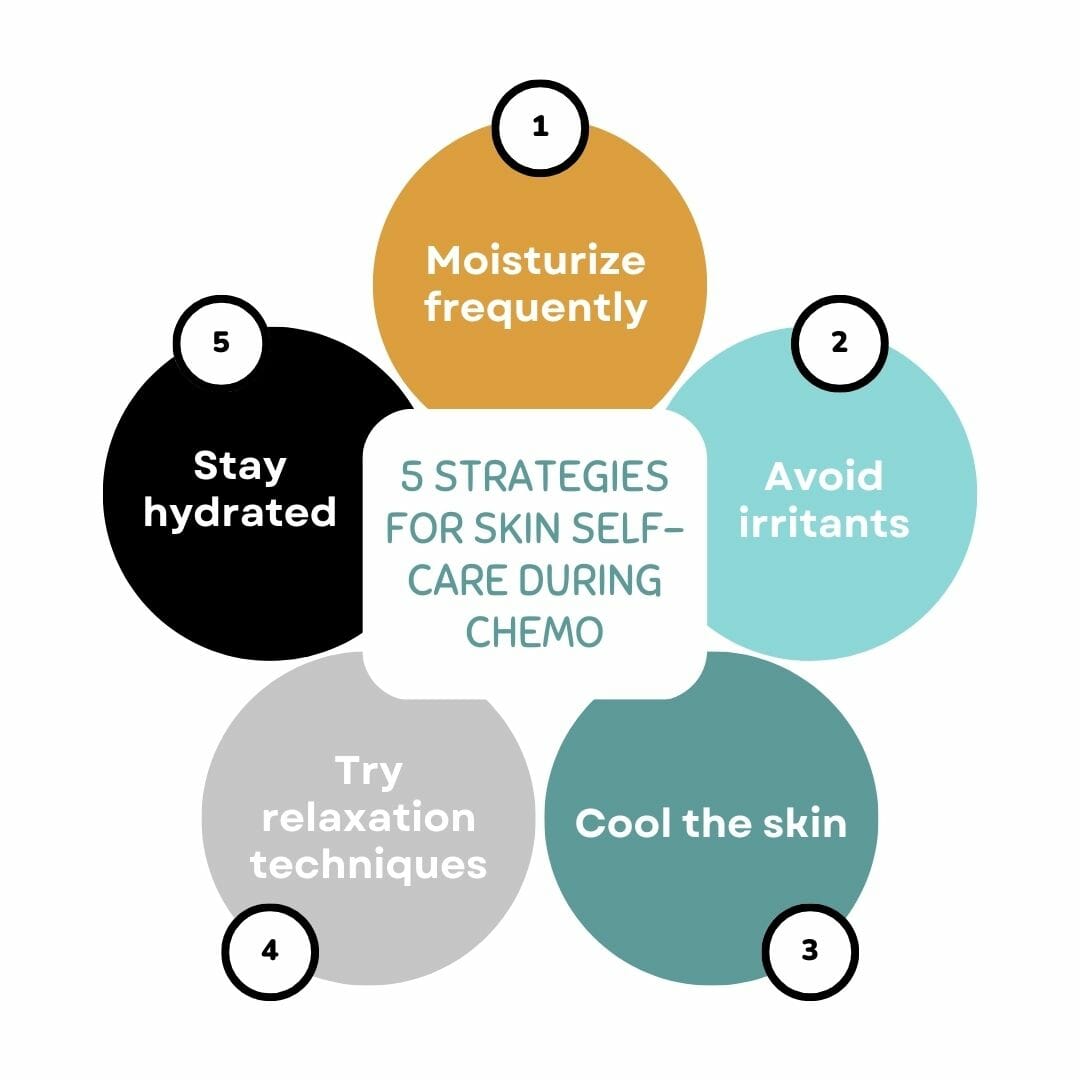
In addition, there are various strategies that you can try yourself, as below:-
5 strategies for skin self-care during chemo
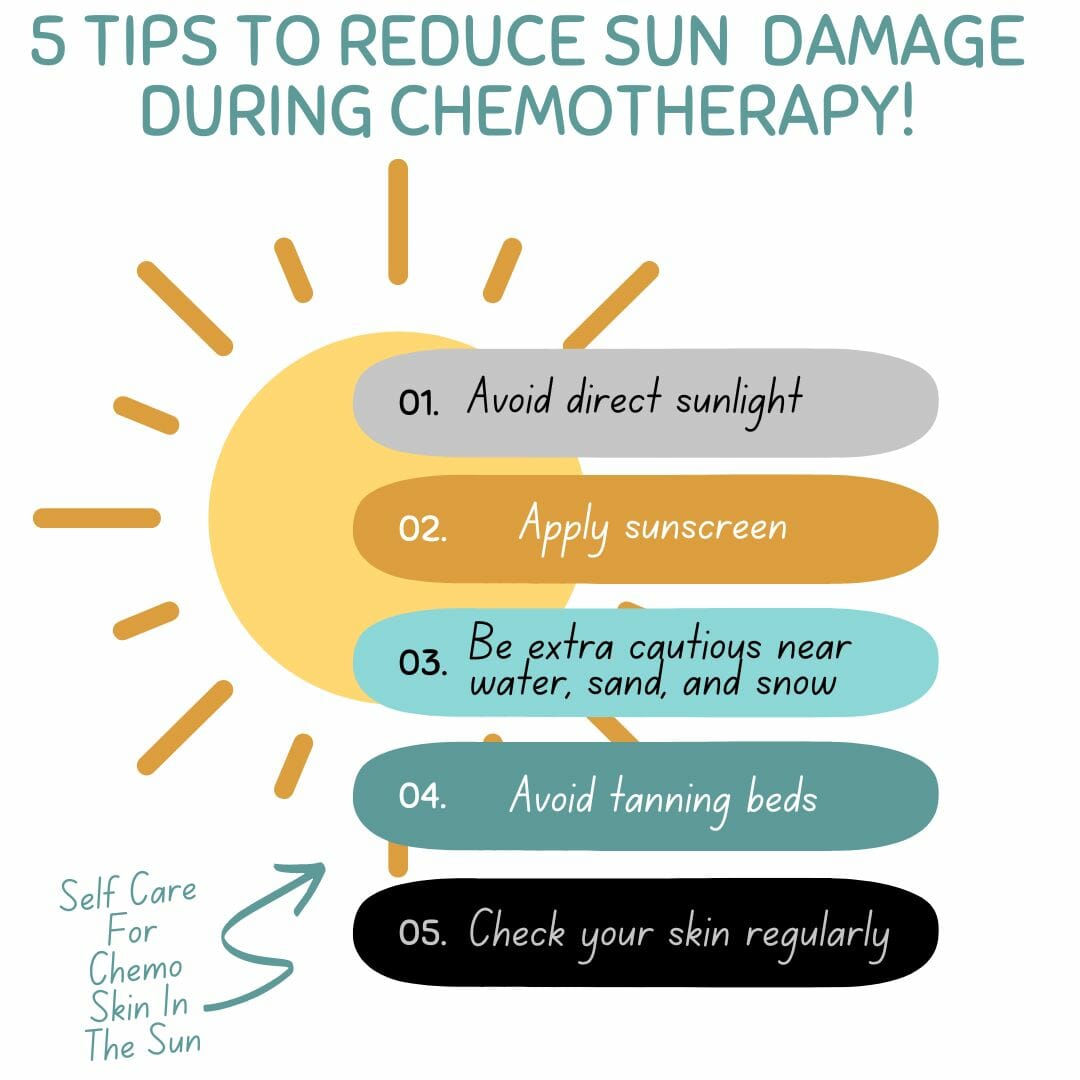
Both chemo and radiotherapy can make your skin more sensitive to the sun's rays, leading to an increased risk of sunburn and skin damage. Some chemotherapy drugs, such as fluorouracil, methotrexate, doxorubicin, and paclitaxel, can cause photosensitivity (an abnormal reaction to sunlight that results in skin rashes, itching, and burning sensations).
Photosensitivity occurs when certain chemicals in chemotherapy drugs interact with ultraviolet (UV) light, causing the skin to become more reactive and sensitive. The severity and duration of photosensitivity can vary depending on the drug, the dosage, the duration of treatment, and individual factors, such as skin type, age, and sun exposure.
5 tips to reduce sun damage and photosensitivity during chemotherapy
Chemotherapy can sometimes cause skin injuries, such as rashes, blisters, and ulcers, due to its effects on the skin cells and the immune system. The severity and type of skin injury can vary depending on the type of chemotherapy drug, the dosage, and the duration of treatment, as well as individual factors such as age, skin type, and overall health.
Common skin injuries during chemotherapy
One of the most common skin injuries during chemotherapy is a rash that can be itchy, red, and bumpy. The rash may develop into blisters or ulcers and usually appears on the face, neck, chest, or arms. Topical creams, antihistamines, and other medications can manage this skin condition. In addition to topical treatments, patients can benefit from chemotherapy side effects management tips that emphasize the importance of gentle skincare routines and avoiding irritants. Staying hydrated and using fragrance-free products can help soothe the skin further. It's also advisable to consult a healthcare professional for personalized recommendations tailored to individual needs. As patients embark on this journey, understanding the chemotherapy preparation steps to follow can make the experience smoother. Establishing a routine that includes proper skincare and nutrition is essential to minimize side effects and promote healing. Additionally, seeking support from professionals and loved ones can provide emotional relief during treatment.
Hand-foot syndrome is another skin reaction that affects the palms of the hands and soles of the feet, causing redness, swelling, pain, blisters, and peeling or cracking of the skin. Capecitabine and 5-fluorouracil are common chemotherapy drugs that may cause this condition. Treatment may include topical creams, pain relievers, and modifications to footwear and handwear.
As stated above, certain chemotherapy drugs can make the skin more sensitive to sunlight, resulting in sunburn, rashes, and other skin injuries. To avoid photosensitivity, it is recommended to avoid sun exposure, wear protective clothing, and use sunscreen.
Mucositis is a condition that causes inflammation, pain, and sores in mucous membranes in the mouth, throat, and digestive tract. This condition can make it difficult to eat, swallow, and speak. Chemotherapy drugs such as methotrexate and 5-fluorouracil can cause mucositis. Treatment may include mouthwashes, pain relievers, and modifications to the diet.
If you experience any skin injuries or changes during chemotherapy, it is important to inform your healthcare team. They may recommend topical treatments, oral medications, or other interventions to manage the symptoms and promote healing. In some cases, they may adjust the dosage or type of chemotherapy drug to reduce the risk of skin injuries.
When undergoing chemotherapy, hair loss can occur, leading to vulnerability and exposure of the scalp to external factors like sunlight, cold weather, and friction from hats and scarves. The absence of insulation provided by hair can cause dryness, itchiness, sunburn, sensitivity, irritation, and infections. Chemotherapy side effects and hydration are also critical to manage during this time. Ensuring adequate fluid intake can help alleviate some of the discomforts associated with treatment, such as nausea and fatigue. Additionally, staying well-hydrated supports skin health, which can become compromised due to the harsh effects of chemotherapy. To effectively cope with the emotional and physical challenges of chemotherapy, patients may explore various chemotherapy nausea management strategies. These may include dietary adjustments, medication, and relaxation techniques that can help ease the symptoms associated with the treatment. Working closely with a healthcare team is essential to tailor these strategies to individual needs, ultimately enhancing overall well-being during this arduous journey.
5 tips to help manage chemotherapy-induced hair loss and skin changes
Remember to consult with your healthcare team before trying any new treatments or remedies, and follow their advice closely. By taking good care of your skin and avoiding sun damage, you can reduce the risk of complications during chemotherapy and protect your skin's health in the long term. Protecting skin during cancer therapy is essential for maintaining overall comfort and well-being. Utilizing gentle, hydrating products can help soothe the skin and minimize irritation caused by treatments. Additionally, regular monitoring of skin condition can empower patients to address any concerns promptly with their healthcare team.
We strongly advise you to talk with a health care professional about specific medical conditions and treatments.
The information on our site is meant to be helpful and educational but is not a substitute for medical advice.
Learn How Roslyn Franken Overcame Cancer And Transformed Her Life. Watch 'From Fear To Fortitude' On Demand For Powerful Insights.
Discover how cancer cartoons support wellbeing during treatment. Learn why humour helps, the science behind laughter, and how to build your own “laughter toolkit.”
Telling Your Children You Have Cancer Can Be Hard To Navigate. It Is Important To Be Honest With Them, And Not Be Afraid To Use The Word, “Cancer.” Prepare Yourself To Answer Their Questions, And Reassure Them While They Process Your Diagnosis.