Comprehensive guide to caring for bedridden loved ones. Learn how to prevent complications, ensure comfort, and maintain hygiene with practical tips.
Before diving into how to care for someone who is bedridden, it's important to clarify the terminology. The term "bedbound" refers to anyone who is unable to leave their bed for any reason. For instance, someone emotionally devastated after a breakup might stay in bed for days, making them temporarily bedbound. In contrast, "bedridden" is a more severe condition where a person physically cannot leave their bed due to illness, weakness, or disability. Bedridden individuals are confined to their beds and often require comprehensive care to manage their needs.
Being confined to bed for extended periods can lead to numerous health complications. However, many of these issues can be mitigated with proper care and attention. Below are some common complications and tips on how to address them:
Pressure sores, also known as bedsores, occur in areas of the skin subjected to prolonged pressure. These ulcers can become serious, particularly in individuals who are frail, have poor circulation, or suffer from conditions like diabetes.
Common Areas for Bedsores:
Symptoms of Bedsores:
Prevention Tips:
Prolonged bed rest can lead to bone loss and weakened muscles, particularly in bedbound patients. Weight-bearing exercises or brief intervals of activity can help maintain bone density. Even for otherwise healthy individuals, it's possible to regain lost bone mass after a period of immobilization by resuming regular activities.
Staying in one position for too long can cause significant back pain due to pressure on the spine. Frequent repositioning is key to preventing this discomfort.
Immobility increases the risk of blood clots, particularly in the lower extremities. Encouraging small movements and considering compression socks can help reduce this risk.
Constipation is common in bedridden patients but can often be managed by increasing dietary fiber and fluid intake.
Sleep problems are common because bedridden patients
A regular sleep schedule, use active and passive exercises daily and make sure the person is sleeping in comfortable and varied positions helps
Bedridden patients may feel listless and lose their appetites. Or, they may not be as hungry because they are not using as much physical energy - or they may even have apprehensions about toileting that make them refuse food.
They may have lost interest in food because they are bored or lack stimulation.
Keeping alert and engaged in a variety of activities can help them be more interested in food, but this is tricky one and it is important to first understand why the person is not eating. Once this is discovered there may be a simple solution, so gentle probe your friend or loved one to see if you can figure out what the problem is.
Being confined to bed can result in a person remaining passive and withdrawn. Bedridden patients can become depressed because they feel like they are a burden, or because they have lost autonomy, or because social interactions are limited. It’s important to address emotional and mental health needs and to help patients know they are still a part of their communities.

Beyond health concerns, there are practical risks to consider for bedridden individuals. For example, in case of a fire, their immobility could pose a significant danger. Regularly assessing their living environment for potential hazards, such as the risk of falls or other accidents, is crucial. You might also want to consult a professional to evaluate their space and make necessary adjustments.
Maintaining good hygiene is vital for overall health and comfort. Here's how to ensure proper hygiene for someone who is bedridden:
If a patient is unable to bathe themselves, a loved one or carer may need to give them regular bed baths.
Items needed for a bed bath
How to do a bed bath for an immobile bedbound patient
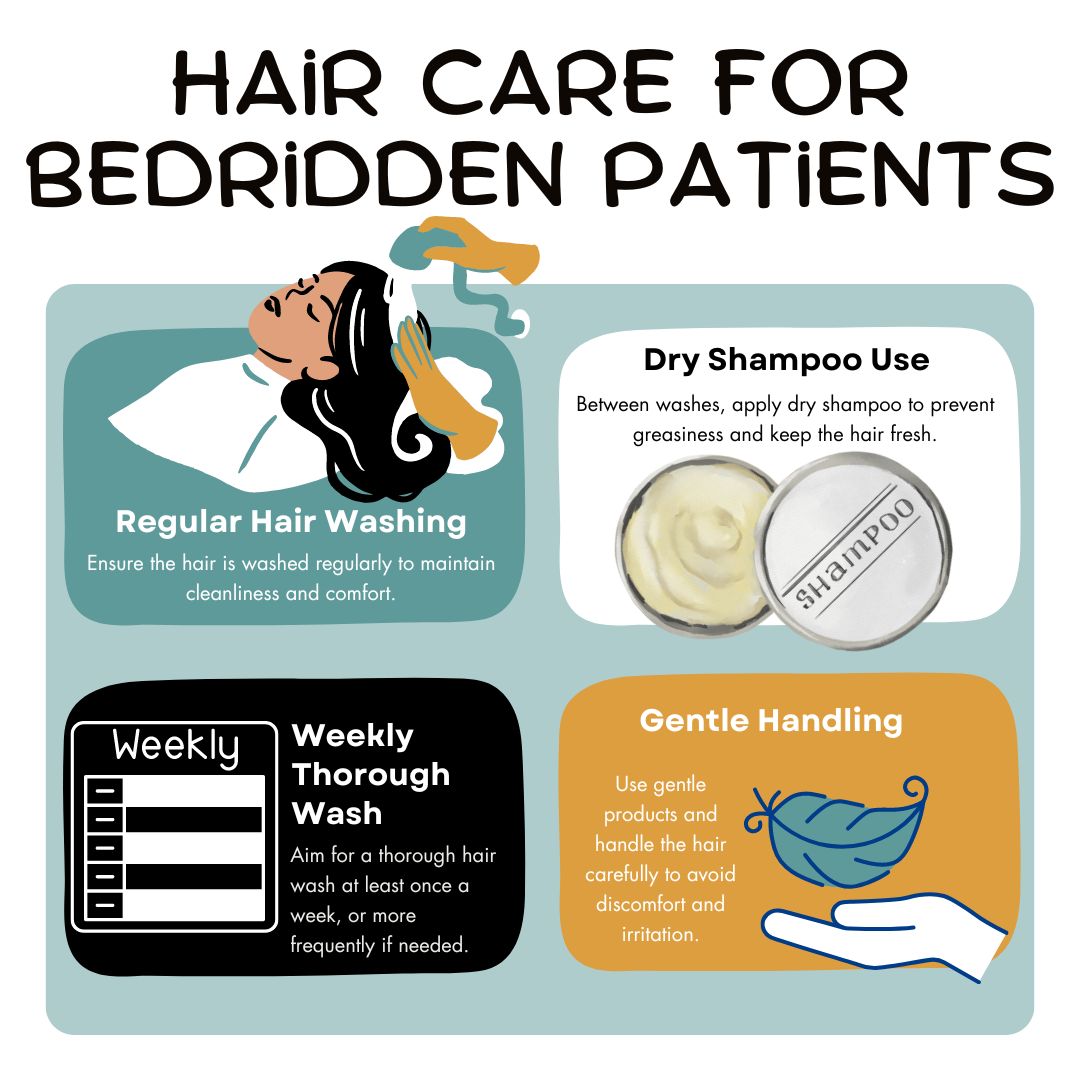
In addition to bathing, it’s a good practice to regularly wash their hair.
In between washes, they could use dry shampoo as needed to keep hair from getting greasy and uncomfortable. And try to do a thorough wash at least once a week, or more often if their hair gets especially grimy.
How to wash hair in bed
Long and/or jagged nails can present a multitude of health risks.
Dirt and bacteria get trapped under the nails and transfer to the skin when the patient touches or scratches themselves, potentially resulting in infection.
Regularly use a pair of nail clippers and nail files to keep nails trimmed and filed into a smooth, rounded shape.
Change bedding frequently to maintain cleanliness and prevent skin irritation.
Assist with brushing teeth after meals, and ensure flossing and rinsing are done twice daily if possible.
A dirty environment is a hygiene risk and a messy environment can have a negative impact on someone’s mental and emotional well-being. You could help by keeping their room comfortable and organized and remove clutter from the floor.
Plenty of natural light in the room can help and you may want to regularly open the windows when possible (and when you have permission) to keep the air fresh.
If you're looking for ways to brighten the day of a bedridden loved one, consider thoughtful gifts designed for those on bed rest. From comfortable pillows and soft blankets to engaging books or puzzles, there are many ways to show you care.
Bedridden patients often face complications such as pressure sores, weak muscles, blood clots, constipation, and sleep problems. Preventative measures include regular repositioning, good nutrition, and maintaining a clean environment.
With some simple movement, good nutrition, and skincare, bedsores can usually be avoided. Here are some things to do to avoid getting bedsores or to stop them from getting worse.
*Not staying in the same position but turning and repositioning every 2 hours
*Sitting upright and straight in a wheelchair, changing position every 15 minutes
*Have soft padding in wheelchairs and beds to reduce pressure
*Get good skin care products and a good skin care routine, keep the skin clean and dry
*Providing good nutrition because without enough calories, vitamins, minerals, fluids, and protein, bed sores can’t heal.
*Inspect the skin for areas of redness (the first sign of skin breakdown) every day.
Good hygiene for bedridden individuals includes regular bed baths, hair washing, nail trimming, frequent bedding changes, and assisting with oral care after meals. Keeping the environment clean is also essential.
To support mental health, keep your loved one engaged in social activities, offer emotional support, and help them stay connected with their community. Address any feelings of isolation or depression they may experience.
To help regain appetite, keep the person engaged in activities, offer a variety of foods, and address any underlying concerns about toileting or other issues that may be causing them to refuse food.
Caring for someone who is bedridden requires patience, understanding, and a willingness to address both their physical and emotional needs. By following the tips outlined in this guide, you can help ensure that your loved one remains as comfortable and healthy as possible during this challenging time. If you have any additional suggestions or experiences, we would love to hear from you.lped. Please do let us know what you think and if you have anything to add.
We strongly advise you to talk with a health care professional about specific medical conditions and treatments.
The information on our site is meant to be helpful and educational but is not a substitute for medical advice.
None of us expects to get cancer. Cancer is what happens to someone else.
Here’s Some Simple Advice To Help You To Choose Thoughtful And Appropriate Gifts For Cancer Patients, Friend And Loved-Ones.
Chemotherapy is a powerful tool in the fight against cancer, but it can also be physically and emotionally demanding. Preparing your body before starting chemotherapy can help you manage the side effects, maintain your strength, and improve your overall well-being throughout the treatment process. This guide will provide you with essential tips to get your […]