
-
 Superpower Drawstring Bag : Secretly Hoping Chemo Gives Me Superpowers 1 × £22.50Price: £22.50- +£22.50
Subtotal: £22.50

Subtotal: £22.50
Your immune system is an extraordinary network of cells, tissues, and organs designed to protect you from disease and infection. One of its most vital roles is identifying and eliminating abnormal cells before they can grow out of control. Yet cancer is a master of evasion. It deploys a range of tactics to hide, suppress, and even hijack the immune system, allowing it to grow unchecked. Understanding these tactics is essential for understanding how modern cancer treatments work and how you can support your immune system’s natural defences.
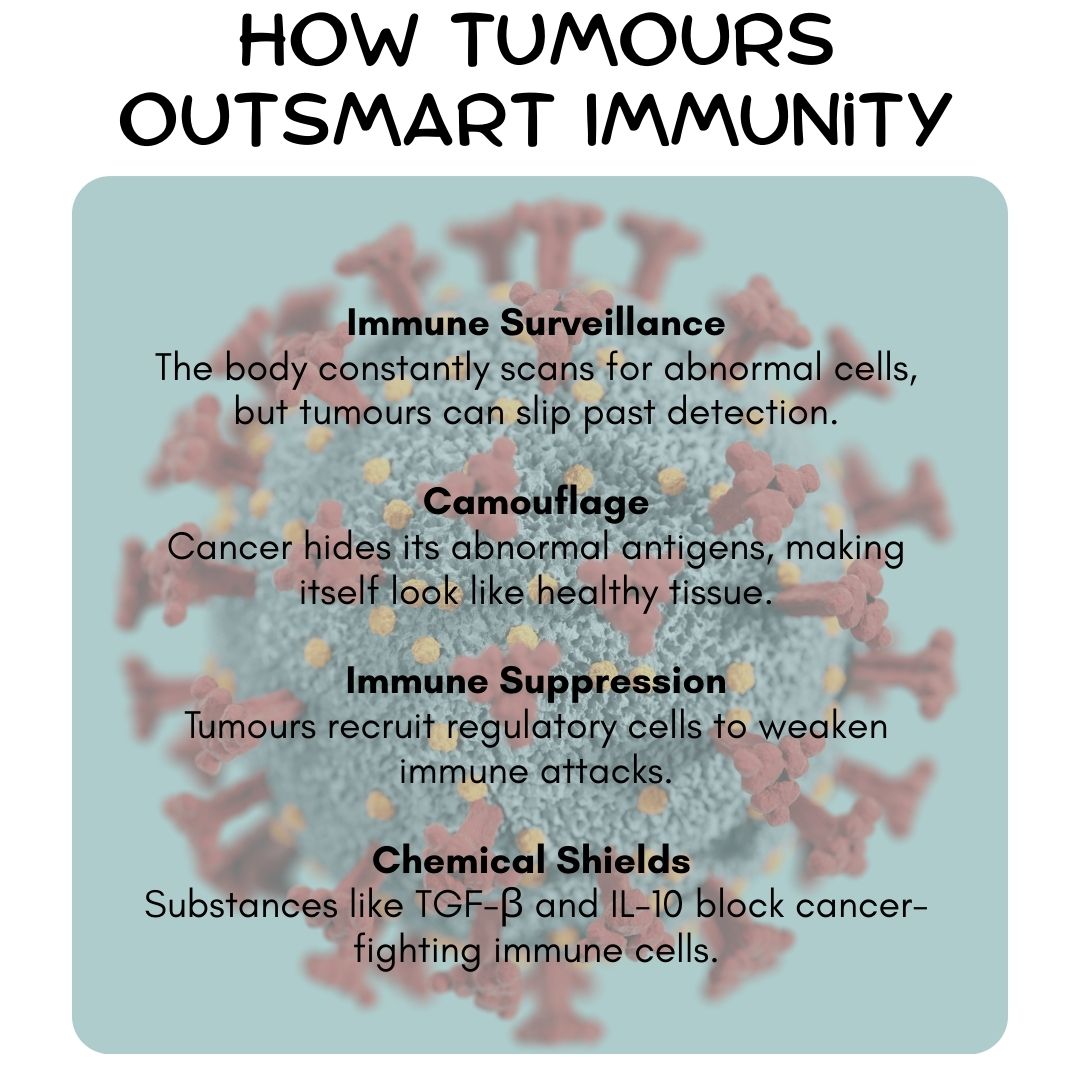
The immune system is always on the lookout for threats. This process is called immune surveillance. Specialised immune cells roam the body, scanning for abnormal proteins on the surface of cells (called antigens) that signal potential danger. Cancer cells often display abnormal antigens that should make them targets for attack. However, these cells have evolved to hide in plain sight, developing sophisticated ways to avoid detection.
One way cancer evades the immune system is by reducing its visibility. Normally, a cancerous cell would produce unusual antigens, but many tumours learn to mask these signals by reducing their levels or cloaking them beneath normal ones. This sleight of hand helps them blend in with healthy cells and escape immune attacks from T-cells and natural killer cells.
Cancer doesn’t just hide; it actively undermines the immune response by creating an environment that suppresses immune activity. The area surrounding a tumour – the tumour microenvironment – becomes a battlefield where cancer cells, immune cells, and other tissues interact. Cancer cells secrete signals that attract regulatory T-cells, which normally prevent the immune system from attacking healthy tissues. When these cells accumulate around the tumour, they form a shield that dampens the immune response, allowing cancer to grow unchallenged.
Some tumours release chemicals like transforming growth factor-beta (TGF-β) and interleukin-10 (IL-10). These substances interfere with the immune system’s ability to detect and destroy cancer cells by suppressing key players like cytotoxic T-cells and natural killer cells. This chemical shield weakens the immune defences that would normally keep cancer in check.
Your immune system includes built-in brakes – called immune checkpoints – that prevent it from attacking healthy cells by mistake. Unfortunately, cancer cells have learned to exploit these brakes. By producing a protein called PD-L1, tumours can bind to the PD-1 receptor on T-cells, sending a “stop” signal that prevents them from attacking. This cunning strategy allows cancer cells to wave a “don’t shoot” sign at the immune system, giving them a free pass to grow and spread.
The tumour microenvironment can vary greatly. Some tumours create a “cold” environment with few immune cells, making it difficult for the body to mount an attack. Others attract immune cells but then suppress them. Researchers are exploring ways to transform a cold microenvironment into a “hot” one, boosting the immune response and helping the body fight back.
Doctors now use advanced tests to measure how a tumour interacts with the immune system. They can analyse biopsy samples to see if immune cells have infiltrated the tumour and whether those cells are active or suppressed. Tests for PD-L1 levels help determine if the tumour is using immune checkpoints to hide. Blood tests can measure immune cell levels and function, giving doctors a clearer picture of how to target treatment.
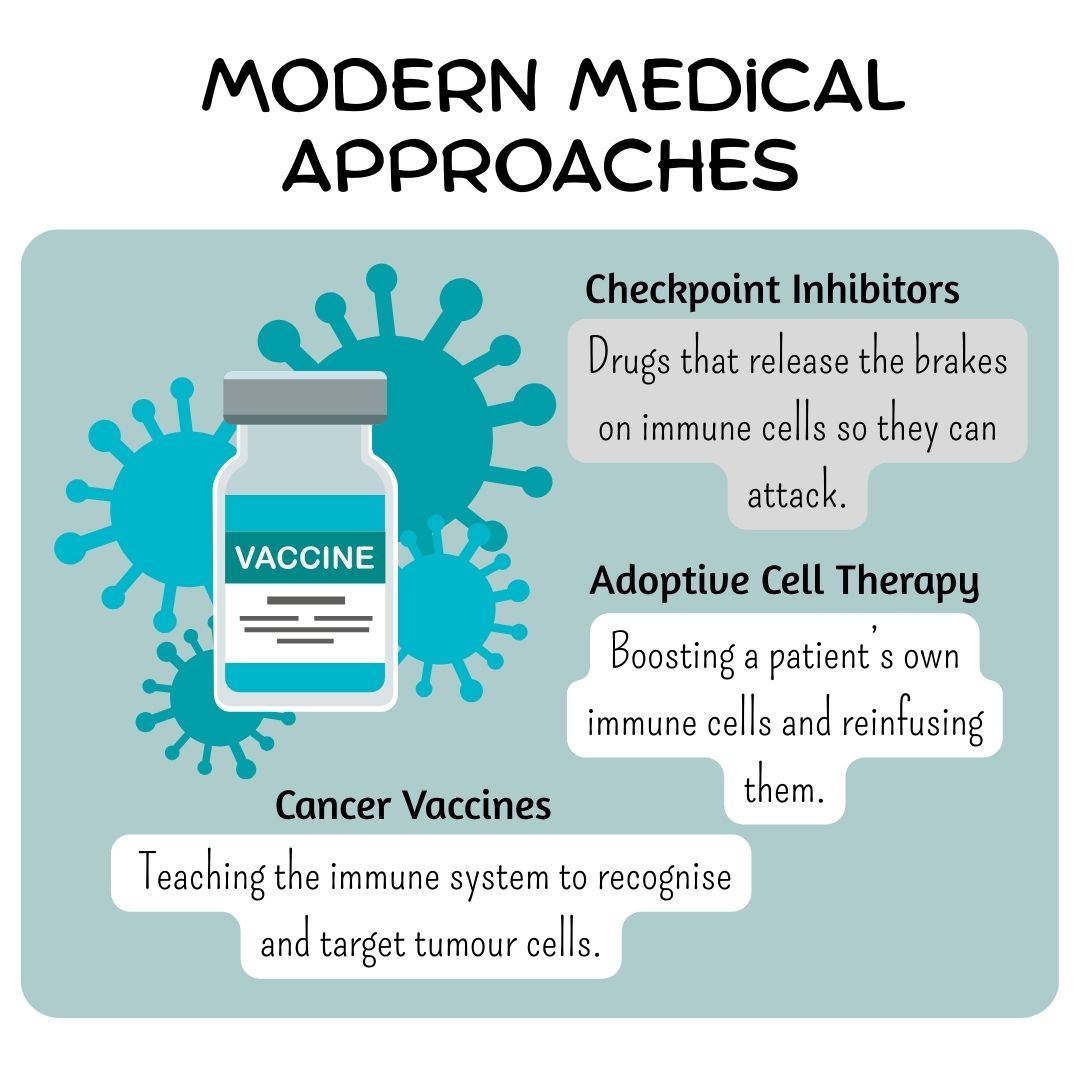
One of the most exciting developments in cancer therapy is checkpoint inhibitors. These drugs block the interaction between PD-1 and PD-L1, effectively releasing the brakes on the immune system and allowing T-cells to attack cancer cells more effectively. Checkpoint inhibitors have already transformed treatment for several cancers, including melanoma and lung cancer.
Cancer vaccines are another promising approach. These vaccines teach the immune system to recognise and attack cancer cells by introducing tumour-associated antigens. While still under development, they offer hope for training the immune system to fight cancer more effectively.
Adoptive cell therapy takes things even further. This innovative treatment involves collecting a patient’s immune cells, enhancing their cancer-fighting abilities in the lab, and reinfusing them into the body. CAR T-cell therapy, a type of adoptive cell therapy, has shown remarkable success in some blood cancers and is being tested in solid tumours.
Not every patient responds to immunotherapy, and some experience side effects such as inflammation or autoimmune reactions. Personalised treatment plans, based on factors like PD-L1 levels and the presence of tumour-infiltrating lymphocytes, help doctors match the right therapy to each patient, maximising benefits and minimising risks.
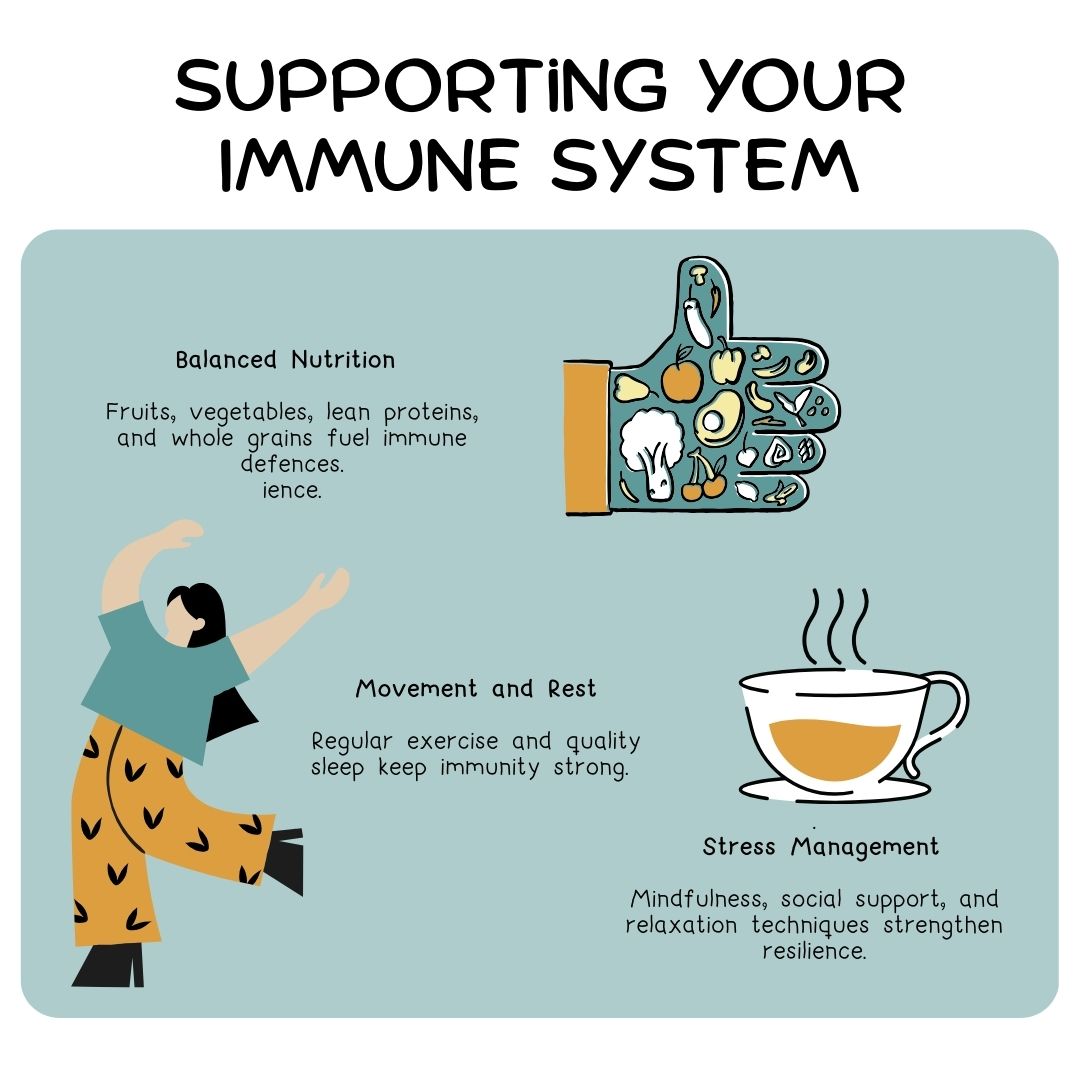
While medical treatments are essential, lifestyle choices can also help support your immune system during cancer treatment. A balanced diet rich in fruits, vegetables, whole grains, and lean proteins provides vital nutrients. Always consult your healthcare team before adding supplements, as some can interfere with treatments.
Regular, moderate exercise – such as walking or yoga – can improve immune health and reduce stress. Sleep is another critical component; aim for seven to nine hours of quality rest each night to allow your body to repair and rejuvenate. Managing stress through mindfulness, meditation, and spending time with supportive people also strengthens your immune defences.
Combining medical therapies with healthy habits gives your immune system its best chance to fight cancer’s evasive tactics. Work closely with your healthcare team to develop a comprehensive plan that supports both your body and mind.
Edited by Ruairi Bolton
We strongly advise you to talk with a health care professional about specific medical conditions and treatments.
The information on our site is meant to be helpful and educational but is not a substitute for medical advice.
As Strange As It Sounds, I Don’t Feel Bitter, Just Grateful That I Have Been Given Another Chance
This new YouTube review is from the popular lifestyle blog "Alejandra's Life"
In This Article We Discuss Some Of The Major Impacts Chemotherapy Has On The Skin And Ways You Can Help Reduce The Effects.