Receiving a cancer diagnosis can be a real shock, and hearing you’ll need a chemotherapy regimen called FOLFOX might just add to the confusion. Taking a moment to understand exactly what your treatment involves can be a huge step in feeling more in control of the road ahead.
It's important to know that FOLFOX isn't one single drug. It's a combination of drugs, a "chemo cocktail", that has proven to be very effective against certain cancers. Let’s break down what it is and how it works.
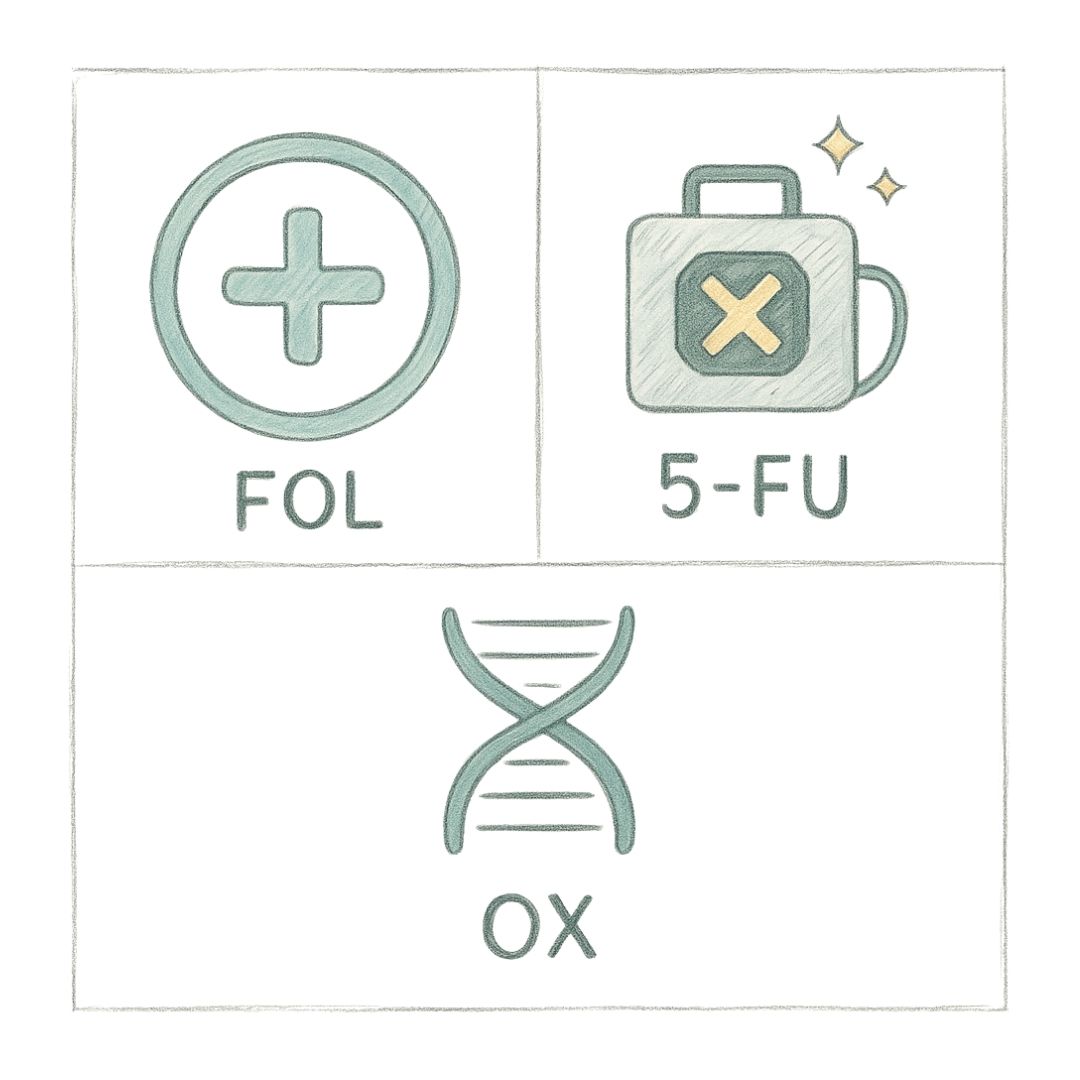
FOLFOX is simply an acronym that stands for the three different drugs used in the treatment. Getting your head around the name is the first step to feeling more comfortable with the plan your oncology team has put together for you.
Think of it like a special ops team, where each member has a unique and vital job to do in the mission to stop cancer cells. This multi-pronged attack is a trusted and established strategy, especially for cancers affecting the digestive system.
The name itself gives us the recipe for this treatment. Each ingredient plays a crucial part.
FOL stands for folinic acid, which you might also hear called leucovorin. This isn't actually a chemo drug. Instead, think of it as a "booster" that helps the next drug in the line-up work much more effectively.
F is for fluorouracil, more commonly known as 5-FU. This is one of the main chemotherapy agents. Its job is to disrupt the way cancer cells grow and divide, essentially stopping them in their tracks.
OX refers to oxaliplatin. This is the other powerful chemo drug in the mix. It works by damaging the DNA inside cancer cells, which prevents them from repairing themselves or making copies.
By combining these three drugs, the FOLFOX regimen delivers a powerful, coordinated attack that is far more effective than any one of these drugs could be on its own. It's a cornerstone treatment, particularly for bowel cancer.
Your team's decision to recommend FOLFOX is based on years of clinical research that shows it gives many patients better outcomes. As you get started, having practical information can make a world of difference. Our guide on how you can prepare for chemotherapy is packed with useful tips to help you get ready for your first session, empowering you to be an active participant in your own care.
To get your head around why FOLFOX is such a go-to chemotherapy regimen, it helps to imagine cancer cells as tiny, out-of-control factories. They’ve stopped listening to the body's instructions and are now just churning out more and more faulty cells, 24/7. FOLFOX is like a specialist team sent in to shut the whole operation down, with each drug playing its own unique but complementary part.
This combination approach is a really smart strategy because it hits the cancer cells from several different directions at once. It's much harder for them to develop a resistance when they're being attacked on multiple fronts. This isn’t just a single weapon; it’s a synchronised assault designed to mess with the fundamental processes that allow these cells to thrive.
First up on the team is oxaliplatin (OX). Its job is to sneak into the factory's main office and scramble the master blueprints – the cancer cell's DNA. This DNA holds all the instructions the cell needs to work, repair itself, and, crucially, make copies.
Oxaliplatin gets right in there and binds directly to the DNA strands, causing damage that the cell finds almost impossible to fix. This damage throws a spanner in the works, stopping the cell from being able to read its own blueprints and replicate. The assembly line is effectively shut down because the instructions are now just gobbledegook.
While oxaliplatin is wrecking the blueprints, fluorouracil (F), often called 5-FU, gets to work on the supply chain. Its role is to cut off the raw materials the factory needs to keep running. It’s a clever imposter, masquerading as a natural substance that cancer cells need to build new DNA.
When a cancer cell mistakenly takes in fluorouracil, the drug blocks a vital enzyme called thymidylate synthase. This enzyme is absolutely essential for creating one of the core building blocks of DNA. By shutting this down, 5-FU starves the cell of the materials it needs to divide and grow. The rogue factory grinds to a halt.
This one-two punch is what makes the combination so effective. Oxaliplatin damages the DNA, and at the same time, fluorouracil stops the cell from getting the materials it needs to make repairs. The cell is given a problem it can't solve.
The final member of the trio is folinic acid (FOL), and it has a very specific, but critical, job. It isn't actually a chemotherapy drug. Instead, think of it as a support agent – a performance enhancer that helps fluorouracil do its job even better.
Folinic acid helps fluorouracil bind more tightly to its target enzyme, essentially locking it in place and making it more potent for longer. This teamwork significantly boosts 5-FU's ability to halt DNA production. It’s this clever synergy that makes the "FOL-F-OX" combination so much more powerful than just using the drugs on their own.
This is a core principle in cancer treatment. If you'd like to understand the bigger picture, our introductory guide explores what is chemotherapy in more detail. It's the way these three drugs work in concert that gives the FOLFOX chemo regimen its punch.
Getting your head around a chemotherapy schedule can make the whole process feel a lot less overwhelming. With FOLFOX, your treatment is organised into repeating “cycles,” which creates a predictable rhythm of treatment followed by a period of rest and recovery. This approach is designed to hit the cancer cells hard while giving your body the downtime it needs to bounce back.
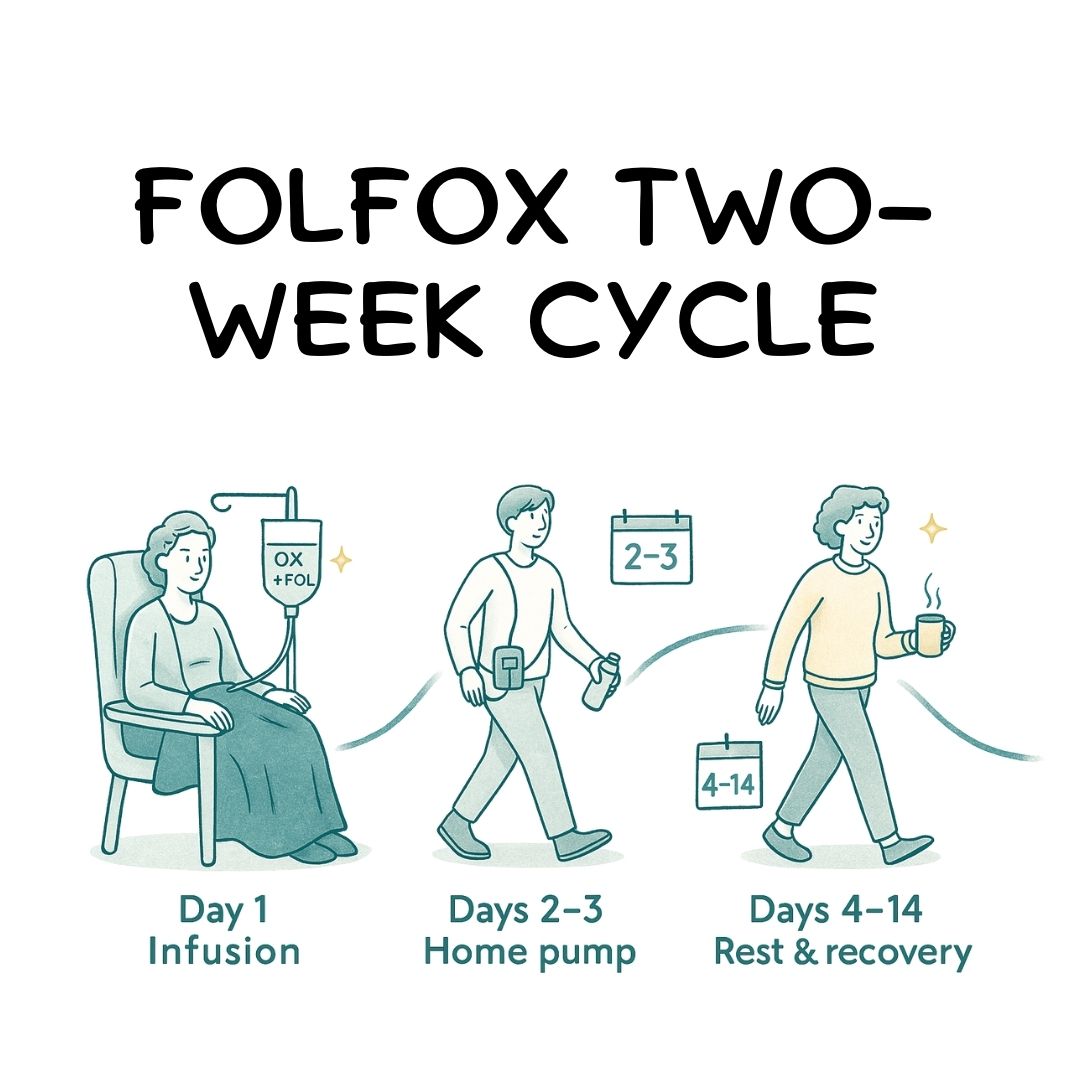
Most people on FOLFOX are on a two-week cycle. This usually means a busy start with the infusion, followed by roughly 12 days at home to recover before you do it all again. Let’s walk through what that typically looks like.
Day 1 of your cycle is the main event and happens at the hospital or an outpatient clinic. Be prepared to settle in for several hours. This is when you’ll receive two of the three drugs intravenously, meaning they go directly into your bloodstream through a small tube (a cannula or a central line).
First up are oxaliplatin and folinic acid. The infusion for these usually takes about two hours. Your oncology nurses will be with you the entire time, keeping a close eye on you and making sure you’re as comfortable as possible. If you’re feeling nervous about this part, our guide on what to expect during your first chemotherapy session is a great read to help you feel more prepared.
Before you head home, the nurses will hook you up to a small, portable pump. This little device is set up to continue delivering the third drug, fluorouracil (5-FU), over the next 46 hours.
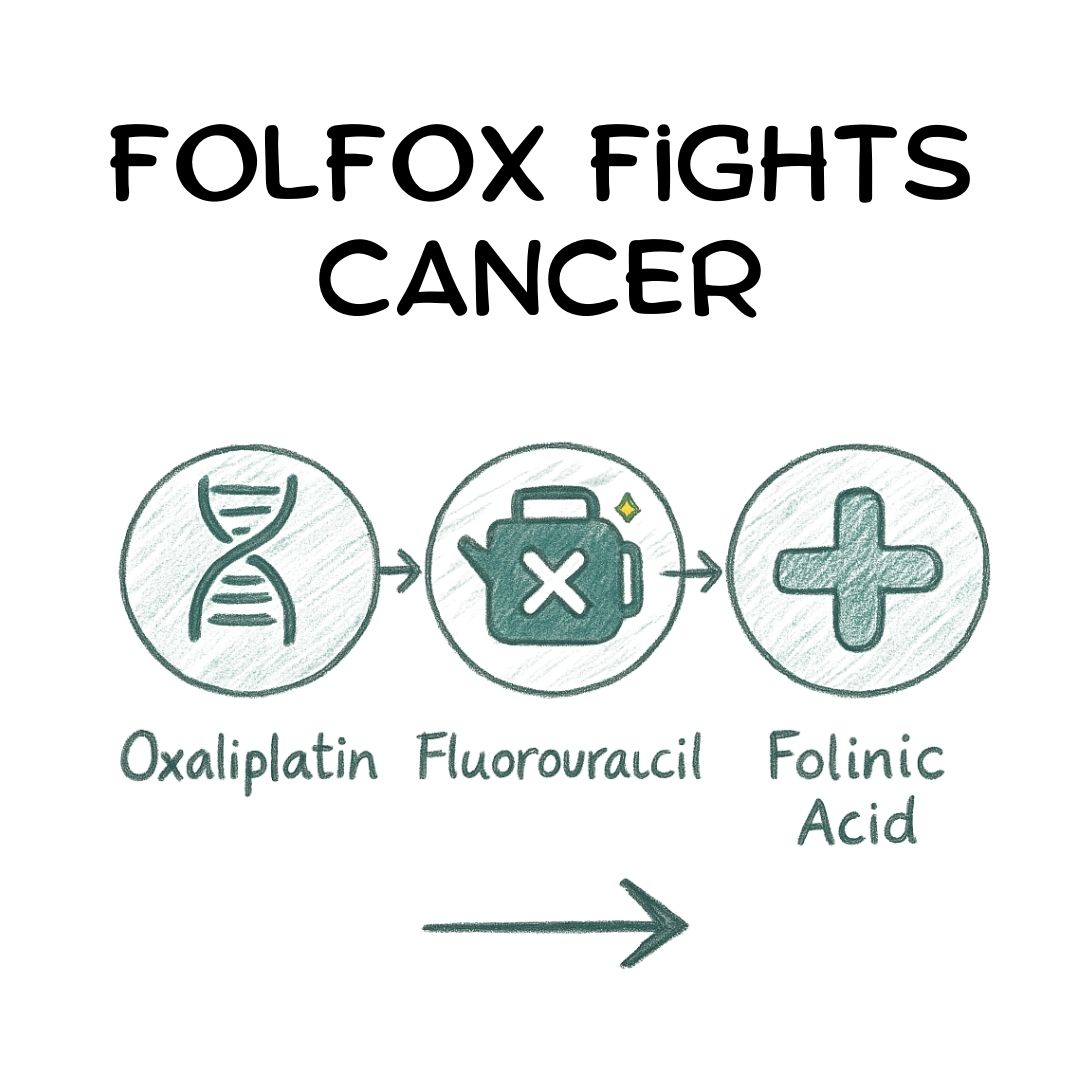
This diagram shows the one-two-three punch of FOLFOX: oxaliplatin damages the cancer cell's DNA, fluorouracil cuts off its fuel, and folinic acid makes the whole process more effective.
The thought of going home attached to a pump can be a bit strange at first, but you'll get the hang of it surprisingly quickly. It’s a lightweight device that you can carry in a little pouch or clip onto your clothes, so you’re not stuck in one place. It allows you to get on with things at home while the infusion continues.
Your care team will give you very clear instructions on managing the pump. The key things to remember are:
After about 46 hours, it’s time to get disconnected. You’ll either pop back to the clinic for this or a community nurse might visit you at home. This marks the end of the active treatment part of your cycle, and the rest of the time is dedicated to recovery.
To give you a clearer picture, here’s what a standard 14-day FOLFOX cycle often looks like.
| Timeframe | Activity | Location |
|---|---|---|
| Day 1 | Pre-chemo blood tests, consultation, and start of your 4-6 hour intravenous infusions (Oxaliplatin and Folinic Acid). The 5-FU home pump is connected. | Hospital or Clinic |
| Days 2-3 | Continuous 5-FU infusion via the portable pump. | At Home |
| Day 3 | The home pump is disconnected by a nurse. | Hospital or Home |
| Days 4-14 | Rest and recovery period. This is when side effects are often most noticeable. | At Home |
This table shows the general flow, but remember your own experience might vary slightly based on your individual treatment plan.
The total number of FOLFOX cycles you'll have really depends on your unique situation. For colorectal cancer, a typical course of treatment often lasts for about six months.
For example, if you're receiving FOLFOX after surgery for stage III colon cancer (known as adjuvant therapy), the standard plan is often 12 cycles. That works out to roughly six months. Your oncology team will be monitoring you constantly. They’ll check your blood counts before each cycle and might need to delay a session if certain levels, like your neutrophils or platelets, are too low. It’s all done to keep you safe.
Ultimately, your treatment plan is yours and yours alone. It’s not a one-size-fits-all approach. Your team will tailor everything to the stage of your cancer, your general health, and how your body is handling the treatment. They might adjust dosages or tweak the schedule along the way to make sure you’re getting the best and safest care possible.
Going through FOLFOX treatment is as much about managing the day-to-day side effects as it is about fighting the cancer itself. While the chemotherapy is doing its vital work, it can certainly take a toll on your body. The good news is that you’re not powerless. Being prepared with a few practical strategies can make a world of difference to your comfort and well-being.
The trick is to get ahead of the common issues and keep an open line of communication with your oncology team. They’re your go-to for medical support, of course, but so much of the daily management is in your hands. This is about empowering you to regain some control when things feel a bit unpredictable.
One of the most talked-about side effects of oxaliplatin is a bizarre and sharp sensitivity to cold. It can bring on a tingling, numbness, or even cramping feeling in your hands, feet, and throat. This is a type of nerve change known as peripheral neuropathy. While it’s usually temporary, it definitely needs careful handling.
A few simple adjustments to your routine can help you avoid those sudden, jolting sensations. Think of it as creating a warm buffer zone between you and the cold.
This intense cold sensitivity often calms down within a few days of treatment. It's crucial, though, to tell your doctor if you experience any numbness or tingling that lingers, as this could be a sign that the neuropathy is building up over time.
Chemo fatigue isn't just regular tiredness. It's a deep-seated exhaustion that a good night's sleep doesn't always touch, and it's one of the most common hurdles for people on FOLFOX.
Learning to be strategic with your energy becomes a real skill.
Think of your daily energy as a bank account. On treatment weeks, your balance is lower, so you need to be more mindful about your withdrawals. Prioritise essential tasks and let the rest go.
Here are a few tips for saving your energy:
The fluorouracil (5-FU) in FOLFOX can be hard on your digestive tract, often causing nausea, diarrhoea, and mouth sores.
Your doctor will give you anti-sickness medicine – take it exactly as prescribed, even if you’re feeling okay at the time. To keep nausea from creeping up, try eating small, frequent meals throughout the day. If diarrhoea strikes, focus on staying hydrated with water and electrolyte drinks, and stick to bland, easy-to-digest foods like bananas, rice, and toast.
For a more detailed look into this, a great resource can help with understanding 5-Fluorouracil side effects, which gives more specific advice for this particular drug.
Soreness in the mouth, sometimes called mucositis, can make eating and drinking a painful chore. A solid oral hygiene routine is your best defence.
Tackling the physical side of treatment is a big piece of the puzzle, but it’s not the only one. For a broader overview of challenges and how to cope, our guide to chemotherapy side effects offers more support. And always remember, never hesitate to call your care team about any side effect you're experiencing. They are there to help you every step of the way.
Your FOLFOX chemotherapy journey is anything but a one-size-fits-all approach. Think of it more as a carefully navigated path, with your oncology team keeping a close eye on you every step of the way. This close partnership is all about making sure the treatment is doing its job effectively while keeping side effects in check.
That's why regular tests and check-ins are such a core part of the process. Before each new cycle kicks off, you'll have blood tests done. These aren't just a box-ticking exercise; they give your team a real-time snapshot of how your body is coping with the drugs, allowing them to make smart, proactive adjustments to your plan.
So, what are they looking for in these blood tests? Primarily, they're checking your blood cell counts. Chemotherapy is designed to go after fast-growing cells, and while that's great for targeting cancer, it can also knock back some of your healthy cells, particularly those made in your bone marrow.
Your team will pay close attention to two key players:
If your counts dip below a certain level, it’s a clear signal that your bone marrow needs a bit more time to recover. It’s incredibly common for the team to delay your next treatment by a few days or perhaps lower the dose. Try not to see this as a setback – it's a standard safety measure to protect you and give your body the time it needs to get back on its feet.
Beyond just keeping you safe, your team also needs to see how the cancer itself is responding to the FOLFOX regimen. This is usually done with imaging scans, like a CT scan, which create a detailed picture of what's going on inside your body.
Your care is a dynamic process. Adjusting doses or pausing treatment isn't a setback; it's a sign that your team is responding to your body's specific needs, ensuring the safest and most effective path forward.
Typically, patients on FOLFOX are monitored with blood tests before every cycle and imaging scans roughly every 12 weeks to see how things are progressing. Medical protocols have very specific guidelines for adjusting doses if blood counts fall, all designed to minimise risks. You can read more about the official guidelines in this guide on FOLFOX treatment monitoring.
On a practical level, one of the best things you can do to help your body cope is to stay well-hydrated. It helps your kidneys process the chemotherapy drugs and can make a real difference to your recovery between cycles. We have a whole guide dedicated to managing chemotherapy and dehydration that you might find helpful.
When you’re about to start a new treatment, one of the first questions you’ll likely have is, "How well does it work?" It's a completely normal and important question. For years, FOLFOX has been a mainstay in treating colorectal cancer, and for good reason – it has made a real difference in the outlook for many people.
Think of it as a powerful, systematic attack on cancer cells. Its effectiveness isn't just theoretical; it’s been proven time and again in clinical practice. While we'll look at some statistics, it's crucial to remember that these numbers are just averages. Your own experience is unique, and your oncology team will talk you through what it all means for you personally.
The arrival of FOLFOX truly shifted the landscape for treating colorectal cancer, especially for more advanced cases. It's not just a minor improvement; research has consistently shown it can significantly extend survival, which is why it remains a go-to choice despite being a tough treatment.
A clear example of its impact comes from studies comparing it against supportive care alone. When doctors added FOLFOX to active symptom control (ASC), patients lived longer. On average, the overall survival was 6.2 months for those receiving FOLFOX plus ASC, compared to just 5.3 months for those on ASC alone. It might not sound like a huge number, but in the context of advanced cancer, every extra month is precious. You can read more about this in the published research on FOLFOX effectiveness.
The real value of FOLFOX isn't just in shrinking tumours. It's in its proven ability to give many people more time and a better quality of life than they would have with supportive care on its own.
FOLFOX isn't just effective on its own; it also serves as a solid foundation—a "backbone"—for other treatments. This is one of the key reasons it's still so widely used. Think of it as the strong base of a recipe that can be enhanced with other ingredients.
Oncologists can often add newer, more targeted therapies or immunotherapies right on top of the FOLFOX regimen. This creates a powerful, personalised cocktail designed to attack your specific cancer from multiple angles. This adaptability means FOLFOX is more than just a single treatment; it's a platform for building a highly sophisticated and tailored fight against the disease.
Going through chemotherapy isn't just about what happens in the hospital; it's about navigating everyday life. When you're on a regimen like FOLFOX, practical questions pop up all the time. Here are some straightforward answers to the things we hear most often from patients and their families.
For many people, the answer is yes, but it almost always involves a few changes. A lot depends on how you feel and what you do for a living. If your job is physically demanding, it will be tougher than a desk job, especially as fatigue can be a major side effect.
A common approach is to schedule your treatment so you have a day or two off right after your infusion. This is often when you'll feel the most wiped out. It's a really good idea to have an open conversation with your oncology team about your work. They can help you figure out a realistic plan, maybe even suggesting a flexible schedule to your employer.
Good nutrition and staying hydrated are your best friends during FOLFOX treatment. The big thing to be aware of, though, is the strange cold sensitivity that comes from the oxaliplatin part of the chemo.
For the first few days after each infusion, you'll want to steer clear of anything cold. Think room temperature or warm drinks and food. This simple step can help you avoid that unpleasant tingling feeling in your throat and hands. If mouth sores pop up, stick to soft, bland foods that won't cause any extra irritation. And if you're dealing with diarrhoea, the BRAT diet (bananas, rice, applesauce, toast) is a great place to start.
Your hospital will have an oncology dietitian, and they are an incredible resource. Ask for a chat with them—they can give you advice that’s specific to your situation and help you find foods you can actually face eating.
This is a really common concern, and the honest answer is that some side effects can. Certain effects of FOLFOX are cumulative, meaning they can build up over time. The main ones to watch for are peripheral neuropathy (that pins-and-needles feeling in your hands and feet) and that deep, persistent fatigue.
This is exactly why it’s so important to keep your cancer care team in the loop. Tell them about any new symptoms or if something is getting worse. Don't just put up with it. There’s a lot they can do to help, whether it's adjusting your dose or bringing in other therapies to make you more comfortable.
Taking a medical device home can feel a bit intimidating at first, but your chemo nurse won't send you home without a thorough tutorial. They’ll walk you through everything you need to know. The golden rules are simple: keep the pump itself and the site where the line goes into your body clean and dry.
You'll get a little pouch or bag to carry the pump in, which gives you the freedom to move around as normal. The nurse will also show you what to do if any alarms go off and give you a 24/7 helpline number. Knowing that expert help is just a phone call away, any time of day or night, is a huge comfort.
We strongly advise you to talk with a health care professional about specific medical conditions and treatments.
The information on our site is meant to be helpful and educational but is not a substitute for medical advice.
When facing a cancer diagnosis, patients often encounter an overwhelming number of tests, procedures, and medical terms. Among these, laboratory tests play a central role in understanding the disease, planning treatment, and monitoring progress. From biopsies to advanced genetic analysis, these tests provide critical insights that shape every aspect of cancer care. Laboratory medicine, though […]
If you don’t present yourself to a doctor, then they can’t help you and the sooner you go then the easier it is to be saved.
Discover compassionate, up to date guidance on testicular cancer treatment. Learn options, support, and hope for every stage to empower your journey.