Cancer care goes beyond the immediate treatment of disease. The best centres combine clinical expertise, cutting-edge research, and supportive services that address the whole person. Patients and families need reassurance that the centre they choose not only delivers medical treatment but also offers long-term support, transparency, and innovation.
This guide brings together the elements you should expect from a leading cancer research centre, from healthy living and second opinions to advanced diagnostics, personalised medicine, and ongoing research.
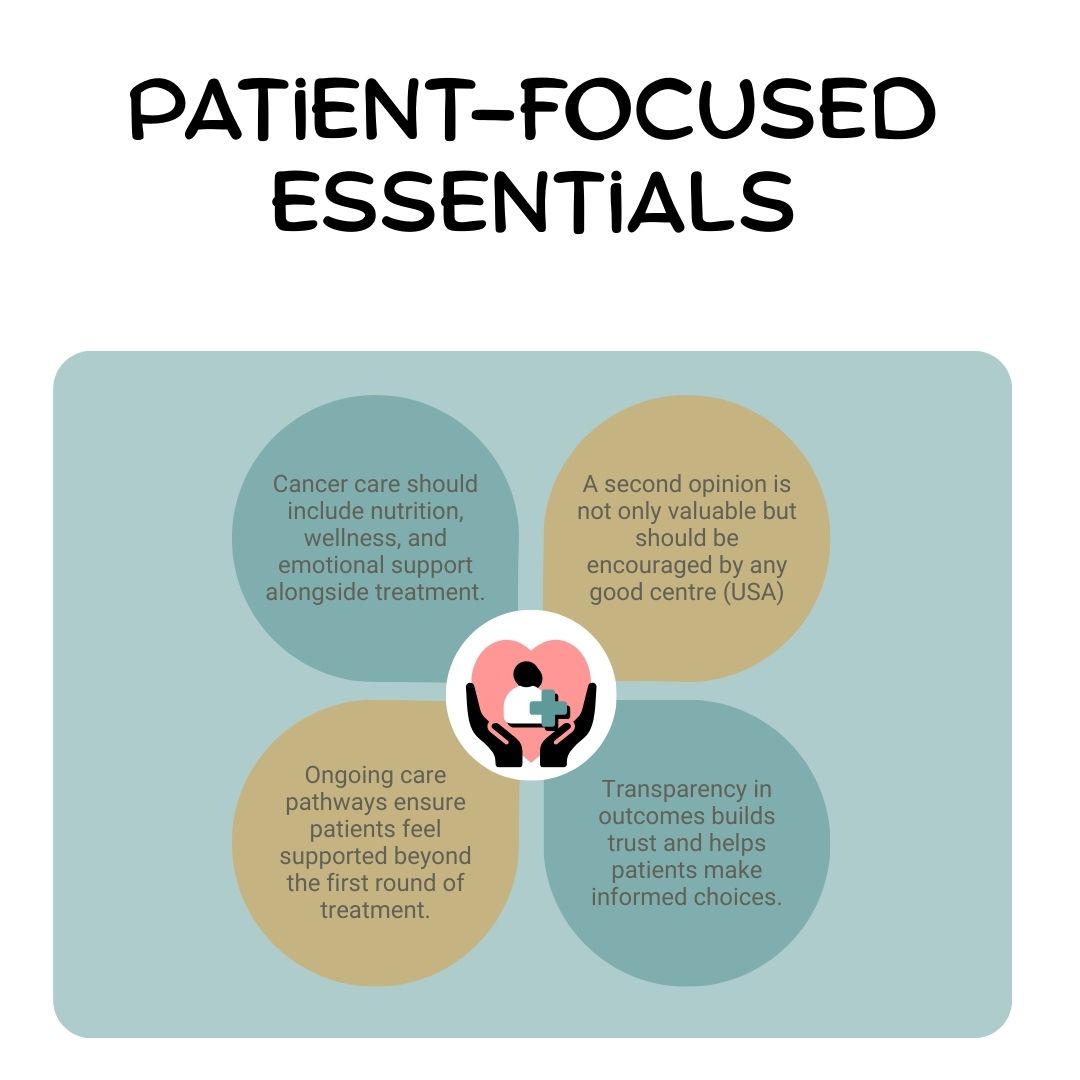
Nutrition and wellness are core to comprehensive cancer care.1 A balanced diet supports strength, boosts energy, and helps the immune system cope with treatment.2 Many centres provide access to dietitians who can advise on managing side effects such as nausea or taste changes, while also guiding patients towards a diet that promotes healing.
Wellness often extends beyond food. Exercise programmes, stress management tools such as meditation or yoga, and lifestyle support can all help reduce fatigue, improve mood, and aid recovery. Some NHS hospitals in the UK integrate these services into cancer pathways, while in the US, large centres may offer on-site nutrition and wellness programmes. Wherever you are, a centre that prioritises healthy living demonstrates a commitment to supporting recovery on every level.
Cancer is complex, and treatment decisions can feel overwhelming. Seeking a second opinion provides valuable reassurance and sometimes alternative options. A good centre will encourage and facilitate this process, helping patients gather records and connect with other experts.
In the UK, patients can request second opinions within the NHS, though processes vary. In the US, many centres have structured programmes to review cases promptly. Wherever you live, a centre that welcomes second opinions signals a commitment to transparency and patient empowerment.
Cancer care should not end once initial treatment is complete. Patients need structured follow-up pathways that adapt to changing needs. This may include regular check-ups to detect recurrence early, side-effect management, and access to specialists such as nutritionists, physiotherapists, or counsellors.
Centres that provide continuity of care also ensure smooth transitions between treatment phases, whether moving from active therapy to survivorship or to palliative support. In the NHS, clinical nurse specialists often coordinate these transitions, while in the US, patient navigators or care coordinators are key. Wherever you are, ongoing care demonstrates that the centre is committed to supporting you throughout the entire journey.
A centre’s track record in research says much about the quality of care it can deliver. Institutions with decades of research experience often have strong infrastructures for clinical trials, collaborations with leading organisations, and access to the latest therapies.
Established centres also attract top specialists who drive innovation in diagnostics, surgery, and targeted treatments. In the UK, NHS centres often partner with universities to advance research. In the US, National Cancer Institute–designated centres lead large-scale studies and bring new therapies to patients quickly. Choosing a research-active centre ensures your treatment is informed by the latest science.
Outcomes provide an important measure of a centre’s performance. Look for institutions that publish survival rates, remission statistics, and data on side-effect management. Transparent reporting allows patients to compare centres and assess their strengths.
High success rates are often linked with strong multidisciplinary teams, early adoption of new therapies, and a focus on quality of life as well as survival. In the UK, outcome data may be published through national audits, while in the US it is often shared through registries and accrediting bodies. Transparent outcomes data reflects a culture of accountability and trust.
One of the most exciting advances in cancer care is personalised, or precision, medicine. This approach tailors treatment to the genetic profile of each patient’s cancer, often resulting in more effective and less toxic therapies.
Centres offering comprehensive genetic and molecular testing can match patients with targeted therapies or immunotherapies designed for their specific cancer. While NHS centres are increasingly integrating genomic testing, US comprehensive centres often have full precision medicine programmes in place. Access to personalised medicine ensures that treatment plans are designed around the individual, not just the disease.3
Accurate diagnosis is the foundation of effective cancer care. Pathology departments that employ expert specialists and advanced testing techniques provide the precision needed to guide treatment.
High-quality pathology can distinguish between cancer subtypes that respond differently to treatment and identify biomarkers that inform targeted therapies. Centres with strong diagnostic services work closely with radiologists and oncologists to ensure no detail is missed. This level of diagnostic accuracy is crucial to building a treatment plan you can trust.
Genomic testing is central to precision cancer care. By analysing the genetic mutations and biomarkers that drive a cancer, clinicians can select treatments that are most likely to work while avoiding ineffective options.2
Centres with advanced genomic programmes often participate in clinical trials, giving patients access to therapies not widely available. NHS centres are rolling out genomic testing within cancer pathways, while US centres may offer broader panels and faster access. Wherever you are, genomic testing ensures your treatment is guided by the latest molecular insights.4
Immunotherapy and targeted treatments have transformed the cancer landscape. These approaches use the immune system or molecular pathways to attack cancer more precisely and with fewer side effects than traditional therapies.
Centres offering these therapies often also lead clinical trials, ensuring that patients benefit from the newest discoveries. While access may depend on national approvals in the UK, many US centres provide early access through research programmes. A centre that integrates immunotherapy and targeted therapies into its care reflects a forward-looking approach that prioritises innovation.
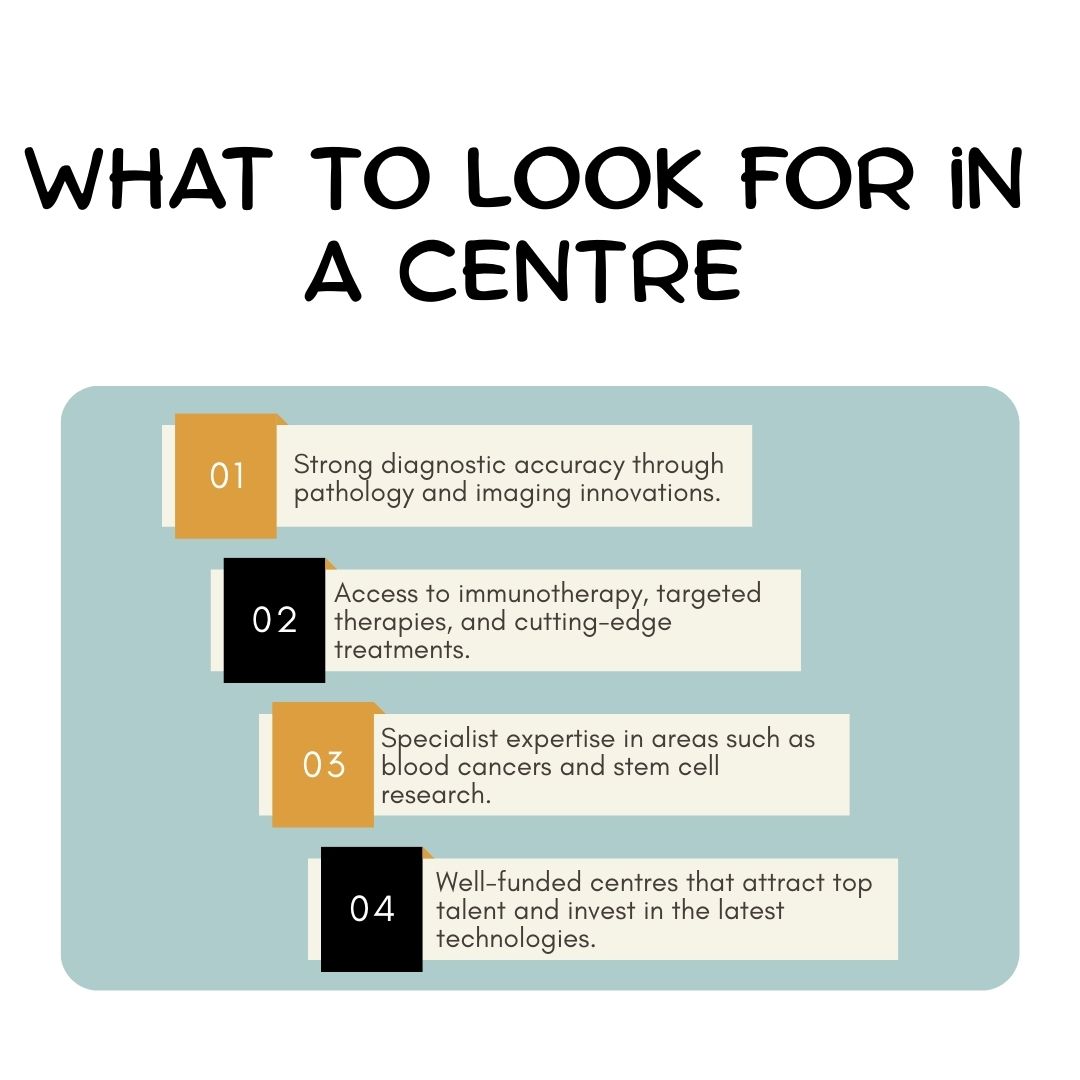
Strong funding is a hallmark of a high-quality research centre. Grants and financial backing allow centres to run clinical trials, adopt new technologies, and recruit leading experts.
Centres with robust funding often pioneer new drug development, personalised treatments, and innovative technologies. In the UK, NHS centres often partner with academic institutions and charities, while in the US, major centres receive support from the National Cancer Institute, foundations, and private donors. Patients benefit directly from centres that are financially equipped to drive innovation.
Artificial intelligence and data science are reshaping cancer care. By analysing vast datasets of imaging scans, genetic profiles, and treatment outcomes, AI can help clinicians detect disease earlier, choose effective therapies, and personalise treatment.
Centres investing in AI often collaborate with universities and tech companies to integrate new tools into care. In the UK, AI is increasingly used for early detection, while in the US, many centres have dedicated data science teams. Choosing a centre that embraces AI means your care benefits from the latest technology.
Advanced imaging is essential to accurate diagnosis and effective treatment planning. Modern MRI, CT, PET, and 3D imaging provide detailed insights into cancer’s spread and response to therapy.2
Some centres also use AI-enhanced imaging to spot subtle changes and guide minimally invasive procedures. NHS centres generally provide strong imaging services, though access may vary by region. US centres often invest heavily in the latest technology. Access to cutting-edge imaging ensures your treatment decisions are based on the clearest possible picture.
For patients with leukaemia, lymphoma, or myeloma, specialist centres with expertise in blood cancers and stem cell transplantation are essential. These centres provide access to the latest immunotherapies, targeted treatments, and transplant programmes.
Leading centres also conduct research to improve transplant outcomes and reduce side effects. In the UK, NHS haematology centres often work with research hospitals, while in the US, NCI-designated centres are leaders in blood cancer care. Choosing a centre with dedicated expertise in this area can significantly improve outcomes.
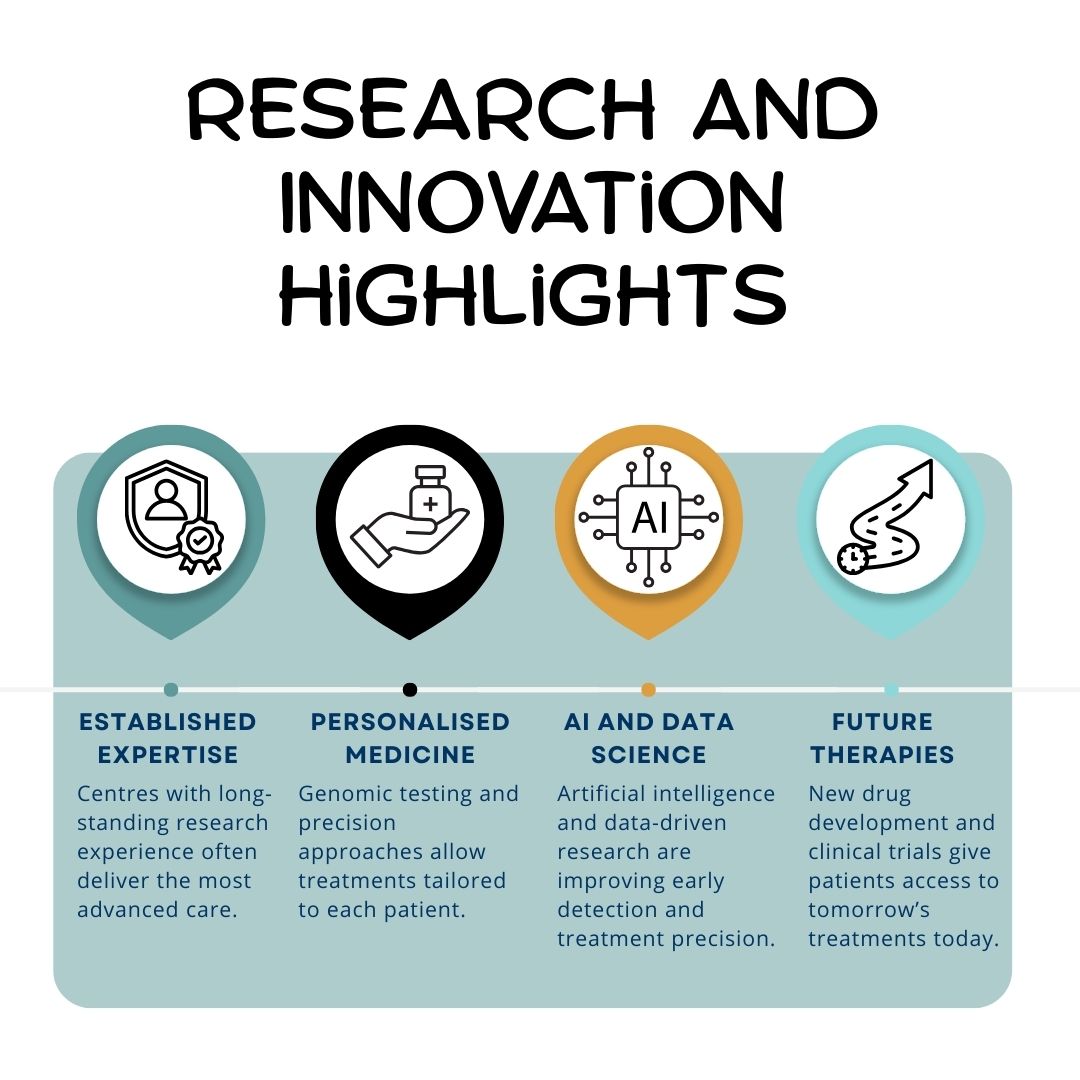
Centres that engage in new drug development bring patients access to therapies years before they are widely available. Participation in clinical trials gives patients opportunities to try promising treatments while contributing to progress in cancer care.
Look for centres with active trial programmes, partnerships with pharmaceutical companies, and dedicated research units. In both the UK and the US, collaboration between hospitals, universities, and industry drives innovation. A centre committed to new drug development ensures you are part of the future of cancer care.
Cancer care is not defined by treatment alone. The best centres integrate wellness, support, precision diagnostics, innovative therapies, and transparent reporting into every stage of care. They invest in research, embrace technology, and provide continuity from diagnosis through survivorship.
When choosing a cancer centre, look for an institution that treats you as more than a patient, one that supports your whole journey and gives you confidence that every decision is informed by the latest science and the deepest care.
Edited by: Katheeja Imani
We strongly advise you to talk with a health care professional about specific medical conditions and treatments.
The information on our site is meant to be helpful and educational but is not a substitute for medical advice.
Find cancer support for family with emotional, practical, and financial resources to navigate this journey together.
Lung Cancer Awareness Month Is Observed Globally To Increase Awareness About Lung Cancer And To Support Those With The Disease. Find Out More Here.
Melanoma Is Not Just a Disease of the Elderly or Fair-Skinned—It Can Affect Anyone. Learn the Facts, Debunk the Myths, and Understand the Real Risk Factors Based on UK Statistics.