Chemotherapy, a treatment administered to prevent the growth of cancer cells often leaves behind certain side effects on cancer patients. But, which chemotherapy drugs are used depends on the stage and types of cancer.
Sometimes, these drugs function in destroying cancer cells, but can also tamper with other healthy cells in the body. Often, short-term and long-term side effects of chemotherapy are characterized by observable symptoms.
If you have undergone chemotherapy either recently or in the past (or know someone who has), this article will examine some of the side effects that may be experienced and how to deal with them.
Chemotherapy side effects differ from person to person. And it is sometimes dependent on factors such as the kind of cancer, stage of cancer, areas surrounding the specific location of cancer, the chemotherapy drugs used, the dosage and most especially the health condition of the patient involved. Thus, putting this in mind, this article will focus on the most common side effects and how to deal with each one.
Chemotherapy drug use for most people, in effect, has been reported to cause fatigue. A form of weariness or tiredness resulting from exhaustion (low in energy). And this effect seems to go on for a long period of time.
This effect changes depending on day-to-day activities and doing some things that have always been done before may no longer be possible. What makes it more difficult is, resting or even sleeping doesn’t seem to take away the fatigue.
People concerned end up getting sad when they realize they are getting so little of what they wish to get from life since they are always tired. Though it seems like no way out from all the distressing symptoms fatigue causes, there are ways in which it can be managed.

Chemotherapy treatment can lead to feeling sick and vomiting and it can start as early as your treatment starts.
How to deal with nausea and vomiting
Find Paperback, Hardback and Kindle Editions
Hair loss also called Alopecia occurs when chemo drugs work negatively in the body, posing damage to the hair follicles responsible for hair growth. Thus cancer patient suffers from hair loss partially or completely.
This effect does more than to take one hair away but also one's self-confidence. Having to cope with people’s reactions regarding your hair is uncomfortable.
In such cases, practical steps may be taken to deal with this.
How to deal with hair loss
Chemo hinders the production of white blood cells or neutrophils (a cell responsible for the production of antibodies that combat infection). This makes cancer patients become more susceptible to infection.
How to deal with infection.
Some chemo drugs can cause mouth sores or mucositis, others may cause changes in taste.
Continuous intake of the drugs can cause inflammation of the mouth lining. In this case, the surface of the inner mouth may become red and swollen with a whitish film. This causes a painful sensation so it results in difficulty in eating or drinking. A high dose intake of chemo drugs especially increases the pain.
In some cases, studies show that mouth sores surface within about five to ten days of treatment, and stops within two to three weeks after treatment ends.
Mouth sore symptoms
How to deal with a mouth sore
This mixture includes: EITHER
OR
It is advised that you thoroughly stir the solution well, then gently swish it around the mouth and then spit it out.
Some side effect caused by chemotherapy drugs can take months and years before they surface and may take a long time before they go away. This includes:
Symptoms of lung damage
How to deal with the symptoms of lung damage
Some chemotherapy treatment can affect the reproductive organs. This can lead to infertility in both males and females.
It can also lead to early menopause and since chemo treatment damages the eggs and sperm it makes it hard for a man to father a child and women to get pregnant. This could cause a long time side effect.
Dealing with the prospect of infertility
The fear of having your cancer come back can be overwhelming but the chances of chemotherapy long time side bringing back cancer or causing metastatic cancer are very slim.
However, it is still advisable to maintain a healthy diet after cancer treatment, exercise well, and visit your oncologist if you experience any abnormal changes in your health.
These other tips can also help:
Some chemo drugs can cause damage to the nerves. Symptoms include:
High temperature, difficulty in urinating, tremor of the hand and body, difficulty hearing, seeing or walking.
These symptom may occur after chemo treatment is completed.
How to deal with damaging nerves
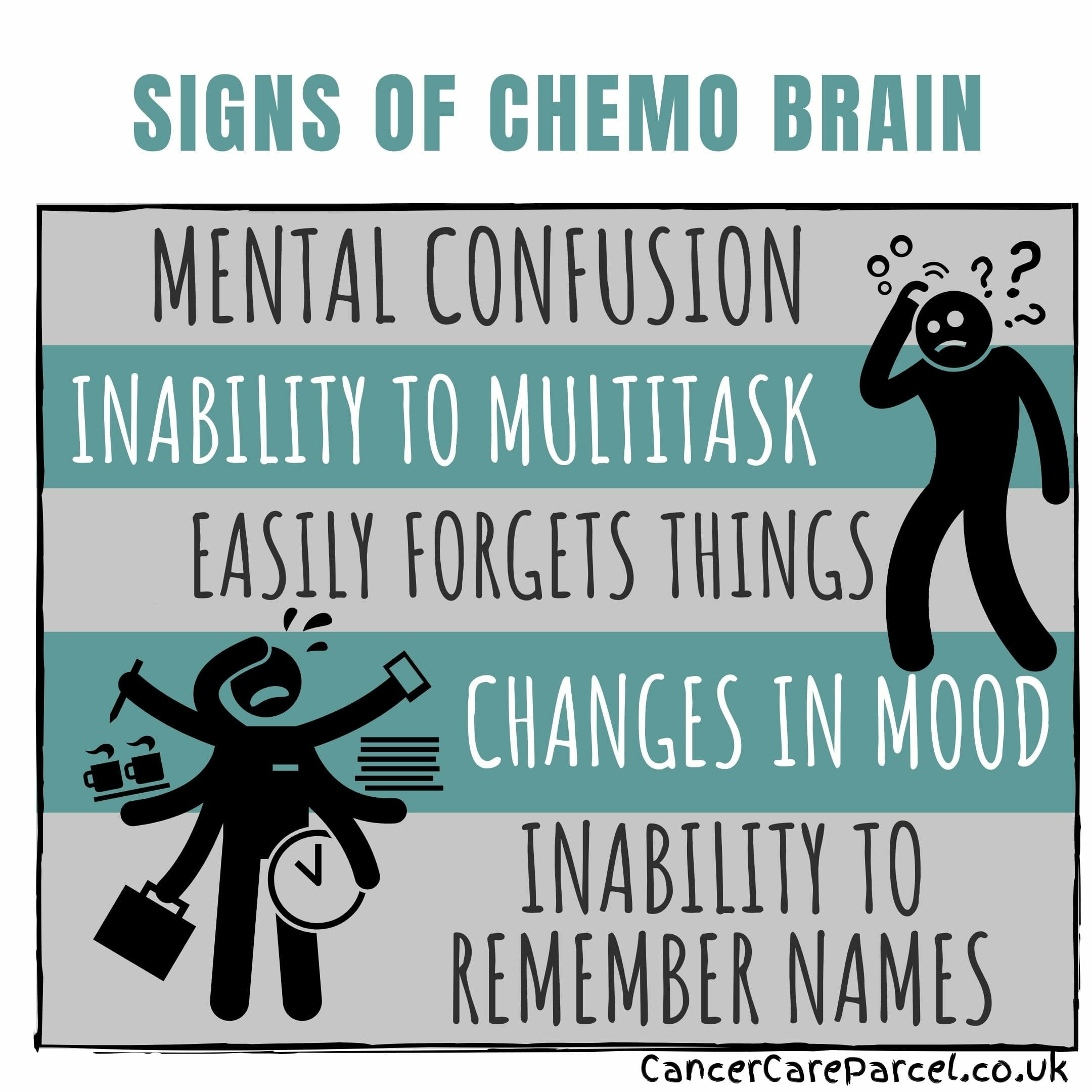
Chemotherapy brain/fog is a decrease in memory and thinking, which may lead to the inability to remember certain things, reduced concentration, and the inability to learn new things.
Side effects such as chemotherapy brain occur during or after chemotherapy treatment. It can occur for a short period of time or a lifetime and disturb a person from doing well in very important activities e.g. school, work etc.
Signs of chemo brain
What to do about chemo brain
Get a journal that contains your daily activities and events. This will help track your daily affairs and detect things that can triggers issues for you.
See if these other tips can also help:
Some chemo drugs can cause bone loss to increase, leading to bone fractures.
How to deal with osteoporosis

Chemotherapy treatment can be very expensive depending on where you live and can it can be draining, having to travel to get treatment, paying to stay at the hospital during treatment, eating expenses, time expenses and so on. These can mount up and be so hard to cope with while facing the short and long term side effect of chemo.
Any help provided during this period can be so priceless
What to do about financial pressures incurred due to cancer treatments
You may develop a lot of emotions from the beginning of chemo which can continue after the treatment ends. You may sometimes fear the risk of developing cancer again, the guilt of being a survivor (especially if you have a friend that lost their lives to cancer), or anxiety of not knowing what to do when people expect too much from you. You will need deal with all these emotions and many more of them.
Tips that can help:
The way different people respond to chemotherapy drugs are different and the above are the worst-case scenarios with tips on overcoming and coping with issues should they arise.
The best thing to do is remain positive, do the things you can do and listen to your body. Try to take control of, what is coming ahead by staying informed.
Regularly communicate with your health care providers on questions and talk to them about your concerns. Before starting chemotherapy drugs ask your doctor (oncologist) the side effect so you can anticipate how you can cope.
For family and friends reading this article, it isn’t easy to work down this road with your loved ones, do your best to help out whenever possible. If you plan to get them something to help them cope with chemo treatment and you are at a crossroads check out this link for suggestions
As you struggle to pass by each day, I hope this article plays its own role in helping ease some issues. Though it is not easy, I hope you keep finding reasons to keep living. Stay alive, stay safe and better health to you.
We strongly advise you to talk with a health care professional about specific medical conditions and treatments.
The information on our site is meant to be helpful and educational but is not a substitute for medical advice.
Considering cold caps for chemotherapy? This guide explains how they work, success rates, costs, and practical tips for preventing hair loss during treatment.
The lovely Lisa, from Lisa's Notebook has posted a detailed lifestyle review of our Women's Cancer Care Package on her blog. Lisa's Thoughts Most people automatically think to send flowers to those in hospital or recovering at home. But I think the Cancer Care Parcel boxes are far more useful, thoughtful, and practical. Besides which, some hospitals […]
Luis A. Gomez-Sarosi discusses how cancer therapies interact with cancer and non-cancerous cells and the development of early cancer detection methods.