Receiving a diagnosis of multiple myeloma can feel like stepping into the unknown. The landscape of treatments is changing fast, and it is normal to feel a mix of worry, confusion, and hope.
This guide is here to help you and your loved ones understand chemotherapy for multiple myeloma. We will break down complex information, offer up-to-date advice, and share practical steps to make decisions feel a little less daunting.
Inside, you will find clear explanations of what multiple myeloma is, how chemotherapy fits into your treatment plan, the newest drugs and combinations, what to expect during care, managing side effects. No matter where you are on your journey, you are not alone—support and answers are here.
Receiving a diagnosis of multiple myeloma can be confusing and daunting. Understanding the basics is the first step toward regaining a sense of control. Let’s break down what this condition is, how it progresses, and where chemotherapy for multiple myeloma fits in.
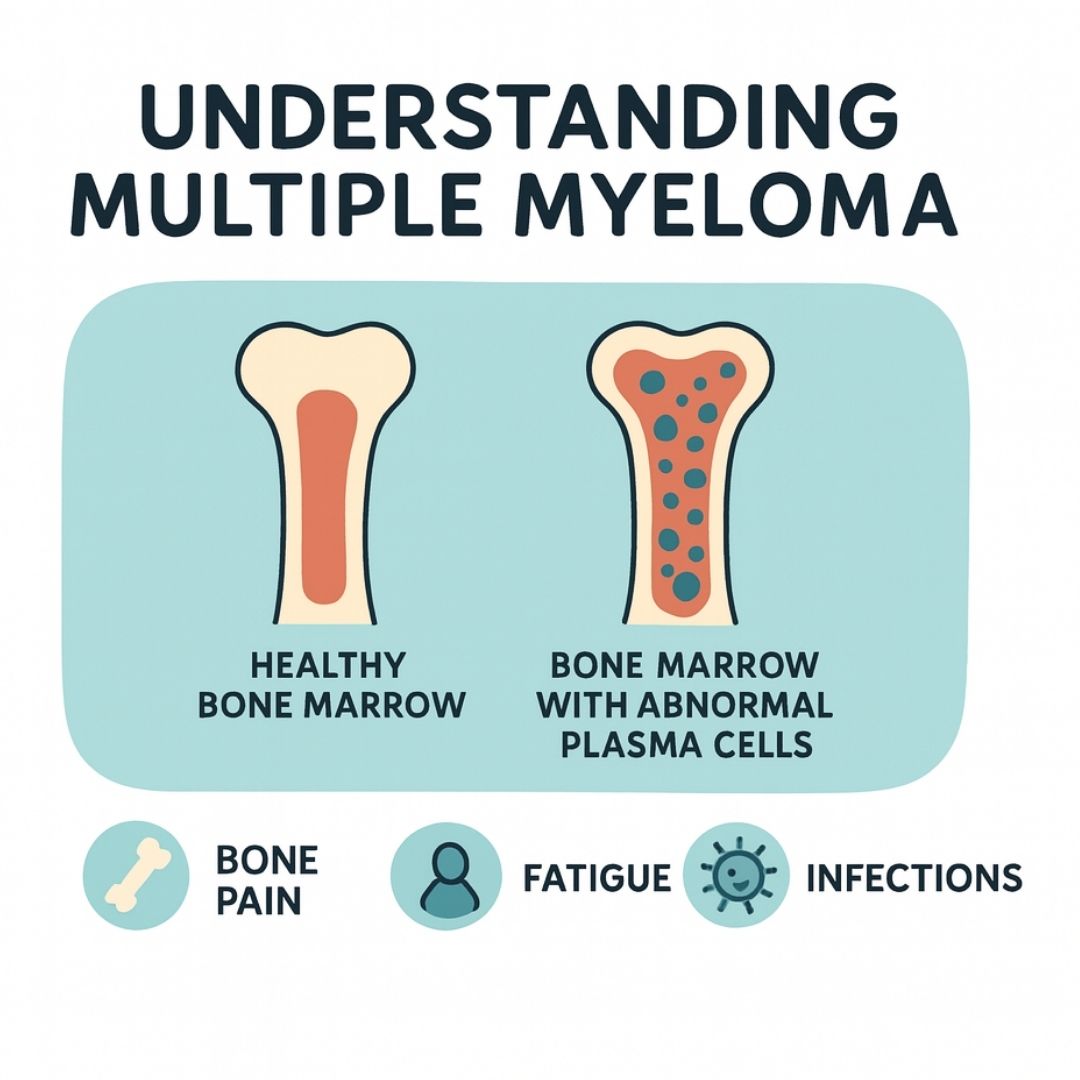
Multiple myeloma is a cancer that starts in plasma cells, which are a type of white blood cell found in the bone marrow. These cells normally help fight infections, but in myeloma, they grow uncontrollably and crowd out healthy blood cells.
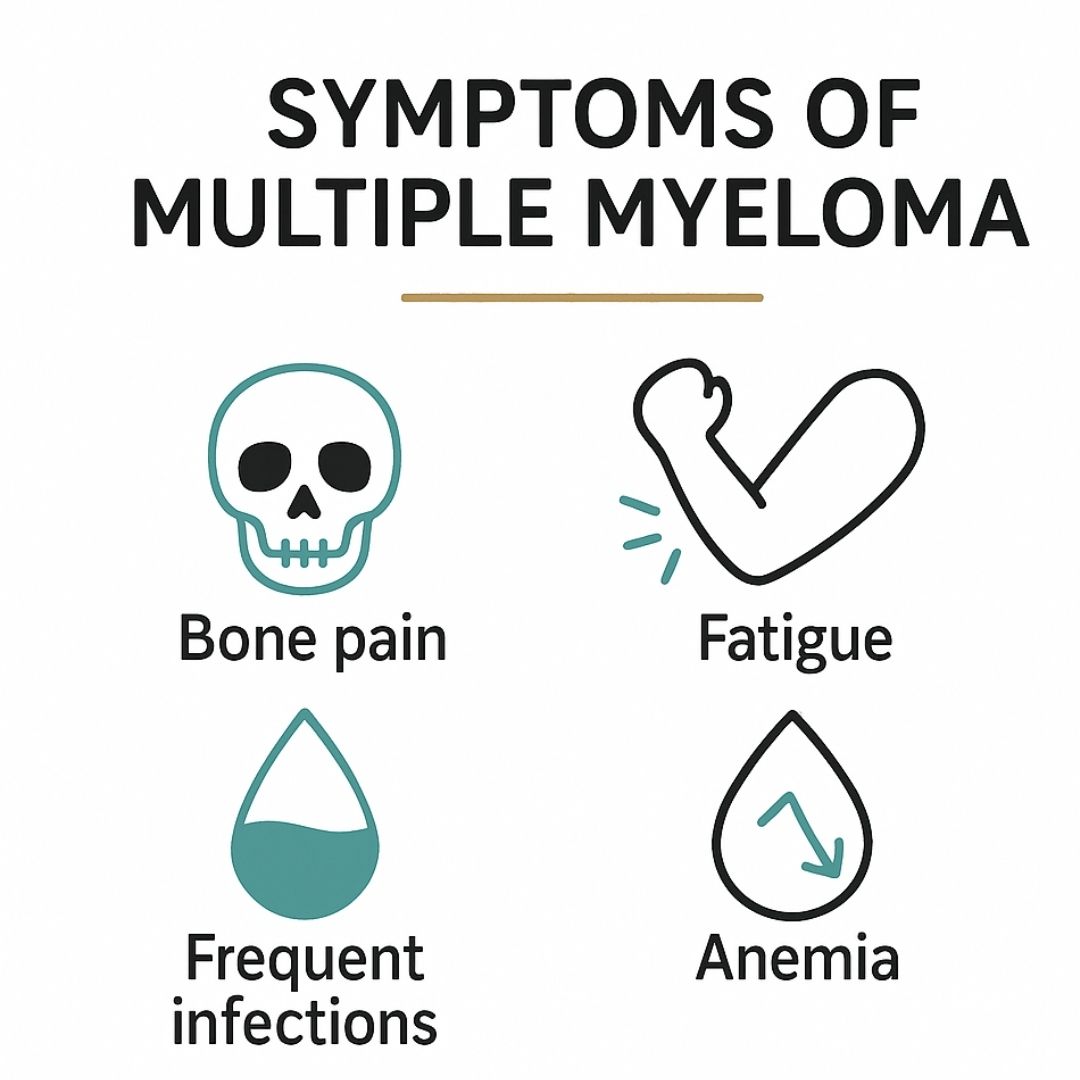
This process can weaken bones, make the immune system less effective, and cause problems like anaemia or kidney issues. People with multiple myeloma often experience bone pain, tiredness, and frequent infections.
In the UK, multiple myeloma accounts for around 2% of all cancers, with higher rates in older adults. Risk factors include being over 60, having a family history, and certain previous health conditions. Knowing these facts is essential when considering treatment options like chemotherapy for multiple myeloma.
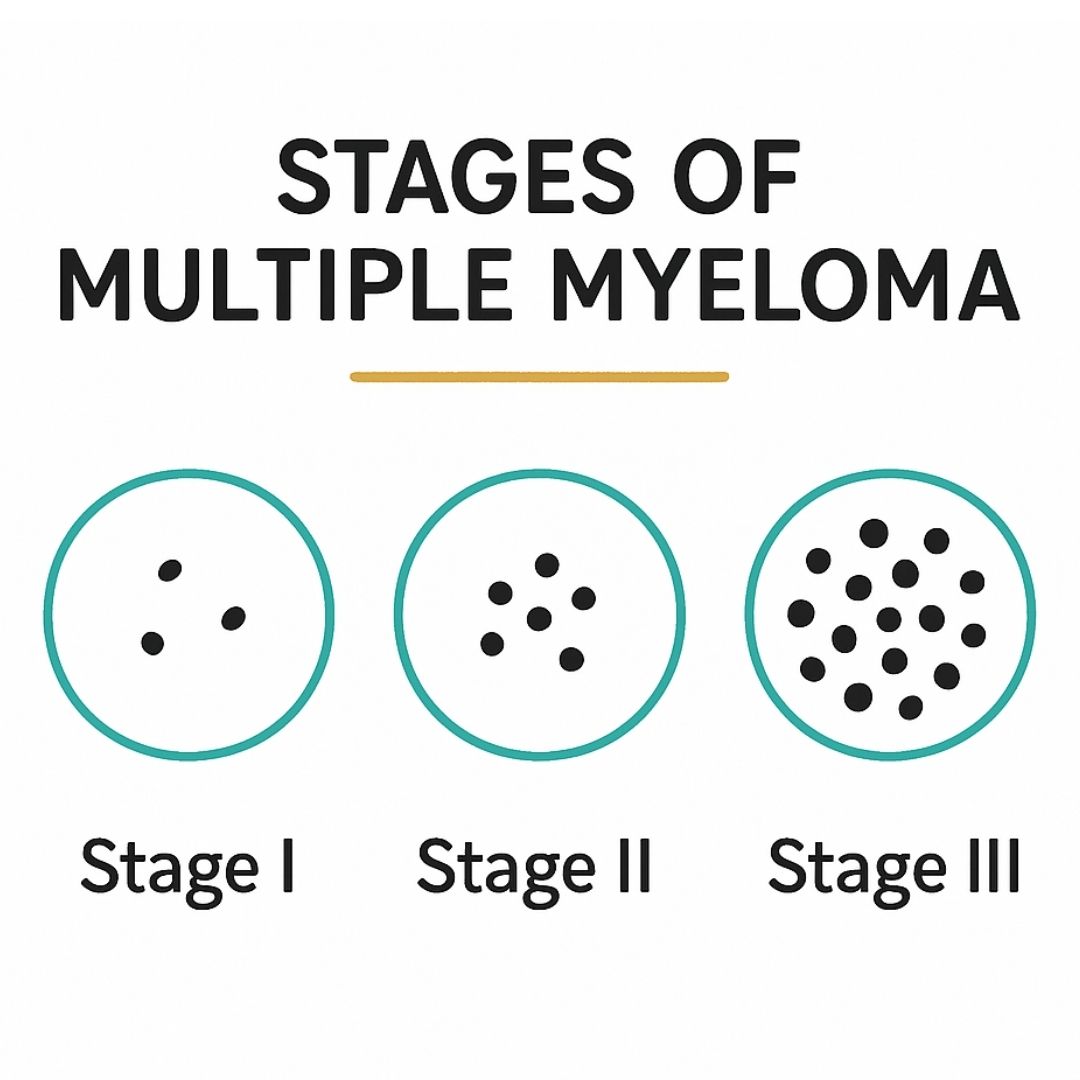
Doctors use staging systems such as the International Staging System (ISS) and Revised ISS (R-ISS) to classify multiple myeloma. These stages depend on factors like blood test results and genetic markers, helping guide treatment choices.
Myeloma can remain “smouldering” (inactive) for some time, or become “active” and require treatment. Relapsed or refractory myeloma refers to disease that returns or resists therapy. Survival rates vary by stage, with earlier stages linked to better outcomes.
Staging is key for personalising care and deciding when to start chemotherapy for multiple myeloma. For the most up-to-date treatment guidelines, patients and carers may find the NCCN Guidelines for Multiple Myeloma helpful.
Treatment for multiple myeloma is highly individualised. Standard approaches include chemotherapy for multiple myeloma, targeted therapies, stem cell transplants, and immunotherapy. The care team often includes haematologists, nurses, pharmacists, and other specialists working together.
Personalised medicine is becoming more common, with genetic profiling helping to select the best treatment. Recent advances mean that combination therapies are now more effective than ever. These improvements are giving patients more hope and better quality of life.
Chemotherapy for multiple myeloma remains a cornerstone of treatment, even with new therapies on the horizon. Its main goals are to reduce the number of cancerous plasma cells, control symptoms, and help patients achieve remission.
Doctors may recommend chemotherapy as a first-line treatment, during relapse, or if the disease does not respond to other options. It is often combined with other drugs for maximum effect. Chemotherapy for multiple myeloma continues to play a vital part in improving survival and supporting patient well-being. In addition to medical treatments, nutrition tips for fast recovery can significantly enhance a patient’s resilience during therapy. A well-balanced diet rich in vitamins and minerals is crucial for supporting the body’s healing processes. Incorporating nutrient-dense foods can also help manage side effects and boost overall energy levels. Managing chemotherapy side effects effectively requires a holistic approach that includes both physical and emotional support. Patients may benefit from guidance on stress management techniques, such as yoga or mindfulness practices, which can alleviate some of the mental burdens associated with treatment. Additionally, support groups offer a space for patients to share their experiences and coping strategies, fostering a sense of community and understanding.
Navigating chemotherapy for multiple myeloma can feel daunting, especially with so many new drugs and regimens on offer. Understanding your options will help you feel empowered and more in control of your treatment journey.
Chemotherapy for multiple myeloma typically involves a mix of drugs, each with a specific role. The main classes are alkylating agents, corticosteroids, and newer agents that bring fresh hope to patients.
| Drug Class | Examples | Function |
|---|---|---|
| Alkylating Agents | Melphalan, Cyclophosphamide | Damage DNA of cancer cells |
| Corticosteroids | Dexamethasone, Prednisolone | Reduce inflammation, kill myeloma |
| Newer Agents | Bendamustine, Liposomal Doxorubicin | Target myeloma with fewer side effects |
Alkylating agents like melphalan and cyclophosphamide are the backbone of chemotherapy for multiple myeloma. They work by interfering with the cancer cell's DNA, preventing growth and division.
Corticosteroids such as dexamethasone and prednisolone are often used alongside other drugs. They help reduce inflammation and can directly kill myeloma cells.
Newer agents like bendamustine and liposomal doxorubicin have been introduced recently, offering improved efficacy and sometimes a milder side effect profile. Recent trials show response rates of up to 80 percent in some patient groups, giving renewed hope for better outcomes.
Most people receive chemotherapy for multiple myeloma as part of a combination regimen. This approach uses several drugs together, increasing the chances of remission and targeting the cancer in different ways.
Common protocols include:
These regimens are often combined with immunomodulatory drugs such as lenalidomide, thalidomide, or pomalidomide. Proteasome inhibitors like bortezomib and carfilzomib are also common partners, making triple or even quadruple therapies possible.
Recent data show that triple therapy protocols can achieve remission rates of over 90 percent in newly diagnosed patients. Quadruple regimens are being explored for high-risk cases, with early results showing even better outcomes.
For the most up-to-date recommendations on combination protocols, the EHA Multiple Myeloma Guidelines provide detailed guidance for clinicians and patients alike.
Chemotherapy for multiple myeloma can be given in several ways, tailored to individual needs. Some drugs are taken orally as tablets or capsules, while others are given intravenously in the clinic or hospital.
Home-based oral chemotherapy offers greater flexibility for many people, allowing treatment without frequent hospital visits. Intravenous regimens usually require more monitoring but may be preferred for certain drugs or patient groups.
A typical treatment cycle lasts 3 to 4 weeks, with several cycles making up a full course. Regular blood tests and check-ups are needed to track progress and manage side effects.
This flexibility helps patients fit chemotherapy for multiple myeloma into their daily lives, supporting both treatment and quality of life.
Recent years have brought significant progress to chemotherapy for multiple myeloma. New drugs approved between 2023 and 2025, like next-generation alkylators and improved liposomal formulations, offer greater precision and fewer side effects.
Promising agents in late-stage trials include those targeting specific genetic mutations found in myeloma cells. These advances mean treatment can be tailored more closely to your individual cancer profile.
Innovations in drug delivery, such as sustained-release tablets and targeted infusions, have improved both convenience and tolerability. Early results show improved survival and fewer hospital admissions for side effects.
Precision medicine is now a reality, with genetic profiling helping doctors choose the right chemotherapy for multiple myeloma, increasing the chances of a successful outcome.
Tailoring chemotherapy for multiple myeloma is crucial for special groups. Elderly or frail patients may need lower doses or oral regimens to reduce side effects and maintain independence.
Patients with kidney problems often get adjusted doses or alternative drugs to protect their organs. Those with high-risk genetic changes may benefit from more intensive or novel regimens.
While myeloma in children and young adults is rare, specialists carefully adapt protocols to suit their unique needs, always aiming for the best possible outcome.
Recent studies confirm that, with careful adjustments, chemotherapy for multiple myeloma remains effective and safe across all age groups and risk categories.
Starting chemotherapy for multiple myeloma can feel daunting, but knowing what to expect helps ease anxiety. This section walks you through every step, from preparation to emotional support, so you feel informed and empowered.
When beginning chemotherapy for multiple myeloma, preparation starts well before the first treatment. Your care team will arrange blood tests to check organ function, ensuring your body is ready. Vaccinations may be recommended to reduce infection risk, as the immune system can become weaker during treatment. Preparing for your chemotherapy session also involves gathering any necessary documentation and understanding what to expect during the treatment. It’s important to discuss potential side effects with your healthcare provider so you are mentally and physically prepared. Additionally, having a support system in place can help ease the transition into this new phase of your health journey.
Dental checks are important, since oral infections can be a concern. You might also have bone health assessments. Before starting chemotherapy for multiple myeloma, you will receive information about the treatment plan, possible side effects, and ways to manage them. You could evaluate the essential qualities of a chemotherapy doctor, as their expertise can significantly influence the effectiveness of your treatment. A compassionate and knowledgeable physician will help you navigate the complexities of your condition and provide tailored support throughout your journey. Furthermore, strong communication skills are vital for addressing any concerns and ensuring you feel empowered in your treatment decisions.
Psychological preparation is just as vital. Many hospitals offer counselling or support groups, helping you and your family cope with the emotional impact. Taking time to ask questions and voice concerns helps you feel more in control. Remember, every patient’s journey is unique, and your team is there to support you every step of the way.
Each cycle of chemotherapy for multiple myeloma follows a routine, but your plan may be tailored to your needs. On treatment days, you will have appointments at the hospital or sometimes at home. Nurses will check your blood counts, vital signs, and general health before starting each session.
Drugs might be given through a drip, injection, or as tablets. Some patients need a central line or port for easier access. Sessions can last from a short visit to several hours, depending on the regimen. You may receive fluids, anti-sickness medications, or other supportive treatments alongside chemotherapy for multiple myeloma.
Throughout, you’ll be supported by nurses, pharmacists, and doctors. They monitor for side effects, answer questions, and help you feel as comfortable as possible. Open communication is encouraged. While the process may seem complex at first, you’ll soon become familiar with each step. Remember, you are not alone in this journey.
Monitoring during chemotherapy for multiple myeloma is ongoing and thorough. Regular blood tests will track markers like paraprotein and light chains, which signal how well the treatment is working. Imaging scans and occasional bone marrow biopsies may be needed to assess disease status.
Doctors use these results to evaluate your response. If the myeloma is shrinking or stabilising, treatment continues as planned. Sometimes, adjustments are made to doses or medications based on your progress or side effects. You will have regular meetings with your care team to discuss results and next steps.
Open communication is encouraged, so you always understand how chemotherapy for multiple myeloma is affecting your body. This collaborative approach ensures you receive the most effective and safest care possible.
Side effects are a common part of chemotherapy for multiple myeloma, but many can be managed effectively. Fatigue, nausea, and increased infection risk are among the most frequent issues. Some people experience tingling or numbness in their hands and feet, known as neuropathy. Managing chemotherapy treatment side effects often involves a combination of lifestyle adjustments and medication. Patients may find that staying hydrated and eating small, frequent meals can help alleviate nausea. Additionally, discussing any troubling symptoms with healthcare providers can lead to tailored strategies for maintaining comfort during treatment. Chemotherapy patient hydration strategies are essential for managing some of the more uncomfortable symptoms associated with treatment. Drinking enough fluids can help reduce fatigue and prevent dehydration, which is crucial during chemotherapy. Patients may also benefit from electrolyte solutions to maintain their strength and overall well-being.
Short-term side effects like nausea are often controlled with antiemetic medications. It’s important to report new or worsening symptoms quickly, as early support can prevent complications. Long-term effects, such as ongoing fatigue, are also monitored and addressed by your team.
Practical advice and patient tips can make a real difference. For more in-depth strategies and support, see these tips for managing cancer side effects. Remember, your well-being is the priority, and your team is there to help you feel as well as possible throughout chemotherapy for multiple myeloma. It's important to understand the chemotherapy restrictions in order to minimize side effects and maximize the effectiveness of your treatment. Consulting with a nutritionist familiar with cancer care can provide personalized guidance tailored to your specific needs. Additionally, staying informed about which foods to include in your diet can improve your overall health during this challenging time.
The emotional side of chemotherapy for multiple myeloma can be just as challenging as the physical. Many patients experience anxiety, sadness, or uncertainty. Accessing counselling services or peer support groups can provide comfort and understanding from others who share similar experiences.
Practical support is also available. Social workers and financial advisors can help you navigate benefits, work arrangements, and family responsibilities. Carers and loved ones play a vital role in daily life, so it’s important they feel supported too.
Resources are available for both patients and families, offering guidance on everything from nutrition to emotional well-being. Remember, asking for help is a sign of strength. Your journey with chemotherapy for multiple myeloma is unique, but you never have to face it alone.
Undergoing chemotherapy for multiple myeloma can feel daunting, especially when facing a range of possible side effects. The good news is that many side effects can be managed with the right strategies and support. Understanding what to expect, and how to cope, can make a real difference to your quality of life during treatment.
Chemotherapy for multiple myeloma often causes a range of physical side effects, but many can be managed effectively with proactive care. Common symptoms include: Chemotherapy nausea management tips include dietary adjustments, such as eating small, frequent meals and avoiding strong odors that may trigger nausea. Additionally, staying hydrated and using prescribed medications can significantly improve comfort during treatment. Exploring relaxation techniques, like deep breathing or guided meditation, can also help alleviate anxiety and nausea.
Here’s a quick table summarising some common side effects and helpful management tips:
| Side Effect | Management Tip |
|---|---|
| Fatigue | Rest, gentle exercise, conserve energy |
| Nausea/Vomiting | Antiemetics, small meals, hydration |
| Neuropathy | Report symptoms, gentle massage, adjust meds |
| Infection Risk | Handwashing, avoid sick contacts, vaccinations |
For more in-depth information and practical advice on symptom management, you can explore these chemotherapy guides for cancer patients. In addition to the guides, please read our chemotherapy treatment preparation steps to help ease the transition into treatment. Being informed about what to expect can significantly reduce anxiety and improve overall experiences for patients. Engaging with healthcare providers about these steps is also essential for tailored support.
The emotional impact of chemotherapy for multiple myeloma is just as real as the physical side effects. Anxiety, low mood, and worries about the future are common. Some people also notice “chemo brain,” where memory or concentration feels foggy.
It is important to acknowledge these feelings and reach out for support. Counselling, mindfulness, and talking therapies can help you process your emotions. Keeping a diary of your mood and symptoms can also be useful.
Joining peer support groups or online communities can help you feel less alone. Carers and families may also need support, so do not hesitate to involve them in conversations with your care team. If you are seeking holistic advice, these cancer health and wellbeing guides covers emotional wellbeing, stress management, and coping strategies.
Maintaining good nutrition is vital during chemotherapy for multiple myeloma. You might notice changes in appetite or taste, which can make eating challenging. Try to eat small, frequent meals rich in protein and calories.
Stay hydrated, and do gentle exercise if you feel able. Activities like walking or stretching can boost mood and energy. Avoid alcohol and smoking, as they can worsen side effects and slow recovery.
Some people explore complementary therapies, such as gentle massage or acupuncture, but always check with your medical team first. Dietitians and physiotherapists can offer tailored advice to help you stay strong and maintain your wellbeing.
Even after chemotherapy for multiple myeloma ends, some effects can linger or appear later. Infertility is possible, so discuss fertility preservation if this is a concern before starting treatment. Bone health may be affected, increasing the risk of osteoporosis, so calcium and vitamin D monitoring is important.
There is a small risk of developing secondary cancers in the future, and long-term fatigue or neuropathy may persist. Your care team will monitor you for these issues and create a survivorship plan to support your ongoing health. Regular follow-up and honest communication remain key for long-term wellbeing.
Facing chemotherapy for multiple myeloma can be less isolating with the right support. Cancer Care Parcel provides comfort packages designed for people having chemotherapy, as well as free educational resources and well-being guides.
These resources can help you and your family manage both the physical and emotional challenges of treatment. Knowing where to turn for help can make each step feel a little lighter.
The landscape of chemotherapy for multiple myeloma is undergoing a transformation. New research, technologies, and a deeper understanding of the disease are opening up more personalised, effective, and compassionate options for patients and their families.
Personalisation is at the heart of the latest advances in chemotherapy for multiple myeloma. Doctors are now able to use genetic profiling to understand the unique characteristics of each patient’s cancer. This helps them choose the most effective drugs and doses from the start, reducing the trial-and-error approach of the past. By tailoring chemotherapy regimens to individual risk factors, such as specific gene mutations or cytogenetic profiles, treatment can be both more effective and less toxic.
A major trend is combining chemotherapy for multiple myeloma with targeted therapies, such as monoclonal antibodies. These drugs are designed to attack cancer cells while sparing healthy tissue, which can improve outcomes and minimise side effects. Clinical trials in 2024 and 2025 have shown that personalised treatment protocols can increase remission rates and overall survival, especially for patients with high-risk features.
To stay updated on these developments, you can read more about the latest advances in cancer research, which highlights new approaches and ongoing breakthroughs in the field.
| Approach | How It Works | Potential Benefits |
|---|---|---|
| Standard | Same regimen for most patients | Predictable side effects, less complexity |
| Personalised | Regimen tailored to genetics and risk | Higher remission rates, fewer side effects |
| Targeted Combo | Chemotherapy with monoclonal antibodies | Improved survival, precision targeting |
Personalised chemotherapy for multiple myeloma is not just a hope for the future, it is becoming the new standard of care for many patients today.
Reducing the side effects of chemotherapy for multiple myeloma has become a top priority. Recent advances in drug formulation and delivery methods aim to make treatments less harsh on the body. For example, some chemotherapy drugs are now available in oral forms, which can be taken at home and offer more flexibility.
Supportive medications, such as antiemetics and growth factors, are routinely used to help prevent or manage side effects like nausea and low blood counts. Outpatient and home-based chemotherapy options are also becoming more common, allowing patients to maintain their daily routines and spend less time in hospital. Chemotherapy treatment for cancer patients has evolved significantly, offering a range of options tailored to individual needs. Innovative approaches, including personalized medicine and targeted therapies, are being integrated into standard protocols to enhance efficacy and reduce adverse effects. This shift not only improves patient outcomes but also fosters a sense of empowerment among those navigating their treatment journeys.
Patient-reported outcome measures are now part of regular care, ensuring that doctors address not just the disease, but also the person’s overall well-being. These improvements make chemotherapy for multiple myeloma more manageable and help patients lead fuller lives during treatment.
The future of chemotherapy for multiple myeloma is closely linked with the rise of innovative treatments. Researchers are exploring combinations of chemotherapy with CAR-T cell therapy, bispecific antibodies, and new targeted agents. These combinations are showing promise, especially for patients whose disease has relapsed or is resistant to standard treatments.
Early clinical trial results indicate that integrating emerging therapies with chemotherapy for multiple myeloma can lead to deeper, longer-lasting remissions. For example, some studies have demonstrated improved outcomes when chemotherapy is given alongside immunotherapies, creating a more powerful attack on cancer cells.
As research continues, these novel combinations could transform how chemotherapy for multiple myeloma is used, offering renewed hope for those facing difficult-to-treat cases.
Clinical trials are essential for bringing the next generation of chemotherapy for multiple myeloma to patients. Participating in a trial can give access to the latest drugs, new combinations, and cutting-edge strategies that might not yet be widely available.
Patients and carers can find information about ongoing studies through resources like the Mayo Clinic Multiple Myeloma Clinical Trials page. These trials are open to people across the UK and globally, and the care team can help determine if a trial is a good fit.
Taking part in clinical research is a personal decision, but it offers the chance to contribute to future breakthroughs while potentially benefiting from advanced therapies for chemotherapy for multiple myeloma.
Looking forward, chemotherapy for multiple myeloma is set to become more personalised, less toxic, and more effective. Ongoing research, improved supportive care, and new combinations with emerging therapies are driving better outcomes and quality of life.
While challenges remain, there is real hope for further breakthroughs and improved survival for everyone affected by multiple myeloma.
I know that navigating chemotherapy for multiple myeloma can feel daunting, especially with so much information to take in and decisions to make. You’re not alone on this journey, there are resources and support to help you every step of the way. If you’d like practical guidance, tips for managing side effects, and a caring community to lean on, we’ve created a dedicated space just for people living with cancer. It’s full of free tools, emotional support, and advice tailored to your needs. When you’re ready, have a look at I Have Cancer, we’re here for you.
We strongly advise you to talk with a health care professional about specific medical conditions and treatments.
The information on our site is meant to be helpful and educational but is not a substitute for medical advice.
Cancer does not need to be unduly given glory as many of us have seen it being done so far. Cancer is just a disease and we need to keep it at that. Labeling it as a fight, losing a battle, winning the war are all attitudes that can bring negativity or false positivity in everyone involved in this, be it the patient, his or her family as well as the treating team.
Explore How Cancer Affects Relationships, And Learn Practical Strategies For Strengthening Emotional Bonds Through Communication, Compassion, And Support.
Discover The 10 Crucial Questions To Ask After A Lung Cancer Diagnosis.