When you hear the words "it's cancer," it feels like the ground has been knocked out from under you. The diagnosis doesn't just happen to one person; it sends a ripple effect through the entire family, leaving everyone grappling with the fallout. Cancer support for family is more than just a phrase, it's about finding a web of emotional, practical, and financial help to carry you through this incredibly tough time. This guide is here to help you find your way.
Hearing a loved one has cancer is completely overwhelming. You're probably caught in a storm of emotions, fear, anger, deep sadness, and maybe a profound feeling of being powerless. It's so important to know that whatever you're feeling is valid. You are not alone in this.
Try to think of your family as a crew on a ship that's suddenly hit rough seas. Everyone has a part to play, and getting through the storm depends on talking openly, sharing the load, and keeping an eye on each other. There will be tough days, but with the right support, you can find the strength to navigate this together.
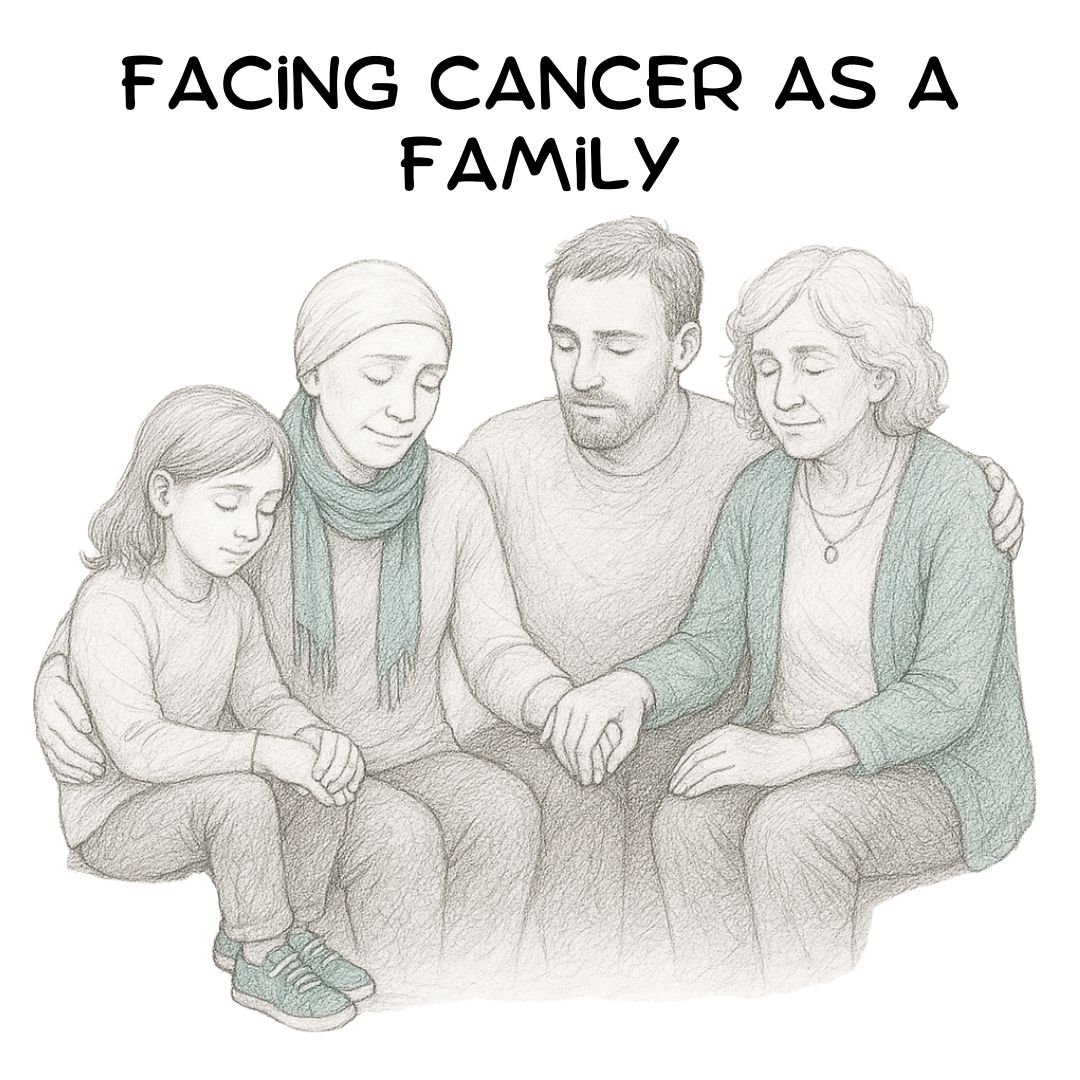
Real support has to cover everyone’s needs, not just the person who is ill. It’s a holistic system meant to keep your family strong when it feels like everything is threatening to pull you apart.
This usually breaks down into three key areas:
This all-encompassing view makes sure that caregivers are cared for too. It’s about creating a support network that can go the distance.
A diagnosis lands on the whole family. Looking after the needs of partners, children, and siblings isn't a distraction from the patient's care, it's a vital part of it. When everyone feels supported, you build a much stronger foundation for the person at the centre of it all.
We've created this guide to be a reliable friend, offering straightforward, practical advice for every step of this journey. We’ll walk through how to handle the emotional rollercoaster of a diagnosis and manage the day-to-day reality of caregiving without running on empty.
We’ll also tackle those difficult but essential conversations, like managing money worries or figuring out how to talk to kids about what’s happening. For more on that, our parental guide to explaining cancer to children offers gentle, effective ways to approach the topic.
By getting to grips with the kinds of help out there and knowing how to find it, you can start to feel more in control. Together, you can find the strength to face this challenge as a family, united and supported.
Hearing the words "it's cancer" can feel like your entire world has been knocked off its axis. One minute, life is normal, and the next, your family is thrown into a tailspin of fear, shock, and a future that suddenly feels terrifyingly uncertain. These aren't just feelings the patient has to navigate; they ripple outwards, touching everyone in the family.
That initial shock often fractures into a whole spectrum of other emotions. You might feel a white-hot anger at how unfair it all is, a deep, pulling sadness for what you stand to lose, or even a sense of guilt because you feel overwhelmed when you think you should be the strong one. The most important thing to remember is that there's no "right" way to feel. These are all completely normal human reactions to a life-changing event.
The first step isn't to fight these feelings or pretend they don't exist. It's simply to acknowledge them. Acknowledging the emotional upheaval for what it is—a natural response to a crisis—is the first real step toward finding your footing again.
In the middle of this emotional chaos, honest communication is your lifeline. It's what can keep you all from feeling isolated and drifting apart. But talking about cancer is hard, and it's common for families to fall into a pattern of silence, each person trying to "protect" the others from their own fears.
You have to deliberately create a safe space where everyone feels they can speak up without fear of judgment. This doesn't need to be a big, formal family meeting. It can be as simple as making time for a quiet chat over a cup of tea, with the phones put away, where the only agenda is to listen.
Real listening here isn't just about hearing the words. It's about tuning into what's not being said, picking up on the body language, and simply validating someone's fear with a comment like, "That sounds incredibly scary." It's about offering empathy, not immediate solutions.
Genuine support often begins when we learn to listen more than we speak. It’s about making it safe for someone to be vulnerable, allowing them to work through their own feelings without us trying to fix everything.
As vital as family is, sometimes the emotional burden becomes too heavy for anyone to carry alone. It's crucial to recognize the signs that you or someone in your family might need to talk to a professional.
Keep an eye out for these signals that things are getting overwhelming:
Seeing these signs isn't a sign of weakness. It's a signal flare, indicating that it’s time to call for reinforcements. This is where professionals like oncology social workers, counsellors, or therapists can be incredibly helpful. They are experts in navigating this territory and can offer practical tools and strategies to help your family cope with stress and find a way forward, together.
Today, emotional and psychological support is rightly seen as a fundamental part of cancer care. We now understand that the well-being of the whole family has a direct impact on the patient's own journey. The research backs this up, with some studies showing that up to 70% of caregivers experience serious emotional distress, including anxiety, depression, and burnout.
Because of this, organisations like CancerCare have spent over 80 years providing free counselling and educational support to tens of thousands of families. You can find more up-to-date statistics and insights on the American Cancer Society website.
Reaching out for this kind of help is a sign of incredible strength. It’s about equipping your family with the best possible tools to get through the storm ahead, ensuring everyone feels heard and supported. By combining the love you have for each other with professional guidance, you can build a resilient support system that can handle whatever comes next.
When cancer enters your life, it’s not just an emotional journey; it brings a sudden avalanche of practical tasks. Suddenly, you're juggling appointments, medications, and household chores on top of everything else. It can feel like taking on a new, incredibly demanding job.
The secret isn't to just push through it. It's to get organized as a team. By breaking down the massive job of "caregiving" into smaller, manageable pieces, you can figure out what needs doing and who is best placed to help. This kind of planning is a vital form of cancer support for family, as it helps prevent any one person from burning out and ensures that crucial details don't get missed.
The journey often starts with the shock of diagnosis and then moves into navigating a whole new world of emotional and practical needs, which is where a strong support system becomes so important.
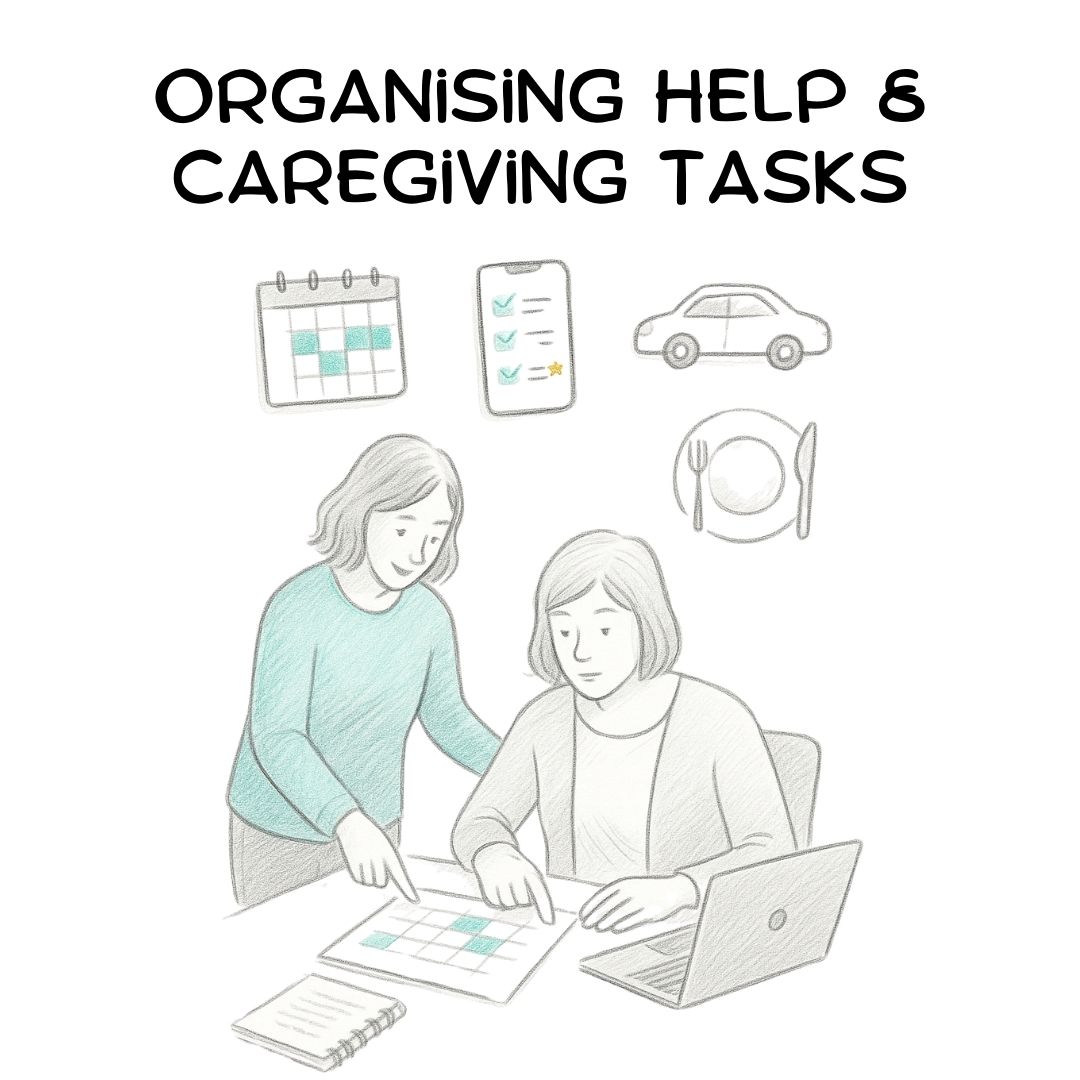
As you can see, making sense of the initial emotional wave is the first step. From there, you can build the practical support network needed to get through it.
Keeping track of the medical side of things can feel like the most intimidating part of caregiving. It's so much more than just being a taxi service for appointments; you become a note-taker, a records clerk, and a key link in the communication chain.
A great first step is to create a central hub for all medical information. This doesn't have to be complicated—a simple binder or a shared digital folder works perfectly.
Pro Tip: Designate one person as the primary contact for the medical team. This avoids confusion and crossed wires. That person can then share updates with the rest of the family, so everyone stays in the loop without overwhelming the doctors and nurses.
Cancer and its treatments are physically draining, making even simple, everyday tasks feel like climbing a mountain. This is where practical help can make an enormous difference, and it’s often where friends and neighbours are most keen to step in.
Take a moment to think about the daily routine. Where are the pressure points? It might be cooking dinner, doing a load of laundry, walking the dog, or picking up the kids from school.
Making a specific list of these tasks makes it much easier for people to offer real, tangible help. If you're looking for more inspiration, our guide on 34 ways to support your loved one living with cancer is packed with useful ideas.
We've all been there, a friend says, "Let me know if you need anything!" It’s a wonderful offer, but without a specific "thing" to ask for, it can feel awkward to take them up on it. The trick is to have your answer ready.
Using a free online tool can be a fantastic way to coordinate all those lovely offers of help without feeling like you're constantly asking.
This approach takes the guesswork out of helping. It empowers your community to contribute in meaningful ways, distributes the load, and frees you up to focus on what’s truly important: being present for your loved one.
To help you get started, here is a simple framework for delegating some of the most common caregiving tasks. You can adapt this to fit your family's unique situation.
| Responsibility Area | Specific Tasks | Assigned To (e.g., Spouse, Sibling, Friend) | Frequency/Schedule |
|---|---|---|---|
| Medical Management | Attend appointments, take notes, manage medication schedule, call pharmacy | Spouse | As needed / Weekly pill setup |
| Household Chores | Grocery shopping, laundry, light cleaning, lawn care | Sibling, Teenager, Neighbour | Weekly rota |
| Meal Preparation | Cook and freeze meals, coordinate meal train with friends | Friend, Church Group | 2-3 times per week |
| Transportation | Drive to and from chemotherapy/radiology appointments | Adult Child, Friend | Per appointment schedule |
| Communication Updates | Send email/text updates to wider family and friends after appointments | Sibling | After major appointments |
| Personal Care/Respite | Sit with loved one for a few hours so the primary caregiver can take a break | Best Friend | Saturday afternoons |
This kind of simple plan ensures everyone knows their role and helps prevent the primary caregiver from feeling like they have to do it all. It turns a crowd of well-wishers into an organised and effective support team.
Beyond the emotional and physical toll, a cancer diagnosis often brings a heavy, unspoken challenge: financial toxicity. This is a very real term for the immense strain that medical bills, lost income, and unexpected expenses put on a family. It’s a stressful side effect of treatment, but it's one you don't have to face alone or unprepared.
It’s completely understandable that thinking about money and legal documents feels overwhelming right now. But taking small, manageable steps can make a world of difference. Getting a handle on the resources out there and having those important conversations early on can lift a huge weight, freeing you up to focus on what truly matters—supporting your loved one and each other. This is a massive part of providing real, effective cancer support for your family.
The financial pressure of a cancer diagnosis isn’t just something you’re feeling; it’s a global issue. Studies have shown that nearly 40% of families with a cancer patient experience serious financial hardship, often having to drain their savings or take on debt. In response, organizations are stepping up. For example, CancerCare provides millions in financial aid to families each year, offering direct relief. You can see the bigger picture by reading the full report on cancer facts and figures.
The good news is that there’s a wide network of support designed specifically to help families manage the costs of cancer. You just have to know where to look. Honestly, most people are surprised by how many organisations are out there, ready to help.
A great place to begin is by exploring these key avenues:
It’s also incredibly important to get to grips with your insurance policy. Pick up the phone, call your provider, and ask direct questions. What’s your annual out-of-pocket maximum? Are the recommended specialists and treatments definitely in-network? Understanding these details upfront can save you from shocking, unexpected bills down the line.
Tackling financial worries head-on isn’t about being pessimistic; it’s about being prepared. By organising your finances and asking for help early, you’re building a safety net. That net allows your family to focus on healing, not on bills.
This can be an uncomfortable topic, but discussing legal matters is genuinely one of the most profound acts of love and care you can offer. It’s about making sure your loved one’s wishes are clear and respected, which removes the heavy burden of guesswork from the family later on. These conversations are all about empowerment and peace of mind.
One of the most important documents to discuss is a Power of Attorney for Healthcare. This is a legal paper that lets your loved one name a trusted person (often called an "agent" or "proxy") to make medical decisions for them if they become too unwell to do so. It’s a vital tool for making sure their care always aligns with their personal values.
Here are a few steps to help you get started:
Having these conversations isn’t about giving up hope. It’s the complete opposite. It’s about taking control of the future, whatever it may hold, and ensuring your family stands united and prepared for the road ahead.
While the support of your immediate family is your anchor, there’s a unique and powerful comfort that comes from connecting with people who are walking a similar path. You don't have to explain the jargon, the exhaustion, or the rollercoaster of emotions because they just get it. This shared understanding is the heart of community and peer support.
Facing cancer can be incredibly isolating, not just for the person diagnosed but for everyone around them. It can feel like no one in your daily life truly understands the weight you're carrying. This is where finding a wider network can be a game-changer.
Think of it like this: your family and close friends are your home base, but a support community is like finding a village of experienced guides. These are people who have navigated the same tricky terrain you're just entering.
They can offer practical tips you won't find in a brochure, like the best anti-nausea remedies or how to talk to employers about taking time off. More than that, hearing their stories of resilience and hope can be a powerful antidote to fear. When your own hope is running low, you can borrow some from them. This kind of cancer support for family combats the feeling of being alone and provides a vital sense of solidarity.
Connecting with others who have been through a similar journey can validate your feelings, reduce anxiety, and provide a living, breathing example that you can get through this. It's a reminder that strength is often found in numbers.
The need for this community-level support has grown as we better understand the challenges families face. There are millions of cancer survivors worldwide, and each has a family touched by their experience. Research consistently shows that families with access to support resources report better coping skills and an improved quality of life. You can learn more about these findings and the importance of World Cancer Support Month.
Community support isn't one-size-fits-all. It's important to find a format that feels right for you and your family. The right group can feel like a sanctuary, while the wrong one might just add to your stress.
Here are a few common types of peer support networks:
When you're looking for a group, it's crucial to find one that is credible, well-moderated, and positive. Start with trusted national organizations, as they often vet and run their own support services.
Excellent starting points include:
Taking that first step to join a group can feel daunting, but it's a brave and powerful move. Building this wider circle of support is an investment in your family's long-term well-being, ensuring you have the strength and resources to face whatever lies ahead.
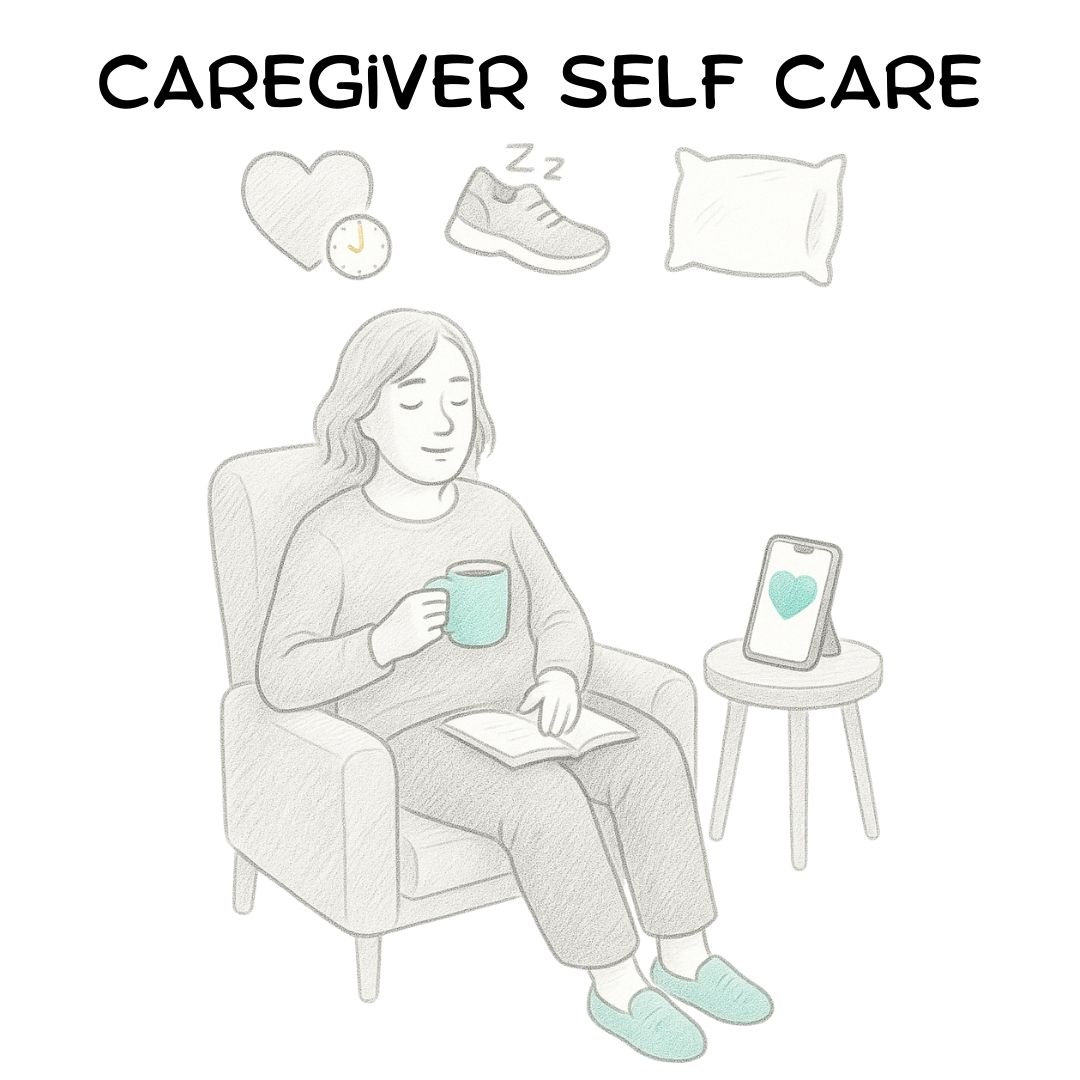
When you’re on an airplane, they always tell you to put on your own oxygen mask first before helping anyone else. This isn’t a selfish act; it’s a practical one. The same exact logic applies to being a caregiver. Looking after your own well-being isn't a luxury—it’s the most critical part of providing strong, steady cancer support for family.
Imagine your emotional and physical energy is a well. If you keep drawing water for others but never let the rain refill it, that well will eventually run dry. At that point, you have nothing left to give. Self-care is the rain. It’s what replenishes your ability to be there for your loved one, day in and day out.
Caregiver burnout is a very real state of physical, emotional, and mental exhaustion. It creeps in when you feel completely overwhelmed and emotionally drained by the constant demands of care. The key is to spot the warning signs early before it takes over.
Keep an eye out for these common signals:
If any of this sounds familiar, it's your body's way of telling you to step back and recharge. Our guide on preventing caregiver burnout has more detailed strategies to help you get ahead of it.
Self-care isn't about running away from your responsibilities. It's about making sure you have the resilience to handle them without losing yourself. It is the most practical and loving thing you can do for the person you are supporting.
Fitting self-care into an already packed schedule means being realistic and intentional. It’s not about adding another overwhelming task to your list, but about finding small, meaningful ways to protect your energy.
Even just five minutes can make a world of difference. Try a simple mindfulness exercise, like just focusing on your breath. Step outside for a quick walk to clear your head. Block out these small breaks in your calendar like you would any other important appointment.
Don’t forget about respite care. This service provides temporary relief for caregivers, giving you a much-needed break. It can be for just a few hours a week or a couple of days, allowing you to rest, run errands, or just be you for a while, knowing your loved one is being cared for. Asking for this kind of help is a true sign of strength.
When cancer enters your family, a million questions pop up, many you've never had to think about before. Getting straight answers can feel like finding an anchor in a storm. Here, we tackle some of the most frequent and pressing concerns families face, offering practical advice to help you find your footing.
Our aim is to give you clear, dependable information so you can be the best possible support for everyone in your family, from the little ones to relatives who live miles away.
Figuring out how to explain cancer to a child is one of the hardest things a parent or relative will do. The best approach is to be honest, using simple words they can understand. Choose a quiet, comfortable time to sit down and explain that a person they love is sick and that doctors are doing everything they can to help.
It’s so important to reassure them that it’s not their fault and that it's okay to feel sad, angry, or confused. Let them know their feelings are normal. Make it clear that they will always be looked after and try to stick to your usual routines as much as you can, that sense of normalcy is a huge comfort for them.
When friends, neighbours, and colleagues offer to help, it’s a beautiful thing. But honestly, it can also become a full-time job just managing all the kind offers. To stop things from getting chaotic, it's a great idea to pick one person to be the "help coordinator."
You could also use a free online tool like CaringBridge. These sites let you set up a shared calendar where people can sign up for specific jobs. Think of things like:
Being specific really helps. Instead of a vague "we need help," try "we need a lift to the Royal Marsden for a 2 p.m. appointment on Wednesday." It makes it so much easier for people to give support that truly makes a difference.
"The greatest challenge is often not a lack of willingness from others to help, but a lack of a clear system to channel that help effectively. A simple, shared plan can transform goodwill into powerful, practical support."
Just because you live far away doesn't mean you can't be a core part of the support crew. Long-distance caregiving is powerful. You can take charge of the "behind-the-scenes" jobs that often overwhelm the person providing hands-on care. This could be anything from researching clinical trials and treatment options to managing medical bills or arranging a local grocery delivery service.
And don't underestimate the power of emotional support. Set up regular video calls with both the person who is ill and their main caregiver. Sometimes, just being a friendly face and a listening ear is the most valuable thing you can offer, helping to break through the isolation that so often comes with a cancer diagnosis.
We strongly advise you to talk with a health care professional about specific medical conditions and treatments.
The information on our site is meant to be helpful and educational but is not a substitute for medical advice.
Asking 'does an ultrasound show cancer?' This guide explains what ultrasound can detect, its limitations, and what the next steps are in the diagnostic process.
There is the need for a concerted effort to try and help our women from this disease which is claiming a lot of women every year.
We are very grateful to Mini Me & Luxury for reviewing our Comfort for Chemotherapy gift box