
Subtotal: £13.00
Subtotal: £13.00
Subtotal: £13.00
Starting chemotherapy can feel like stepping into the unknown, but understanding why side effects happen is the first step to feeling more in control. We know chemo is a powerful weapon against cancer, designed to attack cells that divide rapidly. But its effects aren't just limited to cancer cells, which is why managing the standard chemotherapy side effects becomes such a crucial part of your treatment.
Beginning chemotherapy often brings a mixture of thoughts and feelings. It’s one of our best tools for fighting cancer, yet it’s famous for causing a whole host of side effects. Getting your head around the reason for this can really help you anticipate and handle what’s to come, turning that feeling of uncertainty into a proactive self-care plan. Understanding what to expect from your body can often help relieve anxieties about whether or not what you're feeling is normal.
Think of your body as a garden. Cancer cells are like aggressive weeds, growing and spreading at an alarming rate, without invitation. Chemotherapy drugs are a bit like a powerful weedkiller, designed to wipe out these fast-growing invaders. The catch? Your garden also has plenty of healthy, beautiful flowers that naturally grow and renew themselves just as quickly, but don't respond well to the weedkiller. When considering chemotherapy treatment options for patients, it's essential to balance the efficacy of the drugs with the potential side effects they may cause to healthy cells. Just as you would carefully choose which weeds to target in your garden, selecting the right chemotherapy protocol can make a significant difference in the overall health of the patient. Collaborative discussions between healthcare providers and patients can lead to tailored therapies that address individual needs while minimizing harm to the surrounding healthy tissue.
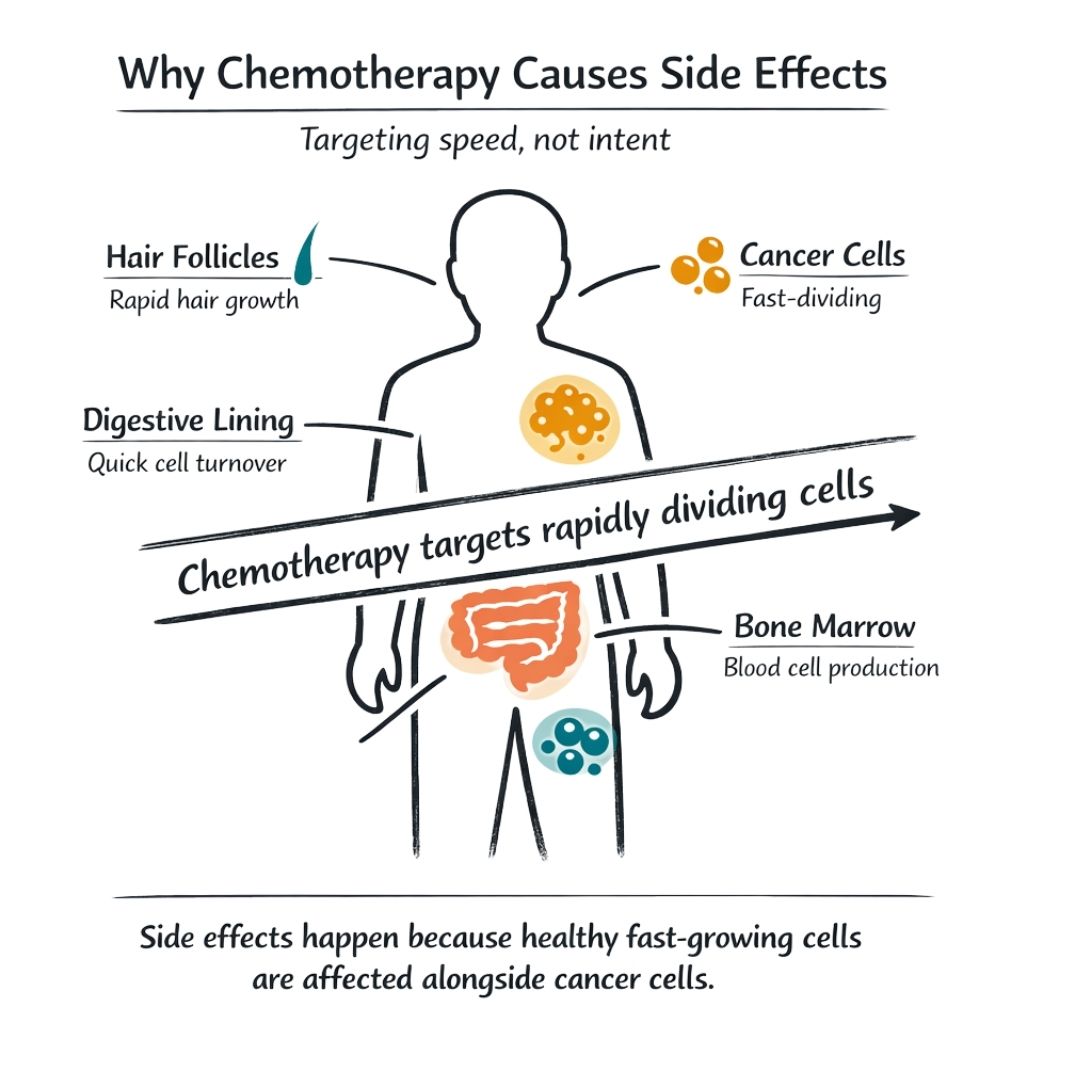
Chemotherapy works by targeting all rapidly dividing cells in the body. While this makes it incredibly effective against cancer, it can't tell the difference between a cancer cell and a healthy cell that's just doing its job. This isn't, however, necessarily dangerous, but will cause unwanted side-effects. Preparing for chemotherapy treatment tips can help you better manage these side effects. It's important to discuss potential strategies with your healthcare team and to gather resources that offer advice on nutrition, hydration, and emotional support. Taking proactive steps can significantly improve your experience throughout the treatment journey. In particular, nutrition tips before chemotherapy can help enhance your body's resilience and support recovery. Focusing on a balanced diet rich in vitamins and minerals can mitigate some of the side effects associated with treatment. Additionally, staying hydrated and maintaining overall wellness will contribute to a more positive experience during your chemotherapy journey.
This process of chemotherapy is the fundamental reason behind chemotherapy side effects. Your body is full of healthy cells that are constantly and rapidly renewing themselves as part of their normal function. These renewing cells can be adversely affected during the treatment, leading to various manifestations that patients often experience. Specifically, the chemotherapy skin side effects overview highlights issues such as rashes, dryness, and increased sensitivity. Understanding these side effects is crucial for managing them effectively and maintaining quality of life during treatment.
It's very important to remember that not everyone gets every side effect, and the severity varies hugely from person to person. Just like most regular medications, there is a list of possible side effects, but we often don't tick every one off. What you experience will depend on the specific chemo drugs you're given, the dose, and your general health. Just as every garden is unique, the way weedkiller affects the flowers can vary from one plot to the next.
This guide walks you through the most common challenges you might face, offering practical advice to help you feel better prepared. For a more detailed look at the basics, our article on what chemotherapy is is a great place to start. By understanding the 'why', you can better prepare for the 'what' and 'how' of managing your treatment with confidence. When preparing for your first chemotherapy session preparation tips can significantly ease your anxiety. Be sure to gather all necessary information about the medications you'll receive and the side effects to expect. Additionally, consider discussing any concerns with your healthcare team to ensure you feel supported throughout the process. It’s important to keep in mind that navigating side effects of chemotherapy can vary greatly from person to person. Some may experience mild symptoms, while others may face more challenging reactions. By staying informed and proactive, you can work closely with your healthcare team to personalize your approach and mitigate any discomfort.
When you first start chemotherapy, your attention will naturally turn to the immediate changes in your body. These are the short-term side effects—the ones that pop up during or soon after your treatment and usually fade away once it’s all over. Seeing a long list of possibilities can feel overwhelming, but it's crucial to remember that you’re very unlikely to experience all of them, especially at the same time. When considering the possible side effects, it may be useful to remember the long lists in the boxes of paracetamol or ibuprofen. Although there are lists of possible side effects, again, we don't always tick them all off. One important aspect to keep in mind during your treatment is the significance of proper nutrition, which can greatly impact your overall well-being. Nutrition tips for chemotherapy patients often emphasize the importance of consuming nutrient-dense foods that can help maintain energy levels and strengthen the immune system. Incorporating small, frequent meals and staying hydrated can also make a considerable difference in managing symptoms.
Getting to grips with these common challenges is the first real step towards managing them. Everyone’s experience with chemo is different, but knowing what might be coming and having a few practical strategies up your sleeve can make you feel more in control. having essential items for your first day can significantly ease the transition into this new journey. Consider packing water bottles, comfortable clothing, and any necessary medication to help you stay focused. Preparing in advance allows you to tackle challenges head-on and maintain a positive mindset.
The side effects of chemotherapy can range from the very common and manageable to the rare and serious. National data helps put these risks into perspective. As guidance from health authorities such as the NHS notes, most people experience some side effects, but no one has all of them, and many are temporary. The usual suspects include tiredness, feeling or being sick, a sore mouth (mucositis), diarrhoea or constipation, hair loss, and a weakened immune system, which makes you more vulnerable to infections. For a deeper dive, you can explore the NHS guidance on chemotherapy. One important aspect to consider are the chemotherapy dehydration symptoms to watch, such as dry mouth, extreme thirst, and reduced urination. Staying hydrated is crucial during treatment, as dehydration can exacerbate other side effects and hinder your overall recovery. Make sure to discuss any concerns about hydration with your healthcare team to ensure you receive the appropriate support.
Chemo fatigue isn't just about feeling a bit tired; it's a profound, bone-deep exhaustion that sleep doesn't always fix. Around 30 out of every 100 people (30%) may have fatigue for a few years after cancer treatment. This is called chronic fatigue. This exhaustion happens because your body is working overtime, using vast amounts of energy to repair healthy cells caught in the crossfire and to fight the cancer itself.
Imagine your daily energy is like a phone battery. Normally, it gets you through the day. On chemo, you’re starting the day with the battery at 50%, and it drains much, much faster.
This means you have to get strategic with how you spend your energy.
Feeling sick is another well-known side effect, but the good news is that modern anti-sickness medicines have entirely changed the game. It’s far more manageable now than it used to be. Nausea can kick in a few hours after a session and hang around for a couple of days. Your team will give you antiemetics (anti-sickness medication) to prevent this, and it’s important to take them as advised. Managing chemotherapy side effects effectively also involves addressing other common symptoms such as fatigue and changes in appetite. Staying hydrated and maintaining a balanced diet can significantly alleviate these issues. It's essential to communicate openly with your healthcare team about your experiences and any side effects you encounter.
Beyond medication, a few simple diet tweaks can make a world of difference.
For many people, losing their hair is one of the most visible and distressing side effects, because hair is a big part of someone's identity and appearance. It happens because chemotherapy drugs are designed to attack fast-growing cells, and your hair follicles are precisely that. This can mean all hair, too, like your eyebrows and leg hair. Coping with these changes can be challenging, and it's important to explore chemo side effects and coping strategies that may help during this time. Many find comfort in connecting with support groups, while others benefit from creative outlets like journaling or art. Developing a personalized plan for managing these side effects can aid in emotional resilience and provide a sense of control over the situation.
Hair loss usually starts about two to three weeks after your first treatment. While it can be incredibly upsetting, hold on to the fact that it is almost always temporary. Your hair will grow back once treatment is finished.
When we think of chemotherapy, it’s often the visible side effects like hair loss that come to mind. But one of the most important things happening is invisible. As we know, chemotherapy attacks fast-growing cells. Some of these cells are found in your bone marrow.
That bone marrow is your body’s production factory for all its blood cells, including the white blood cells that act as your personal army against germs. When chemo slows this factory down, your white blood cell count can dip, a condition known as neutropenia. This temporarily weakens your immune system, leaving you more open to infections you’d usually shrug off. It’s a very common and expected part of many treatment plans.
The infographic below provides a quick overview of the most common side effects people experience during chemotherapy. Understanding the range of chemotherapy options for multiple myeloma can help patients make informed decisions about their treatment plans. It is essential to discuss these options with healthcare providers to identify the most suitable therapies based on individual circumstances. Each choice comes with its unique set of potential side effects that should be carefully considered.
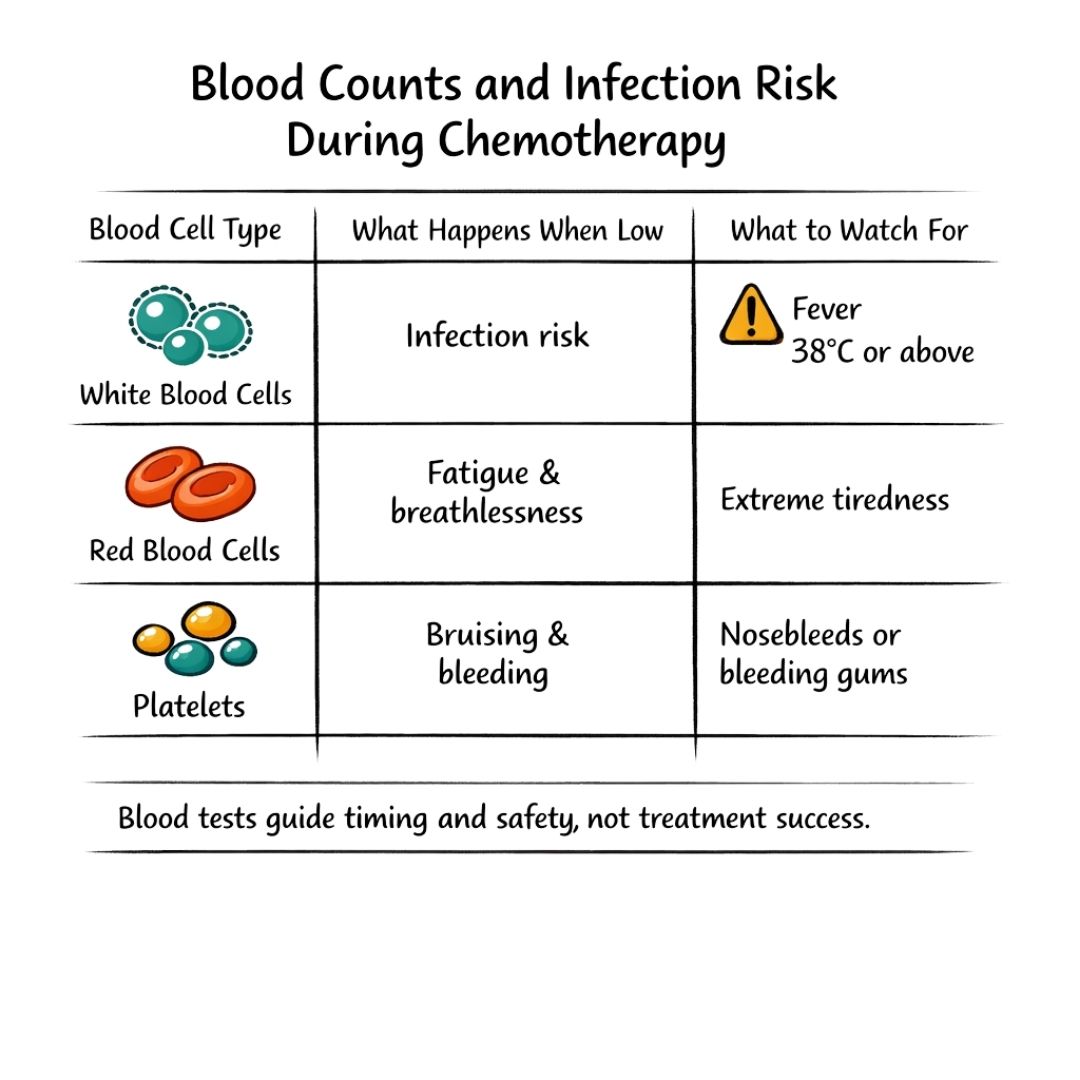
Because your body’s defences are lowered, a small infection can get serious, fast. Your medical team will really hammer this point home: you need to act quickly. Knowing what to look for is one of the best ways you can stay in control and keep yourself safe during treatment.
The single most important sign of a potential infection is a fever. Your oncology team will give you a specific temperature (usually 38°C or 100.4°F) that means you need to call them right away, day or night. Don't wait to see if it comes down on its own.
Keep an eye out for other early warning signs too:
Your blood tests before each cycle are a vital part of this picture. They give your medical team a snapshot of what’s happening inside your body, especially with your blood cell counts.
The results from your blood tests might seem like a lot of medical jargon, but they tell a very important story about how ready your body is for the next treatment. Here’s a simple breakdown of the key players your team is watching.
| Blood Component | Medical Term for Low Count | Main Function | Key Symptoms to Report |
|---|---|---|---|
| White Blood Cells | Neutropenia | Fighting infection | Fever (38°C+), chills, sore throat, new cough |
| Red Blood Cells | Anaemia | Carrying oxygen around the body | Fatigue, pale skin, shortness of breath, dizziness |
| Platelets | Thrombocytopenia | Helping blood to clot | Unusual bruising, bleeding gums, nosebleeds |
Understanding these terms can help you make sense of your team's decisions and feel more involved in your own care.
You can’t wrap yourself in a sterile bubble, and you don’t need to. But adopting a few simple, consistent habits can make a huge difference in reducing your risk of infection. It’s all about being mindful and taking sensible precautions while your defences are down.
The absolute cornerstone of this is good hand hygiene. Wash your hands often with soap and warm water, especially before you eat and after you use the loo. If you’re out and about, a good alcohol-based hand sanitiser is your best friend. For a more detailed look, read our guide on how cancer treatments affect your immune system.
Those regular blood tests you have before each chemo cycle aren't just a formality, they're a critical safety check. The results tell your team whether your bone marrow has had enough time to bounce back and produce enough new blood cells to handle the next round of treatment safely.
If your neutrophil count (type of white blood cell) is too low, your team might decide to delay your next treatment by a week or so. This is completely normal, and it’s not a setback or a sign that the treatment isn’t working. It’s simply a protective measure to give your body the time it needs to recover, ensuring your chemo journey is as safe as it can be.
The side effects of chemotherapy, unfortunately, don't stop at the physical. Many people find themselves battling a frustrating mental fog, a phenomenon widely known as 'chemo brain'. This isn't just about being a bit forgetful; it’s a very real cognitive shift that can make it tough to focus, recall a specific word, or even remember why you walked into a room. In navigating these challenges, individuals often explore folfox treatment options for cancer, which may help alleviate some of the burdensome symptoms associated with the disease. Combining medical advice with personal experience is crucial, as each treatment plan can vary based on individual needs and responses. Support groups and counseling can also play an important role in managing the side effects of treatment, offering strategies and encouragement along the journey.
If this sounds familiar, please know you're not alone, and it's certainly not a sign of personal failure. This experience can be incredibly disheartening, but it's a legitimate side effect of your treatment. Your brain is under a lot of strain, and just like you might adjust your diet to handle nausea, you can also adapt your daily habits to manage this mental cloudiness and feel more in control.
Living with chemo brain is all about finding smart ways to organise your world. A few simple tools and routines can make a world of difference, reducing frustration and helping you move through your day with a bit more ease. Think of it like building a supportive scaffold for your memory while your mind is busy healing.
Here are a few practical strategies that have helped many others:
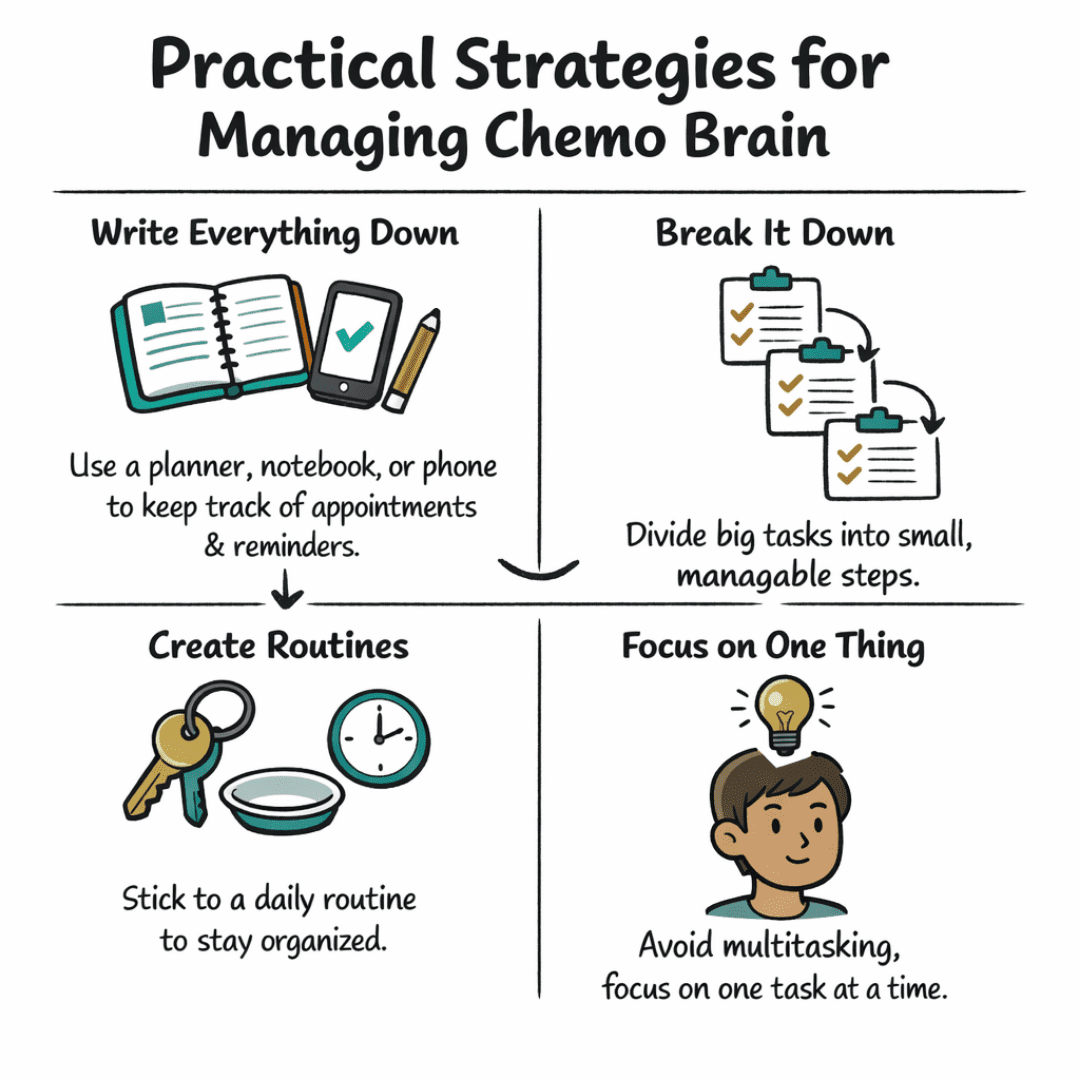
Diet can also play a supportive role. For anyone interested in learning more, our guide on chemo brain and nutrition support offers some fantastic insights.
A cancer diagnosis and its treatment can feel like an emotional rollercoaster. It's completely normal to cycle through a whole spectrum of feelings, anxiety, fear, sadness, and even anger or irritability. These emotional shifts are just as valid as any physical side effect.
Acknowledging how you feel is the first, most crucial step. Trying to push those feelings down often just makes them stronger. Finding a healthy way to let them out, on the other hand, can bring a profound sense of relief.
Connecting with people who genuinely get what you're going through can be incredibly powerful. This could be a local support group, an online community, or even just a heart-to-heart with a trusted friend. Sharing your story reminds you that you aren't isolated in this experience.
Journaling is another brilliant tool for finding clarity. Exploring the transformational benefits of journaling for mental health can help you create a private, judgment-free space to untangle your thoughts. Simple mindfulness practices, like deep breathing or a short guided meditation, can also work wonders to calm an anxious mind and bring moments of peace to your day.
Life after chemotherapy is a huge milestone, but the journey doesn’t always stop when the last infusion does. Most side effects will gradually fade, but some can hang around for months or even years. Others might not even show up until long after treatment is over. These are known as long-term and late effects, and getting to grips with them is a vital part of looking after yourself as a survivor.
Think of it this way: the immediate side effects are like the ripples you see right after a stone hits the water. Long-term and late effects are the more subtle changes to the shoreline that you only notice much later on. Knowing what to keep an eye out for helps you stay in the driver's seat of your health for the long haul.
It’s useful to know the difference between these two post-treatment challenges.
Understanding this difference matters because it helps shape the kind of follow-up care you’ll need. Your oncology team will be looking out for both, making sure nothing gets missed as you move into the next chapter. The focus shifts from fighting cancer to protecting your lifelong well-being.
Some chemotherapy drugs can leave a lasting footprint on the body. One of the most common is peripheral neuropathy, damage to the nerves in your hands and feet. This can feel like constant tingling, numbness, or even sharp, shooting pain, making simple things like doing up buttons a real struggle.
Peripheral neuropathy is, however, treatable. Cleveland Clinic lists the following as options: medications, surgery, physical therapy, devices and wearable equipment, podiatry and foot care. Other options listed are acupuncture, transcutaneous electrical nerve stimulation, injections or surgery to implant a spinal cord stimulator. If you are experiencing the symptoms listed above, it is worth exploring these treatment options and contacting your team.
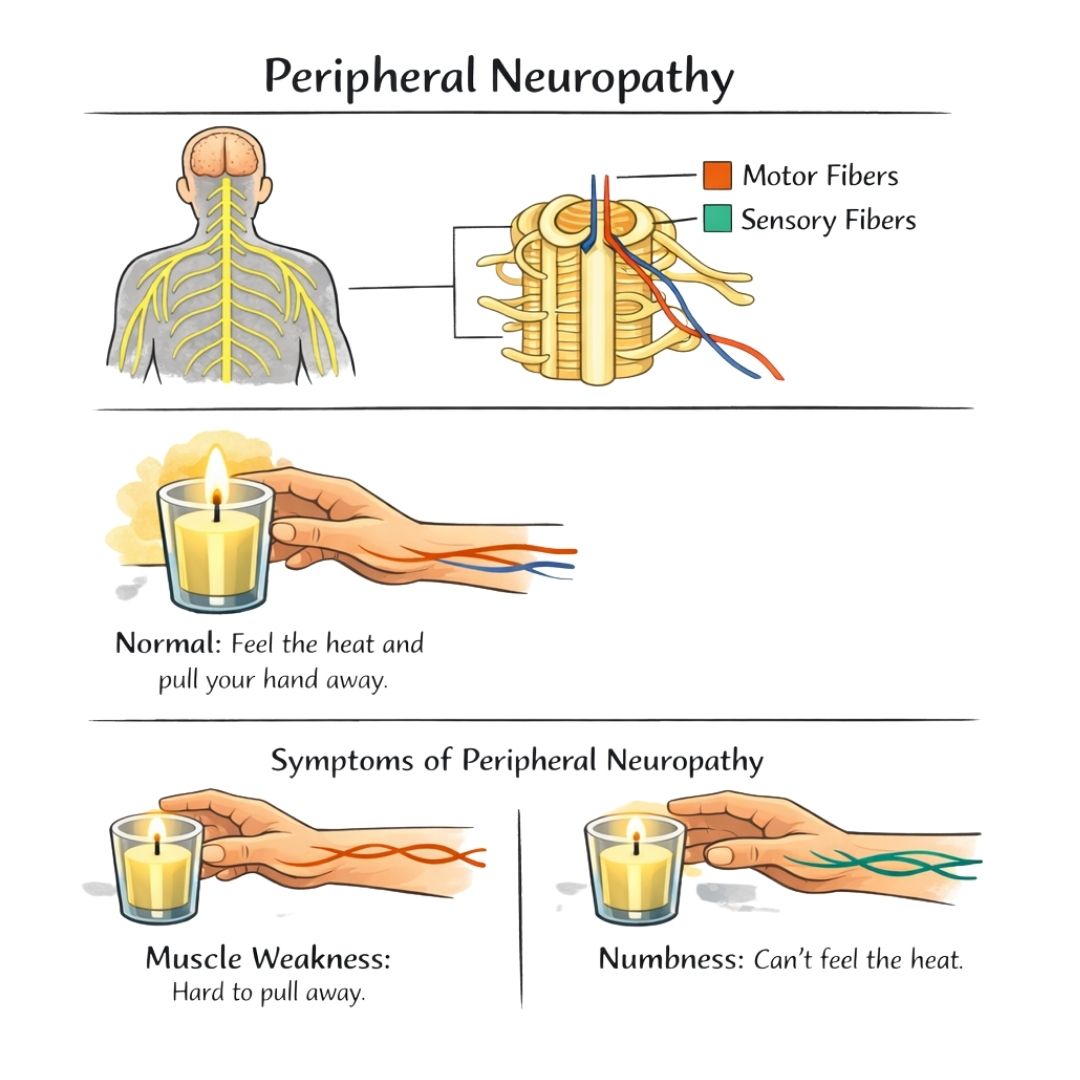
Health organisations are putting more focus on tracking these issues as more and more people are living longer after a cancer diagnosis. According to Cancer Research UK, while most side effects get better, some people are left with long-term problems like persistent fatigue, nerve damage, fertility issues, or heart and lung complications. For example, some studies have shown that certain groups of long-term cancer survivors faced a significantly increased chance of developing a serious late effect. You can read more on the long-term chemotherapy side effects from Cancer Research UK for a detailed breakdown.
Being aware of potential late effects isn't about causing worry; it's about empowerment. Knowing what could happen allows you and your medical team to create a proactive plan for monitoring your health for years to come.
Fertility is another major concern for many people. Some chemo drugs can affect reproductive organs, sometimes leading to an early menopause or infertility. If having children in the future is important to you, it's absolutely vital to talk to your medical team about fertility preservation options before you start treatment.
Finally, some chemotherapy drugs can weaken the heart muscle, with problems sometimes only appearing years down the line. This is why your long-term follow-up care often involves monitoring your heart function to catch potential issues early. For a deeper look into the post-treatment journey, you might be interested in our guide on the recovery from chemotherapy. This proactive approach is key to protecting your long-term health and well-being. In addition to heart monitoring, nutrition tips for chemotherapy recovery can play a vital role in helping your body heal. Focusing on a balanced diet rich in fruits, vegetables, and lean proteins can enhance your recovery process and overall well-being. Consulting with a nutritionist experienced in cancer care may provide you with personalized strategies to support your health during this critical time.
When someone you care about is diagnosed with cancer, it can feel like the ground has shifted beneath your feet. A diagnosis rarely affects just one person; it sends ripples through the entire circle of family and friends who step into the role of supporter. As a carer, you become an essential part of the team, offering a steady hand and a listening ear through the ups and downs of treatment.
It’s an incredibly important role, but it also brings unique challenges. You're often juggling practical tasks with emotional support, all while trying to keep your own life on track. Knowing how to provide effective support can make a world of difference, not just for your loved one, but for you, too.
On a practical level, you often become a second set of eyes and ears. During those whirlwind hospital appointments, you can be the one taking notes, asking for clarification on treatment plans, or making sure you both understand how to manage side effects at home. Your presence alone can be a huge comfort, a reminder that you're in this together.
Back at home, that practical support is just as vital. It’s often the small things that mean the most, especially on days when treatment-related fatigue really takes hold.
For more ideas, our article on supporting someone going through chemo is packed with helpful, real-world tips. When looking for a healthcare provider, there are several qualities to consider in a doctor that can significantly impact the quality of care you receive. Empathy, communication skills, and a commitment to lifelong learning are essential traits that can enhance the patient experience. Additionally, finding a doctor who specializes in your specific health needs can ensure personalized and effective treatment.
It’s an old saying, but it’s true: you can't pour from an empty cup. Looking after your own wellbeing isn't selfish; it's essential. The demands of caring for someone through chemotherapy can be emotionally and physically draining, sometimes leading to caregiver burnout, a state of exhaustion that makes it difficult to keep going. As caregivers seek to balance their own needs with those of their loved ones, they may explore chemotherapy alternatives for cancer treatment. These options can provide relief from the intense side effects often associated with traditional methods. Understanding the variety of available treatments can empower caregivers and patients alike, allowing for a more supportive environment during a challenging time.
The first step to avoiding burnout is recognising the signs. If you're feeling constantly exhausted, unusually irritable, or just completely overwhelmed, those are signals that you need to focus on your own self-care.
It is so important to find moments for yourself, even if it's just a short walk around the block or five minutes alone with a cup of tea. Never feel guilty for accepting offers of help from others, and remember, there are support networks out there specifically for carers. Taking care of yourself is what allows you to continue being the strong, compassionate support your loved one needs.
It's completely normal to have a million questions when you're facing chemotherapy. This last section is all about giving you clear, straightforward answers to some of the things people most often ask. We want to cut through the confusion and help you feel more prepared for the road ahead.
Not always. It’s a common image we see in films, but in reality, it all comes down to the specific drugs you're given. Some chemo drugs are well-known for causing total hair loss, while others might cause a bit of thinning. Some don't affect your hair at all.
Your oncology team can give you the clearest picture of what to expect from your specific treatment. If keeping your hair is a big concern for you, it's worth asking them about scalp cooling systems, also known as 'cold caps'. For some people, these can really help reduce hair loss.
This is another "it depends" answer, as it varies so much from person to person and treatment to treatment. The more immediate side effects, such as feeling sick or a sore mouth, usually fade within a few weeks after your treatment cycle ends.
However, some side effects tend to stick around. Fatigue is a big one; it’s not unusual for that deep tiredness to linger for months after you've finished chemo. And then there are 'late effects', like nerve damage, which unfortunately can sometimes be long-term or even permanent. This is why it’s so important to keep your team updated on how you’re feeling.
Keeping a simple diary of your symptoms, what they are, when they happen, and how severe they feel, can be a game-changer. It gives your doctors a much clearer picture than just trying to remember everything on the spot during an appointment.
Many people do, but it nearly always involves making some changes. Whether it's possible really hinges on a few things: the type of work you do, how intense your treatment is, and how you feel from one day to the next.
Flexible hours, remote work, or reducing your workload can make a significant difference. Ultimately, it’s a very personal decision. Have an open conversation with your employer and your oncology team to determine what's realistic and safe, especially if your job is physically demanding or puts you at higher risk of infection.
The one thing your team will stress above all else is to watch for a fever. A high temperature can be the first sign of a serious, life-threatening infection called neutropenic sepsis, which can happen when your white blood cell count plummets. Your hospital will provide a 24-hour emergency number and a specific temperature threshold (e.g., 38°C or 100.4°F) that indicates you should call them immediately.
Other red flags that need urgent medical attention include any uncontrolled bleeding or unusual bruising, severe chest pain, sudden and significant shortness of breath, or confusion. Your cancer centre will give you a list of emergency symptoms, always follow their instructions without a moment's hesitation.
We strongly advise you to talk with a health care professional about specific medical conditions and treatments.
The information on our site is meant to be helpful and educational but is not a substitute for medical advice.
A complete guide to hair loss and chemo. Understand the causes, explore management options like scalp cooling, and find emotional support and practical tips.
Learn what foods are easy to digest with our evidence-informed guide to gentle options that soothe symptoms and support comfort.
Learn Effective Strategies For Healing And Protecting Your Skin During Cancer Treatment. Discover How To Manage Skin Toxicity And Enhance Comfort And Well-Being.