Did you know that lung cancer can cause symptoms far beyond the lungs? For many, swollen feet appears as an unexpected sign. This article explores the connection between lung cancer and swollen feet, offering clear guidance for anyone facing this challenge.
Here, you will learn why swelling happens, what it might signal, and how to manage it day to day. Our goal is to inform, support, and empower you or your loved ones as you navigate these changes.
We will explore causes, symptoms, diagnosis, treatments, self-care, and when to seek urgent help. Ready to understand and take action? Read on to find answers and hope.
Swollen feet can be a startling sign for those living with lung cancer. At first glance, it may seem unrelated to the lungs, but this symptom often carries important clues. Understanding why swollen feet occur in lung cancer is key to taking control and making informed choices.
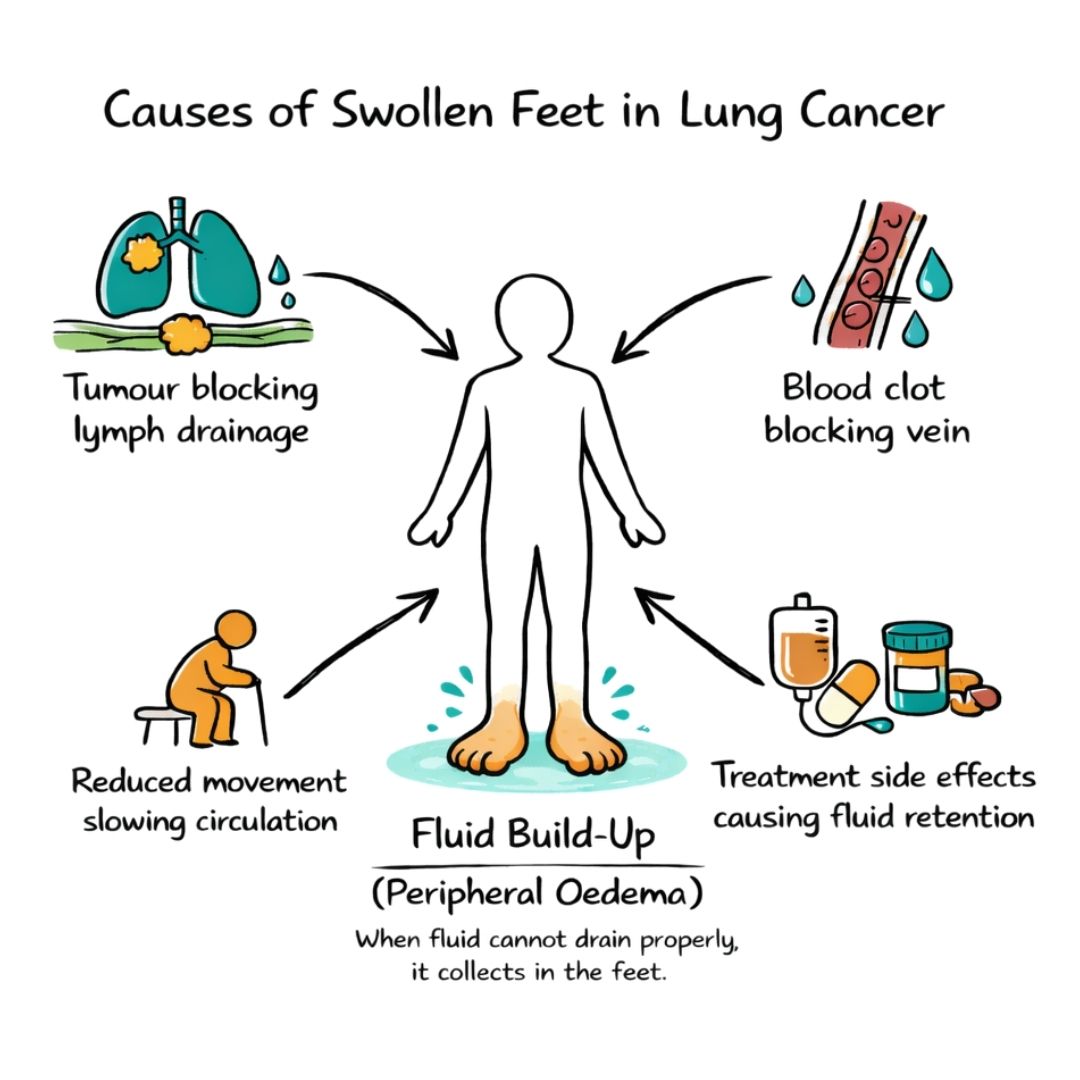
When it comes to swollen feet in lung cancer, several factors can be at play. The main culprit is often peripheral oedema, which happens when fluid builds up in the tissues of the lower limbs. This can be triggered by a tumour pressing on lymphatic vessels, blocking the natural drainage system.
Blood clots, or deep vein thrombosis, are another serious risk for people with lung cancer. These clots can block veins in the legs, leading to sudden and painful swelling. Treatments such as chemotherapy and steroids may also contribute, as they sometimes cause the body to retain fluid.
Reduced mobility is common in advanced cancer, and staying inactive for long periods makes it harder for blood and lymph to flow smoothly. One patient, Sarah, shared how her feet began to swell soon after starting chemotherapy, making it difficult to wear her favourite shoes.
For more on the mechanisms behind swelling, All about lymphoedema and swelling offers detailed information relevant to swollen feet in lung cancer .
Identifying symptoms that accompany swollen feet is vital. Many people notice shortness of breath, constant tiredness, or a persistent cough alongside the swelling. In some cases, swelling is the first sign that the disease is progressing or that complications have developed.
Mild swelling may cause discomfort or tight shoes, but severe swelling can make walking painful and lead to skin stretching. Pay attention to warning signs like redness, warmth, fever, or sudden pain, as these could signal infection or a blood clot and should be checked immediately.
Anna, a lung cancer survivor, recalls her early warning sign: "My feet puffed up overnight, and I felt more breathless than usual. That is when I knew something was not right." Recognising these signs early can make all the difference in getting the right help.
Swollen feet can affect more than just physical comfort. Everyday activities such as walking around the house, standing to cook, or getting dressed may feel more tiring than usual. It is completely understandable to feel frustrated or concerned about these changes.
Many people tend to withdraw from social activities as mobility feels limited. This can sometimes lead to feelings of isolation. Additionally, studies show that swelling can lower quality of life for lung cancer patients, making it harder to keep up with normal routines. However, small adjustments can make a meaningful difference. Wearing supportive footwear, elevating your legs during rest, and pacing activities throughout the day can help. Most people find hope and comfort in talking to support groups or reaching out to loved ones for help.
With the right guidance and gentle adaptations, it is possible to manage swollen feet while maintaining independence and quality of life.
Noticing swollen feet can feel unsettling, especially when living with lung cancer. For many, this symptom appears suddenly, raising questions and concerns. Understanding how swollen feet are diagnosed in lung cancer is the first step in finding relief and reassurance.
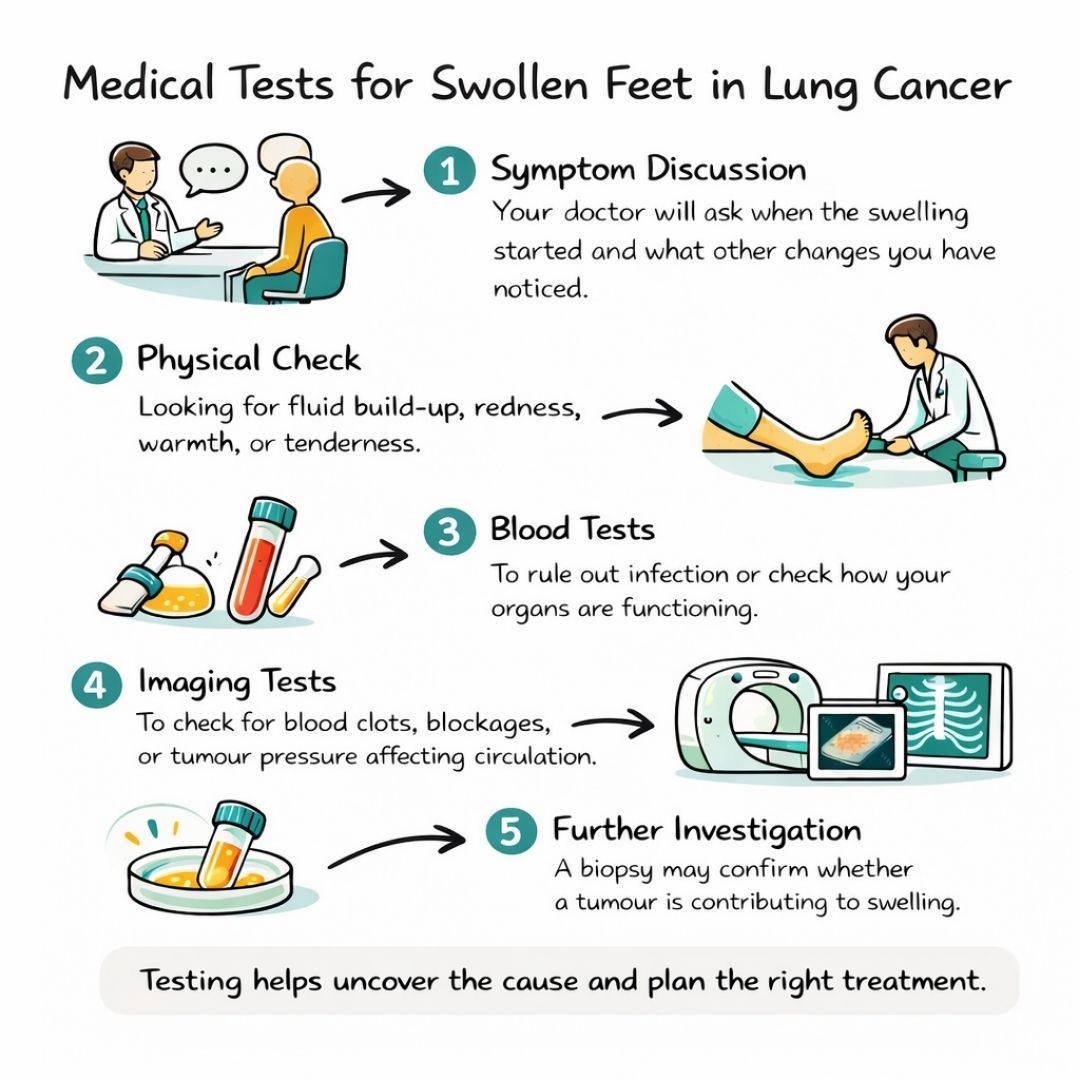
When swollen feet become noticeable, seeking a prompt medical evaluation is crucial. Doctors start with a detailed discussion about your symptoms and medical history, focusing on when the swelling started and whether you have noticed any other changes.
A physical examination follows, where your doctor checks for signs of fluid retention, redness, or tenderness. The severity of swelling in the feet is assessed using a pitting oedema scale, where a doctor gently presses the swollen area to see if a small indentation remains. If a pit forms, it is graded from 1 to 4 based on how deep the indentation is and how long it takes for the skin to return to normal, with grade 4 being the most severe. The article Oedema Assessment details the various methods used to evaluate swelling.
Blood tests can help rule out infections and assess how well your other organs are functioning. Imaging techniques such as ultrasound, CT scans, or X-rays are often used to look for blockages, blood clots, or tumour pressure affecting the legs and feet.
If a tumour is suspected as the cause, a biopsy might be recommended to confirm the diagnosis and guide treatment. When these assessments are combined, they are highly effective in identifying the underlying cause of swelling.
For information on screening, you can visit the Complete Guide to Lung Cancer Screening.
Swollen feet are not always caused directly by lung cancer. Other health conditions can mimic these symptoms, making the diagnostic process more complex. Heart failure, kidney disease, and liver conditions are some of the common culprits.
Medications, especially those for blood pressure or pain, can also cause swelling as a side effect. Clinicians use a combination of medical history, blood tests, and imaging to distinguish between these causes. For example:
| Condition | Clues to Diagnosis |
|---|---|
| Heart failure | Shortness of breath, Chest pain |
| Kidney disease | Changes in urination, Fatigue |
| Liver problems | Yellowing skin, Abdominal swelling |
| Medication side effects | Recent changes in medication |
There have been cases where initial swelling was misdiagnosed as a medication issue, only to later discover underlying cancer progression. This highlights why a thorough review is so important for anyone with a swollen feet.
Some symptoms require immediate medical attention. Seek medical help immediately if you notice:
These signs could indicate a blood clot or infection and should be assessed without delay.
National cancer organisations advise seeking urgent care if you experience any of these warning signs. Quick action can prevent complications and ensure you get the right treatment as soon as possible. Additionally, this article on Lung Cancer Diagnosis provides a helpful checklist of questions you can ask your healthcare team to feel more informed about your care.
Swollen feet can feel like an unexpected burden for those facing lung cancer. The discomfort and limitations can be overwhelming, yet hope lies in the many treatment options available. From targeted medical therapies to practical lifestyle changes, there is a path to relief and empowerment for anyone managing swollen feet in lung cancer.
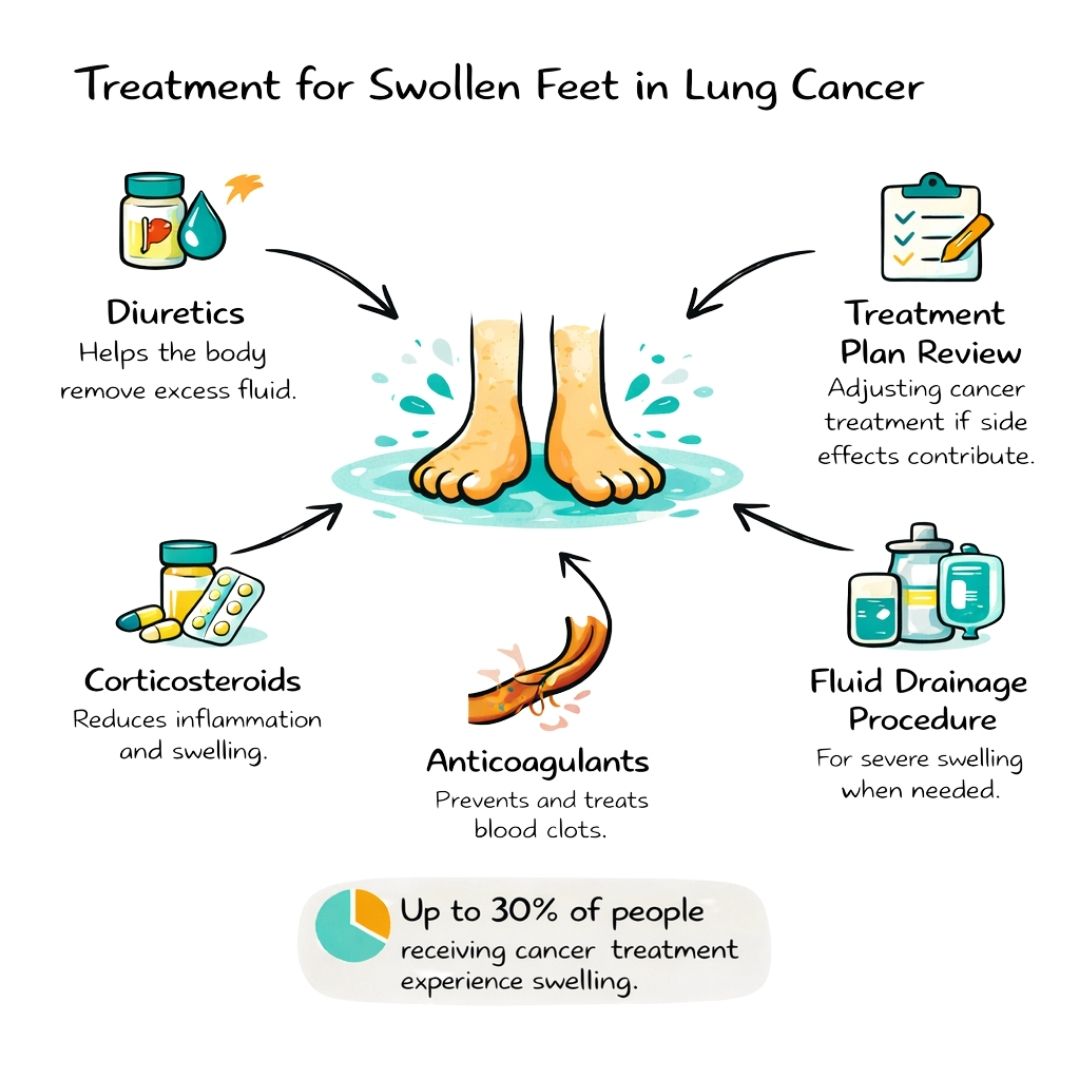
When swollen feet becomes a daily challenge, medical intervention is often the first step. Doctors may prescribe medications such as diuretics, which help the body remove excess fluid. Anticoagulants are used if blood clots are a concern, while corticosteroids can reduce inflammation and swelling caused by tumours or treatments.
In severe cases, procedures like draining fluid from the legs or feet may be considered. The resource Lymphatic drainage for lymphoedema provides insights into how specialised techniques can support fluid movement and reduce swelling. In certain instances, modifications to cancer treatment plans are necessary, especially if chemotherapy or steroids are contributing to swelling. According to studies, up to 30 percent of people undergoing cancer treatment experience some degree of peripheral oedema.
It is important to remember that all treatments can have potential side effects. For more details about what to expect and how to cope, see this resource on Managing chemotherapy side effects. Always discuss with your healthcare team to find the safest and most effective options for your unique situation.
Beyond medication, simple lifestyle changes can make a significant difference. Elevating your legs above heart level a few times a day encourages fluid to drain away from the feet. Compression stockings may provide gentle support and reduce swelling.
Light activities such as walking or seated leg movements, helps boost circulation and prevent fluids from pooling. Dietary changes, like reducing salt intake and staying hydrated, also support your body’s natural balance. Many patients find physiotherapy and occupational therapy valuable, as they teach new techniques for managing swelling and maintaining independence.
For example, one patient found that daily short walks and regular leg elevation allowed her to keep up with her grandchildren, even on tough days. Small steps can lead to big improvements in comfort and mobility.
Ongoing monitoring plays an important role in managing swollen feet. Keeping a daily diary of your swelling, pain levels, and any new symptoms helps track changes over time. Regular check-ups ensure that any complications, such as infections or blood clots, are identified early.
Adjustments to your treatment plan may be needed if your symptoms worsen or do not improve. Patient education and self-advocacy are crucial, do not hesitate to ask questions or request additional support.
When living with swollen feet, taking control of your daily routine can make a real difference. Simple self-care steps help reduce discomfort and empower you to stay active and independent. Every small change can add up, offering relief and a sense of control.
Managing swollen feet in lung cancer starts with daily habits. Begin by elevating your legs few times a day. Take regular movement breaks, even gentle ankle circles or wiggling your toes can boost circulation.
Choose well-fitting shoes with soft support, and avoid anything too tight. Skin care is crucial, so moisturise daily and check for redness or cracks to prevent infection. Use a low pH lotion free of perfumes and dyes.
Pain relief can include cool compresses or prescribed medication if needed. Many patients find that gentle exercise, such as short walks or seated stretches, makes a noticeable difference. For more guidance, explore the benefits of exercise during cancer, which can help you manage swelling and boost energy.
Mary, a 62-year-old living with swollen feet, shares, “Raising my legs on pillows and doing small stretches each morning helps me feel lighter and ready for the day.”
Coping with swollen feet is not just about the physical symptoms. Emotional support is equally important. Reach out to family and friends, and let them know how they can help, whether it is with daily tasks or just listening.
There are many reputable organisations, such as Macmillan Cancer Support and Cancer Research UK, offering helplines and online communities. These services provide information, a listening ear, and practical tips tailored to your needs.
Counselling and mental health support can be transformative. Talking to a professional or joining a support group helps combat feelings of isolation. Some patients find that sharing experiences with others facing swollen feet during lung cancer brings comfort and valuable advice.
Remember, you are not alone. Many have walked this path before and found strength in community.
Small adjustments at home can greatly improve safety and comfort when living with swollen feet. Installing grab rails in the bathroom, using non-slip mats, and keeping essential items within easy reach can reduce strain and lower the risk of falls.
Mobility aids like walking sticks or frames provide extra stability. If fatigue is a concern, plan activities for times when you feel most energetic and rest when needed. When travelling, keep your muscles active by doing ankle pumps and squeezing a ball in your hand.
Simple changes, such as sitting while preparing meals or using a shower chair, can conserve energy. Patients often say that adapting their environment gave them back a sense of independence.
Staying flexible and open to change can make daily life smoother and more enjoyable.

Facing complications can be one of the most worrying aspects of living with cancer. Being prepared and knowing what to watch for can make all the difference. Let us explore how you can recognise problems early, work closely with your care team, and stay informed every step of the journey.
Swollen feet are not just uncomfortable. Sometimes, they hint at serious issues needing urgent attention. If you notice your feet becoming hot, red, or painful, or if ulcers and blisters appear, it could signal infection or cellulitis. Blood clots are a particular risk for those with swollen feet in lung cancer, and symptoms like sudden swelling, sharp pain, or breathlessness need immediate action.
Here is what to watch for:
If any of these appear, contact your healthcare provider without delay. Early intervention can prevent minor issues from becoming life threatening. Following lung cancer treatment guidelines can help you and your team act quickly and effectively. Many patients have found that acting on the first signs of trouble has saved them from major setbacks.
Managing complications like swollen feet is not something you should do alone. Your care team, which may include doctors, nurses, physiotherapists, and counsellors, is there to support you. Open and honest communication helps everyone stay on the same page.
Bring up any changes in swelling or discomfort during appointments. Share your daily experiences and concerns. This helps your team tailor your care, adjust treatments, and spot problems early. Many people find that regular check-ins build trust and lead to better outcomes.
Shared decision making is key. Voice your goals, preferences, and fears. The best care happens when you and your team work together as partners.
Knowledge is one of your strongest tools in managing swollen feet in lung cancer. Stay curious and ask questions. Reliable sources, patient groups, and support networks can help you keep up to date.
Taking charge of your care means understanding your options and knowing when to seek help. When you feel empowered, you are more likely to spot complications early and advocate for the support you need.
After reading about the challenges of swollen feet with lung cancer, you might be feeling a mix of emotions. I get it; facing these changes is tough, but you are not alone. Cancer Care Parcel is here to walk beside you, offering practical help and emotional support every step of the way. Whether you are searching for answers, comfort, or just someone who understands, there is a place for you in our caring community.
We strongly advise you to talk with a health care professional about specific medical conditions and treatments.
The information on our site is meant to be helpful and educational but is not a substitute for medical advice.
Find Out What Chemotherapy Mouth Sores Are, How To Stay More In Control, And Things You Can Do To Relieve Your Pain.
Naked Mole Rats Show Natural Cancer Resistance—Learn How Their Unique Biology Could Advance Human Cancer Research And Prevention
Care During Cancer Treatment: Read Matthews Story On How A Cancer Care Parcel Donated To Him Helped During His Cancer Treatment.