Unexpected weight loss can be one of the earliest and most worrying signs of lung cancer. Around 6 in 10 people experience noticeable changes in their weight, which can affect treatment plans and daily activities. For many, coping with lung cancer and weight loss is filled with uncertainty and doubts. Understanding why weight loss happens and how it can be managed can help improve both health and quality of life. This guide provides the latest insights on the causes and effects of weight loss in lung cancer, along with practical management strategies and supporting resources for both patients and their families.
Unintentional weight loss is a common and challenging symptom in lung cancer. Knowing the reasons can help people manage its effects and feel more informed. In this section, we explore the biological mechanisms and other factors that link lung cancer and weight loss.
The biological connection between lung cancer and weight loss begins with the tumour itself. Cancer cells are very active and consume large amounts of energy, even when the body is at rest. This means the body uses up more calories than usual, leading to a negative energy balance. For many, this is one of the first signs that the body is affected by an underlying condition.
As lung cancer progresses, it often triggers chronic inflammation. The leads to the release of chemicals called cytokines in the body, which can reduce appetite and increase metabolism. This process makes it harder to maintain a healthy weight over time.
A condition called cachexia is common in people with lung cancer. It is not just weight loss, but involves severe muscle wasting and weakness. Studies show that it affects up to 60% of people with lung cancer, and it can begin even before they are diagnosed. For example, some patients notice their clothes becoming looser months before finding out they have cancer. At diagnosis, research reveals that 15 to 40% of lung cancer patients already have noticeable weight loss.
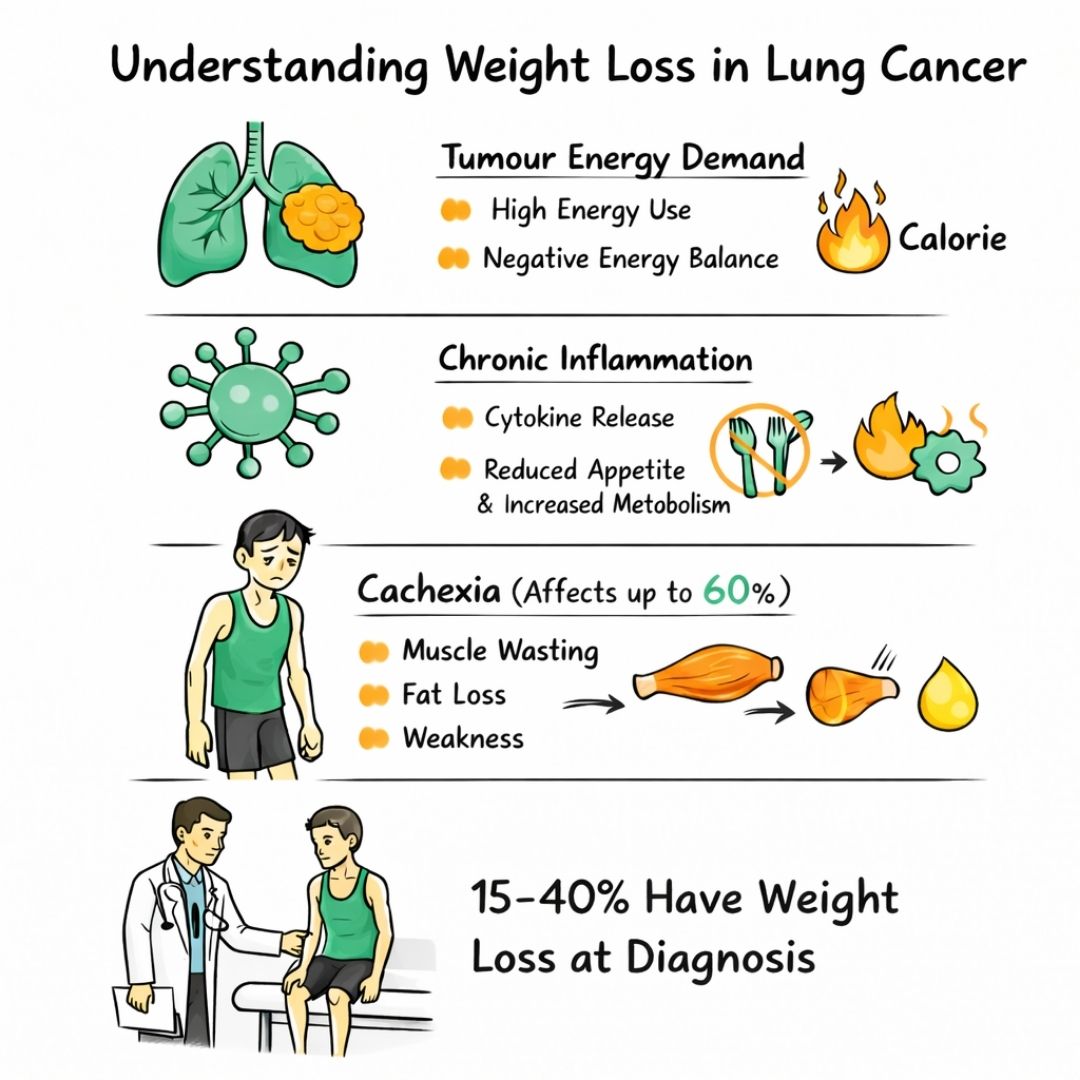
The burden of cachexia is significant, affecting both physical health and emotional wellbeing. If you would like to learn more about impact of cachexia in lung cancer patients and emerging approaches to its management, the Burden of cachexia in lung cancer patients resource offers valuable insights.
Lung cancer and weight loss are also linked to several other challenges. Many patients experience a loss of appetite, known as anorexia. This can be caused by pain, changes in taste or smell, or psychological stress related to a cancer diagnosis. Some people find that food tastes different and less appealing, which can make eating more difficult.
Eating difficulties are also common. Swallowing may become uncomfortable due to the location of the tumour or as a side effect of treatment. Problems such as mouth sores, dry mouth, or digestive issues can all make eating a struggle.
Cancer treatments, such as chemotherapy and radiotherapy, worsens weight loss. Side effects like nausea, vomiting, diarrhoea, and extreme fatigue often lead to reduced food intake.
In summary, lung cancer and weight loss are closely connected through both biological processes and the effects of treatment. Recognising these factors early can help patients and families respond to weight changes and focus on maintaining strength.
Unexpected weight loss can have a profound impact on people living with lung cancer. Understanding how weight loss influences prognosis, treatment response, and daily life is essential for both patients and their families.
Lung cancer and weight loss are closely linked for many from the moment of diagnosis. Research shows that patients who experience significant weight loss often have a poorer prognosis. Studies indicate that patients with weight loss may have a median survival of around 6.4 months, compared with 9.2 months for those without weight loss.
A major reason for this difference is cancer cachexia, where the body loses muscle and fat despite adequate nutrition. Cachexia reduces the effectiveness of chemotherapy and radiotherapy, making it harder for patients to tolerate aggressive treatments.
Interestingly, research has also identified the “obesity paradox.” Some studies suggest that patients who are overweight or obese at diagnosis may have better survival outcomes. For example, median survival has been reported at 13.0 months for obese patients, compared with 8.6 months for those with lower body weight.
Below is a simple comparison showing how weight loss affects lung cancer outcomes.
| Patient Group | Median Survival (months) |
|---|---|
| With weight loss | 6.4 |
| Without weight loss | 9.2 |
| Obese at diagnosis | 13.0 |
| Non-obese at diagnosis | 8.6 |
Quality of life is also deeply affected by weight loss in lung cancer. People with lung cancer related weight loss often report severe fatigue, weakness, and difficulty coping with everyday tasks. Emotional wellbeing is also affected, as rapid physical changes can lead to anxiety and depression. One patient shared, "The hardest part was not just the illness, but seeing myself change so quickly."
Recent studies, such as the prognostic value of weight loss grading in lung cancer, confirm that the degree of weight loss at diagnosis is a strong predictor of survival. This evidence reinforces the importance of early recognition and intervention for better outcomes.
The impact of lung cancer and weight loss is not limited to the patient. Family members and carers are often the first to notice changes in weight, which can lead to worry and feelings of helplessness. Seeing a loved one lose weight can be distressing, especially when meals and shared routines become challenging.
Open conversations can help families navigate these changes. Talking honestly about appetite, body image, and emotional struggles can reduce tension and strengthen bonds. Simple steps, such as preparing small favourite meals together or setting realistic goals around eating could make a big difference.
Empathetic support is vital. Patience during mealtimes, gentle encouragement, and emotional reassurance can make a meaningful difference. Many families also benefit from joining support groups, where sharing experiences with others in similar situations can reduce feelings of isolation.
In summary, both patients and their support networks face significant challenges when dealing with lung cancer and weight loss. Proactive communication, empathy, and informed care can improve quality of life and offer hope during a difficult journey. The article Mental Health Support Strategies for Cancer Patients and their Loved Ones outlines practical mental health support strategies to cope with emotional challenges during this tiresome journey.
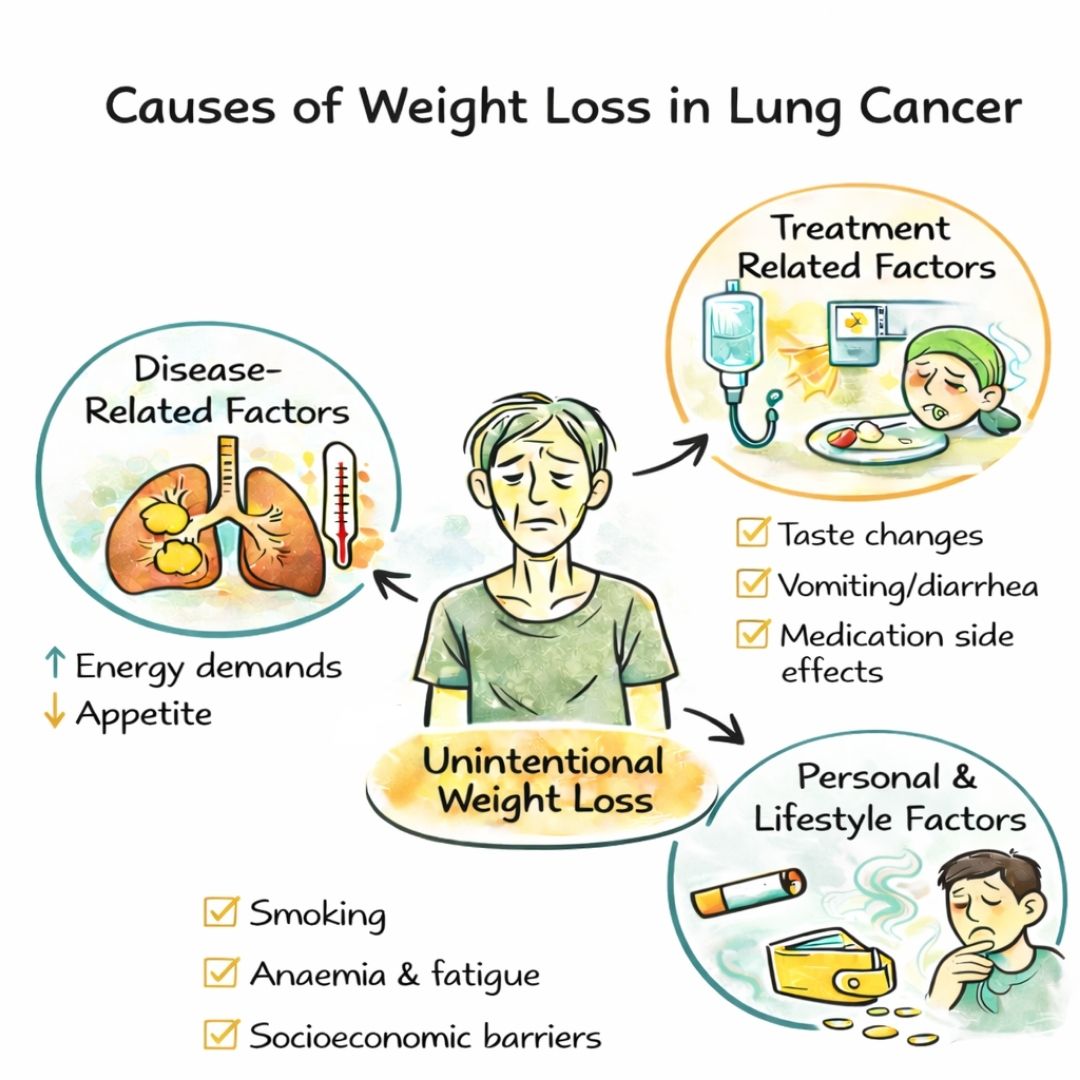
Understanding the main causes of weight loss is vital for anyone affected by lung cancer. Various factors like the disease, treatment, and lifestyle combine to make weight management a major challenge. Recognising these risks early can help patients and families take steps to manage weight loss.
Disease progression is a primary cause of weight loss in lung cancer. As tumours grow, they can increase the body's metabolic rate, causing more calories to be burned even at rest. Larger or more aggressive tumours often place greater energy demands on the body, leaving fewer resources for healthy tissues.
Systemic symptoms such as fever, night sweats, and ongoing pain frequently accompany advanced lung cancer. These symptoms can reduce appetite and make eating difficult, while also increasing their calorie needs. Hypercalcaemia, a condition caused by bone metastases, can lead to nausea, vomiting, and a poor appetite, leading to weight loss.
Studies show that weight loss is more common in patients with regional and distant spread of disease, with up to 15.4% experiencing it at diagnosis. Recognising these disease-related risk factors is crucial for early intervention and better outcomes.
Treatments for lung cancer can sometimes worsen weight loss. Chemotherapy and radiotherapy commonly cause nausea, vomiting, diarrhoea, and changes in taste, making food less appealing or even unpalatable. Medications such as steroids or strong painkillers may also impact appetite, either suppressing it or making patients feel full quickly.
It is common for patients to report a forced effort to eat during treatment, even when food no longer tastes the same. One patient described how every meal became a challenge, as favourite foods lost their appeal and nausea was a constant companion.
For those struggling, expert advice can make a difference. Support and practical nutrition tips for cancer patients are available to help manage side effects and support healthy eating habits during treatment. Seeking guidance early can help prevent further weight loss and improve overall well-being.
Personal habits and social circumstances can play a significant role on weight loss in lung cancer. Smoking is a major contributor, with studies revealing that 91.9% of patients experiencing weight loss were smokers. Smoking can reduce appetite and increase the risk of comorbidities, making it harder to maintain a healthy weight.
Other health problems, such as chronic pulmonary disease and anaemia, can also contribute to weight changes. These conditions may cause fatigue and shortness of breath, making it difficult to prepare or eat meals regularly.
Socioeconomic status is another important factor. People with limited resources may find it harder to access nutritious food or support services, adding another layer of risk. Recognising these factors early allows for tailored support and interventions to help manage lung cancer and weight loss effectively.
Early changes in body weight can be challenging to detect, yet timely recognition is vital for anyone facing lung cancer. Unintentional weight loss often appears subtly at first. Initial indicators may include clothes fitting more loosely, belts needing extra holes, or a loved one’s face looking thinner. These subtle signs may indicate underlying physiological changes.
A lose of 5% or more of your body weight over six to twelve months is a red flag, especially if you haven’t changed your diet or activity level. This level of weight loss is clinically important and often linked to poorer outcomes. Research shows that early recognition and intervention can make a real difference in survival rates. For more on why tracking weight loss matters, see this overview on weight loss trajectories and survival in advanced cancer.
Regular monitoring becomes a cornerstone for managing weight loss in lung cancer. Routine assessment using a reliable scale and systematic recording of weight trends each week can support early identification. Assessment of appetite and dietary intake is equally important, including documentation of food consumption, palatability, and taste alterations. Associated symptoms such as increased fatigue, weakness, or frequent infections, should be monitored as these often accompany ongoing weight loss.
Here is a quick reference table to help you spot early warning signs:
| Sign | What to Look for |
|---|---|
| Loose clothing | Trousers, shirts, or dresses fitting loosely |
| Reduced muscle mass | Arms or legs appearing thinner |
| Appetite changes | Eating less, meals left unfinished |
| Fatigue or weakness | Less energy for daily activities |
| Recurrent infections | More frequent colds or illnesses |
If any of these signs are linked to lung cancer and weight loss, it is important to act promptly. Unintentional weight loss should be reported to the healthcare team, particularly when it exceeds 5% of body weight. Early discussions can lead to better outcomes, read more about lung cancer screening and early detection here.
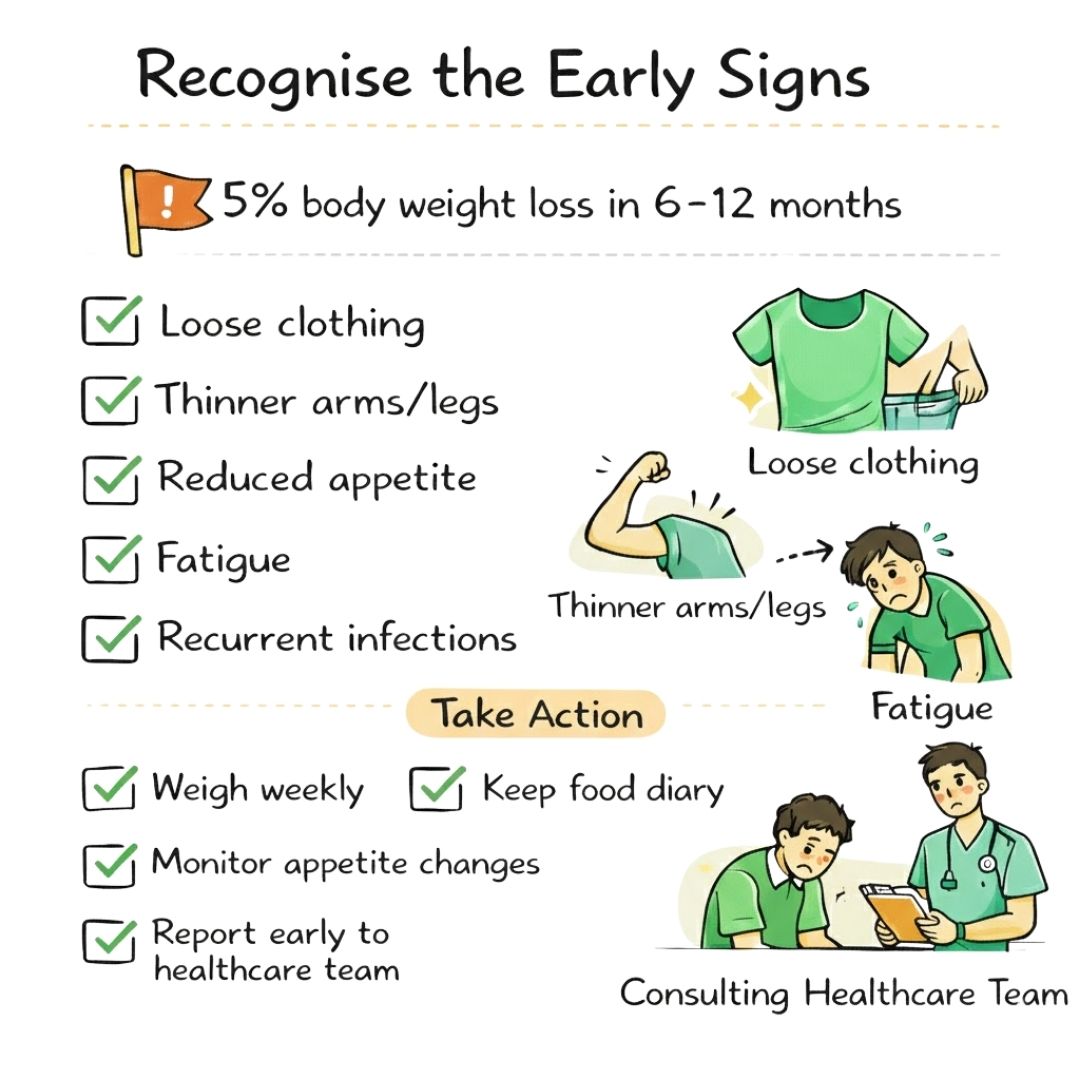
Consider this patient diary excerpt: “I realised my jeans were loose, and I had not been eating much. By keeping a daily log, I saw my weight drop by half a stone in two months. Telling my nurse early meant I got help fast.” Systematic monitoring of weight and related symptoms can therefore support timely access to care.
Managing lung cancer and weight loss effectively requires a comprehensive approach. Patients and families often feel overwhelmed by rapid changes in appetite and body weight. However, with the right strategies, it is possible to maintain strength, improve well-being, and support treatment outcomes.
Professional nutritional support is crucial when dealing with weight loss in lung cancer. Oncology dietitians can tailor meal plans to individual needs, focusing on calorie-dense and protein-rich foods. Nutritional supplements, such as shakes or powders, are often recommended to boost intake when regular meals become challenging.
Managing appetite loss and side effects like nausea is essential. Appetite stimulants or medical marijuana may be considered, but always consult with your healthcare team before starting any new medication. Medications for pain, digestive issues, or taste changes can also make eating easier.
Simple home remedies help, too. Try ginger tea for nausea, eat small frequent meals, and keep easy snacks close by. For more tailored advice, the Nutrition guidance for lung cancer patients page offers practical tips for maintaining weight and health during treatment.
Self-management plays a key role in coping with weight loss in lung cancer. Keeping a daily cancer diary to record weight, appetite, and mood can help identify changes and trends at an early stage. Setting realistic goals is important, as maintaining weight may itself represent a positive outcome.
Family involvement can play an important role in managing weight loss. Support from loved ones with meal preparation, encouragement, and shared routines can help maintain regular eating patterns. When oral intake remains inadequate despite these measures, discussion of advanced nutritional options, such as enteral feeding, with the healthcare team may be appropriate.
Understanding treatment side effects is another important step. Side effects from chemotherapy or radiotherapy, such as taste changes or digestive discomfort, can worsen weight loss. For more information on managing these challenges, read Chemotherapy side effects explained.
Lung cancer and weight loss can take a toll on mental health. Counselling and support groups offer a safe space to share worries and learn from others facing similar challenges. Many patients and families find that connecting with peers helps reduce stress and isolation.
Online communities and local groups provide both emotional relief and practical advice. These networks often share tips for coping with body image changes and maintaining motivation to eat. Do not hesitate to seek help as mental health is just as important as physical health.
By embracing these strategies, patients and families can navigate the challenges of lung cancer and weight loss with greater confidence and resilience.
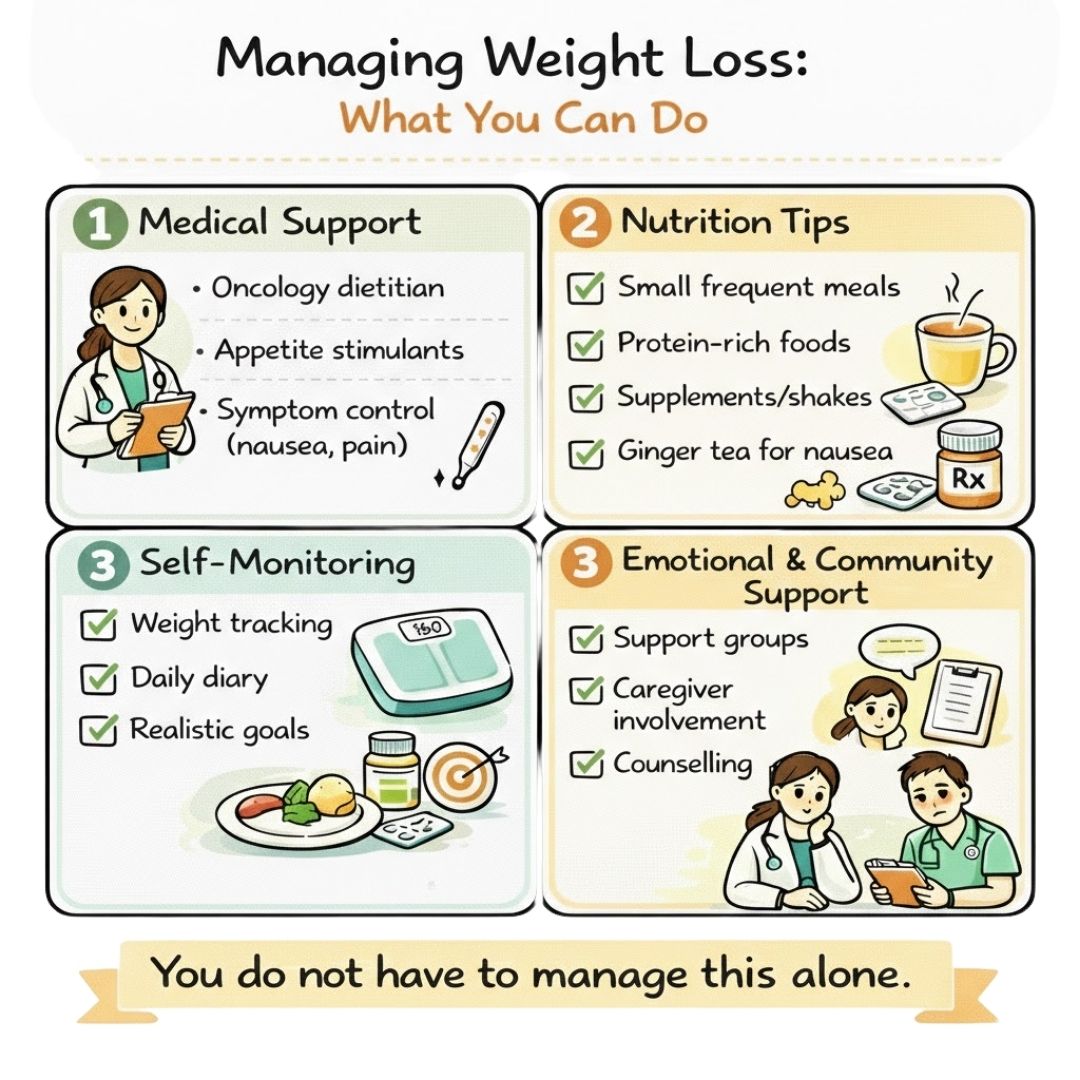
Facing lung cancer and weight loss can feel overwhelming, but no one has to go through it alone. Support networks are essential for patients and families, helping to manage both the medical and emotional challenges that come with a diagnosis.
A strong support network starts with a multidisciplinary care team. Oncologists, specialist nurses, dietitians, and social workers all play a role in helping people manage lung cancer and related weight loss. These professionals can coordinate care, answer questions, and offer tailored advice for nutrition, symptom management, and emotional wellbeing.
Patients can also benefit from regular check-ins with their team. This ensures that any changes in weight or appetite are spotted early, making it easier to adapt treatment or dietary plans. Families are encouraged to attend appointments when possible, so everyone can feel involved and informed.
Connecting with others who understand the realities of lung cancer and weight loss can be a lifeline. Support groups, both online and in person, offer a safe space to share experiences, ask questions, and find encouragement. Peer support can ease feelings of isolation and provide practical tips for coping with appetite changes or treatment side effects.
Caregivers also need support, as watching a loved one struggle with weight loss is emotionally tough. Resources like Emotional support for caregivers provide guidance, reassurance, and a community for those supporting someone with lung cancer and weight loss.
Reliable information is key for navigating lung cancer and weight loss. Educational guides, reputable websites, and advice from healthcare providers can help patients and families understand what to expect. Useful resources often cover nutrition, symptom management, and emotional wellbeing, helping people make informed decisions about their care.
Many organisations also offer practical support, such as meal delivery, transport help, or financial advice. By reaching out to both professional and community resources, families can better manage the day-to-day impact of lung cancer and weight loss.
After learning about the challenges of lung cancer and unexpected weight loss, it is clear how important it is to have the right support and information. Patients and families do not need to manage these changes alone. With access to reliable guidance and supportive services, it is possible to feel better prepared and supported in everyday life.
We strongly advise you to talk with a health care professional about specific medical conditions and treatments.
The information on our site is meant to be helpful and educational but is not a substitute for medical advice.
Explore lung cancer screening benefits, eligibility, process, results interpretation, and FAQs. Your formal guide to early detection and better outcomes.
Help a cancer patient feel like themselves again. Learn how to donate hair: length rules, preparation steps, what happens next, and alternatives if you can't donate.
Discover practical ways to stay connected when your friend with cancer is isolated. From video calls and shared playlists to online support platforms and coordinated care.