When someone receives a cancer diagnosis, well-meaning friends and family often scramble to find the "right" words. Should you share an uplifting quote about strength and hope? Or is it better to acknowledge that cancer simply sucks and validate their frustration?
The truth is, both approaches can help: but timing, context, and the individual person matter enormously. Let's explore when raw honesty beats forced positivity, and when inspirational messages actually inspire rather than irritate.
"Cancer sucks" quotes are refreshingly blunt. They acknowledge that cancer is awful, unfair, and genuinely difficult. These quotes don't try to find silver linings or spin the experience as a "journey" or "gift." Instead, they validate the very real frustration, fear, and anger that comes with a diagnosis.
Examples include:
Inspirational cancer quotes focus on hope, resilience, and finding meaning in difficult circumstances. They often emphasize inner strength, the power of attitude, and the possibility of growth through hardship.
Common themes include:
Recent research reveals that "staying positive" is more complicated than we once thought. Going through cancer treatment is emotionally and physically exhausting, and forcing positivity can actually backfire. When someone says "think positive" during a cancer diagnosis, it can feel dismissive of very real struggles.
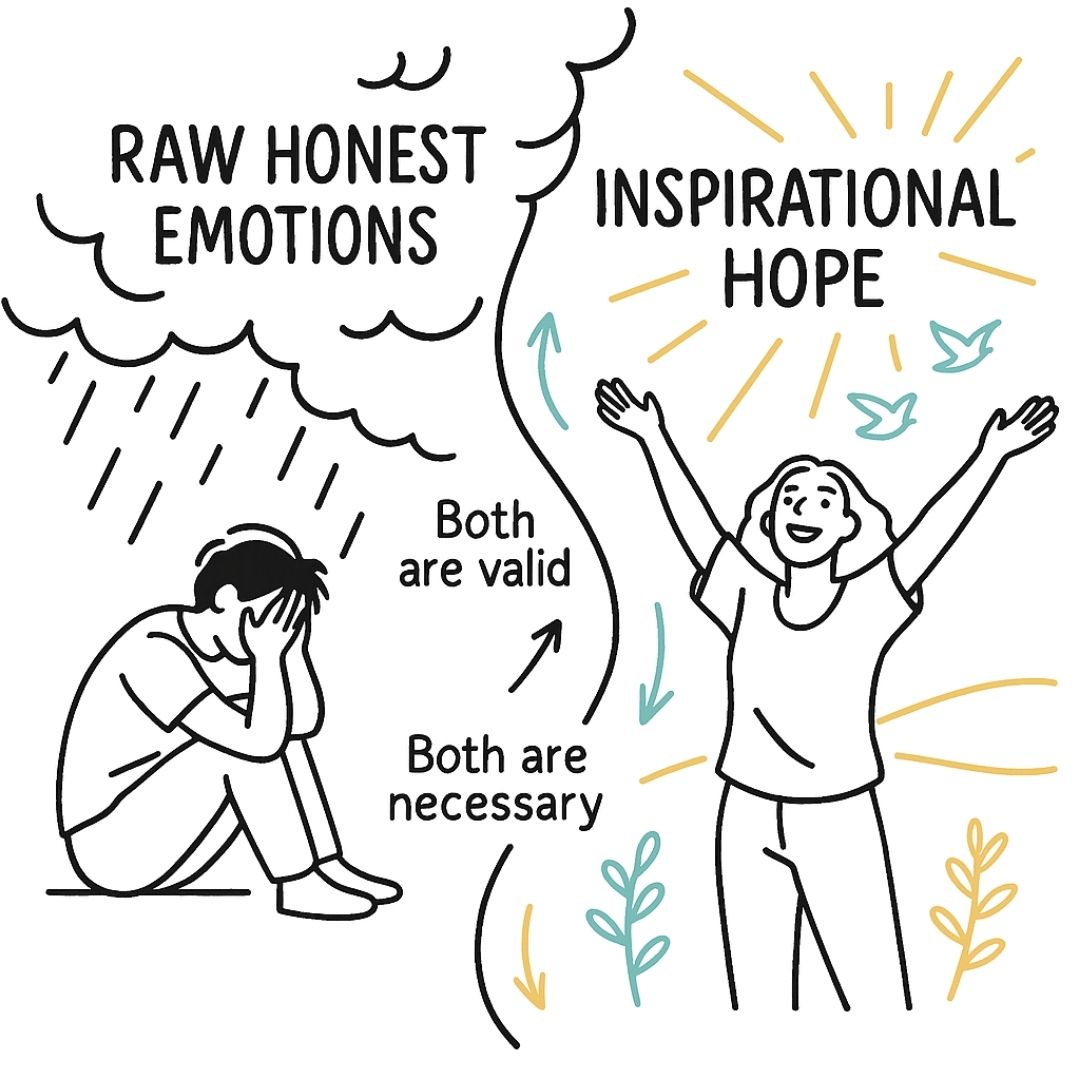
The key insight from people who've lived with cancer? Both emotions need space. Scott C., who experienced cancer, emphasizes that "it's equally important to embrace sadness and anger : without letting it consume you." Meanwhile, Jamie K. notes that "staying positive means being in touch with your feelings and being open and honest."
This suggests that the most helpful approach isn't choosing between negativity or positivity: it's about emotional authenticity paired with intentional focus.
Right after diagnosis, many people feel like they're drowning in toxic positivity from others. When everyone around them is saying "stay strong" and "you've got this," a quote that simply says "this is really hard and that's okay" can feel like a lifeline.
During chemotherapy, radiation, or other challenging treatments, sometimes people need permission to feel awful rather than pressure to stay upbeat. "Cancer sucks" quotes give that permission.
If someone is surrounded by people who keep trying to find the "bright side," these quotes can feel validating and reduce isolation.
Once someone has had time to sit with their feelings, inspirational quotes can help shift focus toward what they can control and influence.
When making decisions about treatment options, quotes about inner strength and resilience can provide helpful motivation.
Research shows that maintaining some level of hope and agency is crucial for mental health during cancer treatment. Inspirational quotes can support this when they feel genuine rather than forced.
The research reveals that people prefer a balanced approach. As one person shared: "Cancer patients have two choices: focus on the negative or acknowledge the negative and focus on the positive."
This isn't about denial: it's about strategic attention. Acknowledge that cancer sucks, feel those emotions fully, then consciously choose where to direct your energy.
Here's what actually helps:
Validation first, inspiration second. Start by acknowledging how difficult the situation is, then offer hope or encouragement.
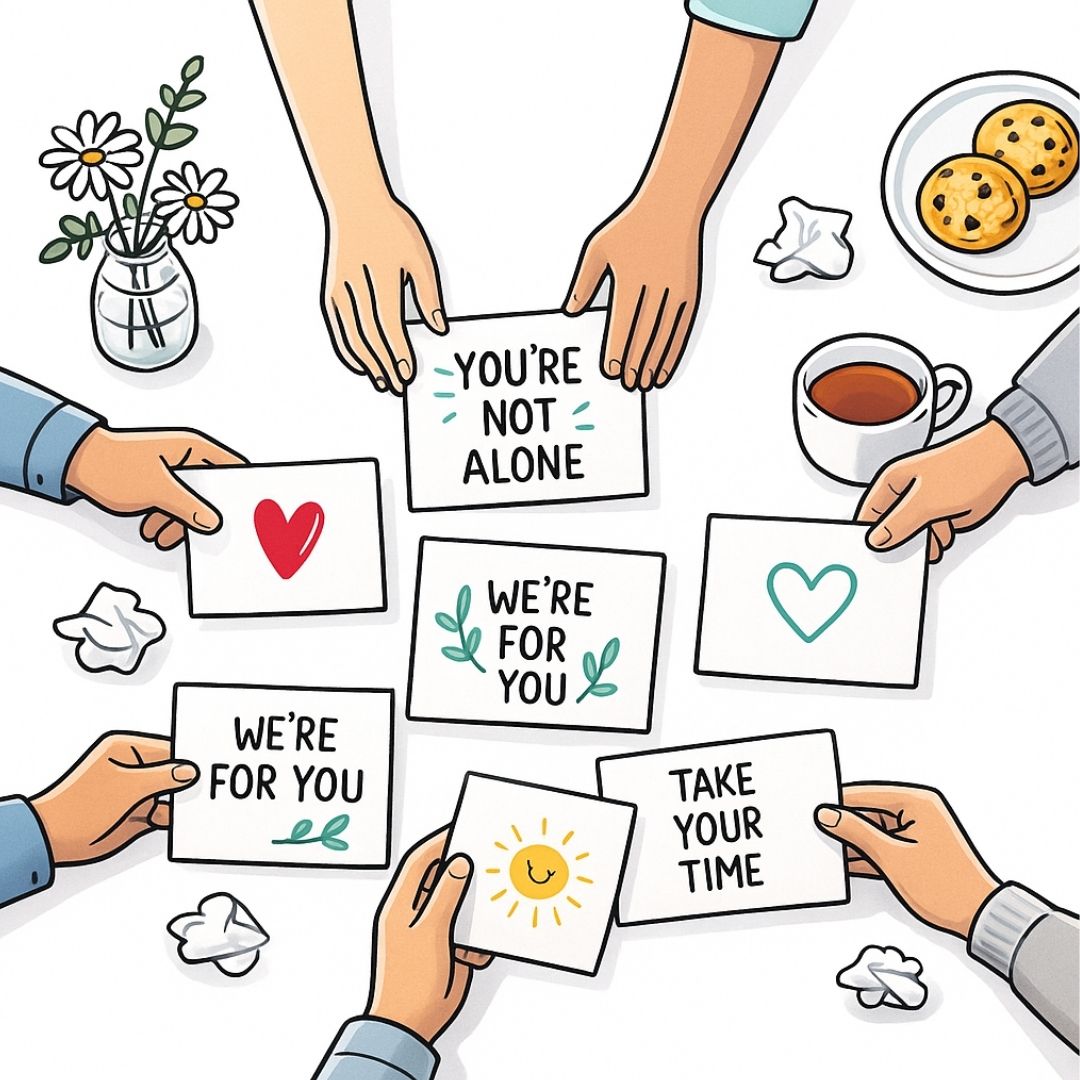
Connection over quotes. Most people report that feeling supported by others matters more than the specific words used. Whether someone shares a "cancer sucks" quote or an inspirational one, what matters is that it comes from genuine care.
Permission to feel everything. The most helpful messages give people permission to have bad days while also reminding them they don't have to stay there.
If someone is sharing frustrations, match their energy with validation. If they're asking about next steps or talking about goals, inspirational quotes might land better.
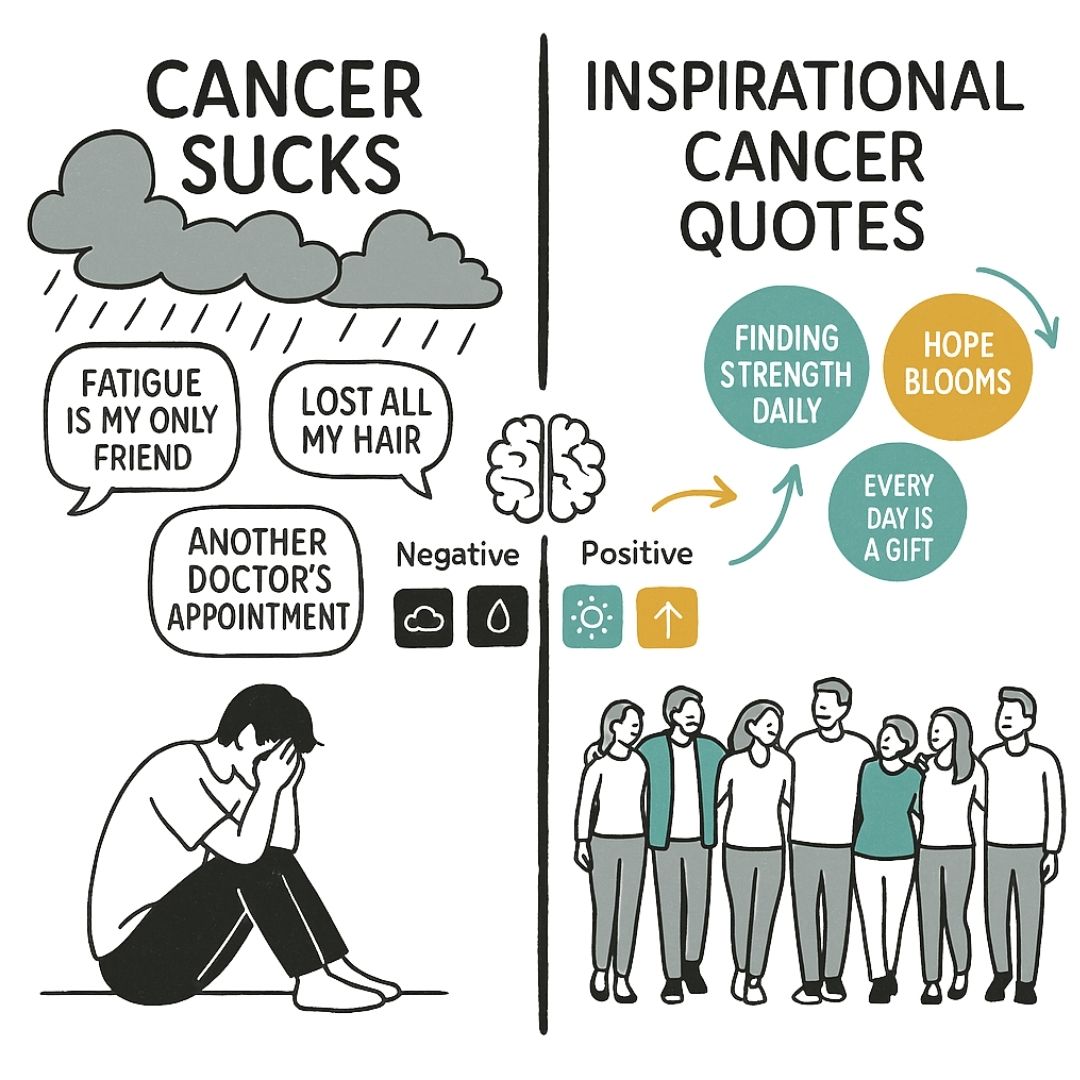
The most helpful quotes often combine acknowledgment with agency:
Neither "cancer sucks" quotes nor purely inspirational ones work in isolation. What helps people cope is feeling seen, understood, and supported in whatever they're experiencing in that moment.
The research consistently shows that connection and emotional validation matter more than the specific messaging. Whether you choose to acknowledge that cancer sucks or share an inspirational message, what matters most is that it comes from genuine care and meets the person where they are emotionally.
If you're supporting someone through cancer, consider asking: "What kind of support feels most helpful to you right now?" Sometimes they need permission to feel angry. Sometimes they need hope. Often, they need both: just not necessarily at the same moment.
The goal isn't to fix their feelings or make cancer seem less terrible than it is. The goal is to remind them they're not alone, whatever they're feeling is valid, and they have people who care about them through all of it.
For more resources on supporting someone through cancer, including practical gift ideas that show genuine care, visit our chemo gifts page or explore our collection of cancer quotes that strike the right balance between honesty and hope.
We strongly advise you to talk with a health care professional about specific medical conditions and treatments.
The information on our site is meant to be helpful and educational but is not a substitute for medical advice.
Cancer does not need to be unduly given glory as many of us have seen it being done so far. Cancer is just a disease and we need to keep it at that. Labeling it as a fight, losing a battle, winning the war are all attitudes that can bring negativity or false positivity in everyone involved in this, be it the patient, his or her family as well as the treating team.
Practical, emotional, and informational support during cancer explained. An evidence-based look at what helps, what harms, and what people still need.
Understand primary peritoneal cancer with this guide. Learn about symptoms, diagnosis, treatment options, and long-term outlook from medical experts.