Cancer can be an overwhelming journey, but one of your most powerful allies in this battle is your own immune system. This complex and remarkable network of cells, tissues, and organs works around the clock to protect you from disease – including cancer. By understanding how your immune system interacts with cancer and learning how to support it, you can feel more empowered and informed throughout your cancer journey.
Understanding how the immune system defends against cancer begins with a basic explanation of what cancer actually is. Contrary to what many people think, cancer is not a single disease but rather a group of related diseases that all share one key feature: the uncontrolled growth and spread of abnormal cells. Normally, the body’s cells grow and divide to replace old or damaged cells in a carefully regulated way. This is how your body maintains health and repairs itself.
However, sometimes this process goes wrong. Mutations in the DNA of a cell can cause it to grow and divide uncontrollably, leading to the formation of a mass of cells called a tumour. Some tumours are benign and do not spread to other tissues, but malignant tumours – what we commonly call cancer – can invade nearby tissues and spread to other parts of the body through the blood or lymphatic system.
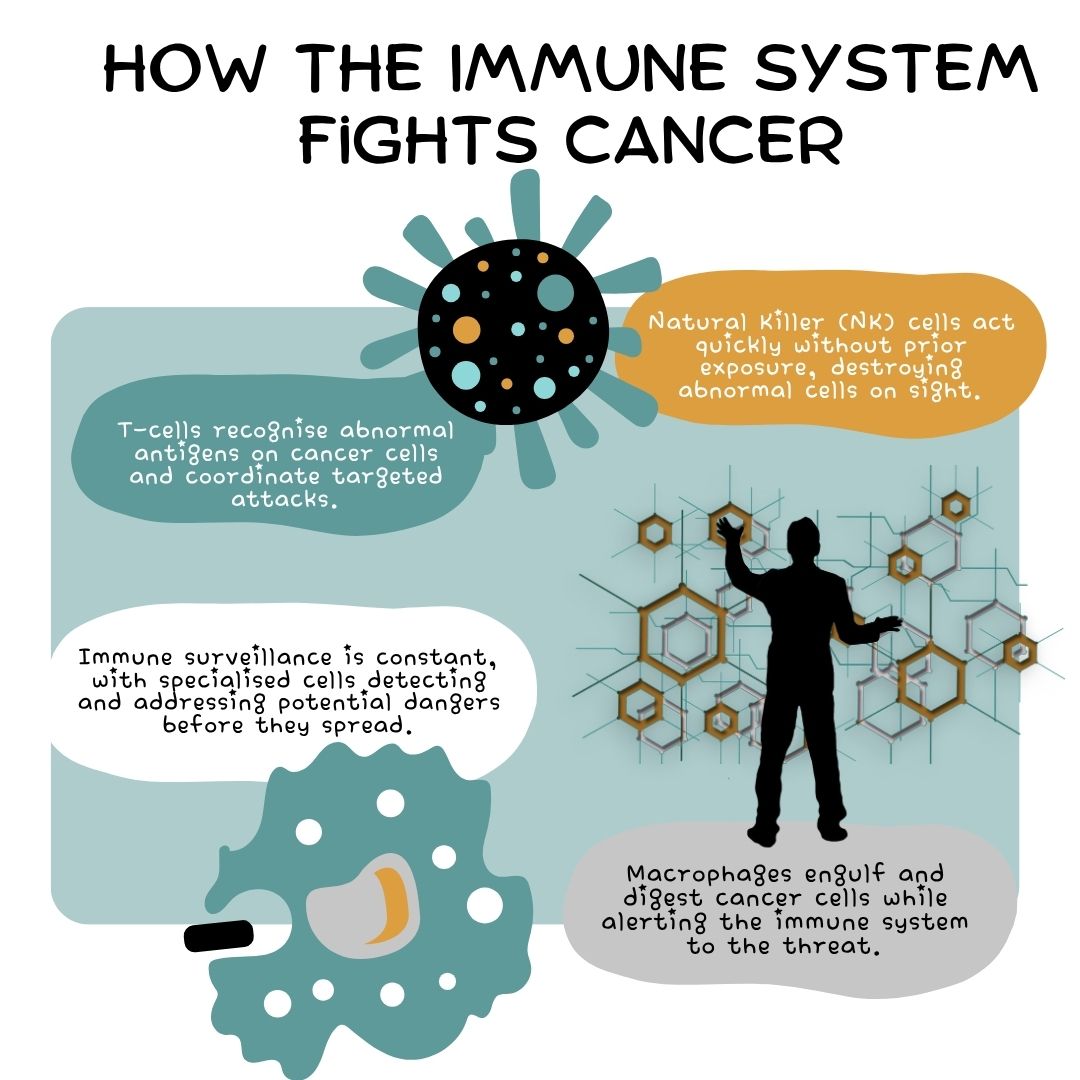
Your immune system is designed to distinguish between normal, healthy cells and those that are abnormal or potentially harmful. It does this through an intricate system of surveillance, constantly monitoring for anything that looks out of place. This process is carried out by a variety of immune cells, each with its own specific role in defending the body.
T-cells are a crucial part of this defence system. They can recognise unusual proteins on the surface of cancer cells, called tumour antigens, and can be activated to launch a targeted attack. When a T-cell identifies a cell displaying these abnormal antigens, it can destroy the cancer cell directly or call in other immune cells to help.
Natural killer (NK) cells are another important player. Unlike T-cells, NK cells do not require prior exposure to a specific antigen to act. They can rapidly identify and kill cells that are behaving abnormally, such as cancer cells. NK cells act as one of the body’s first lines of defence, reacting quickly to eliminate threats before they can take hold.
Macrophages, often called the “big eaters” of the immune system, have a different but equally important role. They can engulf and digest cancer cells, effectively removing them from the body. In addition to this, macrophages help coordinate the immune response by presenting pieces of the cancer cell – known as antigens –to T-cells. This process acts like waving a red flag, alerting the rest of the immune system to the presence of a threat.
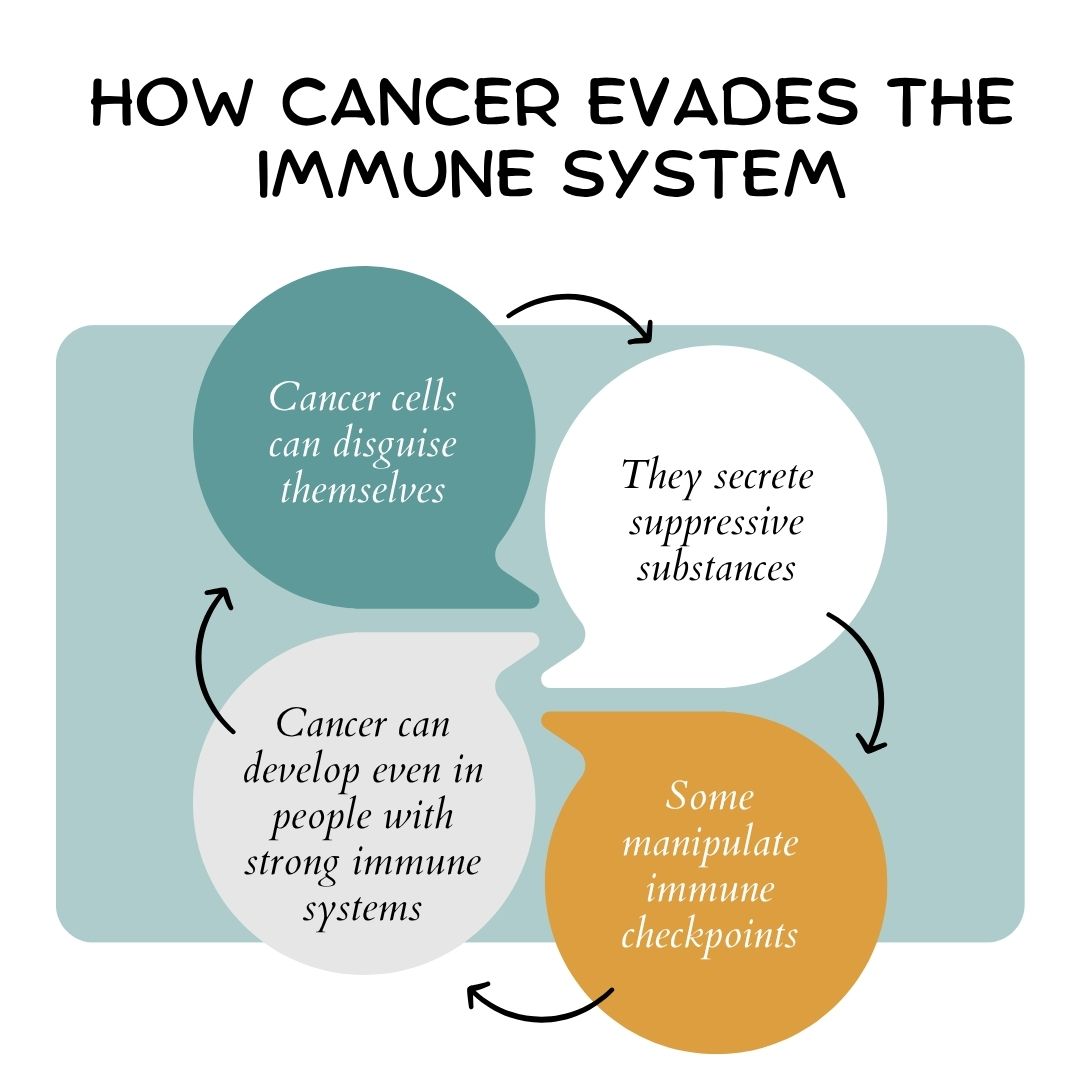
Despite the powerful arsenal of defences that the immune system has, cancer is a particularly cunning adversary. Some cancer cells can develop mechanisms to hide from the immune system or dampen its attacks. For example, certain cancer cells can produce substances that suppress the immune response, making it harder for the immune system to mount an effective attack.
Others can change the proteins on their surface so that they no longer look suspicious to immune cells, effectively disguising themselves as normal cells. This ability to evade the immune system is one of the reasons why cancer can develop and progress even in people with otherwise healthy immune systems.
Understanding these evasion tactics is a key focus of modern cancer research, as it helps scientists and doctors develop new ways to help the immune system recognise and destroy cancer cells more effectively. One of the most exciting developments in recent years has been the emergence of immunotherapy – treatments that aim to harness the power of the immune system itself to fight cancer.
Immunotherapy represents a major shift in how doctors think about treating cancer. Unlike traditional treatments like chemotherapy and radiotherapy, which target cancer cells directly but can also affect healthy cells, immunotherapy works by boosting or restoring the body’s natural immune defences against cancer. There are several types of immunotherapy, each working in a different way to help the immune system do its job.
One type of immunotherapy involves immune checkpoint inhibitors. These are drugs that block certain molecules on cancer cells or immune cells that normally act as brakes on the immune response. By releasing these brakes, checkpoint inhibitors allow T-cells to attack cancer cells more effectively. This approach has shown remarkable success in treating some types of cancer, such as melanoma and certain lung cancers.
Another innovative approach is CAR T-cell therapy. In this treatment, a patient’s own T-cells are collected and genetically modified in the laboratory to better recognise and attack cancer cells. These modified T-cells are then infused back into the patient’s body, where they seek out and destroy cancer cells. CAR T-cell therapy has shown particularly promising results in some types of blood cancer.
Cancer vaccines are another way that the immune system can be trained to fight cancer. Unlike traditional vaccines that prevent infectious diseases, cancer vaccines are designed to stimulate the immune system to recognise and attack cancer cells. Some vaccines are preventive, like the HPV vaccine which protects against the virus responsible for most cervical cancers. Others are therapeutic, aiming to treat existing cancers by boosting the immune response to specific tumour antigens.
While immunotherapy has transformed the landscape of cancer treatment in many ways, it is not without its challenges. Some patients experience side effects when the immune system becomes too active and starts attacking healthy tissues, a condition similar to autoimmune disease. These side effects can include skin rashes, diarrhoea, or inflammation of organs and need to be carefully managed by medical professionals. Additionally, not all patients respond to immunotherapy, and researchers are working hard to understand why. Factors such as the type of cancer, its stage, and the patient’s overall health can all influence how well immunotherapy works.
It is also important to consider how traditional cancer treatments, such as chemotherapy and radiotherapy, interact with the immune system. Chemotherapy works by targeting rapidly dividing cells, which include both cancer cells and some immune cells. As a result, chemotherapy can temporarily weaken the immune system, leaving patients more susceptible to infections.
Radiotherapy can also affect immune cells in the area being treated, sometimes reducing the body’s ability to fight off other illnesses. Understanding these effects is essential for planning supportive care and managing side effects.
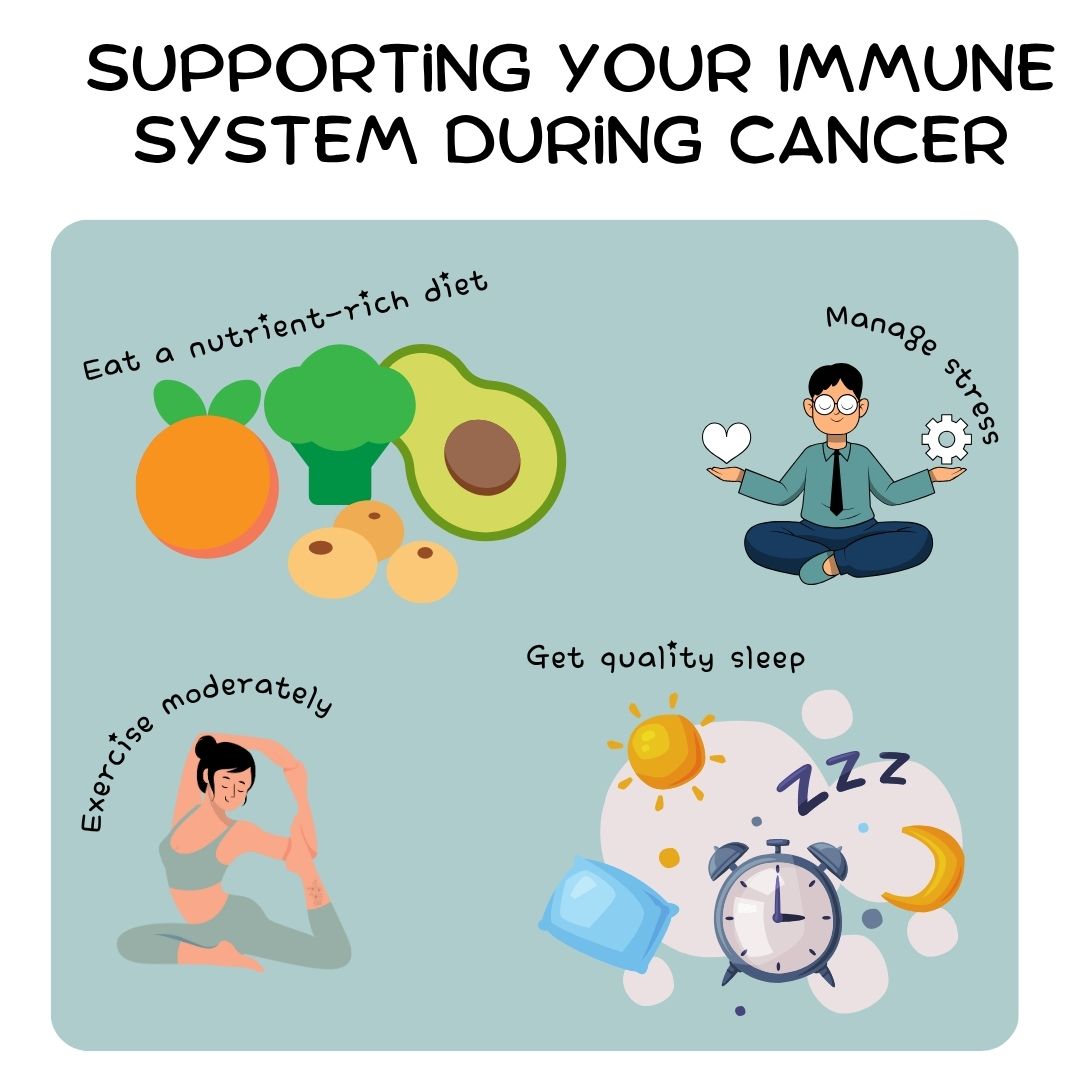
Beyond medical treatments, there are many ways that lifestyle factors can support a healthy immune system during and after cancer treatment. A balanced diet rich in fruits, vegetables, and whole grains provides the vitamins and minerals that the immune system needs to function properly. Specific nutrients such as vitamins A, C, and E, as well as zinc and selenium, play important roles in immune health. Maintaining a healthy diet can also help counteract some of the side effects of cancer treatment, such as fatigue or weight loss.
Regular moderate exercise is another key component of a healthy immune system. Physical activity helps improve circulation, reduce inflammation, and support the efficient movement of immune cells throughout the body. Exercise has also been shown to improve mood and reduce stress, both of which can have a positive impact on immune function. However, it is important for cancer patients to consult their healthcare team before starting any new exercise regimen, as the type and intensity of exercise should be tailored to their individual situation. In addition, the benefits of exercise for cancer patients extend beyond physical health, fostering a sense of empowerment and control during a challenging time. Engaging in regular physical activity can also enhance overall quality of life, enabling patients to participate more fully in daily activities and social interactions. Ultimately, integrating exercise as part of a cancer care plan can lead to improved resilience and well-being.
Managing stress is often overlooked but is crucial for immune health. Chronic stress has been shown to suppress immune function, making it harder for the body to fight off infections and possibly affecting how well it responds to cancer treatment. Techniques such as mindfulness, relaxation exercises, counselling, or simply taking time for hobbies and activities that bring joy can all help reduce stress levels.
Sleep is another critical factor for a healthy immune system. During sleep, the body releases proteins called cytokines that help regulate immune responses. Not getting enough sleep can lower the production of these cytokines, making the body more vulnerable to infections and potentially affecting recovery from cancer treatment. Establishing a regular sleep routine and creating a restful environment can help improve sleep quality.
Emotional well-being is equally important and often underappreciated. Feelings of isolation, anxiety, or depression can negatively impact the immune system. Building a strong support network, whether through family, friends, support groups, or online communities, can provide the emotional strength needed to cope with cancer. Having someone to talk to about fears, worries, or simply to share a laugh can make a big difference in how you feel and how your body responds.
At Cancer Care Parcel, we understand that every person’s cancer journey is unique, and supporting the immune system is just one part of a holistic approach to care. We are committed to providing information, resources, and practical support that help you feel empowered and informed every step of the way. Our gift packages are designed with the needs of cancer patients in mind, offering comfort and relief during a challenging time. In addition to our products, we offer free resources, webinars, and community connections to help you navigate your journey with confidence.
As research continues to advance, new treatments and strategies are constantly being developed to support the immune system’s role in fighting cancer. From cutting-edge immunotherapies to lifestyle interventions, the goal is always the same: to harness the body’s natural defences to improve outcomes and quality of life. While the journey through cancer can be daunting, understanding how your immune system works and how you can support it is a powerful way to take control of your health. It's important to recognize that different cancer treatments can have varying effects on the immune system. Understanding how cancer treatments impact immunity can guide patients in making informed decisions about their care and lifestyle choices. By staying informed and proactive, individuals can better support their immune function and navigate the complexities of treatment with confidence.
In summary, your immune system is not just a passive defence mechanism – it is an active, dynamic partner in your fight against cancer. By learning about how it recognises and attacks cancer cells, understanding how cancer tries to hide, and exploring the ways that modern medicine and healthy living can strengthen this essential system, you can become a more informed and engaged participant in your own care. Remember, you are not alone on this journey. With the right knowledge, support, and resources, you can work alongside your immune system to face cancer with resilience and hope.
Edited by: Ruairi Bolton
We strongly advise you to talk with a health care professional about specific medical conditions and treatments.
The information on our site is meant to be helpful and educational but is not a substitute for medical advice.
Demystify cancer research and biostatistics with plain language on trials, survival, and care decisions for patients and caregivers.
What is immunotherapy? Learn how this treatment uses your immune system to target cancer and what is immunotherapy, its types, side effects, and who benefits.
Discover Practical Tips and Strategies to Support Your Gut Health During and After Cancer Treatment.