Cancer and its treatments can place significant strain on the digestive system, making it challenging to find foods that are both nourishing and well-tolerated. Symptoms like nausea, taste changes, mouth sores, and fatigue can transform mealtimes into a source of stress rather than comfort. Understanding what foods are easy to digest is a crucial step in managing these side effects, maintaining strength, and supporting your body's recovery.
This guide provides a comprehensive roundup of 10 gentle food choices, specifically curated for those affected by cancer. The focus is on simplicity, digestibility, and providing the energy your body needs to heal without overwhelming a sensitive system. We will explore why each food is beneficial, offer practical preparation methods tailored to common symptoms like diarrhoea or constipation, and provide actionable ideas to help you build a supportive, comfortable diet.
The goal is to empower you with knowledge and practical tools to navigate your nutritional needs during a challenging time. For each item on our list, you will find clear, evidence-informed guidance designed to be immediately useful. While this article offers valuable suggestions, it is vital to remember that individual needs vary significantly. Consulting with an oncology dietitian or your healthcare team is always recommended for personalised advice and to create a plan that best supports your unique health journey. In addition, be sure to consider the chemo bag essentials for comfort, such as soft blankets, water bottles, and snacks that won't upset your stomach. Having these comforting items on hand can make a significant difference in your overall experience. Always prioritize what helps you feel more at ease during treatment.
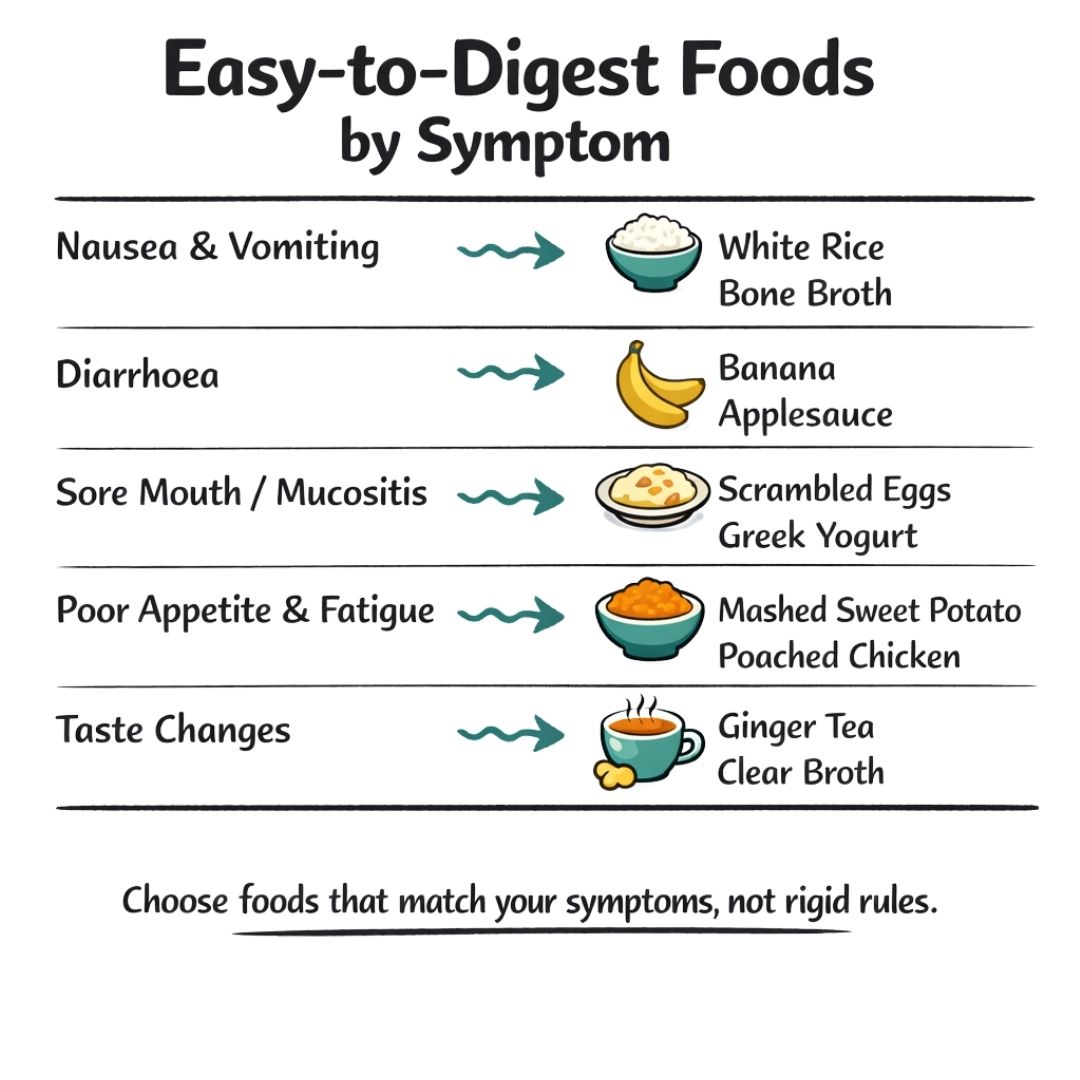
Among the most recommended foods for digestive ease, white rice stands out as a foundational staple, particularly for individuals navigating the side effects of cancer treatment. Unlike its whole-grain counterpart, brown rice, white rice has had its fibrous bran and germ layers removed. This refining process significantly lowers its fibre content, making it less work for a sensitive digestive system to break down and absorb. For this reason, it is one of the key foods that are easy to digest.
This characteristic makes white rice an excellent source of readily available carbohydrates, providing crucial energy when appetite is low or the body is fatigued from treatment. Its bland flavour profile is also beneficial, as it is less likely to trigger nausea or taste aversions, which are common during chemotherapy.
How you prepare and consume white rice can be adapted to manage specific symptoms:
Expert Insight: Rice water, the starchy liquid left over after boiling rice, is a traditional remedy often suggested by oncology dietitians. It is hydrating, provides electrolytes, and is extremely gentle on the stomach, making it useful during episodes of vomiting or diarrhoea.
Incorporating white rice into your diet can be simple and comforting. Consider pairing a small portion of well-cooked rice with other easily digestible foods like poached chicken, steamed white fish, or scrambled eggs. For a simple meal, a bowl of soft rice with a splash of low-sodium chicken or vegetable broth provides both energy and hydration. By focusing on simple preparations and avoiding heavy fats, oils, and strong spices, white rice can serve as a reliable source of nourishment when your digestive system needs rest.
Bone broth is a nutrient-dense liquid made by slowly simmering animal bones and connective tissue over many hours. This gentle process releases valuable compounds like collagen, amino acids, and minerals into an easily absorbable form. For individuals undergoing cancer treatment, it serves as a comforting and powerful source of hydration and nutrition, making it one of the most beneficial foods that are easy to digest.
The key benefit lies in its high collagen and amino acid content, which can help support the integrity of the digestive tract lining, an area often compromised by chemotherapy and radiation. Its liquid form requires minimal digestive effort, allowing the body to absorb nutrients efficiently even when experiencing fatigue or gut sensitivity. The warm, savoury flavour can also be soothing and may help stimulate a poor appetite.
You can adapt how you consume bone broth to help manage specific side effects of treatment:
Expert Insight: Choose high-quality, low-sodium bone broth from grass-fed beef or organic chicken to maximise nutrient density and avoid excess salt. Making your own allows for complete control over the ingredients, ensuring it is as plain and gentle as needed.
Bone broth can be consumed on its own or used as a base to enhance other simple meals. Try sipping a warm cup between meals for hydration and a protein boost. You can also use it as a cooking liquid for soft white rice or quinoa to add flavour and nutrients. For a more substantial but still gentle meal, blend bone broth with well-cooked, soft vegetables like carrots or zucchini to create a simple, smooth soup. By keeping it simple and avoiding added fats or spices, bone broth can be a cornerstone of digestive recovery.
Often recommended as one of the first fruits to reintroduce after digestive upset, bananas are exceptionally gentle on the stomach. Their soft, smooth texture requires minimal chewing, making them ideal when energy is low or a sore mouth makes eating difficult. They are a valuable source of simple carbohydrates that provide a quick energy boost, a welcome benefit when dealing with cancer-related fatigue.
Bananas are particularly rich in potassium, an essential electrolyte that can become depleted due to side effects like vomiting or diarrhoea. Their natural sweetness and mild flavour also make them highly palatable, even when experiencing nausea or taste changes. For these reasons, bananas are a top choice when considering what foods are easy to digest.
The versatility of bananas allows them to be adapted to manage various treatment-related side effects:
Expert Insight: Ripe bananas (yellow with some brown spots) contain more simple sugars and are easier to digest than green, unripe bananas. Green bananas have a higher content of resistant starch, which can be harder for a sensitive gut to process and may cause gas.
Incorporating bananas is a simple way to add gentle nutrition to your day. For a more balanced snack, mash a banana and mix it with plain yogurt or a spoonful of smooth nut butter (if tolerated) to add protein for sustained energy. Blending a frozen banana creates a simple, cooling 'nice cream' that can be very soothing for a sore mouth or throat. You can also slice a banana into a bowl of soft-cooked porridge for a gentle and nourishing breakfast.
Lean, skinless chicken breast prepared through gentle poaching is an excellent source of high-quality, easily digestible protein, which is essential for individuals undergoing cancer treatment. Unlike frying or roasting, poaching cooks the meat gently in liquid, keeping it tender and moist while removing excess fat that can burden a sensitive digestive system. For this reason, it is one of the key foods that are easy to digest.
This method of preparation ensures the chicken is not only gentle on the gut but also provides the vital protein needed for tissue repair, immune function, and overall recovery from treatment side effects. Its mild flavour is also less likely to provoke nausea or taste aversions, which can be a significant challenge when appetite is poor.
How you prepare and serve poached chicken can be tailored to manage specific treatment-related symptoms:
Expert Insight: Poaching chicken in a low-sodium bone broth instead of water not only adds a gentle flavour but also introduces extra nutrients like collagen and amino acids. This can enhance the meal's nutritional value without making it harder to digest.
Incorporating poached chicken into your diet can be straightforward and comforting. Pair shredded chicken with other soft foods like well-cooked carrots, mashed potatoes, or avocado. For a simple and hydrating meal, add finely diced poached chicken to a bowl of clear vegetable or chicken broth. If you are struggling with changes in taste, you can find more guidance on what to eat when nothing tastes right during cancer. By focusing on simple preparation and avoiding fats and strong spices, poached chicken serves as a reliable protein source when your body needs it most.
Recognised for its powerful anti-nausea properties, fresh ginger is a well-researched rhizome frequently recommended to alleviate chemotherapy-induced nausea and vomiting. Its primary active compounds, gingerols and shogaols, exert a calming effect on the gastrointestinal tract, which can soothe stomach upset. Unlike some medications, ginger is a natural and gentle option, making it one of the key foods that are easy to digest. In addition to ginger, incorporating specific herbs and foods into a diet can enhance chemotherapy side effects management strategies, providing further comfort to patients. Research indicates that certain antioxidants found in fruits like blueberries and vegetables such as spinach can also play a role in reducing the severity of these side effects. Meanwhile, hydration and a balanced diet are essential components in supporting overall well-being during treatment.
This root’s ability to mitigate nausea without being heavy on the stomach makes it exceptionally valuable during cancer treatment. When steeped as a tea or added to broths, it provides comfort and hydration while actively working to reduce symptoms. Its distinctive, aromatic flavour can also help combat the metallic taste some individuals experience during chemotherapy. For those undergoing treatment, nutritional tips for chemotherapy patients often emphasize the importance of easy-to-digest foods that also offer nutritional support. Incorporating small, frequent meals can help maintain energy levels and mitigate side effects. Additionally, staying well-hydrated is crucial, as it can aid in overall recovery and enhance the effectiveness of the treatment.
How you prepare and consume ginger can be tailored to manage digestive symptoms effectively:
Expert Insight: For a convenient option, consider candied ginger. A small piece can be chewed slowly to release its soothing properties, providing a steady, gentle dose to ease mild nausea. However, be mindful of the sugar content and use it in moderation.
Incorporating ginger into your diet can be both simple and therapeutic. Steep it with a slice of lemon for a refreshing tea, or add grated ginger to broths, soups, and even plain congee for a subtle, warming flavour. Small sips of ginger tea throughout the day can also help with hydration. Always consult your oncology team before using ginger supplements to ensure the dosage is appropriate and does not interact with your treatment plan. Preparing for your first chemo day involves gathering the essentials for your first chemo day, including medications and comfort items. Consider packing a cozy blanket, your favorite snacks, and a journal to document your thoughts and feelings throughout the process. Staying organized can help ease some of the anxiety that comes with the new experience.
Plain Greek yogurt is a creamy, protein-rich food that is often exceptionally well-tolerated during cancer treatment. The straining process used to create it removes much of the whey and lactose, making it easier to digest, even for those with mild lactose sensitivity. This process also concentrates the protein, which is vital for tissue repair and maintaining muscle mass when appetite may be poor. For these reasons, it is one of the key foods that are easy to digest.
Its gentle, cool nature can be soothing, while its high protein content provides sustained energy. Furthermore, Greek yogurt often contains beneficial live and active cultures (probiotics), which can help support a healthy gut microbiome. This is particularly important, as treatments like chemotherapy can disrupt the balance of healthy digestive bacteria.
Yogurt's versatility allows for simple modifications to address common side effects:
Expert Insight: Always check the label to ensure the yogurt contains "live and active cultures," as this indicates the presence of beneficial probiotics. Choose plain, unsweetened varieties to avoid added sugars, which can sometimes worsen digestive upset.
Incorporating Greek yogurt is straightforward. A small bowl on its own makes for an excellent, high-protein snack. For a more substantial but still gentle meal, blend it into a smoothie with bone broth for a protein boost, or mix it with soft, well-mashed berries if tolerated. It can also serve as a creamy, gentle base for soups. For those interested in preparing their own, exploring options like this guide to homemade yogurt can be beneficial. Supporting your digestive system is a critical component of well-being, and you can learn more about the importance of gut health during cancer treatment.
Sweet potatoes, particularly when cooked until soft and then mashed or pureed, are an excellent choice for a sensitive digestive system. Their natural sweetness can be appealing when cancer treatments cause taste changes, and their smooth, creamy texture is gentle on a sore mouth or throat. As root vegetables, they provide easily digestible complex carbohydrates for sustained energy.
This food is also a rich source of beta-carotene, which the body converts into vitamin A, an essential nutrient for immune function and cell repair. The soft consistency of mashed sweet potato requires minimal effort from the digestive tract, making it a comforting and nourishing option when more fibrous foods are difficult to tolerate. For these reasons, it is a valuable addition to a list of what foods are easy to digest.
The preparation of sweet potatoes can be tailored to help manage common treatment-related side effects:
Expert Insight: Baking or steaming sweet potatoes until they are very tender is the best preparation method. This process breaks down their starches, making them exceptionally easy to digest. Avoid adding high-fat ingredients like butter or cream initially, as these can be harder on the stomach.
Sweet potatoes are versatile and can be easily incorporated into your diet. For a balanced meal, pair a serving of mashed sweet potato with a simple protein like poached chicken, steamed white fish, or plain Greek yogurt. You can also mix sweet potato puree into a mild bone broth or soup to add nutrients and thickness. For a simple snack, a small bowl of warm, mashed sweet potato offers comfort and energy. By preparing them simply, sweet potatoes provide a gentle, nutrient-dense source of fuel for your body.
Eggs are one of the most nutritionally complete and easily digestible foods, making them a superb choice for individuals undergoing cancer treatment. They provide high-quality protein, containing all nine essential amino acids necessary for tissue repair and immune function. When prepared as scrambled eggs, they offer a soft, palatable texture that is particularly gentle on a sensitive digestive system.
This preparation method makes eggs an excellent source of vital nutrients like choline, which supports cognitive function, and selenium, a powerful antioxidant. For patients experiencing difficulty chewing, aversions to meat, or general fatigue, the soft consistency and mild flavour of scrambled eggs provide a simple and effective way to meet protein needs. Their versatility makes them a valuable component of a diet focused on what foods are easy to digest.
The way you prepare and serve scrambled eggs can be tailored to address specific treatment-related side effects:
Expert Insight: For individuals who are immunocompromised, ensuring food safety is paramount. Always cook eggs thoroughly until no liquid or runny parts remain to eliminate the risk of salmonella. Use pasteurised eggs if available for an added layer of safety.
Incorporating scrambled eggs into your diet is straightforward. For a balanced and gentle meal, pair soft scrambled eggs with a slice of white toast or a small portion of white rice. You can also mix them with mashed sweet potato for a nutrient-dense option that provides both protein and carbohydrates. For a sweet alternative, especially during recovery, consider egg-based custards, which offer a smooth texture and are very easy to consume. By keeping seasonings mild and focusing on a soft, moist preparation, scrambled eggs can become a reliable and nourishing staple.
Unsweetened applesauce is a valuable addition to a gentle diet, particularly for individuals experiencing digestive distress or side effects from cancer treatment. Made from cooked and pureed apples, its smooth texture requires minimal chewing and is exceptionally easy for the digestive system to process. This makes it a standout choice among foods that are easy to digest, as it offers nutrition without the burden of high fibre found in whole fruit.
The key to applesauce's digestive benefits lies in its pectin content, a type of soluble fibre that can help regulate bowel function. Pectin adds bulk to stool, which can be beneficial for managing diarrhoea, yet it also helps soften stool, aiding in mild constipation. Its naturally mild and slightly sweet flavour is often well-tolerated, even when taste changes or nausea make other foods unappealing. Furthermore, it provides a source of simple carbohydrates for a gentle energy boost.
The way applesauce is served can be tailored to address specific digestive concerns:
Expert Insight: Always opt for unsweetened varieties of applesauce to avoid added sugars, which can sometimes worsen digestive issues like diarrhoea. Reading the ingredients label is crucial to ensure you are getting a product with no added sweeteners, high-fructose corn syrup, or unnecessary additives.
Applesauce is versatile and can be easily incorporated into your diet for nourishment and comfort. For a simple and balanced snack, mix a small portion of applesauce with plain Greek yogurt or cottage cheese to add a source of protein. It can also be combined with mashed sweet potato for a nutrient-dense side dish. For a more substantial meal, use it as a base in smoothies, blending it with a protein powder, silken tofu, or a mild-flavoured vegetable for an easily digestible liquid meal. By itself, a small bowl of unsweetened applesauce serves as a comforting and gentle option when your digestive system requires rest.
Warm, savoury broth is deeply comforting and exceptionally gentle on the digestive system, making it an invaluable food during cancer treatment. Unlike heavier, cream-based soups, clear broths contain minimal solids, which reduces the digestive workload, and they provide maximum liquid for hydration. Staying hydrated is critical, especially when side effects like nausea and vomiting increase fluid loss.
Broth is also an excellent source of easily absorbed minerals and electrolytes, such as sodium and potassium, which can become depleted through diarrhoea or vomiting. Its gentle flavour can help stimulate a poor appetite without overwhelming the senses, positioning it as one of the key foods that are easy to digest when you need simple, effective nourishment.
How you prepare and serve broth can be tailored to manage different treatment-related side effects:
Expert Insight: Homemade bone broth can be particularly beneficial as it is a natural source of collagen and amino acids, which support gut lining integrity. To make a simple version, simmer chicken or vegetable scraps with water for several hours, then strain thoroughly. This allows you to control the ingredients and sodium content completely.
Broth can be enjoyed on its own or used as a base to create more substantial but still gentle meals. Try sipping a cup of warm chicken or vegetable broth between meals to maintain hydration and energy levels. For a more filling option, add other easily digestible foods like soft-cooked white rice, fine noodles, or a small amount of shredded poached chicken. Using broth to moisten other foods, such as mashed potatoes or soft-cooked vegetables, can also make them easier to swallow and digest.
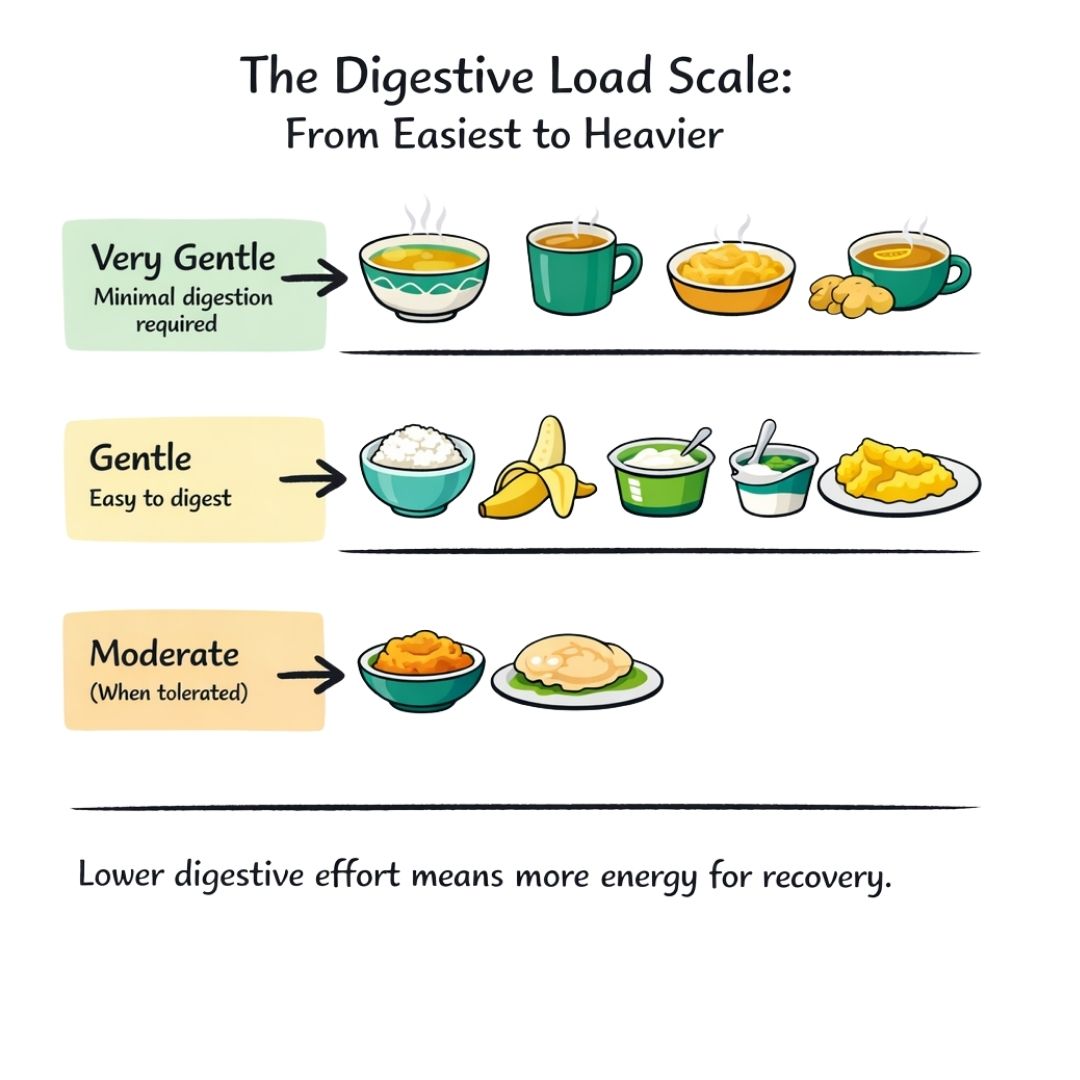
| Item | Implementation complexity | Resource requirements | Expected outcomes | Ideal use cases | Key advantages | Key limitations |
|---|---|---|---|---|---|---|
| White Rice | Low — simple boiling/steaming | Minimal: rice, water, heat | Quick, easily accessible carbs; gentle digestion | Nausea, appetite loss, low-fiber diet phases | Bland, gluten-free, versatile | Lower nutrients than whole grains; may constipate; can spike blood sugar |
| Bone Broth | High (homemade long simmer) or moderate (store-bought) | Bones/connective tissue or purchased jars; long cooking or cost | Absorbable protein, collagen for gut repair; anti-inflammatory support | Post-chemo recovery; poor solid-food tolerance | High collagen/minerals; supports gut healing | Time-consuming; variable quality/sodium; may upset some individuals |
| Bananas | Very low — ready to eat or mash | Minimal: fresh fruit | Rapid potassium replenishment and quick energy | Vomiting/diarrhea recovery, nausea, early refeeding | Soft, high potassium, easy to digest when ripe | High natural sugar; can constipate if dehydrated; unripe are harder to digest |
| Chicken Breast (Poached) | Moderate — gentle poaching technique | Chicken, low-sodium liquid, stove | High-quality, easily digestible complete protein for repair | Muscle maintenance, recovery, when protein tolerated | Lean complete protein, low fat, versatile | Food-safety needs; smell/textures may trigger nausea; can dry if overcooked |
| Ginger (Fresh/Steeped) | Low — steep or add fresh/dried | Fresh/dried ginger, hot water or food | Reduced nausea, improved digestive motility | Chemotherapy-induced nausea; appetite stimulation | Clinically supported anti-nausea, low side-effect profile | Strong flavor may trigger some; possible drug interactions (blood thinners) |
| Plain Greek Yogurt (Low/Non-Fat) | Low — ready to eat | Refrigeration, plain yogurt | High protein and probiotics; supports microbiome recovery | Restoring gut flora, adding protein when solids are limited | High protein, probiotics, well-tolerated for many | Dairy intolerance risk; some brands have added sugars; may cause GI upset if introduced rapidly |
| Sweet Potato (Mashed/Pureed) | Moderate — bake/steam then mash/puree | Root vegetable, cooking appliance | Nutrient-rich complex carbs and beta-carotene; sustained energy | Taste changes, appetite loss, nutrient-dense meals | Naturally sweet, nutrient-dense, easy to puree | Higher natural sugars; fiber may bother in severe diarrhea; requires cooking time |
| Scrambled Eggs | Low — quick stovetop cooking | Eggs, minimal fat, pan | Rapid complete protein for tissue repair and energy | Morning nutrition, when quick protein required | Complete protein, quick to prepare, nutrient-dense | Smell may trigger nausea; texture issues with mouth sores; not suitable for vegans |
| Applesauce (Unsweetened) | Very low (store) or moderate (homemade) | Apples or jarred unsweetened product | Gentle energy, pectin supports bowel regularity | Acute treatment phases, no-chew needs, mild GI upset | No chewing required, shelf-stable, balances stools | Low protein and nutrient density; some commercial types add sugar/sodium |
| Low-Sodium Vegetable/Chicken Broth | Low — heat and serve or homemade simmer | Store-bought low-sodium or homemade ingredients | Hydration, electrolytes, soothing warmth; minimal digestive effort | Dehydration, persistent nausea, sipping between meals | Hydrating, electrolyte support, easily tolerated | Low protein unless fortified; commercial versions may contain additives/sodium; temperature sensitivity |
Navigating nutrition during cancer treatment is a deeply personal journey. The foods discussed in this article, from the simple comfort of white rice and bone broth to the gentle energy of bananas and mashed sweet potato, offer a reliable foundation for digestive comfort. Each item was selected for its minimal demand on the gastrointestinal system, providing nourishment when your body needs it most. Understanding what foods are easy to digest is a critical first step in managing treatment-related side effects and supporting your overall wellbeing. In addition to the foods mentioned, exploring nutrition tips for chemotherapy patients can provide further guidance on how to cope with the changes in appetite and taste. It is essential to consider nutrient-dense options that support energy levels and bolster the immune system during this time. Experimenting with different flavors and textures can also make meals more enjoyable, enhancing the overall experience of mealtime.
The central theme is one of simplicity and gentle nutrition. Whether it's the lean protein from poached chicken, the soothing properties of ginger, or the easily absorbed nutrients in scrambled eggs and applesauce, these options provide essential building blocks for recovery without adding digestive stress. This curated list serves as a versatile toolkit, adaptable to specific symptoms like nausea, diarrhoea, or mouth sores, empowering you to make confident food choices day by day.
Mastering your approach to gentle nutrition is not about following a rigid diet; it is about developing a responsive, flexible strategy. Remember that your needs can change, sometimes rapidly. The most valuable skill you can cultivate is listening to your body's unique cues and adjusting your intake accordingly.
To translate this knowledge into practice, consider the following steps:
While this guide provides a robust starting point, it is not a substitute for professional medical advice. Your nutritional requirements are as unique as your treatment plan. The most crucial step you can take is to formalise your nutritional strategy with an expert. Incorporating essential nutrition tips for chemotherapy can help support your body during treatment. Focusing on whole foods and maintaining hydration are key elements that can enhance your well-being. Additionally, consider consulting a registered dietitian who specializes in oncology to tailor these recommendations to your specific needs. Exploring natural remedies for chemotherapy recovery can also offer complementary support. Many patients find that holistic approaches, such as herbal supplements and mind-body practices, can enhance their overall recovery experience. Always discuss these options with your healthcare provider to ensure they align with your treatment plan.
Crucial Insight: A registered dietitian, particularly one specialising in oncology, can co-create a personalised eating plan that aligns with your specific cancer type, treatment protocol, current symptoms, and long-term health goals. They can provide tailored solutions for complex issues like taste changes, weight management, and nutrient deficiencies. When navigating the treatment landscape, it's important to consider the qualities to seek in a chemotherapy doctor. Look for a physician with a strong track record in managing your specific type of cancer and one who prioritises compassion and communication. A doctor who stays updated on the latest advancements in oncology can also make a significant difference in your treatment journey.
Connecting with a professional transforms general advice into a targeted, effective plan. It ensures your diet not only provides comfort but also actively supports your body’s strength and resilience during and after treatment. Understanding how to manage your diet is an empowering aspect of your health journey. Beyond general digestion, understanding how diet impacts other bodily functions can further empower your health choices. For instance, you can learn more about managing discomforts like menstrual cramps through dietary adjustments for natural relief.
Ultimately, finding what foods are easy to digest is about more than just avoiding discomfort; it is about reclaiming a sense of control and well-being. Be patient and compassionate with yourself. Every small, nourishing meal is a step forward on your path to recovery.
We strongly advise you to talk with a health care professional about specific medical conditions and treatments.
The information on our site is meant to be helpful and educational but is not a substitute for medical advice.
Learn How Exercise Enhances Cancer Treatment, Boosts Immune Function, And Improves Quality Of Life. Insights From Dr. Mhairi Morris.
As someone who was once a career “expert” and even wrote books about it, I had the gall to write a blog post and make videos about returning to work after a “blank space” on the resume due to illness or child care. Ha! I say to myself. I just had no idea I mean […]
Nutrition Tips To Support Brain Health And Reduce Chemo Brain Symptoms During Cancer Treatment