Did you know that what seems like ordinary upper back pain could sometimes be a sign of something much more serious? Many people ignore these aches, thinking they will simply go away, but in rare cases, they can point to a deeper issue.
In this guide, we focus on the vital link between upper back pain and lung cancer. Understanding this connection can help you spot warning signs, learn about risk factors, and know when to seek medical advice.
We will explain the common causes of upper back pain, explore how it can relate to lung cancer, and highlight symptoms that should never be overlooked. Early detection can make all the difference, so knowing when to act is key.
If you want to protect your health and stay informed, keep reading for practical advice and clear steps you can take.
Upper back pain is a common complaint, but not all pain is created equal. While many cases are linked to everyday habits or injuries, understanding the difference between typical discomfort and pain that could signal a more serious issue, such as upper back pain and lung cancer, is crucial for your health.
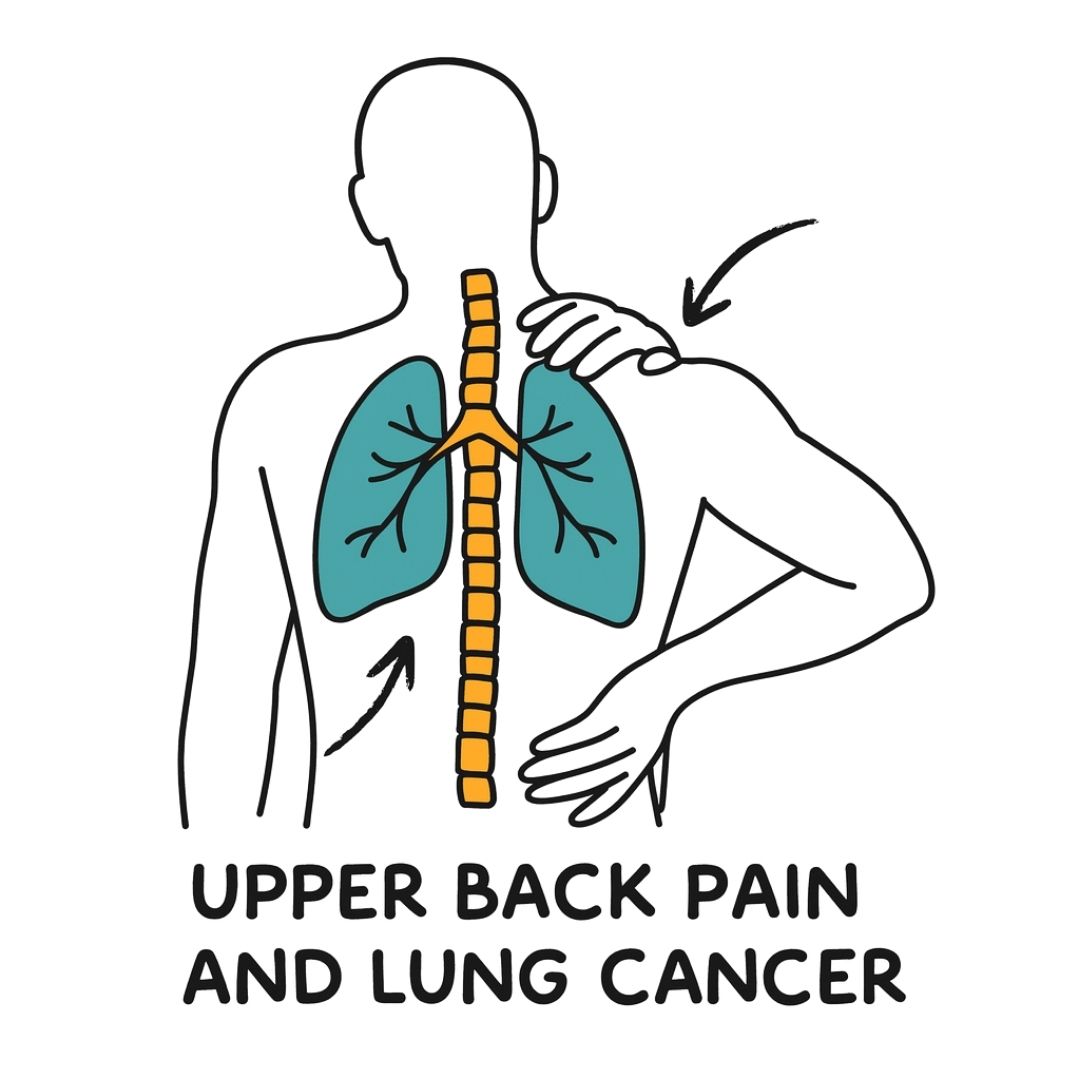
Most upper back pain stems from benign sources. Poor posture, such as slouching at a desk or hunching over devices, often leads to muscle strain. Heavy lifting, sudden movements, or repetitive tasks can cause injuries to the muscles and ligaments.
Spinal issues like herniated discs or arthritis also contribute to discomfort. Infections or inflammatory conditions, such as shingles or ankylosing spondylitis, may occasionally affect this region. Though rare, tumours, either benign or malignant, can be a root cause.
According to NHS data, more than 80 percent of adults will experience some form of back pain in their lives. The challenge is distinguishing between pain caused by lifestyle factors and pain that could be a warning sign. Therefore, staying alert to the context and duration of your symptoms is essential, especially when considering the link between upper back pain and lung cancer.
Not all upper back pain should be brushed aside. Persistent pain that does not respond to rest or over-the-counter medication should raise concern. If your pain is accompanied by unexplained weight loss, ongoing fatigue, or other systemic symptoms, it's time to consult a healthcare professional.
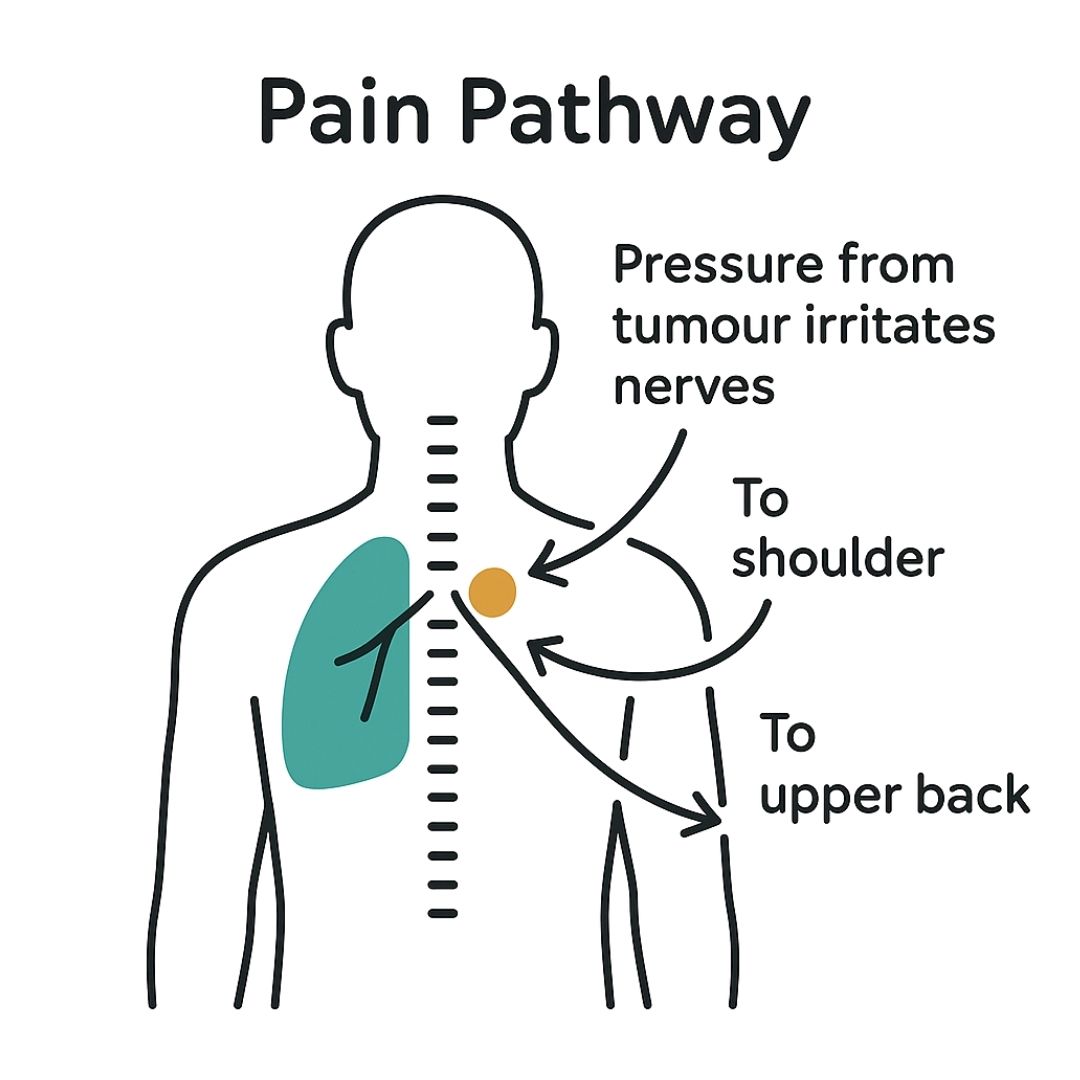
Sudden pain without any clear injury, or discomfort that worsens at night or when lying down, can also be red flags. In some cases, these symptoms have been linked to lung conditions. For example, lung cancer and shoulder pain link highlights how tumours in the upper part of the lung can cause upper back pain due to pressure on nerves.
A real-life case involved a patient who ignored dull, persistent upper back pain until it was later revealed to be an early sign of upper back pain and lung cancer. This highlights the importance of timely evaluation.
Certain risk factors can raise the suspicion when assessing upper back pain and lung cancer. Smoking remains the leading cause, but exposure to toxins like asbestos or other workplace chemicals also increases risk. Family history of cancer or chronic illness should not be overlooked.
Individuals over 50 are at greater risk, as are those with a previous cancer diagnosis. Some jobs, especially those with exposure to dust, fumes, or chemicals, can also heighten concern.
If you fall into any of these categories and develop unexplained upper back pain, it's especially important to seek medical advice. Taking action early can make all the difference when distinguishing between common aches and signs of upper back pain and lung cancer.
Upper back pain is often overlooked, but it can sometimes be an early sign of something more serious. Understanding the connection between upper back pain and lung cancer is crucial, especially if you have risk factors or persistent symptoms. Let's explore how lung cancer can cause back pain, what warning signs to look for, and why early detection matters.
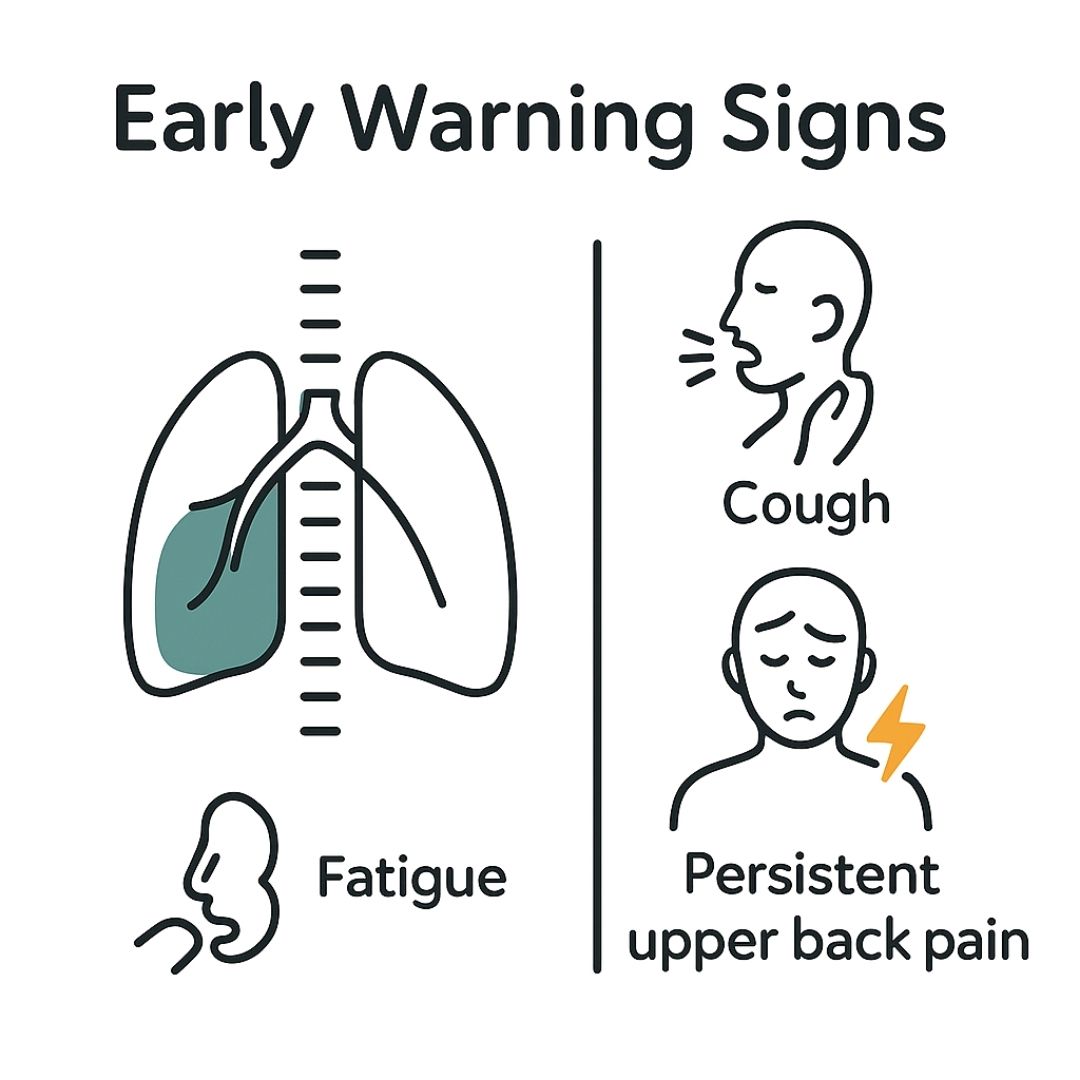
The relationship between upper back pain and lung cancer is rooted in anatomy. Tumours in the lungs, especially those in the upper lobes, can press against nerves running through the chest and back. This pressure may result in persistent discomfort or pain in the upper back.
Lung cancer can also spread to the bones or spine. When cancer cells reach these areas, they may cause inflammation, pain, or even fractures. In some cases, a pleural effusion (fluid around the lungs) can irritate nearby tissues, leading to referred pain in the upper back.
For example, a Pancoast tumour is a rare lung cancer type that grows at the top of the lung and often presents with upper back or shoulder pain before other symptoms appear. This makes understanding upper back pain and lung cancer vital for early recognition.
How can you tell if upper back pain and lung cancer are linked? Start by noticing patterns and associated symptoms. Persistent, unexplained upper back pain that doesn't improve with rest or over-the-counter medication is concerning.
Pay attention if you notice pain during coughing, deep breaths, or chest discomfort. Other signs may include a chronic cough, coughing up blood, shortness of breath, or hoarseness. Systemic symptoms like unexplained weight loss, night sweats, or ongoing fatigue should raise further suspicion.
If you experience any combination of these symptoms with upper back pain and lung cancer risk factors, consult your GP. Early attention to these signs can make a significant difference.
Not all upper back pain and lung cancer cases are connected, but certain features can help you tell the difference. Cancer-related pain often lasts longer, gradually worsens, and may not respond to usual treatments like painkillers or physiotherapy.
Neurological symptoms are another red flag. If you notice numbness, tingling, or weakness in your arms or legs, seek medical attention. Around 25% of lung cancer patients report back pain at diagnosis, highlighting the importance of staying alert to changes.
Keeping a symptom diary can help you and your doctor track pain patterns, making it easier to identify when upper back pain and lung cancer might be linked.
Early detection of upper back pain and lung cancer significantly improves survival rates. However, many people mistake early symptoms for muscle strain or minor injury, delaying vital medical evaluation.
Recognising warning signs and seeking prompt advice is key. If you have persistent upper back pain, especially with additional symptoms, ask your GP for a thorough check-up. For more information on early signs and diagnosis, visit the Lung cancer symptoms and diagnosis guide.
Remember, acting early gives you the best chance for successful treatment and better outcomes.
Recognising when upper back pain and lung cancer could be connected is crucial for early intervention. Many people experience back pain at some point, but persistent or unusual symptoms should prompt a visit to your GP. Identifying underlying causes early can make a significant difference, especially if upper back pain and lung cancer are a concern.
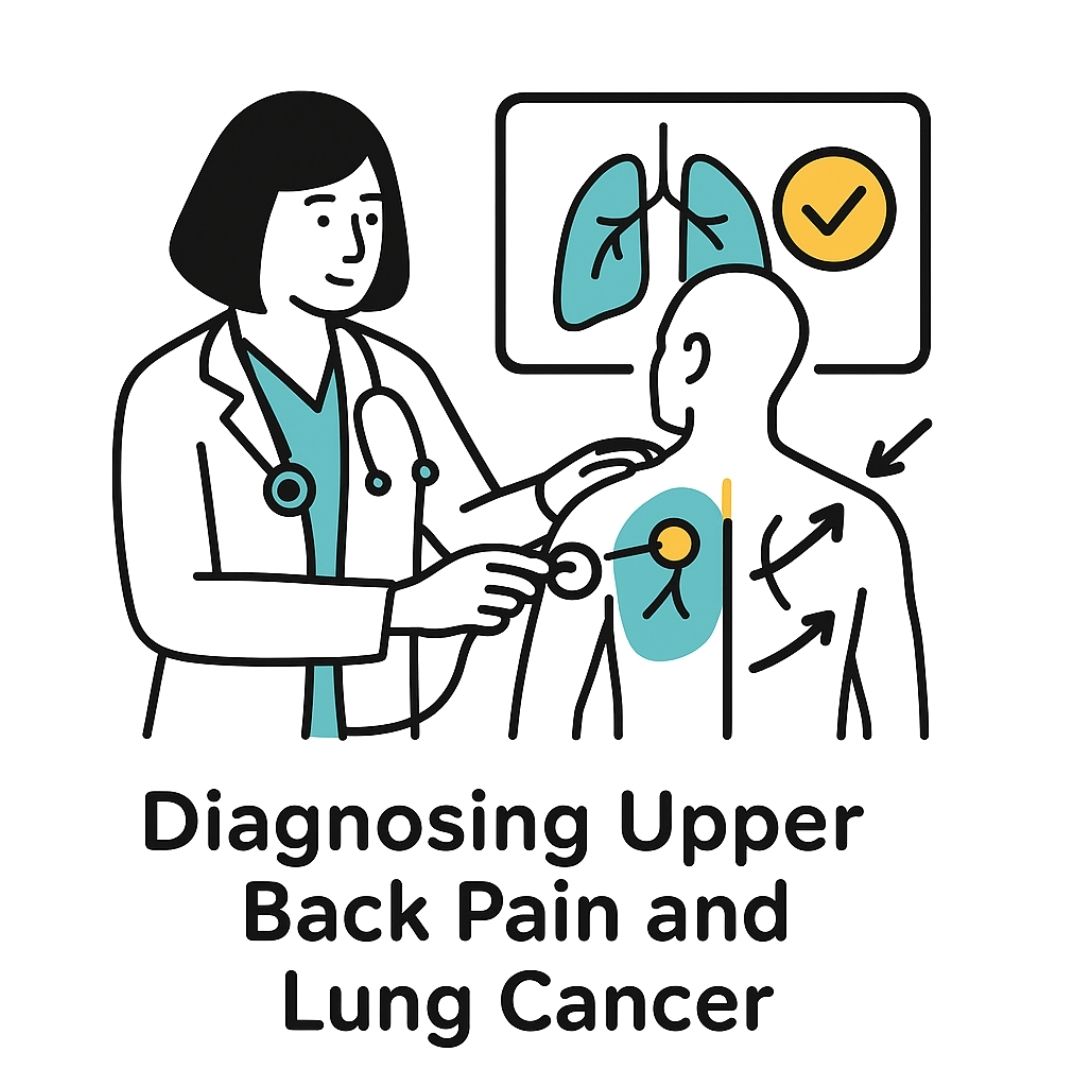
If you have upper back pain and lung cancer risk factors, don't ignore warning signs. Red flags include pain that lasts for weeks, disrupts sleep, or fails to improve with rest or over-the-counter medication. Other concerning features are unexplained weight loss, persistent fatigue, or new neurological symptoms like numbness or weakness.
It’s wise to see your GP if your pain is severe, comes on suddenly without injury, or is accompanied by symptoms like cough, shortness of breath, or blood in your sputum. Early professional evaluation can help distinguish between routine aches and something more serious such as upper back pain and lung cancer.
Doctors use a range of tests to investigate upper back pain and lung cancer. After a detailed history and examination, initial imaging often includes chest X-rays to look for lung changes. CT scans provide more detail, while MRI helps assess the spine or nerves if cancer involvement is suspected.
Blood tests can rule out infections or inflammatory conditions. If imaging reveals a concerning mass, a biopsy might be needed for a definitive diagnosis. According to a study on pain experienced by lung cancer patients, nearly half experience pain at diagnosis, highlighting the importance of thorough investigation when symptoms persist.
Diagnosing upper back pain and lung cancer often involves a team of healthcare professionals. GPs coordinate initial assessments and referrals. Oncologists manage further tests and cancer care. Pain specialists may be consulted for symptom management.
A collaborative approach ensures all possible causes are explored. For example, a patient with ongoing pain might have input from radiologists, physiotherapists, and oncology nurses, making diagnosis more accurate and care more comprehensive.
Taking an active role in your health is vital. Keep a diary of your symptoms, noting changes in pain, new signs, or responses to treatments. If upper back pain and lung cancer remain a concern, don’t hesitate to ask for a second opinion or request further tests.
Familiarise yourself with NHS guidelines on when to seek urgent care. Advocating for yourself helps ensure timely diagnosis and appropriate treatment, leading to better outcomes.
When facing upper back pain and lung cancer, understanding your treatment options can help you feel more in control. Each person’s path is unique, and treatment plans are tailored to your diagnosis, stage, and overall health. Let’s explore the main approaches to managing both the cancer itself and the pain it causes.
For upper back pain and lung cancer, the primary goal is to treat the underlying cancer and relieve discomfort. Medical treatments include:
Pain management is also crucial. This may involve strong painkillers, nerve blocks, or physiotherapy. Each treatment can have side effects, but support is available. For detailed advice on handling treatment impacts, see Chemotherapy side effects and management. Always talk to your healthcare team about any pain or new symptoms.
Living with upper back pain and lung cancer can affect your body and mind. Supportive and palliative care teams focus on improving quality of life, not just treating the disease. Their care may include:
This approach is about comfort and dignity at every stage. Even if treatment is ongoing, palliative care can make daily life easier and reduce distress.
After or during treatment for upper back pain and lung cancer, rehabilitation can aid your recovery. It helps restore movement, function, and confidence. Your plan may include:
Multidisciplinary pain clinics often support patients with persistent pain. They bring together doctors, therapists, and nurses to tailor care to your needs. Recovery is a journey, so celebrate small achievements along the way.
The outlook for upper back pain and lung cancer depends on the stage at diagnosis and your overall health. Early detection often means more treatment options and better outcomes. According to UK statistics, people diagnosed at stage 1 have higher survival rates than those diagnosed later. Regular follow-up care ensures any changes are caught early.
| Stage of Lung Cancer | 5-Year Survival Rate (UK) |
|---|---|
| Stage 1 | 50-60% |
| Stage 2 | 30-40% |
| Stage 3 | 10-20% |
| Stage 4 | Less than 5% |
For more detailed figures and information, check the Lung cancer fact sheet. Ongoing support and appointments with your team are vital for the best possible outcome.
Taking control of your health is key when it comes to upper back pain and lung cancer. By making informed choices, you can reduce your risk, spot warning signs early, and support yourself and those around you. Here are practical steps to help you stay proactive.
One of the most effective ways to lower your chances of developing upper back pain and lung cancer is to avoid smoking altogether. If you smoke, quitting can make a real difference, not only for your lungs but for your entire body. Avoiding secondhand smoke and limiting exposure to known carcinogens, such as asbestos or certain chemicals at work, is also vital.
Adopting a healthy diet rich in fruits and vegetables supports your immune system. Regular exercise, even gentle activities like walking or swimming, can help keep your lungs and back strong. By making these lifestyle changes, you reduce your risk of both upper back pain and lung cancer, and support your overall wellbeing.
Being vigilant about changes in your body is crucial. If you notice persistent upper back pain and lung cancer symptoms, such as a chronic cough or unexplained weight loss, do not ignore them. Early detection means better treatment outcomes, so make it a habit to check in with your GP for regular health reviews, especially if you are over 50 or have risk factors.
Participate in screening programmes if available in your area. Keep a diary of any new symptoms, noting when they started and how they change over time. Prompt medical advice can make all the difference when it comes to upper back pain and lung cancer.
Knowledge is empowering, not just for patients but for families too. Accessing reliable resources and support networks can help you navigate the challenges of upper back pain and lung cancer. Community campaigns, such as November is Lung Cancer Awareness Month, raise awareness and encourage early action.
Advocate for yourself within the NHS by asking questions and seeking second opinions if something feels off. Support groups and online communities offer valuable advice and emotional support, making the journey easier for everyone involved.
Caring for your back is an important part of preventing upper back pain and lung cancer complications. Set up your workspace ergonomically, with your computer at eye level and your chair supporting your lower back. Take short breaks to stretch and move regularly throughout the day.
Incorporate gentle stretching and strengthening exercises into your routine. Keeping your weight in a healthy range also reduces strain on your spine. These simple changes can help maintain a healthy back and lower your risk of ongoing issues.
We strongly advise you to talk with a health care professional about specific medical conditions and treatments.
The information on our site is meant to be helpful and educational but is not a substitute for medical advice.
Care During Cancer Treatment: Read Matthews Story On How A Cancer Care Parcel Donated To Him Helped During His Cancer Treatment.
Discover How Cancer Evades The Immune System And Explore Modern Treatments That Empower Your Body’s Natural Defences.
This article does not, in anyway endorse curing yourself of cancer. It is an explanation of how the medical profession helped cure me of my early stage breast cancer. In 6 months I will be off the drugs and told I am cancer free and I can't wait.