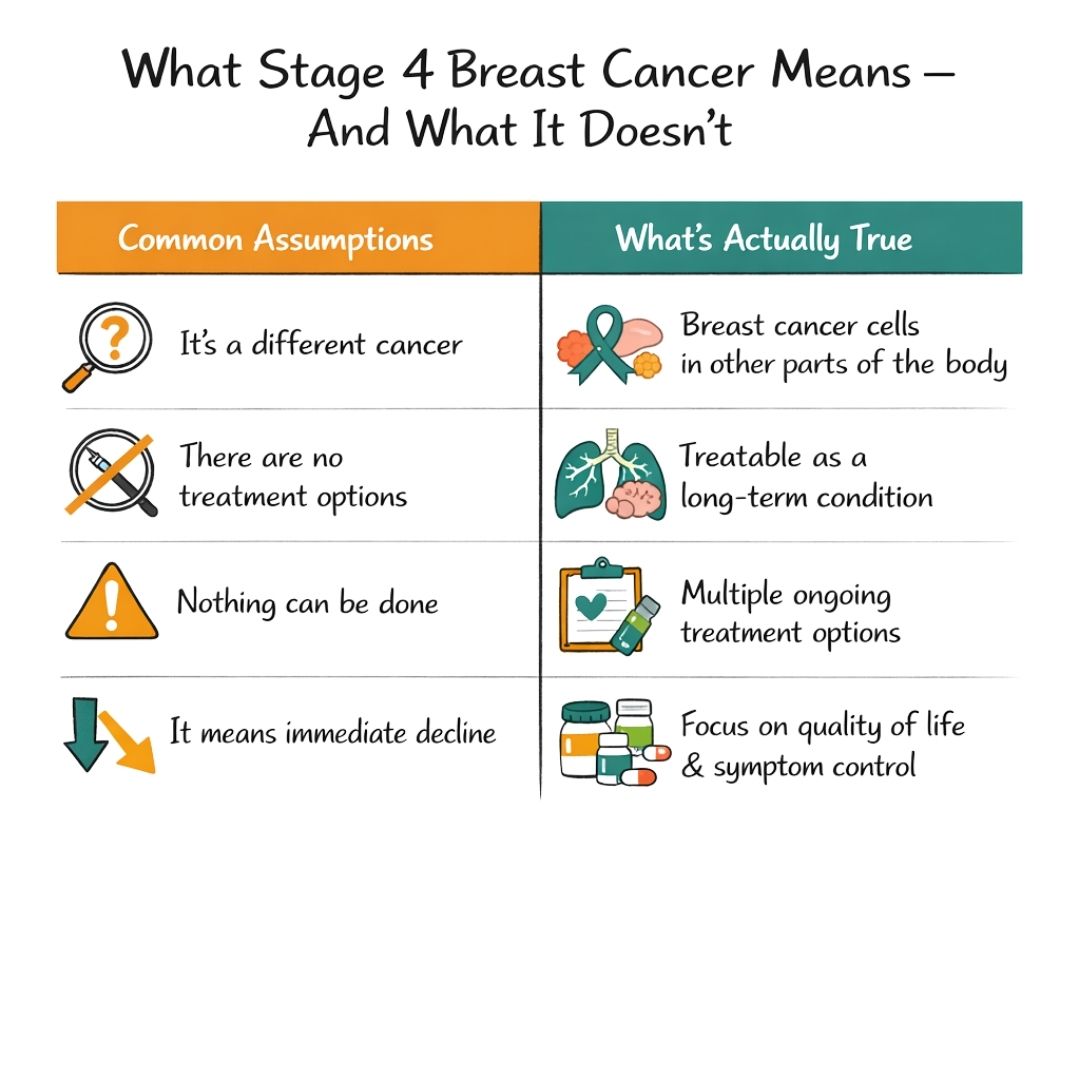
Hearing that you have stage 4 breast cancer can feel like the world has stopped turning. It’s a diagnosis that carries a lot of weight, and it’s completely normal to feel overwhelmed. What it means, simply, is that cancer that started in the breast has travelled to other parts of your body.
While this is a serious diagnosis, and we currently can't cure it, it's so important to know that it is absolutely treatable. For many people, it becomes a long-term condition that can be managed, with the focus squarely on your quality of life.
Being told you have "stage 4" or "metastatic" cancer can feel like being handed a complex puzzle without the picture on the box. This part of our guide is here to be your starting point, to gently walk you through what this diagnosis really means for you and the people who care about you.
I like to use an analogy here. Think of a dandelion in a garden. Once it goes to seed, the wind can carry those little fluffy seeds to different parts of the garden. Even if a new dandelion pops up in the middle of your lawn, it’s still a dandelion, not a blade of grass.
It's the same with breast cancer. When it spreads to your bones, liver, lungs, or brain, it’s still made up of breast cancer cells. This is a really important distinction, as it’s the key to your treatment plan. You’ll be treated for breast cancer, not bone or liver cancer. To understand this a bit more, have a look at our guide on how metastasis and breast cancer are linked.
One of the biggest mental shifts is understanding that stage 4 breast cancer is often treated like a chronic illness, something like diabetes or heart disease. The main goal of treatment changes from finding a cure to controlling the cancer's growth and managing any symptoms. Most importantly, the focus is on preserving your quality of life.
Treatments have come a very long way, and this has completely changed the outlook for so many people. Medical advances mean people are living longer, fuller lives with this diagnosis, managing the disease day by day. Your medical team will work closely with you to create a plan that fits your health, your lifestyle, and what matters most to you.
It's only human to want to look up statistics, but it’s vital to handle them with care. These numbers give a big-picture view, but they can't possibly predict your individual story.
For example, the five-year survival rate for stage 4 breast cancer is around 28%. This number shows two things: how serious the disease is, but also how much progress we've made in treating it. Just for context, the rate for stage 1 breast cancer is over 99%, which is why catching it early is so crucial.
"Your diagnosis is a part of your story, but it does not define the entire book. The focus of care is to help you live as well as possible, for as long as possible, by managing the disease and cherishing the moments that matter."
The road ahead might feel uncertain, but you don't have to walk it alone. This guide is here to give you a solid, reassuring foundation of knowledge, empowering you with support for every step of your journey.
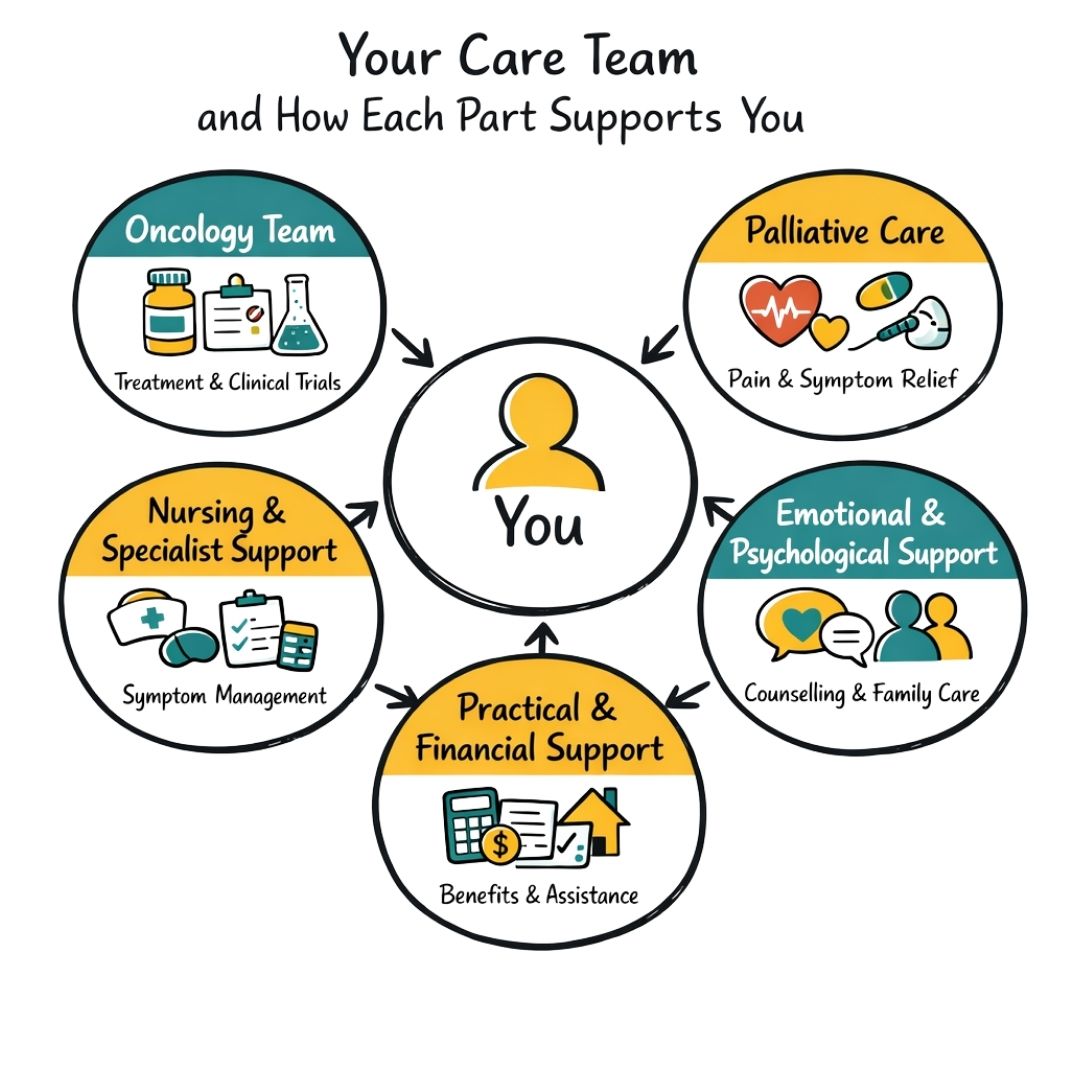
When you’re diagnosed with stage 4 breast cancer, your treatment path becomes incredibly personal. The main goals are to slow down the cancer's growth, manage your symptoms, and ultimately, to help you live as well and as fully as possible. It helps to think of your oncology team as expert mechanics, using a specialised set of tools to keep your body running as smoothly as it can.
There's no single recipe for everyone. Instead, your care plan is built just for you. It takes into account the unique fingerprint of the cancer cells, where they’ve travelled in your body, and your general health. This is a team effort between you and your doctors, designed to map out the best route forward and give you the confidence to have clear, open conversations about your care.
Most treatments for metastatic breast cancer are ‘systemic’. This just means they travel through your entire bloodstream to find and fight cancer cells wherever they might be hiding. This whole-body approach is vital because the cancer is no longer in just one place.
These therapies are the cornerstone of your management plan. Your doctor will figure out the best options based on your cancer's specific type, whether it's hormone receptor-positive (HR+), HER2-positive, or triple-negative, as each one responds to different treatments.
Common Systemic Treatments Include:
Your oncologist will walk you through which of these are right for you. It’s quite common to start with one therapy and then switch to another if the cancer becomes resistant or if the side effects become too much to handle.
Targeted therapy has been a huge leap forward in treating stage 4 breast cancer. These drugs are designed to go after specific weaknesses in cancer cells, which often makes them incredibly effective and kinder to the rest of your body than traditional chemotherapy.
For instance, HER2-positive breast cancers have too much of a protein called HER2, which tells them to grow like mad. A targeted drug like trastuzumab (Herceptin®) is specifically designed to block this protein and stop that signal.
A great way to think about it is like this: a sledgehammer (like some older treatments) can certainly break down a locked door, but it causes a lot of damage to everything around it. A key, however, slides neatly into the lock and disables the mechanism without harming the doorframe. That's targeted therapy.
Recent breakthroughs like CDK4/6 inhibitors for HR-positive cancer and PARP inhibitors for people with a BRCA gene mutation have completely changed the outlook for so many. These treatments really show how much scientific progress is improving the way we manage metastatic disease. As researchers learn more, incredible innovations keep coming. For a look at what the future might hold, you might find our article on future cancer treatments interesting.
While systemic therapies treat the whole body, sometimes you need to deal with a problem in one specific spot. That’s where local treatments come in. They focus on a single tumour or area to relieve symptoms like pain and improve your quality of life.
Radiation therapy is a perfect example. It uses high-energy beams to shrink tumours. If cancer has spread to a bone and is causing pain, a short course of radiation can bring real relief and even help strengthen the bone to prevent it from breaking.
In some cases, surgery might be an option to remove a tumour that’s pressing on a nerve or causing a blockage. These treatments aren’t about curing the cancer, but they are absolutely essential tools for keeping you comfortable and active. Your team will only suggest them when the benefit of easing a particular symptom clearly outweighs any potential side effects.
Living with stage 4 breast cancer is about so much more than what happens in the hospital. A huge part of the journey is figuring out how to manage the day-to-day, prioritising your comfort, and simply feeling as good as you possibly can.
This is all about learning to tune into your body and building a toolkit of practical ways to handle symptoms as they pop up. The goal isn’t just to get by; it’s to hold onto your independence and keep doing the things that bring you joy. When you get a handle on symptom control, you can really improve your quality of life, turning tough days into much more manageable ones.
If there’s one symptom that people mention time and time again, it’s fatigue. But this isn't your average tiredness. Cancer-related fatigue is a profound, bone-deep exhaustion that sleep doesn't always seem to fix. Tackling it means thinking differently about your energy.
Try to see your daily energy like a budget. You only have so much to spend, so you have to be clever about where it goes. This might mean scheduling important tasks for the morning if that’s when you feel your best, or breaking a big job down into tiny, bite-sized pieces throughout the day.
It sounds odd, but one of the best things for fatigue can be a little bit of gentle movement. A slow walk around the garden, some simple stretches, or even chair yoga can give you a surprising lift. Just start small and always, always listen to what your body is telling you.
"Managing symptoms is an active, empowering part of your care. It’s about taking back control where you can, and finding small comforts that make a big difference in how you feel each day."
Making small tweaks to your daily routine can also free up a surprising amount of energy. Think about keeping things you use all the time within easy reach or using a stool in the shower. It’s all about working smarter, not harder.
Beyond fatigue, you might be dealing with other physical challenges, either from the cancer itself or as a side effect of treatment. Having a few strategies up your sleeve can make you feel more prepared and in control.
Managing Pain and Discomfort: Pain is a very real worry for many, but the good news is that it’s usually very manageable. Your team has a whole host of options, from pain relief medication to targeted treatments like radiotherapy for bone pain. It can be really helpful to keep a simple pain diary—just jotting down when it happens, how strong it is, and what you were doing. This gives your doctor fantastic clues to help get your pain relief just right.
Controlling Nausea: Feeling sick can be a miserable side effect of some treatments, but simple food swaps can make a world of difference. Try eating little and often instead of three big meals. Sticking to plain, simple foods is often a good bet. Many people also find that sipping on herbal teas, like ginger or peppermint, can be wonderfully soothing.
Caring for Your Skin and Nerves: Treatments like chemotherapy can be tough on your skin, leaving it feeling dry and sensitive. A good, gentle, unscented moisturiser can be your best friend. Some people also get tingling or numbness in their hands and feet; if this is something you’re experiencing, you can learn more in our guide to peripheral neuropathy from chemo.
The physical side of stage 4 breast cancer is just one part of the story. Your emotional health is every bit as important and needs just as much care and attention. It is completely normal to feel a whole jumble of emotion, anxiety, sadness, anger, you name it.
Finding a healthy way to let those feelings out is crucial. For some, that’s chatting with a close friend or family member. For others, it’s writing in a journal or joining a support group where everyone just gets it. Simple, relaxing hobbies like reading, listening to music, or doing a bit of gentle crafting can also be a wonderful escape for a busy mind.
Things like mindfulness and meditation can also be incredibly powerful tools for calming stress and anxiety. You don’t have to do anything complicated; even just taking a few minutes to focus on your breathing can bring a real sense of peace. Please remember, looking after your emotional well-being isn’t an indulgence—it’s an absolutely essential part of your care.
Let's clear up a common and stubborn myth right away: palliative care is not just for the end of life. Far from it. It’s a powerful and proactive layer of support that can—and should—begin as soon as you receive a stage 4 breast cancer diagnosis.
Think of it as adding another specialist to your team, one whose entire focus is on making you feel as good as you possibly can. This care runs right alongside your main cancer treatments, like chemotherapy or targeted therapy, working hand-in-hand to manage symptoms and ease the immense stress of a serious illness.
A palliative care team is a group of different experts, usually including doctors, nurses, and social workers, who all specialise in managing symptoms and providing support. They’ll work closely with you, your family, and your oncology team to build a plan that looks at the whole picture.
Their main job is to bring you relief from the symptoms, pain, and stress of your illness. This goes way beyond physical pain, though. They’re there to help with other tough side effects like fatigue, nausea, shortness of breath, or the anxiety that can feel all-consuming.
Key areas where a palliative care team can make a real difference include:
This coordinated approach is so important. In the UK, for instance, breast cancer sadly claims thousands of lives each year, with many of those being stage 4 cases. These numbers highlight just how crucial it is to have support systems like palliative care that prioritise quality of life throughout the entire journey.
Bringing in palliative care early isn’t a sign of weakness; it’s a sign of strength and a way to take back some control. It’s about making sure your comfort and well-being are always a top priority, right there alongside treating the cancer itself.
When symptoms are managed effectively, you’re often able to tolerate your cancer treatments better and keep doing the things that matter most to you. It's all about living as well as possible, for as long as possible.
Palliative care is not about giving up; it's about gearing up with more support. It’s a specialised medical service focused on making you feel better, helping you live more fully, and ensuring your voice is heard in every decision about your care.
Getting this kind of support is straightforward. You can speak directly to your oncologist or a specialist nurse and simply ask for a referral to the palliative care team. Just explain that you want to find ways to better manage your symptoms and improve your quality of life.
Your first meeting will be a proper chat about how you’re feeling, what your biggest challenges are, and what’s important to you. This is your chance to build a relationship with a team that is 100% dedicated to supporting you through every step of your stage 4 breast cancer experience. You can also explore more about the key benefits of palliative care for cancer patients in our detailed guide.
A stage 4 breast cancer diagnosis can make you feel like the most isolated person in the world. But I want you to know, right from the start, that you are not alone in this. Far from it. Building a strong, reliable support system is one of the most powerful things you can do—it provides emotional strength, practical help, and a vital sense of connection when you need it most.
Think of this section as your map to finding that community. Your support network starts with the people closest to you, like family and friends, but it also extends to a whole world of professional organisations designed specifically to help people just like you. Tapping into these resources can lift a huge weight, giving you more space to simply focus on yourself.
Excellent charities dedicated to supporting people affected by breast cancer exist globally. In the UK, for example, there are some incredible organisations offering everything from expert information and emotional counselling to practical advice on finances and day-to-day life.
There's something incredibly powerful about connecting with others who share a similar experience. It validates your feelings, reminds you that you're not going crazy, and shows you that a community is there to lift you up on the toughest days.
For a long time, understanding the full picture of metastatic breast cancer has been tricky due to gaps in data. The good news is, governments are starting to recognise this, which will help improve services for the thousands of people affected. You can find out more about what this means for breast cancer care on Breast Cancer Now.
Let's be honest: a diagnosis of stage 4 breast cancer often brings a wave of practical and financial worries. Juggling work, household bills, and the extra costs that come with treatment can feel completely overwhelming. But there is help out there to navigate it all.
Many people are entitled to government benefits, grants from charities, or help with prescription costs they didn't even know existed. Organisations like Macmillan have dedicated advisors who can help you figure out what you're eligible for and walk you through the application process. It can take a huge amount of stress off your shoulders.
Don't forget, your family and caregivers need support too. You might find our guide on how loved ones can find cancer support helpful for them.
While large national charities are fantastic, there's nothing quite like a local support group for that face-to-face connection. These groups offer a safe, welcoming space to share your story, swap tips, and build real friendships with people in your area who are on a similar path.
The best place to start is often your hospital's cancer information centre or by asking your specialist nurse. They'll have all the details on what's available near you. Building this local network is a really positive step toward feeling grounded and supported, wherever your journey takes you.
To make things a little easier, here’s a quick-reference table of some key organisations and the kind of help they offer. It can be a good starting point when you're not sure where to turn first.
| Organisation | Type of Support Offered | How to Access |
|---|---|---|
| Breast Cancer Now | Nurse helpline, online forums, clinical trial info, publications. | Visit their website or call their free helpline. |
| Macmillan Cancer Support | Financial grants, benefits advice, emotional support, practical help. | Access online, via phone, or at local centres. |
| Maggie's Centres | Drop-in support, psychological help, benefits advice, workshops. | Find your nearest centre on their website. |
| Cancer Research UK | Nurse helpline, online patient forum, comprehensive information. | Available through their website and helpline. |
This isn't an exhaustive list, but it covers the main players who are ready and waiting to help. Each one offers something a little different, so it's worth exploring to see which feels like the best fit for you and your family.
Receiving a stage 4 breast cancer diagnosis is life-changing, but it’s so important to remember you're not facing this alone or in a vacuum. You’re facing it at a time of incredible scientific progress, where the treatment landscape is shifting under our feet in the best possible way.
This isn't just empty optimism. Real, tangible advancements are changing what it means to live with metastatic breast cancer, offering genuine hope. This progress is built on the backs of dedicated researchers and, crucially, the brave individuals who take part in clinical trials. They are the engine driving every new breakthrough.
So, what exactly is a clinical trial? Think of it as a carefully organised research study designed to see how a new medical approach works for people. It’s the final, most critical step in developing treatments, helping us find out if a new drug or therapy is safer and more effective than what we currently have.
Taking part in a trial could give you access to innovative treatments long before they become widely available. It’s a very personal decision, of course, but it’s one that might open up new avenues for your own care while paving the way for a better future for countless others.
If this sounds like something you’d like to explore, your first port of call should always be your oncology team. They know your health history better than anyone and can help you find trials that could be a good match.
You can also look for yourself. Several fantastic organisations have databases to help you search for trials happening right now:
Statistics paint a picture of the past, but they don’t hold a crystal ball for your future. Your story is your own, written by the specifics of your cancer, how you respond to treatment, and the amazing medical advances happening every day.
The pace of discovery is breathtaking. New targeted drugs and immunotherapies are constantly being developed and approved, adding more powerful tools to the oncologist's toolkit. These are the breakthroughs that are helping more and more people live longer, fuller lives with metastatic breast cancer. This is the reality being forged in labs and clinics around the world, and it’s a powerful reason for hope.
Getting a stage 4 breast cancer diagnosis can feel like being hit by a tidal wave of questions and uncertainty, for both you and your family. It's completely normal to want to find solid ground and get clear answers. We've gathered some of the most common questions we hear to give you a starting point for those important chats with your doctors and loved ones.
The goal here is to help you feel a bit more informed and prepared for what lies ahead. Sometimes, just having good information can make all the difference.
For many people, the answer is yes, though often with a few changes. Whether you can continue working really comes down to your individual situation – things like your treatment plan, the side effects you might have, and the type of work you do.
Having an open chat with your employer is often a great first step. You might need to talk about flexible hours, working from home on tough days, or maybe lightening your workload for a while. Organisations like Macmillan Cancer Support have fantastic, practical advice on navigating your rights at work and managing your job alongside treatment.

This is one of the toughest questions, and there’s no one-size-fits-all answer. Statistics give us an average, a broad picture, but they can't predict what will happen for you as an individual. So many things influence your prognosis, from the specific type of cancer you have to how well your body responds to treatment and your general health.
It's so important to hold onto the fact that treatments are getting better all the time. Today, many people live for years with metastatic breast cancer, treating it more like a long-term, manageable illness. Your own oncology team will always be your best source for information that’s truly relevant to you.
While statistics provide a big-picture view, they don't tell your individual story. Advancements in treatment mean more people are living longer, fuller lives, managing metastatic breast cancer as a long-term condition.
When it comes to children, honesty is usually the best policy, but tailored to their age and understanding. The most crucial message to get across is that they are loved and will always be taken care of, no matter what happens.
You could explain that you have an illness that is serious, but that the doctors are working hard to help you. Try to use simple, straightforward language. Don’t be surprised if they ask the same questions over and over – that’s just how they process big news. Charities like Winston's Wish are a brilliant resource, offering guidance on how to support children when a parent is seriously ill. Your child's school may also have a counsellor who can help. You could also watch the webinar "When Cancer Affects the Family: How to Support Teenagers When a Parent Is Ill"
We strongly advise you to talk with a health care professional about specific medical conditions and treatments.
The information on our site is meant to be helpful and educational but is not a substitute for medical advice.
A practical, evidence-based guide to Breast Cancer Awareness Month covering symptoms, screening, early detection, supportive communication, inclusive awareness, and meaningful ways to help people affected by breast cancer.
There Are Three Things That You Don't See In This Image Of Me At Buckingham Palace. The Secrets Of My Radiotherapy Cover-Up Are Revealed.
Learn About Triple Negative Breast Cancer (TNBC), How It Differs From Other Types, Symptoms To Watch For, Treatment Options, And Support Resources Available.