Starting radiotherapy can be a daunting prospect, but getting a clear picture of what to expect is the best way to feel more in control. While it's a powerful and effective treatment for cancer, it's reassuring to know that radiotherapy side effects are often manageable and really do vary from person to person.
Think of radiotherapy a bit like a highly targeted weed killer in a garden. The main job is to zap the weeds (the cancer cells) with incredible precision. But, inevitably, a little bit of the spray might drift onto the healthy plants nearby (your body’s healthy tissues). Modern radiotherapy is incredibly advanced and designed to keep this 'drift' to an absolute minimum, but some temporary effects are still possible.
This guide is here to act as your roadmap, explaining what those effects might be. We’ll walk through the different kinds of radiotherapy side effects, from the ones that show up almost immediately to others that might not appear for some time. The goal isn't to worry you, but to arm you with knowledge.
As soon as you begin treatment, your body starts to react. Some side effects are very common, and knowing about them ahead of time can make a world of difference to your comfort and energy levels day-to-day.
Fatigue, for example, is almost universal. It’s an expected side effect that affects a large percentage of patients, with studies suggesting it impacts between 50-100% of people undergoing treatment. This isn't your average tiredness; it's a deep, bone-weary exhaustion that can build up from the daily hospital visits and the treatment itself, often getting worse as you go through your sessions.
Along with feeling tired, you might also experience:
"Realising that side effects are a normal part of the process is the first step. It's a marathon, not a sprint. Your healthcare team is there to help you manage every symptom, making sure your comfort and well-being are always the priority."
By preparing for these possibilities, you can feel more confident and ready for what's ahead. Our comprehensive guide to radiotherapy treatment offers even more insights to help you get ready for your first session.
When you're going through radiotherapy, one of the biggest questions is often about side effects: what to expect and when. It’s helpful to know that these effects don't all arrive at once. Instead, they tend to follow a timeline and generally fall into two main groups: acute and late effects.
Understanding the difference is key to managing your expectations and your health. Think of it like this: an acute effect is like a temporary disruption, such as roadworks during a journey, while a late effect is a more permanent change to the landscape that you only notice long after the journey is over. Knowing this helps you prepare for what might happen both during your treatment and in the months or years that follow.
This timeline gives you a general idea of when different side effects might pop up, from the day you start treatment right through to your recovery and beyond.
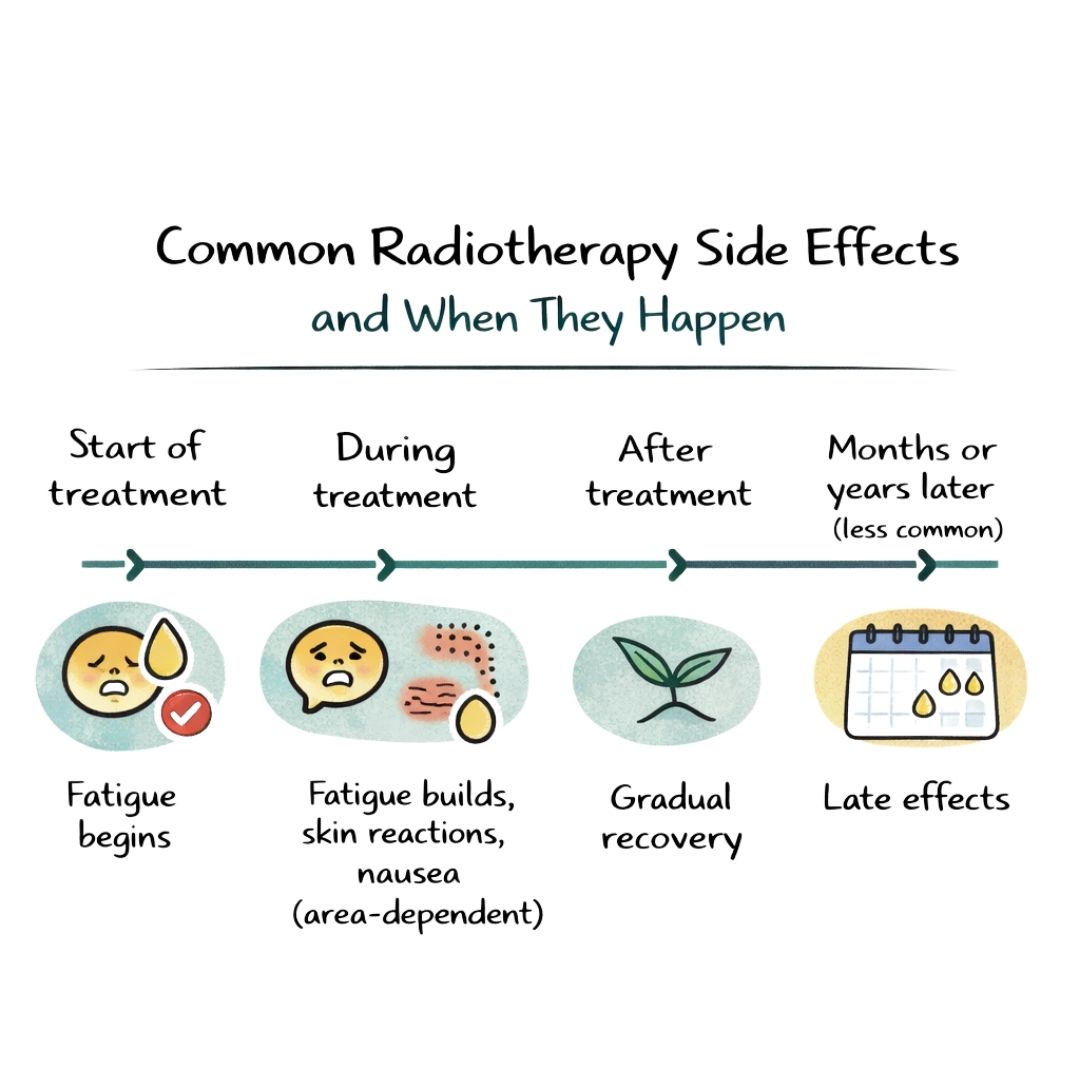
As you can see, immediate effects like fatigue often begin during the treatment phase, whereas long-term issues might not appear until months or even years after your final session.
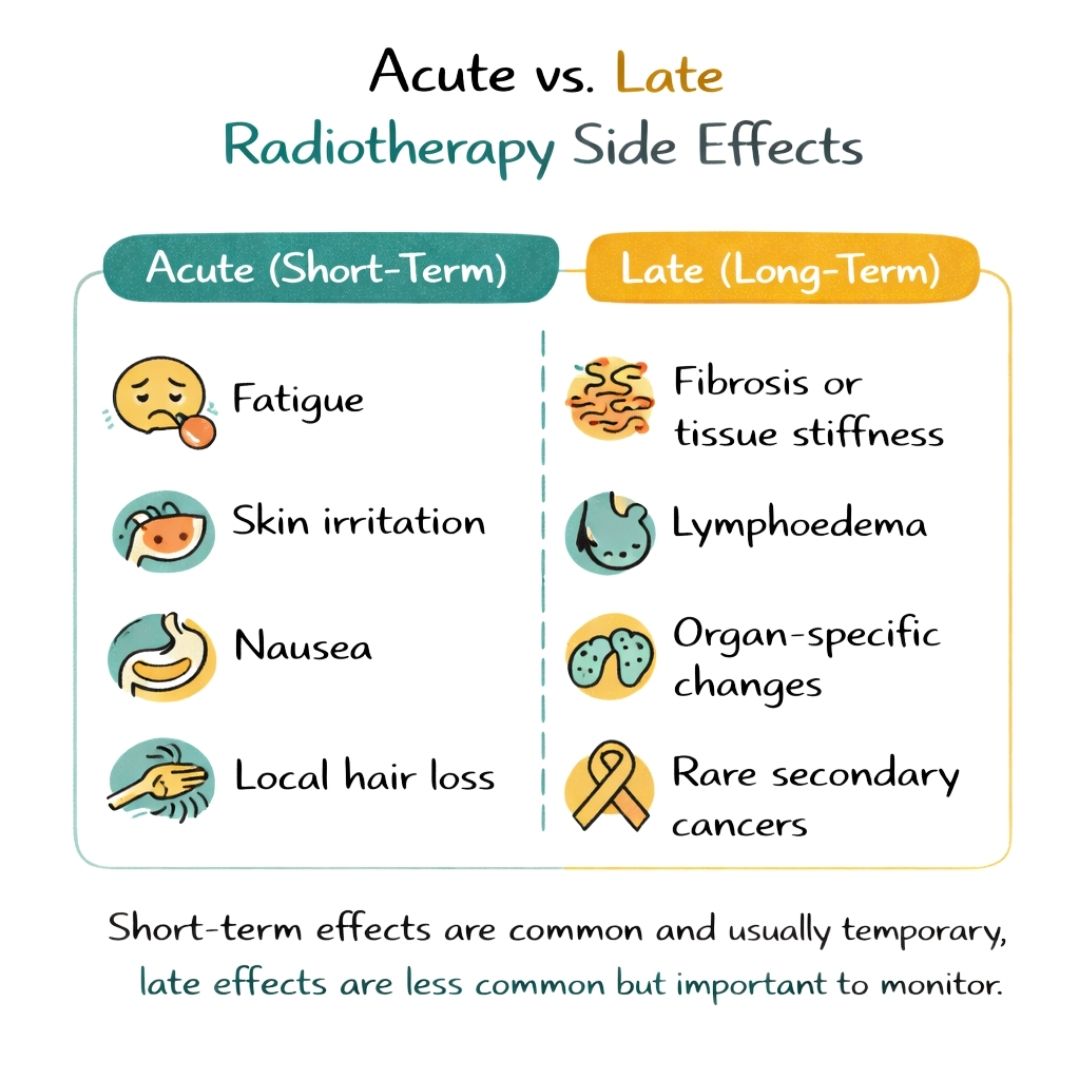
Acute side effects are your body's immediate reaction to the treatment. They usually show up during your course of radiotherapy or within a few weeks of finishing. These are the short-term consequences of the powerful energy beams working on the cancer cells.
The good news is that these effects are almost always temporary. They tend to ease off and disappear once your treatment is complete, giving your healthy cells a chance to recover and repair.
Some of the most common acute side effects include:
Your oncology team is there to help. They'll give you plenty of practical strategies and support to manage these symptoms as you go through treatment.
Modern radiotherapy techniques are incredibly precise, which really helps to limit the damage to surrounding healthy tissue. As a result, most acute side effects are temporary and get better on their own after treatment finishes.
Now, let's talk about late side effects. These are quite different because they can appear months or even years after your radiotherapy has finished. They are less common than acute effects and are the result of slower, more permanent changes that radiation can cause in the body's tissues.
These long-term changes might include the development of scar tissue (known as fibrosis), which can make an area feel tighter or less flexible. It could also involve changes to blood vessels or organs that were in the treatment field.
Examples of late side effects might include:
It’s really important to remember that a new symptom, even years down the line, could be connected to your past treatment. Being aware of this empowers you to have better conversations with your doctor and ensures you get the right support, no matter how much time has passed since your last radiotherapy session.
The great thing about modern radiotherapy is its precision. The radiation is targeted so carefully that side effects are almost always contained to the specific part of your body being treated. Think of it like gardening – different plants need different care, and managing radiotherapy side effects really depends on which area is getting the attention.
Knowing what to expect based on your treatment location can make a world of difference. It helps you prepare, manage symptoms better, and have more focused conversations with your oncology team.
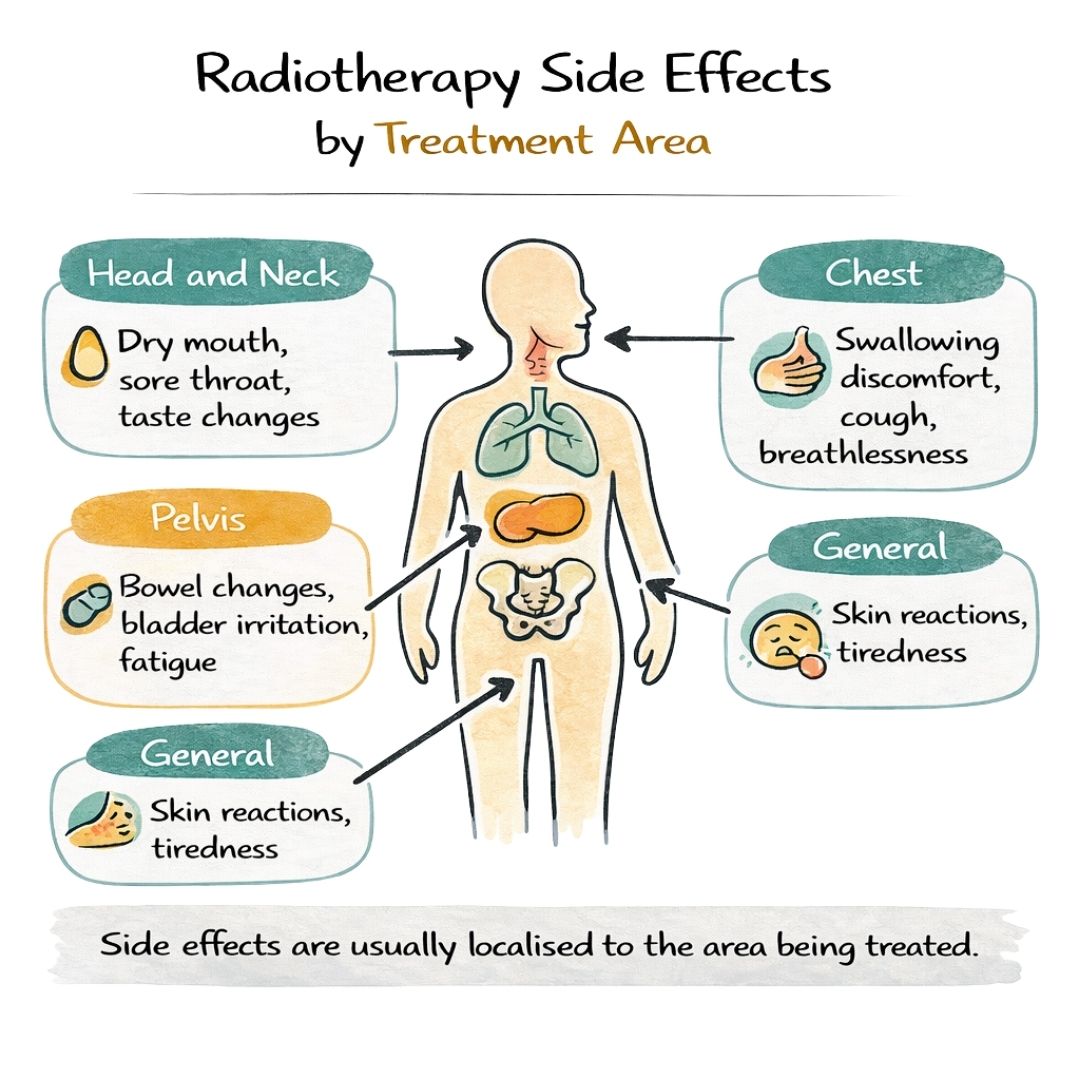
When radiation is aimed at the head and neck, it’s the delicate tissues in your mouth and throat that often feel the impact first. These issues usually crop up a couple of weeks into treatment. They can certainly be uncomfortable, but there's plenty of support to help you through it.
You might notice things like:
Staying on top of these symptoms is key, mainly so you can keep eating and drinking well, which is vital for your recovery.
For radiotherapy to the chest area, often for lung or breast cancer, the main areas affected are the oesophagus (the tube that carries food to your stomach) and the lungs. It can be a bit unnerving to experience these side effects, but they are very much expected and usually settle down after your course is finished.
If you’re having treatment for breast cancer, our detailed guide on what to expect from radiotherapy for breast cancer offers more specific information to help you prepare.
The most common side effects here include:
It's worth remembering that everyone's experience is different. Your team plans your treatment meticulously to protect vital organs like your heart and lungs, using highly advanced techniques to ensure the radiation goes exactly where it needs to.
When treatment is focused on the pelvic area—for cancers of the bowel, bladder, or reproductive organs—it’s no surprise that the side effects tend to involve your digestive and urinary systems. These changes can be a nuisance and disrupt your daily routine, but they are manageable and typically improve with time.
You might find your daily habits change a bit, for instance:
To help you see it all at a glance, we've put together a quick summary of the most common acute side effects you might see, organised by treatment location.
| Treatment Area | Common Acute Side Effects | What You Might Experience |
|---|---|---|
| Head and Neck | Sore mouth, dry mouth, taste changes | Difficulty swallowing, a constant need to sip water, finding foods taste bland or metallic. |
| Chest | Oesophagitis, cough, breathlessness | A feeling of food getting stuck, a persistent dry cough, feeling winded after light activity. |
| Abdomen | Nausea, vomiting, indigestion | Feeling sick, especially after eating, a sensation of heartburn or bloating. |
| Pelvis | Diarrhoea, bladder irritation | Frequent and urgent trips to the toilet, a burning sensation when you urinate. |
| Skin (General) | Redness, dryness, itching | The skin in the treatment area may look and feel like it has a moderate sunburn. |
This table provides a snapshot of what to look out for, but remember that fatigue and skin reactions are very common, no matter which area is being treated. Being aware of the specific symptoms tied to your treatment location helps you and your team tackle them early, ensuring you get the best support possible on your radiotherapy journey.
Crossing the cancer treatment finish line is a huge milestone, but for many people, it’s the start of a new journey—one that involves learning to live with the long-term impact of treatment. The acute side effects you experienced during radiotherapy might be a distant memory, but it’s completely normal to worry about what might crop up down the line.
These late-developing radiotherapy side effects can appear months or even years after you’ve finished, which can sometimes make them tricky to connect back to your original therapy. It’s so important to understand that support and monitoring don't just stop when your sessions do.
These long-term issues happen because radiation can cause slow, gradual changes to the healthy tissues in the treated area. Think of it like a footprint left in wet concrete; the mark is still there long after the person has walked away, and it hardens over time. In a similar way, radiation can leave behind permanent changes like fibrosis (scar tissue), which makes tissues less flexible, or it can damage the tiny blood vessels that keep everything healthy.
While the list of potential late effects is long and varied, some are more common depending on which part of your body was treated. Knowing what to look out for gives you the power to have really productive conversations with your healthcare team and be your own best advocate for years to come.
Here are a few of the key long-term radiotherapy side effects:
If you’re struggling with long-term problems, please know you haven't drawn the short straw. These issues are a recognised consequence of a treatment that saved your life, and you are far from alone in dealing with them.
"Living with late effects can feel isolating, especially when friends and family assume the battle is over. Acknowledging that these long-term symptoms are real and manageable is the first step toward reclaiming your quality of life and seeking the right support."
The numbers from health organisations really bring this home. The Pelvic Radiation Disease Association (PRDA), for instance, estimates that a significant number of people are living with ongoing issues from pelvic radiotherapy. A report from Jo's Cervical Cancer Trust found that a staggering 88% of cervical cancer survivors experience at least one long-term side effect, like nerve damage or psychological difficulties. These figures aren't meant to scare you; they're here to show that what you're going through is a very real and shared experience. You can read more about these findings on the PRDA website.
When it comes to managing late radiotherapy side effects, the best approach is to be proactive and keep the conversation going with your doctors. Never brush off a new or lingering symptom as unimportant, even if it’s been years since you rang the bell.
Try keeping a simple diary of your symptoms – what they are, when they happen, and what makes them better or worse. This can be incredibly helpful when you talk to your GP or oncology team.
Ultimately, you have to be your own health champion. If you feel like your concerns aren't being heard, don't be afraid to push a little. Ask for a referral to a specialist, whether that’s a gastroenterologist for bowel problems or a lymphoedema therapist for swelling. Your long-term health is the priority, and keeping that dialogue open is the key to getting the care you need to live well.
Knowing what to expect from radiotherapy is one thing, but figuring out how to handle the side effects is where you can really start to feel more in control. With a few practical strategies up your sleeve, you can soothe discomfort and make a real difference to your quality of life during and after treatment.
Think of the tips below as a starting point for your personal toolkit. Everyone’s journey is different, so listen to your body, see what works for you, and keep an open conversation going with your healthcare team about how you're feeling.
Radiotherapy fatigue isn't just everyday tiredness; it’s a deep, bone-weary exhaustion that can hit you physically, mentally, and emotionally. It might sound strange, but the best way to fight it is often a gentle balance of rest and light activity.
"Think of your energy like a battery. Radiotherapy drains it faster than usual. Your job is to find small, consistent ways to recharge it throughout the day, rather than waiting for it to run completely flat."
It's very common for the skin in the treatment area to become red, dry, and sore – a bit like a sunburn. Looking after it properly is crucial to prevent further irritation and help it heal.
Your radiotherapy team will give you specific advice, but the general rule is to be incredibly gentle. This usually means using mild, non-fragranced soaps and moisturisers. It's also vital to protect the treated skin from the sun, both during and after your treatment course, as it will be much more sensitive. For a more detailed guide, have a look at our article on looking after your skin during radiotherapy.
If your radiotherapy is focused anywhere near your stomach or digestive system, you might find yourself dealing with nausea or a loss of appetite. Good nutrition is a key part of your recovery, so finding ways to eat well is a real priority.
A few simple adjustments can often help:
If nausea is still a problem, don't suffer in silence. Your doctor can prescribe anti-sickness medication to help you feel more comfortable.
The physical side effects of radiotherapy are only half the picture. The emotional journey can be just as challenging, bringing waves of stress, anxiety, or frustration. It’s absolutely essential to look after your mental wellbeing.
Finding healthy coping mechanisms for stress is one of the most important things you can do for yourself right now. That might mean talking to a therapist, joining a support group with people who understand, or exploring things like mindfulness and relaxation exercises.
Remember, making space for things that help you feel better isn't an indulgence; it's a fundamental part of your treatment. Prioritising your comfort and mental health is vital for your overall care.
Getting through radiotherapy isn't just about managing the physical side of things. The emotional journey can be just as demanding, bringing a mix of anxiety, stress, and uncertainty for both you and your loved ones. Recognising this is the first, most important step in building a support network that truly works for everyone.
Think of treatment as a team effort, with your family and friends as key players. The thing is, they might not know the best way to help. Be open about what you need – whether it's help with the shopping, a quiet evening at home, or just someone to listen. You're not being a burden by asking; you're simply showing them how they can be there for you.
Please remember, you are not alone in this. There are so many organisations and support groups out there designed to help patients and their families. Connecting with people who genuinely get what you’re going through can bring a huge sense of comfort and make you feel far less isolated.
Whether it's professional counselling or a peer support group, exploring different options ensures your emotional needs are being met. For more ideas, our guide offers some practical ways to help a radiotherapy patient.
It's completely normal to have questions pop up as you go through radiotherapy, even after you think you've covered everything. We've gathered some of the most common queries we hear to give you clear, straightforward answers and help put your mind at ease.
Not necessarily. Whether you get side effects, and how noticeable they are, is different for everyone. Radiotherapy techniques have become incredibly precise over the years, which means we can target cancer cells much more effectively while sparing more of the healthy tissue around them.
Your oncology team will talk you through what’s likely for you, based on the area being treated, the dose you're receiving, and your general health. Many people find their side effects are quite mild, but the most important thing is to let your team know about any new symptoms so they can help you manage them.
While you can't stop all side effects from happening, you absolutely can take steps to lessen their impact. The advice your clinical team gives you on things like skin care, diet, and staying hydrated is your first and best line of defence.
A few things that can make a real difference include:
Think of it as a partnership. The proactive things you do at home work hand-in-hand with your medical team's expertise. Together, you stand the best chance of feeling as well as possible throughout your treatment journey.
This is a classic "it depends" question, and it really hinges on whether we're talking about acute or late effects.
Acute side effects, like skin redness or fatigue, tend to appear during treatment and usually fade away within a few weeks or a couple of months after your final session.
Late side effects are a different beast. These can crop up months or even years down the line and can sometimes be permanent. The good news is that even when these long-term issues arise, there are often very effective ways to manage them with the right support.
Our advice is always: when in doubt, reach out. You should always get in touch with your doctor or specialist nurse if you experience a new side effect, or if an existing one gets worse—especially if it’s stopping you from doing your usual activities. You never need to wait for your next appointment.
It's crucial to seek immediate advice if you notice any of these red flags:
Please, never think you're being a bother. Your team would much rather hear from you and offer help or reassurance than have you struggling and worrying at home.
We strongly advise you to talk with a health care professional about specific medical conditions and treatments.
The information on our site is meant to be helpful and educational but is not a substitute for medical advice.
Life Doesn’t Come With Guarantees, But In The Depths Of My Soul I Feel That My Body Will Heal, In Divine Timing.
Anaemia is common during cancer and treatment. Learn why it happens, how to recognise symptoms, and how anaemia is managed safely during cancer care.
Understand radiotherapy for breast cancer with our clear guide. Learn about the process, how to manage side effects, and what to expect during treatment.