Chemotherapy is a powerful tool in the fight against cancer, but it can also be physically and emotionally demanding. Preparing your body before starting chemotherapy can help you manage the side effects, maintain your strength, and improve your overall well-being throughout the treatment process. This guide will provide you with essential tips to get your body ready for chemotherapy, ensuring you have the best possible start to your treatment journey.
Chemotherapy is a type of cancer treatment that uses drugs to destroy cancer cells. While effective, it can also affect healthy cells, leading to various side effects such as fatigue, nausea, hair loss, and weakened immunity. Understanding how chemotherapy works and its potential impact on your body is the first step in preparing yourself physically and mentally for the treatment ahead.
Proper preparation can help minimize the side effects of chemotherapy, making the treatment process more manageable. By focusing on your physical health, nutrition, hydration, and mental well-being, you can strengthen your body and better cope with the challenges of chemotherapy.
A balanced diet is crucial in building up your body’s strength before chemotherapy. Ensure your meals are rich in fruits, vegetables, lean proteins, and whole grains. These foods provide essential vitamins and minerals that can help boost your immune system and keep your body in optimal condition.
Hydration is key to keeping your body functioning well before and during chemotherapy. Drink plenty of water throughout the day to stay hydrated and help flush out toxins from your body. Herbal teas and clear broths can also be beneficial.
Maintaining regular physical activity can help keep your body strong and improve your overall stamina. Exercise can also boost your mood and reduce anxiety, which is especially important as you prepare for chemotherapy.
The emotional aspect of preparing for chemotherapy is just as important as the physical one. Stress can weaken your immune system and make it harder to cope with treatment. Developing a plan to manage stress and maintain a positive outlook can make a significant difference.
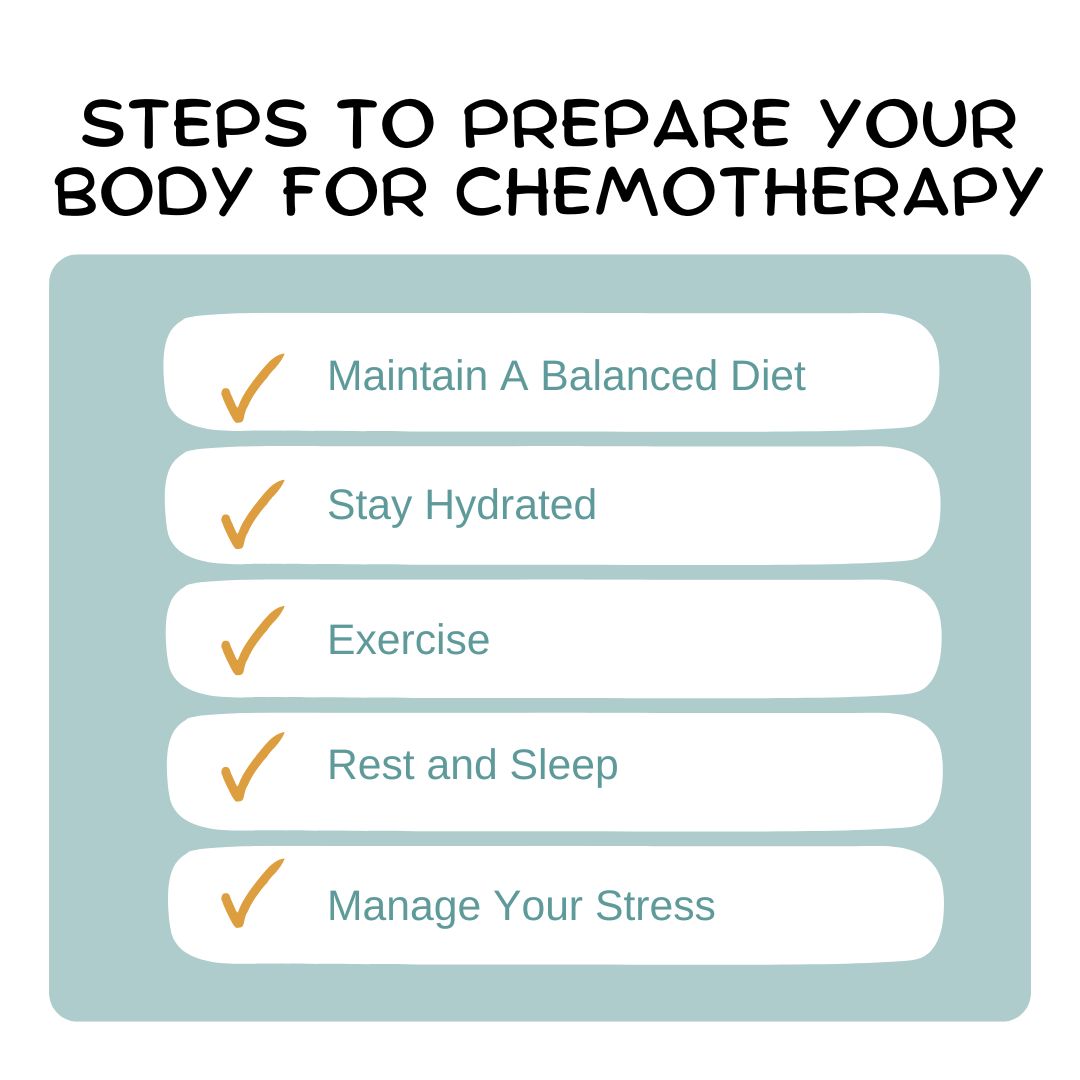
Rest is crucial when preparing for chemotherapy. Your body needs adequate sleep to repair itself and to prepare for the demands of treatment. Ensure you are getting enough sleep each night, and don’t hesitate to take naps during the day if needed.
Chemotherapy can have an impact on your skin, causing it to become dry or more sensitive. Preparing your skin before treatment can help minimize discomfort.
Chemotherapy can affect your appetite and taste buds, making it difficult to eat well. Planning ahead can help you maintain proper nutrition during treatment.
Before starting chemotherapy, it’s essential to have a thorough discussion with your healthcare team. They can provide personalized advice based on your specific health needs and treatment plan.
(For an in-depth guide on preparing for chemotherapy, visit How to Prepare for Chemotherapy Treatment).
Preparing your body for chemotherapy is a proactive step that can help you manage treatment more effectively and improve your quality of life during this challenging time. By focusing on nutrition, hydration, exercise, mental health, and skincare, you can build a strong foundation that will support you throughout your treatment journey.
Remember to consult with your healthcare team before making any significant changes to your routine, and rely on their expertise to guide you through the process. With the right preparation, you can approach chemotherapy with confidence and strength.
We strongly advise you to talk with a health care professional about specific medical conditions and treatments.
The information on our site is meant to be helpful and educational but is not a substitute for medical advice.
Lung Cancer Affects Women Differently Than Men In Terms Of Symptoms, Treatment Response, And Survival Rates. Learn More About These Differences And What They Mean For Care.
Learn How to Talk to Your Children About Cancer With Expert Guidance From Cinda McDonald, Child Life Specialist. Watch the Free Parenting With Cancer Webinar.
Discover the latest on Lynch syndrome cancers with our guide. Learn about risks, testing, prevention, and support. Together, we empower and inform you.