When it comes to colon cancer, the earliest signs are often subtle and can be easily brushed aside as everyday digestive troubles. Things like persistent changes in your bowel habits, tummy pain you can’t explain, or seeing blood in the toilet bowl. While lots of other, less serious things can cause these symptoms, the key is that they stick around. If they don't clear up, it's time to get them checked out for your own peace of mind.
When something just feels off with your health, you need clear, straightforward information. Think of your body as having its own internal alarm system; certain persistent changes are its way of flagging that something needs attention. The most important colon cancer symptoms are these alarms, and learning to recognise them is the first step in taking charge of your health.
Many of these symptoms, like bloating or constipation, are easy to dismiss. It’s natural to wonder "why am I always bloated?", and resources for understanding persistent bloating can offer some general clues. But when we're talking about potential red flags for something more serious, the real defining factor is persistence. We're not talking about an upset stomach for a day or two; we're talking about symptoms that last for more than three weeks.
The main signals your body might send are usually tied to your gut's day-to-day routine. It’s so important to tune in to these small but consistent shifts.
To help you know what to look for, here’s a quick summary of the most common warning signs.
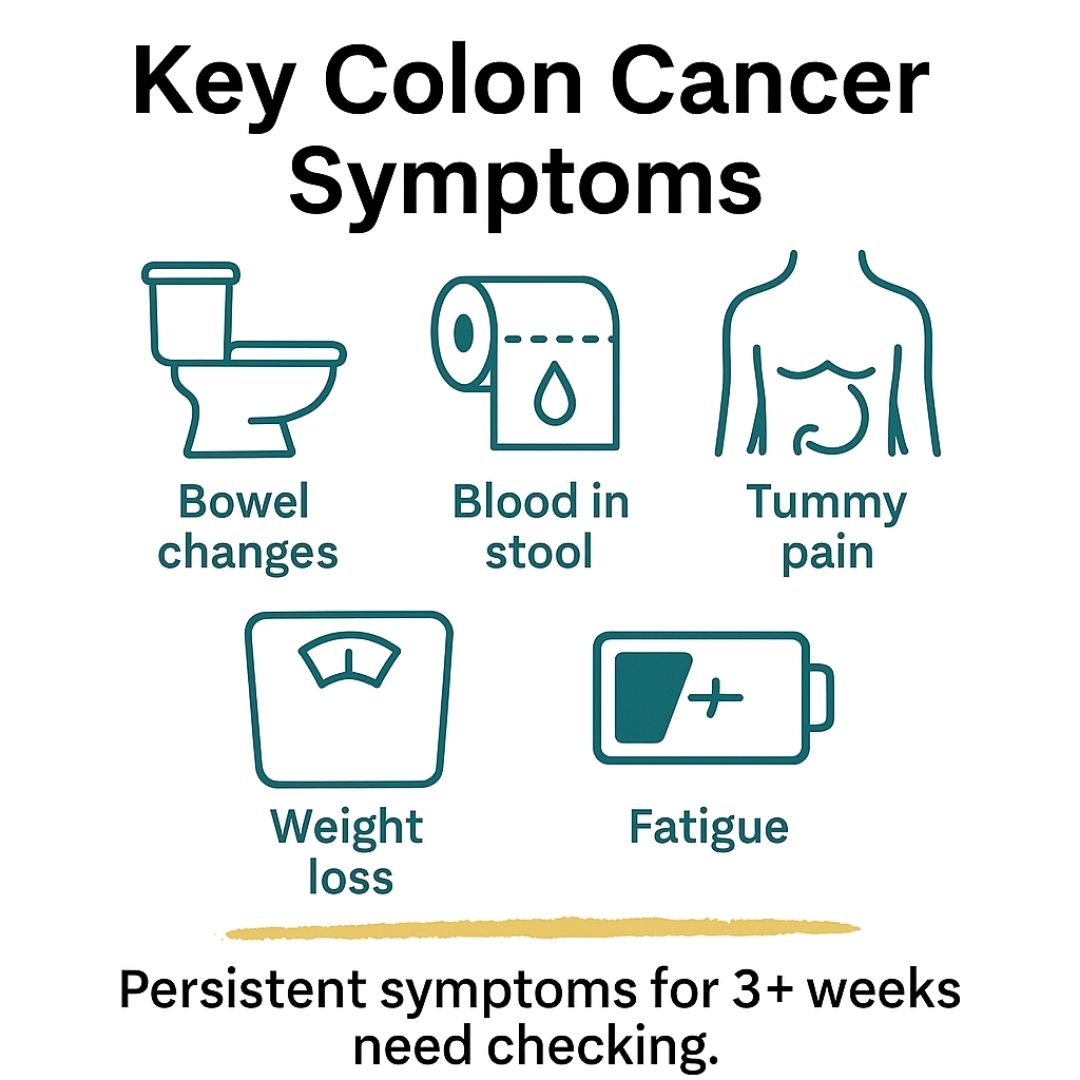
| Symptom | What to Look For |
|---|---|
| Persistent Change in Bowel Habits | Stools that are consistently looser, harder, or narrower than what's normal for you, lasting for 3 weeks or more. |
| Blood in Your Stool | Bright red blood on the toilet paper or in the bowl, or darker, tarry-looking stools. Any bleeding needs investigating. |
| Unexplained Abdominal Discomfort | Persistent cramps, gas, or stomach pain that doesn’t go away and doesn't have a clear cause. |
| Unexplained Weight Loss | Losing a noticeable amount of weight without changing your diet or exercise routine. |
| Constant Fatigue | Feeling overwhelmingly tired all the time, which could be a sign of anaemia from blood loss. |
| A Lump or Pain in Your Tummy | A palpable lump or persistent pain in your abdomen or back passage, often felt by a doctor. |
Remember, these symptoms are just indicators. The next step is always to speak with a professional.
Bowel cancer, also known as colon cancer, is one of the most common cancers diagnosed worldwide. Recognising symptoms like ongoing abdominal pain, unexplained weight loss, and fatigue as soon as possible can genuinely make all the difference.
It's so important to remember that having these symptoms doesn't automatically mean you have cancer. Many other, less serious conditions can cause them. The goal is not to cause alarm but to empower you with knowledge so you can have an informed conversation with your doctor.
Reading about others' experiences can often bring a sense of comfort and a valuable new perspective. If you're interested, you can read a personal account here: this is my story of surviving bowel cancer. Your awareness is your strongest tool.
While a general list of symptoms is a good place to start, it's far more helpful to understand what they actually look and feel like in real life. The frustrating thing about many colon cancer signs is that they can be incredibly vague, making it all too easy to brush them off as something minor. Our aim here is to bring these signs into sharper focus, so you can connect the dots between what your body is telling you and what it might mean.
Think of your digestive system as a complex, interconnected network. A problem in one area, like a growth in the colon, can create a ripple effect, causing unexpected issues elsewhere. By exploring these symptoms in more detail, you can get a clearer picture of how they show up, empowering you to spot persistent changes and act on them with confidence.
"A change in bowel habits" is one of the most common red flags, but what does that actually mean day-to-day? In short, it’s any persistent shift from what’s normal for you. This isn't a one-size-fits-all symptom.
For some people, it might mean:
The key word here is persistent. An off day or two is rarely a concern. It’s a pattern that sticks around for three weeks or more that really signals it's time to speak to your doctor.
Seeing blood where you don't expect it is naturally alarming, but its appearance can offer some clues. While any kind of rectal bleeding needs checking out by a professional, the colour can vary.
Important Takeaway: Never try to self-diagnose the cause of rectal bleeding. While it’s often down to less serious things like haemorrhoids, it’s also a classic symptom of colon cancer and must be properly investigated.
Bright red blood often means the bleeding is happening lower down in the colon or rectum. In contrast, stools that look very dark, almost black or tar-like, can suggest the bleeding has occurred higher up in the digestive tract. Sometimes, the blood isn't even visible to the naked eye at all—this is known as occult blood.
Beyond the more obvious gut issues, colon cancer can cause symptoms that affect your whole body. These are often the easiest to dismiss as just being stressed, busy, or "run down," but their persistence is the real tell-tale sign.
Of course, maintaining good gut health is always important, especially during treatment. You can read more about the importance of gut health during cancer treatment and beyond.
Worryingly, awareness of these key symptoms is still far too low. Surveys have found that a significant number of adults couldn't name a single symptom of bowel cancer. Even when prompted, less than half knew that blood in stools was a potential sign. This shows just how vital it is for all of us to understand the full picture and encourage earlier diagnosis.
It’s a common misconception that all colon cancers show up in the same way. In reality, the signs your body sends can be completely different depending on exactly where a tumour is growing inside your large intestine.
Think of your colon as a long, winding road. A roadblock near the start of the journey (the right side) will cause very different problems than one near the end (the left side). This is precisely why some symptoms can be glaringly obvious, while others are frustratingly subtle and easy to dismiss.
The right side of the colon is wider and more spacious, and the waste passing through it is still quite liquid. Because of this, a tumour can often grow to a significant size without physically blocking anything, meaning you probably won’t notice any dramatic changes in your toilet habits.
Instead, the clues are often more secretive and can affect your whole body. Tumours here tend to bleed slowly and intermittently, a type of bleeding you’d never see. This hidden blood loss gradually drains your body of iron, leading to:
Because these symptoms are so general, it’s all too easy to blame them on stress, a busy life, or simply getting older. This is a key reason why right-sided cancers can sometimes be diagnosed later.
The journey through the colon changes things. By the time waste reaches the left side, it’s much more solid, and the colon itself is narrower. Here, a tumour is much more likely to act like a physical obstruction, causing those "classic" bowel-related symptoms that people often associate with colon cancer.
When a left-sided tumour starts to block the path, you’ll likely notice:
Let's break down these differences side-by-side.
This table gives a clear, at-a-glance comparison of how symptoms often present depending on where a tumour is located.
| Tumour Location | Commonly Associated Symptoms |
|---|---|
| Right-Sided Colon | Unexplained weight loss, iron-deficiency anaemia leading to fatigue and weakness, and vague, dull abdominal pain. Bowel habit changes are less common. |
| Left-Sided Colon | Noticeable changes in bowel habits (constipation/diarrhoea), bright red blood in the stool, abdominal cramping, bloating, and narrow stools. |
| Rectum | Rectal bleeding, a feeling of incomplete bowel emptying (tenesmus), and changes in stool shape or consistency. |
Remember, this is a general guide. Symptoms can overlap, and everyone's experience is unique, which is why getting any persistent change checked out is so crucial.
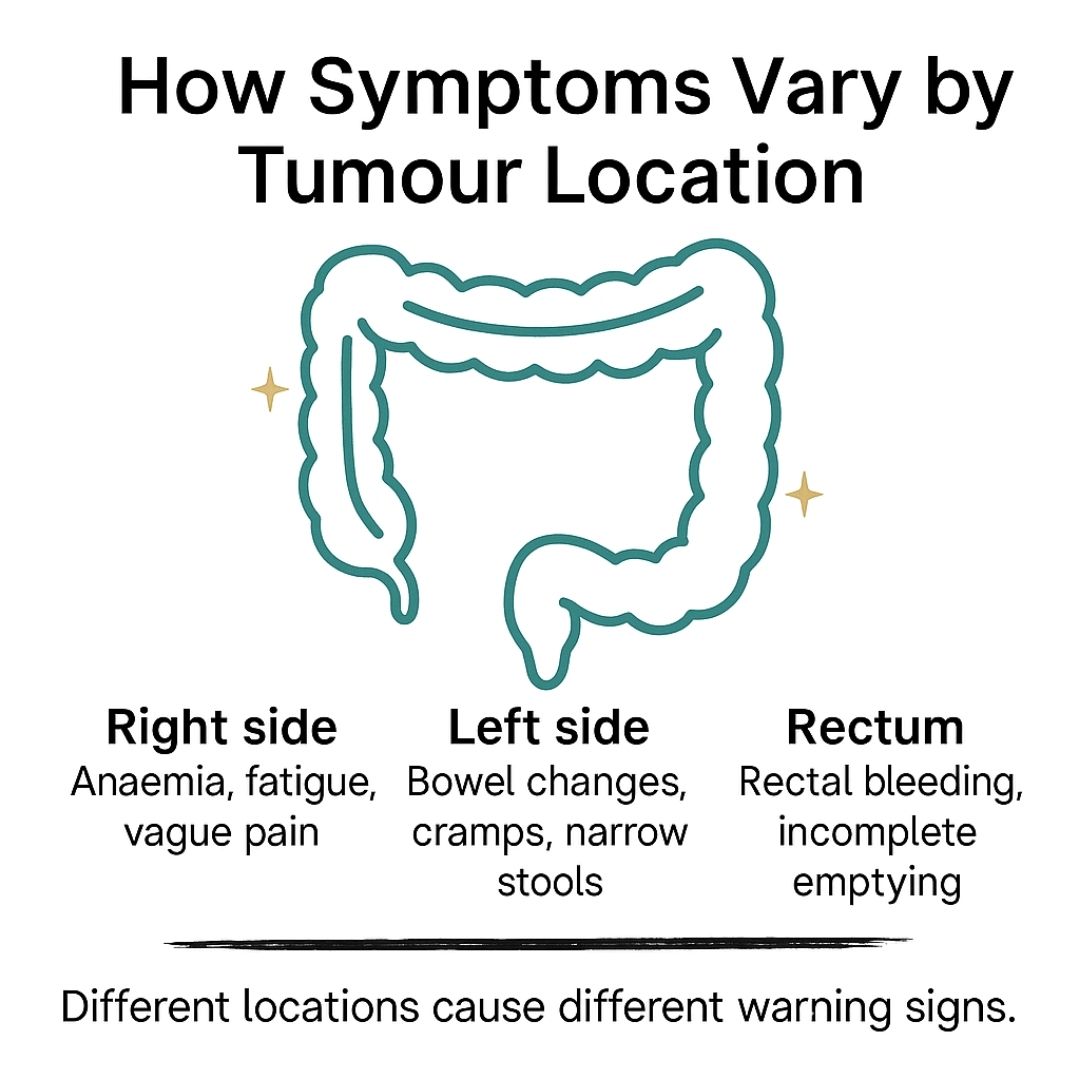
Key Insight: The different signals from right- and left-sided tumours show why you should take persistent, unexplained fatigue just as seriously as more obvious signs like rectal bleeding. Both patterns are your body’s way of telling you something is wrong.
As cancer grows, these symptoms often become more severe. A partial blockage can turn into a complete one, which is a medical emergency. And if the cancer breaks through the colon wall and spreads to other parts of the body, it’s then called metastatic cancer. Understanding this is vital, as it underscores why investigating any unusual and persistent symptom early on can make all the difference. You can learn more about this in our guide to metastatic cancer.
There’s a dangerous, old-fashioned idea that colon cancer is just an older person’s disease. Unfortunately, that’s just not true anymore. We’re seeing a deeply concerning trend: a steady rise in colon cancer diagnoses in adults under the age of 50.
This means we have to change how we think about gut problems in younger people. It's no longer safe to automatically write off persistent digestive issues. Symptoms are too often mistaken for common, less serious conditions like irritable bowel syndrome (IBS), food intolerances, or even haemorrhoids – a mistake made by patients and sometimes, even by doctors.
The reality is that classic colon cancer symptoms—rectal bleeding, nagging abdominal pain, or a major change in bowel habits—are just as serious in a 35-year-old as they are in a 65-year-old. Your age doesn't make these red flags any less urgent.
One of the biggest obstacles for younger adults is getting a timely diagnosis. Because colon cancer isn't top-of-mind for this age group, there can be a real hesitation to investigate symptoms as thoroughly as they should be. It's far too common for a younger person to be told their symptoms are probably just stress or diet-related, long before cancer is even considered.
This delay can have devastating consequences, giving the cancer precious time to grow and spread. This is exactly why being your own health advocate isn't just a good idea; it's absolutely vital. No one knows your body better than you do.
If you are experiencing persistent, unexplained symptoms, you have every right to push for a proper investigation. Trusting your gut instinct and insisting on getting clear answers is a crucial part of taking charge of your health, no matter your age.
Recent data brings this issue into focus, showing a growing proportion of diagnoses are in people under 50. Reports and audits have highlighted that the percentage of patients diagnosed under 50 is rising. While these early-onset cases are still the minority, this upward trend is part of a global pattern that we can't ignore. You can discover more insights about bowel cancer trends on combatcancer.com to see the full picture.
While lifestyle is thought to play a part in this rising trend, genetics are also a major piece of the puzzle. Some people inherit genetic conditions that put them at a much higher risk of developing colon and other cancers at a young age.
One of the most significant is Lynch syndrome. This is an inherited condition that can drastically increase a person's lifetime risk of certain cancers, especially colon cancer. If you have a strong family history of cancer—particularly diagnoses at a young age—it's incredibly important to talk to your doctor about it. You can learn more about the connection between Lynch syndrome and cancers in our article.
Knowing your family's health history is powerful. It gives you the information you need to be proactive about your own health and screening.
As you can see, tumours on the right side of the colon often lead to subtler signs like unexplained anaemia. In contrast, tumours on the left side and in the rectum are more likely to cause obvious blockages and bleeding.
Deciding to finally speak to a doctor about your symptoms is a huge step, but the thought of what comes next can feel really intimidating. Knowing what to expect during the diagnostic process can make the entire journey feel far less daunting and help you feel more in control.
Think of it like a detective story. Your doctor starts by gathering clues, beginning with the most general information and getting more specific with each step. This methodical process helps rule out other, more common conditions and zero in on the exact cause of your symptoms.
Your first port of call will nearly always be your GP or primary care physician. This appointment is just a conversation—a chance for you to explain what you've been experiencing and for your doctor to really listen. They’ll ask about your symptoms, how long you’ve had them, your own medical background, and, crucially, if there’s any history of cancer in your family.
After this chat, your doctor might do a physical examination. This could involve gently feeling your abdomen to check for any lumps or tenderness. They may also suggest a digital rectal examination (DRE), which is a quick and simple procedure to feel for any abnormalities in your back passage.
Based on that initial chat, your doctor will likely recommend some first-line tests to get a clearer picture. These are non-invasive but provide vital clues that guide what happens next.
The two most common starting points are:
These early tests are crucial for building the case. If you're interested in the science behind it all, you can learn more about how these tests work and what they show by exploring the world of laboratory medicine.
If these initial tests raise any concerns, or if your symptoms strongly point towards a problem in the bowel, your doctor will refer you for a colonoscopy. This is widely considered the most definitive test for diagnosing colon cancer.
The thought of a colonoscopy can make anyone feel a bit anxious, but understanding what it involves really helps. A specialist uses a colonoscope—a long, thin, flexible tube with a tiny camera on the end—to get a detailed, live view of the inside of your entire large bowel.
Key Insight: A colonoscopy isn't just for looking. If the specialist sees any small growths, known as polyps, they can often remove them right there and then. Since most colon cancers start out as polyps, removing them is a vital preventative measure.
During the procedure, the specialist can also take small tissue samples (biopsies) from any areas that look suspicious. These samples are then sent to a lab to be examined under a microscope. A biopsy is the only way to confirm a diagnosis of cancer, one way or the other. You're usually offered a sedative to help you feel relaxed and comfortable throughout.
This whole process, from that first GP visit to the specialist tests, is designed to be thorough and systematic. Each step provides another piece of the puzzle, leading to a clear and accurate answer so you can move forward with a solid plan.
It’s one thing to know the broad range of colon cancer symptoms, but it’s just as crucial to know which ones demand you act immediately. While many signs should prompt a visit to your doctor, some are what we call ‘red flags’ – signals that something could be seriously wrong and needs urgent attention.
Think of it this way. A low battery beep on your smoke detector is an alert to book a routine check. The full-blown siren, however, means you need to get out and call for help right now. The symptoms below are the sirens. They could point to a serious issue, like the bowel being completely blocked, which requires an emergency medical assessment.
If you experience any of the following, don't wait for your next doctor's appointment. You should seek immediate medical advice by going to your local emergency department.
These are the critical signs to look for:
These symptoms are your body's loudest alarm bells. While they can be caused by other health problems, they are far too serious to dismiss and always need an immediate professional evaluation to rule out a life-threatening problem.
For symptoms that are persistent but less severe, the best thing you can do is prepare for a really clear and productive chat with your doctor. It can be hard for a GP or primary care physician to work with vague descriptions like "I've been feeling a bit off," so keeping track of what's happening is a massive help.
Try keeping a simple symptom diary for a week or two before your visit. Jot down a few key things:
This simple record transforms a vague feeling into concrete information. It gives your doctor the details they need to understand what's going on and decide on the next steps. Being organised and specific really empowers you to be your own best health advocate.
It's completely normal to feel a bit lost or worried when you're trying to make sense of new health symptoms. Let's walk through some of the questions that come up most often when people think about colon cancer, with some straight-talking answers to give you clarity.
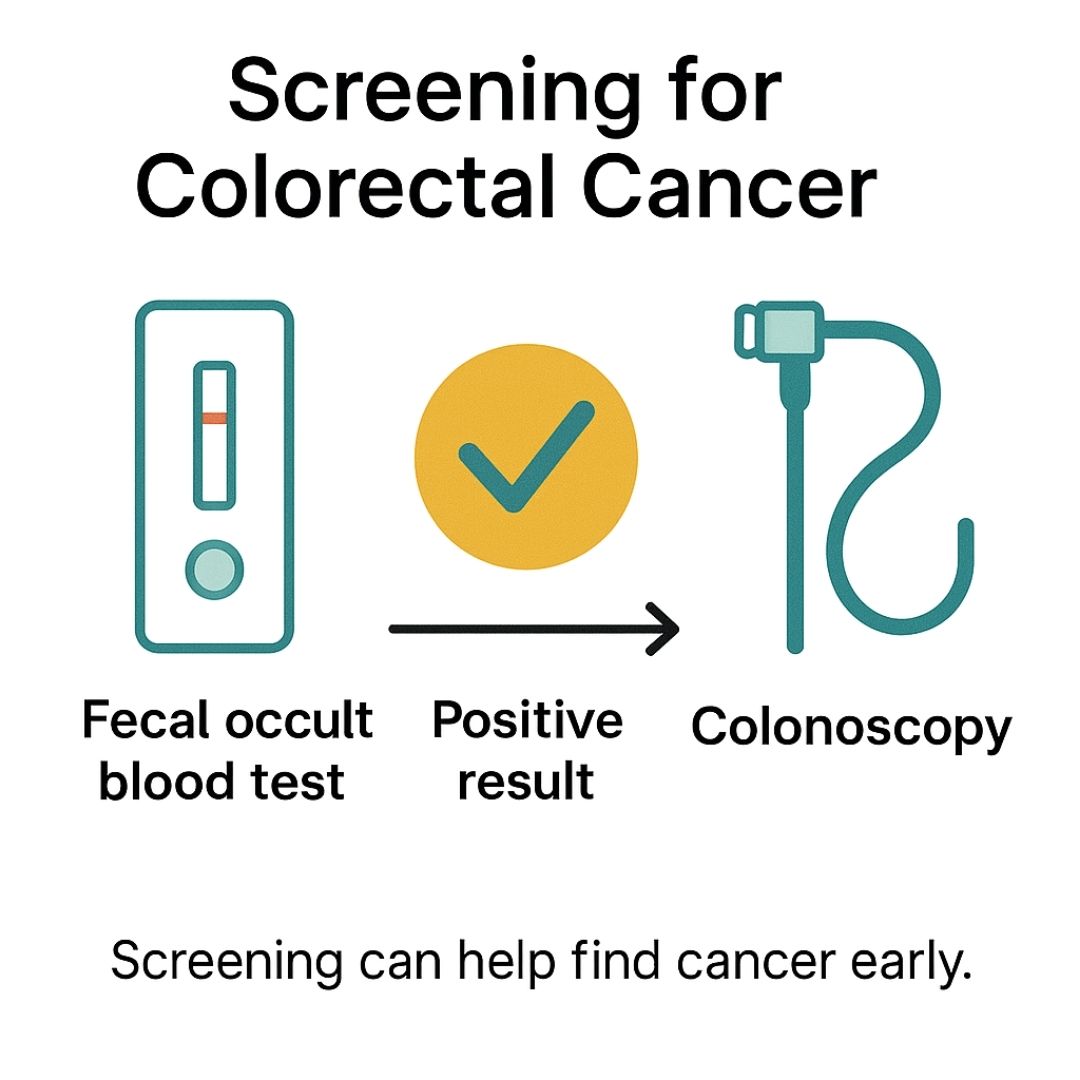
Yes, absolutely. In fact, it's very common for colon cancer to have no symptoms at all in its earliest stages. This is because tiny tumours or the precancerous growths we call polyps are often too small to cause any pain, bleeding, or noticeable changes to your toilet habits.
This is precisely why screening is so important. Things like the FIT kit (Faecal Immunochemical Test) are designed to pick up invisible traces of blood long before you'd ever notice a problem. Think of screening as your best early warning system – it finds trouble when it's smallest and easiest to treat.
This is a tricky one because the symptoms can look incredibly similar on the surface. Both Irritable Bowel Syndrome (IBS) and colon cancer can lead to persistent bloating, abdominal cramps, and a real change in your bowel habits, like sudden constipation or diarrhoea.
The key is to look out for the "red flag" symptoms that aren't typical for IBS. These include bleeding from your bottom, losing weight without trying, or developing iron-deficiency anaemia. Because of this overlap, you should never try to diagnose yourself. If you have any new or persistent bowel symptoms, you need to see a doctor to get a proper evaluation and find out exactly what's going on.
Getting a professional diagnosis is non-negotiable. Simply assuming your symptoms are 'just IBS' without a proper medical check-up can lead to a dangerous delay if something more serious is at play. Your health and peace of mind are worth the visit.
Haemorrhoids (piles) are a frequent cause of bright red blood, either on the toilet paper or in the bowl. It's a very common issue, but you should never assume that's all it is. Unfortunately, cancer in the rectum or the lower part of the colon can cause the exact same kind of bleeding.
There's no way to know the cause for sure without an examination. A doctor needs to investigate where the bleeding is coming from to rule anything serious out. Dismissing it as "just piles" is a classic mistake that can delay a diagnosis, so getting any bleeding checked out is always the right thing to do.
We strongly advise you to talk with a health care professional about specific medical conditions and treatments.
The information on our site is meant to be helpful and educational but is not a substitute for medical advice.
As someone who was once a career “expert” and even wrote books about it, I had the gall to write a blog post and make videos about returning to work after a “blank space” on the resume due to illness or child care. Ha! I say to myself. I just had no idea I mean […]
I Was Diagnosed With Prostate Cancer In 2017 At The Age Of 57. I Decided To Write A Book That Shares All Of The Intimate Details Of Prostate Cancer Journey
Melanoma Is Not Just a Disease of the Elderly or Fair-Skinned—It Can Affect Anyone. Learn the Facts, Debunk the Myths, and Understand the Real Risk Factors Based on UK Statistics.