Undergoing cancer treatment, whether radiation therapy to the mouth or neck or chemotherapy, can bring about various side effects, one of which is mouth sores. These painful occurrences, also known as mucositis, can make everyday activities such as eating and talking challenging. However, understanding what mouth sores are and how to manage them can help you stay more in control and alleviate discomfort during your cancer treatment journey.
Mouth sores, or mucositis, refer to the inflammation and ulceration of the mucous membranes in the mouth. Appearing as small cuts, ulcers, or swelling, these sores can affect the mouth and throat, making daily activities painful and difficult. If not managed properly, severe mucositis can even necessitate a pause in cancer treatment.
Several factors related to cancer treatment can lead to the development of mouth sores. Knowing the cancer treatment that will cause mouth sores will help your healthcare team manage it well.
Below are the leading causes of cancer-related mouth sores:
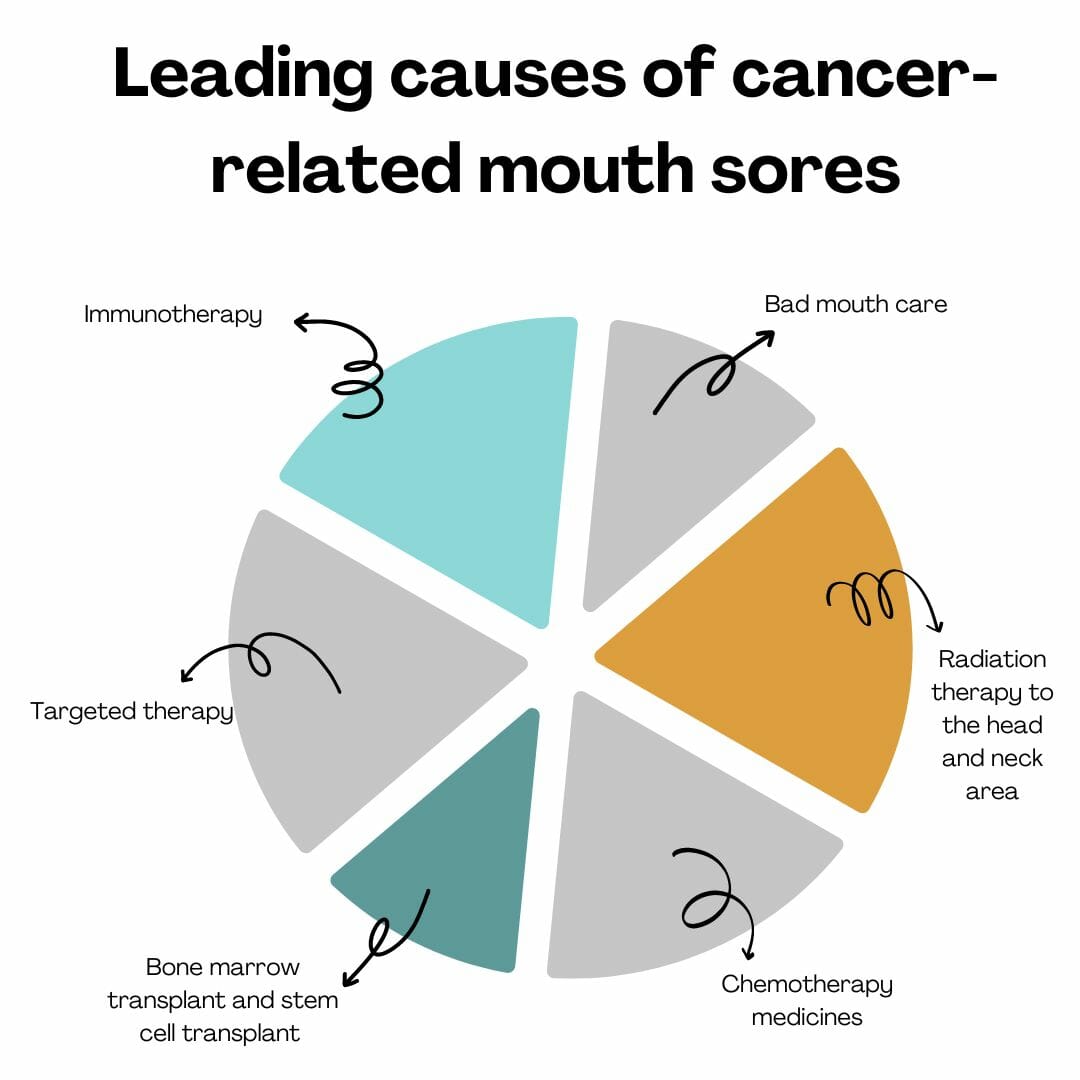
The duration of mouth sores can vary significantly depending on the type of treatment being received. After chemotherapy, mouth sores generally appear within a few days following treatment. These sores may persist for up to a few weeks before beginning to heal. The severity and longevity of the sores can be influenced by the specific drugs used in the chemotherapy regimen, the dosage, and the individual’s overall health.
In the case of radiation therapy, particularly when the treatment is concentrated on the head and neck areas, the healing process for mouth sores can take longer. It is not uncommon for these sores to take six to eight weeks to heal fully. This extended healing period is due to the cumulative nature of radiation, which can cause ongoing irritation and damage to the sensitive tissues in the mouth over the course of treatment.
Understanding the timeline for the development and healing of mouth sores is essential for both patients and caregivers. It helps in managing expectations, preparing for the challenges that may arise during treatment, and implementing appropriate care strategies to alleviate discomfort and promote healing. Regular communication with healthcare providers is crucial during this time to ensure that the symptoms are managed effectively and to prevent complications such as infections, which can arise due to the presence of open sores in the mouth.
The different cancer treatments, sometimes harm the normal cells in your mouth in the process of killing the cancer cells. Some of these treatments can disturb the activities of the good bacteria in your mouth and expose you to different infections, which can cause mucositis or sore mouth.
This can lead to issues with your teeth, gums and even the gland in your mouth that produces saliva. The effects of cancer treatment or drugs depend on the individual and the amount used.
You can’t predict what will happen but can prepare for whatever develops. You may experience dry mouth, bleeding gum, tooth pain, or taste changes.
The sores can vary in appearance and severity but commonly present in the following ways:
Managing and preventing mouth sores during cancer treatment requires a proactive approach that begins before treatment and continues throughout the process.
This mixture includes: EITHER
OR
Stir the solution very well, then gently swish it in your mouth before spitting it out.
Do the following during treatments:
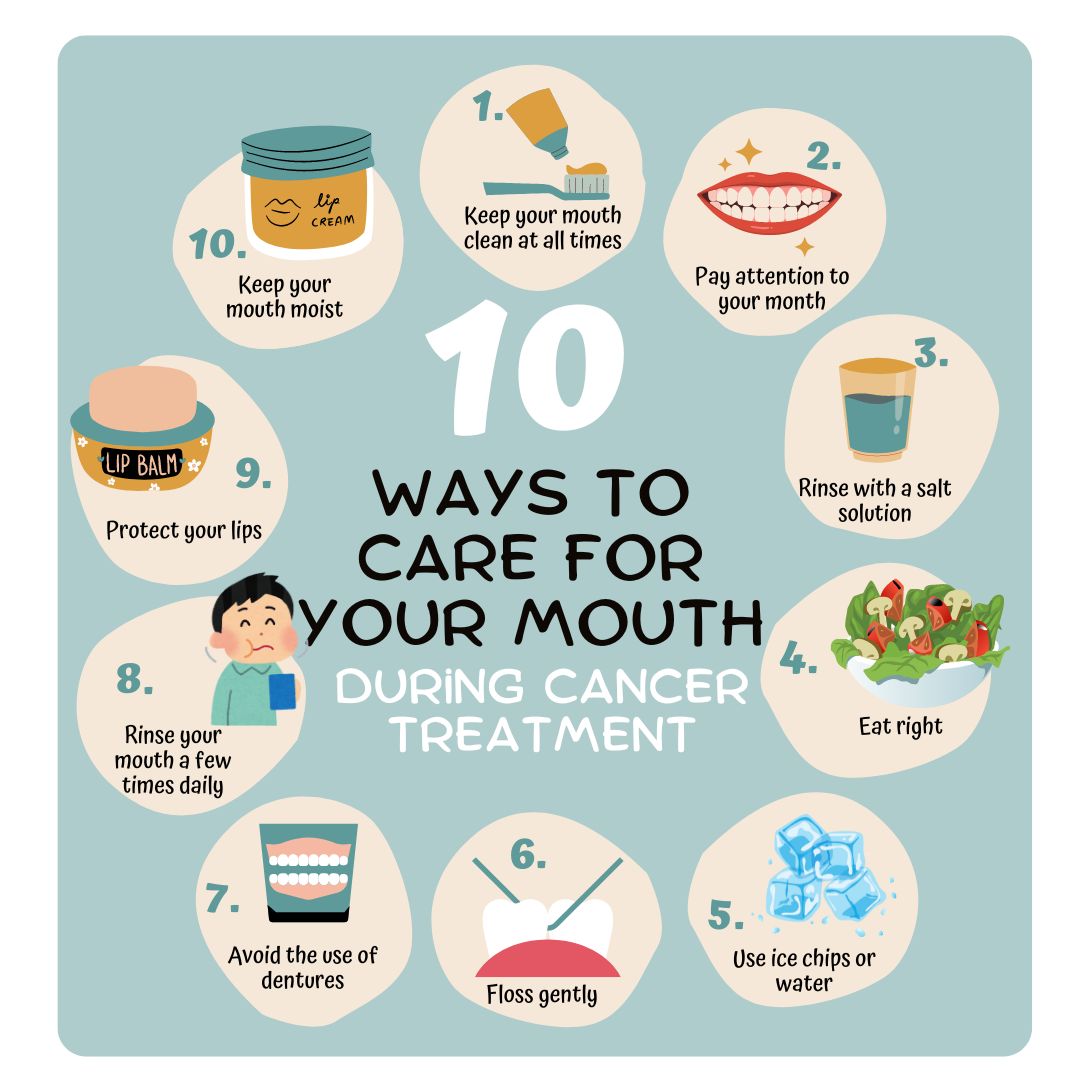
According to the American Cancer Society, the anti-inflammatory medication Benzydamine can be used to treat mouth soreness in people who did radiotherapy to the mouth and throat . Morphine rinses may also be used to ease mouth sores. Dexamethasone is used in mouthwashes for cleansing and irritation.
Dental check-ups before and during treatment, especially before head and neck radiation or chemotherapy will help stop and relieve sores.
Dentists can guide you on a good dental health plan and treat dental problems and cavities before cancer treatment. This can go a long way in helping you deal with mouth sores during treatment. Below are other things that can help:
Researchers show low lasers (LLLTs) help treat sore throats resulting from stem cell transplantation.
When cryotherapy is used, the patient sucks on ice chips before, during, and after short infusions of certain chemotherapy treatments. Some studies have shown this to help prevent mouth sores by decreasing tissue blood flow and limiting high chemical exposure from treatment.
Some vitamins can help with rashes or mouth sores, but you should consult with a medical professional before consuming any. Treatment options available to relieve mouth sores include the:
Don't suffer from chemo-sore mouth on your own, talk to your Doctor, nurse or health care team who can help you deal well with mouth sores. Follow the tips in this article.
You can also share with us your experiences and other tips that can help with cancer mouth sores
We strongly advise you to talk with a health care professional about specific medical conditions and treatments.
The information on our site is meant to be helpful and educational but is not a substitute for medical advice.
This Article Discusses The Best Hospital Bag Essentials For You To Buy. Including Items For Fun, Comfort And Practicality.
Learn to identify the key blood cancer symptoms. Our guide explains the signs of leukemia, lymphoma, and myeloma and tells you when to see a doctor.
The Thoughts Of Cancer Returning Still Seep Back In My Brain Upon Occasion, But I Quickly Replace Them With Gratitude That I Am Still Here