

Subtotal: £13.00

Subtotal: £13.00
Subtotal: £13.00
Prostate cancer often develops quietly, with few symptoms until it becomes advanced. This silent progression can have a profound impact on men’s health, affecting both quality of life and long-term outcomes. Knowing the advanced signs of prostate cancer is essential, as early recognition and intervention can make a significant difference. In this article, we will highlight seven crucial signs that may indicate advanced disease, helping you stay informed and proactive. By understanding what to watch for, you can take steps to protect yourself or a loved one, and seek medical advice when it matters most.
Prostate cancer is now one of the most common cancers among men in the UK and worldwide. According to Prostate cancer statistics, thousands of new cases are diagnosed each year, with many men not realising they have the disease until it has already advanced. This silent progression makes it vital to understand the advanced signs of prostate cancer, as early recognition can be the difference between life and death.
Early prostate cancer often causes no symptoms or only mild changes, such as frequent urination or a weak stream. In contrast, advanced signs of prostate cancer can be much more significant, including persistent pain, weight loss, or visible blood in urine or semen. Unfortunately, these symptoms are sometimes mistaken for ageing, minor infections, or other less serious conditions, so they are often overlooked or dismissed. Men may also feel embarrassed or reluctant to discuss these changes, leading to further delays in seeking help.
Late-stage diagnosis can have serious consequences. Survival rates and quality of life drop significantly when advanced signs of prostate cancer are ignored. However, increased awareness empowers men and their families to act quickly. By knowing what to watch for, people are more likely to seek timely medical advice, leading to earlier interventions and better outcomes. In many cases, recognising these signs and acting early has improved survival and allowed men to maintain a better quality of life.
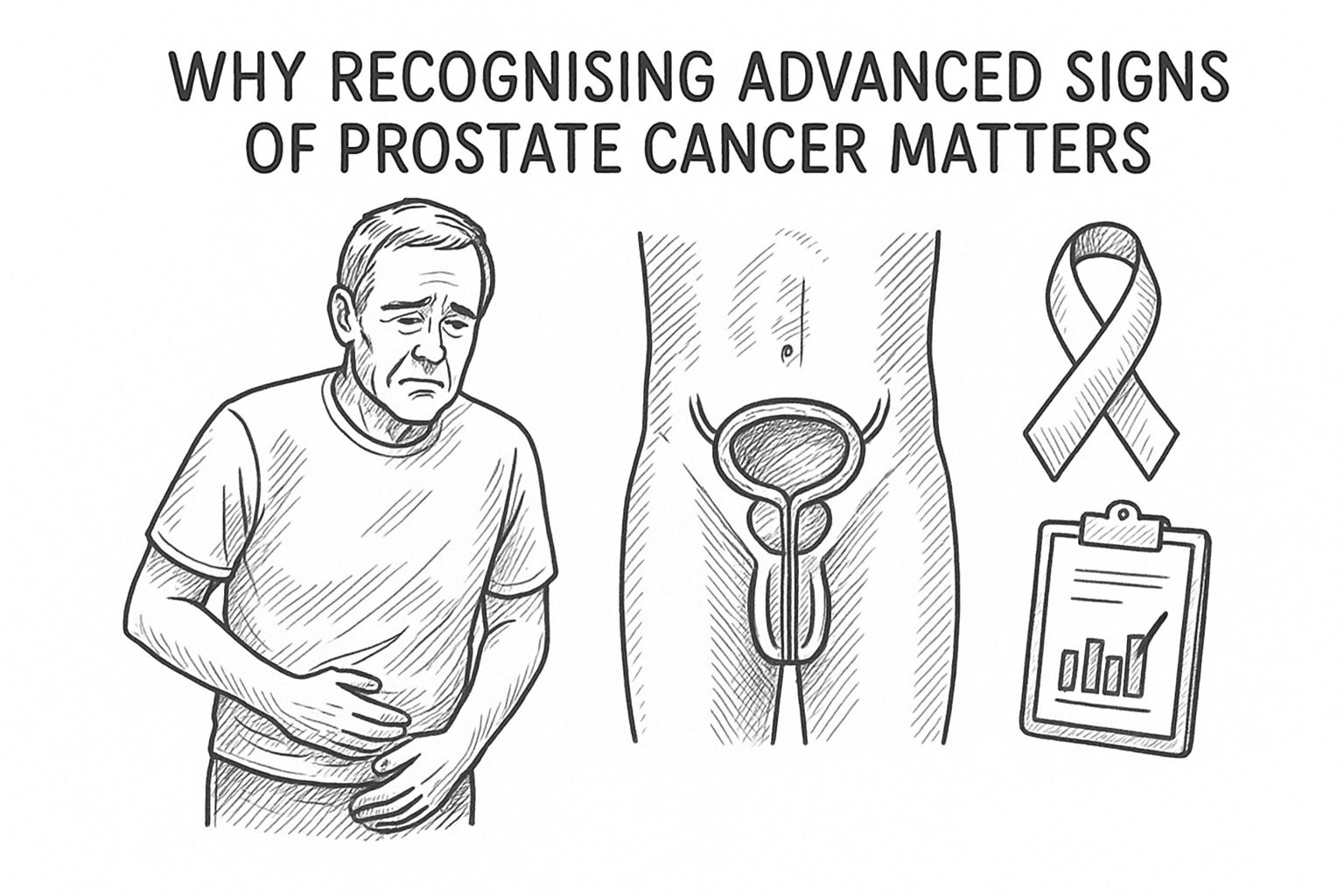
Understanding the advanced signs of prostate cancer can make all the difference in early intervention and better health outcomes. This section breaks down the seven most critical symptoms you should never ignore. By knowing what to look for, you can protect yourself or support a loved one in recognising these warning signals.

One of the most common advanced signs of prostate cancer is bone pain that does not fade. This pain often targets the hips, spine, pelvis, or ribs. Unlike everyday aches, cancer-related pain is typically deeper, more persistent, and can worsen at night or during rest.
Prostate cancer can spread to the bones, leading to weakness and even unexpected fractures. You might notice pain when walking, standing, or even lying down. Sometimes, a minor bump can result in a break, which is unusual for healthy bones.
Studies show that around 70% of men with advanced prostate cancer will experience bone metastases. If you develop new, severe, or ongoing bone pain, especially in the areas mentioned, consult your GP straight away. Recognising these advanced signs of prostate cancer can help you get the right treatment sooner.
Another red flag among the advanced signs of prostate cancer is sudden, unintended weight loss paired with ongoing fatigue. Advanced cancer affects your body's metabolism, causing you to burn more energy and lose weight without trying.
Fatigue linked to prostate cancer is different from normal tiredness. It often persists despite rest and can make daily activities feel overwhelming. This type of fatigue may come with muscle weakness, lack of motivation, or trouble concentrating.
Research suggests that up to 60% of men with advanced prostate cancer report significant fatigue and weight loss. If you notice these changes without a clear cause, do not dismiss them. Reporting these advanced signs of prostate cancer to your healthcare team is crucial for early action.
Tumour growth can press on the urinary tract or reproductive organs, causing a range of urinary symptoms. Watch for a weak urine flow, difficulty starting or stopping, increased frequency, pain or burning, or the presence of blood in your urine or semen.
While some symptoms overlap with benign prostatic hyperplasia or urinary infections, advanced signs of prostate cancer usually involve more severe or persistent symptoms. Blood in urine or semen is especially concerning and should never be ignored.
Studies indicate that over 40% of men with advanced prostate cancer develop significant urinary problems. If you experience any of these signs, especially blood, seek medical advice promptly. Early recognition of advanced signs of prostate cancer can be life-saving.
Erectile dysfunction (ED) can develop for many reasons, but a sudden onset or worsening ED may signal advanced signs of prostate cancer. As the tumour grows, it can affect nerves and blood vessels involved in erections.
It is important to distinguish between age-related ED and that caused by cancer. Cancer-related ED often appears alongside other symptoms, such as pelvic pain or urinary changes. This can impact not only your physical health but also your relationships and emotional wellbeing.
Clinical data suggests that up to 80% of men with advanced prostate cancer experience some level of ED. If you notice changes in your sexual function, discuss them openly with your doctor. Recognising these advanced signs of prostate cancer can improve both treatment and quality of life.
Swelling in the legs, ankles, feet, or pelvic region can be another advanced sign of prostate cancer. This can occur when the cancer affects lymph nodes, leading to fluid build-up (lymphoedema) or blocks blood flow.
You might notice persistent swelling, a feeling of heaviness, tightness, or even pain in your lower limbs or groin. In some cases, this can increase the risk of deep vein thrombosis (DVT), which is a serious condition.
Studies estimate that up to 20% of men with advanced prostate cancer develop lymphoedema. If you have unexplained swelling or discomfort, especially if it is sudden or severe, seek urgent medical attention. Recognising advanced signs of prostate cancer early can help prevent complications.
Advanced prostate cancer can sometimes spread to the rectum or nearby tissues, leading to bowel symptoms. These may include constipation, incontinence, rectal pain, or bleeding.
While these issues can overlap with common gastrointestinal conditions, new or worsening bowel problems should not be ignored. For example, persistent constipation or the presence of blood in your stool could signal involvement of the bowel.
Clinical reports show that bowel symptoms occur in a minority of advanced cases but are often overlooked. If you notice any new or unusual bowel changes, mention them to your GP. Early recognition of advanced signs of prostate cancer could help guide the right investigations.
Shortness of breath, chest pain, or a persistent cough can indicate that prostate cancer has spread to the lungs or caused related complications like blood clots or fluid build-up around the lungs.
Symptoms may include trouble breathing, chest discomfort, or coughing that does not improve. These can sometimes develop rapidly and may be accompanied by swelling in the face or neck.
Data suggests that respiratory symptoms are present in up to 15% of men with late-stage prostate cancer. If you experience any of these advanced signs of prostate cancer, especially if they worsen quickly, seek prompt medical evaluation.
For more detailed support and information about recognising and managing the advanced signs of prostate cancer, visit the Prostate cancer guides and resources page.
Understanding who is most vulnerable to advanced signs of prostate cancer can help men and their families stay vigilant. Age is a significant factor. Men over 50 are at greater risk, and the likelihood increases further after age 65. Ethnicity also plays a role, with Black men facing a higher risk than men of other backgrounds.
Family history cannot be underestimated. If a close relative, such as a father or brother, has had prostate cancer, your own risk may double. Genetic predispositions, including mutations in BRCA1 or BRCA2 genes, also contribute to the chances of developing advanced signs of prostate cancer.
Socioeconomic factors and access to healthcare have a major impact on outcomes. Men who delay regular screening, or who lack easy access to NHS services, are more likely to miss early warning signs. This delay can lead to a diagnosis only after advanced signs of prostate cancer appear.
Recent research shows that men in lower-income groups or from certain ethnic minorities are often diagnosed later. For more details on the latest UK trends, see the Incidence, prevalence, and survival of prostate cancer in the UK, which highlights the importance of early detection and awareness.
Consider this profile: John, a 68-year-old man with a family history of prostate cancer, noticed persistent fatigue and bone pain but delayed visiting his GP. By the time he sought help, the disease had progressed. His story underscores why recognising advanced signs of prostate cancer early is vital for improving outcomes.
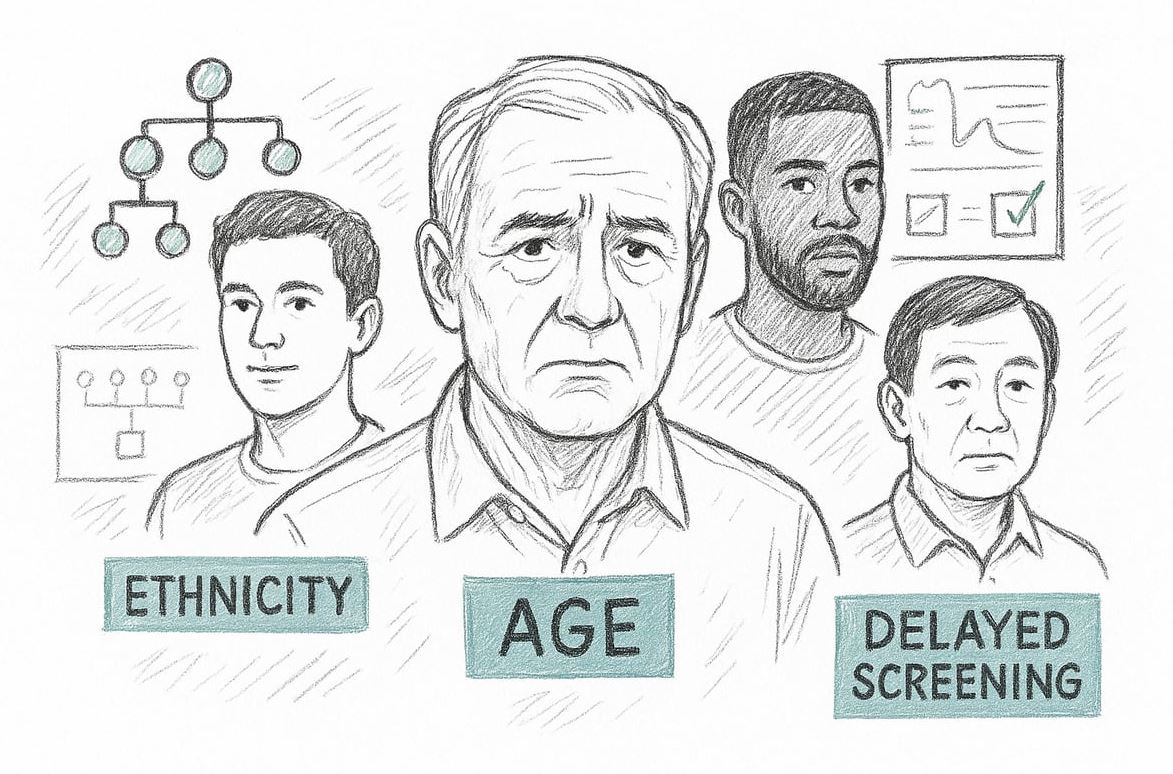
Noticing advanced signs of prostate cancer can be unsettling, but taking action early is essential for the best possible outcomes. If you observe any new, persistent, or worsening symptoms, do not wait to see if they improve on their own.
Seek medical advice promptly if you experience issues such as unexplained bone pain, significant weight loss, blood in your urine, or ongoing changes in how you urinate. These could be advanced signs of prostate cancer and should never be ignored. If symptoms are severe, like trouble breathing or sudden swelling, contact your GP or NHS 111 immediately.
When speaking to your doctor, be open and specific about your symptoms. Write down what you have noticed, when it started, and how it affects your daily life. This helps your healthcare team assess whether further tests are needed, such as blood tests, MRI scans, or biopsies. The NHS offers clear pathways for investigating suspected prostate cancer, ensuring you get timely support.
Bringing a loved one to appointments can help you remember important details. For more advice on recognising symptoms and preparing for medical visits, explore Recognising cancer symptoms early.
Remember, seeking advice early is not just about diagnosis, but also about managing your wellbeing. Support is available for men and families, including practical tips for coping day to day, as found in Tips for people with cancer. Regular check-ups and self-advocacy can make a real difference if you are worried about advanced signs of prostate cancer.
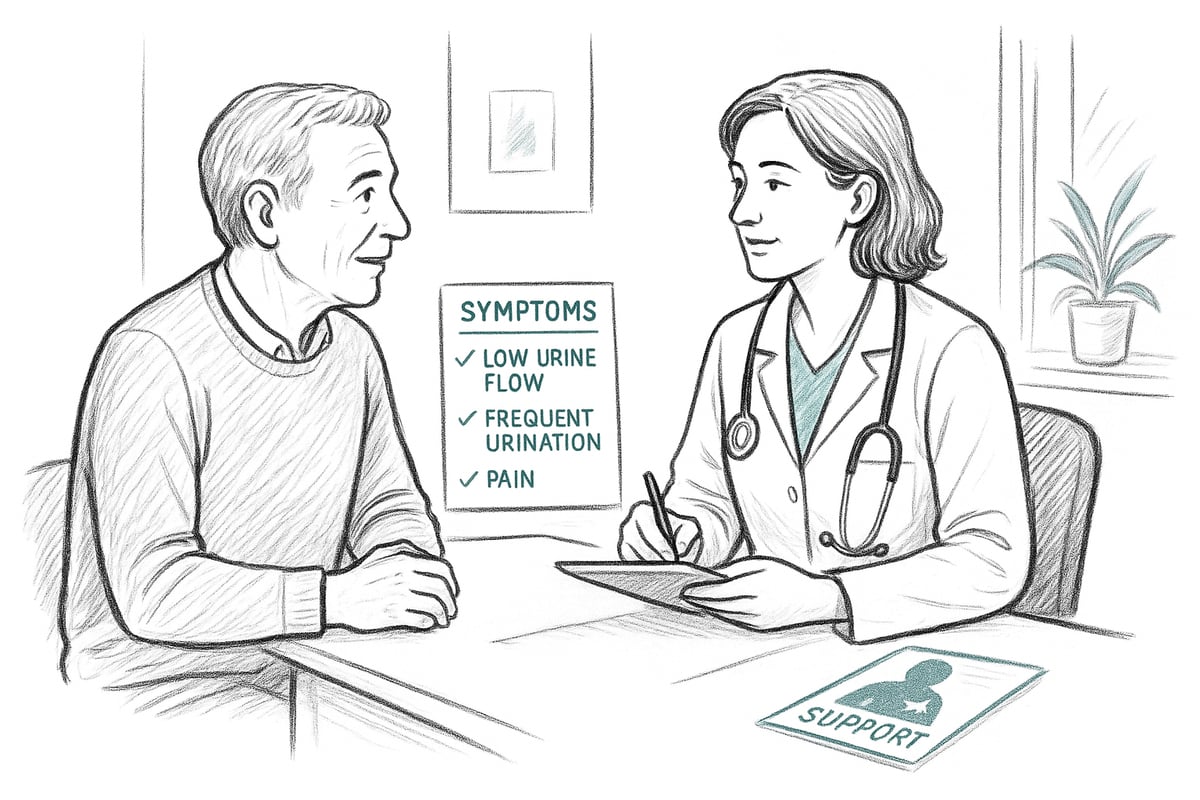
Taking charge of your health is vital when it comes to preventing advanced signs of prostate cancer. Small lifestyle changes can make a real difference in lowering risk and supporting your wellbeing.
Simple habits can help, such as:
Staying informed is just as important. Resources like the Cancer health and wellbeing advice guide offer practical tips for men aiming to prevent advanced signs of prostate cancer. Taking these steps today encourages a proactive approach to long-term health.
After learning about the advanced signs of prostate cancer and how important early recognition is for both you and your loved ones, it’s clear that support and trustworthy information can make all the difference. If you or someone you care about is facing uncertainty or simply needs a little extra reassurance, you don’t have to go through it alone. Our team at Cancer Care Parcel is always here to help you feel supported, informed, and cared for every step of the way. If you’d like to help us continue this mission, you can Donate and make a real difference in the lives of people affected by cancer.
We strongly advise you to talk with a health care professional about specific medical conditions and treatments.
The information on our site is meant to be helpful and educational but is not a substitute for medical advice.
If You Have A Cancer Diagnosis I Would Say Do Your Research On Treatment Options, Usually Nothing Is Very Urgent To Decide. Find Your Community Of Support And Build A Team Around You That Might Include Your Clinicians, Alternative Therapies, Chat Groups, Etc.
Learn About Triple Negative Breast Cancer (TNBC), How It Differs From Other Types, Symptoms To Watch For, Treatment Options, And Support Resources Available.
Learn how radiation therapy affects the body, differences between early and late side effects, symptoms to expect, and ways to stay comfortable.