When you're going through cancer treatment or recovery, it's completely normal to find yourself longing for the person you were before your diagnosis. You might catch yourself remembering how effortlessly you used to climb stairs, how you never worried about what to eat, or how you took for granted the simple pleasure of waking up without immediately checking how your body feels. For many people, this shift can feel sudden and disorienting, even if treatment has been planned for a while, because daily routines and roles can change very quickly.
This sense of missing your old life isn't just nostalgia: it's a genuine form of grief. You're mourning the loss of your previous sense of normalcy, your physical capabilities, and perhaps even your sense of identity. Understanding this feeling can be the first step toward processing it in a healthy way. Recognising it as a valid emotional response, rather than something you “shouldn’t” feel, often reduces shame and makes it easier to ask for the support you need.
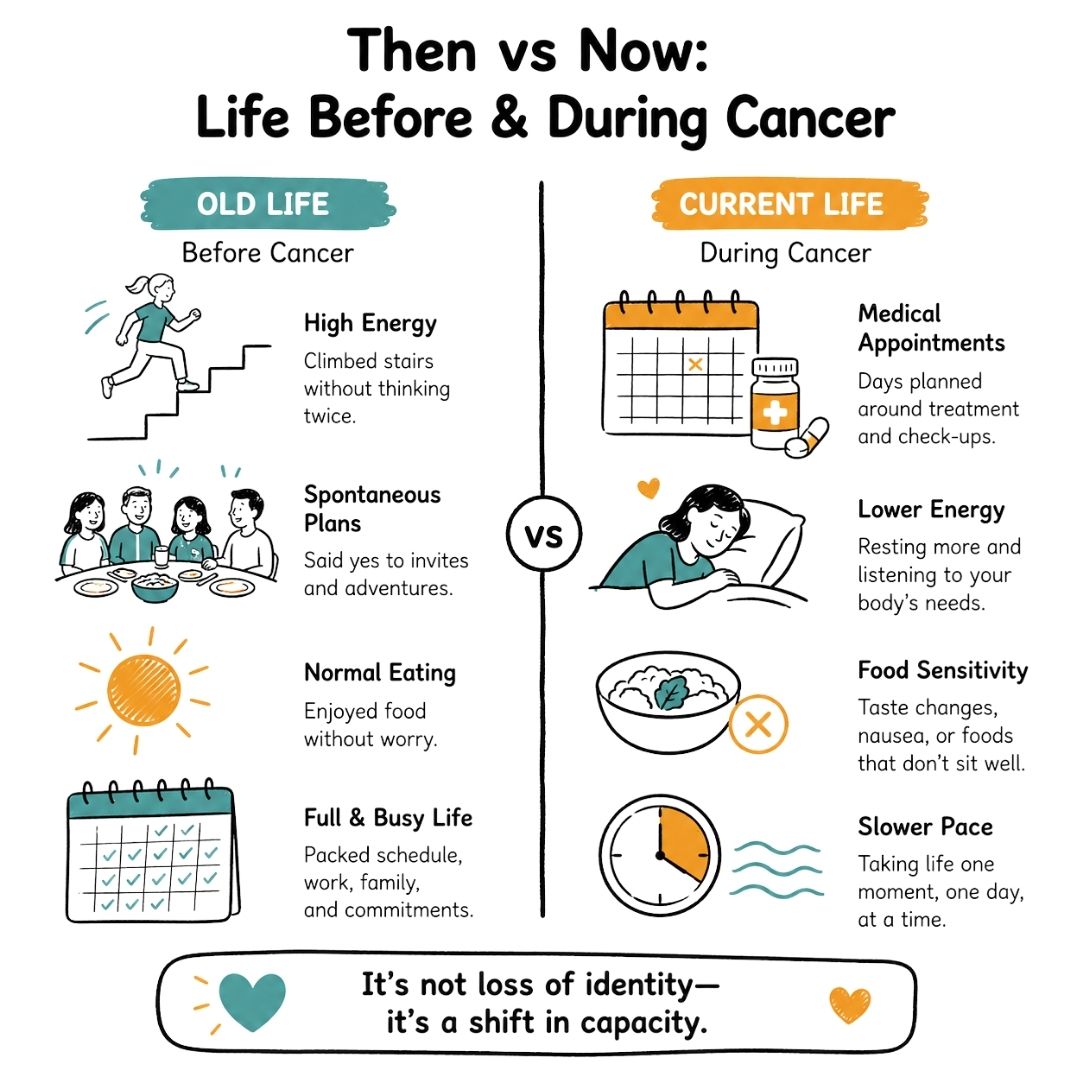
The experience of missing your pre-cancer life can show up differently for each person, but there are common themes many people experience. You might find yourself missing the energy you once had: the ability to work a full day without exhaustion, or to make spontaneous plans without considering medical appointments.
Many people miss their old relationship with food. Before cancer, eating was likely automatic, enjoyable, or social. Now, you might find yourself missing the days when you didn't have to think about whether something would make you nauseous, or when taste changes didn't make your favourite foods less appealing. For guidance on navigating these challenges, our article on eating when nothing tastes right during cancer offers practical strategies. Side effects such as nausea, mouth sores, dry mouth, or taste changes are very common during chemotherapy and radiotherapy, and they can significantly affect appetite and enjoyment of food.
You might also miss your former role in relationships. Perhaps you were the one who organised family gatherings, provided emotional support to others, or maintained your household effortlessly. Cancer can temporarily or permanently shift these dynamics, leaving you feeling disconnected from who you used to be. It is common to feel guilty about needing help or to worry that you are a “burden”, even though needing care during illness is a normal human experience.
This longing for your old life serves several psychological purposes. It helps maintain continuity of identity during a time when everything feels uncertain. It also provides a reference point for what "normal" felt like, which can help shape your recovery goals.
However, it's important to recognise when this missing becomes problematic. If you find yourself constantly comparing your current capabilities to your past ones, or if you're avoiding new experiences because they don't match your old life, this pattern might be hindering your adjustment to your current situation.
The brain naturally filters memories, often highlighting positive aspects while minimising difficulties. This means you might remember your pre-cancer life as more consistently wonderful than it actually was. While this filtered memory can help you to hold on to hope, it can also create unrealistic expectations for your recovery.
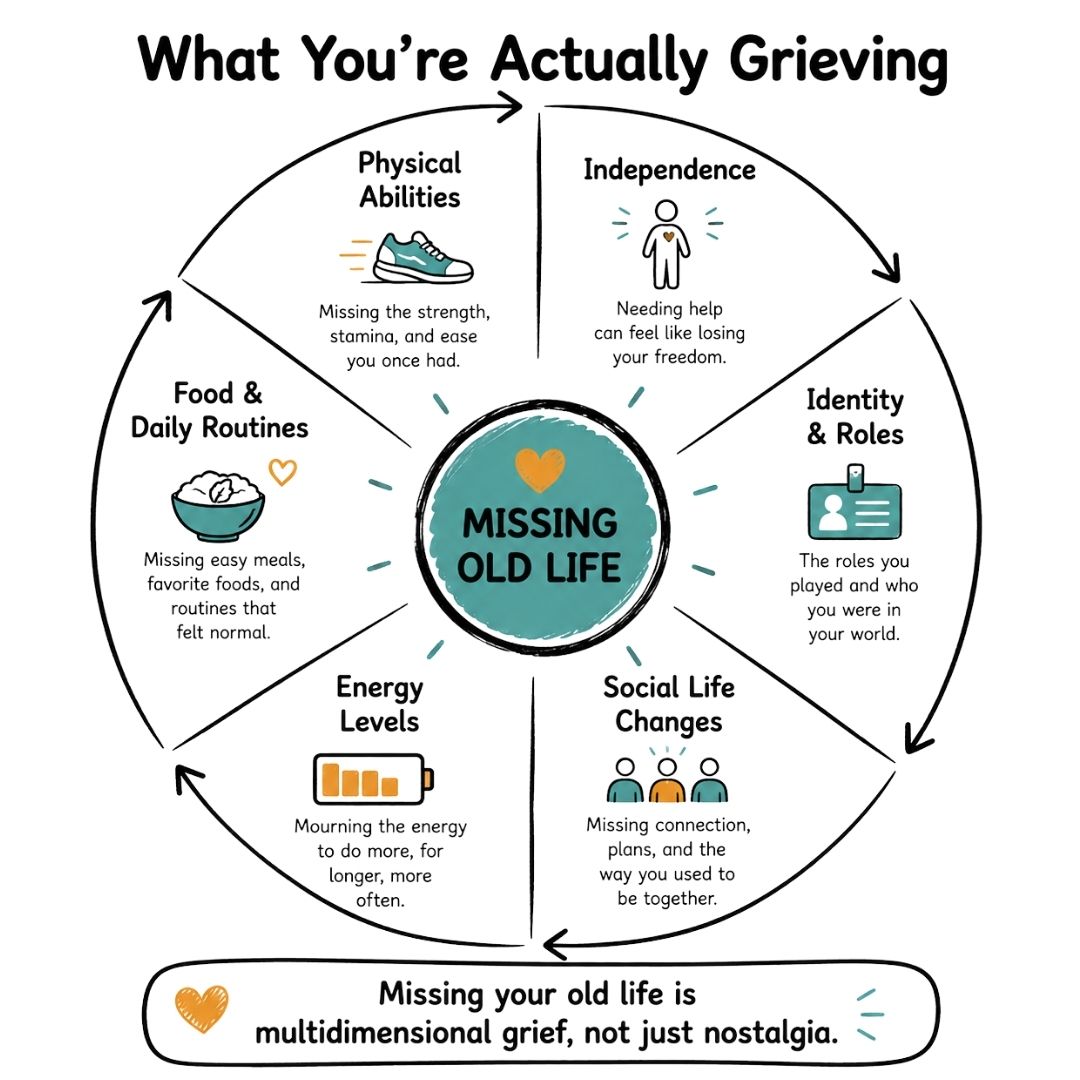
First, give yourself permission to feel sad about what has changed. This isn't self-pity: it's a natural way of processing a significant life transition. Your body and your life have changed, and it's natural to mourn those changes alongside noticing your treatment progress.
Consider keeping a journal where you can express these feelings without judgment. Write about what you miss specifically, but also try to include what you appreciate about your current situation. This balanced approach helps you process grief while staying connected to your present reality , and resources such as the Emotions and Cancer guide from the National Cancer Institute offer further strategies for understanding these feelings.
Mindfulness can help you stay present rather than being pulled into in comparisons with the past. When you notice yourself missing your old life, try acknowledging the feeling without resistance: "I'm noticing that I miss how I used to feel in the mornings." This acknowledgment, without trying to fix or change the feeling, often reduces its intensity.
Breathing exercises can be particularly helpful when these feelings seem overwhelming. A simple practice involves breathing in for four counts, holding for four, and exhaling for six. This activates your body's relaxation response and brings you back to the present moment.
Rather than trying to return to your exact previous normal, consider what elements of your old life were most meaningful to you. Perhaps it was feeling productive, connecting with others, or engaging in creative activities. Look for ways to incorporate these values into your current situation, even if the specific activities need to change. This can be especially important when you are wondering what to expect during radiotherapy treatment side effects or adjusting to the fatigue and routine of chemotherapy.
For example, if you miss hosting dinner parties but don't have the energy for elaborate cooking, you might organise casual coffee gatherings or potluck meals where others contribute dishes. The core value: bringing people together: remains, but the format adapts to your current capacity.
Creating new routines that fit your current reality can help establish a sense of normalcy that doesn't depend on returning to your past self. These might be smaller rituals than you previously maintained, but they can still provide structure and meaning.
This could include a morning routine that acknowledges your body's current needs, a weekly activity that brings you joy within your current energy levels, or a new way of connecting with friends that works around treatment schedules.
While missing your old life is natural, finding ways to appreciate aspects of your current experience can coexist with that grief. Many people discover unexpected sources of meaning during their cancer experience: deeper relationships, different priorities, or a greater appreciation for small pleasures.
This doesn't mean you need to be grateful for having cancer or find silver linings in your diagnosis. Instead, it's about recognising that your current life, even with its challenges, has its own value and possibilities.
Some people find meaning in connecting with others going through similar experiences, advocating for better cancer care, or simply in the day-to-day process of taking care of themselves during a difficult time.
Cancer often changes relationship dynamics in ways that can intensify feelings of missing your old life. You might miss being the caregiver rather than receiving care, or feel frustrated by well-meaning friends who don't understand your new limitations.
These relationship changes can be particularly challenging because they affect your sense of identity and your social connections simultaneously. Understanding that the impact of cancer on relationships is common can help you navigate these changes with more self-compassion.
Communication becomes especially important during this time. Letting trusted friends and family members know what you miss about your previous relationships can help them understand how to support you while respecting your current needs.
Moving forward doesn't mean forgetting who you were before cancer or pretending that these changes don't matter. Instead, it involves integrating your past self with your current reality to create a new sense of identity that encompasses both.
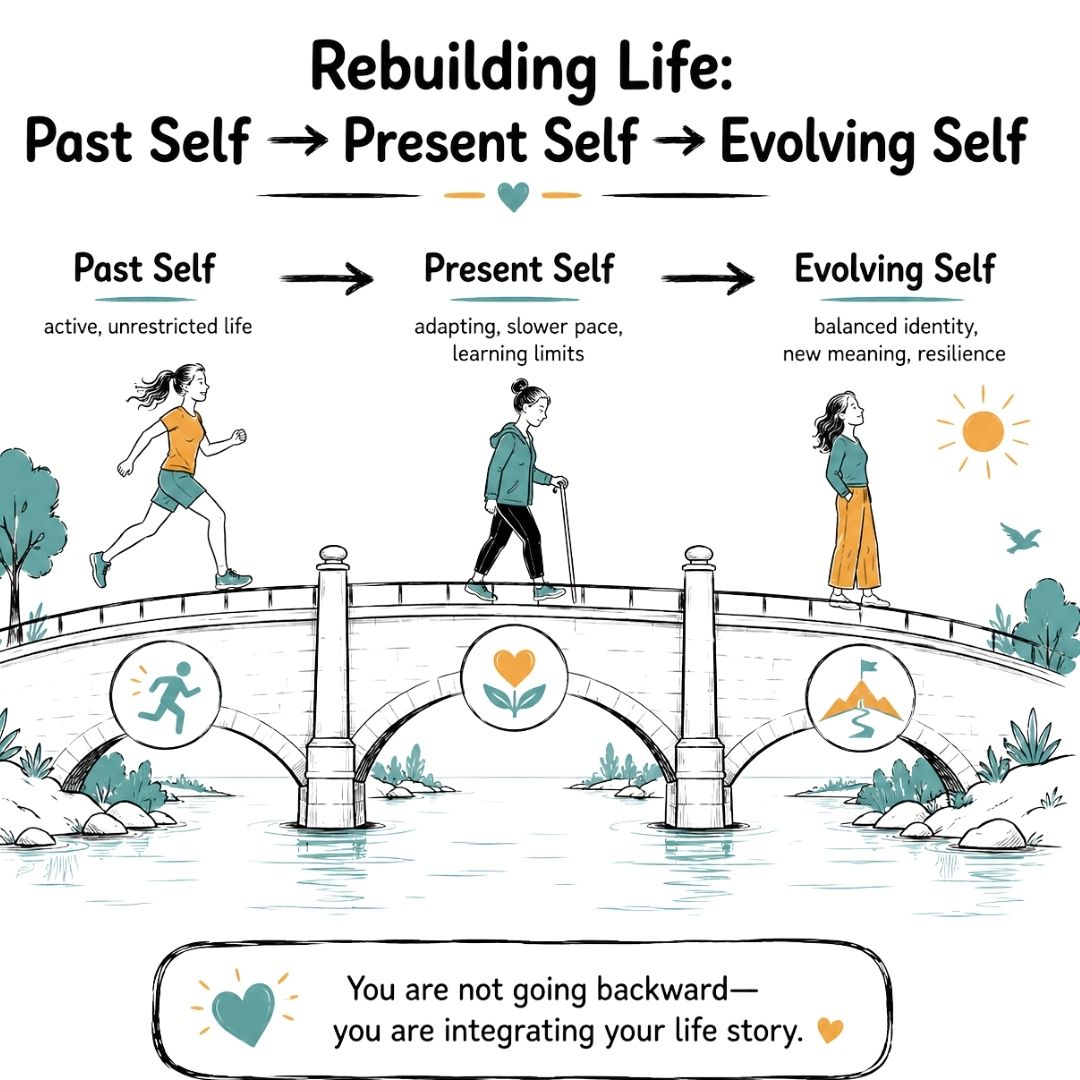
This might involve celebrating small improvements in your health while acknowledging that you're not back to your previous baseline. It could mean finding new ways to express parts of your personality that feel unchanged by cancer, even if the specific activities have shifted.
Consider what aspects of your previous self you want to carry forward and what new qualities you're discovering about yourself during this experience. This isn't about finding benefits in cancer, but rather about recognising your own adaptability and growth.
While missing your old life is a normal part of adjusting to cancer and its treatment, sometimes these feelings become overwhelming or interfere significantly with your daily functioning. If you find yourself unable to enjoy any aspects of your current life, avoiding all activities that remind you of your previous capabilities, or feeling hopeless about your future, professional support can be extremely helpful.
Many cancer centres offer counselling services specifically designed for people dealing with these adjustment challenges. Support groups, either in person or online through resources like our cancer care series, can also provide connection with others who understand these specific feelings.
Remember that seeking support doesn't mean you're not coping well: it means you're taking care of yourself during a genuinely difficult time. Professional counsellors can help you develop personalised strategies for processing grief while building hope for your future.
The process of adjusting to life during and after cancer treatment is rarely linear. You might feel accepting of your new reality one day and deeply miss your old life the next. This back-and-forth is completely normal and doesn't indicate that you're not making progress.
Be patient with yourself as you navigate this transition. Missing your old life while simultaneously building a meaningful current life is possible, and both feelings can coexist as you continue your healing journey.
We strongly advise you to talk with a health care professional about specific medical conditions and treatments.
The information on our site is meant to be helpful and educational but is not a substitute for medical advice.
Comprehensive guide to caring for bedridden loved ones. Learn how to prevent complications, ensure comfort, and maintain hygiene with practical tips.
AI Detects Early Laryngeal Cancer Through Voice Pattern Analysis, Offering Quicker, Non-Invasive, And Accurate Diagnosis.
Discover How Immunotherapy Works, Why It Doesn’t Always Succeed, and How to Improve Outcomes in This Expert-Led Webinar with Dr. Ricky Frazer