When someone you love is in the final stages of lymphoma, each moment feels precious. Recognising the symptoms of dying from lymphoma can be overwhelming, yet understanding these changes can make a meaningful difference for patients and families.
Lymphoma, a cancer of the lymphatic system, often presents differently near the end of life than it does in the earlier stages. Knowing what to expect helps families prepare, provide comfort, and ensure the best possible care.
In this guide, we explain five key symptoms that may appear as lymphoma reaches its final stages. Understanding these changes can help families offer comfort and support when it matters most.
Lymphoma is a cancer of the lymphatic system, affecting the body's natural defences. There are two main types: Hodgkin lymphoma and non-Hodgkin lymphoma. Each has its own characteristics, but both can become life-limiting if the disease progresses despite treatment. When specialists refer to “end-stage” lymphoma or “dying from lymphoma,” it means the cancer has advanced to a point where curative treatment is no longer possible. The focus then shifts to providing comfort, managing symptoms, and improving the patient’s quality of life.
At this point, lymphoma often spreads beyond the lymph nodes to organs such as the liver, bone marrow, or lungs. This progression puts a significant strain on the body. The immune system becomes weakened and organs struggle to function. These changes result in a set of symptoms that are very different from the early warning signs of lymphoma. In the beginning, people might notice swollen glands, night sweats, or mild fatigue. In contrast, the symptoms of end-stage lymphoma are far more severe, often affecting the whole body and impacting daily life.
Recognising these symptoms is vital for families and caregivers. It helps them make informed decisions about palliative care and prepare emotionally for what lies ahead. Patients may experience profound fatigue, breathlessness, confusion, and pain, which can be distressing for everyone involved. Medical teams and palliative care specialists play a crucial role at this stage, offering support and guidance for symptom control. The resource explains how Palliative Care helps people with lymphoma by managing symptoms, improving quality of life, and providing emotional and practical support for patients and their families.
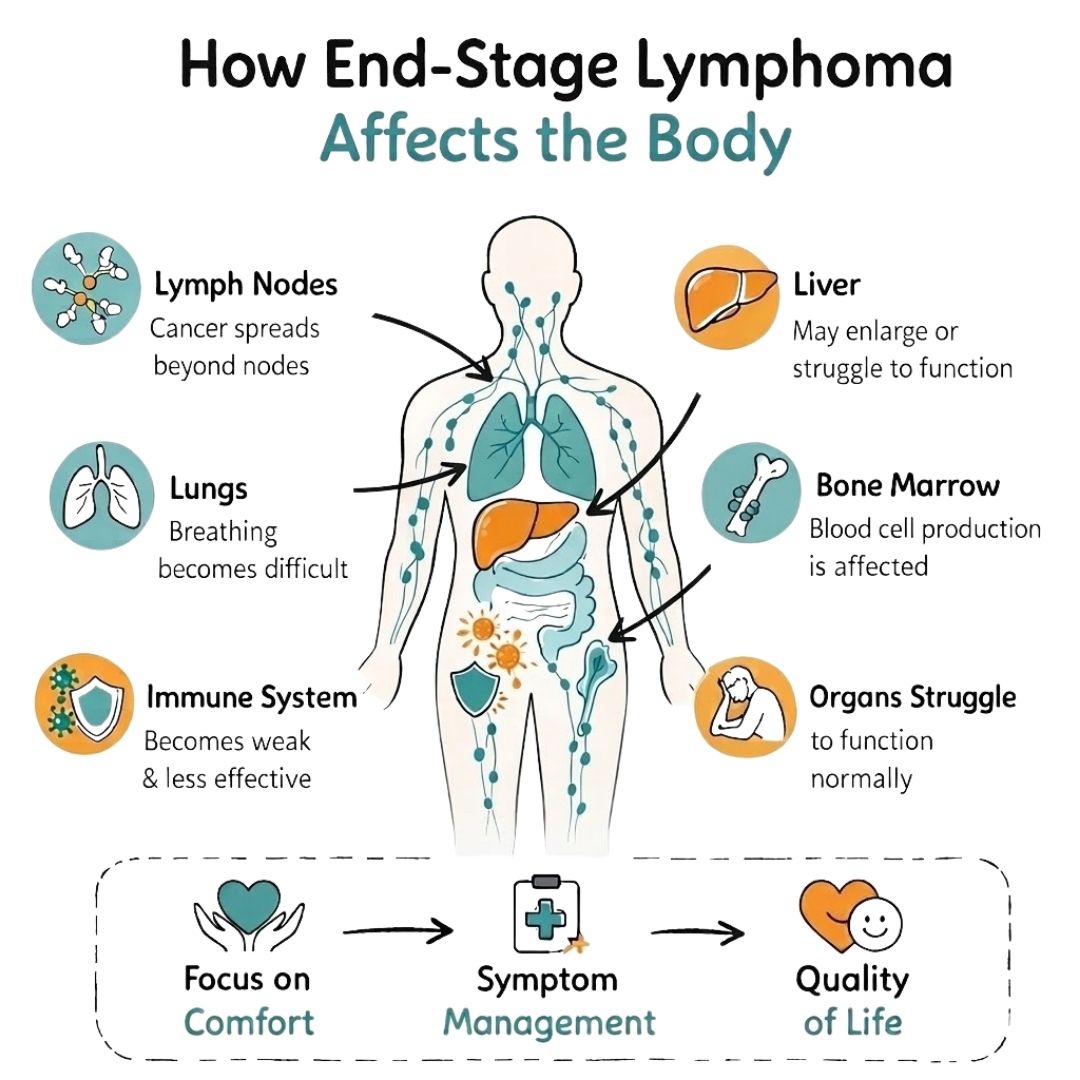
Recognising the symptoms that occurs in the final stages of lymphoma can be a deeply emotional and challenging experience for families and loved ones. As the condition progresses, these signs often become more noticeable and can affect everyone involved. Below, we explore five key symptoms that may appear in end-stage Lymphoma, along with practical ways to offer comfort and support to your loved one.
One of the most common symptoms in the final stages of lymphoma is deep, unrelenting fatigue. This is not the kind of tiredness that disappears after a good night's sleep. Instead, it is a bone-deep exhaustion that can make even simple activities like sitting up or speaking, feel impossible.
As the body works harder to cope with the disease, energy reserves are quickly depleted. This fatigue is often caused by a combination of cancer progression, anaemia, and changes in metabolism. Studies suggest that up to 98% of people with cancer experience severe fatigue in their final days.
Loved ones may notice the person spending most of their time in bed, unable to participate in conversations or enjoy favourite activities. The emotional toll is significant. Watching someone you care about become less responsive can bring feelings of helplessness and sadness. However, understanding this as one of the symptoms of the final stages of lymphoma can help families respond with compassion rather than frustration.
Caregivers can offer support by encouraging rest, helping with gentle repositioning, and focusing on moments of connection rather than activity. Supporting a loved one can feel difficult, especially when you are unsure what to say or how to help without overwhelming them. Often quiet moments together can offer more comfort than trying to find the perfect words.
In some cases, doctors may recommend medications such as steroids to provide a temporary boost in energy, but maintaining comfort remains the main priority. For those who are mostly bedbound, practical advice can greatly support comfort and care. You can find more tips on how to help someone who is bedbound in this article.
Responding with patience, empathy, and reassurance can make a meaningful difference when fatigue dominates the final days.
Breathing changes are another common symptom as lymphoma reaches its final stages. These changes can be distressing for both the person affected and their loved ones. Breathlessness may occur if enlarged lymph nodes press on the lungs, fluid builds up in the chest, or infections develop.
You might notice laboured breathing, rapid or irregular breaths, or even a rattling sound known as the "death rattle." These signs often indicate that the body is struggling to maintain normal function. Even small movements, such as talking or shifting in bed, may leave the person breathless and requiring rest.
For families, witnessing these changes can bring anxiety and fear. However, understanding that breathing changes are a natural part of the final stages of illness can help ease some of the emotional burden.
There are many ways to manage breathlessness and improve comfort. Adjusting the person’s position, supporting them with pillows, or providing a gentle breeze from a fan can sometimes bring relief. In some cases, the medical team may recommend oxygen therapy or medications to ease breathing.
Caregivers play a vital role in creating a calm environment. Reducing noise, dimming lights, and offering gentle reassurance can help lessen distress. At this stage, simply being present and supportive often means more than trying to solve the symptom itself.
As the body nears the end of life, digestive changes become more noticeable. Loss of appetite, feeling full quickly, nausea, constipation, and difficulty swallowing are all typical symptoms in the final stages of lymphoma. The body naturally begins to require less food and fluid, and metabolism slows down significantly.
It is common for families to feel worried or upset when their loved one refuse meals or eat very little. Food is often a way we express care and affection, so these changes can feel distressing or personal. However, reduced appetite is a natural part of the body’s gradual slowing down.
Trying to force food or fluids is rarely helpful and can cause greater discomfort. Instead, focus on comfort and the person’s preferences. Offer small sips of water or favourite soft foods if they wish, but allow them to guide what, when, and how much they want to eat.
Caregivers should also consult healthcare professionals if there are concerns about swallowing or choking. Digestive changes can sometimes signal that the body is approaching the final stages of life.
Here are some practical tips for managing digestive changes:
By understanding these digestive changes as part of the natural progression of advanced lymphoma, you can shift your focus from nutrition to comfort.
Pain and discomfort are among the most concerning symptoms in the final stages of lymphoma. Not everyone will experience severe pain, but for those who do, it can greatly affect quality of life. Pain may be caused by tumours pressing on nerves, bones, or organs, or as a side effect of previous treatments.
Pain can be localised or widespread, acute or chronic, and may vary in intensity throughout the day. Caregivers are encouraged to communicate openly about pain whenever possible. Even when a person is unable to speak, non-verbal signs such as grimacing, restlessness, or agitation can indicate discomfort.
Effective pain management is essential. Doctors may prescribe medications such as opioids, while non-drug interventions like gentle massage, warm packs, or relaxation techniques can also provide relief. The goal is always to maintain comfort and dignity.
Families sometimes worry about the use of strong pain medicines. However, managing pain is a compassionate and essential part of care. Palliative care teams are experienced in adjusting treatments to meet each person’s needs and ensure the best possible comfort.
Remember, pain is not inevitable in the final stages of lymphoma. With appropriate support and medical care, most people can remain comfortable. Recognising and addressing pain early helps ensure that a loved one’s final days are as peaceful as possible.
Clinical studies on pain at the end of life reveal that pain is very common in the final stages of cancer. But, proper assessment and palliative care can significantly improve pain relief.
Confusion, agitation, and changes in consciousness are common in the final stages of lymphoma, particularly during the last week of life. These changes may appear suddenly or develop gradually and often signal that the body is beginning to shut down.
There are several causes, including organ failure (such as the kidneys or liver), medication side effects, infections, or metabolic imbalances. A person may become restless, see things that are not there, or sleep for long periods. In some cases, they may not recognise loved ones or respond as they once did.
For families, witnessing these changes can be heart-breaking. It is important to distinguish between delirium from physical causes and emotional distress. If you notice sudden confusion or agitation, inform the healthcare team. They can often identify reversible causes or provide medication to ease symptoms.
Creating a calm and familiar environment can help reduce confusion. Speaking softly, keeping familiar objects nearby, and offering gentle reassurance can provide comfort. Even when someone appears unresponsive, hearing and touch may still offer reassurance.
Recognising and accepting these mental and behavioural changes in the final days of a person with lymphoma can help families respond with patience and compassion. This allows them to focus on comfort and presence rather than correction or explanation.
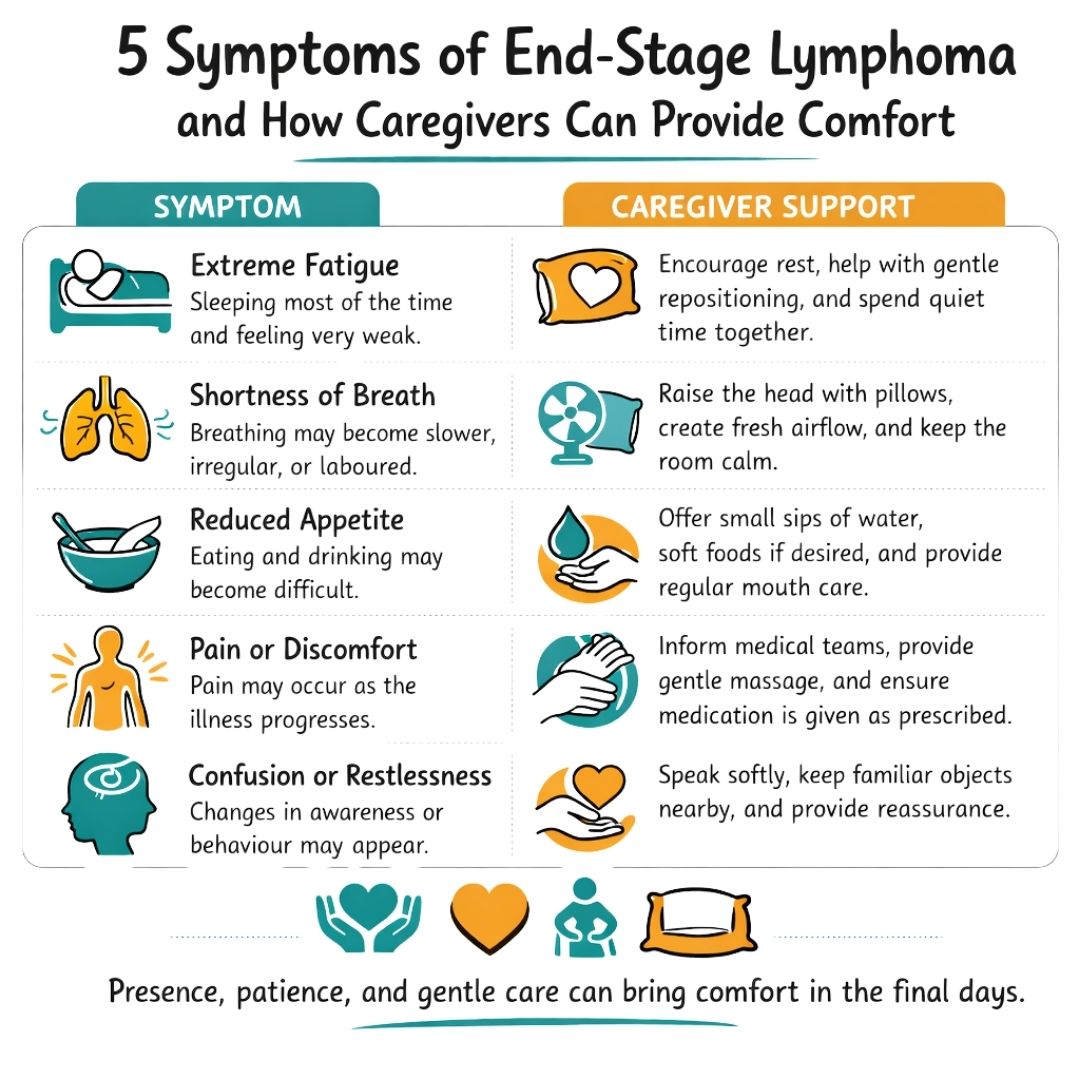
Caring for someone showing symptoms in the final stages of lymphoma can feel overwhelming and deeply emotional. Families often wonder how best to help, especially as changes become more noticeable. The most important thing is to focus on comfort, dignity, and ensuring your loved one feels supported at every stage.
Creating a calm, soothing environment can help. Simple actions such as playing favourite music, using soft lighting, or holding hands, can be comforting. Every small gestures of care can provide warmth during this difficult time, especially when words may no longer be enough.
Open Communication and Seeking Support
Talking openly with the healthcare team is essential. They can explain what to expect as symptoms of lymphoma progresses and suggest ways to manage distressing changes. If you notice increasing pain, confusion, or difficulty breathing, it is important to inform medical professionals promptly.
When symptoms become difficult to manage at home, or emotional stress grows, consider reaching out to hospice or palliative care services. These teams specialise in providing comfort-focused care while supporting both patients and their families. For practical advice on everyday challenges, How to support someone with cancer is an excellent resource.
Comfort Measures and Emotional Wellbeing
Self-care is just as important for caregivers as it is for patients. Accept offers of help from friends, family, or community groups. Take breaks, rest, and talk about your feelings with trusted people without guilt. Caring for yourself helps you recharge so you can remain present and provide the best possible care for your loved one. Hospice care has been shown to improve the quality of life for both patients and families during the final stages of illness.
Here are simple comfort measures you may try at home:
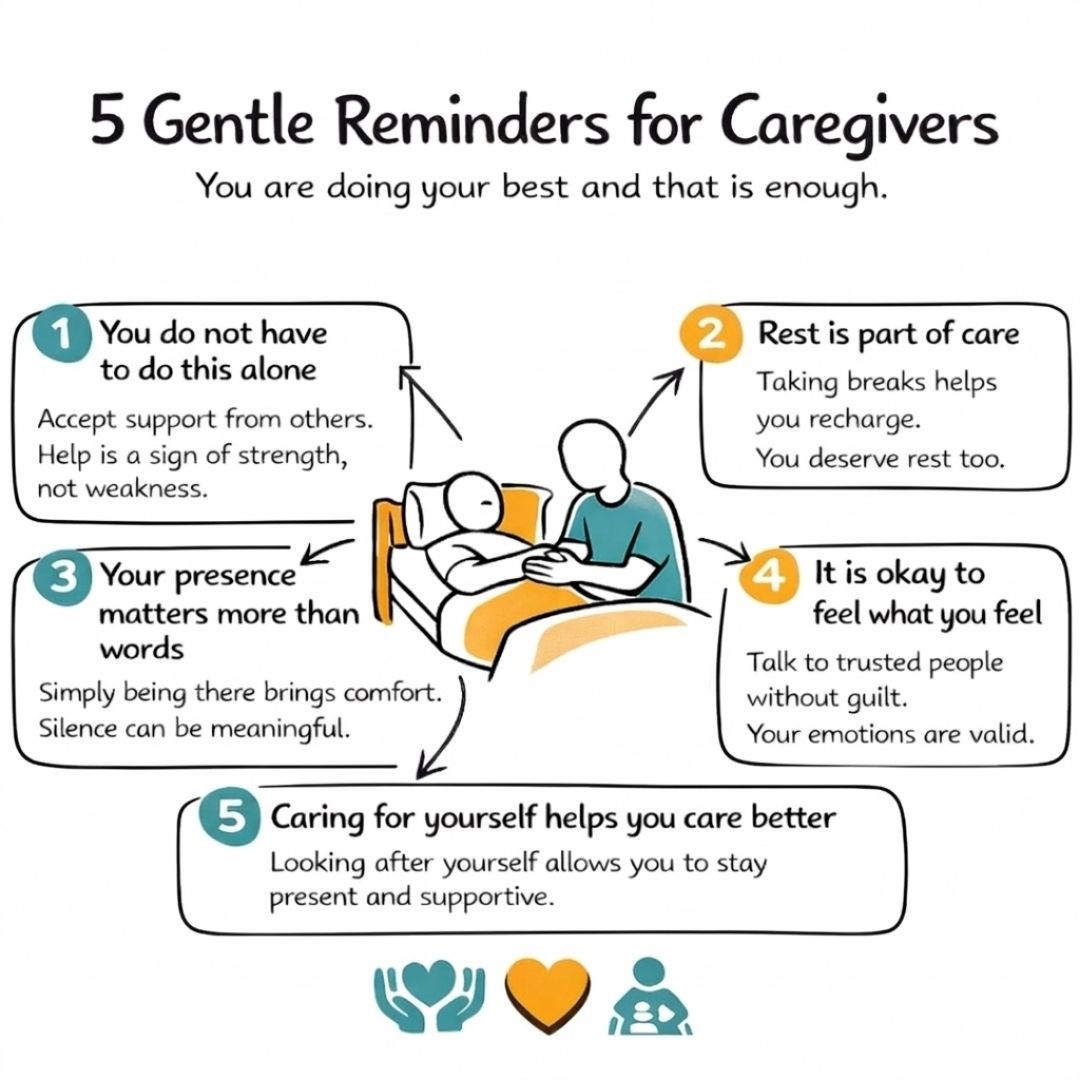
For additional support and guidance for caregivers, the resource Don't forget the caregivers provides helpful information.
How quickly do the symptoms appear?
Symptoms in the final stages of lymphoma may develop gradually over several weeks, but they can progress more quickly in the final days.
Can these symptoms be managed or reversed?
While complete reversal of the underlying disease is rare in the final stages, effective symptom management is possible with the support of palliative care teams.
Are these symptoms different from those seen in other cancers?
Yes, there can be similarities, but lymphoma may present with unique patterns, such as profound fatigue and immune suppression.
When should families seek urgent medical help?
Seek medical advice promptly if you notice sudden severe pain, difficulty breathing, or significant confusion.
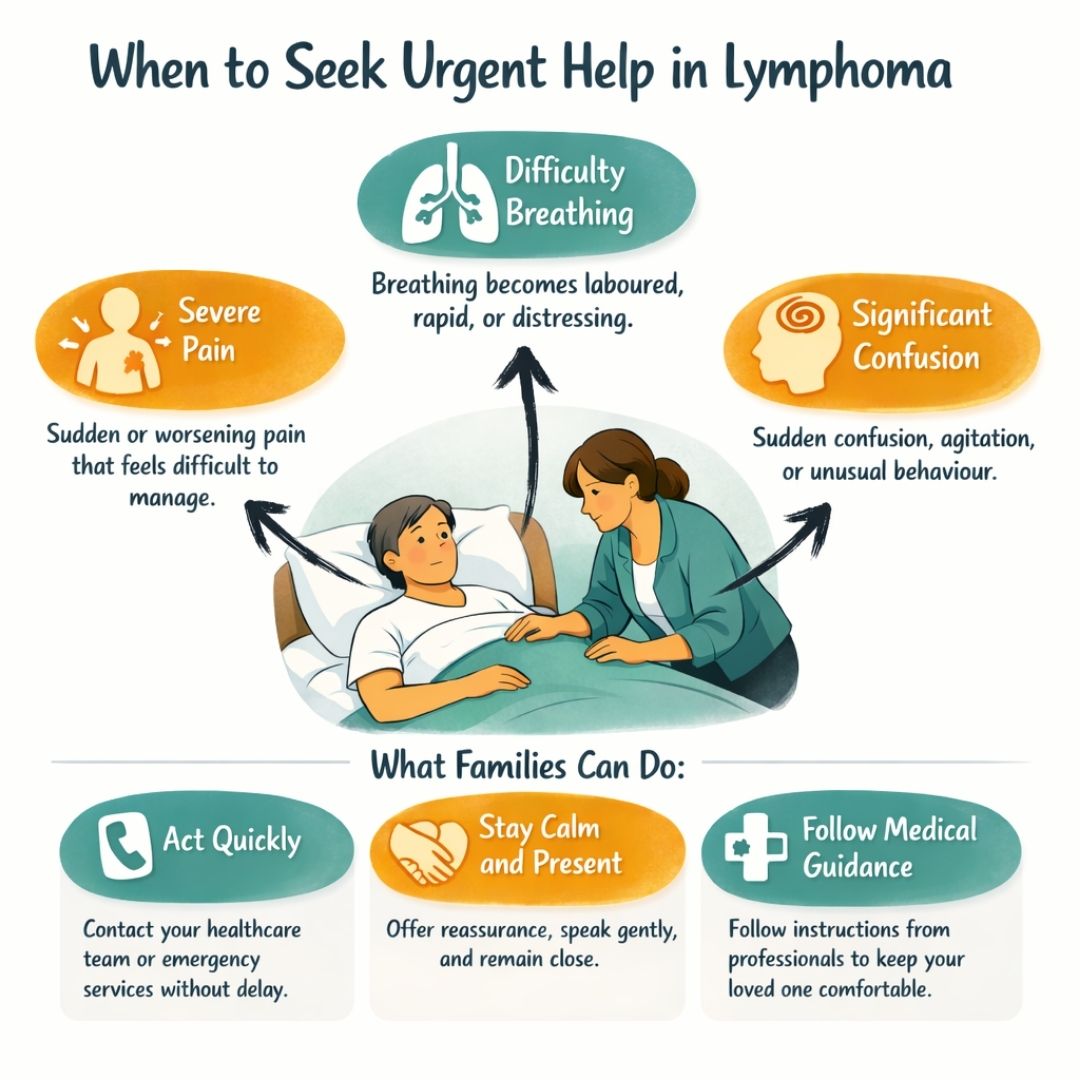
Respecting your loved one’s wishes and preparing for end-of-life decisions can bring peace of mind. You can read more on End-of-Life care here, including how families can support someone with cancer at home while focusing on comfort and providing emotional support.
We have walked through some of the toughest moments families face when a loved one is nearing the end of their lymphoma journey. If you are reading this, you might be searching for answers, comfort, or reassurance that you are not alone. At Cancer Care Parcel, we believe every person deserves to feel supported and understood, at every stage of this path. If you would like to help us continue making a meaningful difference for families like yours, please consider supporting our work by choosing to Donate. Your kindness can bring comfort and hope when it is needed most.
We strongly advise you to talk with a health care professional about specific medical conditions and treatments.
The information on our site is meant to be helpful and educational but is not a substitute for medical advice.
We have put together 6 gift ideas for a chemotherapy survivor. Including items for comfort, pampering and celebration.
CANCER! what do you think of when YOU see that word? For me, I see an evil, disgusting disease that doesn't discriminate, no matter who you are, what age, race […]
Understanding lung cancer stages helps guide treatment decisions and support personalised patient care.