Peripheral neuropathy from chemo or Chemotherapy-Induced Peripheral Neuropathy (CIPN) as it’s medically known, is a very common and often upsetting side effect of some cancer treatments. It’s the result of certain chemotherapy drugs damaging the delicate nerves outside of your brain and spinal cord, which can cause pain, numbness, or tingling, usually in your hands and feet.
Getting your head around what’s happening is the first real step towards managing it.
It helps to think of your nervous system as your body’s electrical grid. The brain and spinal cord are the main power station, sending out signals through a vast network of peripheral nerves – the 'cables' – to every single part of your body. These cables carry messages that control everything from movement and feeling to automatic jobs like breathing.
The problem is, some powerful chemotherapy drugs can't always tell the difference between a cancer cell and a healthy nerve cell. They can inadvertently damage these sensitive nerve 'cables', causing the signals to get scrambled, creating 'static', or even cutting the connection completely.
This is exactly why the strange sensations often pop up in your hands and feet first. The nerves that have to travel all the way to your fingers and toes are the longest in your body, making them the most vulnerable to this kind of disruption.
If you’re starting to feel these symptoms, please know you are not alone. CIPN is one of the more common chemotherapy side effects and it doesn't mean something has gone wrong with your cancer treatment. It’s simply a known reaction.
Studies show that around 68.1% of people report symptoms of CIPN in the first month after their chemotherapy ends. That number often drops to about 30% after six months, but it shows just how many people are living with these effects long-term.
The experience is different for everyone. For some, it might just be a bit of mild pins and needles. For others, it can be debilitating, making everyday tasks like doing up buttons, walking steadily, or even holding a cup of tea incredibly difficult.
It's so important to remember that CIPN is a recognised side effect. Never hesitate to talk to your oncology team about what you're feeling. They need to know, and they have ways to help you manage the symptoms and feel more comfortable.
To put it simply, here’s a quick overview of what CIPN is and how it might affect you.
| Concept | What It Means For You |
|---|---|
| What It Is | Damage to your peripheral nerves (the ones outside your brain and spine) caused by certain chemotherapy drugs. |
| Why It Happens | The chemotherapy drugs disrupt the signals travelling along these nerves. |
| Where You Feel It | Most often in the hands and feet, because these nerves are the longest and most fragile. |
| What It Feels Like | Symptoms can include numbness, tingling, "pins and needles," burning, weakness, or sharp, shooting pains. |
This isn't just random discomfort; there's a clear reason for the sensations you're experiencing.
Understanding why you're feeling these strange sensations can be a relief in itself. They aren’t just in your head – they are a real, physical result of your treatment interfering with your nerves.
The good news is that because CIPN is so well-understood, there are many ways to manage it.
In this guide, we’ll walk you through the practical steps you can take, from medical options to simple self-care routines. Living with peripheral neuropathy from chemo is a challenge, but with the right information and support, you can absolutely make things easier on yourself.
Figuring out what you’re feeling is the very first step toward getting the right help. The symptoms of nerve damage from chemo can be confusing and often creep up on you, but they are a very real side effect of your treatment. They generally boil down to two main types: changes in what you feel (sensory) and changes in how you move (motor). Having the essential items for chemotherapy items can significantly improve your comfort level and help you manage side effects more effectively. Consider packing things like comfortable clothing, hydration aids, and soothing items to create a more pleasant environment. Preparation can empower you during treatment and make the experience a little easier to handle.
Everyone’s experience is different. Your symptoms might be a mild annoyance that comes and goes, or they could become more persistent and severe. The most important thing is to listen to your body, pay attention to these new sensations, and know that they are genuine signs of nerve irritation.
Your sensory nerves are like messengers, sending information to your brain about touch, temperature, and pain. When chemotherapy affects these nerves, you might start to experience a whole range of strange and uncomfortable sensations, usually beginning in your fingertips and toes. Finding thoughtful gifts for cancer patients can be a meaningful way to show your support during their treatment journey. Consider items that can provide comfort and ease, such as cozy blankets, soothing teas, or personalized journals. These gifts not only offer physical comfort but also convey love and encouragement during a challenging time.
Common sensory symptoms include:
These feelings can make simple, everyday activities feel awkward and challenging. You might struggle to pick up a dropped pill, or you might find that walking on a hard floor is suddenly very uncomfortable.
While sensory symptoms are about what you feel, motor symptoms are all about your movement and muscle control. If the motor nerves are damaged, it can affect your strength, coordination, and balance. This can create new difficulties with tasks you used to do without a second thought.
This can be one of the most frustrating parts of dealing with peripheral neuropathy, as it can directly impact your day-to-day independence.
It's so important to remember that these physical challenges are not a sign of personal weakness. They are a direct result of how chemotherapy can damage the nerves that control your muscles. Acknowledging this can help you ask for support without blaming yourself.
Noticing these motor changes early on is key to helping you adapt and stay safe.
It’s one thing to read a list of medical terms, but what do these changes actually look and feel like? Often, they show up in small, subtle ways at first, making simple actions surprisingly difficult.
You might start to notice things like:
Because these symptoms can change so much, not just from person to person but even from one day to the next, it’s a great idea to keep a simple log.
Just jot down what you're feeling, where you feel it, and how it's affecting your daily life. This record is incredibly helpful. The next time you speak to your oncology team, you won’t have to rely on memory. You can give them a clear, detailed picture of what’s been going on, which helps them understand exactly what you’re dealing with and find the best ways to help. As you navigate through treatment, it’s important to remember ways to show you care for yourself and your loved ones. Simple gestures, whether it’s taking a moment for self-reflection or reaching out to friends for support, can make a significant difference. Prioritizing these actions not only enhances your well-being but also strengthens the bond with those around you.
Not everyone who has chemotherapy will get peripheral neuropathy. It's a complicated picture, and knowing what might increase your chances can help you feel more prepared and in control. This isn't about causing worry; it's about giving you the knowledge to have clear, confident conversations with your oncology team.
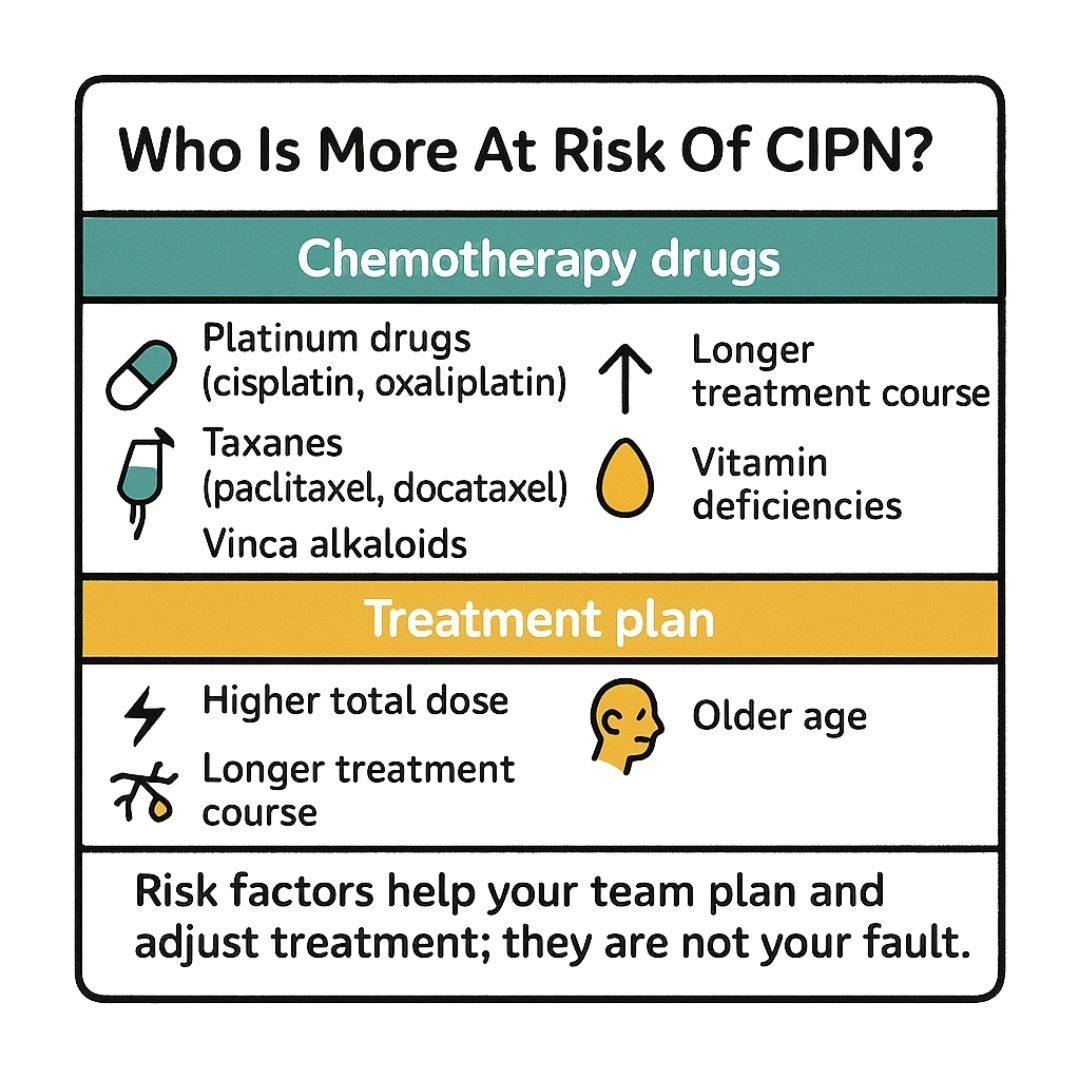
The single biggest factor in developing peripheral neuropathy from chemo is the specific type of drug used in your treatment. It's a simple truth that some drugs are harder on our nerves than others.
Certain types of chemotherapy are known to be particularly tough on peripheral nerves. You could think of it like gardening: some weedkillers are very targeted, while others are more of a broad spray that can sometimes affect the delicate plants nearby (your nerves) while dealing with the weeds (the cancer). This is why it's essential for patients to explore chemotherapy comfort strategies for patients to help manage and alleviate some of the side effects. Techniques such as mindfulness, gentle exercise, and nutritional support can create a more holistic approach to treatment. By incorporating these strategies, patients can maintain a better quality of life while navigating their chemotherapy journey.
Here are the main drug families that are commonly linked to CIPN.
The table below outlines the classes of chemotherapy agents most often associated with nerve damage, along with examples of specific drugs and the cancers they typically treat.
| Chemotherapy Drug Class | Drug Examples | Common Cancer Types Treated |
|---|---|---|
| Platinum-based drugs | Cisplatin, Carboplatin, Oxaliplatin | Colon, Ovary, Lung, Testicular |
| Taxanes | Paclitaxel, Docetaxel | Breast, Ovarian, Lung, Prostate |
| Vinca alkaloids | Vincristine, Vinblastine, Vinorelbine | Leukaemias, Lymphomas, Breast, Lung |
The risk with these drugs isn't trivial. To give you an idea, chemotherapy with oxaliplatin is linked to CIPN in 40% to 93% of patients. Similarly, treatments using paclitaxel can cause it in a staggering 61% to 92% of patients.
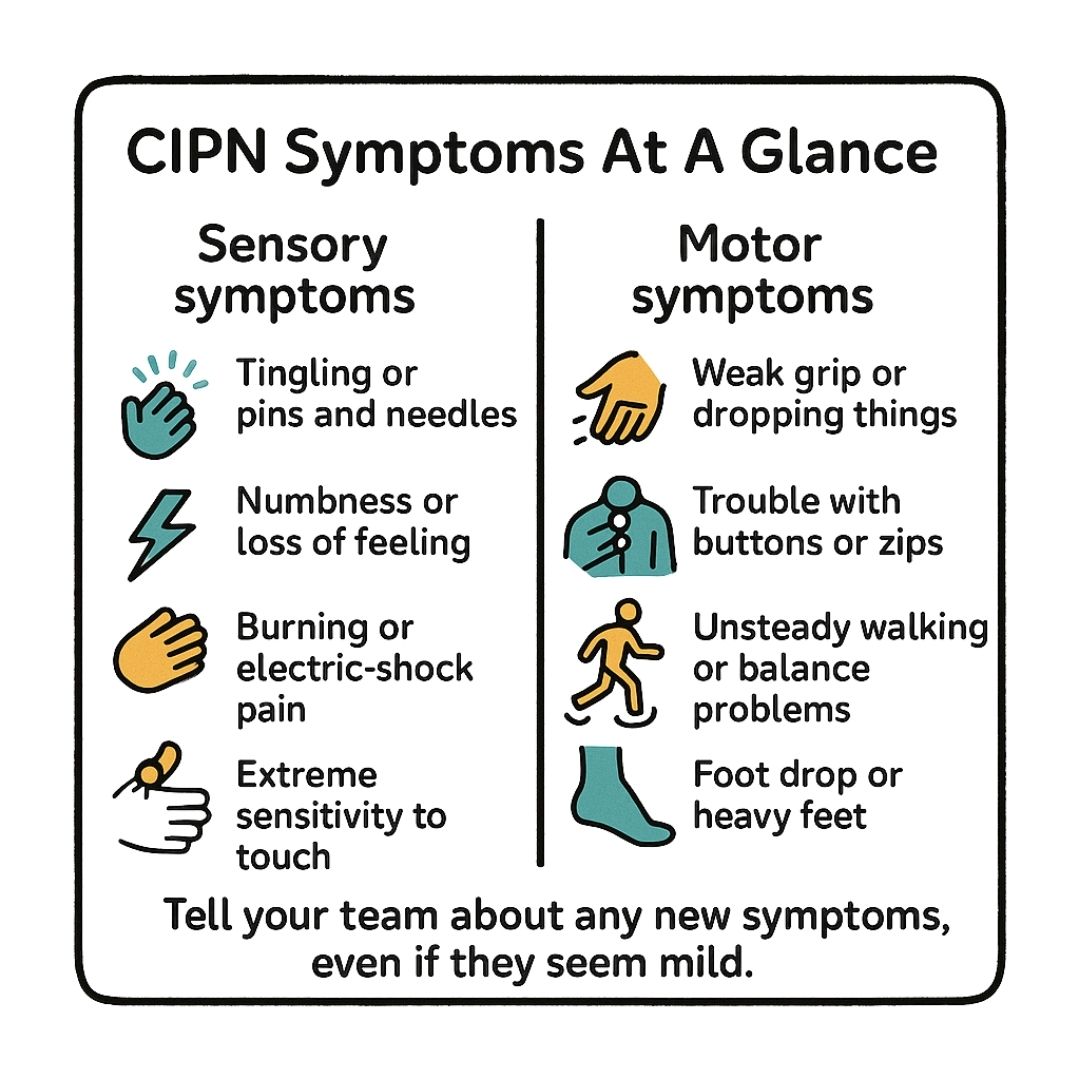
As you can see, the symptoms are broadly split into two camps: sensory issues (what you feel) and motor issues (how you move).
It's not just about which drug you're given; how it's administered matters, too. A crucial factor is the total amount of chemotherapy you receive over the entire course of your treatment, what doctors call the cumulative dose. The more your body is exposed to a particular nerve-damaging drug, the greater the chance of developing CIPN.
This is exactly why your oncology team keeps such a close eye on your symptoms. If neuropathy starts to become a problem, they might talk about adjusting the dose or tweaking the schedule. It's a constant balancing act between fighting the cancer effectively and protecting your nerves from long-term damage.
Your own health background plays a big part in your overall risk. It's not just about the treatment; it's also about how well-equipped your body is to handle it. Some of us just have a lower threshold for nerve damage because of our unique biology.
Think of your nerves as having a certain amount of resilience. Some health conditions can lower that resilience from the start, leaving them more vulnerable to the effects of chemotherapy.
Several personal factors can increase your risk:
Understanding these pieces of the puzzle helps build a clearer picture of your own situation. It gives you the power to track your symptoms, talk openly with your doctor, and be an active partner in managing your health through treatment and beyond.
Figuring out if you have peripheral neuropathy is the crucial first step toward managing it. The process might sound complex, but it almost always starts with the most powerful diagnostic tool there is: you.
You are the only person who knows exactly what you’re feeling. Your ability to describe your symptoms gives your oncology team the best possible insight into what’s happening with your nerves and, just as importantly, how it’s affecting your day-to-day life.
Your doctor’s main goal is to build a clear picture of your experience. They’ll listen closely to how you describe the sensations and will probably ask some specific questions to fill in the gaps.
They'll likely want to know things like:
Believe it or not, your honest answers to these questions are often more valuable than any high-tech scan. It’s all about understanding how severe the symptoms are and how much they get in the way of your life, as this will shape your entire treatment plan.
After you’ve talked through your symptoms, your doctor or nurse will usually do a few simple, hands-on tests. Don’t worry – these aren't painful or invasive. They’re just straightforward checks to see how well your nerves are sending and receiving signals.
These quick assessments help confirm what your symptoms are already telling them. They also give your team a baseline, so they can track whether things are changing over time. Think of it as a physical check-in, much like how blood tests are used in laboratory medicine to monitor what's going on inside the body.
The physical exam for neuropathy is pretty straightforward. It’s all about checking your reflexes, your muscle strength, and what you can feel.
Your doctor or specialist nurse might:
For most people, this combination of your story and these simple physical tests is all that’s needed to diagnose peripheral neuropathy from chemo. Once they have a clear picture, your team can start putting together a plan to help you feel more comfortable and get back to doing the things you love.
Living with the pins and needles or numbness of peripheral neuropathy from chemo can feel like a constant battle, but please know you're not powerless. There’s a whole host of strategies that can help soothe your nerves and bring back a sense of normality. The trick is to find the right blend of approaches that works just for you.
Think of it as putting together your own personal toolkit for nerve pain. This kit will likely include a mix of medical treatments from your doctor alongside non-drug therapies that boost your body’s overall wellbeing. A plan that’s tailored to you, developed with your oncology team, is by far the best way to regain comfort and feel more in control.
When nerve pain just won’t let up, your doctor might suggest certain medications to help get the symptoms under control. It's important to understand that these aren't your typical painkillers, which often don't touch nerve-related pain. Instead, these are specific drugs designed to calm the haywire pain signals firing through your nervous system.
The most common options include:
Remember, these medications often need a bit of time to start working. Finding the right one and the correct dose can involve some trial and error, so keeping an open dialogue with your medical team is key. If you want to dive deeper, our guide on managing cancer pain has more detailed information.
Beyond the pharmacy, many hands-on therapies can make a world of difference to your symptoms and day-to-day life. These approaches are all about physical rehabilitation and gentle stimulation, supporting your body’s natural healing processes and helping you adapt to any new limitations.
A combined approach is often the most successful. It’s not about choosing between medicine or physical therapy, but about seeing how they can work together to provide the most relief from your symptoms.
Physiotherapy and occupational therapy are the cornerstones here. A therapist can create a programme just for you, helping to rebuild strength, improve your balance, and find clever new ways to do daily tasks that have become tricky.
Many people find that adding complementary therapies to their routine brings an extra layer of comfort and improves their sense of wellbeing. These practices can help with pain, lower stress, and boost circulation, all incredibly helpful when you're dealing with neuropathy.
Some of the most popular and well-regarded options include:
Before you start any new treatment or therapy, it's absolutely essential to have a chat with your oncology team. They can give you the green light and advise on what’s safe and suitable for you, making sure it doesn’t clash with your main cancer treatment. By working together, you can build a supportive and effective plan that truly meets your needs and helps you feel better.
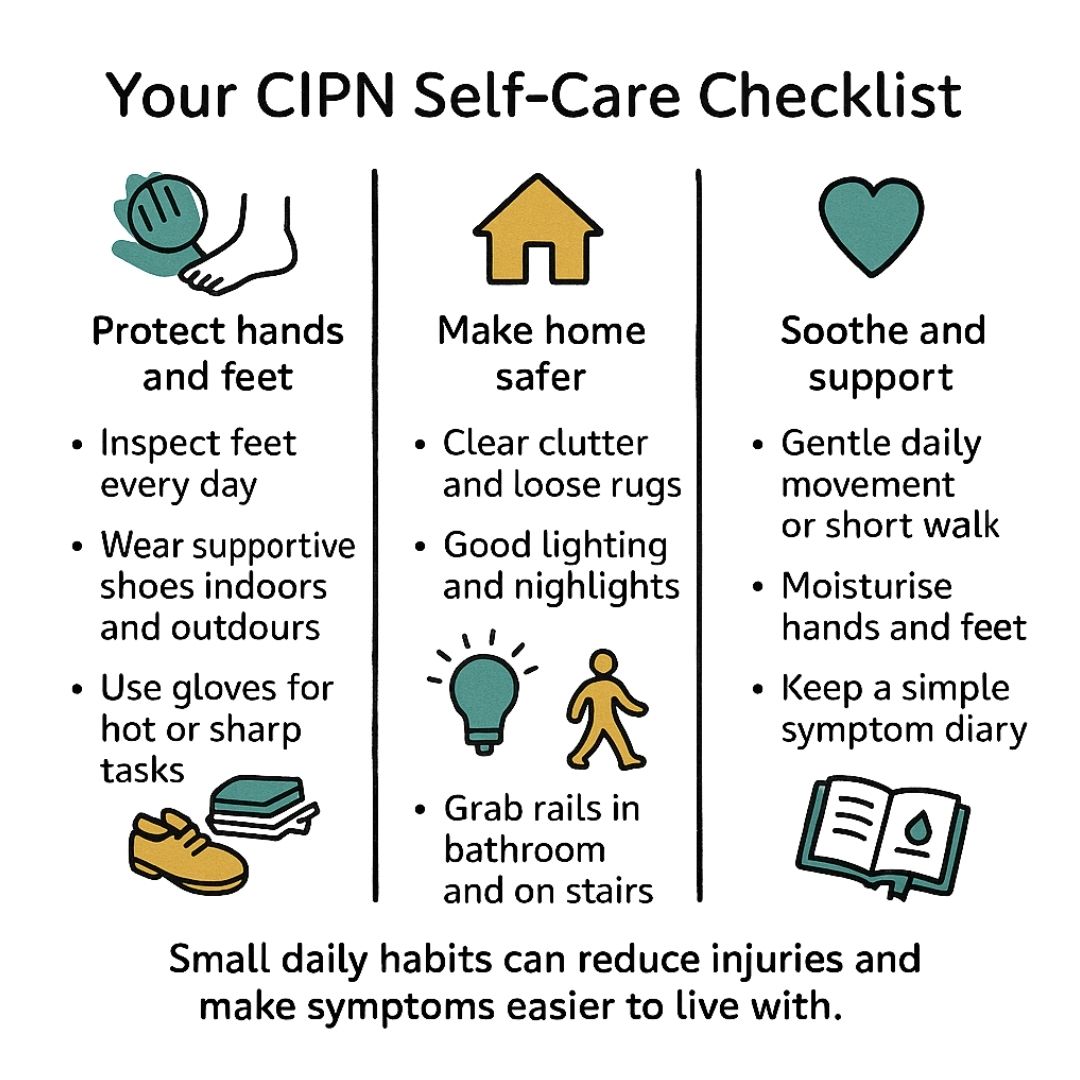
Living with peripheral neuropathy from chemo often comes down to making small, smart adjustments to your daily routine. Think of these practical changes not as limitations, but as tools that empower you to stay safe, comfortable, and in control of your surroundings.
When your hands and feet don't give you reliable feedback about pressure, temperature, or pain, you have to become more mindful. Using your eyes and building thoughtful new habits is the key to protecting yourself.
A few simple, consistent self-care practices can make a world of difference in preventing injuries and managing discomfort, helping you navigate your day with much more confidence.
Since your hands and feet are usually where CIPN makes itself known first, they deserve some extra attention. You might not feel a small cut or a blister forming, which makes daily checks your best line of defence against infections or bigger problems.
Getting into a simple routine is easy:
These habits quickly become second nature and provide a powerful layer of protection.
Numbness and weakness, particularly in the feet, can throw your balance off and increase the risk of a fall. Thankfully, a few straightforward modifications around your home can dramatically boost your safety and help you move with confidence.
Take a walk through your home and look for common trip hazards.
By proactively adapting your living space, you're not just preventing falls; you're creating a secure foundation that supports your independence and peace of mind throughout your treatment and recovery.
Here are some simple but effective home adjustments to consider:
Beyond just safety measures, there are gentle ways you can soothe discomfort and keep your limbs functioning as well as possible. Gentle movement is a great start, as it encourages blood flow to the nerves. For some more structured ideas, you might find these exercise tips for cancer patients really helpful.
It's also worth thinking about tools that can help with the general discomfort and anxiety that often come with a chronic condition like CIPN. Some people find comfort by exploring the benefits of weighted blankets for adults.
Finally, never underestimate the power of gentle massage. Using a good moisturising lotion, take a few minutes to gently rub your hands and feet. This can soothe aching muscles and improve circulation. These small acts of self-care are about more than just safety; they’re about protecting your comfort and quality of life.
Going through chemotherapy is tough, and dealing with side effects like peripheral neuropathy afterwards can leave you with a lot of questions. It's completely normal to wonder what comes next. Let's walk through some of the most common concerns people have, with clear, straightforward answers to help you on your way. One important aspect of your recovery journey is focusing on nutrition tips for chemotherapy recovery. Eating a balanced diet rich in vitamins and minerals can help strengthen your body and support healing. It’s also beneficial to stay hydrated and include foods that can help alleviate some side effects you might still be experiencing.
This is often the first question on everyone's mind. For many people, the answer is yes – the symptoms do get better or even disappear entirely, usually within 6 to 12 months after finishing treatment.
However, it’s also true that for some, the nerve damage can be long-lasting. Whether your symptoms improve depends on a few things: the type of chemo drugs you had, the total dose, and how severe the neuropathy was to begin with. Your oncology team can give you a much clearer picture of what to expect based on your specific situation and help you find ways to support your body's recovery.
Everyone’s recovery journey is different. While we have general timelines, your personal experience is what truly counts. The best things you can do are to be patient with your body and keep an open line of communication with your care team.
Right now, there isn't a single, guaranteed way to stop CIPN from happening. It's an area of active research, but for the moment, the best defence is a good offence: paying close attention to your body and speaking up early.
Letting your oncology team know the moment you notice any symptoms is absolutely vital. This gives them the chance to step in. They might adjust your chemo dose or schedule, which can often stop the neuropathy from getting any worse.
Always have a chat with your oncologist before trying any preventative measures on your own, like supplements or alternative therapies. Some of these can actually interfere with your chemotherapy, so it's crucial to get their professional advice first. Managing side effects of chemotherapy can be challenging, and your oncologist can guide you on the best practices to alleviate symptoms. They can also recommend supportive care options that won't interfere with your treatment. Additionally, understanding the potential interactions of certain supplements or therapies is essential for your health throughout this process. In addition to consulting with your oncologist, it's beneficial to familiarize yourself with chemotherapy side effects management tips that can enhance your overall well-being. Dietary adjustments, adequate hydration, and proper rest are crucial components to help minimize discomfort during treatment. Engaging with support groups or resources tailored for those undergoing chemotherapy can also provide valuable insights and emotional support.
The simple answer is: right away. Don’t wait for your next appointment if you notice anything new or if existing symptoms are getting worse.
It's particularly important to get in touch if the neuropathy is starting to get in the way of your daily life. This could be anything from struggling to do up buttons or hold a pen, feeling unsteady on your feet, or experiencing pain that’s disrupting your sleep and mood.
Reporting symptoms early allows your team to:
Please never think a symptom is too small or silly to bring up. Being proactive is the single most important thing you can do to manage peripheral neuropathy and get the best possible care.
We strongly advise you to talk with a health care professional about specific medical conditions and treatments.
The information on our site is meant to be helpful and educational but is not a substitute for medical advice.
A woman with cancer is different. Her type of cancer, personality and support network are all unique, so what you give her should be too.
Gentle, Practical Guidance To Help Navigate Relationships While Living With Cancer. Discover How To Set Boundaries, Ask For Support, And Maintain Connection Without Guilt Or Pressure.
I design a variety of products which fundamentally help people in their daily lives. This could be aiding people emotionally, practically or generally.