A cancer diagnosis should not equate to pausing your dreams or putting your life on hold. For many students, continuing their education through treatment can provide a much-needed sense of purpose, stability, and connection. Academic institutions have a unique and vital role to play not only in making space for those diagnosed with cancer but in empowering them to choose whether they wish to pause, continue, or adjust their studies. It should never be a foregone conclusion that illness must end a student’s academic journey. The power of choice must remain in the hands of the student, and it is the responsibility of educational systems to ensure that support, access, and dignity are built into that choice.
This article explores how universities, colleges, and other academic institutions can create environments that actively support students with cancer not through sympathy alone, but through structural compassion, policy clarity, and proactive care.
Cancer treatments like chemotherapy, radiation, or surgery often result in fatigue, immune suppression, and unpredictable schedules. Students may miss lectures or need to rest for extended periods. For this reason, flexibility is not a luxury but a necessity.
Academic institutions can support students by:
These accommodations allow students to prioritise their health while staying connected to academic life. Importantly, this flexibility should be integrated into institutional policy and offered early, not just when asked for.

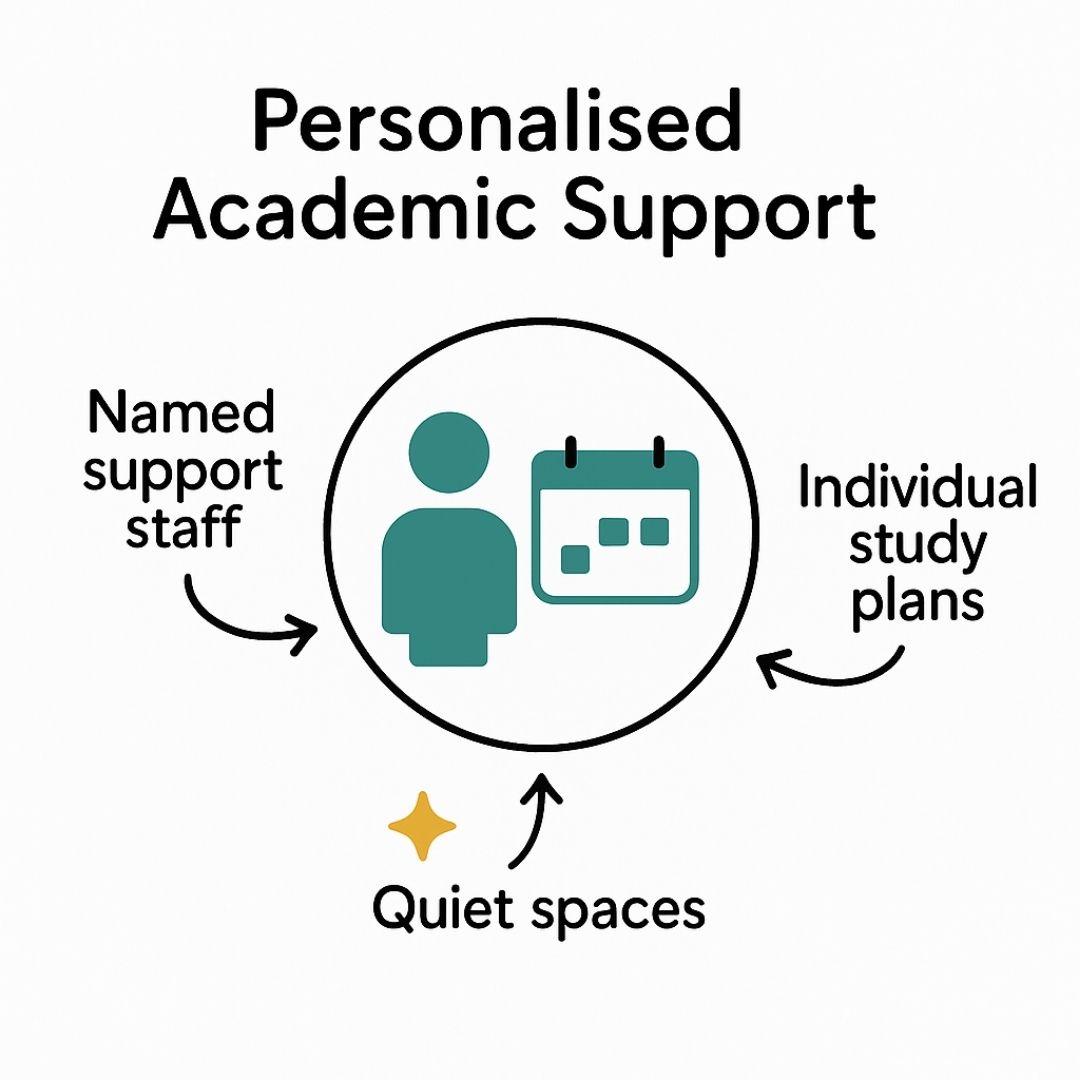
Cancer care is unique to each individual, so academic support should be, too. A student undergoing intensive treatment has very different needs from someone in long-term remission or recovering from surgery.
Institutions can provide tailored academic support by:
This level of planning reduces the emotional and administrative burden on the student, freeing up energy for both healing and learning.
A cancer diagnosis, especially during student life, can be mentally and emotionally overwhelming. Worries about health, academic progress, social life, and the future often coexist. Institutions must ensure emotional care is available and accessible.
Effective strategies include:
These services help reduce isolation, promote coping strategies, and ensure students feel seen beyond their diagnosis.
Not every student is aware that cancer can qualify as a disability under national or institutional policy. Without accessible information, students may not know their rights or what help is available.
Institutions can make a difference by:
Inclusive policies create security and consistency, turning what could be a confusing process into one where students feel protected and empowered.
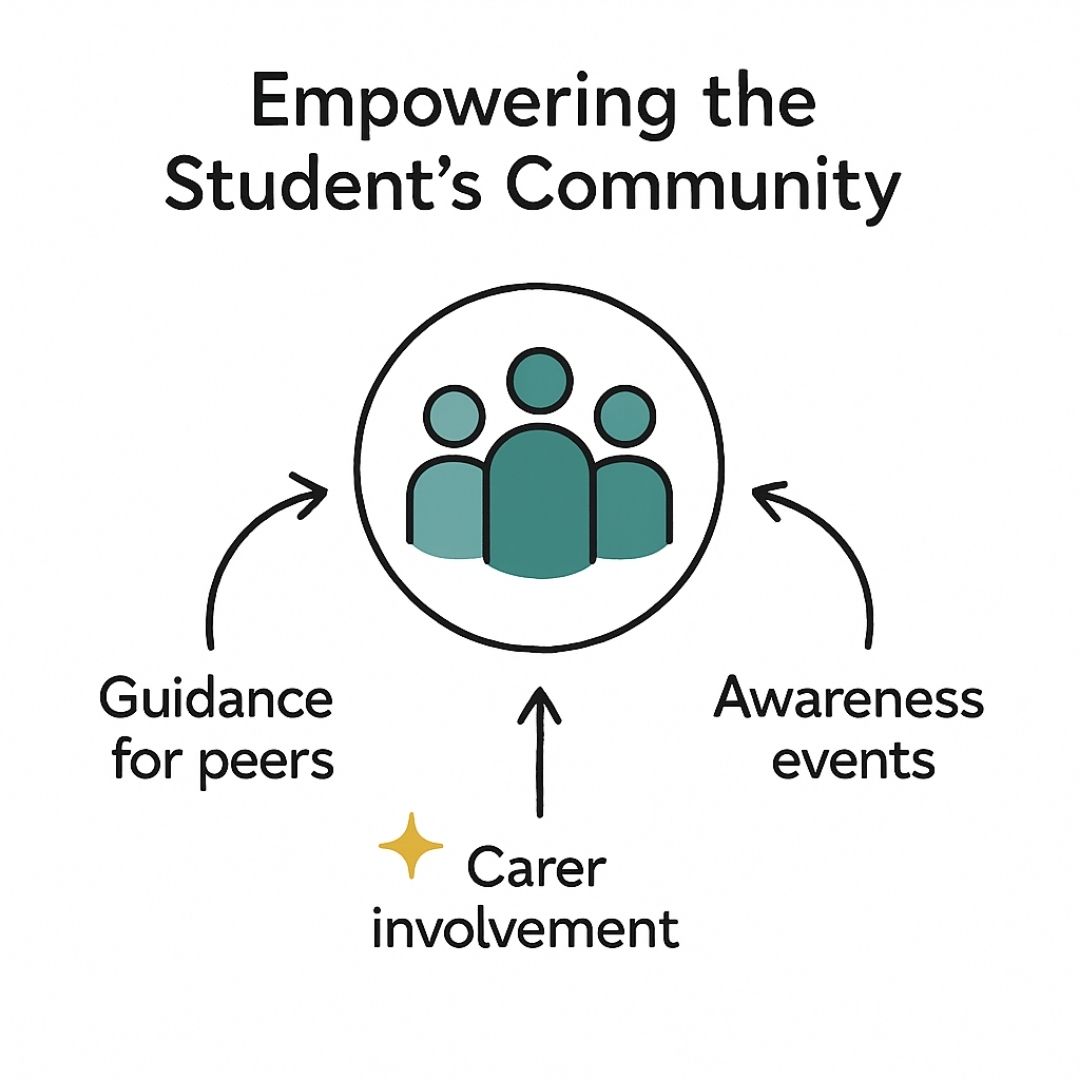
A cancer diagnosis not only affects the student, but it can also impact their peers, group dynamics, and social identity. Institutions should cultivate a compassionate culture where students with cancer feel included, not excluded.
They can do this by:
By engaging the whole campus community, institutions shift the narrative from isolation to solidarity and ensure students don’t face their journey alone.
The journey of a student with cancer is often complex, but it should never be one of exclusion or silence. Academic institutions hold great power to either open or close the door to opportunity, depending on how they structure support.
By integrating flexibility, personalised care, mental health services, inclusive policies, and community empowerment into their approach, institutions can offer not just access but dignity, choice, and belonging.
Cancer should never dictate whether a student gets to pursue their education. But for them to have that power of choice, the academic system must stand beside them, not behind.
Edited by: Katheeja Imani
We strongly advise you to talk with a health care professional about specific medical conditions and treatments.
The information on our site is meant to be helpful and educational but is not a substitute for medical advice.
Cooking For Chemotherapy (Chef Ryan) Specializes In Helping Cancer Fighters Overcome Many Eating-Related Chemotherapy Side-Effects.
Explore Effective Mental Health Support Strategies For Cancer Patients. Learn How To Cope And Manage Emotional Well-Being During And After Treatment.
Preparing4Care have recognized that the person best placed to provide information about their likes, wishes and preferences is the individual themselves