A lymphatic drainage massage is a specialised, incredibly gentle therapy that helps your body’s natural waste-disposal system do its job. It’s nothing like a deep tissue massage; instead, it uses very light, rhythmic strokes to get lymph fluid moving. This is particularly important for reducing swelling and helping you heal, especially after cancer treatments.
Think of your lymphatic system as a network of quiet, flowing rivers running through your body. These rivers are responsible for clearing out waste, toxins, and extra fluid from your tissues, and they play a massive part in keeping your immune system healthy.
Sometimes, cancer and its treatments—like surgery or radiation—can create "dams" in these rivers, causing fluid to get stuck. This backup can lead to uncomfortable swelling, heaviness, and tightness, a condition you might know as lymphoedema.
A lymphatic drainage massage, often called Manual Lymphatic Drainage (MLD), is designed specifically to get this fluid flowing again. It's not about working on muscles. The therapist uses incredibly light, precise hand movements to gently stretch the skin. This subtle touch encourages the tiny lymphatic vessels just below the surface to open up and guide the stagnant fluid towards healthy lymph nodes, where it can be filtered and dealt with properly.
The biggest difference is the pressure and the goal. A deep tissue massage digs into your muscles to release tension, but MLD is all about the fluid system. The touch is exceptionally light—almost feathery—which makes it a safe and genuinely comforting therapy during recovery.
This gentle approach is crucial. Too much pressure would simply squash the delicate lymph vessels, which would defeat the whole purpose of the treatment.
The technique itself is highly specialised. It was first developed by Danish doctors back in the 1930s, who focused on rhythmic, gentle hand movements to stimulate lymph flow using pressure of less than 9 ounces per square inch. This pioneering method is now a standard part of physiotherapy and post-operative care worldwide.
A lymphatic drainage massage doesn't force fluid out. Instead, it gently coaxes your body's natural pathways to remember how to flow correctly. It's a supportive therapy that works with your system, not against it.
This therapy has become a cornerstone of care for many people navigating life after a cancer diagnosis. To get a better handle on this vital system, you can explore our detailed guide here: https://cancercareparcel.com/the-lymph-and-the-short-of-it/.
Understanding the broader context of cancer awareness can also be helpful, and resources like World Cancer Day offer some brilliant insights into the global effort.
To really grasp why a lymphatic drainage massage can be so helpful, we first need to look at how cancer treatments can throw a spanner in the works of your body’s fluid management system.
Picture your lymphatic system as a complex network of tiny rivers, with lymph nodes acting as crucial filtration plants. These rivers carry a clear fluid called lymph, which is packed with white blood cells, picking up and filtering out waste and unwanted invaders from your body's tissues. It's a vital part of your immune defence, working away in the background to keep you well.
The problem is, the very treatments designed to fight cancer—like surgery and radiation—can sometimes put up dams and blockages in these rivers.
When the pathways get damaged or removed, the fluid can’t flow freely. This creates a sort of traffic jam, causing fluid to pool in the surrounding tissues. The result is a condition called lymphoedema, which often brings swelling, discomfort, and a heavy feeling.
During surgery for cancers like breast, pelvic, or head and neck cancer, surgeons often need to remove lymph nodes to see if the cancer has spread. This is known as a lymph node dissection or biopsy. While it’s a critical part of staging and treating the cancer, removing these "filtration plants" essentially closes off major routes in the lymphatic network.
It’s a bit like shutting down a key junction on a motorway. All the traffic—the lymph fluid—that would normally flow through has to find smaller, alternative routes. If these detours can’t cope with the volume, you get a backlog, and fluid builds up in the arm, leg, or other affected area.
The risk of developing lymphoedema after surgery can vary quite a bit. For example, after a full axillary (armpit) lymph node dissection for breast cancer, the risk is estimated to be around 15-25%. Knowing this really puts the need for proactive care into perspective.
Radiation therapy uses powerful energy beams to kill cancer cells, but it can also damage the healthy tissues nearby. When the radiation beam passes through areas rich in lymph nodes and vessels, it can cause inflammation which then leads to scarring.
This scarring, called fibrosis, makes the delicate lymphatic vessels tough and narrow. To go back to our motorway analogy, this is like having permanent roadworks that shrink a three-lane motorway down to a single, congested lane. The flow of lymph slows to a crawl, and over time, this bottleneck can cause or worsen swelling.
To give you a clearer picture, this infographic shows how gentle massage techniques work to get things moving again when the system is struggling.
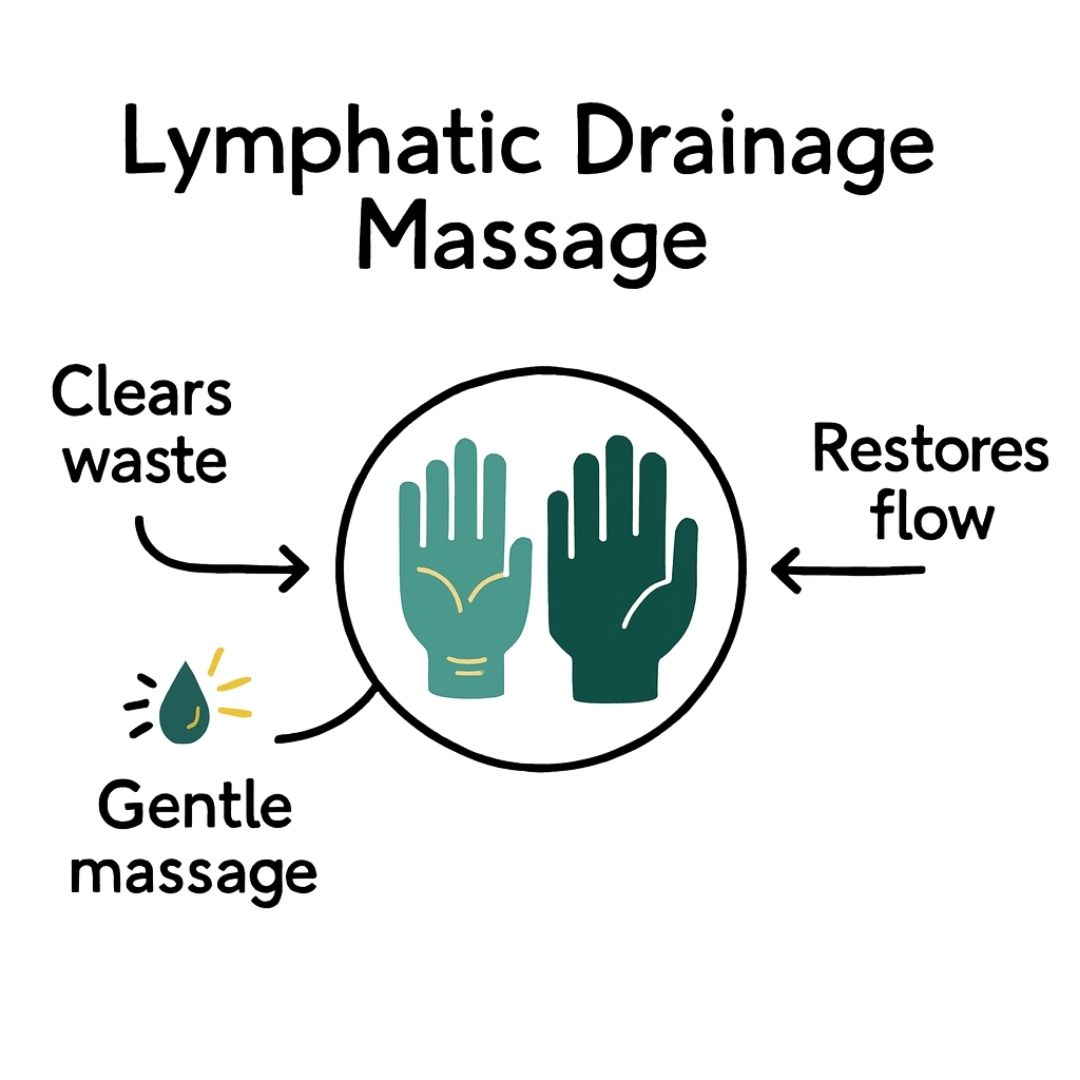
As you can see, the aim is to support the body’s natural processes to manage the fluid build-up caused by these treatment-related roadblocks.
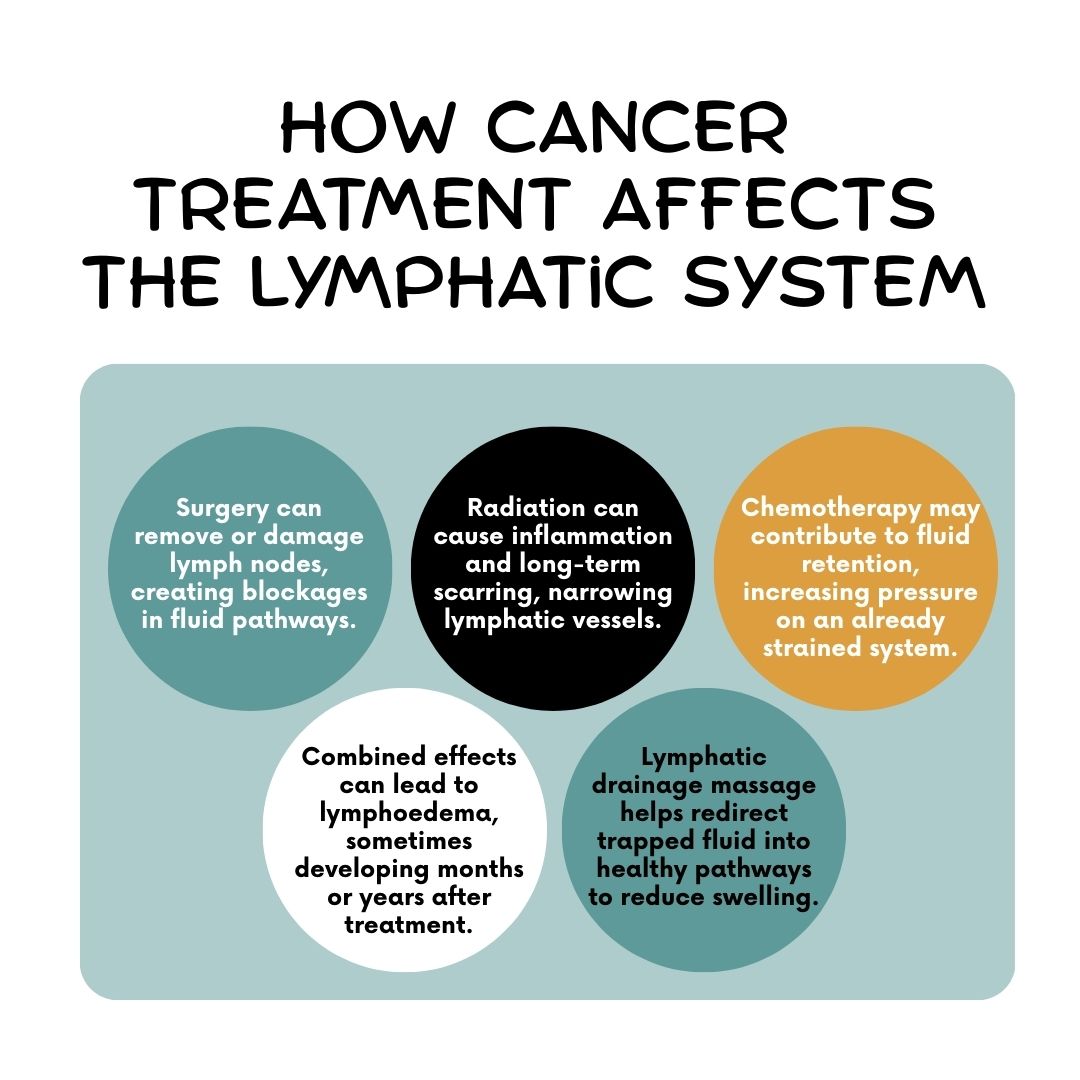
The table below summarises how some of the most common cancer treatments can interfere with the lymphatic system.
| Cancer Treatment | Mechanism of Lymphatic Disruption | Commonly Affected Areas |
|---|---|---|
| Surgery | Removal of lymph nodes (lymphadenectomy) severs key drainage pathways. | Arm (breast cancer), leg (pelvic cancers), head/neck (head and neck cancers). |
| Radiation Therapy | Causes inflammation and scarring (fibrosis), which narrows or blocks lymphatic vessels. | The specific area being treated, such as the chest, armpit, pelvis, or groin. |
| Chemotherapy | Can sometimes cause fluid retention, adding extra strain to a compromised lymphatic system. | Generalised swelling, but can be more pronounced in areas already at risk. |
Understanding these specific impacts helps to explain why symptoms can appear and why managing them is so important for long-term comfort and health.
It’s not uncommon for surgery and radiation to be used together, which can unfortunately increase the risk of lymphatic problems. Someone might have lymph nodes removed and then receive radiation to the same area, putting a double strain on the system.
What’s also crucial to understand is that lymphoedema doesn’t always show up straight away. It can develop months, or even years, after treatment has finished. This happens because the cumulative damage eventually overwhelms the lymphatic system's ability to cope. This delayed start is exactly why staying vigilant and monitoring for changes is so important. If you want to explore this further, you can find more on understanding and managing lymphoedema in oncology patients.
Once you see how these essential treatments can create these particular challenges, the role of a lymphatic drainage massage becomes much clearer. It’s not just a nice, relaxing massage; it's a highly specific technique designed to manually coax fluid away from congested areas and towards healthy, working lymphatic pathways, helping your body map out a new way forward.
When you're navigating recovery from cancer, you look for things that genuinely help. Manual Lymphatic Drainage (MLD) is more than just a massage; it's a specialised therapy that offers real, tangible benefits, helping to ease physical symptoms and bring a sense of well-being when you need it most.
One of the first things people notice is how effective it is at reducing post-surgical swelling. After any operation, it's completely normal for the area to become puffy with inflammation and fluid. MLD works by gently coaxing that excess lymph fluid away from the surgical site and back into circulation, which can make the area feel less tight and much more comfortable.
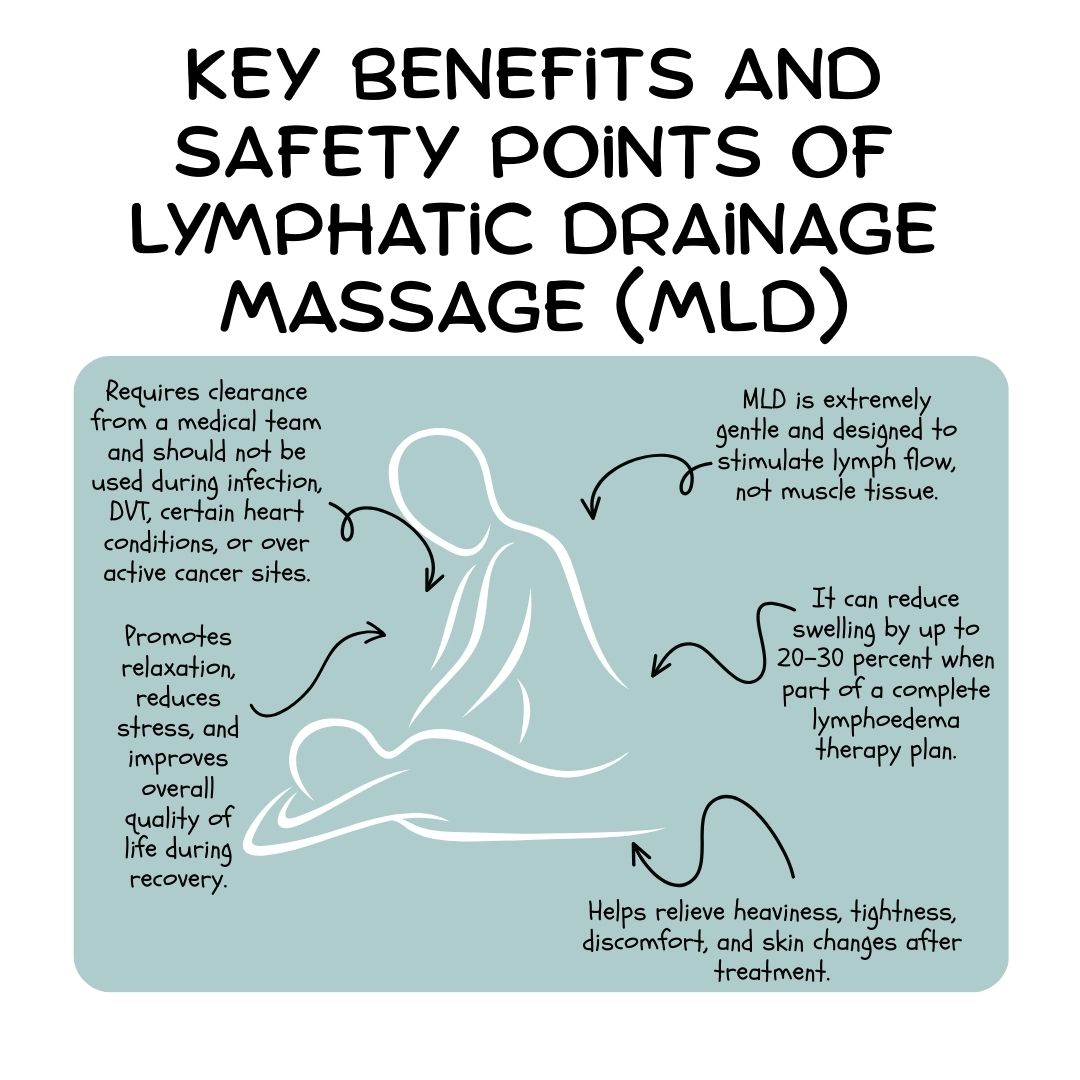
But this isn't just about comfort—it's a crucial part of managing the risk of lymphoedema, a chronic swelling condition. Lymphoedema affects a significant number of people, many of whom develop it after cancer treatment. When used as part of a complete therapy plan, clinical trials have shown MLD can reduce limb swelling by up to 20-30%. You can explore the research on lymphedema treatment in the UK to see the evidence for yourself.
After treatment, it's common to feel a sense of heaviness, tightness, or a dull ache in the affected area. MLD gets right to the heart of this by easing the pressure from that trapped fluid. Many people describe a wonderful feeling of lightness and relief afterwards.
The gentle stimulation is also fantastic for your skin. When fluid hangs around, it can make the skin feel tight, fragile, and stretched. By getting things moving again, MLD helps bring vital oxygen and nutrients back to the tissues, keeping your skin more supple and resilient.
MLD is a profoundly relaxing experience. The slow, rhythmic, and gentle nature of the massage helps to calm the nervous system, which can be particularly beneficial when dealing with the stress and anxiety that often accompany a cancer diagnosis and treatment.
This calming effect is a huge benefit in its own right. It creates a quiet space to reconnect with your body in a positive, nurturing way, which can be so powerful in countering the physical and emotional toll of recovery.
At the end of the day, any supportive therapy should improve your daily life. That’s exactly what MLD does, bringing together both physical and emotional advantages.
All these small improvements add up, contributing powerfully to your recovery. Feeling more comfortable in your own body is a vital part of healing. By tackling symptoms and promoting deep relaxation, MLD helps you feel more like yourself again. For more on this, you might find our article on enhancing quality of life through cancer treatment helpful.
While lymphatic drainage massage is an incredibly gentle and supportive therapy, your safety has to be the top priority. This is a highly specialised technique, and let's be honest, it isn't right for everyone or every situation. Knowing when to be cautious is the key to getting all the benefits without any of the risks.
The golden rule is this: always speak with your oncology team before starting MLD. They have the full picture of your health journey and can give you advice that’s right for you. This isn't just a box-ticking exercise; it's a vital safety check.
A properly qualified therapist won't even think about starting a session until they know you've got the all-clear from your doctor. This teamwork between you, your medical team, and your therapist creates a circle of care you can really trust.
There are specific times, known as contraindications, when MLD needs to be avoided or put on hold. This is because giving the lymphatic system a nudge could accidentally cause harm if certain other health issues are bubbling under the surface.
It's really important to know about these before you book anything:
The whole point of MLD is to help your body heal, not to stir up new trouble. Being completely upfront with your doctor and your therapist about your entire health history is the best way to make sure any treatment you get is both safe and genuinely helpful.
Going into your doctor’s appointment with a few questions ready can make you feel much more in control. It turns you from a passenger into an active participant in your own care.
Here are a few ideas to get the conversation started:
Many cancer charities and research organisations offer fantastic resources to help you dig deeper. For instance, Cancer Research UK has tools to help you find clinical trials, which often include supportive therapies like MLD.
This is just one example of the structured support out there, guiding you towards reliable information and trusted care. Taking the initiative to ask good questions and use these resources will help you feel secure. It's the same smart approach you'd take when looking into other parts of your recovery, like finding safe exercises after breast surgery to help you heal.
Finding the right person to perform a lymphatic drainage massage is just as important as the therapy itself. This isn’t the time for a standard spa massage; you need someone who not only has the right technical skills but also truly understands the complexities of cancer care.
Think of it as looking for a specialist who can provide safe, effective, and compassionate support during your recovery. Their experience with other cancer patients is invaluable, and knowing where to look and what to ask can make all the difference.
When you're searching, it's also worth considering a therapist's reputation and how they work with their clients; looking for stories of them gaining positive feedback from patients can give you a real sense of their approach.
Not all massage therapists are trained in MLD, and an even smaller number have the specialist training needed for people affected by cancer. As you begin your search, you'll want to keep an eye out for certifications from established, reputable schools of manual lymphatic drainage.
These methods are internationally recognised for their rigorous standards:
A properly qualified therapist will have "MLD certified" or a similar title after their name. Many will also be registered with professional organisations that verify their credentials, which gives you an extra layer of confidence.
Fortunately, you don't have to search in the dark. Several professional organisations maintain directories of qualified practitioners, which makes finding someone much easier. These are excellent places to start because the therapists listed have already been vetted for their qualifications.
Some trusted resources include:
And don’t forget to ask your own care team. Your oncologist, specialist nurse, or local cancer support centre will often have a list of therapists they know and trust.
Once you have a few names, it’s time to do a little interviewing. A quick phone call or email can tell you everything you need to know. A good therapist will always welcome your questions and be happy to talk about their experience.
Here’s a checklist of what you should ask:
Don’t be afraid to ask direct questions. A confident and experienced therapist will appreciate your diligence and understand why it’s so important for you to feel comfortable and safe. Your peace of mind is paramount.
Taking the time to check credentials and ask the right questions is a crucial step. It ensures you find someone who is not just qualified, but who is truly capable of providing the safe, caring hands you need for your recovery.
While seeing a specialist for lymphatic drainage is key for managing conditions like lymphoedema, there’s a lot you can do yourself to support your lymphatic system between appointments. Simple, gentle techniques at home can help keep fluid moving, improve your sense of wellbeing, and give you back a feeling of control over your body.
Think of these practices as supportive habits, not a substitute for professional treatment. It's always a good idea to chat with your doctor or specialist nurse before you start anything new, just to make sure it's right for your specific situation.
One of the most effective things you can do to get your lymph moving is deep diaphragmatic breathing, often called 'belly breathing'. Your diaphragm is a big muscle sitting at the base of your lungs, and every time you use it properly, it acts like a powerful pump for your lymphatic system, especially for the deep vessels in your torso.
This gentle, internal massage helps push lymph fluid up towards the thoracic duct, which is the main channel for returning it to your bloodstream. It’s a simple but surprisingly powerful way to get things flowing from the inside out.
Here’s an easy way to give it a go:
Movement is medicine for the lymphatic system. Your blood has the heart to pump it around, but your lymph system relies on your muscles contracting to push the fluid along. That’s why gentle, repetitive movements work so well.
These simple exercises can be done sitting or standing and are designed to be kind to your body. The aim is gentle activation, not a strenuous workout.
These small movements activate the muscle pumps in your neck, shoulders, and legs, helping to nudge lymph fluid out of your limbs and back towards the centre of your body. If you're looking for more ideas, our guide to meditative movements has other techniques that can fit nicely into your daily routine.
Important Note: Always listen to your body. None of these exercises should ever feel painful or uncomfortable. If you feel any strain, stop right away and check in with your therapist or doctor about other movements that might work better for you.
It’s completely normal to have questions when you’re looking into a new therapy, especially during or after cancer treatment. To help you feel more comfortable and informed, we’ve gathered some of the most common queries about lymphatic drainage massage and answered them in a clear, straightforward way.
The main differences really come down to pressure and purpose. Think of a standard massage, like a deep tissue or Swedish massage—the therapist works deeper to get at your muscles and release tension.
A lymphatic drainage massage, on the other hand, is all about a very light, gentle, and rhythmic touch that focuses entirely on the skin. The strokes are so light they feel almost like a feather. This technique is designed to gently stretch the skin, which is what encourages the tiny lymphatic vessels just beneath the surface to get moving. The aim isn't to work your muscles, but to support the natural flow of lymph fluid, so it should feel soothing, never painful.
How quickly you’ll notice a difference is very individual. It really depends on things like how much swelling you have and how regularly you’re having the massage. Some people feel a sense of lightness or even see a bit less puffiness after just one or two sessions.
For a long-term condition like lymphoedema, though, MLD is typically just one piece of the puzzle. It’s most effective as part of a complete plan, often called Decongestive Lymphatic Therapy (DLT), which also includes things like compression garments, specific exercises, and good skin care. To see significant, lasting results, you'll likely need a course of treatment over several weeks.
The most important thing to remember is that this is a gradual process. Consistent care is far more effective than occasional sessions, helping your body adapt and maintain a healthier fluid balance over time.
This is a very common and understandable worry. The current medical view is that when MLD is done correctly by a therapist trained in oncology care, it does not cause cancer to spread (metastasise).
Cancer spread is an incredibly complex biological process, and the gentle, superficial pressure of MLD isn’t considered a factor. That said, safety is everything. A properly trained therapist will never massage directly over an active tumour, an area being treated with radiation, a site of infection, or anywhere there’s a risk of blood clots. This is precisely why getting the green light from your oncology team first is absolutely essential.
Whether your treatment is covered can vary quite a bit depending on where you are. In some countries, like the UK, MLD for a diagnosed condition like lymphoedema is often available through the public health system, typically through specialised clinics.
If you’re looking at private treatment, it’s always a good idea to check directly with your insurance provider. Policies can differ widely, so you’ll want to be clear on what your specific plan includes before you start.
We strongly advise you to talk with a health care professional about specific medical conditions and treatments.
The information on our site is meant to be helpful and educational but is not a substitute for medical advice.
Learn How To Write A Successful Cancer Blog, Share Your Journey, And Inspire Others. Discover Tips For Creating Engaging, Impactful Content And Building Community.
Asking 'does an ultrasound show cancer?' This guide explains what ultrasound can detect, its limitations, and what the next steps are in the diagnostic process.
It’s probably one of the worst things for someone to be told: “You have cancer,”