The journey of cancer treatment is often fraught with physical, emotional, and psychological challenges. While survival is the primary focus, the quality of life during and after treatment is equally crucial. In a recent online event titled "Beyond Survival: Enhancing Quality of Life Through Cancer Treatment," participants had the opportunity to delve deep into strategies and approaches that can significantly improve the well-being of cancer patients. This event, featuring insights from cancer coach Luke Watts, offered a holistic perspective on navigating the complexities of cancer care.
Cancer treatment is typically associated with rigorous medical procedures aimed at eradicating the disease. However, the side effects of treatments like chemotherapy, radiation, and surgery can take a significant toll on a patient's quality of life. Fatigue, pain, nausea, and emotional distress are just a few of the challenges that patients may face. In this context, the importance of enhancing quality of life becomes evident. It’s not just about surviving cancer but living well during and after treatment.
The event, "Beyond Survival," highlighted the need for a more comprehensive approach to cancer care—one that goes beyond the physical symptoms and addresses the emotional, mental, and social aspects of a patient's life. This approach, as discussed during the event, is critical for fostering a sense of empowerment and hope, which are essential for enduring the cancer journey.
An organization dedicated to transforming healthcare for cancer and chronic illnesses through lifestyle interventions. Luke’s work is rooted in the belief that enhancing a patient's quality of life requires more than just medical treatment; it involves a holistic approach that includes diet, exercise, stress management, sleep, gut health, and toxin protection. His initiative, The Anti-Cancer Super 6, has been instrumental in helping patients across eleven countries improve their overall well-being.
Luke's approach is distinct in the health sector due to its integration of evidence-based lifestyle protocols and a deep understanding of behavioral dynamics during the cancer journey. However, it's important to note that while Luke's contributions are valuable, the event also emphasized the importance of a multi-faceted approach that includes input from various healthcare professionals, patients, and caregivers.
Navigating cancer treatment can be overwhelming, with its physical, emotional, and psychological challenges. While the ultimate goal is survival, ensuring a good quality of life during and after treatment is equally important. Here are some essential strategies for thriving after cancer:
Cancer treatments such as chemotherapy, radiation, and surgery are often accompanied by side effects like fatigue, pain, nausea, and emotional distress. These challenges can significantly impact a patient’s quality of life. It's crucial to recognize that thriving after cancer isn't just about surviving—it's about living well, both during and after the treatment process.
Thriving after cancer requires a comprehensive approach that addresses not only physical symptoms but also the emotional, mental, and social aspects of life. This holistic perspective is vital for fostering a sense of empowerment and hope, which are essential components of the healing journey. These include:
Being informed about treatment options and potential side effects is empowering for both patients and caregivers. Understanding the choices available allows individuals to make informed decisions about their care, leading to better outcomes and a more proactive approach to health.
Incorporating practical strategies into daily life can make a significant difference in a patient's well-being. Simple actions like managing stress, improving sleep, and maintaining a healthy diet are sustainable practices that contribute to better health and quality of life during and after cancer treatment.
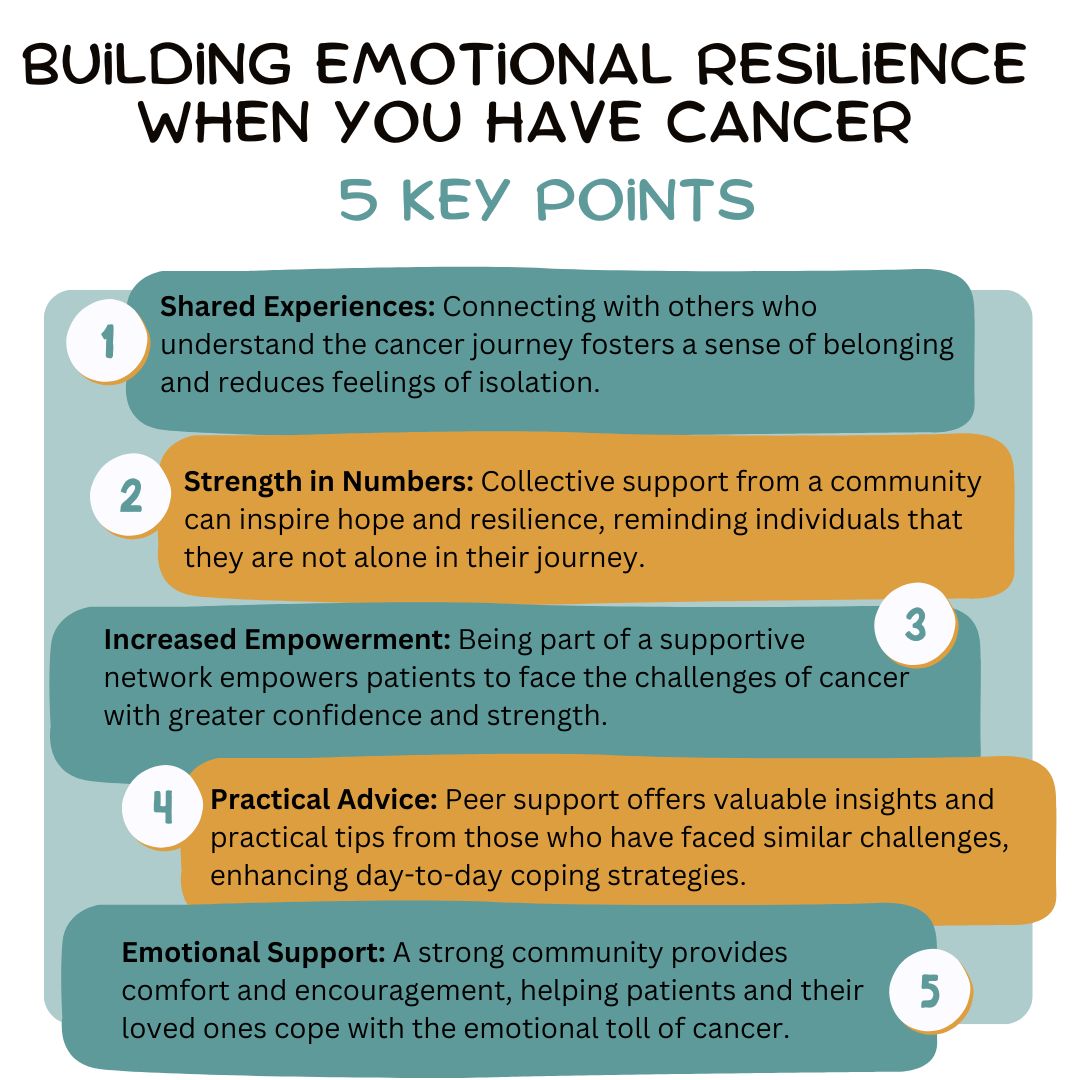
Emotional resilience is crucial in navigating the ups and downs of cancer treatment. Strengthening this resilience helps individuals cope with the emotional challenges that often accompany the cancer journey, enabling them to face adversity with a stronger mindset.
Connecting with others who are going through similar experiences can provide invaluable support. A strong community offers comfort, encouragement, and practical advice, helping patients and their loved ones feel less isolated and more empowered to face the challenges of cancer together.
These key takeaways emphasize the importance of a holistic, informed, and supportive approach to thriving after cancer, ensuring that patients can live well beyond their treatment journey.
One of the highlights of the event was the introduction of Luke Watts' latest initiative, the Tree of Life, Vitality, and Cancer Defence Program. This program represents a revolutionary step in cancer care, combining the expertise of oncologists, behavioral science experts, survivors, and health coaches. It is designed to support, inspire, and empower individuals to make informed, sustainable lifestyle and behavior changes.
The Tree of Life program is particularly noteworthy for its accessibility. It is an online, self-paced program, making it available to individuals in underserved areas affected by socio-economic, educational, and health disparities. This accessibility ensures that more people can benefit from the program, regardless of their location or financial situation.
The program's emphasis on sustainable lifestyle changes is also significant. Rather than focusing on short-term fixes, the Tree of Life program encourages long-term habits that can improve overall health and well-being. This approach aligns with the event's overarching theme of enhancing quality of life through practical, sustainable strategies.
Looking ahead, Luke Watts is exploring the potential of emerging technologies like Re-Mission, an integrated wearable and AI service, to push the boundaries of digital therapeutics and health enhancement. While this was not the main focus of the event, it is an exciting area of development that could have significant implications for the future of cancer care.
Emerging technologies like Re-Mission have the potential to revolutionize the way we approach cancer treatment. By integrating wearable technology and AI, these innovations could provide real-time data and personalized insights, helping patients manage their treatment more effectively. This could lead to better outcomes and an improved quality of life for patients.
The "Beyond Survival: Enhancing Quality of Life Through Cancer Treatment" event was a powerful reminder of the importance of looking beyond the physical aspects of cancer treatment. By focusing on holistic well-being, empowering patients with knowledge, and providing practical strategies for daily life, the event offered valuable insights that can make a real difference in the lives of cancer patients and their families.
While the road ahead may be challenging, events like this one provide hope and inspiration, reminding us that it's not just about surviving cancer—it's about living well in spite of it. As we continue to explore new approaches and technologies, the future of cancer care looks promising, with the potential to enhance the quality of life for patients around the world.
For more information on the initiatives and programs discussed during the event, you can connect with Luke Watts on his website https://www.thecancercoach.org/ | Instagram @Thecancercoachdotorg | Facebook @Thecancercoachdotorg, and YouTube @Thecancercoachdotorg.e recording is now available on demand below.
We strongly advise you to talk with a health care professional about specific medical conditions and treatments.
The information on our site is meant to be helpful and educational but is not a substitute for medical advice.
Learn Five Key Insights Into Stomach Cancer, From Understanding the Disease and Its Risk Factors to Offering Emotional Support, Improving Nutrition, and Practicing Self-Care.
The Way Cancer Cells Process Information Affects Tumour Development
Learn How To Write A Successful Cancer Blog, Share Your Journey, And Inspire Others. Discover Tips For Creating Engaging, Impactful Content And Building Community.