Dealing with cancer is a challenging journey, and managing the pain that often accompanies it is crucial to maintaining your quality of life. Whether you're a patient, caregiver, or loved one, understanding how to manage cancer pain effectively can make a significant difference in daily living. This guide offers compassionate and practical advice on various methods to manage cancer pain, from medications to holistic therapies, helping you find the relief you deserve.
Cancer pain can be caused by the cancer itself—such as a tumor pressing on bones, nerves, or organs—or by the treatments used to fight it, like surgery, chemotherapy, or radiation. Pain levels can vary widely depending on the type and stage of cancer, and the individual's unique circumstances. Managing this pain is not just about comfort; it's about improving your overall well-being, enabling you to focus on healing and living as fully as possible.
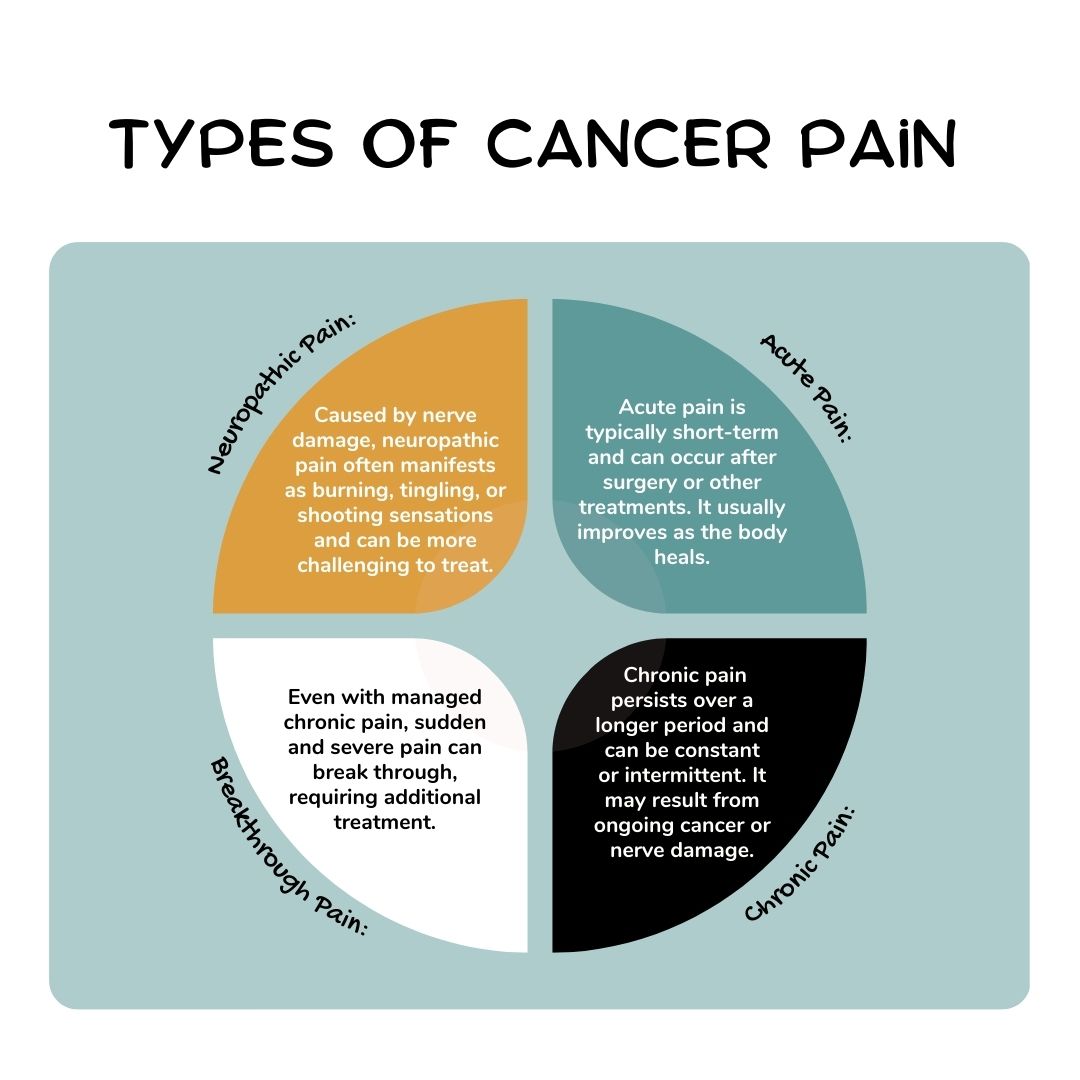
Proper pain management is essential to maintaining your physical, emotional, and mental health. Unmanaged pain can lead to sleep disturbances, depression, anxiety, and a reduced ability to participate in daily activities. Effective pain management allows you to maintain a better quality of life, stay active, and engage more fully in your treatment and recovery process.
It's vital to communicate openly with your healthcare team about your pain. Pain is a highly personal experience, and only you can accurately describe what you're feeling. Be honest and detailed when discussing your pain, including its intensity, location, and how it affects your daily life. This information is crucial for your healthcare providers to develop a pain management plan tailored to your needs.
Medications are a cornerstone of cancer pain management, and there are several types available depending on the severity and type of pain. Your doctor will help determine the best combination to address your specific situation.
Non-opioid analgesics like acetaminophen (Tylenol) and nonsteroidal anti-inflammatory drugs (NSAIDs) such as ibuprofen (Advil) and naproxen (Aleve) are often used for mild to moderate pain.
For moderate to severe cancer pain, opioids such as morphine, oxycodone, and fentanyl may be prescribed. These medications work by binding to opioid receptors in the brain, reducing the perception of pain.
Adjuvant analgesics, including certain antidepressants (like amitriptyline) and anticonvulsants (such as gabapentin), can be particularly helpful for neuropathic pain.
For those experiencing sudden, intense pain despite ongoing treatment, short-acting opioids or fast-acting formulations like oral transmucosal fentanyl can be used to provide quick relief.
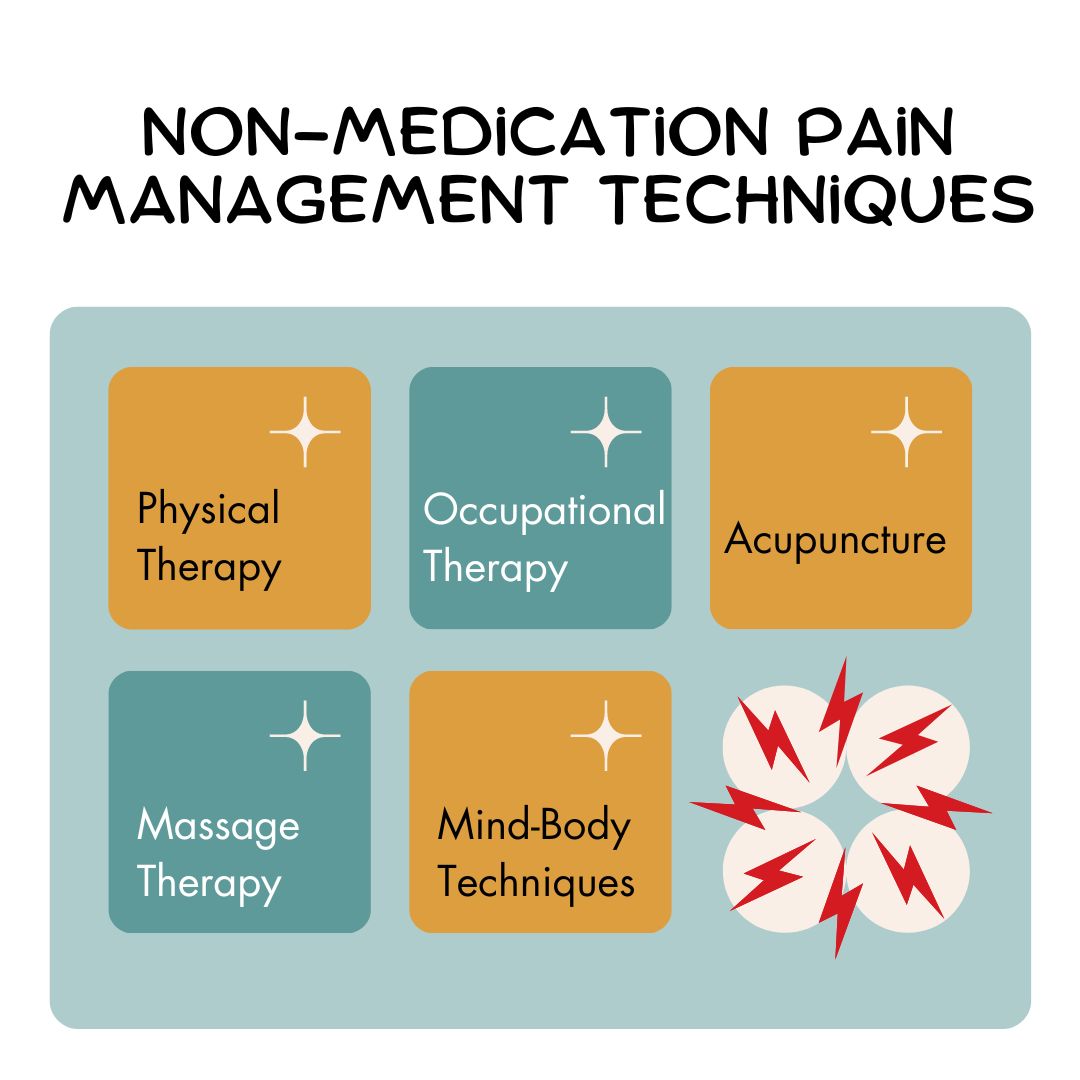
While medications are crucial, non-medication approaches can complement drug therapy, reduce the need for high doses, and improve overall well-being.
Physical therapy can help improve mobility, strength, and function, which can in turn help manage pain. A tailored exercise plan from a physical therapist can help reduce stiffness and pain, and improve your ability to perform daily activities.
Occupational therapy focuses on helping you perform daily tasks with less pain. An occupational therapist might suggest modifications to your environment or introduce assistive devices to make everyday activities easier and less painful.
Acupuncture, a traditional Chinese medicine practice, involves inserting thin needles into specific points on the body to relieve pain. It can be particularly effective for certain types of cancer-related pain.
Massage therapy can relieve tension, reduce pain, and promote relaxation. It's especially beneficial for muscle and joint pain caused by cancer or its treatments.
Techniques such as meditation, deep breathing, and guided imagery help manage pain by focusing on the connection between the mind and body. These practices can reduce stress, promote relaxation, and improve your overall sense of control over pain.
Holistic pain management looks at the whole person—body, mind, and spirit. These approaches often combine conventional treatments with complementary therapies to address all aspects of a patient's well-being.
Maintaining a well-balanced diet can support your body’s healing process and help manage pain. Certain foods can reduce inflammation, while others might aggravate pain. Consulting with a nutritionist can help you design a diet that supports your overall health and pain management.
Herbal remedies like turmeric and ginger, or supplements such as omega-3 fatty acids, can have anti-inflammatory and pain-relieving properties. However, it’s important to discuss any herbal remedies with your healthcare provider, as they can interact with other treatments.
Aromatherapy involves using essential oils to promote relaxation and relieve pain. Oils can be inhaled, applied to the skin, or used in baths to help alleviate pain and stress.
Spiritual care focuses on addressing the emotional and spiritual needs that often arise during cancer treatment. This might involve prayer, meditation, or conversations with a spiritual advisor. For many, addressing these aspects of well-being can significantly reduce pain and improve overall quality of life.
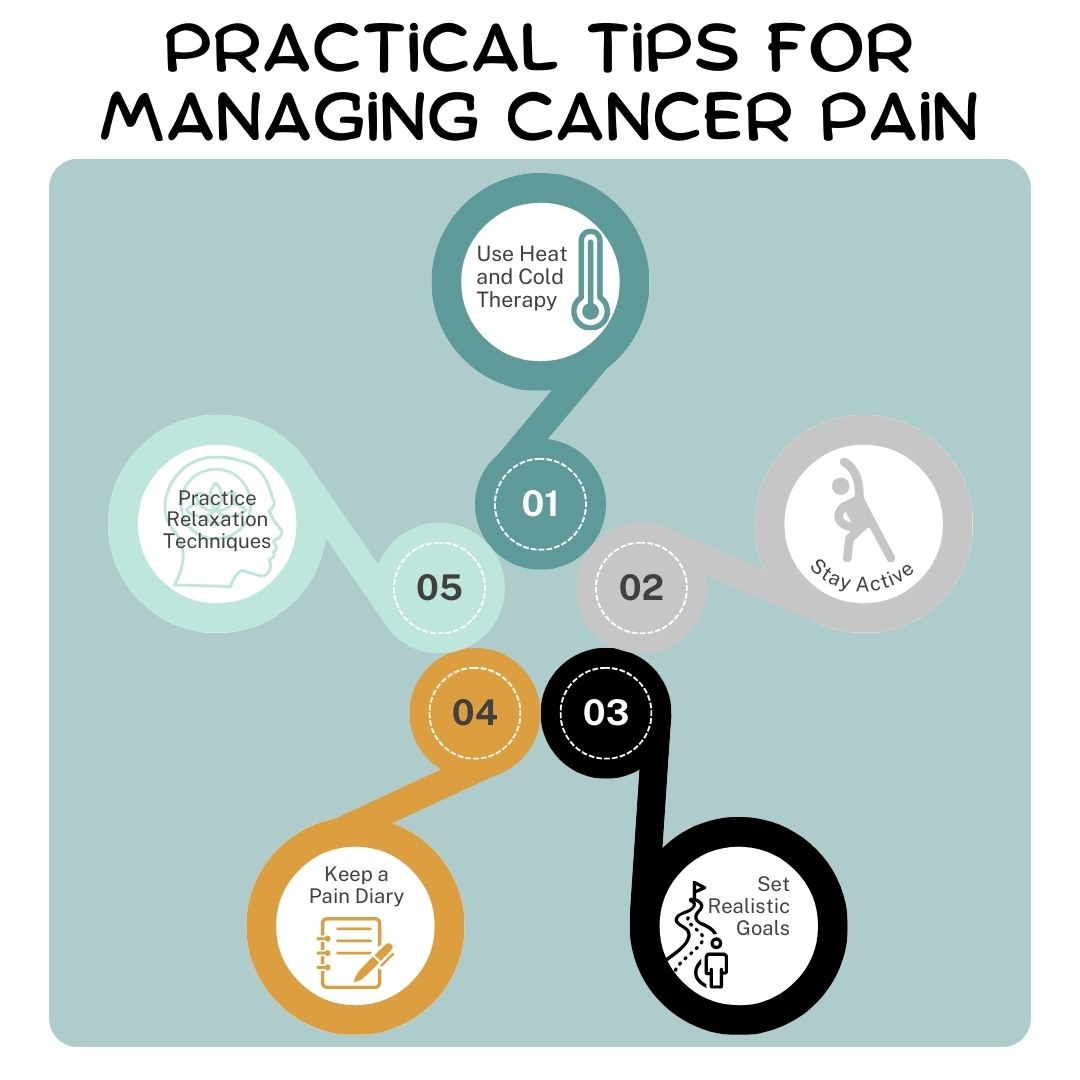
In addition to professional treatments, there are practical steps you can take daily to help manage cancer pain. These strategies empower you to take control of your pain and improve your quality of life.
A pain diary allows you to track your pain levels, triggers, and the effectiveness of different treatments. This can provide valuable information to your healthcare team and help them adjust your pain management plan more effectively.
Setting achievable goals can help you stay focused and motivated. Whether it’s getting out of bed each day, taking a short walk, or completing a simple task, small successes can improve your mood and sense of control.
While it may be difficult to stay active when in pain, gentle activities like walking, stretching, or yoga can help reduce pain and improve your mood. Always consult with your healthcare provider before starting any new exercise routine.
Applying heat or cold to painful areas can provide immediate relief. Heat can relax tense muscles, while cold can numb pain and reduce inflammation. Use these therapies as recommended by your healthcare provider.
Incorporating relaxation techniques such as deep breathing, progressive muscle relaxation, or mindfulness meditation into your daily routine can help manage pain and reduce stress.
Managing cancer pain is a multifaceted process that requires a combination of medical treatments, complementary therapies, and practical strategies. By working closely with your healthcare team and exploring various pain management techniques, you can find the most effective ways to relieve your discomfort and improve your quality of life.
Remember, you don’t have to face cancer pain alone. There are numerous resources available to support you, including Cancer Research UK, American Cancer Society, Cancer Council Australia, and Macmillan Cancer Support. Each of these organizations offers valuable information and support tailored to those dealing with cancer and its associated pain.
We strongly advise you to talk with a health care professional about specific medical conditions and treatments.
The information on our site is meant to be helpful and educational but is not a substitute for medical advice.
I feel lucky to have the knowledge to act on it and empowered that I made a life-changing choice that in no way diminishes my femininity and confidence.
Why Celebrate Father’s Day With Cancer? Should I Buy A Fathers Day Gift For A Cancer Patient? These Questions And More Are Discussed
I was hurting inside as a lot was happening, and I was not coping. I was in darkness. I wanted to end it all. I was saved by the television. That was my wake up call. At 43 years, I had to sort myself out.