When your friend is dealing with cancer and experiencing cognitive or memory difficulties, you might feel uncertain about how to help. These challenges, often described as "chemo brain" or "brain fog," are more common than many people realize, affecting up to 75% of people who have had cancer treatment.
Understanding that these cognitive changes are real, significant, and different from normal aging is the first step in providing meaningful support. Your friend isn't being dramatic or forgetful by choice; they're experiencing legitimate side effects that can impact memory, concentration, processing speed, and decision-making abilities.
Cancer-related cognitive changes can manifest in various ways. Your friend might struggle with learning new information, remembering familiar details, or even getting lost in places they know well. They may have difficulty finding the right words during conversations, even though their vocabulary remains intact; it's the speed of word retrieval that becomes challenging.
These cognitive difficulties are distinct from neurodegenerative conditions and don't indicate an increased risk of developing dementia. However, they can significantly impact your friend's daily life, affecting their ability to work, maintain relationships, and participate in social activities.
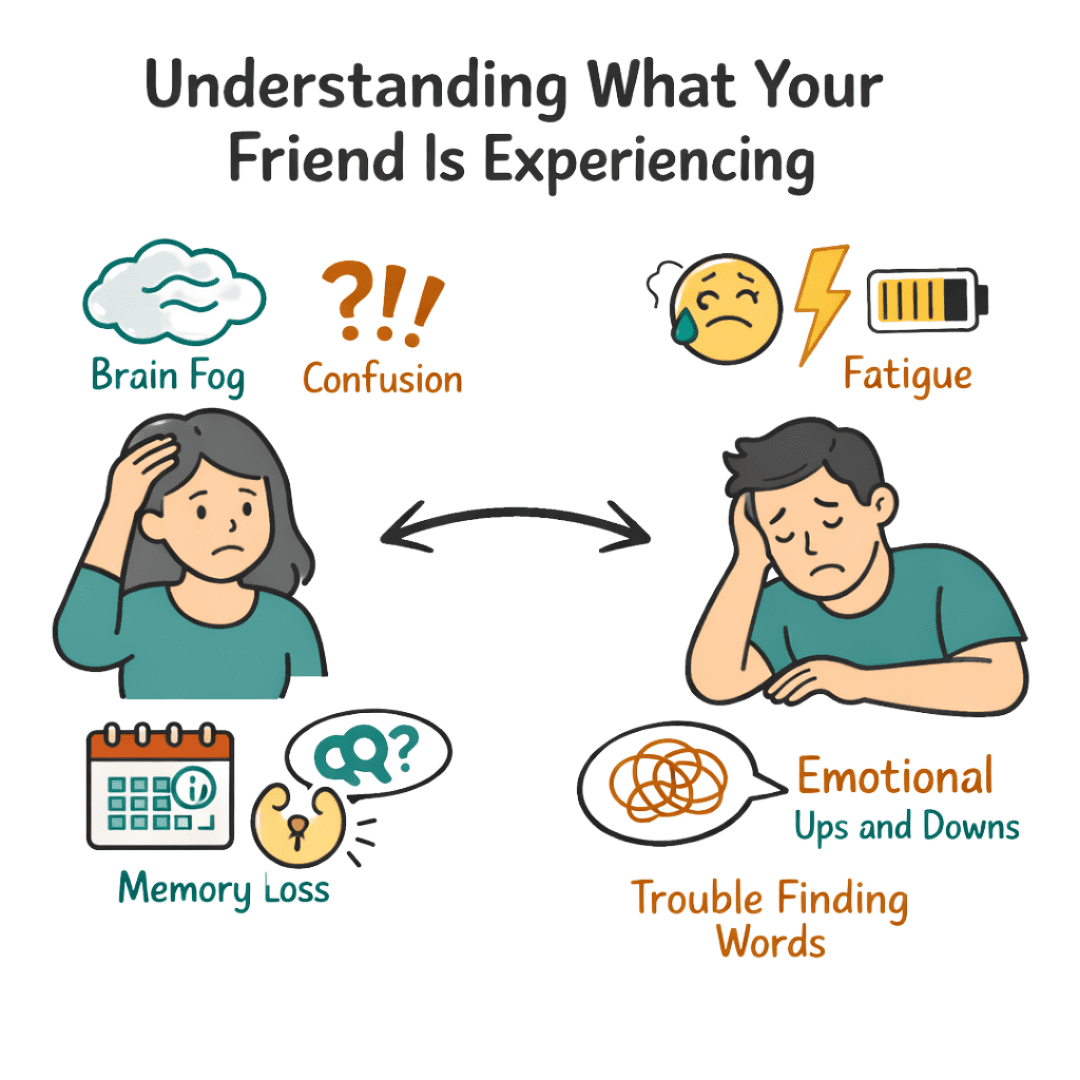
The experience often extends beyond just memory problems. Your friend might feel frustrated, embarrassed, or anxious about these changes. They may worry about their mental capabilities or feel like they're not themselves anymore. This emotional component is just as important to address as the practical challenges.
One of the most valuable ways you can help a cancer patient with memory problems is by encouraging and assisting with organizational systems. Multiple memory aids work better than relying on just one method. You might suggest or help your friend set up some of the following:
When your friend needs to complete tasks, help them understand that multitasking can significantly worsen cognitive difficulties. Instead, encourage focusing on one thing at a time. If they're facing a complex task, offer to help break it down into smaller, more manageable steps.
Consider offering practical assistance with organization. You might help them prepare for medical appointments by writing down questions beforehand, or sit with them afterwards to review what was discussed. Sometimes having a second person present helps ensure important information isn't missed or forgotten.
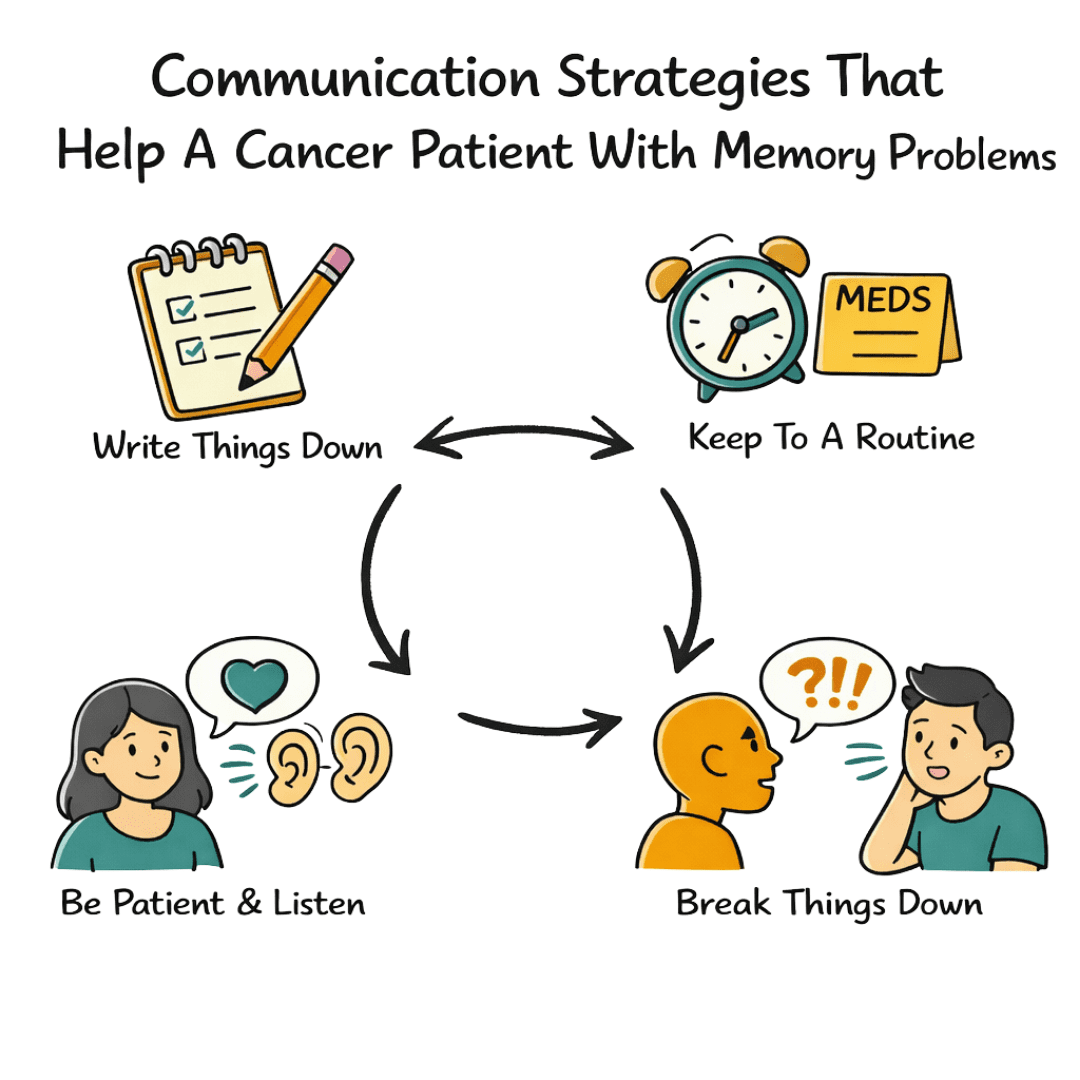
Patience is perhaps your most valuable tool when communicating with your friend. When they struggle to find a word, resist the urge to jump in immediately or correct them. Give them time to express themselves, and if they seem stuck, you might gently offer suggestions without making it feel awkward or rushed.
Talk openly with your friend about their cognitive challenges. Ask them how these difficulties make them feel and specifically how you can best support them. This direct approach often reduces the embarrassment and frustration they might experience, and many people find it helpful when others can find appropriate humor in these situations.
Don't let communication difficulties discourage your friend from socializing. If you're in group settings, you can help by gently prompting them if they're searching for a word, or by explaining to others how they can be supportive too.
Social engagement is one of the most protective factors for cognitive health. Research consistently shows that staying socially active helps maintain memory skills and is vital for overall well-being. Continue inviting your friend to social activities, volunteer opportunities, and gatherings with others.
Recognize that cognitive changes affect multiple areas of life. Your friend may experience psychological distress about these changes, worry about their future capabilities, or feel isolated because others don't understand what they're experiencing. Simply listening without judgment and affirming that they're not alone provides immense value.
Be prepared to offer reassurance. Your friend might repeatedly ask the same questions or express the same concerns. Rather than becoming frustrated, understand that this repetition often stems from anxiety about their cognitive changes rather than simply not remembering your previous answers.
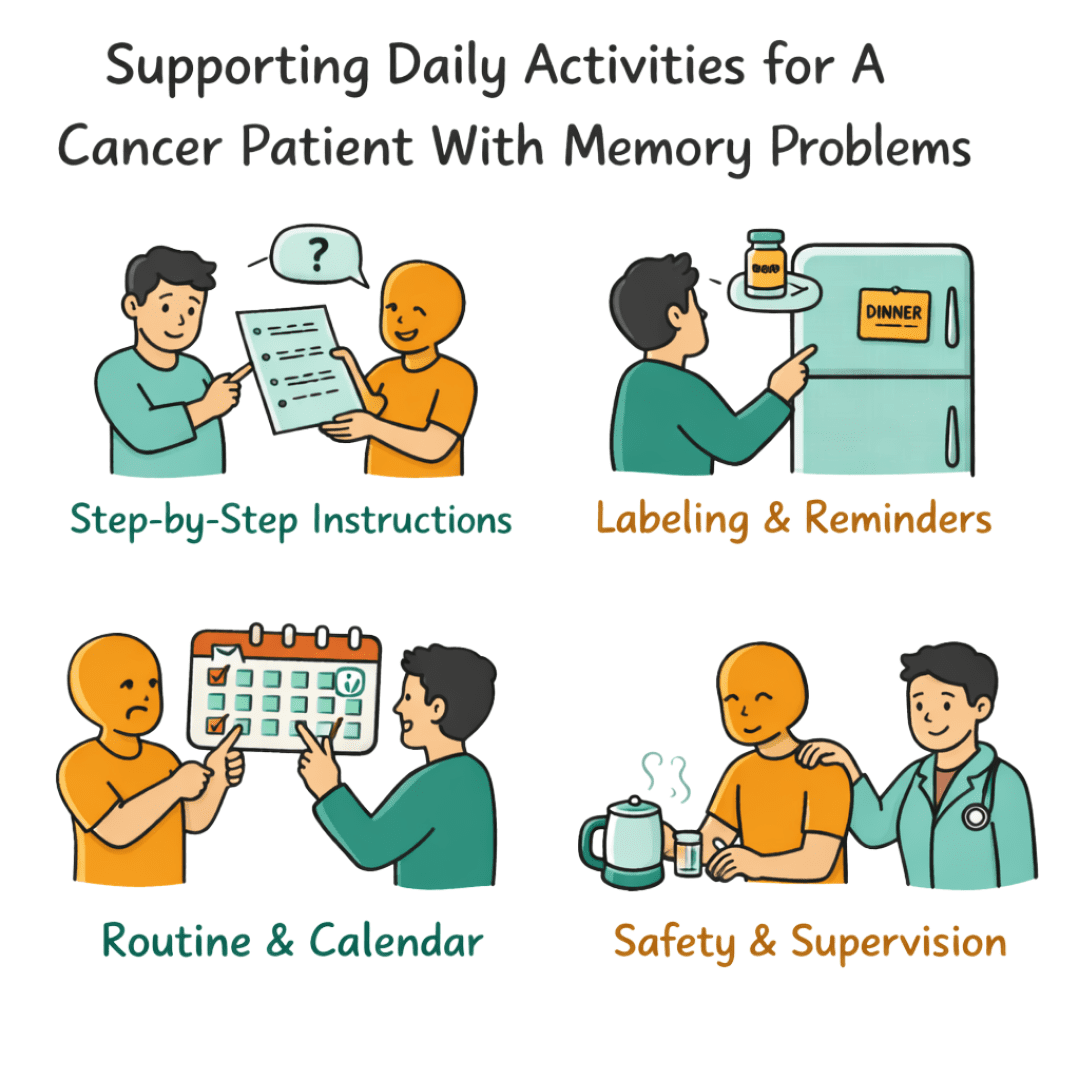
Cognitive challenges can make routine activities more difficult. Your friend might struggle with driving safely, following recipes, or remembering appointments. You can provide practical support by:
When offering help, be specific rather than saying "let me know if you need anything." Instead, say something like "I'm going to the grocery store on Tuesday. Would you like me to pick up anything for you?" or "I'd be happy to help organize your medication schedule."
If your friend hasn't already discussed their cognitive difficulties with their healthcare team, gently encourage them to do so. Many people hesitate to mention these problems, thinking they're not serious enough or that nothing can be done about them.
Healthcare providers can assess whether the cognitive changes are related to the cancer treatment, other medications, or other factors. They might refer your friend to a neuropsychologist or clinical psychologist who specializes in cognitive assessment and can suggest specific strategies to reduce the impact of these changes on daily life.
Some people benefit from cognitive rehabilitation therapy, which teaches specific techniques for managing memory and attention difficulties. Others might benefit from counseling to address the emotional impact of cognitive changes.
Don't dismiss your friend's cognitive difficulties as "just stress" or suggest they're purely psychological. These changes are legitimate side effects of cancer and its treatment, not character flaws or excuses.
Avoid making your friend feel rushed or pressured during conversations or activities, as stress can worsen cognitive difficulties. Your calm, patient presence is more helpful than any pressure to "think harder" or "try to remember."
Don't assume that cognitive difficulties mean your friend can't make important decisions or that they need you to take over their responsibilities. Instead, ask how you can support them in maintaining their independence while managing these challenges.
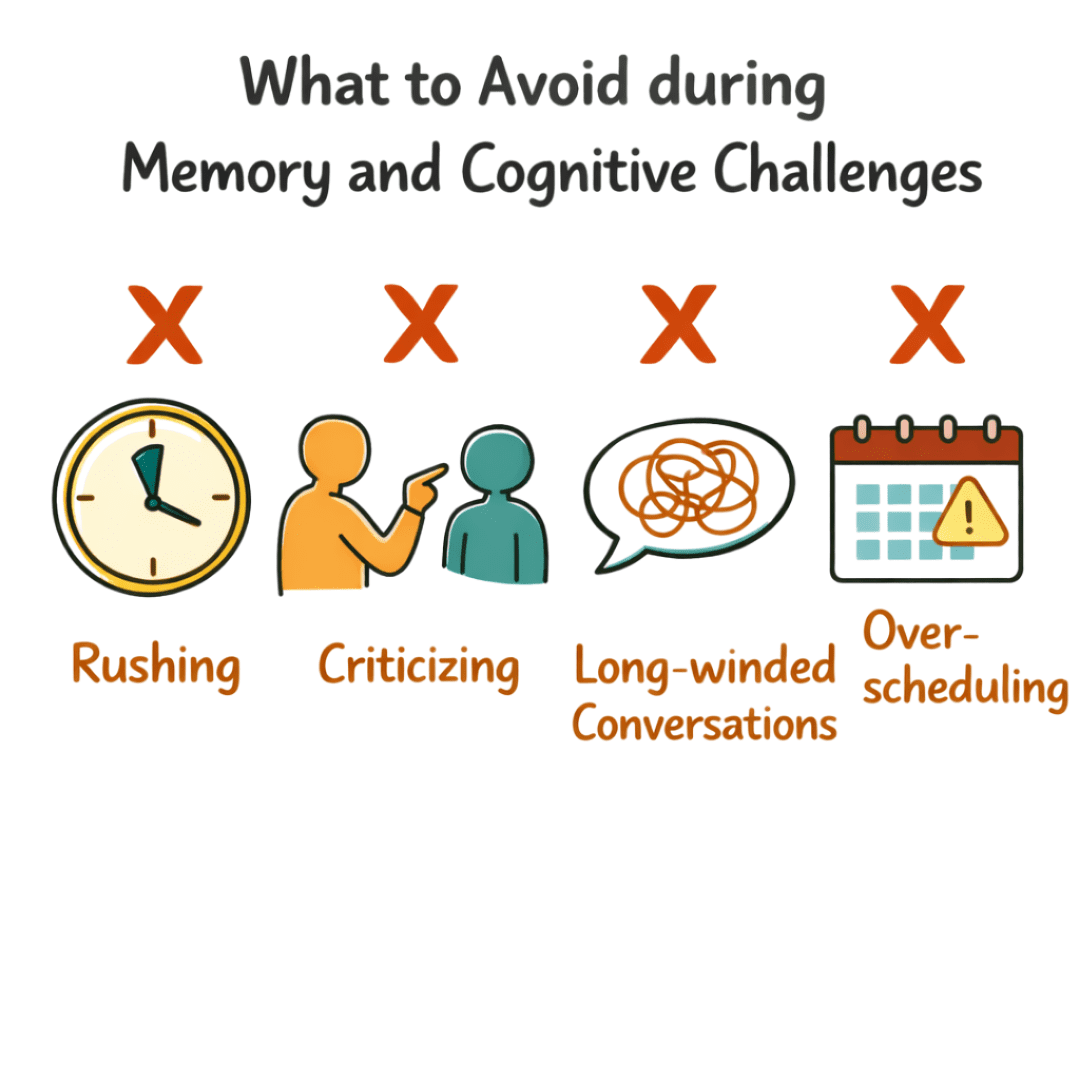
The environment around your friend can either help or hinder their cognitive function. When you're together, minimize distractions like background noise or multiple conversations happening at once. Choose quieter restaurants or suggest meeting during less busy times.
Help create predictability when possible. If you make plans, send a text reminder the day before. If you're meeting somewhere new, offer to pick them up or provide clear directions in advance.
Supporting a friend through cognitive challenges related to cancer requires ongoing patience, understanding, and flexibility. These difficulties may improve over time for some people, while others may need to develop long-term coping strategies.
Your consistent presence and practical support can make a significant difference in your friend's quality of life and confidence in managing these changes. Remember that small gestures of understanding and assistance often have a much larger impact than you might realize.
By combining practical organizational support with emotional understanding and continued social connection, you're providing invaluable help as your friend adapts to cognitive changes. Your friendship and support system play a crucial role in their overall well-being during this challenging time.
If you're looking for more ways to support someone dealing with cancer, consider exploring additional resources that can complement your personal efforts to help your friend navigate this journey.
We strongly advise you to talk with a health care professional about specific medical conditions and treatments.
The information on our site is meant to be helpful and educational but is not a substitute for medical advice.
A cancer diagnosis doesn’t just impact the body—it reshapes relationships, silences voices, and tests our ability to connect. Conversations that once felt easy can suddenly feel fraught with emotion, fear, […]
Learn Key Strategies For Thriving After Cancer. Explore Holistic Approaches To Improve Well-Being During And After Treatment.
Find cancer support for family with emotional, practical, and financial resources to navigate this journey together.