When facing a cancer diagnosis, nutrition becomes an essential part of the treatment and recovery process. A well-balanced diet tailored to the unique needs of cancer patients can help manage symptoms, improve energy levels, and support overall health. This comprehensive guide will walk you through the key considerations for crafting a healthy diet plan for cancer patients, including what to eat, what to avoid, and how to address specific nutritional challenges.
Nutrition plays a vital role in cancer care for several reasons:
A strong immune system is critical for fighting cancer and coping with the side effects of treatment. Nutrients such as vitamins A, C, D, E, zinc, and selenium can help bolster immune function, which is essential during treatment.
Cancer and its treatments can lead to weight loss and muscle wasting, known as cachexia. A diet rich in protein and calories can help patients maintain their strength, which is crucial for enduring treatments and supporting recovery.
Certain foods and nutritional strategies can help manage side effects such as nausea, vomiting, and fatigue. Understanding how to modify your diet to address these side effects is an essential part of effective cancer care.
Proper nutrition provides the body with the necessary building blocks to repair tissues and recover from surgery or other treatments. This can also help mitigate long-term effects and support overall well-being during and after cancer treatment.
The nutritional needs of cancer patients vary depending on the type of cancer, stage of the disease, treatment plan, and individual health factors. Here are some general guidelines to consider:
Cancer patients often require additional calories to maintain their energy levels and body weight. However, the exact amount will depend on factors such as the patient’s age, activity level, and metabolic rate. Consulting with a registered dietitian who specializes in oncology can help tailor calorie needs to individual circumstances.
Protein is essential for repairing tissues, maintaining muscle mass, and supporting the immune system. Cancer patients should aim to include high-quality protein sources in their diet, such as:
For those struggling with appetite or difficulty eating, protein shakes or supplements can be an effective way to meet protein needs, especially when solid foods are challenging to consume.
Healthy fats are crucial for providing energy and supporting overall health. Include sources of unsaturated fats in the diet, such as:
It's important to limit intake of saturated fats and trans fats, which can contribute to inflammation and other health issues. A diet focused on healthy fats can also support heart health, which is particularly important during cancer treatment.
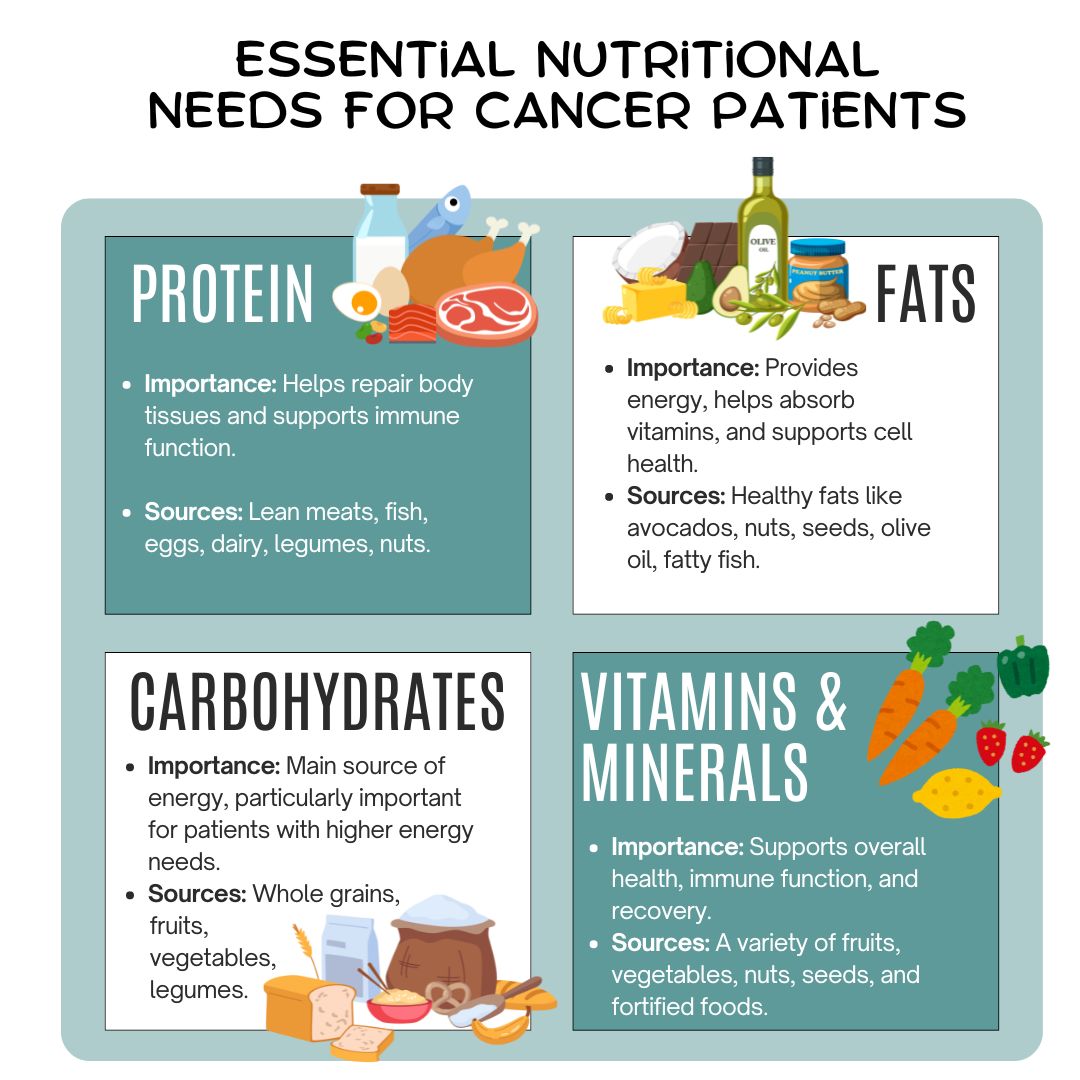
Carbohydrates are the body's primary source of energy, and they are particularly important for cancer patients experiencing fatigue. Focus on complex carbohydrates, which provide sustained energy and important nutrients. Examples include:
Avoid simple carbohydrates like white bread, pastries, and sugary snacks, which can cause spikes in blood sugar levels. Maintaining stable blood sugar is important for overall health and energy management during treatment.
Vitamins and minerals play numerous roles in the body, from supporting the immune system to aiding in the healing process. Key nutrients to focus on include:
A diet rich in a variety of fruits, vegetables, whole grains, and lean proteins will help ensure a balanced intake of these essential nutrients, which are vital for maintaining health during cancer treatment.
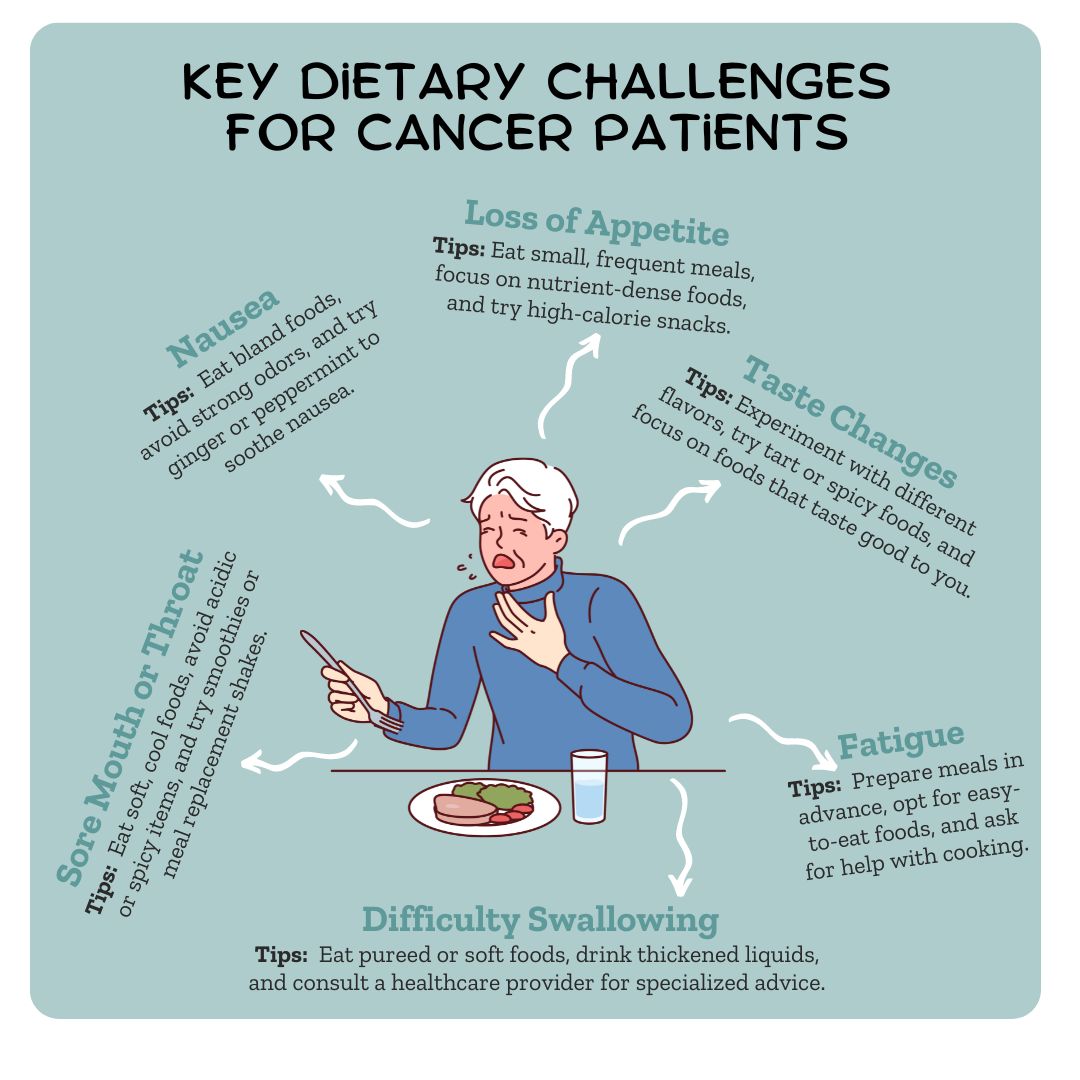
Cancer patients often face specific nutritional challenges due to the disease itself or as a result of treatments like chemotherapy, radiation, or surgery. Here’s how to manage some of the most common issues:
Loss of appetite is a common side effect of cancer and its treatments. Strategies to combat this include:
Addressing appetite issues can involve a focus on gut health, which is vital for overall well-being during treatment. Learn more about the Importance of Gut Health During Cancer Treatment here.
Nausea and vomiting can make eating difficult. Here are some tips to help manage these symptoms:
Diarrhea can lead to dehydration and nutrient loss. Managing it effectively involves:
Constipation is another common issue, particularly for patients taking pain medications. To alleviate constipation:
Proper management of digestive health can significantly impact overall comfort and well-being during cancer treatment.
While focusing on what to eat is important, it's equally crucial to know which foods to avoid. Some foods can exacerbate symptoms, interact with treatments, or contribute to overall poor health.
Processed foods are often high in unhealthy fats, sugars, and sodium. They offer little nutritional value and can contribute to weight gain, inflammation, and other health issues. Examples include:
Avoiding processed foods can help reduce the risk of inflammation and support a healthier overall diet.
Alcohol can interact negatively with cancer treatments and exacerbate side effects like nausea, vomiting, and dehydration. It can also increase the risk of developing certain cancers. It's best to avoid alcohol entirely during cancer treatment to minimize complications and support overall health.
High-sugar foods can lead to spikes in blood sugar levels and contribute to inflammation, which can be detrimental to overall health. These include:
Limiting sugar intake helps maintain stable energy levels and reduce inflammation during cancer treatment, but sugar does not feed cancer! This is addresseded in our article 20 Cancer Myths And Controversies.
Now that you understand the importance of nutrition and the types of foods to focus on, it’s time to put together a balanced meal plan. Here’s a sample day’s menu to help guide you:
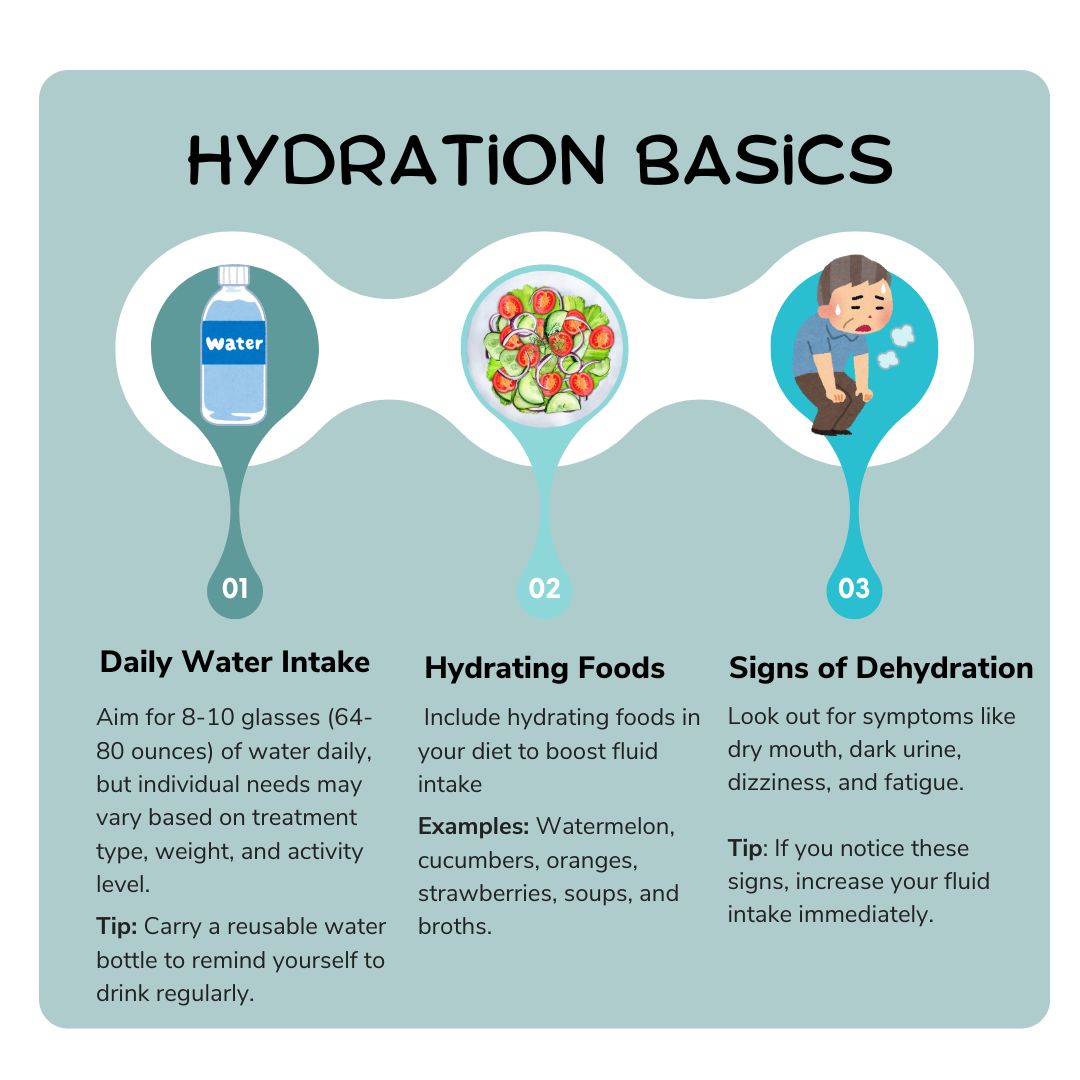
Staying hydrated is just as important as maintaining a balanced diet. Water helps regulate body temperature, transport nutrients, and eliminate waste. Cancer patients, especially those undergoing chemotherapy or radiation, need to drink plenty of fluids to help manage treatment side effects like dry mouth, constipation, and fatigue.
While it’s best to get nutrients from food, there are times when supplements may be necessary. Cancer patients should always consult with their healthcare provider before starting any supplements, as some can interact with treatments or have unwanted side effects.
Crafting a healthy diet plan for cancer patients requires careful consideration of individual nutritional needs, treatment side effects, and personal preferences. A balanced diet rich in whole foods, lean proteins, healthy fats, and a variety of fruits and vegetables can support the body’s ability to fight cancer, recover from treatments, and improve overall well-being.
By focusing on nutrient-dense foods, managing common nutritional challenges, and staying hydrated, cancer patients can improve their quality of life and maintain their strength throughout their journey. Always consult with a healthcare provider or registered dietitian before making significant changes to your diet or adding supplements, ensuring that your nutritional plan is safe and effective.
We strongly advise you to talk with a health care professional about specific medical conditions and treatments.
The information on our site is meant to be helpful and educational but is not a substitute for medical advice.
I actually came up with the idea for Might Make You Smile.on one particular visit to Addenbrooke’s Hospital with the aforementioned friend.
Cancer Unveiled: In-Depth Book Review by a Radiation Oncologist - Illuminating Insights and Perspectives
It's My Mission And Duty To Raise Awareness As Much As I Can So No One Else Experiences This Illness That Takes So Much From You.