Starting chemotherapy can feel overwhelming, and knowing what to eat is a common concern. Your body’s ability to fight infection and tolerate certain foods changes during treatment, making diet a crucial part of managing side effects and staying healthy. This comprehensive guide provides clear, evidence-based information on specific foods to avoid during chemotherapy. Our goal is not to cause alarm, but to empower you with the knowledge to make safer choices for your well-being.
Throughout this listicle, we'll explore why certain foods pose risks, from harboring harmful bacteria that a weakened immune system cannot fight off, to worsening common side effects like nausea, diarrhea, or painful mouth sores. Understanding these dietary adjustments can help you feel more in control and better support your body throughout your treatment journey. A key aspect of making these safe dietary choices is understanding precisely what's in your food, and learning how to read nutrition labels effectively is a fundamental skill for identifying and avoiding unsuitable ingredients.
This article details the key food categories that often require caution, offering practical alternatives and preparation tips to ensure you remain well-nourished and safe. Always remember, this advice complements, but does not replace guidance from your oncology team or a registered dietitian. They can offer personalized recommendations based on your specific treatment plan, blood counts, and overall health status, ensuring your nutritional strategy is perfectly tailored to your needs.
One of the most critical dietary adjustments during chemotherapy involves eliminating raw and undercooked animal products. Chemotherapy is designed to target rapidly dividing cells, which unfortunately includes the healthy cells that make up your immune system. This process can lead to neutropenia, a condition where your white blood cell count is dangerously low, leaving you highly susceptible to infections.
Foods like raw or rare meat, poultry, seafood, and eggs can harbour harmful bacteria such as Salmonella, E. coli, and Listeria. While a healthy immune system can typically fight off these pathogens, an immunocompromised one cannot. A foodborne illness that might cause mild discomfort for a healthy person can lead to a severe, life-threatening infection for someone undergoing chemotherapy. Therefore, avoiding these foods is an important part of a safe chemo diet.
The primary reason to avoid these foods is to minimise your risk of foodborne infections. When your body's defences are down, a simple case of food poisoning can escalate quickly, potentially requiring hospitalisation and interrupting your treatment schedule. Making this dietary switch is a proactive step you can take to protect your health and support your body's ability to tolerate treatment.
Key Takeaway: Thoroughly cooking animal products eliminates dangerous pathogens, making them safe to consume when your immune system is vulnerable. This simple precaution is a powerful way to prevent serious complications during treatment.
Making the switch to fully cooked foods is straightforward with a few mindful adjustments.
To ensure food is cooked to a safe temperature, a food thermometer is your best tool. Cook poultry to 165°F (74°C), ground meat to 160°F (71°C), and fish to 145°F (63°C). For more ideas on nutritious and safe meal options, explore this comprehensive guide on what to eat during your chemotherapy journey. When dining out, don't hesitate to inform the restaurant staff about your dietary needs. Preparing meals at home often provides the most control, and ensuring proper food preparation is just as vital as choosing the right ingredients; learn about the best non-toxic cutting board practices to prevent cross-contamination in your kitchen.
This advice may seem counterintuitive, as fibre is typically championed for its health benefits. However, during chemotherapy, certain high-fibre foods can become problematic. Many chemotherapy agents have significant side effects like diarrhoea, cramping and bloating. In these situations, foods that are normally healthy, like whole grains, beans, legumes, and raw vegetables, can cause loose poop and increased flatulence.
Temporarily reducing high-fibre foods for a short period of time after chemotherapy is a common dietary strategy. This modification is about symptom management, giving your digestive system a chance to rest and recover without the added burden of processing roughage.
The main goal here is to manage gastrointestinal side effects to improve your quality of life and prevent complications like dehydration or nutrient malabsorption from severe diarrhea. Uncontrolled bowel issues can be exhausting and may even impact your ability to receive treatment on schedule. Adjusting your fibre intake is a practical way to regain comfort and control, ensuring your body can better tolerate your cancer therapy.
Key Takeaway: During episodes of chemotherapy-induced diarrhoea or cramping, a temporary low-fibre diet can soothe an irritated digestive tract. This isn't a long-term change but a short-term strategy to manage symptoms and support your overall well-being.
Modifying your fibre intake is about making smart, temporary substitutions until your symptoms subside.
It is crucial to reintroduce fibre slowly once your bowel symptoms resolve to support long-term digestive health. Working with an oncology dietitian can help you navigate these changes safely. Understanding how to support your digestive system is a key part of your treatment journey; you can get more insights on the importance of gut health during cancer treatment. Always discuss significant dietary changes with your healthcare team to ensure they are appropriate for your specific situation.
While flavorful food is often a source of comfort, intensely spicy and heavily seasoned dishes are best avoided during chemotherapy. Treatments can make the delicate lining of your mouth, throat, and digestive tract extremely sensitive. The active compounds in spices, like capsaicin in chili peppers, can act as irritants, leading to significant discomfort and worsening common side effects.
Chemotherapy-induced mucositis (mouth sores) and oesophagitis (inflammation of the lining of oesophagus) are common challenges. Eating spicy foods can feel like pouring salt on a wound, causing a painful burning sensation that can make eating and drinking difficult. This discomfort can lead to a reduced appetite and poor nutritional intake at a time when your body needs energy the most, making this one of the key foods to avoid during chemotherapy for comfort and recovery.
The main goal is to prevent the aggravation of treatment-related side effects. Avoiding spicy foods helps protect the sensitive mucous membranes from irritation and maintain your nutritional status. You can focus on healing and minimizes discomfort, which have a significant positive impact on your overall quality of life during treatment.
Key Takeaway: Steering clear of spicy and potent seasonings prevents irritation to a sensitive mouth and digestive system. This simple choice can significantly reduce pain from side effects and help you maintain a consistent nutritional intake.
You can still enjoy flavorful meals without the fiery heat by making some simple adjustments.
Chemotherapy can also alter your sense of taste, making some foods seem bland or metallic. If you find yourself in this situation, you might be tempted to add strong spices. Instead, try adding flavor with a squeeze of lemon juice, a splash of vinegar, or a hint of vanilla extract. For more advice on managing these changes, explore these strategies for what to eat when nothing tastes right. Always discuss your individual tolerance with your oncology team, as sensitivity levels can vary greatly.
Certain foods that are celebrated for their complexity, like aged cheeses and fermented products, must be approached with caution during chemotherapy. These foods can pose a significant risk when your body's defenses are lowered by treatment. This is because both mold and the live cultures in fermented foods can introduce potentially harmful microorganisms.
Foods with any visible mold can contain mycotoxins, which are hazardous chemicals produced by molds that can be dangerous for an immunocompromised individual. Similarly, fermented foods such as sauerkraut, kimchi, and kombucha contain live bacterial cultures. Although often beneficial for gut health, these active cultures can pose an infection risk when your white blood cell count is low, making this another category of foods to avoid during chemotherapy.
The main goal is to protect your vulnerable immune system from unnecessary exposure to potentially harmful microbes. Molds can cause respiratory infections and invasive infections, while the live cultures in fermented foods could lead to microbial infections. A serious infection could interrupt your chemotherapy schedule, compromise your treatment outcomes, and require hospitalization. Avoiding these foods is a simple yet effective way to minimize these risks.
Key Takeaway: Choosing unfermented and mold-free foods is a critical safety measure to prevent infections and support your treatment journey.
Navigating away from these foods is manageable with careful food inspection.
Careful selection of dairy products is crucial when considering foods to avoid during chemotherapy. Unpasteurized milk and yoghurts, as well as soft, mold-ripened, or blue-veined cheeses present a significant risk because they may contain harmful bacteria, such as Salmonella, E. coli, Listeria, Campylobacter. Notably, Listeria monocytogenes is particularly dangerous for individuals with weakened immunity.
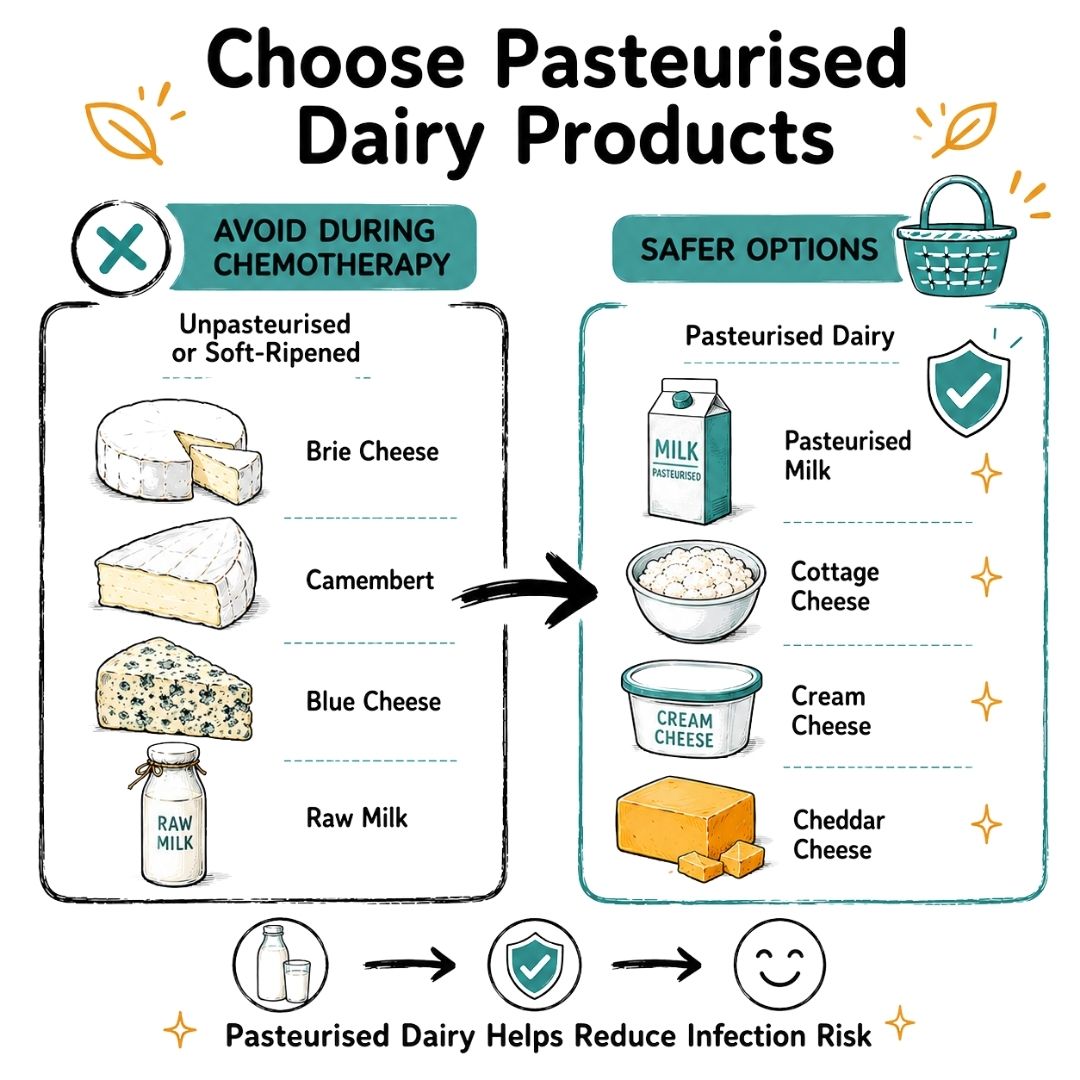
While an infection with Listeria, known as listeriosis, normally causes no to mild symptoms, it can however lead to severe complications, including sepsis and meningitis under a compromised immune system. These are serious conditions that can cause treatment delays and require hospitalization, making avoidance of these high-risk foods is a key safety measure. To understand more about how cancer treatments affect your immune system, this guide provides essential insights.
The main goal of avoiding unpasteurized dairy products is to prevent a serious listeriosis infection. Pasteurization is a heating process that kills harmful bacteria without significantly affecting the nutritional value of dairy products. By choosing only pasteurized items and avoiding soft cheeses, you eliminate a potential pathway for entry of dangerous pathogens into your body. This simple diligence is a vital part of protecting your health throughout your treatment journey.
Key Takeaway: Always opt for pasteurized dairy products. Pasteurization significantly reduces pathogens in raw milk, helping you avoid a preventable and potentially severe infection when your body is vulnerable.
While convenient, deli meats and other processed cured foods pose a significant risk for individuals with compromised immune systems. Items like pre-sliced turkey, ham, salami, and even hot dogs can become contaminated with Listeria monocytogenes, which can grow and multiply even at cold refrigerator temperatures, making it a persistent threat.
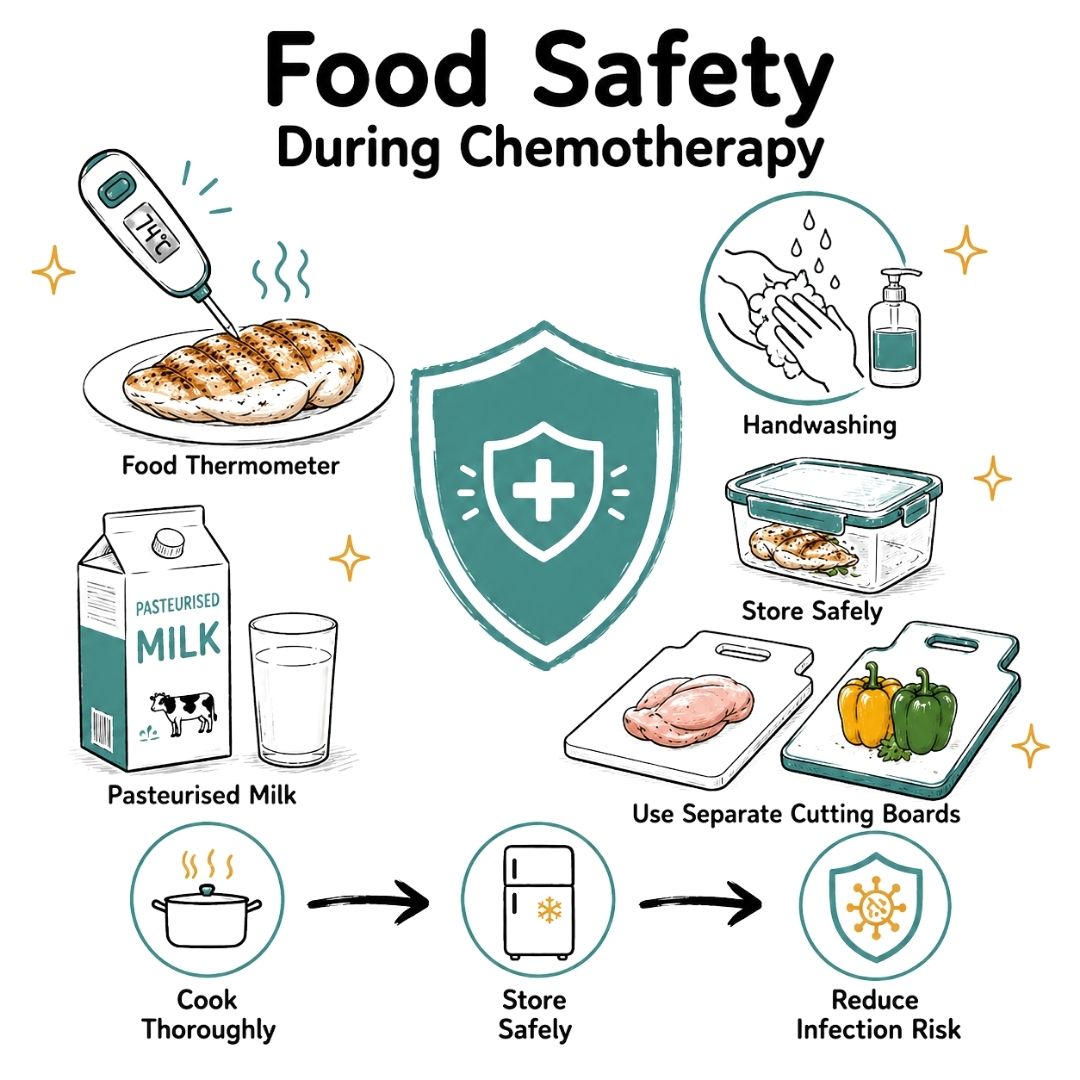
The primary concern is cross-contamination, which can happen at the deli counter when meats are sliced or handled. For someone undergoing chemotherapy, a Listeria infection can lead to severe illness, requiring hospitalization and potentially delaying essential cancer treatments. Therefore, steering clear of these products is a crucial part of a safe chemo diet.
Again, minimizing exposure to Listeria is the main reason to avoid processed cured foods. A healthy immune system can usually manage exposure to this bacterium without issue, but for an immunocompromised person, the consequences can be serious, including bloodstream infections and meningitis. Choosing safer alternatives is a straightforward way to reduce this risk and maintain the momentum of your treatment plan.
Key Takeaway: Deli meats can harbor Listeria, a bacterium that thrives in cold temperatures and poses a serious threat to a weakened immune system. Opting for freshly cooked meats that you prepare at home eliminates this risk.
You can still enjoy satisfying, protein-rich meals with a few simple adjustments to your shopping and preparation habits.
While a morning coffee or afternoon tea is a cherished ritual for many, it's wise to limit caffeine and other stimulating beverages during chemotherapy. Found in coffee, strong teas, many sodas, and energy drinks, caffeine is a diuretic, meaning it encourages your body to lose fluid. Staying well-hydrated is crucial during treatment to help your kidneys expel chemotherapy drugs and manage side effects.
Beyond its impact on hydration, caffeine can also worsen treatment-related side effects. It can amplify feelings of anxiety, disrupt the already fragile sleep pattern, and irritate a sensitive digestive system, leading to nausea or vomiting. Reducing your intake is a practical way to help manage these challenging side effects and support your body's overall well-being.
The main reason to be cautious with caffeine is to protect your hydration status and avoid aggravating chemotherapy side effects. Dehydration can lead to serious complications, such as kidney failure, seizures, shock and coma, potentially disrupting your treatment schedule. By limiting diuretics like caffeine and intaking hydrating fluids, you give your body a better chance to cope with the demands of treatment.
Key Takeaway: Limiting caffeine helps prevent dehydration and can reduce the severity of common side effects like anxiety, poor sleep, and nausea. Prioritizing non-caffeinated, hydrating drinks is a simple yet effective way to support your body through chemotherapy.
Cutting back on caffeine doesn't mean giving up comforting hot drinks. A few simple adjustments can make a significant difference.
Always monitor how you feel. If you notice that caffeine is affecting your sleep or making you feel jittery, it may be best to discuss your caffeine consumption with your oncology team for personalized advice.
While you may be tempted to reach for a comforting drink, both alcoholic beverages and high-sugar drinks are best avoided during chemotherapy.
Alcohol can interfere with how your liver metabolizes chemotherapy drugs, imposing additional burden on the organ. It can also dehydrate and worsen mouth sores, making it one of the key drinks and foods to avoid during chemotherapy.
Similarly, high-sugar beverages offer little nutritional value and can cause significant fluctuations in your blood sugar levels. It is suggested that high-sugar drinks should be avoided to reduce diarrhea. Opting for nourishing, hydrating alternatives is a much safer choice to support your body through treatment.
The primary concern with alcohol is its interaction with chemotherapy drugs and its interference on drug metabolism by the liver, which is working hard to process powerful medications. For high-sugar drinks, the priority is avoiding empty calories that can displace more nutritious foods and managing side effects. Eliminating these beverages helps to maintain stable energy levels, supports hydration, and reduces the burden on your body.
Key Takeaway: Avoiding alcohol and sugary drinks ensures normal drug metabolism, helps manage treatment side effects like diarrhea and nausea, and ensures you stay properly hydrated. This simple dietary change supports your overall well-being and allows your body to better tolerate treatment.
Making smarter drink choices is an easy way to support your health during this critical time.
Staying well-hydrated is crucial, so focus on drinking plenty of water throughout the day. You can make it more interesting by infusing it with fresh mint, cucumber, or slices of citrus fruit. Planning your non-alcoholic options for social events in advance can also help you feel more comfortable and prepared.
While fruit and vegetables are cornerstones of a healthy diet, they require extra caution if you are experiencing neutropenia as a result of chemotherapy. Be careful with fresh produce with intricate surfaces, like berries and leafy greens, which can harbor bacteria and molds in tiny crevices, as you are much more vulnerable under neutropenic condition to the pathogens these foods can carry.
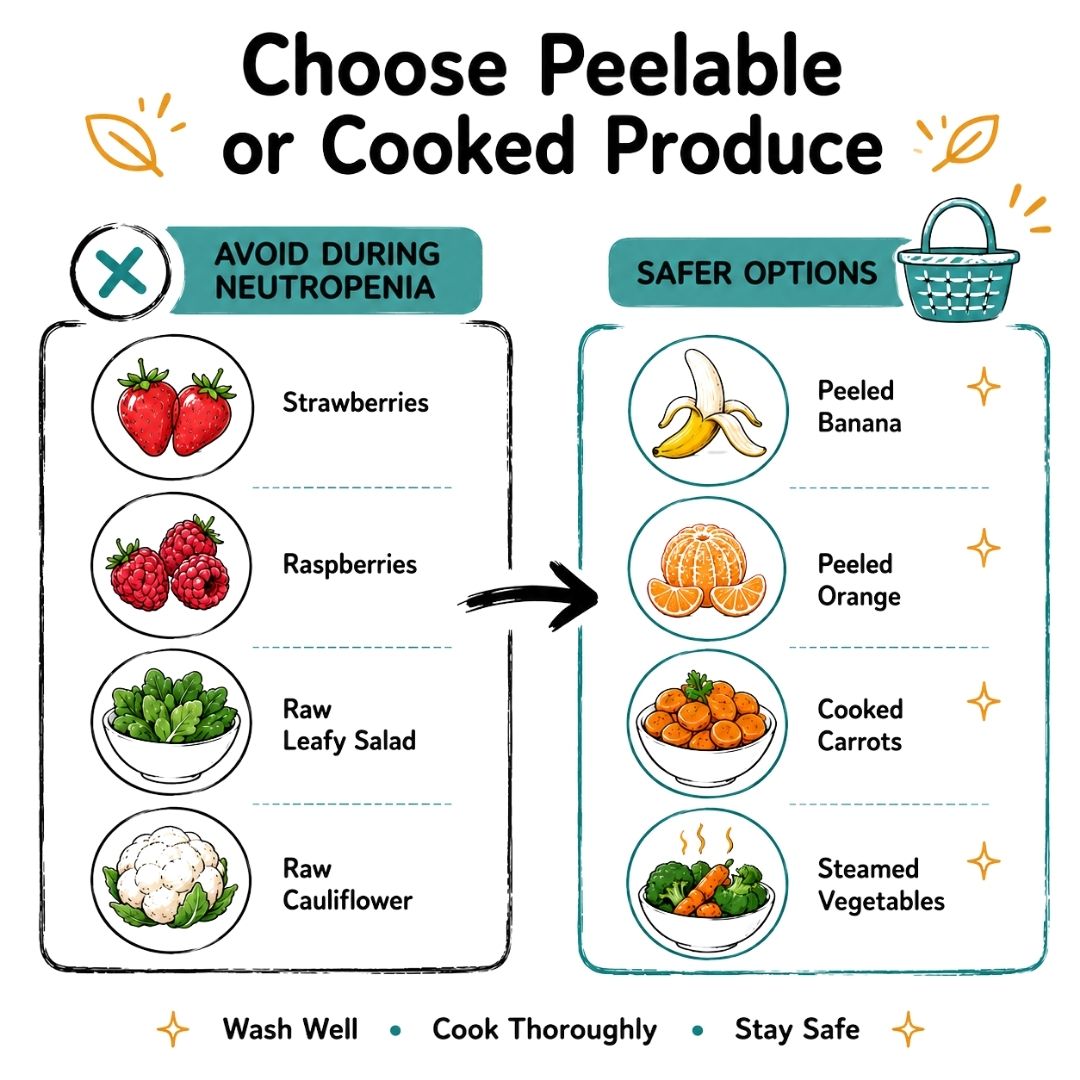
Unlike smooth-skinned produce like oranges or bananas that can be thoroughly washed and peeled to remove surface pathogens, items like raspberries, strawberries, and cauliflower have a high surface area where germs can hide, and should be avoided for a neutropenic diet. For someone with neutropenia, consuming these raw can pose a significant infection risk, turning a seemingly healthy choice into a potential source of illness. This makes careful selection and preparation of produce a key part of a safe diet while undergoing treatment.
The primary goal is to minimize exposure to microbial pathogens that can cause serious infections when your immune system is weakened. Bacteria like Cyclospora or E. coli are often linked to raw produce outbreaks. While a healthy person might experience mild gastrointestinal upset, an immunocompromised patient could face severe complications, potentially leading to treatment delays or hospitalization. Avoiding these high-risk items is a proactive measure to protect your health.
Key Takeaway: The complex and delicate surfaces of certain fruits and vegetables make them difficult to clean effectively. Choosing produce that can be peeled or cooked is a safer way to get vital nutrients without the risk of foodborne illness.
You can still enjoy a rich and varied intake of fruit and vegetables with a few simple adjustments.
Foods high in salt, as well as those preserved or smoked should be avoided when you are undergoing chemotherapy. These food categories often include processed meats, pickled items, and certain packaged snacks. High sodium levels can worsen dehydration and may also contribute to high blood pressure, which can be a concern with some chemotherapy drugs.
Furthermore, smoked and heavily cured foods can irritate mouth sores and a sore throat, making eating painful and difficult. Minimizing these foods helps manage common side effects and supports your overall hydration and cardiovascular health during a physically demanding treatment period.
The main goal is to reduce irritation to the mouth and digestive tract and to manage fluid balance and blood pressure effectively. Chemotherapy can make the lining of your mouth and gut extremely sensitive, and the abrasive, salty nature of these foods can cause significant discomfort. By choosing fresher, more gently prepared foods, you can avoid aggravating painful side effects like mucositis and focus on getting the nourishment you need to stay strong.
Key Takeaway: Steering clear of highly salted, smoked, and preserved foods helps protect your sensitive digestive system, supports hydration, and avoids unnecessary strain on your cardiovascular system. Opting for fresh, simply prepared meals is a gentler choice for your body.
Swapping out these items for fresher alternatives can make a big difference in how you feel.
| Item | Implementation Complexity | Resource Requirements | Expected Outcomes | Applicable Situations | Key Advantages |
|---|---|---|---|---|---|
| Raw and Undercooked Foods | Low — avoid or replace with cooked options | Moderate — thermometer, cooked alternatives, home preparation | Lower bacterial infection risk | Active chemotherapy, neutropenia | Clear guidance; retains nutrition via cooked foods |
| High-Fibre Foods Under Gastrointestinal Complications | Medium — tailor fibre type and timing | Moderate — dietitian support, soft-food substitutes | Reduced gastrointestinal irritation, less diarrhea | Chemotherapy-induced gastrointestinal complications, mucositis | Temporarily reduces symptoms while enabling recovery |
| Spicy and Heavily Seasoned Foods | Low — use mild seasonings | Low — herbs, mild sauces, cooling foods | Less oral and gastrointestinal irritation; improved tolerance | Mucositis, nausea, mouth sores | Easy, reversible change with immediate symptom relief |
| Moldy and Fermented Foods | Low — avoid or replace fermented items | Moderate — pasteurized alternatives, strict storage | Reduced infection risk | Immunosuppression, neutropenia | Clear safety margin; accessible substitutes |
| Unpasteurized Dairy | Low — check labels and avoid raw products | Low — pasteurised dairy widely available | Lower Listeria and bacterial infection risk | Neutropenia, immunosuppression | Simple label-based avoidance; preserves dairy nutrition |
| Deli Meats and Processed Cured Foods | Medium — replace convenience items with cooked meats | Moderate — meal preparation time, reheating equipment | Reduced Listeria and cross-contamination risk | Active treatment with exposure to deli counters | Promotes fresher, safer protein sources |
| Caffeine and Stimulating Beverages | Low — swap to decaf or herbal drinks | Low — decaf/herbal options easy to obtain | Better hydration, less insomnia and anxiety, reduced nausea | Patients with dehydration risk, insomnia, anxiety | Widely available alternatives; improves sleep and hydration |
| Alcohol and High-Sugar Beverages | Low–Medium — social adjustments and label checking | Low — non-alcoholic and low-sugar options | Reduced liver toxicity risk, better oral and metabolic health | Throughout chemotherapy, especially with liver concerns | Immediate health benefits; clear alternatives for social settings |
| Fresh Produce That Cannot Be Peeled or Thoroughly Washed | Medium — choose peelable or cooked produce | Moderate — cooking | Lower foodborne infection risk | Neutropenia, immunosuppression | Maintains nutrients using cooked options |
| Heavily Salted, Preserved, and Smoked Foods | Medium — read labels and shift to fresh foods | Moderate — fresh ingredients, herbs for flavor | Reduced dehydration, blood pressure issues | Patients with hypertension, dehydration risk | Improves hydration and reduces side-effect exacerbation |
Navigating your diet during chemotherapy can feel like learning a new language, one where familiar foods suddenly come with new rules and considerations. Throughout this guide, we've explored the specific foods to avoid during chemotherapy, moving beyond a simple list to understand the critical "why" behind each recommendation. We've seen how avoiding raw and undercooked items is a primary defense against infection, how moderating high-fibre foods can soothe a sensitive gut, and why steering clear of unpasteurized dairy is crucial when your immune system is vulnerable.
The core purpose of these dietary adjustments is not to restrict, but to protect. Each choice you make is an active step in supporting your body's ability to heal and withstand treatment. By being mindful of food safety, managing side effects, and preventing unwanted complications, you are taking a powerful, proactive role in your own care.
To truly integrate this knowledge, let's crystallize the most important principles from our discussion:
Crucial Insight: Your dietary needs are dynamic. They can change from one treatment cycle to the next. The most effective approach is to stay adaptable and responsive to your body's signals, always in consultation with your medical team.
Knowledge is only powerful when put into practice. Here are the immediate steps you can take to build a safe and nourishing eating plan:
Mastering these dietary approaches offers benefits that extend far beyond simply avoiding a stomach ache. It empowers you to minimize treatment delays caused by infection, maintain your strength and energy levels more effectively, and feel a greater sense of control during a time that can often feel overwhelming.
This journey is a marathon, not a sprint. Be patient and compassionate with yourself. There will be days when your appetite is low and only a few foods seem appealing. On those days, focus on hydration and safe food choices. By thoughtfully considering the foods to avoid during chemotherapy and embracing nourishing alternatives, you are giving your body one of the greatest gifts possible: the optimal fuel to fight, recover, and heal.
We strongly advise you to talk with a health care professional about specific medical conditions and treatments.
The information on our site is meant to be helpful and educational but is not a substitute for medical advice.
Feeling overwhelmed? This practical guide shows you how to prepare for chemotherapy, covering medical questions, home life, and emotional support.
The Use Of Prescribed Drugs, Diet Changes And Complementary Medicine Are Discussed Here As Solutions To Relieve Chemotherapy Nausea.
Considering cold caps for chemotherapy? This guide explains how they work, success rates, costs, and practical tips for preventing hair loss during treatment.