Cancer is not just physical, it's emotional one as well. The moment you or a loved one is diagnosed with cancer, life changes in ways that can be overwhelming, frightening, and deeply emotional. This article aims to provide an empathetic and comprehensive guide to understanding and managing the emotional challenges that come with a cancer diagnosis.
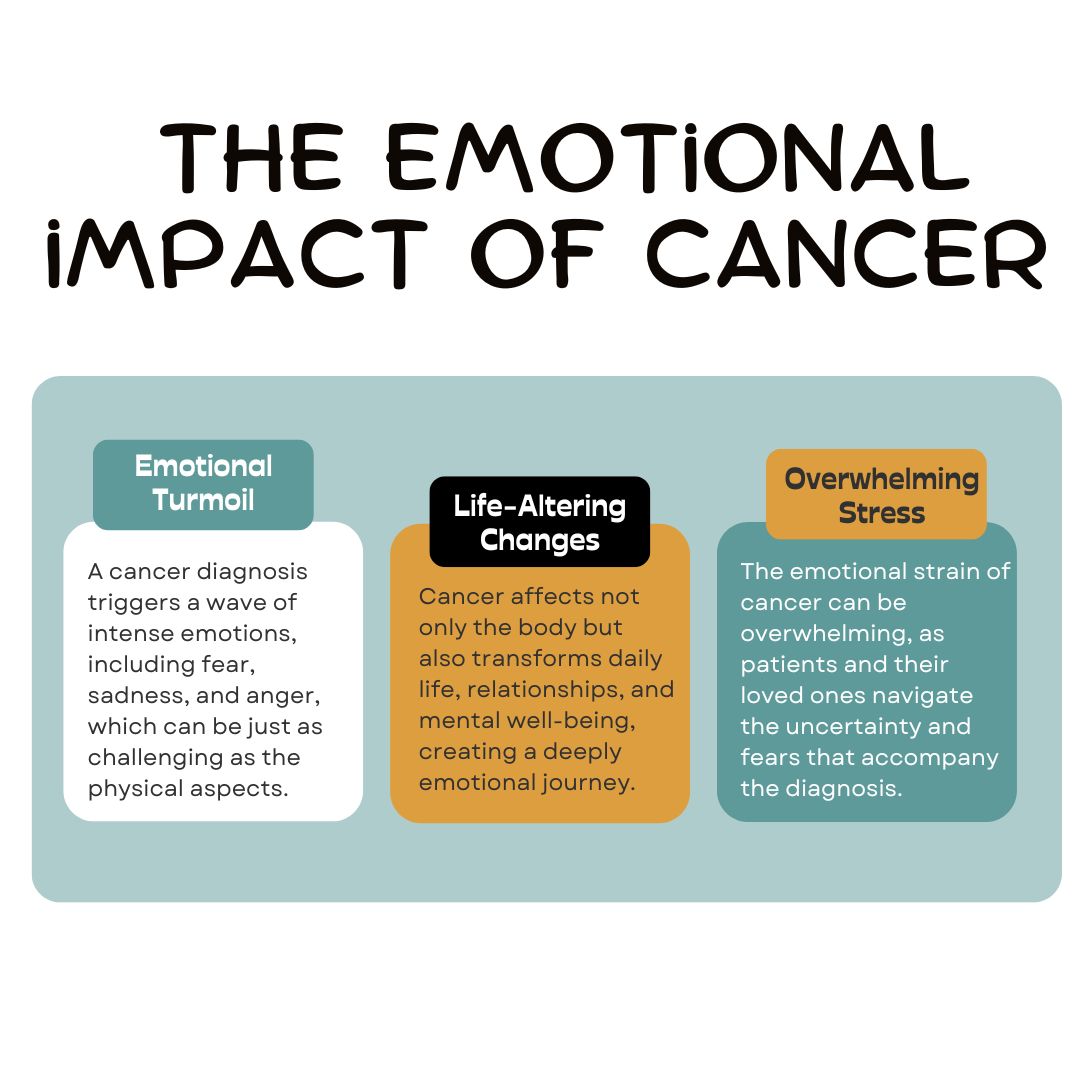
The news of a cancer diagnosis can trigger a wide range of emotions, including shock, fear, anger, sadness, and even guilt. These feelings are completely normal and valid. It’s important to remember that there is no "right" way to feel when you are faced with such life-altering news.
Upon hearing the diagnosis, many people experience shock and disbelief. It may feel like the ground has been pulled out from under you. Some may even deny the reality of the situation, which can be a defense mechanism to protect themselves from the immediate emotional pain.
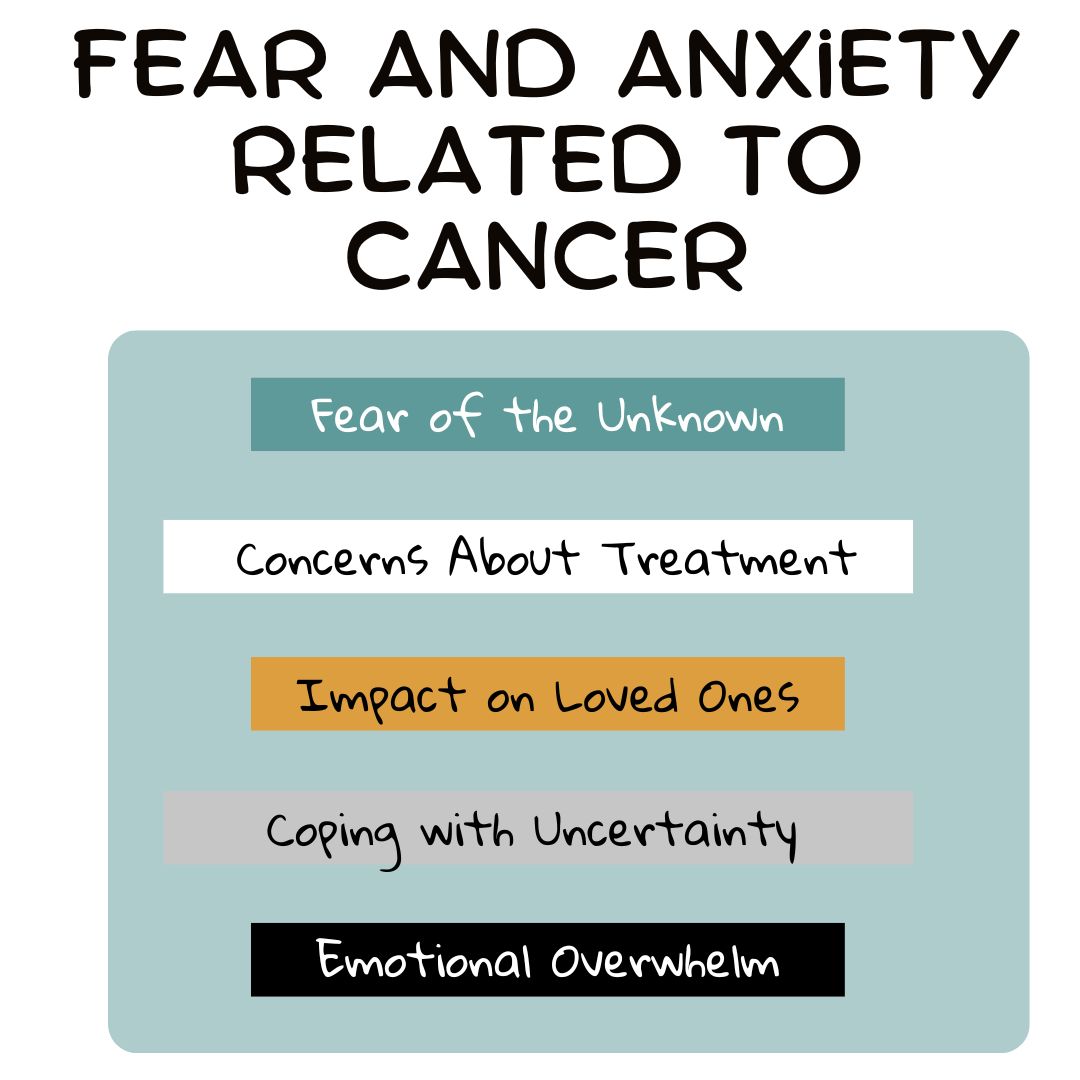
Fear is a common reaction to a cancer diagnosis. Patients often worry about their future, the effectiveness of treatments, potential side effects, and how the disease will affect their loved ones. Anxiety can also stem from uncertainty, as cancer often brings a sense of unpredictability into your life.
Anger is another emotion that many cancer patients experience. You might feel angry at the situation, at the illness itself, or even at yourself or others. Frustration can arise when dealing with the challenges of treatment, the healthcare system, or the changes cancer forces upon your life.
It is natural to feel sadness when facing cancer. You may grieve the loss of your health, the life you once had, or the future you envisioned. Prolonged sadness can sometimes lead to depression, which is a serious condition that requires attention and support.
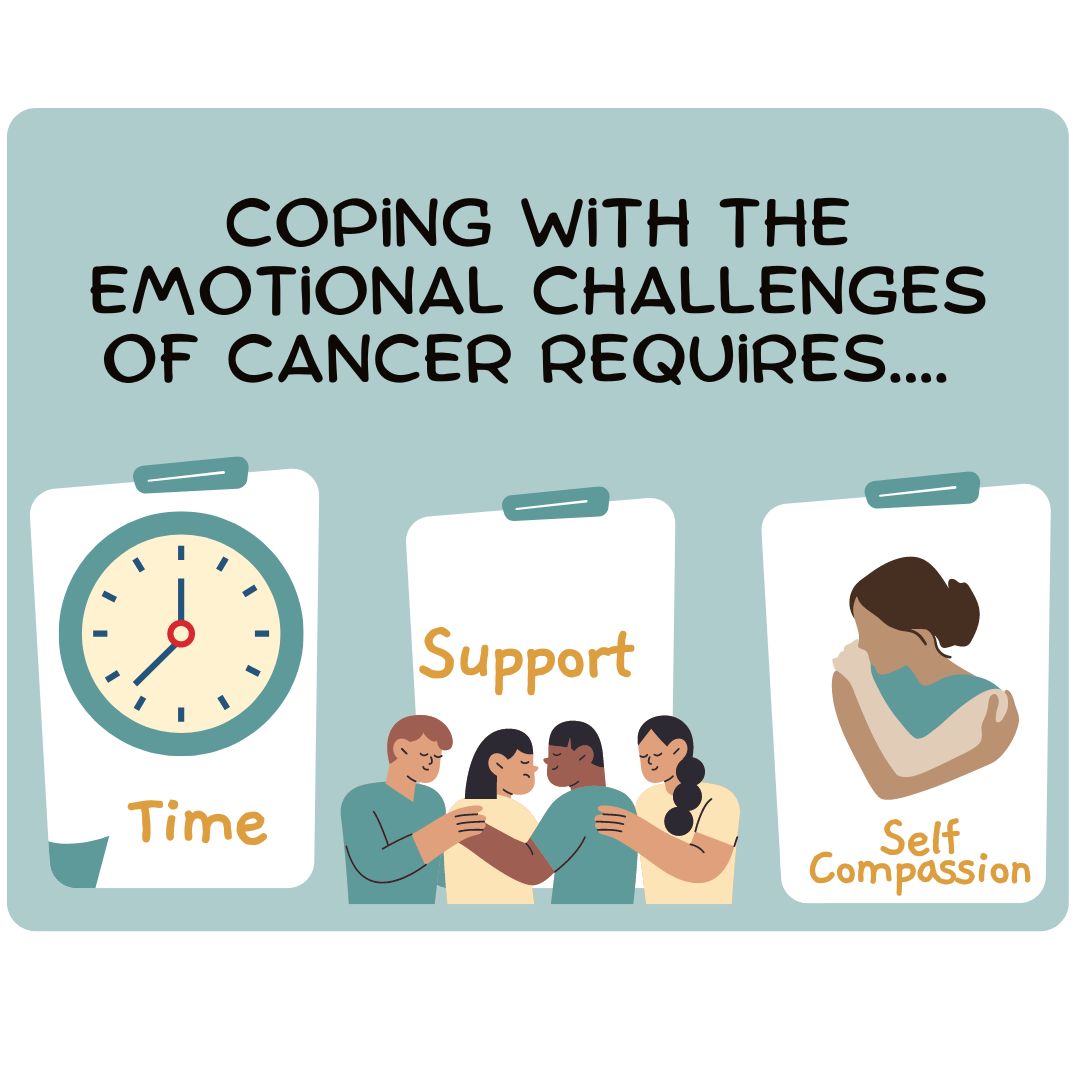
Coping with the emotional challenges of cancer requires time, support, and self-compassion. Here are some strategies that can help you navigate this difficult journey.
One of the most important steps in managing the emotional impact of cancer is to allow yourself to fully experience your emotions. When faced with a life-altering diagnosis, it's natural to feel a wide range of emotions, from anger and sadness to fear and confusion. These feelings are valid and reflect the gravity of what you're going through.
Rather than suppressing or denying your emotions, it’s essential to acknowledge them. Pretending that everything is fine or trying to push your feelings aside can lead to greater emotional distress over time. By giving yourself permission to feel whatever arises, you're taking an important step toward emotional healing. This means allowing yourself to cry if you need to, to express anger if it surfaces, or to sit with your sadness and let it pass naturally.
Understanding that these emotions are a natural response to a life-threatening illness can help you to be more compassionate with yourself. You are not weak or failing by feeling this way; you are simply human. It's important to remember that emotions are not something to be fixed or eradicated—they are part of the process of coping and adapting to your new reality.
This self-compassion can help prevent your emotions from becoming overwhelming or turning into long-term anxiety or depression. By acknowledging your feelings, you create space for them to be processed in a healthy way. This might involve talking about them with someone you trust, writing them down in a journal, or simply sitting quietly and letting yourself feel without judgment.
In the end, allowing yourself to feel is about honoring your emotional experience and understanding that it's a crucial part of your journey. It’s a form of self-care that helps you to move through difficult times with greater resilience and self-awareness
Navigating the emotional and physical challenges of a cancer diagnosis can be an overwhelming and isolating experience. However, it’s important to remember that you don’t have to go through this journey alone. Seeking support from others can provide much-needed comfort, understanding, and companionship during this difficult time.
Start by reaching out to family and friends. These are the people who care about you the most and who likely want to help but may not know how. Don’t hesitate to let them in and allow them to support you in the ways they can. Whether it’s lending a listening ear, helping with daily tasks, or simply being there to keep you company, their presence can make a significant difference in how you cope.
In addition to personal connections, consider joining a support group specifically for cancer patients or survivors. These groups offer a unique environment where you can connect with others who are going through similar experiences. Sharing your feelings and hearing from others who truly understand what you’re going through can be incredibly validating and reassuring. Support groups can provide a safe space to express your fears, frustrations, and hopes without judgment, helping you feel less alone in your journey.
If in-person support groups aren’t accessible or comfortable for you, there are numerous online communities where you can connect with others facing cancer. These virtual support networks can be just as effective in providing the empathy and encouragement you need, and they offer the added benefit of being available at any time, from the comfort of your own home.
Don’t forget about professional support as well. Counselors, therapists, and oncology social workers are trained to help you navigate the complex emotions that come with a cancer diagnosis. They can provide tools and strategies for managing anxiety, depression, and other emotional challenges, and they can also guide you in communicating your needs to loved ones and your healthcare team.
Seeking support is not a sign of weakness; rather, it is a powerful step toward healing. By opening up to others, you create a network of care that can help carry you through the most difficult moments. It’s a reminder that while the cancer journey is deeply personal, it’s one that doesn’t have to be faced alone. Support from others can provide strength, hope, and resilience, helping you to manage the emotional toll of cancer with greater ease.
Effective communication with your healthcare team is a cornerstone of managing your cancer journey. Your doctors, nurses, and other healthcare professionals are there not only to treat the physical aspects of your illness but also to support your overall well-being, which includes your emotional and mental health.
Open and honest communication allows your healthcare team to understand the full scope of what you’re experiencing, enabling them to provide the best possible care. Don’t hesitate to share your concerns, fears, or any emotional struggles you may be facing. These professionals are trained to handle not just the medical but also the emotional complexities that come with a cancer diagnosis. By voicing your feelings, you give them the opportunity to address your needs more holistically.
It’s important to remember that there’s no such thing as a “wrong” question when it comes to your health. Whether you’re unsure about the side effects of a treatment, worried about how your illness will impact your daily life, or feeling overwhelmed by the emotional toll of your diagnosis, your healthcare team is there to listen and provide answers. Asking questions not only helps you gain clarity about your condition and treatment options but also empowers you to take an active role in your care.
If you’re struggling with anxiety, depression, or other emotional challenges, let your healthcare team know. They can refer you to mental health professionals who specialize in oncology, such as counselors, psychologists, or social workers, who can help you manage these feelings. They may also be able to adjust your treatment plan to better accommodate your emotional needs, such as providing more information, offering reassurance, or connecting you with support resources.
In addition to addressing your emotional health, open communication with your healthcare team can improve your overall treatment experience. By being upfront about your symptoms, side effects, and any challenges you’re facing, your team can tailor your treatment plan to better suit your individual needs. This might involve adjusting medication dosages, offering additional therapies, or providing recommendations for managing side effects at home.
Remember, your healthcare team is your partner in this journey. They are there to support you every step of the way, but they can only do so effectively if you keep them informed about how you’re really feeling—both physically and emotionally. By fostering a relationship based on trust and open dialogue, you can work together to navigate the complexities of cancer treatment and care more effectively.
Ultimately, clear and consistent communication with your healthcare team helps ensure that all aspects of your well-being are addressed, leading to a more comprehensive and supportive care experience. Don’t hesitate to speak up, ask questions, and express your feelings—your healthcare team is there to help you through this journey, providing both medical and emotional support every step of the way.
cing cancer can be an incredibly overwhelming experience, and it’s important to recognize when your emotions are becoming too much to handle on your own. If you find that feelings of anxiety, depression, or other emotional challenges are interfering with your daily life or ability to cope, it might be time to seek the support of a mental health professional.
Talking to a therapist or counselor who specializes in oncology can be a crucial step in managing the emotional complexities that come with a cancer diagnosis. These professionals have the expertise to understand the unique psychological impacts of cancer, and they are equipped with strategies to help you navigate the emotional turmoil you may be experiencing.
Therapists who specialize in oncology are trained to address the specific emotional and mental health challenges that often accompany cancer. They can help you process your feelings of fear, sadness, anger, and uncertainty in a safe and supportive environment. Through individual therapy sessions, they can work with you to develop personalized coping strategies that can make it easier to manage these emotions.
If you’re struggling with anxiety, a therapist can teach you relaxation techniques, such as deep breathing exercises, mindfulness, or progressive muscle relaxation, to help reduce your stress levels. These techniques can be particularly useful when dealing with the uncertainty and fear that often accompany a cancer diagnosis.
For those dealing with depression, a counselor can provide cognitive-behavioral therapy (CBT), which is a proven method for challenging and changing negative thought patterns that contribute to feelings of hopelessness and despair. CBT can help you reframe your thoughts in a more positive and constructive way, empowering you to take control of your emotional well-being.
In addition to individual therapy, mental health professionals can also guide you in building a support network. They might recommend support groups where you can connect with others who are going through similar experiences. Sharing your journey with others who understand can be incredibly validating and can help reduce feelings of isolation.
Moreover, if you are experiencing severe emotional distress, a mental health professional can assess whether medication might be appropriate. Sometimes, antidepressants or anti-anxiety medications are used in conjunction with therapy to help stabilize your mood and make it easier for you to engage in your treatment and daily activities.
It’s important to remember that seeking professional help is not a sign of weakness, but rather a proactive step in taking care of your overall health. Mental health is just as important as physical health, and addressing emotional challenges early on can prevent them from becoming more severe.
By working with a mental health professional, you can gain valuable tools and strategies to better manage the emotional impact of cancer, helping you to navigate your journey with greater resilience and peace of mind. Whether through one-on-one counseling, support groups, or therapeutic techniques, professional help can provide the support you need to cope with the emotional challenges that come with cancer.
In the midst of the physical and emotional challenges that come with a cancer diagnosis, finding ways to manage stress and maintain emotional well-being is crucial. One of the most effective ways to achieve this is by incorporating relaxation techniques into your daily routine. These practices, such as deep breathing, meditation, and yoga, can play a significant role in helping you stay grounded, calm, and centered, even when faced with the uncertainties of your condition.
Deep breathing is a simple yet powerful relaxation technique that can be practiced anywhere, at any time. It involves focusing on taking slow, deep breaths, which helps to calm the mind and body. When you breathe deeply, it signals to your brain that it’s time to relax, which in turn can lower your heart rate, reduce blood pressure, and decrease stress levels. By making deep breathing a regular practice, you can create a sense of calm that helps you cope with anxiety and tension, especially during moments of fear or uncertainty related to your illness.
Meditation is another effective tool for managing stress and promoting emotional well-being. This practice involves focusing your mind on a particular object, thought, or activity to achieve a mentally clear and emotionally calm state. Meditation can help you become more aware of your thoughts and emotions, allowing you to observe them without judgment. Over time, this can lead to a greater sense of inner peace and resilience. Regular meditation practice has been shown to reduce stress, alleviate symptoms of depression, and improve overall mental health. Even just a few minutes of meditation each day can make a difference in how you handle the emotional challenges of cancer.
Yoga combines physical postures, breathing exercises, and meditation to promote both physical and mental well-being. This ancient practice not only improves flexibility and strength but also helps to reduce stress and anxiety. Yoga encourages mindfulness, which is the practice of being fully present in the moment. This can be especially beneficial for cancer patients, as it helps you focus on the here and now, rather than worrying about the future. Yoga’s gentle movements and focus on breath control can also help alleviate physical discomfort and improve sleep, both of which are important for your overall health and emotional stability during treatment.
Another relaxation technique that can be particularly helpful is progressive muscle relaxation (PMR). This practice involves tensing and then slowly relaxing each muscle group in your body, starting from your toes and working your way up to your head. PMR can help you become more aware of physical tension and learn how to release it, promoting a deep sense of relaxation. It’s a practical tool for managing the physical symptoms of stress, such as muscle tightness and headaches, and can be especially soothing before bedtime to improve sleep quality.
Guided imagery is a relaxation technique that involves focusing on positive images or scenarios to help your mind and body relax. During guided imagery, you might visualize yourself in a peaceful setting, such as a beach or a forest, while listening to calming instructions. This technique can help distract you from pain, reduce anxiety, and create a sense of well-being. Guided imagery can be practiced with the help of recordings or a therapist, and it’s a useful tool for managing stress and enhancing your emotional resilience.
To fully benefit from these relaxation techniques, it’s important to practice them regularly. Start by setting aside a few minutes each day to focus on deep breathing, meditation, or yoga. As you become more comfortable with these practices, you can gradually increase the time you spend on them. The key is consistency—regular practice will help these techniques become a natural part of your routine, providing ongoing support for your emotional and mental well-being.
Engaging in relaxation techniques not only helps you manage the immediate stressors of living with cancer but also equips you with tools to handle future challenges more effectively. These practices can help you maintain a sense of balance and calm, even when faced with the uncertainties that a cancer diagnosis can bring. By incorporating relaxation techniques into your life, you are taking an active role in your emotional care, empowering yourself to face your journey with greater peace and resilience.
A cancer diagnosis can often make you feel like your life is spinning out of control. The uncertainty of the future, the unpredictability of treatments, and the overwhelming nature of the disease itself can lead to feelings of helplessness and anxiety. However, one of the most effective ways to regain a sense of control and empowerment is to focus on the aspects of your life that you can influence. By directing your energy toward what you can manage—such as your treatment decisions, lifestyle choices, and daily routines—you can create a sense of stability and empowerment amidst the chaos.
One of the most significant areas where you can exert control is in your treatment decisions. While you may not be able to control the fact that you have cancer, you do have a say in how you approach your treatment. Take the time to understand your diagnosis and explore all of your treatment options. Ask questions, seek second opinions if needed, and collaborate with your healthcare team to develop a treatment plan that aligns with your values and goals. Being an active participant in your care can help you feel more empowered and less like a passive recipient of treatment.
Another area where you can take control is in your lifestyle choices. While cancer and its treatments may impose certain physical limitations, there are still many aspects of your lifestyle that you can manage to support your overall well-being. This might include making dietary changes to ensure you’re getting the nutrients your body needs, incorporating regular physical activity into your routine as your energy levels allow, or prioritizing rest and sleep to help your body recover. These healthy habits can not only improve your physical health but also boost your emotional well-being, giving you a greater sense of control over your body and mind.
Creating and maintaining a daily routine is another powerful way to regain a sense of control during your cancer journey. Having a routine can bring structure and predictability to your day, which can be incredibly comforting when so much feels uncertain. Your routine doesn’t have to be rigid—it's about finding a balance that works for you, incorporating activities that bring you joy, comfort, and a sense of normalcy. Whether it’s starting your day with a morning walk, setting aside time for meditation or hobbies, or maintaining regular meal times, these small but consistent actions can help ground you and provide a sense of stability.
Setting and working toward personal goals, no matter how small, can also be a meaningful way to focus on what you can control. These goals don’t have to be related to your cancer—they can be anything that brings you a sense of purpose and accomplishment. Whether it’s finishing a book, learning a new skill, or simply getting through a particularly challenging day, setting achievable goals can help you maintain a sense of forward momentum. Celebrating these small victories, even in the face of adversity, reinforces your ability to take charge of your life.
Your immediate environment is another area where you can exert control. Surrounding yourself with things that bring you comfort, joy, and positivity can have a significant impact on your mood and outlook. This might involve creating a calming space in your home where you can relax, decluttering to reduce stress, or incorporating elements that remind you of your strength and resilience. Taking charge of your environment, even in small ways, can help you feel more in control of your situation.
Taking care of your emotional and mental health is also something you can control. This might involve seeking support from a therapist or counselor, practicing relaxation techniques like deep breathing or mindfulness, or engaging in activities that bring you peace and happiness. By proactively managing your emotional well-being, you can mitigate the feelings of helplessness that often accompany a cancer diagnosis and strengthen your resilience.
Equally important is the recognition that there are some things you cannot control, and learning to let go of these can be liberating. Accepting that you can’t change certain aspects of your situation allows you to focus your energy on what you can influence. This doesn’t mean giving up; rather, it means choosing to channel your efforts into areas where you can make a difference, thereby reducing unnecessary stress and anxiety.
Focusing on what you can control is about reclaiming your sense of agency in a situation that can often feel overwhelming. It’s about making deliberate choices that align with your values, taking proactive steps to care for your physical and emotional health, and creating routines and goals that bring stability and purpose to your life. By concentrating on these aspects, you can transform feelings of powerlessness into a sense of empowerment, helping you to navigate your cancer journey with greater strength, resilience, and confidence.
Managing the emotional impact of cancer can be challenging, but there are resources available to help you navigate this journey. We encourage you to sign up for our "Tips for People with Cancer" guide, which offers valuable insights and advice to support you through every step of your cancer journey. By signing up, you’ll receive tips on managing emotional and physical well-being, staying organized during treatment, and more.
Visit https://cancercareparcel.com/tips-for-people-with-cancer/ to sign up and start receiving these supportive resources today.
ear and anxiety are very common reactions to a cancer diagnosis. It's important to talk about these feelings with your healthcare team or a mental health professional.
Yes, relaxation techniques like meditation and deep breathing can significantly reduce stress and improve emotional well-being during cancer treatment.
If you experience prolonged sadness or depression, it’s important to seek help from a mental health professional. Depression is treatable, and getting the right support can make a big difference.
Anger is a normal and valid emotion after a cancer diagnosis. Finding healthy ways to express and manage it, such as through exercise, journaling, or talking with a therapist, can be very helpful
our healthcare team is there to support not only your physical health but also your emotional well-being. They can provide resources, referrals, and advice to help you manage the emotional challenges of cancer
Cancer's emotional impact can be just as challenging as its physical effects. Understanding and acknowledging your emotions, seeking support, and finding ways to cope can help you navigate this difficult journey. Remember, it’s okay to ask for help and lean on others for support. Whether through professional counseling or support groups, there are resources available to help you manage the emotional challenges of cancer.